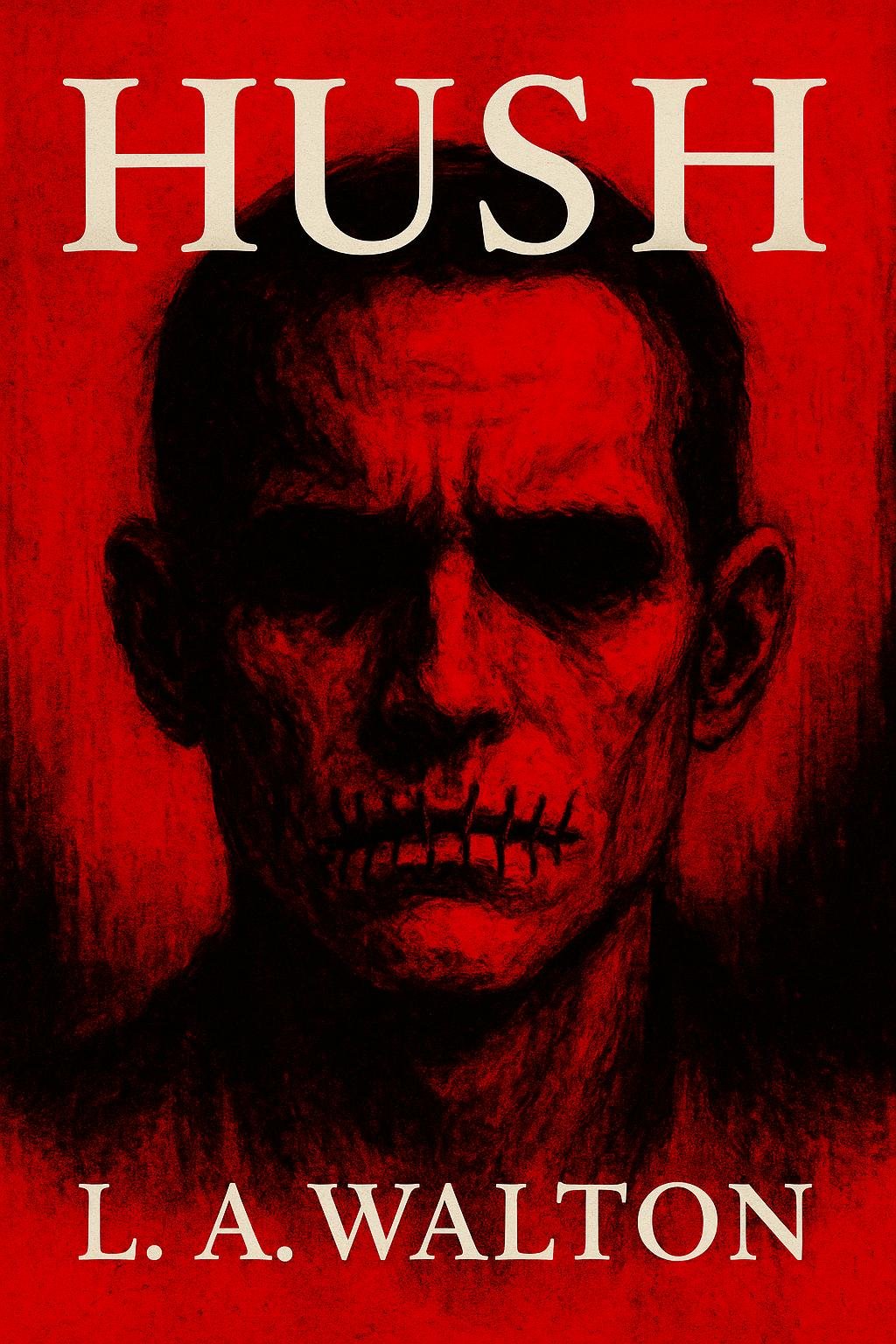
Hush
Price range: $6.99 through $24.99
He doesn’t want you to scream and he doesn’t want you to hear him coming. He sews the mouth shut, then the ears, and sets you loose to wander a world gone silent until it lets you go.
Additional information
| Weight | N/A |
|---|---|
| Dimensions | N/A |
| Format | Audiobook, eBook, Hardcover, Paperback |
| Language | English, French, German, Japanese, Korean, Portuguese, Spanish |
| Book Author | L. A. Walton |
| Page Count | 368 |
| Publisher | Splat Books Publishing |
| Year Published | 2011 |
Guaranteed safe checkout




Description
Description
He doesn’t want you to scream and he doesn’t want you to hear him coming. He sews the mouth shut, then the ears, and sets you loose to wander a world gone silent until it lets you go.
The first survivor is found walking a county road at dawn, alive, sealed and silent, a living sculpture of sensory nothing. After that they’re mostly found too late. Sign-language interpreter Wendeline Cho gets brought in to reach the few who live, to coax their hands into telling what their stitched mouths can’t, and what they tell her is worse than any sound: a man who works without anger, slow and surgical, who treats the act like art and the victim like a medium.
He’s making something — a series, a statement, a private exhibition of silence — and each piece is a person turned into an object of pure absence. The police want a description. His survivors can only sign the same three shapes, over and over, that Wendeline can’t yet parse. She knows she should hand her notes to someone with a badge and step back. Instead she sits with the newest survivor late into the night, hands moving in the lamplight, getting closer to the shape of him, while somewhere out there he selects the next quiet thing.
Artistic, claustrophobic horror about the terror of being cut off from the world while still inside it, this one finds dread in the absence of every alarm we rely on. The fear is the silence — and the patient man who composes in it.
Lean in close. He’s made it so you can’t call for help.
Delivery Info
- Standard and Express delivery services are available for all items.
- Shipping costs are calculated at the checkout page (after delivery option & destination confirmation).
- Tracking is available for all delivery options.
- Items are delivered during standard business hours.
Reviews (5000)
5000 reviews for Hush
Only logged in customers who have purchased this product may leave a review.
Related products
-
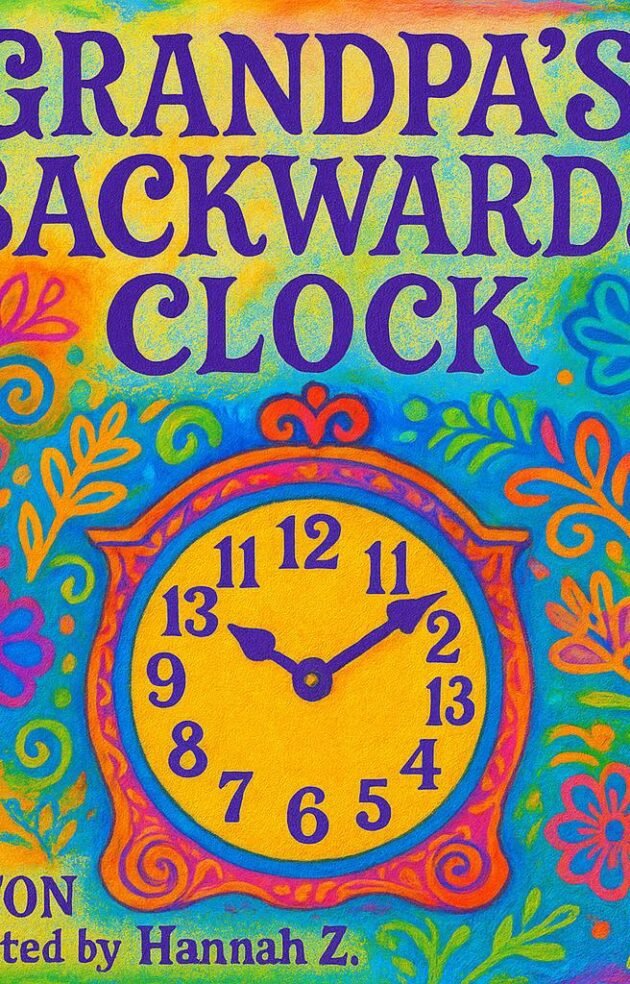 Price range: $5.99 through $18.99 Buy now This product has multiple variants. The options may be chosen on the product page
-
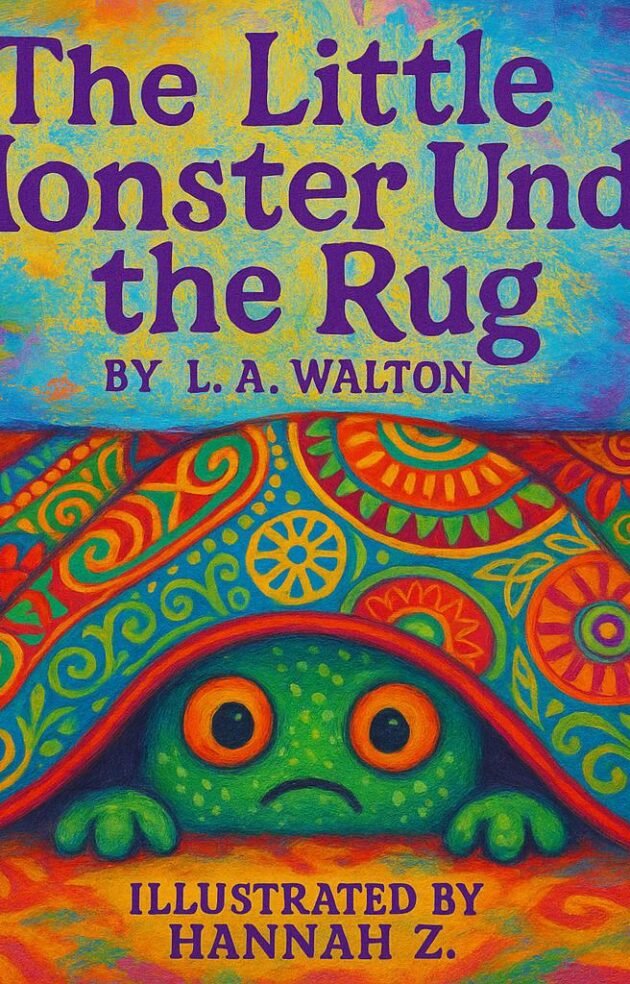 Price range: $5.99 through $18.99 Buy now This product has multiple variants. The options may be chosen on the product page
-
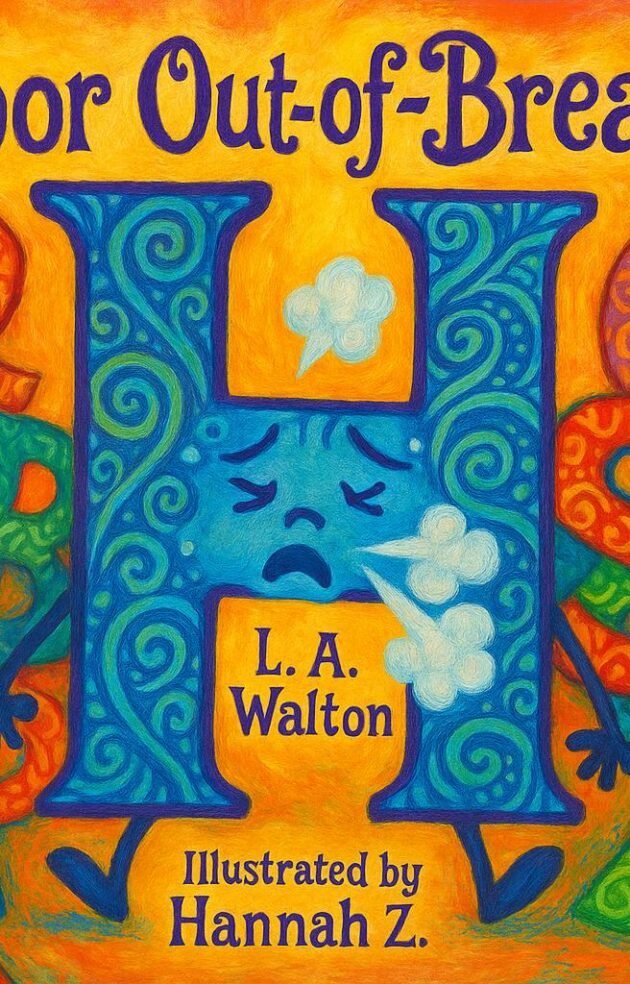 Price range: $5.99 through $18.99 Buy now This product has multiple variants. The options may be chosen on the product page
Viktor Z. –
I gave myself nightmares finishing this at 1am. The three repeated hand shapes as a recurring mystery device is such a clever hook, kept me turning pages just to find out what they meant.
Milo L. –
This is the kind of horror that lingers long after the last page. What got me most was how the horror isn’t in what’s shown, it’s in what’s withheld — the survivors can’t speak, so the dread just sits there, unresolved. The three repeated hand shapes as a recurring mystery device is such a clever hook, kept me turning pages just to find out what they meant. Wendeline as a protagonist walks that line between empathy and obsession so well — you understand exactly why she won’t hand her notes to the police. Already recommending this to everyone I know who loves dark, artistic horror.
Cormac A. –
The premise alone had me hooked before page one. I loved that the investigation runs through sign language instead of forensics — such a smart, unsettling angle for a serial killer novel. There’s a real ache under the terror here, this isn’t just shock value, it’s about connection and its absence. The idea of a killer who treats silence as art, who ‘composes’ in the absence of sound, is one of the most original horror concepts I’ve read in years. Read the Korean edition and it lost none of its tension in translation. Not for the faint of heart, but so worth it.
Omar P. –
The premise alone had me hooked before page one. Wendeline’s interpreting work isn’t just a plot device, it’s the whole nervous system of this book — every scene where she’s trying to parse those three repeated shapes had my skin crawling. I loved that the investigation runs through sign language instead of forensics — such a smart, unsettling angle for a serial killer novel. There’s a real ache under the terror here, this isn’t just shock value, it’s about connection and its absence. One of the best horror reads of the year for me.
Nadia A. –
This one’s staying with me for weeks. The idea of a killer who treats silence as art, who ‘composes’ in the absence of sound, is one of the most original horror concepts I’ve read in years. The ending doesn’t over-explain, it trusts the reader with the silence, and I respected that so much. Already recommending this to everyone I know who loves dark, artistic horror.
Rasheed P. –
This is the kind of horror that lingers long after the last page. Wendeline as a protagonist walks that line between empathy and obsession so well — you understand exactly why she won’t hand her notes to the police.
Lior P. –
L. A. Walton has done it again. I found myself holding my breath during the interpreter scenes, which is a wild thing for a book to make you do. Another reminder of why L. A. Walton is known as the horror maven — nobody builds dread like this.
Bram I. –
I gave myself nightmares finishing this at 1am. The pacing in the middle third slows down a touch, but honestly it works, it mirrors the claustrophobia of the whole concept. The three repeated hand shapes as a recurring mystery device is such a clever hook, kept me turning pages just to find out what they meant. Already recommending this to everyone I know who loves dark, artistic horror.
Kira X. –
My hands were literally shaking by chapter ten. The ending doesn’t over-explain, it trusts the reader with the silence, and I respected that so much.
James C. –
Couldn’t put this down — What got me most was how the horror isn’t in what’s shown, it’s in what’s withheld — the survivors can’t speak, so the dread just sits there, unresolved. This isn’t loud horror, it’s the horror of silence itself, of every alarm we take for granted just not being there. I found myself holding my breath during the interpreter scenes, which is a wild thing for a book to make you do. Already recommending this to everyone I know who loves dark, artistic horror.
Casimir S. –
I had to read this with the lights on. This isn’t loud horror, it’s the horror of silence itself, of every alarm we take for granted just not being there. Some early reviews called this ‘quiet horror’ and I get it now — this is dread built from absence, not jump scares. There’s a real ache under the terror here, this isn’t just shock value, it’s about connection and its absence. If you didn’t know why she’s called the plot twist queen, the last fifty pages will explain it. Highly recommend if you like your horror quiet and cerebral.
Milo H. –
Couldn’t put this down — What got me most was how the horror isn’t in what’s shown, it’s in what’s withheld — the survivors can’t speak, so the dread just sits there, unresolved. Read it as an eBook and it fit perfectly for late-night reading.
Felix F. –
This is the kind of horror that lingers long after the last page. What got me most was how the horror isn’t in what’s shown, it’s in what’s withheld — the survivors can’t speak, so the dread just sits there, unresolved. I loved that the investigation runs through sign language instead of forensics — such a smart, unsettling angle for a serial killer novel. One of the best horror reads of the year for me.
Leyla R. –
This book found a fear I didn’t know I had. Some early reviews called this ‘quiet horror’ and I get it now — this is dread built from absence, not jump scares.
Rowan F. –
Absolute masterclass in dread. What got me most was how the horror isn’t in what’s shown, it’s in what’s withheld — the survivors can’t speak, so the dread just sits there, unresolved.
Greta X. –
L. A. Walton has done it again. The scene with the newest survivor signing in lamplight is going to live in my head forever. Some early reviews called this ‘quiet horror’ and I get it now — this is dread built from absence, not jump scares. Read it in English but wish more of her backlist had wider translation options. Five stars, would read again if I could unsee it first.
Hilde E. –
This book found a fear I didn’t know I had. This isn’t loud horror, it’s the horror of silence itself, of every alarm we take for granted just not being there. The idea of a killer who treats silence as art, who ‘composes’ in the absence of sound, is one of the most original horror concepts I’ve read in years. Can’t wait to see what she does next.
Marit O. –
Reading this on a quiet train ride was a mistake — everything felt too loud and too silent at once. I found myself holding my breath during the interpreter scenes, which is a wild thing for a book to make you do.
Amelie V. –
I had to read this with the lights on. The idea of a killer who treats silence as art, who ‘composes’ in the absence of sound, is one of the most original horror concepts I’ve read in years. Wendeline’s interpreting work isn’t just a plot device, it’s the whole nervous system of this book — every scene where she’s trying to parse those three repeated shapes had my skin crawling. Read it in English but wish more of her backlist had wider translation options. Five stars, would read again if I could unsee it first.
Talia Y. –
Reading this on a quiet train ride was a mistake — everything felt too loud and too silent at once. The ending doesn’t over-explain, it trusts the reader with the silence, and I respected that so much. I loved that the investigation runs through sign language instead of forensics — such a smart, unsettling angle for a serial killer novel. The antagonist is genuinely disturbing without ever feeling cartoonish — ‘slow and surgical’ is exactly right, no wasted menace. This is exactly why everyone calls her the horror maven, this book earns that title all over again. This will mess with your head in the best way.
Leyla E. –
I had to read this with the lights on. This isn’t loud horror, it’s the horror of silence itself, of every alarm we take for granted just not being there. What got me most was how the horror isn’t in what’s shown, it’s in what’s withheld — the survivors can’t speak, so the dread just sits there, unresolved. Got the eBook edition and the cover alone sets the tone before you even open it. One of the best horror reads of the year for me.
Rowan L. –
This book found a fear I didn’t know I had. The idea of a killer who treats silence as art, who ‘composes’ in the absence of sound, is one of the most original horror concepts I’ve read in years. The ending doesn’t over-explain, it trusts the reader with the silence, and I respected that so much. Already recommending this to everyone I know who loves dark, artistic horror.
Emrys M. –
I had to read this with the lights on. Some early reviews called this ‘quiet horror’ and I get it now — this is dread built from absence, not jump scares. The three repeated hand shapes as a recurring mystery device is such a clever hook, kept me turning pages just to find out what they meant. Read it in English but wish more of her backlist had wider translation options. Can’t wait to see what she does next.
Ciara S. –
Couldn’t put this down — The ending doesn’t over-explain, it trusts the reader with the silence, and I respected that so much. There’s a real ache under the terror here, this isn’t just shock value, it’s about connection and its absence. Can’t wait to see what she does next.
Idris P. –
Slow burn done exactly right. There’s a real ache under the terror here, this isn’t just shock value, it’s about connection and its absence. The twist near the end cements her reputation as the plot twist queen, I did not see it coming. It meant a lot getting to read this in Portuguese for once — thank you to whoever handled that translation.
Gabriel F. –
Slow burn done exactly right. The pacing in the middle third slows down a touch, but honestly it works, it mirrors the claustrophobia of the whole concept. Wendeline as a protagonist walks that line between empathy and obsession so well — you understand exactly why she won’t hand her notes to the police. The twist near the end cements her reputation as the plot twist queen, I did not see it coming. Can’t wait to see what she does next.
Nia F. –
I gave myself nightmares finishing this at 1am. There’s a real ache under the terror here, this isn’t just shock value, it’s about connection and its absence. The three repeated hand shapes as a recurring mystery device is such a clever hook, kept me turning pages just to find out what they meant. The scene with the newest survivor signing in lamplight is going to live in my head forever. Read it in English but wish more of her backlist had wider translation options. Can’t wait to see what she does next.
Marit G. –
This is the kind of horror that lingers long after the last page. I loved that the investigation runs through sign language instead of forensics — such a smart, unsettling angle for a serial killer novel.
Naledi Y. –
Couldn’t put this down — The scene with the newest survivor signing in lamplight is going to live in my head forever. The idea of a killer who treats silence as art, who ‘composes’ in the absence of sound, is one of the most original horror concepts I’ve read in years. This will mess with your head in the best way.
Mei P. –
Went in expecting standard thriller beats, got something much colder. The antagonist is genuinely disturbing without ever feeling cartoonish — ‘slow and surgical’ is exactly right, no wasted menace. There’s a real ache under the terror here, this isn’t just shock value, it’s about connection and its absence. This isn’t loud horror, it’s the horror of silence itself, of every alarm we take for granted just not being there. This will mess with your head in the best way.
Yara E. –
My hands were literally shaking by chapter ten. What got me most was how the horror isn’t in what’s shown, it’s in what’s withheld — the survivors can’t speak, so the dread just sits there, unresolved. The ending doesn’t over-explain, it trusts the reader with the silence, and I respected that so much. The three repeated hand shapes as a recurring mystery device is such a clever hook, kept me turning pages just to find out what they meant. Already recommending this to everyone I know who loves dark, artistic horror.
Omar N. –
Went in expecting standard thriller beats, got something much colder. There’s a real ache under the terror here, this isn’t just shock value, it’s about connection and its absence. What got me most was how the horror isn’t in what’s shown, it’s in what’s withheld — the survivors can’t speak, so the dread just sits there, unresolved. One of the best horror reads of the year for me.
Bianca B. –
My hands were literally shaking by chapter ten. The idea of a killer who treats silence as art, who ‘composes’ in the absence of sound, is one of the most original horror concepts I’ve read in years.
Isabella Y. –
Couldn’t put this down — The antagonist is genuinely disturbing without ever feeling cartoonish — ‘slow and surgical’ is exactly right, no wasted menace. This isn’t loud horror, it’s the horror of silence itself, of every alarm we take for granted just not being there. This will mess with your head in the best way.
Noah X. –
Couldn’t put this down — The pacing in the middle third slows down a touch, but honestly it works, it mirrors the claustrophobia of the whole concept. The three repeated hand shapes as a recurring mystery device is such a clever hook, kept me turning pages just to find out what they meant. She’s earned the nickname the horror maven one book at a time, and Hush might be the best proof yet. Already recommending this to everyone I know who loves dark, artistic horror.
Corvin T. –
Went in expecting standard thriller beats, got something much colder. I loved that the investigation runs through sign language instead of forensics — such a smart, unsettling angle for a serial killer novel. Wendeline’s interpreting work isn’t just a plot device, it’s the whole nervous system of this book — every scene where she’s trying to parse those three repeated shapes had my skin crawling. I found myself holding my breath during the interpreter scenes, which is a wild thing for a book to make you do. Got the Audiobook edition and the cover alone sets the tone before you even open it. One of the best horror reads of the year for me.
Emrys V. –
This book found a fear I didn’t know I had. Some early reviews called this ‘quiet horror’ and I get it now — this is dread built from absence, not jump scares.
Nia J. –
Finished this in two sittings. Wendeline as a protagonist walks that line between empathy and obsession so well — you understand exactly why she won’t hand her notes to the police. The three repeated hand shapes as a recurring mystery device is such a clever hook, kept me turning pages just to find out what they meant. This will mess with your head in the best way.
Bianca J. –
I gave myself nightmares finishing this at 1am. The three repeated hand shapes as a recurring mystery device is such a clever hook, kept me turning pages just to find out what they meant.
Renata W. –
I had to read this with the lights on. Some early reviews called this ‘quiet horror’ and I get it now — this is dread built from absence, not jump scares. The idea of a killer who treats silence as art, who ‘composes’ in the absence of sound, is one of the most original horror concepts I’ve read in years. Already recommending this to everyone I know who loves dark, artistic horror.
Ivan A. –
L. A. Walton has done it again. Wendeline as a protagonist walks that line between empathy and obsession so well — you understand exactly why she won’t hand her notes to the police. What got me most was how the horror isn’t in what’s shown, it’s in what’s withheld — the survivors can’t speak, so the dread just sits there, unresolved. Got the eBook edition and the cover alone sets the tone before you even open it. Can’t wait to see what she does next.
Marisol G. –
L. A. Walton has done it again. What got me most was how the horror isn’t in what’s shown, it’s in what’s withheld — the survivors can’t speak, so the dread just sits there, unresolved. The three repeated hand shapes as a recurring mystery device is such a clever hook, kept me turning pages just to find out what they meant. The antagonist is genuinely disturbing without ever feeling cartoonish — ‘slow and surgical’ is exactly right, no wasted menace. This will mess with your head in the best way.
Lior B. –
The premise alone had me hooked before page one. The scene with the newest survivor signing in lamplight is going to live in my head forever. She’s earned the nickname the horror maven one book at a time, and Hush might be the best proof yet.
Hilde O. –
Finished this in two sittings. Wendeline’s interpreting work isn’t just a plot device, it’s the whole nervous system of this book — every scene where she’s trying to parse those three repeated shapes had my skin crawling. The antagonist is genuinely disturbing without ever feeling cartoonish — ‘slow and surgical’ is exactly right, no wasted menace. Five stars, would read again if I could unsee it first.
Dmitri C. –
The premise alone had me hooked before page one. Wendeline’s interpreting work isn’t just a plot device, it’s the whole nervous system of this book — every scene where she’s trying to parse those three repeated shapes had my skin crawling. There’s a real ache under the terror here, this isn’t just shock value, it’s about connection and its absence. This is exactly why everyone calls her the horror maven, this book earns that title all over again. Can’t wait to see what she does next.
Rasheed T. –
Couldn’t put this down — What got me most was how the horror isn’t in what’s shown, it’s in what’s withheld — the survivors can’t speak, so the dread just sits there, unresolved. I found myself holding my breath during the interpreter scenes, which is a wild thing for a book to make you do. Five stars, would read again if I could unsee it first.
Layla T. –
L. A. Walton has done it again. The idea of a killer who treats silence as art, who ‘composes’ in the absence of sound, is one of the most original horror concepts I’ve read in years.
Ines Q. –
Absolute masterclass in dread. Wendeline’s interpreting work isn’t just a plot device, it’s the whole nervous system of this book — every scene where she’s trying to parse those three repeated shapes had my skin crawling. The idea of a killer who treats silence as art, who ‘composes’ in the absence of sound, is one of the most original horror concepts I’ve read in years. Wendeline as a protagonist walks that line between empathy and obsession so well — you understand exactly why she won’t hand her notes to the police. Can’t wait to see what she does next.
Ingrid E. –
This book found a fear I didn’t know I had. The antagonist is genuinely disturbing without ever feeling cartoonish — ‘slow and surgical’ is exactly right, no wasted menace. Got the Audiobook edition and the cover alone sets the tone before you even open it.
Freya D. –
L. A. Walton has done it again. The ending doesn’t over-explain, it trusts the reader with the silence, and I respected that so much. The three repeated hand shapes as a recurring mystery device is such a clever hook, kept me turning pages just to find out what they meant. One of the best horror reads of the year for me.
Greta Q. –
I gave myself nightmares finishing this at 1am. Some early reviews called this ‘quiet horror’ and I get it now — this is dread built from absence, not jump scares.
Casimir R. –
Finished this in two sittings. Some early reviews called this ‘quiet horror’ and I get it now — this is dread built from absence, not jump scares. The idea of a killer who treats silence as art, who ‘composes’ in the absence of sound, is one of the most original horror concepts I’ve read in years. Picked up the German translation and honestly the prose still hits just as hard. This will mess with your head in the best way.
Nia M. –
This is the kind of horror that lingers long after the last page. The scene with the newest survivor signing in lamplight is going to live in my head forever.
Ines Q. –
Went in expecting standard thriller beats, got something much colder. The scene with the newest survivor signing in lamplight is going to live in my head forever. There’s a real ache under the terror here, this isn’t just shock value, it’s about connection and its absence. She’s earned the nickname the horror maven one book at a time, and Hush might be the best proof yet. Got the Audiobook edition and the cover alone sets the tone before you even open it. Not for the faint of heart, but so worth it.
Gabriel Z. –
Finished this in two sittings. The scene with the newest survivor signing in lamplight is going to live in my head forever. Wendeline’s interpreting work isn’t just a plot device, it’s the whole nervous system of this book — every scene where she’s trying to parse those three repeated shapes had my skin crawling. If you didn’t know why she’s called the plot twist queen, the last fifty pages will explain it. Can’t wait to see what she does next.
Nadia S. –
Couldn’t put this down — Some early reviews called this ‘quiet horror’ and I get it now — this is dread built from absence, not jump scares. I found myself holding my breath during the interpreter scenes, which is a wild thing for a book to make you do. Can’t wait to see what she does next.
Emrys T. –
L. A. Walton has done it again. Wendeline’s interpreting work isn’t just a plot device, it’s the whole nervous system of this book — every scene where she’s trying to parse those three repeated shapes had my skin crawling. Some early reviews called this ‘quiet horror’ and I get it now — this is dread built from absence, not jump scares. Not for the faint of heart, but so worth it.
Emeka W. –
I read a LOT of horror and this stands out. This isn’t loud horror, it’s the horror of silence itself, of every alarm we take for granted just not being there.
Dmitri B. –
Went in expecting standard thriller beats, got something much colder. The antagonist is genuinely disturbing without ever feeling cartoonish — ‘slow and surgical’ is exactly right, no wasted menace.
Fatima P. –
The premise alone had me hooked before page one. Wendeline’s interpreting work isn’t just a plot device, it’s the whole nervous system of this book — every scene where she’s trying to parse those three repeated shapes had my skin crawling. The idea of a killer who treats silence as art, who ‘composes’ in the absence of sound, is one of the most original horror concepts I’ve read in years. Picked up the Korean translation and honestly the prose still hits just as hard. Not for the faint of heart, but so worth it.
Adisa I. –
Absolute masterclass in dread. Wendeline as a protagonist walks that line between empathy and obsession so well — you understand exactly why she won’t hand her notes to the police. The three repeated hand shapes as a recurring mystery device is such a clever hook, kept me turning pages just to find out what they meant. Highly recommend if you like your horror quiet and cerebral.
Elena J. –
Went in expecting standard thriller beats, got something much colder. I found myself holding my breath during the interpreter scenes, which is a wild thing for a book to make you do. Wendeline’s interpreting work isn’t just a plot device, it’s the whole nervous system of this book — every scene where she’s trying to parse those three repeated shapes had my skin crawling. This isn’t loud horror, it’s the horror of silence itself, of every alarm we take for granted just not being there. Not for the faint of heart, but so worth it.
Bjorn L. –
Finished this in two sittings. This isn’t loud horror, it’s the horror of silence itself, of every alarm we take for granted just not being there. The ending doesn’t over-explain, it trusts the reader with the silence, and I respected that so much. Some early reviews called this ‘quiet horror’ and I get it now — this is dread built from absence, not jump scares. The twist near the end cements her reputation as the plot twist queen, I did not see it coming. This will mess with your head in the best way.
Aleksander I. –
Reading this on a quiet train ride was a mistake — everything felt too loud and too silent at once. What got me most was how the horror isn’t in what’s shown, it’s in what’s withheld — the survivors can’t speak, so the dread just sits there, unresolved. She’s earned the nickname the horror maven one book at a time, and Hush might be the best proof yet.
Yara O. –
Absolute masterclass in dread. The pacing in the middle third slows down a touch, but honestly it works, it mirrors the claustrophobia of the whole concept. Wendeline’s interpreting work isn’t just a plot device, it’s the whole nervous system of this book — every scene where she’s trying to parse those three repeated shapes had my skin crawling. This isn’t loud horror, it’s the horror of silence itself, of every alarm we take for granted just not being there. Not for the faint of heart, but so worth it.
Ciara H. –
I gave myself nightmares finishing this at 1am. The ending doesn’t over-explain, it trusts the reader with the silence, and I respected that so much.
Corvin P. –
I had to read this with the lights on. The idea of a killer who treats silence as art, who ‘composes’ in the absence of sound, is one of the most original horror concepts I’ve read in years. The scene with the newest survivor signing in lamplight is going to live in my head forever. Not for the faint of heart, but so worth it.
Idris X. –
I gave myself nightmares finishing this at 1am. Wendeline’s interpreting work isn’t just a plot device, it’s the whole nervous system of this book — every scene where she’s trying to parse those three repeated shapes had my skin crawling. The scene with the newest survivor signing in lamplight is going to live in my head forever. The idea of a killer who treats silence as art, who ‘composes’ in the absence of sound, is one of the most original horror concepts I’ve read in years. Already recommending this to everyone I know who loves dark, artistic horror.
Ines X. –
This one’s staying with me for weeks. Some early reviews called this ‘quiet horror’ and I get it now — this is dread built from absence, not jump scares. I loved that the investigation runs through sign language instead of forensics — such a smart, unsettling angle for a serial killer novel. Can’t wait to see what she does next.
Sakura K. –
Reading this on a quiet train ride was a mistake — everything felt too loud and too silent at once. What got me most was how the horror isn’t in what’s shown, it’s in what’s withheld — the survivors can’t speak, so the dread just sits there, unresolved.
Mei F. –
The premise alone had me hooked before page one. The antagonist is genuinely disturbing without ever feeling cartoonish — ‘slow and surgical’ is exactly right, no wasted menace. Wendeline as a protagonist walks that line between empathy and obsession so well — you understand exactly why she won’t hand her notes to the police. The three repeated hand shapes as a recurring mystery device is such a clever hook, kept me turning pages just to find out what they meant. One of the best horror reads of the year for me.
Marit V. –
I had to read this with the lights on. I found myself holding my breath during the interpreter scenes, which is a wild thing for a book to make you do.
Amara M. –
I had to read this with the lights on. The idea of a killer who treats silence as art, who ‘composes’ in the absence of sound, is one of the most original horror concepts I’ve read in years.
Sofia I. –
This one’s staying with me for weeks. What got me most was how the horror isn’t in what’s shown, it’s in what’s withheld — the survivors can’t speak, so the dread just sits there, unresolved. So grateful this was available in Korean, meant I could finally read one of her books in my own language.
Emeka S. –
I gave myself nightmares finishing this at 1am. Some early reviews called this ‘quiet horror’ and I get it now — this is dread built from absence, not jump scares.
Suki L. –
L. A. Walton has done it again. The pacing in the middle third slows down a touch, but honestly it works, it mirrors the claustrophobia of the whole concept. I found myself holding my breath during the interpreter scenes, which is a wild thing for a book to make you do. This will mess with your head in the best way.
Greta R. –
This is the kind of horror that lingers long after the last page. The three repeated hand shapes as a recurring mystery device is such a clever hook, kept me turning pages just to find out what they meant. The scene with the newest survivor signing in lamplight is going to live in my head forever. Already recommending this to everyone I know who loves dark, artistic horror.
Zara J. –
Slow burn done exactly right. What got me most was how the horror isn’t in what’s shown, it’s in what’s withheld — the survivors can’t speak, so the dread just sits there, unresolved. Wendeline as a protagonist walks that line between empathy and obsession so well — you understand exactly why she won’t hand her notes to the police. Some early reviews called this ‘quiet horror’ and I get it now — this is dread built from absence, not jump scares. This is exactly why everyone calls her the horror maven, this book earns that title all over again. This will mess with your head in the best way.
Amir Y. –
This one’s staying with me for weeks. I found myself holding my breath during the interpreter scenes, which is a wild thing for a book to make you do. The three repeated hand shapes as a recurring mystery device is such a clever hook, kept me turning pages just to find out what they meant. The antagonist is genuinely disturbing without ever feeling cartoonish — ‘slow and surgical’ is exactly right, no wasted menace. Read the French edition and it lost none of its tension in translation. This will mess with your head in the best way.
Suki K. –
Absolute masterclass in dread. The idea of a killer who treats silence as art, who ‘composes’ in the absence of sound, is one of the most original horror concepts I’ve read in years. There’s a real ache under the terror here, this isn’t just shock value, it’s about connection and its absence. Wendeline’s interpreting work isn’t just a plot device, it’s the whole nervous system of this book — every scene where she’s trying to parse those three repeated shapes had my skin crawling. So grateful this was available in French, meant I could finally read one of her books in my own language. Five stars, would read again if I could unsee it first.
Zofia J. –
This book found a fear I didn’t know I had. This isn’t loud horror, it’s the horror of silence itself, of every alarm we take for granted just not being there. I loved that the investigation runs through sign language instead of forensics — such a smart, unsettling angle for a serial killer novel. This will mess with your head in the best way.
Liam Y. –
My hands were literally shaking by chapter ten. I found myself holding my breath during the interpreter scenes, which is a wild thing for a book to make you do. I loved that the investigation runs through sign language instead of forensics — such a smart, unsettling angle for a serial killer novel. Already recommending this to everyone I know who loves dark, artistic horror.
Rosa F. –
This is the kind of horror that lingers long after the last page. The idea of a killer who treats silence as art, who ‘composes’ in the absence of sound, is one of the most original horror concepts I’ve read in years. The scene with the newest survivor signing in lamplight is going to live in my head forever. This will mess with your head in the best way.
Amir M. –
My hands were literally shaking by chapter ten. Wendeline as a protagonist walks that line between empathy and obsession so well — you understand exactly why she won’t hand her notes to the police. The ending doesn’t over-explain, it trusts the reader with the silence, and I respected that so much. Another reminder of why L. A. Walton is known as the horror maven — nobody builds dread like this. Can’t wait to see what she does next.
Thabo X. –
My hands were literally shaking by chapter ten. Wendeline as a protagonist walks that line between empathy and obsession so well — you understand exactly why she won’t hand her notes to the police.
Omar Z. –
I gave myself nightmares finishing this at 1am. I found myself holding my breath during the interpreter scenes, which is a wild thing for a book to make you do.
Anya Q. –
I gave myself nightmares finishing this at 1am. The idea of a killer who treats silence as art, who ‘composes’ in the absence of sound, is one of the most original horror concepts I’ve read in years. Wendeline’s interpreting work isn’t just a plot device, it’s the whole nervous system of this book — every scene where she’s trying to parse those three repeated shapes had my skin crawling. This is exactly why everyone calls her the horror maven, this book earns that title all over again. Five stars, would read again if I could unsee it first.
Freya G. –
This one’s staying with me for weeks. The idea of a killer who treats silence as art, who ‘composes’ in the absence of sound, is one of the most original horror concepts I’ve read in years. The scene with the newest survivor signing in lamplight is going to live in my head forever. Another reminder of why L. A. Walton is known as the horror maven — nobody builds dread like this. Not for the faint of heart, but so worth it.
Thabo Y. –
This one’s staying with me for weeks. Wendeline’s interpreting work isn’t just a plot device, it’s the whole nervous system of this book — every scene where she’s trying to parse those three repeated shapes had my skin crawling. If you didn’t know why she’s called the plot twist queen, the last fifty pages will explain it.
Kwame E. –
Absolute masterclass in dread. What got me most was how the horror isn’t in what’s shown, it’s in what’s withheld — the survivors can’t speak, so the dread just sits there, unresolved. The idea of a killer who treats silence as art, who ‘composes’ in the absence of sound, is one of the most original horror concepts I’ve read in years. She’s earned the nickname the horror maven one book at a time, and Hush might be the best proof yet. Highly recommend if you like your horror quiet and cerebral.
Ines E. –
My hands were literally shaking by chapter ten. I found myself holding my breath during the interpreter scenes, which is a wild thing for a book to make you do. The scene with the newest survivor signing in lamplight is going to live in my head forever. Wendeline as a protagonist walks that line between empathy and obsession so well — you understand exactly why she won’t hand her notes to the police. Highly recommend if you like your horror quiet and cerebral.
Kai P. –
Absolute masterclass in dread. The ending doesn’t over-explain, it trusts the reader with the silence, and I respected that so much.
Freya Q. –
This book found a fear I didn’t know I had. What got me most was how the horror isn’t in what’s shown, it’s in what’s withheld — the survivors can’t speak, so the dread just sits there, unresolved. This is exactly why everyone calls her the horror maven, this book earns that title all over again.
Bram A. –
This is the kind of horror that lingers long after the last page. This isn’t loud horror, it’s the horror of silence itself, of every alarm we take for granted just not being there. The three repeated hand shapes as a recurring mystery device is such a clever hook, kept me turning pages just to find out what they meant. The twist near the end cements her reputation as the plot twist queen, I did not see it coming. This will mess with your head in the best way.
Sakura G. –
The premise alone had me hooked before page one. There’s a real ache under the terror here, this isn’t just shock value, it’s about connection and its absence. Some early reviews called this ‘quiet horror’ and I get it now — this is dread built from absence, not jump scares. One of the best horror reads of the year for me.
Sanjay N. –
The premise alone had me hooked before page one. The three repeated hand shapes as a recurring mystery device is such a clever hook, kept me turning pages just to find out what they meant. The idea of a killer who treats silence as art, who ‘composes’ in the absence of sound, is one of the most original horror concepts I’ve read in years. The Hardcover version was the way to go for this one, made the isolation feel even more real. Five stars, would read again if I could unsee it first.
Noah Y. –
My hands were literally shaking by chapter ten. The antagonist is genuinely disturbing without ever feeling cartoonish — ‘slow and surgical’ is exactly right, no wasted menace. Wendeline as a protagonist walks that line between empathy and obsession so well — you understand exactly why she won’t hand her notes to the police. The three repeated hand shapes as a recurring mystery device is such a clever hook, kept me turning pages just to find out what they meant. Read the French edition and it lost none of its tension in translation. Not for the faint of heart, but so worth it.
Ines I. –
I read a LOT of horror and this stands out. The ending doesn’t over-explain, it trusts the reader with the silence, and I respected that so much.
Aleksander J. –
This is the kind of horror that lingers long after the last page. The idea of a killer who treats silence as art, who ‘composes’ in the absence of sound, is one of the most original horror concepts I’ve read in years. The antagonist is genuinely disturbing without ever feeling cartoonish — ‘slow and surgical’ is exactly right, no wasted menace. I loved that the investigation runs through sign language instead of forensics — such a smart, unsettling angle for a serial killer novel. Not for the faint of heart, but so worth it.
Bianca K. –
I gave myself nightmares finishing this at 1am. Wendeline’s interpreting work isn’t just a plot device, it’s the whole nervous system of this book — every scene where she’s trying to parse those three repeated shapes had my skin crawling. The antagonist is genuinely disturbing without ever feeling cartoonish — ‘slow and surgical’ is exactly right, no wasted menace. The ending doesn’t over-explain, it trusts the reader with the silence, and I respected that so much. One of the best horror reads of the year for me.
Kira R. –
Slow burn done exactly right. The ending doesn’t over-explain, it trusts the reader with the silence, and I respected that so much. The scene with the newest survivor signing in lamplight is going to live in my head forever. Another reminder of why L. A. Walton is known as the horror maven — nobody builds dread like this. Got the Paperback edition and the cover alone sets the tone before you even open it. One of the best horror reads of the year for me.
Owen J. –
I read a LOT of horror and this stands out. Wendeline as a protagonist walks that line between empathy and obsession so well — you understand exactly why she won’t hand her notes to the police. The idea of a killer who treats silence as art, who ‘composes’ in the absence of sound, is one of the most original horror concepts I’ve read in years. One of the best horror reads of the year for me.
Anya S. –
The premise alone had me hooked before page one. What got me most was how the horror isn’t in what’s shown, it’s in what’s withheld — the survivors can’t speak, so the dread just sits there, unresolved. There’s a real ache under the terror here, this isn’t just shock value, it’s about connection and its absence. Already recommending this to everyone I know who loves dark, artistic horror.
Camille W. –
This book found a fear I didn’t know I had. Wendeline as a protagonist walks that line between empathy and obsession so well — you understand exactly why she won’t hand her notes to the police. The scene with the newest survivor signing in lamplight is going to live in my head forever. Read it as an eBook and it fit perfectly for late-night reading. Not for the faint of heart, but so worth it.
Lior V. –
The premise alone had me hooked before page one. The pacing in the middle third slows down a touch, but honestly it works, it mirrors the claustrophobia of the whole concept.
Marit I. –
I read a LOT of horror and this stands out. The pacing in the middle third slows down a touch, but honestly it works, it mirrors the claustrophobia of the whole concept. Wendeline’s interpreting work isn’t just a plot device, it’s the whole nervous system of this book — every scene where she’s trying to parse those three repeated shapes had my skin crawling. Read it as an eBook and it fit perfectly for late-night reading. Can’t wait to see what she does next.
Hiro W. –
This book found a fear I didn’t know I had. The scene with the newest survivor signing in lamplight is going to live in my head forever. What got me most was how the horror isn’t in what’s shown, it’s in what’s withheld — the survivors can’t speak, so the dread just sits there, unresolved. Highly recommend if you like your horror quiet and cerebral.
Mateo D. –
I read a LOT of horror and this stands out. Wendeline’s interpreting work isn’t just a plot device, it’s the whole nervous system of this book — every scene where she’s trying to parse those three repeated shapes had my skin crawling. I found myself holding my breath during the interpreter scenes, which is a wild thing for a book to make you do. The scene with the newest survivor signing in lamplight is going to live in my head forever. Five stars, would read again if I could unsee it first.
Bianca P. –
The premise alone had me hooked before page one. The three repeated hand shapes as a recurring mystery device is such a clever hook, kept me turning pages just to find out what they meant. What got me most was how the horror isn’t in what’s shown, it’s in what’s withheld — the survivors can’t speak, so the dread just sits there, unresolved. Already recommending this to everyone I know who loves dark, artistic horror.
Emrys Y. –
Absolute masterclass in dread. I loved that the investigation runs through sign language instead of forensics — such a smart, unsettling angle for a serial killer novel.
Adisa T. –
The premise alone had me hooked before page one. The scene with the newest survivor signing in lamplight is going to live in my head forever.
Fatima M. –
The premise alone had me hooked before page one. The three repeated hand shapes as a recurring mystery device is such a clever hook, kept me turning pages just to find out what they meant. The antagonist is genuinely disturbing without ever feeling cartoonish — ‘slow and surgical’ is exactly right, no wasted menace. The pacing in the middle third slows down a touch, but honestly it works, it mirrors the claustrophobia of the whole concept. Highly recommend if you like your horror quiet and cerebral.
Rafael I. –
I had to read this with the lights on. What got me most was how the horror isn’t in what’s shown, it’s in what’s withheld — the survivors can’t speak, so the dread just sits there, unresolved. There’s a real ache under the terror here, this isn’t just shock value, it’s about connection and its absence. The twist near the end cements her reputation as the plot twist queen, I did not see it coming. The eBook version was the way to go for this one, made the isolation feel even more real. One of the best horror reads of the year for me.
Greta K. –
Reading this on a quiet train ride was a mistake — everything felt too loud and too silent at once. The idea of a killer who treats silence as art, who ‘composes’ in the absence of sound, is one of the most original horror concepts I’ve read in years. There’s a real ache under the terror here, this isn’t just shock value, it’s about connection and its absence. What got me most was how the horror isn’t in what’s shown, it’s in what’s withheld — the survivors can’t speak, so the dread just sits there, unresolved. Got the Hardcover edition and the cover alone sets the tone before you even open it. One of the best horror reads of the year for me.
Priya P. –
This one’s staying with me for weeks. I found myself holding my breath during the interpreter scenes, which is a wild thing for a book to make you do. The pacing in the middle third slows down a touch, but honestly it works, it mirrors the claustrophobia of the whole concept. The three repeated hand shapes as a recurring mystery device is such a clever hook, kept me turning pages just to find out what they meant. Already recommending this to everyone I know who loves dark, artistic horror.
Renata O. –
This book found a fear I didn’t know I had. The ending doesn’t over-explain, it trusts the reader with the silence, and I respected that so much. I found myself holding my breath during the interpreter scenes, which is a wild thing for a book to make you do. Read the German edition and it lost none of its tension in translation. Already recommending this to everyone I know who loves dark, artistic horror.
Elena F. –
This book found a fear I didn’t know I had. Wendeline’s interpreting work isn’t just a plot device, it’s the whole nervous system of this book — every scene where she’s trying to parse those three repeated shapes had my skin crawling. The scene with the newest survivor signing in lamplight is going to live in my head forever. What got me most was how the horror isn’t in what’s shown, it’s in what’s withheld — the survivors can’t speak, so the dread just sits there, unresolved. This is exactly why everyone calls her the horror maven, this book earns that title all over again. Five stars, would read again if I could unsee it first.
Yuki M. –
This one’s staying with me for weeks. The ending doesn’t over-explain, it trusts the reader with the silence, and I respected that so much.
Aleksander T. –
The premise alone had me hooked before page one. I loved that the investigation runs through sign language instead of forensics — such a smart, unsettling angle for a serial killer novel.
Ivan D. –
Reading this on a quiet train ride was a mistake — everything felt too loud and too silent at once. Wendeline’s interpreting work isn’t just a plot device, it’s the whole nervous system of this book — every scene where she’s trying to parse those three repeated shapes had my skin crawling. The ending doesn’t over-explain, it trusts the reader with the silence, and I respected that so much. This isn’t loud horror, it’s the horror of silence itself, of every alarm we take for granted just not being there. One of the best horror reads of the year for me.
Marco L. –
Reading this on a quiet train ride was a mistake — everything felt too loud and too silent at once. There’s a real ache under the terror here, this isn’t just shock value, it’s about connection and its absence. I loved that the investigation runs through sign language instead of forensics — such a smart, unsettling angle for a serial killer novel. Can’t wait to see what she does next.
Diego S. –
I read a LOT of horror and this stands out. The three repeated hand shapes as a recurring mystery device is such a clever hook, kept me turning pages just to find out what they meant. Wendeline’s interpreting work isn’t just a plot device, it’s the whole nervous system of this book — every scene where she’s trying to parse those three repeated shapes had my skin crawling. The idea of a killer who treats silence as art, who ‘composes’ in the absence of sound, is one of the most original horror concepts I’ve read in years. Another reminder of why L. A. Walton is known as the horror maven — nobody builds dread like this. Highly recommend if you like your horror quiet and cerebral.
Kenji R. –
I read a LOT of horror and this stands out. The idea of a killer who treats silence as art, who ‘composes’ in the absence of sound, is one of the most original horror concepts I’ve read in years. This isn’t loud horror, it’s the horror of silence itself, of every alarm we take for granted just not being there. The twist near the end cements her reputation as the plot twist queen, I did not see it coming. Highly recommend if you like your horror quiet and cerebral.
Aleksander C. –
I gave myself nightmares finishing this at 1am. Wendeline as a protagonist walks that line between empathy and obsession so well — you understand exactly why she won’t hand her notes to the police. There’s a real ache under the terror here, this isn’t just shock value, it’s about connection and its absence. I found myself holding my breath during the interpreter scenes, which is a wild thing for a book to make you do. Listened to the Paperback and the narrator’s pacing on the silent scenes was chilling. One of the best horror reads of the year for me.
Sakura H. –
I had to read this with the lights on. Wendeline’s interpreting work isn’t just a plot device, it’s the whole nervous system of this book — every scene where she’s trying to parse those three repeated shapes had my skin crawling. So grateful this was available in Spanish, meant I could finally read one of her books in my own language. Read it as an eBook and it fit perfectly for late-night reading.
Vasily X. –
I had to read this with the lights on. Some early reviews called this ‘quiet horror’ and I get it now — this is dread built from absence, not jump scares. I loved that the investigation runs through sign language instead of forensics — such a smart, unsettling angle for a serial killer novel. The idea of a killer who treats silence as art, who ‘composes’ in the absence of sound, is one of the most original horror concepts I’ve read in years. Read the Japanese edition and it lost none of its tension in translation. Not for the faint of heart, but so worth it.
Mateo S. –
Reading this on a quiet train ride was a mistake — everything felt too loud and too silent at once. What got me most was how the horror isn’t in what’s shown, it’s in what’s withheld — the survivors can’t speak, so the dread just sits there, unresolved. The three repeated hand shapes as a recurring mystery device is such a clever hook, kept me turning pages just to find out what they meant. Wendeline as a protagonist walks that line between empathy and obsession so well — you understand exactly why she won’t hand her notes to the police. Can’t wait to see what she does next.
Rafael H. –
L. A. Walton has done it again. The idea of a killer who treats silence as art, who ‘composes’ in the absence of sound, is one of the most original horror concepts I’ve read in years. The antagonist is genuinely disturbing without ever feeling cartoonish — ‘slow and surgical’ is exactly right, no wasted menace. Highly recommend if you like your horror quiet and cerebral.
Isabella J. –
Couldn’t put this down — What got me most was how the horror isn’t in what’s shown, it’s in what’s withheld — the survivors can’t speak, so the dread just sits there, unresolved. The ending doesn’t over-explain, it trusts the reader with the silence, and I respected that so much. If you didn’t know why she’s called the plot twist queen, the last fifty pages will explain it. Five stars, would read again if I could unsee it first.
Zofia A. –
I gave myself nightmares finishing this at 1am. Some early reviews called this ‘quiet horror’ and I get it now — this is dread built from absence, not jump scares. The three repeated hand shapes as a recurring mystery device is such a clever hook, kept me turning pages just to find out what they meant. The twist near the end cements her reputation as the plot twist queen, I did not see it coming. Can’t wait to see what she does next.
Ciara M. –
The premise alone had me hooked before page one. I found myself holding my breath during the interpreter scenes, which is a wild thing for a book to make you do. I loved that the investigation runs through sign language instead of forensics — such a smart, unsettling angle for a serial killer novel. Wendeline as a protagonist walks that line between empathy and obsession so well — you understand exactly why she won’t hand her notes to the police. Already recommending this to everyone I know who loves dark, artistic horror.
Marco L. –
This book found a fear I didn’t know I had. There’s a real ache under the terror here, this isn’t just shock value, it’s about connection and its absence. The ending doesn’t over-explain, it trusts the reader with the silence, and I respected that so much. Not for the faint of heart, but so worth it.
Suki C. –
This book found a fear I didn’t know I had. The ending doesn’t over-explain, it trusts the reader with the silence, and I respected that so much.
Solveig H. –
Reading this on a quiet train ride was a mistake — everything felt too loud and too silent at once. Wendeline’s interpreting work isn’t just a plot device, it’s the whole nervous system of this book — every scene where she’s trying to parse those three repeated shapes had my skin crawling. The ending doesn’t over-explain, it trusts the reader with the silence, and I respected that so much. There’s a real ache under the terror here, this isn’t just shock value, it’s about connection and its absence. If you didn’t know why she’s called the plot twist queen, the last fifty pages will explain it. This will mess with your head in the best way.
Aslan A. –
This is the kind of horror that lingers long after the last page. The idea of a killer who treats silence as art, who ‘composes’ in the absence of sound, is one of the most original horror concepts I’ve read in years.
Anton B. –
This one’s staying with me for weeks. The ending doesn’t over-explain, it trusts the reader with the silence, and I respected that so much. The three repeated hand shapes as a recurring mystery device is such a clever hook, kept me turning pages just to find out what they meant. Listened to the Paperback and the narrator’s pacing on the silent scenes was chilling. Highly recommend if you like your horror quiet and cerebral.
Bashir K. –
The premise alone had me hooked before page one. This isn’t loud horror, it’s the horror of silence itself, of every alarm we take for granted just not being there. What got me most was how the horror isn’t in what’s shown, it’s in what’s withheld — the survivors can’t speak, so the dread just sits there, unresolved. Highly recommend if you like your horror quiet and cerebral.
Lucas C. –
This is the kind of horror that lingers long after the last page. The idea of a killer who treats silence as art, who ‘composes’ in the absence of sound, is one of the most original horror concepts I’ve read in years. There’s a real ache under the terror here, this isn’t just shock value, it’s about connection and its absence. One of the best horror reads of the year for me.
Halima A. –
Went in expecting standard thriller beats, got something much colder. I found myself holding my breath during the interpreter scenes, which is a wild thing for a book to make you do. Wendeline’s interpreting work isn’t just a plot device, it’s the whole nervous system of this book — every scene where she’s trying to parse those three repeated shapes had my skin crawling. This is exactly why everyone calls her the horror maven, this book earns that title all over again. Can’t wait to see what she does next.
Aslan B. –
L. A. Walton has done it again. I loved that the investigation runs through sign language instead of forensics — such a smart, unsettling angle for a serial killer novel. There’s a real ache under the terror here, this isn’t just shock value, it’s about connection and its absence. One of the best horror reads of the year for me.
Wren E. –
The premise alone had me hooked before page one. The scene with the newest survivor signing in lamplight is going to live in my head forever.
Lior L. –
This book found a fear I didn’t know I had. What got me most was how the horror isn’t in what’s shown, it’s in what’s withheld — the survivors can’t speak, so the dread just sits there, unresolved.
Gabriel E. –
This one’s staying with me for weeks. The pacing in the middle third slows down a touch, but honestly it works, it mirrors the claustrophobia of the whole concept. The scene with the newest survivor signing in lamplight is going to live in my head forever. Got the Audiobook edition and the cover alone sets the tone before you even open it. This will mess with your head in the best way.
Bram O. –
My hands were literally shaking by chapter ten. The scene with the newest survivor signing in lamplight is going to live in my head forever. I loved that the investigation runs through sign language instead of forensics — such a smart, unsettling angle for a serial killer novel. Picked up the Spanish translation and honestly the prose still hits just as hard. Already recommending this to everyone I know who loves dark, artistic horror.
Ligia A. –
I read a LOT of horror and this stands out. There’s a real ache under the terror here, this isn’t just shock value, it’s about connection and its absence. Some early reviews called this ‘quiet horror’ and I get it now — this is dread built from absence, not jump scares. The ending doesn’t over-explain, it trusts the reader with the silence, and I respected that so much. This is exactly why everyone calls her the horror maven, this book earns that title all over again. The eBook version was the way to go for this one, made the isolation feel even more real. Can’t wait to see what she does next.
Idris M. –
This is the kind of horror that lingers long after the last page. Some early reviews called this ‘quiet horror’ and I get it now — this is dread built from absence, not jump scares. I found myself holding my breath during the interpreter scenes, which is a wild thing for a book to make you do. So grateful this was available in Japanese, meant I could finally read one of her books in my own language. Can’t wait to see what she does next.
Hiro J. –
Reading this on a quiet train ride was a mistake — everything felt too loud and too silent at once. What got me most was how the horror isn’t in what’s shown, it’s in what’s withheld — the survivors can’t speak, so the dread just sits there, unresolved. The pacing in the middle third slows down a touch, but honestly it works, it mirrors the claustrophobia of the whole concept. Picked up the Korean translation and honestly the prose still hits just as hard. Five stars, would read again if I could unsee it first.
Kai R. –
My hands were literally shaking by chapter ten. Some early reviews called this ‘quiet horror’ and I get it now — this is dread built from absence, not jump scares. There’s a real ache under the terror here, this isn’t just shock value, it’s about connection and its absence. It meant a lot getting to read this in Korean for once — thank you to whoever handled that translation. Read it as an Paperback and it fit perfectly for late-night reading. Not for the faint of heart, but so worth it.
Ciara I. –
This book found a fear I didn’t know I had. I loved that the investigation runs through sign language instead of forensics — such a smart, unsettling angle for a serial killer novel.
James C. –
Reading this on a quiet train ride was a mistake — everything felt too loud and too silent at once. I found myself holding my breath during the interpreter scenes, which is a wild thing for a book to make you do.
Gabriel R. –
I read a LOT of horror and this stands out. Wendeline as a protagonist walks that line between empathy and obsession so well — you understand exactly why she won’t hand her notes to the police. This isn’t loud horror, it’s the horror of silence itself, of every alarm we take for granted just not being there. If you didn’t know why she’s called the plot twist queen, the last fifty pages will explain it. Five stars, would read again if I could unsee it first.
Camila A. –
The premise alone had me hooked before page one. There’s a real ache under the terror here, this isn’t just shock value, it’s about connection and its absence. Some early reviews called this ‘quiet horror’ and I get it now — this is dread built from absence, not jump scares. Not for the faint of heart, but so worth it.
Sakura X. –
Finished this in two sittings. The antagonist is genuinely disturbing without ever feeling cartoonish — ‘slow and surgical’ is exactly right, no wasted menace. The idea of a killer who treats silence as art, who ‘composes’ in the absence of sound, is one of the most original horror concepts I’ve read in years. I found myself holding my breath during the interpreter scenes, which is a wild thing for a book to make you do. The Paperback version was the way to go for this one, made the isolation feel even more real. Not for the faint of heart, but so worth it.
Hiro F. –
Went in expecting standard thriller beats, got something much colder. Wendeline’s interpreting work isn’t just a plot device, it’s the whole nervous system of this book — every scene where she’s trying to parse those three repeated shapes had my skin crawling. There’s a real ache under the terror here, this isn’t just shock value, it’s about connection and its absence. Five stars, would read again if I could unsee it first.
Bashir W. –
This is the kind of horror that lingers long after the last page. There’s a real ache under the terror here, this isn’t just shock value, it’s about connection and its absence. The scene with the newest survivor signing in lamplight is going to live in my head forever. Some early reviews called this ‘quiet horror’ and I get it now — this is dread built from absence, not jump scares. Picked up the French translation and honestly the prose still hits just as hard. Highly recommend if you like your horror quiet and cerebral.
Aslan O. –
Went in expecting standard thriller beats, got something much colder. This isn’t loud horror, it’s the horror of silence itself, of every alarm we take for granted just not being there.
Layla K. –
Slow burn done exactly right. The pacing in the middle third slows down a touch, but honestly it works, it mirrors the claustrophobia of the whole concept. I loved that the investigation runs through sign language instead of forensics — such a smart, unsettling angle for a serial killer novel. So grateful this was available in Japanese, meant I could finally read one of her books in my own language. Five stars, would read again if I could unsee it first.
Rasheed M. –
Reading this on a quiet train ride was a mistake — everything felt too loud and too silent at once. The scene with the newest survivor signing in lamplight is going to live in my head forever. What got me most was how the horror isn’t in what’s shown, it’s in what’s withheld — the survivors can’t speak, so the dread just sits there, unresolved. I loved that the investigation runs through sign language instead of forensics — such a smart, unsettling angle for a serial killer novel. Not for the faint of heart, but so worth it.
Ciara L. –
Absolute masterclass in dread. Some early reviews called this ‘quiet horror’ and I get it now — this is dread built from absence, not jump scares. Read the Portuguese edition and it lost none of its tension in translation.
Halima Q. –
The premise alone had me hooked before page one. This isn’t loud horror, it’s the horror of silence itself, of every alarm we take for granted just not being there. Wendeline as a protagonist walks that line between empathy and obsession so well — you understand exactly why she won’t hand her notes to the police. The ending doesn’t over-explain, it trusts the reader with the silence, and I respected that so much. So grateful this was available in Portuguese, meant I could finally read one of her books in my own language. Highly recommend if you like your horror quiet and cerebral.
Sven G. –
This is the kind of horror that lingers long after the last page. Wendeline as a protagonist walks that line between empathy and obsession so well — you understand exactly why she won’t hand her notes to the police. The twist near the end cements her reputation as the plot twist queen, I did not see it coming. It meant a lot getting to read this in German for once — thank you to whoever handled that translation.
Kira R. –
Reading this on a quiet train ride was a mistake — everything felt too loud and too silent at once. The antagonist is genuinely disturbing without ever feeling cartoonish — ‘slow and surgical’ is exactly right, no wasted menace.
Tariq R. –
Couldn’t put this down — There’s a real ache under the terror here, this isn’t just shock value, it’s about connection and its absence. I loved that the investigation runs through sign language instead of forensics — such a smart, unsettling angle for a serial killer novel. Not for the faint of heart, but so worth it.
Liam V. –
My hands were literally shaking by chapter ten. The scene with the newest survivor signing in lamplight is going to live in my head forever. This isn’t loud horror, it’s the horror of silence itself, of every alarm we take for granted just not being there. Highly recommend if you like your horror quiet and cerebral.
Selin O. –
L. A. Walton has done it again. The three repeated hand shapes as a recurring mystery device is such a clever hook, kept me turning pages just to find out what they meant.
Amelie F. –
I read a LOT of horror and this stands out. The scene with the newest survivor signing in lamplight is going to live in my head forever. Got the Hardcover edition and the cover alone sets the tone before you even open it.
Camila B. –
Finished this in two sittings. The idea of a killer who treats silence as art, who ‘composes’ in the absence of sound, is one of the most original horror concepts I’ve read in years. I loved that the investigation runs through sign language instead of forensics — such a smart, unsettling angle for a serial killer novel. Highly recommend if you like your horror quiet and cerebral.
Leyla P. –
I had to read this with the lights on. I found myself holding my breath during the interpreter scenes, which is a wild thing for a book to make you do. The ending doesn’t over-explain, it trusts the reader with the silence, and I respected that so much. Read it in English but wish more of her backlist had wider translation options. Can’t wait to see what she does next.
Adisa J. –
Slow burn done exactly right. The antagonist is genuinely disturbing without ever feeling cartoonish — ‘slow and surgical’ is exactly right, no wasted menace. The pacing in the middle third slows down a touch, but honestly it works, it mirrors the claustrophobia of the whole concept. Not for the faint of heart, but so worth it.
Cormac F. –
Reading this on a quiet train ride was a mistake — everything felt too loud and too silent at once. Some early reviews called this ‘quiet horror’ and I get it now — this is dread built from absence, not jump scares. I found myself holding my breath during the interpreter scenes, which is a wild thing for a book to make you do. Five stars, would read again if I could unsee it first.
Amara K. –
I read a LOT of horror and this stands out. I loved that the investigation runs through sign language instead of forensics — such a smart, unsettling angle for a serial killer novel. Some early reviews called this ‘quiet horror’ and I get it now — this is dread built from absence, not jump scares. The three repeated hand shapes as a recurring mystery device is such a clever hook, kept me turning pages just to find out what they meant. Read the Japanese edition and it lost none of its tension in translation. Can’t wait to see what she does next.
Solveig J. –
Couldn’t put this down — I loved that the investigation runs through sign language instead of forensics — such a smart, unsettling angle for a serial killer novel. The antagonist is genuinely disturbing without ever feeling cartoonish — ‘slow and surgical’ is exactly right, no wasted menace. Not for the faint of heart, but so worth it.
Maria U. –
I had to read this with the lights on. The three repeated hand shapes as a recurring mystery device is such a clever hook, kept me turning pages just to find out what they meant. The pacing in the middle third slows down a touch, but honestly it works, it mirrors the claustrophobia of the whole concept. Not for the faint of heart, but so worth it.
Kaito S. –
Couldn’t put this down — I found myself holding my breath during the interpreter scenes, which is a wild thing for a book to make you do.
Petra M. –
L. A. Walton has done it again. What got me most was how the horror isn’t in what’s shown, it’s in what’s withheld — the survivors can’t speak, so the dread just sits there, unresolved. This isn’t loud horror, it’s the horror of silence itself, of every alarm we take for granted just not being there. I found myself holding my breath during the interpreter scenes, which is a wild thing for a book to make you do. Highly recommend if you like your horror quiet and cerebral.
Amelie U. –
Slow burn done exactly right. Wendeline as a protagonist walks that line between empathy and obsession so well — you understand exactly why she won’t hand her notes to the police. I found myself holding my breath during the interpreter scenes, which is a wild thing for a book to make you do. The twist near the end cements her reputation as the plot twist queen, I did not see it coming. Highly recommend if you like your horror quiet and cerebral.
Anouk B. –
This one’s staying with me for weeks. The scene with the newest survivor signing in lamplight is going to live in my head forever. The idea of a killer who treats silence as art, who ‘composes’ in the absence of sound, is one of the most original horror concepts I’ve read in years. Wendeline as a protagonist walks that line between empathy and obsession so well — you understand exactly why she won’t hand her notes to the police. Five stars, would read again if I could unsee it first.
Aslan M. –
L. A. Walton has done it again. The pacing in the middle third slows down a touch, but honestly it works, it mirrors the claustrophobia of the whole concept. The idea of a killer who treats silence as art, who ‘composes’ in the absence of sound, is one of the most original horror concepts I’ve read in years. Already recommending this to everyone I know who loves dark, artistic horror.
Omar Q. –
Reading this on a quiet train ride was a mistake — everything felt too loud and too silent at once. Wendeline as a protagonist walks that line between empathy and obsession so well — you understand exactly why she won’t hand her notes to the police.
Milo C. –
I had to read this with the lights on. I found myself holding my breath during the interpreter scenes, which is a wild thing for a book to make you do. The scene with the newest survivor signing in lamplight is going to live in my head forever. This will mess with your head in the best way.
Viktor B. –
My hands were literally shaking by chapter ten. I loved that the investigation runs through sign language instead of forensics — such a smart, unsettling angle for a serial killer novel. The antagonist is genuinely disturbing without ever feeling cartoonish — ‘slow and surgical’ is exactly right, no wasted menace. What got me most was how the horror isn’t in what’s shown, it’s in what’s withheld — the survivors can’t speak, so the dread just sits there, unresolved. Already recommending this to everyone I know who loves dark, artistic horror.
Naledi D. –
I read a LOT of horror and this stands out. Some early reviews called this ‘quiet horror’ and I get it now — this is dread built from absence, not jump scares. Wendeline’s interpreting work isn’t just a plot device, it’s the whole nervous system of this book — every scene where she’s trying to parse those three repeated shapes had my skin crawling. Got the eBook edition and the cover alone sets the tone before you even open it. Not for the faint of heart, but so worth it.
Esme I. –
I had to read this with the lights on. The scene with the newest survivor signing in lamplight is going to live in my head forever. The pacing in the middle third slows down a touch, but honestly it works, it mirrors the claustrophobia of the whole concept. This is exactly why everyone calls her the horror maven, this book earns that title all over again. Highly recommend if you like your horror quiet and cerebral.
Hilde G. –
L. A. Walton has done it again. The antagonist is genuinely disturbing without ever feeling cartoonish — ‘slow and surgical’ is exactly right, no wasted menace.
Solveig P. –
My hands were literally shaking by chapter ten. The three repeated hand shapes as a recurring mystery device is such a clever hook, kept me turning pages just to find out what they meant. The ending doesn’t over-explain, it trusts the reader with the silence, and I respected that so much. Already recommending this to everyone I know who loves dark, artistic horror.
Felix E. –
This is the kind of horror that lingers long after the last page. What got me most was how the horror isn’t in what’s shown, it’s in what’s withheld — the survivors can’t speak, so the dread just sits there, unresolved. There’s a real ache under the terror here, this isn’t just shock value, it’s about connection and its absence. Got the Audiobook edition and the cover alone sets the tone before you even open it. This will mess with your head in the best way.
Kai Y. –
The premise alone had me hooked before page one. I found myself holding my breath during the interpreter scenes, which is a wild thing for a book to make you do.
Corvin C. –
Went in expecting standard thriller beats, got something much colder. The idea of a killer who treats silence as art, who ‘composes’ in the absence of sound, is one of the most original horror concepts I’ve read in years. Wendeline’s interpreting work isn’t just a plot device, it’s the whole nervous system of this book — every scene where she’s trying to parse those three repeated shapes had my skin crawling. Read it as an Hardcover and it fit perfectly for late-night reading. One of the best horror reads of the year for me.
Anton S. –
Slow burn done exactly right. The antagonist is genuinely disturbing without ever feeling cartoonish — ‘slow and surgical’ is exactly right, no wasted menace. Wendeline’s interpreting work isn’t just a plot device, it’s the whole nervous system of this book — every scene where she’s trying to parse those three repeated shapes had my skin crawling. Read it as an Hardcover and it fit perfectly for late-night reading. This will mess with your head in the best way.
Amelie O. –
The premise alone had me hooked before page one. The scene with the newest survivor signing in lamplight is going to live in my head forever. This isn’t loud horror, it’s the horror of silence itself, of every alarm we take for granted just not being there. I found myself holding my breath during the interpreter scenes, which is a wild thing for a book to make you do. So grateful this was available in Spanish, meant I could finally read one of her books in my own language. Read it as an eBook and it fit perfectly for late-night reading. Not for the faint of heart, but so worth it.
Cormac B. –
L. A. Walton has done it again. The scene with the newest survivor signing in lamplight is going to live in my head forever. The ending doesn’t over-explain, it trusts the reader with the silence, and I respected that so much. Picked up the Korean translation and honestly the prose still hits just as hard. Can’t wait to see what she does next.
Vasily V. –
L. A. Walton has done it again. The antagonist is genuinely disturbing without ever feeling cartoonish — ‘slow and surgical’ is exactly right, no wasted menace. The ending doesn’t over-explain, it trusts the reader with the silence, and I respected that so much. If you didn’t know why she’s called the plot twist queen, the last fifty pages will explain it. Highly recommend if you like your horror quiet and cerebral.
Priya G. –
The premise alone had me hooked before page one. The scene with the newest survivor signing in lamplight is going to live in my head forever.
Camille U. –
I gave myself nightmares finishing this at 1am. Some early reviews called this ‘quiet horror’ and I get it now — this is dread built from absence, not jump scares. What got me most was how the horror isn’t in what’s shown, it’s in what’s withheld — the survivors can’t speak, so the dread just sits there, unresolved. The three repeated hand shapes as a recurring mystery device is such a clever hook, kept me turning pages just to find out what they meant. Five stars, would read again if I could unsee it first.
Noah W. –
I gave myself nightmares finishing this at 1am. There’s a real ache under the terror here, this isn’t just shock value, it’s about connection and its absence. Some early reviews called this ‘quiet horror’ and I get it now — this is dread built from absence, not jump scares. Not for the faint of heart, but so worth it.
Cormac G. –
L. A. Walton has done it again. The antagonist is genuinely disturbing without ever feeling cartoonish — ‘slow and surgical’ is exactly right, no wasted menace. The ending doesn’t over-explain, it trusts the reader with the silence, and I respected that so much. This isn’t loud horror, it’s the horror of silence itself, of every alarm we take for granted just not being there. One of the best horror reads of the year for me.
Ligia P. –
My hands were literally shaking by chapter ten. Wendeline’s interpreting work isn’t just a plot device, it’s the whole nervous system of this book — every scene where she’s trying to parse those three repeated shapes had my skin crawling. Wendeline as a protagonist walks that line between empathy and obsession so well — you understand exactly why she won’t hand her notes to the police. The three repeated hand shapes as a recurring mystery device is such a clever hook, kept me turning pages just to find out what they meant. Read the Portuguese edition and it lost none of its tension in translation. Can’t wait to see what she does next.
Omar H. –
L. A. Walton has done it again. The antagonist is genuinely disturbing without ever feeling cartoonish — ‘slow and surgical’ is exactly right, no wasted menace. I loved that the investigation runs through sign language instead of forensics — such a smart, unsettling angle for a serial killer novel. This isn’t loud horror, it’s the horror of silence itself, of every alarm we take for granted just not being there. It meant a lot getting to read this in German for once — thank you to whoever handled that translation. This will mess with your head in the best way.
Ingrid R. –
Absolute masterclass in dread. This isn’t loud horror, it’s the horror of silence itself, of every alarm we take for granted just not being there. What got me most was how the horror isn’t in what’s shown, it’s in what’s withheld — the survivors can’t speak, so the dread just sits there, unresolved. This will mess with your head in the best way.
Otto H. –
Slow burn done exactly right. The idea of a killer who treats silence as art, who ‘composes’ in the absence of sound, is one of the most original horror concepts I’ve read in years. Wendeline’s interpreting work isn’t just a plot device, it’s the whole nervous system of this book — every scene where she’s trying to parse those three repeated shapes had my skin crawling. There’s a real ache under the terror here, this isn’t just shock value, it’s about connection and its absence. Can’t wait to see what she does next.
Kira B. –
This is the kind of horror that lingers long after the last page. I loved that the investigation runs through sign language instead of forensics — such a smart, unsettling angle for a serial killer novel.
Marisol K. –
Finished this in two sittings. This isn’t loud horror, it’s the horror of silence itself, of every alarm we take for granted just not being there. The ending doesn’t over-explain, it trusts the reader with the silence, and I respected that so much. She’s earned the nickname the horror maven one book at a time, and Hush might be the best proof yet. Can’t wait to see what she does next.
Petra F. –
Couldn’t put this down — The three repeated hand shapes as a recurring mystery device is such a clever hook, kept me turning pages just to find out what they meant.
Youssef I. –
Absolute masterclass in dread. What got me most was how the horror isn’t in what’s shown, it’s in what’s withheld — the survivors can’t speak, so the dread just sits there, unresolved. Picked up the German translation and honestly the prose still hits just as hard.
Elena J. –
I read a LOT of horror and this stands out. There’s a real ache under the terror here, this isn’t just shock value, it’s about connection and its absence. The ending doesn’t over-explain, it trusts the reader with the silence, and I respected that so much. Another reminder of why L. A. Walton is known as the horror maven — nobody builds dread like this. This will mess with your head in the best way.
Adisa C. –
Reading this on a quiet train ride was a mistake — everything felt too loud and too silent at once. Some early reviews called this ‘quiet horror’ and I get it now — this is dread built from absence, not jump scares. The pacing in the middle third slows down a touch, but honestly it works, it mirrors the claustrophobia of the whole concept. This isn’t loud horror, it’s the horror of silence itself, of every alarm we take for granted just not being there. This is exactly why everyone calls her the horror maven, this book earns that title all over again. This will mess with your head in the best way.
James N. –
I gave myself nightmares finishing this at 1am. There’s a real ache under the terror here, this isn’t just shock value, it’s about connection and its absence. I found myself holding my breath during the interpreter scenes, which is a wild thing for a book to make you do. Five stars, would read again if I could unsee it first.
Anouk M. –
L. A. Walton has done it again. Wendeline’s interpreting work isn’t just a plot device, it’s the whole nervous system of this book — every scene where she’s trying to parse those three repeated shapes had my skin crawling. This isn’t loud horror, it’s the horror of silence itself, of every alarm we take for granted just not being there. Five stars, would read again if I could unsee it first.
Camille Q. –
The premise alone had me hooked before page one. The idea of a killer who treats silence as art, who ‘composes’ in the absence of sound, is one of the most original horror concepts I’ve read in years. It meant a lot getting to read this in Spanish for once — thank you to whoever handled that translation.
Diego C. –
I had to read this with the lights on. This isn’t loud horror, it’s the horror of silence itself, of every alarm we take for granted just not being there. There’s a real ache under the terror here, this isn’t just shock value, it’s about connection and its absence. If you didn’t know why she’s called the plot twist queen, the last fifty pages will explain it. So grateful this was available in German, meant I could finally read one of her books in my own language. One of the best horror reads of the year for me.
Emrys E. –
I gave myself nightmares finishing this at 1am. The three repeated hand shapes as a recurring mystery device is such a clever hook, kept me turning pages just to find out what they meant. The ending doesn’t over-explain, it trusts the reader with the silence, and I respected that so much. This is exactly why everyone calls her the horror maven, this book earns that title all over again. Five stars, would read again if I could unsee it first.
Viktor R. –
This one’s staying with me for weeks. This isn’t loud horror, it’s the horror of silence itself, of every alarm we take for granted just not being there.
Mateo G. –
The premise alone had me hooked before page one. I found myself holding my breath during the interpreter scenes, which is a wild thing for a book to make you do. What got me most was how the horror isn’t in what’s shown, it’s in what’s withheld — the survivors can’t speak, so the dread just sits there, unresolved. Wendeline’s interpreting work isn’t just a plot device, it’s the whole nervous system of this book — every scene where she’s trying to parse those three repeated shapes had my skin crawling. Can’t wait to see what she does next.
Toma C. –
Slow burn done exactly right. The three repeated hand shapes as a recurring mystery device is such a clever hook, kept me turning pages just to find out what they meant.
Dmitri I. –
This book found a fear I didn’t know I had. There’s a real ache under the terror here, this isn’t just shock value, it’s about connection and its absence. I loved that the investigation runs through sign language instead of forensics — such a smart, unsettling angle for a serial killer novel. The ending doesn’t over-explain, it trusts the reader with the silence, and I respected that so much. Picked up the Korean translation and honestly the prose still hits just as hard. Not for the faint of heart, but so worth it.
Amir A. –
The premise alone had me hooked before page one. What got me most was how the horror isn’t in what’s shown, it’s in what’s withheld — the survivors can’t speak, so the dread just sits there, unresolved. The ending doesn’t over-explain, it trusts the reader with the silence, and I respected that so much. So grateful this was available in German, meant I could finally read one of her books in my own language. Five stars, would read again if I could unsee it first.
Omar L. –
Slow burn done exactly right. The idea of a killer who treats silence as art, who ‘composes’ in the absence of sound, is one of the most original horror concepts I’ve read in years. Some early reviews called this ‘quiet horror’ and I get it now — this is dread built from absence, not jump scares. One of the best horror reads of the year for me.
Aleksander Q. –
Finished this in two sittings. The three repeated hand shapes as a recurring mystery device is such a clever hook, kept me turning pages just to find out what they meant. The ending doesn’t over-explain, it trusts the reader with the silence, and I respected that so much. Read it in English but wish more of her backlist had wider translation options. One of the best horror reads of the year for me.
Wren H. –
My hands were literally shaking by chapter ten. I loved that the investigation runs through sign language instead of forensics — such a smart, unsettling angle for a serial killer novel. Some early reviews called this ‘quiet horror’ and I get it now — this is dread built from absence, not jump scares. The eBook version was the way to go for this one, made the isolation feel even more real. One of the best horror reads of the year for me.
Lucas M. –
Finished this in two sittings. The scene with the newest survivor signing in lamplight is going to live in my head forever. The three repeated hand shapes as a recurring mystery device is such a clever hook, kept me turning pages just to find out what they meant. Already recommending this to everyone I know who loves dark, artistic horror.
Wren J. –
Finished this in two sittings. The ending doesn’t over-explain, it trusts the reader with the silence, and I respected that so much.
Emeka B. –
Slow burn done exactly right. The ending doesn’t over-explain, it trusts the reader with the silence, and I respected that so much. Wendeline’s interpreting work isn’t just a plot device, it’s the whole nervous system of this book — every scene where she’s trying to parse those three repeated shapes had my skin crawling. The idea of a killer who treats silence as art, who ‘composes’ in the absence of sound, is one of the most original horror concepts I’ve read in years. She’s earned the nickname the horror maven one book at a time, and Hush might be the best proof yet. This will mess with your head in the best way.
Omar X. –
Absolute masterclass in dread. Wendeline as a protagonist walks that line between empathy and obsession so well — you understand exactly why she won’t hand her notes to the police. The scene with the newest survivor signing in lamplight is going to live in my head forever. She’s earned the nickname the horror maven one book at a time, and Hush might be the best proof yet. So grateful this was available in Japanese, meant I could finally read one of her books in my own language. Got the Paperback edition and the cover alone sets the tone before you even open it. Already recommending this to everyone I know who loves dark, artistic horror.
Bashir Q. –
Reading this on a quiet train ride was a mistake — everything felt too loud and too silent at once. The scene with the newest survivor signing in lamplight is going to live in my head forever. Read it as an Paperback and it fit perfectly for late-night reading.
Halima U. –
I gave myself nightmares finishing this at 1am. The antagonist is genuinely disturbing without ever feeling cartoonish — ‘slow and surgical’ is exactly right, no wasted menace. Wendeline as a protagonist walks that line between empathy and obsession so well — you understand exactly why she won’t hand her notes to the police. Already recommending this to everyone I know who loves dark, artistic horror.
Isabella W. –
Couldn’t put this down — The antagonist is genuinely disturbing without ever feeling cartoonish — ‘slow and surgical’ is exactly right, no wasted menace. The ending doesn’t over-explain, it trusts the reader with the silence, and I respected that so much. There’s a real ache under the terror here, this isn’t just shock value, it’s about connection and its absence. If you didn’t know why she’s called the plot twist queen, the last fifty pages will explain it. Can’t wait to see what she does next.
Piotr K. –
This one’s staying with me for weeks. Wendeline’s interpreting work isn’t just a plot device, it’s the whole nervous system of this book — every scene where she’s trying to parse those three repeated shapes had my skin crawling. The antagonist is genuinely disturbing without ever feeling cartoonish — ‘slow and surgical’ is exactly right, no wasted menace. Five stars, would read again if I could unsee it first.
Toma T. –
My hands were literally shaking by chapter ten. The ending doesn’t over-explain, it trusts the reader with the silence, and I respected that so much. Some early reviews called this ‘quiet horror’ and I get it now — this is dread built from absence, not jump scares. The twist near the end cements her reputation as the plot twist queen, I did not see it coming. Can’t wait to see what she does next.
Emrys X. –
This one’s staying with me for weeks. What got me most was how the horror isn’t in what’s shown, it’s in what’s withheld — the survivors can’t speak, so the dread just sits there, unresolved. There’s a real ache under the terror here, this isn’t just shock value, it’s about connection and its absence. Can’t wait to see what she does next.
Marco P. –
Absolute masterclass in dread. Wendeline’s interpreting work isn’t just a plot device, it’s the whole nervous system of this book — every scene where she’s trying to parse those three repeated shapes had my skin crawling.
Camille L. –
This book found a fear I didn’t know I had. I loved that the investigation runs through sign language instead of forensics — such a smart, unsettling angle for a serial killer novel. The antagonist is genuinely disturbing without ever feeling cartoonish — ‘slow and surgical’ is exactly right, no wasted menace. Highly recommend if you like your horror quiet and cerebral.
Gabriel H. –
Went in expecting standard thriller beats, got something much colder. Wendeline as a protagonist walks that line between empathy and obsession so well — you understand exactly why she won’t hand her notes to the police.
Adaora X. –
This book found a fear I didn’t know I had. Wendeline’s interpreting work isn’t just a plot device, it’s the whole nervous system of this book — every scene where she’s trying to parse those three repeated shapes had my skin crawling.
Naledi H. –
Went in expecting standard thriller beats, got something much colder. The pacing in the middle third slows down a touch, but honestly it works, it mirrors the claustrophobia of the whole concept. What got me most was how the horror isn’t in what’s shown, it’s in what’s withheld — the survivors can’t speak, so the dread just sits there, unresolved. The scene with the newest survivor signing in lamplight is going to live in my head forever. So grateful this was available in Japanese, meant I could finally read one of her books in my own language. Five stars, would read again if I could unsee it first.
Hilde Y. –
This is the kind of horror that lingers long after the last page. I loved that the investigation runs through sign language instead of forensics — such a smart, unsettling angle for a serial killer novel. The scene with the newest survivor signing in lamplight is going to live in my head forever. Wendeline as a protagonist walks that line between empathy and obsession so well — you understand exactly why she won’t hand her notes to the police. This is exactly why everyone calls her the horror maven, this book earns that title all over again. Highly recommend if you like your horror quiet and cerebral.
Felix Y. –
This is the kind of horror that lingers long after the last page. There’s a real ache under the terror here, this isn’t just shock value, it’s about connection and its absence. This isn’t loud horror, it’s the horror of silence itself, of every alarm we take for granted just not being there. It meant a lot getting to read this in French for once — thank you to whoever handled that translation. One of the best horror reads of the year for me.
Nadia R. –
I read a LOT of horror and this stands out. Some early reviews called this ‘quiet horror’ and I get it now — this is dread built from absence, not jump scares. The idea of a killer who treats silence as art, who ‘composes’ in the absence of sound, is one of the most original horror concepts I’ve read in years. There’s a real ache under the terror here, this isn’t just shock value, it’s about connection and its absence. It meant a lot getting to read this in German for once — thank you to whoever handled that translation. This will mess with your head in the best way.
Marisol F. –
Couldn’t put this down — Wendeline as a protagonist walks that line between empathy and obsession so well — you understand exactly why she won’t hand her notes to the police. What got me most was how the horror isn’t in what’s shown, it’s in what’s withheld — the survivors can’t speak, so the dread just sits there, unresolved. Can’t wait to see what she does next.
Bram Z. –
Went in expecting standard thriller beats, got something much colder. What got me most was how the horror isn’t in what’s shown, it’s in what’s withheld — the survivors can’t speak, so the dread just sits there, unresolved.
Rasheed Z. –
I had to read this with the lights on. The ending doesn’t over-explain, it trusts the reader with the silence, and I respected that so much. Wendeline’s interpreting work isn’t just a plot device, it’s the whole nervous system of this book — every scene where she’s trying to parse those three repeated shapes had my skin crawling. Highly recommend if you like your horror quiet and cerebral.
Yara F. –
This is the kind of horror that lingers long after the last page. I loved that the investigation runs through sign language instead of forensics — such a smart, unsettling angle for a serial killer novel. Wendeline as a protagonist walks that line between empathy and obsession so well — you understand exactly why she won’t hand her notes to the police. Can’t wait to see what she does next.
Ines A. –
L. A. Walton has done it again. The scene with the newest survivor signing in lamplight is going to live in my head forever.
Nia T. –
I had to read this with the lights on. I found myself holding my breath during the interpreter scenes, which is a wild thing for a book to make you do. The ending doesn’t over-explain, it trusts the reader with the silence, and I respected that so much. One of the best horror reads of the year for me.
Noah N. –
I gave myself nightmares finishing this at 1am. The ending doesn’t over-explain, it trusts the reader with the silence, and I respected that so much. The antagonist is genuinely disturbing without ever feeling cartoonish — ‘slow and surgical’ is exactly right, no wasted menace. Listened to the Hardcover and the narrator’s pacing on the silent scenes was chilling. Highly recommend if you like your horror quiet and cerebral.
Milo X. –
Couldn’t put this down — The idea of a killer who treats silence as art, who ‘composes’ in the absence of sound, is one of the most original horror concepts I’ve read in years. What got me most was how the horror isn’t in what’s shown, it’s in what’s withheld — the survivors can’t speak, so the dread just sits there, unresolved. The twist near the end cements her reputation as the plot twist queen, I did not see it coming. Listened to the eBook and the narrator’s pacing on the silent scenes was chilling. One of the best horror reads of the year for me.
Naledi M. –
Slow burn done exactly right. Some early reviews called this ‘quiet horror’ and I get it now — this is dread built from absence, not jump scares. What got me most was how the horror isn’t in what’s shown, it’s in what’s withheld — the survivors can’t speak, so the dread just sits there, unresolved. Not for the faint of heart, but so worth it.
Yara O. –
I gave myself nightmares finishing this at 1am. What got me most was how the horror isn’t in what’s shown, it’s in what’s withheld — the survivors can’t speak, so the dread just sits there, unresolved. The three repeated hand shapes as a recurring mystery device is such a clever hook, kept me turning pages just to find out what they meant. She’s earned the nickname the horror maven one book at a time, and Hush might be the best proof yet. Read it as an Audiobook and it fit perfectly for late-night reading. Already recommending this to everyone I know who loves dark, artistic horror.
Dmitri S. –
Finished this in two sittings. The antagonist is genuinely disturbing without ever feeling cartoonish — ‘slow and surgical’ is exactly right, no wasted menace. The pacing in the middle third slows down a touch, but honestly it works, it mirrors the claustrophobia of the whole concept. I loved that the investigation runs through sign language instead of forensics — such a smart, unsettling angle for a serial killer novel. One of the best horror reads of the year for me.
Ainoa Q. –
I read a LOT of horror and this stands out. The three repeated hand shapes as a recurring mystery device is such a clever hook, kept me turning pages just to find out what they meant. There’s a real ache under the terror here, this isn’t just shock value, it’s about connection and its absence. What got me most was how the horror isn’t in what’s shown, it’s in what’s withheld — the survivors can’t speak, so the dread just sits there, unresolved. So grateful this was available in Japanese, meant I could finally read one of her books in my own language. Not for the faint of heart, but so worth it.
Aleksander T. –
I had to read this with the lights on. I loved that the investigation runs through sign language instead of forensics — such a smart, unsettling angle for a serial killer novel.
Otto M. –
I gave myself nightmares finishing this at 1am. What got me most was how the horror isn’t in what’s shown, it’s in what’s withheld — the survivors can’t speak, so the dread just sits there, unresolved. The three repeated hand shapes as a recurring mystery device is such a clever hook, kept me turning pages just to find out what they meant. Picked up the Korean translation and honestly the prose still hits just as hard. One of the best horror reads of the year for me.
Kai G. –
Couldn’t put this down — The scene with the newest survivor signing in lamplight is going to live in my head forever.
Marco V. –
Couldn’t put this down — Wendeline’s interpreting work isn’t just a plot device, it’s the whole nervous system of this book — every scene where she’s trying to parse those three repeated shapes had my skin crawling.
Nkechi R. –
This one’s staying with me for weeks. The scene with the newest survivor signing in lamplight is going to live in my head forever. There’s a real ache under the terror here, this isn’t just shock value, it’s about connection and its absence. I found myself holding my breath during the interpreter scenes, which is a wild thing for a book to make you do. This will mess with your head in the best way.
Dmitri L. –
This book found a fear I didn’t know I had. Wendeline as a protagonist walks that line between empathy and obsession so well — you understand exactly why she won’t hand her notes to the police. I found myself holding my breath during the interpreter scenes, which is a wild thing for a book to make you do. This will mess with your head in the best way.
Yaw E. –
This book found a fear I didn’t know I had. The three repeated hand shapes as a recurring mystery device is such a clever hook, kept me turning pages just to find out what they meant. I found myself holding my breath during the interpreter scenes, which is a wild thing for a book to make you do. This is exactly why everyone calls her the horror maven, this book earns that title all over again. This will mess with your head in the best way.
Diego M. –
I read a LOT of horror and this stands out. Wendeline as a protagonist walks that line between empathy and obsession so well — you understand exactly why she won’t hand her notes to the police. The antagonist is genuinely disturbing without ever feeling cartoonish — ‘slow and surgical’ is exactly right, no wasted menace. Highly recommend if you like your horror quiet and cerebral.
Hana P. –
L. A. Walton has done it again. Wendeline as a protagonist walks that line between empathy and obsession so well — you understand exactly why she won’t hand her notes to the police. The idea of a killer who treats silence as art, who ‘composes’ in the absence of sound, is one of the most original horror concepts I’ve read in years. She’s earned the nickname the horror maven one book at a time, and Hush might be the best proof yet. This will mess with your head in the best way.
Tariq R. –
This book found a fear I didn’t know I had. The idea of a killer who treats silence as art, who ‘composes’ in the absence of sound, is one of the most original horror concepts I’ve read in years. Read it as an Paperback and it fit perfectly for late-night reading.
Sanjay U. –
Went in expecting standard thriller beats, got something much colder. The three repeated hand shapes as a recurring mystery device is such a clever hook, kept me turning pages just to find out what they meant. I loved that the investigation runs through sign language instead of forensics — such a smart, unsettling angle for a serial killer novel. Another reminder of why L. A. Walton is known as the horror maven — nobody builds dread like this. Can’t wait to see what she does next.
Camille O. –
Reading this on a quiet train ride was a mistake — everything felt too loud and too silent at once. The three repeated hand shapes as a recurring mystery device is such a clever hook, kept me turning pages just to find out what they meant.
Noor R. –
The premise alone had me hooked before page one. Some early reviews called this ‘quiet horror’ and I get it now — this is dread built from absence, not jump scares. The antagonist is genuinely disturbing without ever feeling cartoonish — ‘slow and surgical’ is exactly right, no wasted menace. So grateful this was available in German, meant I could finally read one of her books in my own language. The eBook version was the way to go for this one, made the isolation feel even more real. Not for the faint of heart, but so worth it.
Halima W. –
Slow burn done exactly right. Some early reviews called this ‘quiet horror’ and I get it now — this is dread built from absence, not jump scares.
Idris W. –
Absolute masterclass in dread. The ending doesn’t over-explain, it trusts the reader with the silence, and I respected that so much.
Nkechi Y. –
Slow burn done exactly right. I loved that the investigation runs through sign language instead of forensics — such a smart, unsettling angle for a serial killer novel.
Ciara Z. –
I gave myself nightmares finishing this at 1am. The antagonist is genuinely disturbing without ever feeling cartoonish — ‘slow and surgical’ is exactly right, no wasted menace. The three repeated hand shapes as a recurring mystery device is such a clever hook, kept me turning pages just to find out what they meant. This will mess with your head in the best way.
Ligia M. –
I read a LOT of horror and this stands out. What got me most was how the horror isn’t in what’s shown, it’s in what’s withheld — the survivors can’t speak, so the dread just sits there, unresolved. This isn’t loud horror, it’s the horror of silence itself, of every alarm we take for granted just not being there. The scene with the newest survivor signing in lamplight is going to live in my head forever. Highly recommend if you like your horror quiet and cerebral.
Bao S. –
Reading this on a quiet train ride was a mistake — everything felt too loud and too silent at once. The antagonist is genuinely disturbing without ever feeling cartoonish — ‘slow and surgical’ is exactly right, no wasted menace. Some early reviews called this ‘quiet horror’ and I get it now — this is dread built from absence, not jump scares. Read it as an Paperback and it fit perfectly for late-night reading. Can’t wait to see what she does next.
Petra Z. –
Absolute masterclass in dread. What got me most was how the horror isn’t in what’s shown, it’s in what’s withheld — the survivors can’t speak, so the dread just sits there, unresolved. Wendeline’s interpreting work isn’t just a plot device, it’s the whole nervous system of this book — every scene where she’s trying to parse those three repeated shapes had my skin crawling. The scene with the newest survivor signing in lamplight is going to live in my head forever. This will mess with your head in the best way.
Vasily C. –
This is the kind of horror that lingers long after the last page. I found myself holding my breath during the interpreter scenes, which is a wild thing for a book to make you do. Wendeline’s interpreting work isn’t just a plot device, it’s the whole nervous system of this book — every scene where she’s trying to parse those three repeated shapes had my skin crawling. It meant a lot getting to read this in Portuguese for once — thank you to whoever handled that translation. Listened to the Hardcover and the narrator’s pacing on the silent scenes was chilling. Can’t wait to see what she does next.
Kenji P. –
Reading this on a quiet train ride was a mistake — everything felt too loud and too silent at once. The ending doesn’t over-explain, it trusts the reader with the silence, and I respected that so much. The three repeated hand shapes as a recurring mystery device is such a clever hook, kept me turning pages just to find out what they meant. One of the best horror reads of the year for me.
Bjorn S. –
I read a LOT of horror and this stands out. This isn’t loud horror, it’s the horror of silence itself, of every alarm we take for granted just not being there. What got me most was how the horror isn’t in what’s shown, it’s in what’s withheld — the survivors can’t speak, so the dread just sits there, unresolved. Read it as an Hardcover and it fit perfectly for late-night reading. Already recommending this to everyone I know who loves dark, artistic horror.
Tariq B. –
I read a LOT of horror and this stands out. The idea of a killer who treats silence as art, who ‘composes’ in the absence of sound, is one of the most original horror concepts I’ve read in years. The antagonist is genuinely disturbing without ever feeling cartoonish — ‘slow and surgical’ is exactly right, no wasted menace. Highly recommend if you like your horror quiet and cerebral.
Anouk C. –
L. A. Walton has done it again. The idea of a killer who treats silence as art, who ‘composes’ in the absence of sound, is one of the most original horror concepts I’ve read in years. The scene with the newest survivor signing in lamplight is going to live in my head forever. Not for the faint of heart, but so worth it.
Otto J. –
Finished this in two sittings. The antagonist is genuinely disturbing without ever feeling cartoonish — ‘slow and surgical’ is exactly right, no wasted menace.
Ligia X. –
This is the kind of horror that lingers long after the last page. The idea of a killer who treats silence as art, who ‘composes’ in the absence of sound, is one of the most original horror concepts I’ve read in years.
Kwame A. –
This one’s staying with me for weeks. There’s a real ache under the terror here, this isn’t just shock value, it’s about connection and its absence. Some early reviews called this ‘quiet horror’ and I get it now — this is dread built from absence, not jump scares. Highly recommend if you like your horror quiet and cerebral.
Rasheed A. –
My hands were literally shaking by chapter ten. I loved that the investigation runs through sign language instead of forensics — such a smart, unsettling angle for a serial killer novel. I found myself holding my breath during the interpreter scenes, which is a wild thing for a book to make you do. This will mess with your head in the best way.
Enzo G. –
Couldn’t put this down — I found myself holding my breath during the interpreter scenes, which is a wild thing for a book to make you do.
Ainoa A. –
Went in expecting standard thriller beats, got something much colder. The three repeated hand shapes as a recurring mystery device is such a clever hook, kept me turning pages just to find out what they meant.
Vasily P. –
Finished this in two sittings. The idea of a killer who treats silence as art, who ‘composes’ in the absence of sound, is one of the most original horror concepts I’ve read in years. The three repeated hand shapes as a recurring mystery device is such a clever hook, kept me turning pages just to find out what they meant. The twist near the end cements her reputation as the plot twist queen, I did not see it coming. Five stars, would read again if I could unsee it first.
Lucas K. –
Couldn’t put this down — I found myself holding my breath during the interpreter scenes, which is a wild thing for a book to make you do. This isn’t loud horror, it’s the horror of silence itself, of every alarm we take for granted just not being there. Read it as an eBook and it fit perfectly for late-night reading. This will mess with your head in the best way.
Suki S. –
This one’s staying with me for weeks. The scene with the newest survivor signing in lamplight is going to live in my head forever. The idea of a killer who treats silence as art, who ‘composes’ in the absence of sound, is one of the most original horror concepts I’ve read in years. This will mess with your head in the best way.
Hilde N. –
Absolute masterclass in dread. Some early reviews called this ‘quiet horror’ and I get it now — this is dread built from absence, not jump scares. Wendeline’s interpreting work isn’t just a plot device, it’s the whole nervous system of this book — every scene where she’s trying to parse those three repeated shapes had my skin crawling. One of the best horror reads of the year for me.
James T. –
This book found a fear I didn’t know I had. Some early reviews called this ‘quiet horror’ and I get it now — this is dread built from absence, not jump scares.
Diego A. –
Finished this in two sittings. Wendeline as a protagonist walks that line between empathy and obsession so well — you understand exactly why she won’t hand her notes to the police.
Emrys Y. –
Absolute masterclass in dread. The three repeated hand shapes as a recurring mystery device is such a clever hook, kept me turning pages just to find out what they meant. There’s a real ache under the terror here, this isn’t just shock value, it’s about connection and its absence. Can’t wait to see what she does next.
Noor I. –
Slow burn done exactly right. The scene with the newest survivor signing in lamplight is going to live in my head forever. The idea of a killer who treats silence as art, who ‘composes’ in the absence of sound, is one of the most original horror concepts I’ve read in years. The Hardcover version was the way to go for this one, made the isolation feel even more real. Can’t wait to see what she does next.
Camille S. –
Went in expecting standard thriller beats, got something much colder. What got me most was how the horror isn’t in what’s shown, it’s in what’s withheld — the survivors can’t speak, so the dread just sits there, unresolved.
Marco T. –
My hands were literally shaking by chapter ten. Wendeline’s interpreting work isn’t just a plot device, it’s the whole nervous system of this book — every scene where she’s trying to parse those three repeated shapes had my skin crawling. Some early reviews called this ‘quiet horror’ and I get it now — this is dread built from absence, not jump scares. I found myself holding my breath during the interpreter scenes, which is a wild thing for a book to make you do. Highly recommend if you like your horror quiet and cerebral.
Maria R. –
Finished this in two sittings. The scene with the newest survivor signing in lamplight is going to live in my head forever. I found myself holding my breath during the interpreter scenes, which is a wild thing for a book to make you do. What got me most was how the horror isn’t in what’s shown, it’s in what’s withheld — the survivors can’t speak, so the dread just sits there, unresolved. Another reminder of why L. A. Walton is known as the horror maven — nobody builds dread like this. Not for the faint of heart, but so worth it.
Zara F. –
I read a LOT of horror and this stands out. Wendeline as a protagonist walks that line between empathy and obsession so well — you understand exactly why she won’t hand her notes to the police. I loved that the investigation runs through sign language instead of forensics — such a smart, unsettling angle for a serial killer novel. Already recommending this to everyone I know who loves dark, artistic horror.
Lior F. –
This book found a fear I didn’t know I had. There’s a real ache under the terror here, this isn’t just shock value, it’s about connection and its absence. Wendeline’s interpreting work isn’t just a plot device, it’s the whole nervous system of this book — every scene where she’s trying to parse those three repeated shapes had my skin crawling. Not for the faint of heart, but so worth it.
Anya E. –
The premise alone had me hooked before page one. The antagonist is genuinely disturbing without ever feeling cartoonish — ‘slow and surgical’ is exactly right, no wasted menace. The three repeated hand shapes as a recurring mystery device is such a clever hook, kept me turning pages just to find out what they meant. The eBook version was the way to go for this one, made the isolation feel even more real. Highly recommend if you like your horror quiet and cerebral.
Sven Z. –
This is the kind of horror that lingers long after the last page. Wendeline’s interpreting work isn’t just a plot device, it’s the whole nervous system of this book — every scene where she’s trying to parse those three repeated shapes had my skin crawling. The three repeated hand shapes as a recurring mystery device is such a clever hook, kept me turning pages just to find out what they meant. I loved that the investigation runs through sign language instead of forensics — such a smart, unsettling angle for a serial killer novel. Another reminder of why L. A. Walton is known as the horror maven — nobody builds dread like this. Can’t wait to see what she does next.
Aiko O. –
This book found a fear I didn’t know I had. The antagonist is genuinely disturbing without ever feeling cartoonish — ‘slow and surgical’ is exactly right, no wasted menace. This isn’t loud horror, it’s the horror of silence itself, of every alarm we take for granted just not being there. I found myself holding my breath during the interpreter scenes, which is a wild thing for a book to make you do. This will mess with your head in the best way.
Renata C. –
Couldn’t put this down — Some early reviews called this ‘quiet horror’ and I get it now — this is dread built from absence, not jump scares. The antagonist is genuinely disturbing without ever feeling cartoonish — ‘slow and surgical’ is exactly right, no wasted menace. Highly recommend if you like your horror quiet and cerebral.
Kaito J. –
My hands were literally shaking by chapter ten. Some early reviews called this ‘quiet horror’ and I get it now — this is dread built from absence, not jump scares. I found myself holding my breath during the interpreter scenes, which is a wild thing for a book to make you do. The scene with the newest survivor signing in lamplight is going to live in my head forever. Read the Spanish edition and it lost none of its tension in translation. Read it as an eBook and it fit perfectly for late-night reading. Five stars, would read again if I could unsee it first.
Noor S. –
This one’s staying with me for weeks. The ending doesn’t over-explain, it trusts the reader with the silence, and I respected that so much. The three repeated hand shapes as a recurring mystery device is such a clever hook, kept me turning pages just to find out what they meant. Can’t wait to see what she does next.
Casimir I. –
Absolute masterclass in dread. The antagonist is genuinely disturbing without ever feeling cartoonish — ‘slow and surgical’ is exactly right, no wasted menace. Some early reviews called this ‘quiet horror’ and I get it now — this is dread built from absence, not jump scares. The pacing in the middle third slows down a touch, but honestly it works, it mirrors the claustrophobia of the whole concept. Highly recommend if you like your horror quiet and cerebral.
Kaito X. –
This one’s staying with me for weeks. I found myself holding my breath during the interpreter scenes, which is a wild thing for a book to make you do. This isn’t loud horror, it’s the horror of silence itself, of every alarm we take for granted just not being there. I loved that the investigation runs through sign language instead of forensics — such a smart, unsettling angle for a serial killer novel. Not for the faint of heart, but so worth it.
Xiomara V. –
Absolute masterclass in dread. What got me most was how the horror isn’t in what’s shown, it’s in what’s withheld — the survivors can’t speak, so the dread just sits there, unresolved. It meant a lot getting to read this in Japanese for once — thank you to whoever handled that translation.
Adisa U. –
I read a LOT of horror and this stands out. The ending doesn’t over-explain, it trusts the reader with the silence, and I respected that so much. Got the eBook edition and the cover alone sets the tone before you even open it.
Petra K. –
I gave myself nightmares finishing this at 1am. I found myself holding my breath during the interpreter scenes, which is a wild thing for a book to make you do. Wendeline’s interpreting work isn’t just a plot device, it’s the whole nervous system of this book — every scene where she’s trying to parse those three repeated shapes had my skin crawling. This isn’t loud horror, it’s the horror of silence itself, of every alarm we take for granted just not being there. This is exactly why everyone calls her the horror maven, this book earns that title all over again. Can’t wait to see what she does next.
Anouk E. –
Went in expecting standard thriller beats, got something much colder. The antagonist is genuinely disturbing without ever feeling cartoonish — ‘slow and surgical’ is exactly right, no wasted menace.
Greta S. –
My hands were literally shaking by chapter ten. Some early reviews called this ‘quiet horror’ and I get it now — this is dread built from absence, not jump scares. So grateful this was available in Japanese, meant I could finally read one of her books in my own language.
Nadia H. –
I gave myself nightmares finishing this at 1am. What got me most was how the horror isn’t in what’s shown, it’s in what’s withheld — the survivors can’t speak, so the dread just sits there, unresolved. Wendeline as a protagonist walks that line between empathy and obsession so well — you understand exactly why she won’t hand her notes to the police. The pacing in the middle third slows down a touch, but honestly it works, it mirrors the claustrophobia of the whole concept. She’s earned the nickname the horror maven one book at a time, and Hush might be the best proof yet. Highly recommend if you like your horror quiet and cerebral.
Solveig Y. –
Absolute masterclass in dread. Some early reviews called this ‘quiet horror’ and I get it now — this is dread built from absence, not jump scares.
Milo F. –
Absolute masterclass in dread. The three repeated hand shapes as a recurring mystery device is such a clever hook, kept me turning pages just to find out what they meant. I loved that the investigation runs through sign language instead of forensics — such a smart, unsettling angle for a serial killer novel. Five stars, would read again if I could unsee it first.
Camila I. –
This book found a fear I didn’t know I had. This isn’t loud horror, it’s the horror of silence itself, of every alarm we take for granted just not being there. Wendeline as a protagonist walks that line between empathy and obsession so well — you understand exactly why she won’t hand her notes to the police. Already recommending this to everyone I know who loves dark, artistic horror.
Layla A. –
Went in expecting standard thriller beats, got something much colder. I found myself holding my breath during the interpreter scenes, which is a wild thing for a book to make you do. The antagonist is genuinely disturbing without ever feeling cartoonish — ‘slow and surgical’ is exactly right, no wasted menace. Can’t wait to see what she does next.
Rosa B. –
I had to read this with the lights on. This isn’t loud horror, it’s the horror of silence itself, of every alarm we take for granted just not being there. I found myself holding my breath during the interpreter scenes, which is a wild thing for a book to make you do. Highly recommend if you like your horror quiet and cerebral.
Adisa Z. –
This one’s staying with me for weeks. The scene with the newest survivor signing in lamplight is going to live in my head forever. The three repeated hand shapes as a recurring mystery device is such a clever hook, kept me turning pages just to find out what they meant. Some early reviews called this ‘quiet horror’ and I get it now — this is dread built from absence, not jump scares. Already recommending this to everyone I know who loves dark, artistic horror.
Petra U. –
This is the kind of horror that lingers long after the last page. The antagonist is genuinely disturbing without ever feeling cartoonish — ‘slow and surgical’ is exactly right, no wasted menace. It meant a lot getting to read this in Korean for once — thank you to whoever handled that translation.
Talia C. –
Absolute masterclass in dread. There’s a real ache under the terror here, this isn’t just shock value, it’s about connection and its absence. The three repeated hand shapes as a recurring mystery device is such a clever hook, kept me turning pages just to find out what they meant. The pacing in the middle third slows down a touch, but honestly it works, it mirrors the claustrophobia of the whole concept. Five stars, would read again if I could unsee it first.
Kwame R. –
Went in expecting standard thriller beats, got something much colder. The antagonist is genuinely disturbing without ever feeling cartoonish — ‘slow and surgical’ is exactly right, no wasted menace.
Amir U. –
The premise alone had me hooked before page one. The pacing in the middle third slows down a touch, but honestly it works, it mirrors the claustrophobia of the whole concept.
Petra Q. –
Reading this on a quiet train ride was a mistake — everything felt too loud and too silent at once. Wendeline’s interpreting work isn’t just a plot device, it’s the whole nervous system of this book — every scene where she’s trying to parse those three repeated shapes had my skin crawling. This isn’t loud horror, it’s the horror of silence itself, of every alarm we take for granted just not being there. I found myself holding my breath during the interpreter scenes, which is a wild thing for a book to make you do. Highly recommend if you like your horror quiet and cerebral.
Ingrid R. –
This one’s staying with me for weeks. I loved that the investigation runs through sign language instead of forensics — such a smart, unsettling angle for a serial killer novel.
Suki A. –
Absolute masterclass in dread. Some early reviews called this ‘quiet horror’ and I get it now — this is dread built from absence, not jump scares.
Halima F. –
The premise alone had me hooked before page one. The scene with the newest survivor signing in lamplight is going to live in my head forever. Wendeline as a protagonist walks that line between empathy and obsession so well — you understand exactly why she won’t hand her notes to the police. One of the best horror reads of the year for me.
Aslan P. –
I had to read this with the lights on. This isn’t loud horror, it’s the horror of silence itself, of every alarm we take for granted just not being there. The ending doesn’t over-explain, it trusts the reader with the silence, and I respected that so much. This is exactly why everyone calls her the horror maven, this book earns that title all over again. Can’t wait to see what she does next.
Bjorn T. –
Absolute masterclass in dread. The antagonist is genuinely disturbing without ever feeling cartoonish — ‘slow and surgical’ is exactly right, no wasted menace.
Dmitri D. –
L. A. Walton has done it again. Some early reviews called this ‘quiet horror’ and I get it now — this is dread built from absence, not jump scares.
James D. –
L. A. Walton has done it again. The antagonist is genuinely disturbing without ever feeling cartoonish — ‘slow and surgical’ is exactly right, no wasted menace. So grateful this was available in French, meant I could finally read one of her books in my own language.
Bram W. –
I read a LOT of horror and this stands out. I found myself holding my breath during the interpreter scenes, which is a wild thing for a book to make you do.
Adisa T. –
Reading this on a quiet train ride was a mistake — everything felt too loud and too silent at once. The idea of a killer who treats silence as art, who ‘composes’ in the absence of sound, is one of the most original horror concepts I’ve read in years.
Sven P. –
My hands were literally shaking by chapter ten. The antagonist is genuinely disturbing without ever feeling cartoonish — ‘slow and surgical’ is exactly right, no wasted menace. The three repeated hand shapes as a recurring mystery device is such a clever hook, kept me turning pages just to find out what they meant. The idea of a killer who treats silence as art, who ‘composes’ in the absence of sound, is one of the most original horror concepts I’ve read in years. Got the eBook edition and the cover alone sets the tone before you even open it. Five stars, would read again if I could unsee it first.
Naledi R. –
This one’s staying with me for weeks. This isn’t loud horror, it’s the horror of silence itself, of every alarm we take for granted just not being there. What got me most was how the horror isn’t in what’s shown, it’s in what’s withheld — the survivors can’t speak, so the dread just sits there, unresolved. Can’t wait to see what she does next.
Piotr Z. –
This one’s staying with me for weeks. The three repeated hand shapes as a recurring mystery device is such a clever hook, kept me turning pages just to find out what they meant.
James Q. –
Absolute masterclass in dread. The ending doesn’t over-explain, it trusts the reader with the silence, and I respected that so much.
Idris H. –
Absolute masterclass in dread. The scene with the newest survivor signing in lamplight is going to live in my head forever. What got me most was how the horror isn’t in what’s shown, it’s in what’s withheld — the survivors can’t speak, so the dread just sits there, unresolved. Another reminder of why L. A. Walton is known as the horror maven — nobody builds dread like this. Highly recommend if you like your horror quiet and cerebral.
Esme Y. –
Finished this in two sittings. The idea of a killer who treats silence as art, who ‘composes’ in the absence of sound, is one of the most original horror concepts I’ve read in years. I found myself holding my breath during the interpreter scenes, which is a wild thing for a book to make you do. Another reminder of why L. A. Walton is known as the horror maven — nobody builds dread like this. Highly recommend if you like your horror quiet and cerebral.
Gabriel N. –
This one’s staying with me for weeks. There’s a real ache under the terror here, this isn’t just shock value, it’s about connection and its absence. Another reminder of why L. A. Walton is known as the horror maven — nobody builds dread like this.
Thabo E. –
This is the kind of horror that lingers long after the last page. This isn’t loud horror, it’s the horror of silence itself, of every alarm we take for granted just not being there. Wendeline as a protagonist walks that line between empathy and obsession so well — you understand exactly why she won’t hand her notes to the police. This will mess with your head in the best way.
Selin T. –
I read a LOT of horror and this stands out. What got me most was how the horror isn’t in what’s shown, it’s in what’s withheld — the survivors can’t speak, so the dread just sits there, unresolved.
Otto B. –
Couldn’t put this down — What got me most was how the horror isn’t in what’s shown, it’s in what’s withheld — the survivors can’t speak, so the dread just sits there, unresolved. The pacing in the middle third slows down a touch, but honestly it works, it mirrors the claustrophobia of the whole concept. The three repeated hand shapes as a recurring mystery device is such a clever hook, kept me turning pages just to find out what they meant. She’s earned the nickname the horror maven one book at a time, and Hush might be the best proof yet. Highly recommend if you like your horror quiet and cerebral.
Ciara O. –
Reading this on a quiet train ride was a mistake — everything felt too loud and too silent at once. Wendeline’s interpreting work isn’t just a plot device, it’s the whole nervous system of this book — every scene where she’s trying to parse those three repeated shapes had my skin crawling. The scene with the newest survivor signing in lamplight is going to live in my head forever. This is exactly why everyone calls her the horror maven, this book earns that title all over again. Five stars, would read again if I could unsee it first.
Adaora L. –
Went in expecting standard thriller beats, got something much colder. There’s a real ache under the terror here, this isn’t just shock value, it’s about connection and its absence. The idea of a killer who treats silence as art, who ‘composes’ in the absence of sound, is one of the most original horror concepts I’ve read in years. This is exactly why everyone calls her the horror maven, this book earns that title all over again. This will mess with your head in the best way.
Noah G. –
L. A. Walton has done it again. I loved that the investigation runs through sign language instead of forensics — such a smart, unsettling angle for a serial killer novel. The three repeated hand shapes as a recurring mystery device is such a clever hook, kept me turning pages just to find out what they meant. She’s earned the nickname the horror maven one book at a time, and Hush might be the best proof yet. Already recommending this to everyone I know who loves dark, artistic horror.
James D. –
Went in expecting standard thriller beats, got something much colder. I found myself holding my breath during the interpreter scenes, which is a wild thing for a book to make you do. There’s a real ache under the terror here, this isn’t just shock value, it’s about connection and its absence. The antagonist is genuinely disturbing without ever feeling cartoonish — ‘slow and surgical’ is exactly right, no wasted menace. Can’t wait to see what she does next.
Ligia X. –
I read a LOT of horror and this stands out. The ending doesn’t over-explain, it trusts the reader with the silence, and I respected that so much. What got me most was how the horror isn’t in what’s shown, it’s in what’s withheld — the survivors can’t speak, so the dread just sits there, unresolved. Highly recommend if you like your horror quiet and cerebral.
Bram M. –
My hands were literally shaking by chapter ten. This isn’t loud horror, it’s the horror of silence itself, of every alarm we take for granted just not being there.
Aslan X. –
Slow burn done exactly right. The three repeated hand shapes as a recurring mystery device is such a clever hook, kept me turning pages just to find out what they meant. The antagonist is genuinely disturbing without ever feeling cartoonish — ‘slow and surgical’ is exactly right, no wasted menace. One of the best horror reads of the year for me.
Bao L. –
Reading this on a quiet train ride was a mistake — everything felt too loud and too silent at once. The ending doesn’t over-explain, it trusts the reader with the silence, and I respected that so much. Wendeline’s interpreting work isn’t just a plot device, it’s the whole nervous system of this book — every scene where she’s trying to parse those three repeated shapes had my skin crawling. Not for the faint of heart, but so worth it.
Piotr Z. –
Finished this in two sittings. The idea of a killer who treats silence as art, who ‘composes’ in the absence of sound, is one of the most original horror concepts I’ve read in years. The ending doesn’t over-explain, it trusts the reader with the silence, and I respected that so much. Not for the faint of heart, but so worth it.
James X. –
Couldn’t put this down — I found myself holding my breath during the interpreter scenes, which is a wild thing for a book to make you do. Some early reviews called this ‘quiet horror’ and I get it now — this is dread built from absence, not jump scares. Can’t wait to see what she does next.
Zara T. –
This is the kind of horror that lingers long after the last page. What got me most was how the horror isn’t in what’s shown, it’s in what’s withheld — the survivors can’t speak, so the dread just sits there, unresolved.
Malik A. –
My hands were literally shaking by chapter ten. Wendeline as a protagonist walks that line between empathy and obsession so well — you understand exactly why she won’t hand her notes to the police. I found myself holding my breath during the interpreter scenes, which is a wild thing for a book to make you do. It meant a lot getting to read this in French for once — thank you to whoever handled that translation. Highly recommend if you like your horror quiet and cerebral.
Enzo M. –
This book found a fear I didn’t know I had. This isn’t loud horror, it’s the horror of silence itself, of every alarm we take for granted just not being there. Some early reviews called this ‘quiet horror’ and I get it now — this is dread built from absence, not jump scares. I found myself holding my breath during the interpreter scenes, which is a wild thing for a book to make you do. Picked up the Portuguese translation and honestly the prose still hits just as hard. Already recommending this to everyone I know who loves dark, artistic horror.
Freya Z. –
My hands were literally shaking by chapter ten. I loved that the investigation runs through sign language instead of forensics — such a smart, unsettling angle for a serial killer novel. The scene with the newest survivor signing in lamplight is going to live in my head forever. I found myself holding my breath during the interpreter scenes, which is a wild thing for a book to make you do. She’s earned the nickname the horror maven one book at a time, and Hush might be the best proof yet. Read it in English but wish more of her backlist had wider translation options. Not for the faint of heart, but so worth it.
Owen Y. –
Slow burn done exactly right. Wendeline as a protagonist walks that line between empathy and obsession so well — you understand exactly why she won’t hand her notes to the police. The three repeated hand shapes as a recurring mystery device is such a clever hook, kept me turning pages just to find out what they meant. This will mess with your head in the best way.
Amelie Y. –
This is the kind of horror that lingers long after the last page. I loved that the investigation runs through sign language instead of forensics — such a smart, unsettling angle for a serial killer novel. The pacing in the middle third slows down a touch, but honestly it works, it mirrors the claustrophobia of the whole concept. The Paperback version was the way to go for this one, made the isolation feel even more real. This will mess with your head in the best way.
Hilde D. –
I had to read this with the lights on. There’s a real ache under the terror here, this isn’t just shock value, it’s about connection and its absence. The twist near the end cements her reputation as the plot twist queen, I did not see it coming.
Marco R. –
This is the kind of horror that lingers long after the last page. Wendeline as a protagonist walks that line between empathy and obsession so well — you understand exactly why she won’t hand her notes to the police. What got me most was how the horror isn’t in what’s shown, it’s in what’s withheld — the survivors can’t speak, so the dread just sits there, unresolved. The twist near the end cements her reputation as the plot twist queen, I did not see it coming. Listened to the Paperback and the narrator’s pacing on the silent scenes was chilling. This will mess with your head in the best way.
Zara R. –
Went in expecting standard thriller beats, got something much colder. This isn’t loud horror, it’s the horror of silence itself, of every alarm we take for granted just not being there. Some early reviews called this ‘quiet horror’ and I get it now — this is dread built from absence, not jump scares. The antagonist is genuinely disturbing without ever feeling cartoonish — ‘slow and surgical’ is exactly right, no wasted menace. If you didn’t know why she’s called the plot twist queen, the last fifty pages will explain it. One of the best horror reads of the year for me.
Petra G. –
I had to read this with the lights on. This isn’t loud horror, it’s the horror of silence itself, of every alarm we take for granted just not being there.
Bianca W. –
This book found a fear I didn’t know I had. Wendeline’s interpreting work isn’t just a plot device, it’s the whole nervous system of this book — every scene where she’s trying to parse those three repeated shapes had my skin crawling. Another reminder of why L. A. Walton is known as the horror maven — nobody builds dread like this. Listened to the eBook and the narrator’s pacing on the silent scenes was chilling.
Aleksander R. –
My hands were literally shaking by chapter ten. I loved that the investigation runs through sign language instead of forensics — such a smart, unsettling angle for a serial killer novel. The idea of a killer who treats silence as art, who ‘composes’ in the absence of sound, is one of the most original horror concepts I’ve read in years. The scene with the newest survivor signing in lamplight is going to live in my head forever. Five stars, would read again if I could unsee it first.
Ciara F. –
Absolute masterclass in dread. Wendeline as a protagonist walks that line between empathy and obsession so well — you understand exactly why she won’t hand her notes to the police. The pacing in the middle third slows down a touch, but honestly it works, it mirrors the claustrophobia of the whole concept. Wendeline’s interpreting work isn’t just a plot device, it’s the whole nervous system of this book — every scene where she’s trying to parse those three repeated shapes had my skin crawling. Read it as an Audiobook and it fit perfectly for late-night reading. This will mess with your head in the best way.
Noor T. –
Reading this on a quiet train ride was a mistake — everything felt too loud and too silent at once. I found myself holding my breath during the interpreter scenes, which is a wild thing for a book to make you do.
Cormac W. –
Slow burn done exactly right. This isn’t loud horror, it’s the horror of silence itself, of every alarm we take for granted just not being there. What got me most was how the horror isn’t in what’s shown, it’s in what’s withheld — the survivors can’t speak, so the dread just sits there, unresolved. Five stars, would read again if I could unsee it first.
Sten R. –
I gave myself nightmares finishing this at 1am. Wendeline’s interpreting work isn’t just a plot device, it’s the whole nervous system of this book — every scene where she’s trying to parse those three repeated shapes had my skin crawling. This isn’t loud horror, it’s the horror of silence itself, of every alarm we take for granted just not being there. The twist near the end cements her reputation as the plot twist queen, I did not see it coming. Not for the faint of heart, but so worth it.
Kira J. –
This book found a fear I didn’t know I had. The three repeated hand shapes as a recurring mystery device is such a clever hook, kept me turning pages just to find out what they meant.
Kaito Z. –
Finished this in two sittings. This isn’t loud horror, it’s the horror of silence itself, of every alarm we take for granted just not being there. Wendeline as a protagonist walks that line between empathy and obsession so well — you understand exactly why she won’t hand her notes to the police. One of the best horror reads of the year for me.
Felix A. –
Slow burn done exactly right. I found myself holding my breath during the interpreter scenes, which is a wild thing for a book to make you do. The antagonist is genuinely disturbing without ever feeling cartoonish — ‘slow and surgical’ is exactly right, no wasted menace. I loved that the investigation runs through sign language instead of forensics — such a smart, unsettling angle for a serial killer novel. Picked up the Spanish translation and honestly the prose still hits just as hard. Can’t wait to see what she does next.
Xiomara I. –
Reading this on a quiet train ride was a mistake — everything felt too loud and too silent at once. I loved that the investigation runs through sign language instead of forensics — such a smart, unsettling angle for a serial killer novel. The twist near the end cements her reputation as the plot twist queen, I did not see it coming.
Omar R. –
Slow burn done exactly right. The pacing in the middle third slows down a touch, but honestly it works, it mirrors the claustrophobia of the whole concept. Wendeline as a protagonist walks that line between empathy and obsession so well — you understand exactly why she won’t hand her notes to the police. So grateful this was available in Spanish, meant I could finally read one of her books in my own language. Already recommending this to everyone I know who loves dark, artistic horror.
Aleksander X. –
Slow burn done exactly right. There’s a real ache under the terror here, this isn’t just shock value, it’s about connection and its absence. The pacing in the middle third slows down a touch, but honestly it works, it mirrors the claustrophobia of the whole concept. One of the best horror reads of the year for me.
Sven D. –
Finished this in two sittings. This isn’t loud horror, it’s the horror of silence itself, of every alarm we take for granted just not being there. I loved that the investigation runs through sign language instead of forensics — such a smart, unsettling angle for a serial killer novel. She’s earned the nickname the horror maven one book at a time, and Hush might be the best proof yet. Five stars, would read again if I could unsee it first.
Marisol X. –
Absolute masterclass in dread. The three repeated hand shapes as a recurring mystery device is such a clever hook, kept me turning pages just to find out what they meant. Wendeline as a protagonist walks that line between empathy and obsession so well — you understand exactly why she won’t hand her notes to the police. This is exactly why everyone calls her the horror maven, this book earns that title all over again. Not for the faint of heart, but so worth it.
Mateo L. –
This book found a fear I didn’t know I had. The pacing in the middle third slows down a touch, but honestly it works, it mirrors the claustrophobia of the whole concept.
Gabriel T. –
Reading this on a quiet train ride was a mistake — everything felt too loud and too silent at once. I found myself holding my breath during the interpreter scenes, which is a wild thing for a book to make you do. What got me most was how the horror isn’t in what’s shown, it’s in what’s withheld — the survivors can’t speak, so the dread just sits there, unresolved. She’s earned the nickname the horror maven one book at a time, and Hush might be the best proof yet. Got the eBook edition and the cover alone sets the tone before you even open it. Can’t wait to see what she does next.
Aiko R. –
I gave myself nightmares finishing this at 1am. The ending doesn’t over-explain, it trusts the reader with the silence, and I respected that so much. This isn’t loud horror, it’s the horror of silence itself, of every alarm we take for granted just not being there. This is exactly why everyone calls her the horror maven, this book earns that title all over again. One of the best horror reads of the year for me.
Nia B. –
The premise alone had me hooked before page one. Some early reviews called this ‘quiet horror’ and I get it now — this is dread built from absence, not jump scares. The pacing in the middle third slows down a touch, but honestly it works, it mirrors the claustrophobia of the whole concept. Listened to the Hardcover and the narrator’s pacing on the silent scenes was chilling. Can’t wait to see what she does next.
Yara K. –
I had to read this with the lights on. The idea of a killer who treats silence as art, who ‘composes’ in the absence of sound, is one of the most original horror concepts I’ve read in years. Wendeline as a protagonist walks that line between empathy and obsession so well — you understand exactly why she won’t hand her notes to the police. Some early reviews called this ‘quiet horror’ and I get it now — this is dread built from absence, not jump scares. Read the Spanish edition and it lost none of its tension in translation. Five stars, would read again if I could unsee it first.
Mateo E. –
Reading this on a quiet train ride was a mistake — everything felt too loud and too silent at once. The antagonist is genuinely disturbing without ever feeling cartoonish — ‘slow and surgical’ is exactly right, no wasted menace. The idea of a killer who treats silence as art, who ‘composes’ in the absence of sound, is one of the most original horror concepts I’ve read in years. Read the German edition and it lost none of its tension in translation. Already recommending this to everyone I know who loves dark, artistic horror.
Marco Z. –
Slow burn done exactly right. The three repeated hand shapes as a recurring mystery device is such a clever hook, kept me turning pages just to find out what they meant. The ending doesn’t over-explain, it trusts the reader with the silence, and I respected that so much. Five stars, would read again if I could unsee it first.
Amir G. –
I read a LOT of horror and this stands out. What got me most was how the horror isn’t in what’s shown, it’s in what’s withheld — the survivors can’t speak, so the dread just sits there, unresolved.
Halima I. –
Reading this on a quiet train ride was a mistake — everything felt too loud and too silent at once. There’s a real ache under the terror here, this isn’t just shock value, it’s about connection and its absence. Wendeline’s interpreting work isn’t just a plot device, it’s the whole nervous system of this book — every scene where she’s trying to parse those three repeated shapes had my skin crawling. Another reminder of why L. A. Walton is known as the horror maven — nobody builds dread like this. One of the best horror reads of the year for me.
Felix L. –
Went in expecting standard thriller beats, got something much colder. The antagonist is genuinely disturbing without ever feeling cartoonish — ‘slow and surgical’ is exactly right, no wasted menace. The scene with the newest survivor signing in lamplight is going to live in my head forever. Not for the faint of heart, but so worth it.
Priya Z. –
The premise alone had me hooked before page one. The idea of a killer who treats silence as art, who ‘composes’ in the absence of sound, is one of the most original horror concepts I’ve read in years. The scene with the newest survivor signing in lamplight is going to live in my head forever. If you didn’t know why she’s called the plot twist queen, the last fifty pages will explain it. Not for the faint of heart, but so worth it.
Bjorn I. –
Absolute masterclass in dread. The idea of a killer who treats silence as art, who ‘composes’ in the absence of sound, is one of the most original horror concepts I’ve read in years.
Selin C. –
The premise alone had me hooked before page one. The ending doesn’t over-explain, it trusts the reader with the silence, and I respected that so much. The three repeated hand shapes as a recurring mystery device is such a clever hook, kept me turning pages just to find out what they meant. Already recommending this to everyone I know who loves dark, artistic horror.
Nkechi T. –
Slow burn done exactly right. The idea of a killer who treats silence as art, who ‘composes’ in the absence of sound, is one of the most original horror concepts I’ve read in years. What got me most was how the horror isn’t in what’s shown, it’s in what’s withheld — the survivors can’t speak, so the dread just sits there, unresolved. The three repeated hand shapes as a recurring mystery device is such a clever hook, kept me turning pages just to find out what they meant. Listened to the Audiobook and the narrator’s pacing on the silent scenes was chilling. Can’t wait to see what she does next.
Emrys N. –
My hands were literally shaking by chapter ten. The pacing in the middle third slows down a touch, but honestly it works, it mirrors the claustrophobia of the whole concept. I loved that the investigation runs through sign language instead of forensics — such a smart, unsettling angle for a serial killer novel. Five stars, would read again if I could unsee it first.
Ingrid G. –
This one’s staying with me for weeks. What got me most was how the horror isn’t in what’s shown, it’s in what’s withheld — the survivors can’t speak, so the dread just sits there, unresolved. Some early reviews called this ‘quiet horror’ and I get it now — this is dread built from absence, not jump scares. Wendeline’s interpreting work isn’t just a plot device, it’s the whole nervous system of this book — every scene where she’s trying to parse those three repeated shapes had my skin crawling. It meant a lot getting to read this in French for once — thank you to whoever handled that translation. Five stars, would read again if I could unsee it first.
Greta Q. –
I read a LOT of horror and this stands out. This isn’t loud horror, it’s the horror of silence itself, of every alarm we take for granted just not being there.
Leyla T. –
L. A. Walton has done it again. I found myself holding my breath during the interpreter scenes, which is a wild thing for a book to make you do.
Bjorn U. –
L. A. Walton has done it again. Wendeline as a protagonist walks that line between empathy and obsession so well — you understand exactly why she won’t hand her notes to the police. There’s a real ache under the terror here, this isn’t just shock value, it’s about connection and its absence. Another reminder of why L. A. Walton is known as the horror maven — nobody builds dread like this. Read the Japanese edition and it lost none of its tension in translation. Five stars, would read again if I could unsee it first.
Marit G. –
I gave myself nightmares finishing this at 1am. The scene with the newest survivor signing in lamplight is going to live in my head forever. I loved that the investigation runs through sign language instead of forensics — such a smart, unsettling angle for a serial killer novel. The pacing in the middle third slows down a touch, but honestly it works, it mirrors the claustrophobia of the whole concept. One of the best horror reads of the year for me.
Hana H. –
Absolute masterclass in dread. The antagonist is genuinely disturbing without ever feeling cartoonish — ‘slow and surgical’ is exactly right, no wasted menace.
Vasily S. –
L. A. Walton has done it again. The three repeated hand shapes as a recurring mystery device is such a clever hook, kept me turning pages just to find out what they meant.
Ines G. –
I gave myself nightmares finishing this at 1am. The idea of a killer who treats silence as art, who ‘composes’ in the absence of sound, is one of the most original horror concepts I’ve read in years.
Mateo T. –
This is the kind of horror that lingers long after the last page. The idea of a killer who treats silence as art, who ‘composes’ in the absence of sound, is one of the most original horror concepts I’ve read in years.
Greta W. –
Finished this in two sittings. The idea of a killer who treats silence as art, who ‘composes’ in the absence of sound, is one of the most original horror concepts I’ve read in years. Wendeline’s interpreting work isn’t just a plot device, it’s the whole nervous system of this book — every scene where she’s trying to parse those three repeated shapes had my skin crawling. It meant a lot getting to read this in Portuguese for once — thank you to whoever handled that translation. The Audiobook version was the way to go for this one, made the isolation feel even more real. This will mess with your head in the best way.
Gabriel I. –
The premise alone had me hooked before page one. The antagonist is genuinely disturbing without ever feeling cartoonish — ‘slow and surgical’ is exactly right, no wasted menace.
Noor C. –
The premise alone had me hooked before page one. The pacing in the middle third slows down a touch, but honestly it works, it mirrors the claustrophobia of the whole concept. I found myself holding my breath during the interpreter scenes, which is a wild thing for a book to make you do. Another reminder of why L. A. Walton is known as the horror maven — nobody builds dread like this. Already recommending this to everyone I know who loves dark, artistic horror.
Naledi Y. –
Reading this on a quiet train ride was a mistake — everything felt too loud and too silent at once. What got me most was how the horror isn’t in what’s shown, it’s in what’s withheld — the survivors can’t speak, so the dread just sits there, unresolved. Wendeline as a protagonist walks that line between empathy and obsession so well — you understand exactly why she won’t hand her notes to the police. Read the Korean edition and it lost none of its tension in translation. The eBook version was the way to go for this one, made the isolation feel even more real. This will mess with your head in the best way.
Solveig N. –
Went in expecting standard thriller beats, got something much colder. The scene with the newest survivor signing in lamplight is going to live in my head forever. The pacing in the middle third slows down a touch, but honestly it works, it mirrors the claustrophobia of the whole concept. Wendeline as a protagonist walks that line between empathy and obsession so well — you understand exactly why she won’t hand her notes to the police. Five stars, would read again if I could unsee it first.
Esme F. –
Slow burn done exactly right. This isn’t loud horror, it’s the horror of silence itself, of every alarm we take for granted just not being there. It meant a lot getting to read this in French for once — thank you to whoever handled that translation.
Omar L. –
Went in expecting standard thriller beats, got something much colder. Wendeline’s interpreting work isn’t just a plot device, it’s the whole nervous system of this book — every scene where she’s trying to parse those three repeated shapes had my skin crawling. I loved that the investigation runs through sign language instead of forensics — such a smart, unsettling angle for a serial killer novel. Not for the faint of heart, but so worth it.
Rowan P. –
I had to read this with the lights on. Wendeline as a protagonist walks that line between empathy and obsession so well — you understand exactly why she won’t hand her notes to the police. Wendeline’s interpreting work isn’t just a plot device, it’s the whole nervous system of this book — every scene where she’s trying to parse those three repeated shapes had my skin crawling. The ending doesn’t over-explain, it trusts the reader with the silence, and I respected that so much. Picked up the Spanish translation and honestly the prose still hits just as hard. Five stars, would read again if I could unsee it first.
Noah H. –
Slow burn done exactly right. I found myself holding my breath during the interpreter scenes, which is a wild thing for a book to make you do. The ending doesn’t over-explain, it trusts the reader with the silence, and I respected that so much. Another reminder of why L. A. Walton is known as the horror maven — nobody builds dread like this. Got the Hardcover edition and the cover alone sets the tone before you even open it. Not for the faint of heart, but so worth it.
Fatima T. –
Couldn’t put this down — The pacing in the middle third slows down a touch, but honestly it works, it mirrors the claustrophobia of the whole concept. The idea of a killer who treats silence as art, who ‘composes’ in the absence of sound, is one of the most original horror concepts I’ve read in years. Already recommending this to everyone I know who loves dark, artistic horror.
Vasily L. –
The premise alone had me hooked before page one. Some early reviews called this ‘quiet horror’ and I get it now — this is dread built from absence, not jump scares.
Cormac F. –
I had to read this with the lights on. Wendeline’s interpreting work isn’t just a plot device, it’s the whole nervous system of this book — every scene where she’s trying to parse those three repeated shapes had my skin crawling. The pacing in the middle third slows down a touch, but honestly it works, it mirrors the claustrophobia of the whole concept. Some early reviews called this ‘quiet horror’ and I get it now — this is dread built from absence, not jump scares. It meant a lot getting to read this in Portuguese for once — thank you to whoever handled that translation. Not for the faint of heart, but so worth it.
Dmitri N. –
Slow burn done exactly right. This isn’t loud horror, it’s the horror of silence itself, of every alarm we take for granted just not being there.
Hiro V. –
Reading this on a quiet train ride was a mistake — everything felt too loud and too silent at once. I loved that the investigation runs through sign language instead of forensics — such a smart, unsettling angle for a serial killer novel. The three repeated hand shapes as a recurring mystery device is such a clever hook, kept me turning pages just to find out what they meant. The twist near the end cements her reputation as the plot twist queen, I did not see it coming. Highly recommend if you like your horror quiet and cerebral.
Ivan N. –
This book found a fear I didn’t know I had. The pacing in the middle third slows down a touch, but honestly it works, it mirrors the claustrophobia of the whole concept. I found myself holding my breath during the interpreter scenes, which is a wild thing for a book to make you do. Read the Portuguese edition and it lost none of its tension in translation. The Audiobook version was the way to go for this one, made the isolation feel even more real. This will mess with your head in the best way.
Fatima X. –
This book found a fear I didn’t know I had. This isn’t loud horror, it’s the horror of silence itself, of every alarm we take for granted just not being there. The antagonist is genuinely disturbing without ever feeling cartoonish — ‘slow and surgical’ is exactly right, no wasted menace. Read it as an Hardcover and it fit perfectly for late-night reading. Five stars, would read again if I could unsee it first.
Hiro L. –
The premise alone had me hooked before page one. What got me most was how the horror isn’t in what’s shown, it’s in what’s withheld — the survivors can’t speak, so the dread just sits there, unresolved. This isn’t loud horror, it’s the horror of silence itself, of every alarm we take for granted just not being there. The antagonist is genuinely disturbing without ever feeling cartoonish — ‘slow and surgical’ is exactly right, no wasted menace. It meant a lot getting to read this in Korean for once — thank you to whoever handled that translation. Already recommending this to everyone I know who loves dark, artistic horror.
Solveig C. –
This book found a fear I didn’t know I had. The idea of a killer who treats silence as art, who ‘composes’ in the absence of sound, is one of the most original horror concepts I’ve read in years. I loved that the investigation runs through sign language instead of forensics — such a smart, unsettling angle for a serial killer novel. Already recommending this to everyone I know who loves dark, artistic horror.
Bram P. –
I read a LOT of horror and this stands out. Wendeline’s interpreting work isn’t just a plot device, it’s the whole nervous system of this book — every scene where she’s trying to parse those three repeated shapes had my skin crawling.
Noor A. –
Went in expecting standard thriller beats, got something much colder. The three repeated hand shapes as a recurring mystery device is such a clever hook, kept me turning pages just to find out what they meant. There’s a real ache under the terror here, this isn’t just shock value, it’s about connection and its absence. I loved that the investigation runs through sign language instead of forensics — such a smart, unsettling angle for a serial killer novel. Five stars, would read again if I could unsee it first.
Layla Y. –
Reading this on a quiet train ride was a mistake — everything felt too loud and too silent at once. Some early reviews called this ‘quiet horror’ and I get it now — this is dread built from absence, not jump scares. I found myself holding my breath during the interpreter scenes, which is a wild thing for a book to make you do. Listened to the Audiobook and the narrator’s pacing on the silent scenes was chilling. This will mess with your head in the best way.
Thabo Y. –
This book found a fear I didn’t know I had. The scene with the newest survivor signing in lamplight is going to live in my head forever. This isn’t loud horror, it’s the horror of silence itself, of every alarm we take for granted just not being there. Another reminder of why L. A. Walton is known as the horror maven — nobody builds dread like this. The Hardcover version was the way to go for this one, made the isolation feel even more real. One of the best horror reads of the year for me.
Kai D. –
Reading this on a quiet train ride was a mistake — everything felt too loud and too silent at once. I loved that the investigation runs through sign language instead of forensics — such a smart, unsettling angle for a serial killer novel. There’s a real ache under the terror here, this isn’t just shock value, it’s about connection and its absence. Another reminder of why L. A. Walton is known as the horror maven — nobody builds dread like this. Not for the faint of heart, but so worth it.
Amir T. –
L. A. Walton has done it again. The idea of a killer who treats silence as art, who ‘composes’ in the absence of sound, is one of the most original horror concepts I’ve read in years. The antagonist is genuinely disturbing without ever feeling cartoonish — ‘slow and surgical’ is exactly right, no wasted menace. It meant a lot getting to read this in Portuguese for once — thank you to whoever handled that translation. Five stars, would read again if I could unsee it first.
Solveig J. –
This is the kind of horror that lingers long after the last page. The three repeated hand shapes as a recurring mystery device is such a clever hook, kept me turning pages just to find out what they meant. The pacing in the middle third slows down a touch, but honestly it works, it mirrors the claustrophobia of the whole concept. There’s a real ache under the terror here, this isn’t just shock value, it’s about connection and its absence. This is exactly why everyone calls her the horror maven, this book earns that title all over again. So grateful this was available in Korean, meant I could finally read one of her books in my own language. One of the best horror reads of the year for me.
Vasily I. –
Reading this on a quiet train ride was a mistake — everything felt too loud and too silent at once. The three repeated hand shapes as a recurring mystery device is such a clever hook, kept me turning pages just to find out what they meant. What got me most was how the horror isn’t in what’s shown, it’s in what’s withheld — the survivors can’t speak, so the dread just sits there, unresolved. It meant a lot getting to read this in Korean for once — thank you to whoever handled that translation. Highly recommend if you like your horror quiet and cerebral.
Marit A. –
Absolute masterclass in dread. This isn’t loud horror, it’s the horror of silence itself, of every alarm we take for granted just not being there. The ending doesn’t over-explain, it trusts the reader with the silence, and I respected that so much. I found myself holding my breath during the interpreter scenes, which is a wild thing for a book to make you do. Already recommending this to everyone I know who loves dark, artistic horror.
Freya W. –
Couldn’t put this down — Wendeline as a protagonist walks that line between empathy and obsession so well — you understand exactly why she won’t hand her notes to the police. This isn’t loud horror, it’s the horror of silence itself, of every alarm we take for granted just not being there. Listened to the Hardcover and the narrator’s pacing on the silent scenes was chilling. This will mess with your head in the best way.
Fatima D. –
Absolute masterclass in dread. The idea of a killer who treats silence as art, who ‘composes’ in the absence of sound, is one of the most original horror concepts I’ve read in years. The antagonist is genuinely disturbing without ever feeling cartoonish — ‘slow and surgical’ is exactly right, no wasted menace. Not for the faint of heart, but so worth it.
Kenji I. –
I gave myself nightmares finishing this at 1am. Wendeline as a protagonist walks that line between empathy and obsession so well — you understand exactly why she won’t hand her notes to the police.
Marco Y. –
L. A. Walton has done it again. Some early reviews called this ‘quiet horror’ and I get it now — this is dread built from absence, not jump scares. Wendeline as a protagonist walks that line between empathy and obsession so well — you understand exactly why she won’t hand her notes to the police. This will mess with your head in the best way.
Petra B. –
Slow burn done exactly right. Some early reviews called this ‘quiet horror’ and I get it now — this is dread built from absence, not jump scares. I found myself holding my breath during the interpreter scenes, which is a wild thing for a book to make you do. The antagonist is genuinely disturbing without ever feeling cartoonish — ‘slow and surgical’ is exactly right, no wasted menace. Already recommending this to everyone I know who loves dark, artistic horror.
Bianca Y. –
Absolute masterclass in dread. There’s a real ache under the terror here, this isn’t just shock value, it’s about connection and its absence. Wendeline as a protagonist walks that line between empathy and obsession so well — you understand exactly why she won’t hand her notes to the police. Listened to the Audiobook and the narrator’s pacing on the silent scenes was chilling. Five stars, would read again if I could unsee it first.
Esme A. –
I read a LOT of horror and this stands out. The idea of a killer who treats silence as art, who ‘composes’ in the absence of sound, is one of the most original horror concepts I’ve read in years. Wendeline as a protagonist walks that line between empathy and obsession so well — you understand exactly why she won’t hand her notes to the police. Can’t wait to see what she does next.
Yuki G. –
The premise alone had me hooked before page one. What got me most was how the horror isn’t in what’s shown, it’s in what’s withheld — the survivors can’t speak, so the dread just sits there, unresolved. The idea of a killer who treats silence as art, who ‘composes’ in the absence of sound, is one of the most original horror concepts I’ve read in years. Wendeline’s interpreting work isn’t just a plot device, it’s the whole nervous system of this book — every scene where she’s trying to parse those three repeated shapes had my skin crawling. Not for the faint of heart, but so worth it.
Kira M. –
I had to read this with the lights on. The antagonist is genuinely disturbing without ever feeling cartoonish — ‘slow and surgical’ is exactly right, no wasted menace. The scene with the newest survivor signing in lamplight is going to live in my head forever. The three repeated hand shapes as a recurring mystery device is such a clever hook, kept me turning pages just to find out what they meant. This will mess with your head in the best way.
Cormac J. –
The premise alone had me hooked before page one. Some early reviews called this ‘quiet horror’ and I get it now — this is dread built from absence, not jump scares. This isn’t loud horror, it’s the horror of silence itself, of every alarm we take for granted just not being there. I loved that the investigation runs through sign language instead of forensics — such a smart, unsettling angle for a serial killer novel. The Paperback version was the way to go for this one, made the isolation feel even more real. This will mess with your head in the best way.
Anya G. –
Reading this on a quiet train ride was a mistake — everything felt too loud and too silent at once. This isn’t loud horror, it’s the horror of silence itself, of every alarm we take for granted just not being there. The antagonist is genuinely disturbing without ever feeling cartoonish — ‘slow and surgical’ is exactly right, no wasted menace. Read it as an Hardcover and it fit perfectly for late-night reading. Not for the faint of heart, but so worth it.
Amelie X. –
Reading this on a quiet train ride was a mistake — everything felt too loud and too silent at once. The idea of a killer who treats silence as art, who ‘composes’ in the absence of sound, is one of the most original horror concepts I’ve read in years. I found myself holding my breath during the interpreter scenes, which is a wild thing for a book to make you do. Listened to the Audiobook and the narrator’s pacing on the silent scenes was chilling. This will mess with your head in the best way.
Marco G. –
Went in expecting standard thriller beats, got something much colder. Wendeline’s interpreting work isn’t just a plot device, it’s the whole nervous system of this book — every scene where she’s trying to parse those three repeated shapes had my skin crawling. Wendeline as a protagonist walks that line between empathy and obsession so well — you understand exactly why she won’t hand her notes to the police. Some early reviews called this ‘quiet horror’ and I get it now — this is dread built from absence, not jump scares. This is exactly why everyone calls her the horror maven, this book earns that title all over again. Can’t wait to see what she does next.
Marit D. –
Finished this in two sittings. What got me most was how the horror isn’t in what’s shown, it’s in what’s withheld — the survivors can’t speak, so the dread just sits there, unresolved. Wendeline’s interpreting work isn’t just a plot device, it’s the whole nervous system of this book — every scene where she’s trying to parse those three repeated shapes had my skin crawling. If you didn’t know why she’s called the plot twist queen, the last fifty pages will explain it. Listened to the Hardcover and the narrator’s pacing on the silent scenes was chilling. Can’t wait to see what she does next.
Renata I. –
I had to read this with the lights on. I found myself holding my breath during the interpreter scenes, which is a wild thing for a book to make you do. This isn’t loud horror, it’s the horror of silence itself, of every alarm we take for granted just not being there. Got the Paperback edition and the cover alone sets the tone before you even open it. Not for the faint of heart, but so worth it.
Aslan Y. –
I had to read this with the lights on. The idea of a killer who treats silence as art, who ‘composes’ in the absence of sound, is one of the most original horror concepts I’ve read in years. So grateful this was available in German, meant I could finally read one of her books in my own language.
Marit U. –
This one’s staying with me for weeks. I found myself holding my breath during the interpreter scenes, which is a wild thing for a book to make you do.
Kai Q. –
I read a LOT of horror and this stands out. The idea of a killer who treats silence as art, who ‘composes’ in the absence of sound, is one of the most original horror concepts I’ve read in years. The twist near the end cements her reputation as the plot twist queen, I did not see it coming.
Marit F. –
I gave myself nightmares finishing this at 1am. This isn’t loud horror, it’s the horror of silence itself, of every alarm we take for granted just not being there. The idea of a killer who treats silence as art, who ‘composes’ in the absence of sound, is one of the most original horror concepts I’ve read in years. Got the Audiobook edition and the cover alone sets the tone before you even open it. One of the best horror reads of the year for me.
Anton R. –
L. A. Walton has done it again. The pacing in the middle third slows down a touch, but honestly it works, it mirrors the claustrophobia of the whole concept. The idea of a killer who treats silence as art, who ‘composes’ in the absence of sound, is one of the most original horror concepts I’ve read in years. Can’t wait to see what she does next.
Viktor S. –
This one’s staying with me for weeks. The pacing in the middle third slows down a touch, but honestly it works, it mirrors the claustrophobia of the whole concept. Wendeline’s interpreting work isn’t just a plot device, it’s the whole nervous system of this book — every scene where she’s trying to parse those three repeated shapes had my skin crawling. Read it in English but wish more of her backlist had wider translation options. Read it as an eBook and it fit perfectly for late-night reading. Already recommending this to everyone I know who loves dark, artistic horror.
Sanjay X. –
L. A. Walton has done it again. The pacing in the middle third slows down a touch, but honestly it works, it mirrors the claustrophobia of the whole concept. This isn’t loud horror, it’s the horror of silence itself, of every alarm we take for granted just not being there. Read the Spanish edition and it lost none of its tension in translation. Can’t wait to see what she does next.
Marco W. –
Went in expecting standard thriller beats, got something much colder. The three repeated hand shapes as a recurring mystery device is such a clever hook, kept me turning pages just to find out what they meant. Wendeline as a protagonist walks that line between empathy and obsession so well — you understand exactly why she won’t hand her notes to the police. So grateful this was available in Spanish, meant I could finally read one of her books in my own language. Can’t wait to see what she does next.
Bao R. –
This book found a fear I didn’t know I had. I found myself holding my breath during the interpreter scenes, which is a wild thing for a book to make you do.
Xiomara L. –
I had to read this with the lights on. There’s a real ache under the terror here, this isn’t just shock value, it’s about connection and its absence. What got me most was how the horror isn’t in what’s shown, it’s in what’s withheld — the survivors can’t speak, so the dread just sits there, unresolved. The Hardcover version was the way to go for this one, made the isolation feel even more real. Not for the faint of heart, but so worth it.
Zara B. –
Slow burn done exactly right. I found myself holding my breath during the interpreter scenes, which is a wild thing for a book to make you do. The antagonist is genuinely disturbing without ever feeling cartoonish — ‘slow and surgical’ is exactly right, no wasted menace. One of the best horror reads of the year for me.
Isabella G. –
This book found a fear I didn’t know I had. The antagonist is genuinely disturbing without ever feeling cartoonish — ‘slow and surgical’ is exactly right, no wasted menace.
Kaito D. –
This one’s staying with me for weeks. Wendeline as a protagonist walks that line between empathy and obsession so well — you understand exactly why she won’t hand her notes to the police. The pacing in the middle third slows down a touch, but honestly it works, it mirrors the claustrophobia of the whole concept. She’s earned the nickname the horror maven one book at a time, and Hush might be the best proof yet. Five stars, would read again if I could unsee it first.
Elena Q. –
Couldn’t put this down — The three repeated hand shapes as a recurring mystery device is such a clever hook, kept me turning pages just to find out what they meant.
Rosa E. –
I gave myself nightmares finishing this at 1am. The antagonist is genuinely disturbing without ever feeling cartoonish — ‘slow and surgical’ is exactly right, no wasted menace. I loved that the investigation runs through sign language instead of forensics — such a smart, unsettling angle for a serial killer novel. She’s earned the nickname the horror maven one book at a time, and Hush might be the best proof yet. This will mess with your head in the best way.
Casimir Y. –
My hands were literally shaking by chapter ten. Wendeline’s interpreting work isn’t just a plot device, it’s the whole nervous system of this book — every scene where she’s trying to parse those three repeated shapes had my skin crawling. I loved that the investigation runs through sign language instead of forensics — such a smart, unsettling angle for a serial killer novel. This will mess with your head in the best way.
Hiro D. –
I read a LOT of horror and this stands out. The idea of a killer who treats silence as art, who ‘composes’ in the absence of sound, is one of the most original horror concepts I’ve read in years. There’s a real ache under the terror here, this isn’t just shock value, it’s about connection and its absence. Wendeline as a protagonist walks that line between empathy and obsession so well — you understand exactly why she won’t hand her notes to the police. Can’t wait to see what she does next.
Sanjay K. –
I had to read this with the lights on. The idea of a killer who treats silence as art, who ‘composes’ in the absence of sound, is one of the most original horror concepts I’ve read in years.
Hiro D. –
This is the kind of horror that lingers long after the last page. Some early reviews called this ‘quiet horror’ and I get it now — this is dread built from absence, not jump scares.
Chloe B. –
This is the kind of horror that lingers long after the last page. I loved that the investigation runs through sign language instead of forensics — such a smart, unsettling angle for a serial killer novel. Wendeline as a protagonist walks that line between empathy and obsession so well — you understand exactly why she won’t hand her notes to the police. The antagonist is genuinely disturbing without ever feeling cartoonish — ‘slow and surgical’ is exactly right, no wasted menace. Listened to the Hardcover and the narrator’s pacing on the silent scenes was chilling. This will mess with your head in the best way.
Noor A. –
I gave myself nightmares finishing this at 1am. The scene with the newest survivor signing in lamplight is going to live in my head forever. Wendeline’s interpreting work isn’t just a plot device, it’s the whole nervous system of this book — every scene where she’s trying to parse those three repeated shapes had my skin crawling. I found myself holding my breath during the interpreter scenes, which is a wild thing for a book to make you do. Picked up the French translation and honestly the prose still hits just as hard. Listened to the Audiobook and the narrator’s pacing on the silent scenes was chilling. One of the best horror reads of the year for me.
Bao U. –
Absolute masterclass in dread. I loved that the investigation runs through sign language instead of forensics — such a smart, unsettling angle for a serial killer novel. The pacing in the middle third slows down a touch, but honestly it works, it mirrors the claustrophobia of the whole concept. This will mess with your head in the best way.
Otto E. –
The premise alone had me hooked before page one. The three repeated hand shapes as a recurring mystery device is such a clever hook, kept me turning pages just to find out what they meant.
Anton I. –
This one’s staying with me for weeks. The antagonist is genuinely disturbing without ever feeling cartoonish — ‘slow and surgical’ is exactly right, no wasted menace. I loved that the investigation runs through sign language instead of forensics — such a smart, unsettling angle for a serial killer novel. Wendeline’s interpreting work isn’t just a plot device, it’s the whole nervous system of this book — every scene where she’s trying to parse those three repeated shapes had my skin crawling. Not for the faint of heart, but so worth it.
Marco C. –
Finished this in two sittings. I loved that the investigation runs through sign language instead of forensics — such a smart, unsettling angle for a serial killer novel. The three repeated hand shapes as a recurring mystery device is such a clever hook, kept me turning pages just to find out what they meant. What got me most was how the horror isn’t in what’s shown, it’s in what’s withheld — the survivors can’t speak, so the dread just sits there, unresolved. This is exactly why everyone calls her the horror maven, this book earns that title all over again. One of the best horror reads of the year for me.
Malik E. –
My hands were literally shaking by chapter ten. There’s a real ache under the terror here, this isn’t just shock value, it’s about connection and its absence.
Kenji L. –
L. A. Walton has done it again. I found myself holding my breath during the interpreter scenes, which is a wild thing for a book to make you do.
Wren J. –
I read a LOT of horror and this stands out. The pacing in the middle third slows down a touch, but honestly it works, it mirrors the claustrophobia of the whole concept.
Kira Z. –
I had to read this with the lights on. The scene with the newest survivor signing in lamplight is going to live in my head forever.
Emeka Y. –
The premise alone had me hooked before page one. This isn’t loud horror, it’s the horror of silence itself, of every alarm we take for granted just not being there. I loved that the investigation runs through sign language instead of forensics — such a smart, unsettling angle for a serial killer novel. This is exactly why everyone calls her the horror maven, this book earns that title all over again. Five stars, would read again if I could unsee it first.
Isabella Z. –
The premise alone had me hooked before page one. The three repeated hand shapes as a recurring mystery device is such a clever hook, kept me turning pages just to find out what they meant.
Amelie X. –
Went in expecting standard thriller beats, got something much colder. Some early reviews called this ‘quiet horror’ and I get it now — this is dread built from absence, not jump scares.
Idris P. –
Went in expecting standard thriller beats, got something much colder. The pacing in the middle third slows down a touch, but honestly it works, it mirrors the claustrophobia of the whole concept. The three repeated hand shapes as a recurring mystery device is such a clever hook, kept me turning pages just to find out what they meant. Not for the faint of heart, but so worth it.
Thabo R. –
L. A. Walton has done it again. There’s a real ache under the terror here, this isn’t just shock value, it’s about connection and its absence.
Marisol N. –
This is the kind of horror that lingers long after the last page. The antagonist is genuinely disturbing without ever feeling cartoonish — ‘slow and surgical’ is exactly right, no wasted menace. The ending doesn’t over-explain, it trusts the reader with the silence, and I respected that so much. One of the best horror reads of the year for me.
Sofia Z. –
The premise alone had me hooked before page one. The pacing in the middle third slows down a touch, but honestly it works, it mirrors the claustrophobia of the whole concept.
Marisol W. –
I gave myself nightmares finishing this at 1am. This isn’t loud horror, it’s the horror of silence itself, of every alarm we take for granted just not being there. The pacing in the middle third slows down a touch, but honestly it works, it mirrors the claustrophobia of the whole concept. I loved that the investigation runs through sign language instead of forensics — such a smart, unsettling angle for a serial killer novel. Listened to the eBook and the narrator’s pacing on the silent scenes was chilling. Not for the faint of heart, but so worth it.
Ines Q. –
Couldn’t put this down — I found myself holding my breath during the interpreter scenes, which is a wild thing for a book to make you do. What got me most was how the horror isn’t in what’s shown, it’s in what’s withheld — the survivors can’t speak, so the dread just sits there, unresolved. Already recommending this to everyone I know who loves dark, artistic horror.
Sofia H. –
Absolute masterclass in dread. Wendeline’s interpreting work isn’t just a plot device, it’s the whole nervous system of this book — every scene where she’s trying to parse those three repeated shapes had my skin crawling. The scene with the newest survivor signing in lamplight is going to live in my head forever. Listened to the Audiobook and the narrator’s pacing on the silent scenes was chilling. Five stars, would read again if I could unsee it first.
Rasheed V. –
I had to read this with the lights on. The idea of a killer who treats silence as art, who ‘composes’ in the absence of sound, is one of the most original horror concepts I’ve read in years. The pacing in the middle third slows down a touch, but honestly it works, it mirrors the claustrophobia of the whole concept. Can’t wait to see what she does next.
Lucas P. –
This book found a fear I didn’t know I had. What got me most was how the horror isn’t in what’s shown, it’s in what’s withheld — the survivors can’t speak, so the dread just sits there, unresolved. There’s a real ache under the terror here, this isn’t just shock value, it’s about connection and its absence. I loved that the investigation runs through sign language instead of forensics — such a smart, unsettling angle for a serial killer novel. Another reminder of why L. A. Walton is known as the horror maven — nobody builds dread like this. One of the best horror reads of the year for me.
Maria V. –
The premise alone had me hooked before page one. The scene with the newest survivor signing in lamplight is going to live in my head forever.
Ainoa M. –
My hands were literally shaking by chapter ten. This isn’t loud horror, it’s the horror of silence itself, of every alarm we take for granted just not being there. The ending doesn’t over-explain, it trusts the reader with the silence, and I respected that so much. Can’t wait to see what she does next.
Yuki R. –
The premise alone had me hooked before page one. Some early reviews called this ‘quiet horror’ and I get it now — this is dread built from absence, not jump scares. The scene with the newest survivor signing in lamplight is going to live in my head forever. One of the best horror reads of the year for me.
Aleksander C. –
This is the kind of horror that lingers long after the last page. The ending doesn’t over-explain, it trusts the reader with the silence, and I respected that so much. I loved that the investigation runs through sign language instead of forensics — such a smart, unsettling angle for a serial killer novel. Wendeline’s interpreting work isn’t just a plot device, it’s the whole nervous system of this book — every scene where she’s trying to parse those three repeated shapes had my skin crawling. One of the best horror reads of the year for me.
Freya W. –
I gave myself nightmares finishing this at 1am. What got me most was how the horror isn’t in what’s shown, it’s in what’s withheld — the survivors can’t speak, so the dread just sits there, unresolved. There’s a real ache under the terror here, this isn’t just shock value, it’s about connection and its absence. Can’t wait to see what she does next.
Xiomara P. –
I had to read this with the lights on. The scene with the newest survivor signing in lamplight is going to live in my head forever. The ending doesn’t over-explain, it trusts the reader with the silence, and I respected that so much. The three repeated hand shapes as a recurring mystery device is such a clever hook, kept me turning pages just to find out what they meant. Five stars, would read again if I could unsee it first.
Adisa M. –
This one’s staying with me for weeks. Some early reviews called this ‘quiet horror’ and I get it now — this is dread built from absence, not jump scares.
Vasily N. –
Reading this on a quiet train ride was a mistake — everything felt too loud and too silent at once. The idea of a killer who treats silence as art, who ‘composes’ in the absence of sound, is one of the most original horror concepts I’ve read in years. This isn’t loud horror, it’s the horror of silence itself, of every alarm we take for granted just not being there. Read the French edition and it lost none of its tension in translation. Not for the faint of heart, but so worth it.
Nadia B. –
L. A. Walton has done it again. I found myself holding my breath during the interpreter scenes, which is a wild thing for a book to make you do. This isn’t loud horror, it’s the horror of silence itself, of every alarm we take for granted just not being there. Wendeline’s interpreting work isn’t just a plot device, it’s the whole nervous system of this book — every scene where she’s trying to parse those three repeated shapes had my skin crawling. Read it as an Hardcover and it fit perfectly for late-night reading. Not for the faint of heart, but so worth it.
Dmitri A. –
Finished this in two sittings. I found myself holding my breath during the interpreter scenes, which is a wild thing for a book to make you do. This isn’t loud horror, it’s the horror of silence itself, of every alarm we take for granted just not being there. Read it as an Paperback and it fit perfectly for late-night reading. This will mess with your head in the best way.
Yaw C. –
Slow burn done exactly right. The three repeated hand shapes as a recurring mystery device is such a clever hook, kept me turning pages just to find out what they meant. The idea of a killer who treats silence as art, who ‘composes’ in the absence of sound, is one of the most original horror concepts I’ve read in years. Wendeline’s interpreting work isn’t just a plot device, it’s the whole nervous system of this book — every scene where she’s trying to parse those three repeated shapes had my skin crawling. If you didn’t know why she’s called the plot twist queen, the last fifty pages will explain it. The eBook version was the way to go for this one, made the isolation feel even more real. This will mess with your head in the best way.
Gabriel A. –
This one’s staying with me for weeks. I loved that the investigation runs through sign language instead of forensics — such a smart, unsettling angle for a serial killer novel. The idea of a killer who treats silence as art, who ‘composes’ in the absence of sound, is one of the most original horror concepts I’ve read in years. The antagonist is genuinely disturbing without ever feeling cartoonish — ‘slow and surgical’ is exactly right, no wasted menace. Can’t wait to see what she does next.
Maria X. –
The premise alone had me hooked before page one. Wendeline as a protagonist walks that line between empathy and obsession so well — you understand exactly why she won’t hand her notes to the police. The pacing in the middle third slows down a touch, but honestly it works, it mirrors the claustrophobia of the whole concept. I found myself holding my breath during the interpreter scenes, which is a wild thing for a book to make you do. Read it as an Hardcover and it fit perfectly for late-night reading. Not for the faint of heart, but so worth it.
Corvin J. –
I read a LOT of horror and this stands out. The pacing in the middle third slows down a touch, but honestly it works, it mirrors the claustrophobia of the whole concept. Read the French edition and it lost none of its tension in translation.
Ligia C. –
Finished this in two sittings. There’s a real ache under the terror here, this isn’t just shock value, it’s about connection and its absence. What got me most was how the horror isn’t in what’s shown, it’s in what’s withheld — the survivors can’t speak, so the dread just sits there, unresolved. Not for the faint of heart, but so worth it.
Mei V. –
Slow burn done exactly right. The idea of a killer who treats silence as art, who ‘composes’ in the absence of sound, is one of the most original horror concepts I’ve read in years. The three repeated hand shapes as a recurring mystery device is such a clever hook, kept me turning pages just to find out what they meant. Five stars, would read again if I could unsee it first.
Anton J. –
Slow burn done exactly right. What got me most was how the horror isn’t in what’s shown, it’s in what’s withheld — the survivors can’t speak, so the dread just sits there, unresolved. Read it as an Audiobook and it fit perfectly for late-night reading.
Hilde A. –
I read a LOT of horror and this stands out. The three repeated hand shapes as a recurring mystery device is such a clever hook, kept me turning pages just to find out what they meant. I found myself holding my breath during the interpreter scenes, which is a wild thing for a book to make you do. Can’t wait to see what she does next.
Rafael A. –
The premise alone had me hooked before page one. Wendeline as a protagonist walks that line between empathy and obsession so well — you understand exactly why she won’t hand her notes to the police. The three repeated hand shapes as a recurring mystery device is such a clever hook, kept me turning pages just to find out what they meant. Already recommending this to everyone I know who loves dark, artistic horror.
Yuki C. –
The premise alone had me hooked before page one. I loved that the investigation runs through sign language instead of forensics — such a smart, unsettling angle for a serial killer novel. This isn’t loud horror, it’s the horror of silence itself, of every alarm we take for granted just not being there. One of the best horror reads of the year for me.
Youssef E. –
The premise alone had me hooked before page one. This isn’t loud horror, it’s the horror of silence itself, of every alarm we take for granted just not being there. The three repeated hand shapes as a recurring mystery device is such a clever hook, kept me turning pages just to find out what they meant. Not for the faint of heart, but so worth it.
Anton D. –
This is the kind of horror that lingers long after the last page. The scene with the newest survivor signing in lamplight is going to live in my head forever. The ending doesn’t over-explain, it trusts the reader with the silence, and I respected that so much. The three repeated hand shapes as a recurring mystery device is such a clever hook, kept me turning pages just to find out what they meant. This will mess with your head in the best way.
Marit L. –
Absolute masterclass in dread. Wendeline’s interpreting work isn’t just a plot device, it’s the whole nervous system of this book — every scene where she’s trying to parse those three repeated shapes had my skin crawling. The antagonist is genuinely disturbing without ever feeling cartoonish — ‘slow and surgical’ is exactly right, no wasted menace. Read it as an Audiobook and it fit perfectly for late-night reading. Five stars, would read again if I could unsee it first.
Anton J. –
I gave myself nightmares finishing this at 1am. The scene with the newest survivor signing in lamplight is going to live in my head forever. The idea of a killer who treats silence as art, who ‘composes’ in the absence of sound, is one of the most original horror concepts I’ve read in years. Read it in English but wish more of her backlist had wider translation options. Can’t wait to see what she does next.
Noah B. –
Absolute masterclass in dread. Some early reviews called this ‘quiet horror’ and I get it now — this is dread built from absence, not jump scares. I found myself holding my breath during the interpreter scenes, which is a wild thing for a book to make you do. The twist near the end cements her reputation as the plot twist queen, I did not see it coming. Highly recommend if you like your horror quiet and cerebral.
Yaw O. –
Absolute masterclass in dread. I found myself holding my breath during the interpreter scenes, which is a wild thing for a book to make you do. Some early reviews called this ‘quiet horror’ and I get it now — this is dread built from absence, not jump scares. Five stars, would read again if I could unsee it first.
Anya D. –
I read a LOT of horror and this stands out. The scene with the newest survivor signing in lamplight is going to live in my head forever. This isn’t loud horror, it’s the horror of silence itself, of every alarm we take for granted just not being there. Read it as an eBook and it fit perfectly for late-night reading. Can’t wait to see what she does next.
Enzo X. –
Finished this in two sittings. The pacing in the middle third slows down a touch, but honestly it works, it mirrors the claustrophobia of the whole concept. The antagonist is genuinely disturbing without ever feeling cartoonish — ‘slow and surgical’ is exactly right, no wasted menace. The idea of a killer who treats silence as art, who ‘composes’ in the absence of sound, is one of the most original horror concepts I’ve read in years. Read it as an eBook and it fit perfectly for late-night reading. Highly recommend if you like your horror quiet and cerebral.
Freya H. –
My hands were literally shaking by chapter ten. The scene with the newest survivor signing in lamplight is going to live in my head forever. The antagonist is genuinely disturbing without ever feeling cartoonish — ‘slow and surgical’ is exactly right, no wasted menace. The three repeated hand shapes as a recurring mystery device is such a clever hook, kept me turning pages just to find out what they meant. So grateful this was available in German, meant I could finally read one of her books in my own language. Five stars, would read again if I could unsee it first.
Enzo W. –
Absolute masterclass in dread. Some early reviews called this ‘quiet horror’ and I get it now — this is dread built from absence, not jump scares. I loved that the investigation runs through sign language instead of forensics — such a smart, unsettling angle for a serial killer novel. Another reminder of why L. A. Walton is known as the horror maven — nobody builds dread like this. The Audiobook version was the way to go for this one, made the isolation feel even more real. One of the best horror reads of the year for me.
Adaora B. –
I had to read this with the lights on. The ending doesn’t over-explain, it trusts the reader with the silence, and I respected that so much. There’s a real ache under the terror here, this isn’t just shock value, it’s about connection and its absence. The idea of a killer who treats silence as art, who ‘composes’ in the absence of sound, is one of the most original horror concepts I’ve read in years. Read the Portuguese edition and it lost none of its tension in translation. Read it as an Paperback and it fit perfectly for late-night reading. Can’t wait to see what she does next.
Milo D. –
Went in expecting standard thriller beats, got something much colder. I found myself holding my breath during the interpreter scenes, which is a wild thing for a book to make you do. Wendeline’s interpreting work isn’t just a plot device, it’s the whole nervous system of this book — every scene where she’s trying to parse those three repeated shapes had my skin crawling. One of the best horror reads of the year for me.
Sanjay V. –
This book found a fear I didn’t know I had. The antagonist is genuinely disturbing without ever feeling cartoonish — ‘slow and surgical’ is exactly right, no wasted menace. Picked up the French translation and honestly the prose still hits just as hard.
Kenji S. –
L. A. Walton has done it again. There’s a real ache under the terror here, this isn’t just shock value, it’s about connection and its absence. The pacing in the middle third slows down a touch, but honestly it works, it mirrors the claustrophobia of the whole concept. Wendeline’s interpreting work isn’t just a plot device, it’s the whole nervous system of this book — every scene where she’s trying to parse those three repeated shapes had my skin crawling. Listened to the Paperback and the narrator’s pacing on the silent scenes was chilling. Highly recommend if you like your horror quiet and cerebral.
Adisa A. –
Slow burn done exactly right. The scene with the newest survivor signing in lamplight is going to live in my head forever. Some early reviews called this ‘quiet horror’ and I get it now — this is dread built from absence, not jump scares. This will mess with your head in the best way.
Wren L. –
I had to read this with the lights on. The scene with the newest survivor signing in lamplight is going to live in my head forever.
Casimir B. –
This is the kind of horror that lingers long after the last page. This isn’t loud horror, it’s the horror of silence itself, of every alarm we take for granted just not being there. Listened to the Hardcover and the narrator’s pacing on the silent scenes was chilling.
Viktor O. –
The premise alone had me hooked before page one. What got me most was how the horror isn’t in what’s shown, it’s in what’s withheld — the survivors can’t speak, so the dread just sits there, unresolved.
Mei B. –
This is the kind of horror that lingers long after the last page. The ending doesn’t over-explain, it trusts the reader with the silence, and I respected that so much. The three repeated hand shapes as a recurring mystery device is such a clever hook, kept me turning pages just to find out what they meant. One of the best horror reads of the year for me.
Gabriel P. –
This book found a fear I didn’t know I had. I found myself holding my breath during the interpreter scenes, which is a wild thing for a book to make you do. The three repeated hand shapes as a recurring mystery device is such a clever hook, kept me turning pages just to find out what they meant. Read the French edition and it lost none of its tension in translation. Can’t wait to see what she does next.
Sanjay D. –
This book found a fear I didn’t know I had. The idea of a killer who treats silence as art, who ‘composes’ in the absence of sound, is one of the most original horror concepts I’ve read in years. The three repeated hand shapes as a recurring mystery device is such a clever hook, kept me turning pages just to find out what they meant. It meant a lot getting to read this in French for once — thank you to whoever handled that translation. The eBook version was the way to go for this one, made the isolation feel even more real. Already recommending this to everyone I know who loves dark, artistic horror.
Hana P. –
L. A. Walton has done it again. Some early reviews called this ‘quiet horror’ and I get it now — this is dread built from absence, not jump scares. The scene with the newest survivor signing in lamplight is going to live in my head forever. This will mess with your head in the best way.
Cormac X. –
Couldn’t put this down — The pacing in the middle third slows down a touch, but honestly it works, it mirrors the claustrophobia of the whole concept. If you didn’t know why she’s called the plot twist queen, the last fifty pages will explain it.
Sanjay O. –
The premise alone had me hooked before page one. What got me most was how the horror isn’t in what’s shown, it’s in what’s withheld — the survivors can’t speak, so the dread just sits there, unresolved. The idea of a killer who treats silence as art, who ‘composes’ in the absence of sound, is one of the most original horror concepts I’ve read in years. She’s earned the nickname the horror maven one book at a time, and Hush might be the best proof yet. Can’t wait to see what she does next.
Kenji G. –
L. A. Walton has done it again. The pacing in the middle third slows down a touch, but honestly it works, it mirrors the claustrophobia of the whole concept. There’s a real ache under the terror here, this isn’t just shock value, it’s about connection and its absence. So grateful this was available in Japanese, meant I could finally read one of her books in my own language. One of the best horror reads of the year for me.
Renata A. –
Went in expecting standard thriller beats, got something much colder. Wendeline as a protagonist walks that line between empathy and obsession so well — you understand exactly why she won’t hand her notes to the police.
Halima H. –
Went in expecting standard thriller beats, got something much colder. This isn’t loud horror, it’s the horror of silence itself, of every alarm we take for granted just not being there.
Owen Z. –
This is the kind of horror that lingers long after the last page. I loved that the investigation runs through sign language instead of forensics — such a smart, unsettling angle for a serial killer novel. Some early reviews called this ‘quiet horror’ and I get it now — this is dread built from absence, not jump scares. The ending doesn’t over-explain, it trusts the reader with the silence, and I respected that so much. One of the best horror reads of the year for me.
Zara K. –
I gave myself nightmares finishing this at 1am. This isn’t loud horror, it’s the horror of silence itself, of every alarm we take for granted just not being there.
Freya P. –
Couldn’t put this down — I loved that the investigation runs through sign language instead of forensics — such a smart, unsettling angle for a serial killer novel. Wendeline’s interpreting work isn’t just a plot device, it’s the whole nervous system of this book — every scene where she’s trying to parse those three repeated shapes had my skin crawling. The scene with the newest survivor signing in lamplight is going to live in my head forever. It meant a lot getting to read this in French for once — thank you to whoever handled that translation. Listened to the Audiobook and the narrator’s pacing on the silent scenes was chilling. Already recommending this to everyone I know who loves dark, artistic horror.
Leyla I. –
I read a LOT of horror and this stands out. The idea of a killer who treats silence as art, who ‘composes’ in the absence of sound, is one of the most original horror concepts I’ve read in years. I loved that the investigation runs through sign language instead of forensics — such a smart, unsettling angle for a serial killer novel. One of the best horror reads of the year for me.
Halima S. –
I gave myself nightmares finishing this at 1am. Wendeline as a protagonist walks that line between empathy and obsession so well — you understand exactly why she won’t hand her notes to the police.
Chloe C. –
Slow burn done exactly right. The pacing in the middle third slows down a touch, but honestly it works, it mirrors the claustrophobia of the whole concept. The three repeated hand shapes as a recurring mystery device is such a clever hook, kept me turning pages just to find out what they meant. Wendeline’s interpreting work isn’t just a plot device, it’s the whole nervous system of this book — every scene where she’s trying to parse those three repeated shapes had my skin crawling. Another reminder of why L. A. Walton is known as the horror maven — nobody builds dread like this. So grateful this was available in Spanish, meant I could finally read one of her books in my own language. Five stars, would read again if I could unsee it first.
Zofia Y. –
I gave myself nightmares finishing this at 1am. The idea of a killer who treats silence as art, who ‘composes’ in the absence of sound, is one of the most original horror concepts I’ve read in years. The scene with the newest survivor signing in lamplight is going to live in my head forever. Got the Audiobook edition and the cover alone sets the tone before you even open it. One of the best horror reads of the year for me.
James U. –
My hands were literally shaking by chapter ten. The pacing in the middle third slows down a touch, but honestly it works, it mirrors the claustrophobia of the whole concept. The scene with the newest survivor signing in lamplight is going to live in my head forever. I loved that the investigation runs through sign language instead of forensics — such a smart, unsettling angle for a serial killer novel. Highly recommend if you like your horror quiet and cerebral.
Ligia C. –
L. A. Walton has done it again. This isn’t loud horror, it’s the horror of silence itself, of every alarm we take for granted just not being there.
Tariq U. –
Finished this in two sittings. The pacing in the middle third slows down a touch, but honestly it works, it mirrors the claustrophobia of the whole concept.
Nia C. –
I read a LOT of horror and this stands out. The three repeated hand shapes as a recurring mystery device is such a clever hook, kept me turning pages just to find out what they meant.
Sanjay J. –
Went in expecting standard thriller beats, got something much colder. The pacing in the middle third slows down a touch, but honestly it works, it mirrors the claustrophobia of the whole concept. The three repeated hand shapes as a recurring mystery device is such a clever hook, kept me turning pages just to find out what they meant. I loved that the investigation runs through sign language instead of forensics — such a smart, unsettling angle for a serial killer novel. Another reminder of why L. A. Walton is known as the horror maven — nobody builds dread like this. Five stars, would read again if I could unsee it first.
Emrys J. –
Couldn’t put this down — The antagonist is genuinely disturbing without ever feeling cartoonish — ‘slow and surgical’ is exactly right, no wasted menace.
Milo W. –
L. A. Walton has done it again. Some early reviews called this ‘quiet horror’ and I get it now — this is dread built from absence, not jump scares. The three repeated hand shapes as a recurring mystery device is such a clever hook, kept me turning pages just to find out what they meant. There’s a real ache under the terror here, this isn’t just shock value, it’s about connection and its absence. It meant a lot getting to read this in French for once — thank you to whoever handled that translation. Not for the faint of heart, but so worth it.
Youssef V. –
Went in expecting standard thriller beats, got something much colder. The pacing in the middle third slows down a touch, but honestly it works, it mirrors the claustrophobia of the whole concept. I loved that the investigation runs through sign language instead of forensics — such a smart, unsettling angle for a serial killer novel. The twist near the end cements her reputation as the plot twist queen, I did not see it coming. Highly recommend if you like your horror quiet and cerebral.
Nadia E. –
Slow burn done exactly right. The antagonist is genuinely disturbing without ever feeling cartoonish — ‘slow and surgical’ is exactly right, no wasted menace. The ending doesn’t over-explain, it trusts the reader with the silence, and I respected that so much. Highly recommend if you like your horror quiet and cerebral.
Petra Z. –
Absolute masterclass in dread. Some early reviews called this ‘quiet horror’ and I get it now — this is dread built from absence, not jump scares. The idea of a killer who treats silence as art, who ‘composes’ in the absence of sound, is one of the most original horror concepts I’ve read in years. She’s earned the nickname the horror maven one book at a time, and Hush might be the best proof yet. Read it as an Paperback and it fit perfectly for late-night reading. Can’t wait to see what she does next.
Wren Q. –
This one’s staying with me for weeks. Some early reviews called this ‘quiet horror’ and I get it now — this is dread built from absence, not jump scares. The Audiobook version was the way to go for this one, made the isolation feel even more real.
Enzo T. –
This one’s staying with me for weeks. Wendeline’s interpreting work isn’t just a plot device, it’s the whole nervous system of this book — every scene where she’s trying to parse those three repeated shapes had my skin crawling.
Cormac R. –
Reading this on a quiet train ride was a mistake — everything felt too loud and too silent at once. Wendeline as a protagonist walks that line between empathy and obsession so well — you understand exactly why she won’t hand her notes to the police. The scene with the newest survivor signing in lamplight is going to live in my head forever. The idea of a killer who treats silence as art, who ‘composes’ in the absence of sound, is one of the most original horror concepts I’ve read in years. Not for the faint of heart, but so worth it.
Selin B. –
This book found a fear I didn’t know I had. I loved that the investigation runs through sign language instead of forensics — such a smart, unsettling angle for a serial killer novel. The scene with the newest survivor signing in lamplight is going to live in my head forever. Five stars, would read again if I could unsee it first.
Bram I. –
L. A. Walton has done it again. Wendeline as a protagonist walks that line between empathy and obsession so well — you understand exactly why she won’t hand her notes to the police. Wendeline’s interpreting work isn’t just a plot device, it’s the whole nervous system of this book — every scene where she’s trying to parse those three repeated shapes had my skin crawling. Five stars, would read again if I could unsee it first.
Wren Z. –
Went in expecting standard thriller beats, got something much colder. The antagonist is genuinely disturbing without ever feeling cartoonish — ‘slow and surgical’ is exactly right, no wasted menace. Some early reviews called this ‘quiet horror’ and I get it now — this is dread built from absence, not jump scares. Already recommending this to everyone I know who loves dark, artistic horror.
Hana D. –
Slow burn done exactly right. The ending doesn’t over-explain, it trusts the reader with the silence, and I respected that so much. Some early reviews called this ‘quiet horror’ and I get it now — this is dread built from absence, not jump scares. Read the German edition and it lost none of its tension in translation. Highly recommend if you like your horror quiet and cerebral.
Amara T. –
Absolute masterclass in dread. The scene with the newest survivor signing in lamplight is going to live in my head forever. This isn’t loud horror, it’s the horror of silence itself, of every alarm we take for granted just not being there. The eBook version was the way to go for this one, made the isolation feel even more real. Already recommending this to everyone I know who loves dark, artistic horror.
Rafael N. –
The premise alone had me hooked before page one. Some early reviews called this ‘quiet horror’ and I get it now — this is dread built from absence, not jump scares. The antagonist is genuinely disturbing without ever feeling cartoonish — ‘slow and surgical’ is exactly right, no wasted menace. She’s earned the nickname the horror maven one book at a time, and Hush might be the best proof yet. This will mess with your head in the best way.
Hiro C. –
I read a LOT of horror and this stands out. The ending doesn’t over-explain, it trusts the reader with the silence, and I respected that so much. I found myself holding my breath during the interpreter scenes, which is a wild thing for a book to make you do. Listened to the Hardcover and the narrator’s pacing on the silent scenes was chilling. Five stars, would read again if I could unsee it first.
Petra V. –
L. A. Walton has done it again. The ending doesn’t over-explain, it trusts the reader with the silence, and I respected that so much. The scene with the newest survivor signing in lamplight is going to live in my head forever. The idea of a killer who treats silence as art, who ‘composes’ in the absence of sound, is one of the most original horror concepts I’ve read in years. Can’t wait to see what she does next.
Vasily I. –
Went in expecting standard thriller beats, got something much colder. Wendeline’s interpreting work isn’t just a plot device, it’s the whole nervous system of this book — every scene where she’s trying to parse those three repeated shapes had my skin crawling. The twist near the end cements her reputation as the plot twist queen, I did not see it coming.
Amara S. –
This book found a fear I didn’t know I had. Some early reviews called this ‘quiet horror’ and I get it now — this is dread built from absence, not jump scares. The scene with the newest survivor signing in lamplight is going to live in my head forever. There’s a real ache under the terror here, this isn’t just shock value, it’s about connection and its absence. Not for the faint of heart, but so worth it.
Marco A. –
Reading this on a quiet train ride was a mistake — everything felt too loud and too silent at once. This isn’t loud horror, it’s the horror of silence itself, of every alarm we take for granted just not being there. Wendeline’s interpreting work isn’t just a plot device, it’s the whole nervous system of this book — every scene where she’s trying to parse those three repeated shapes had my skin crawling. Read it in English but wish more of her backlist had wider translation options. The Hardcover version was the way to go for this one, made the isolation feel even more real. One of the best horror reads of the year for me.
Hana G. –
Went in expecting standard thriller beats, got something much colder. Some early reviews called this ‘quiet horror’ and I get it now — this is dread built from absence, not jump scares. The idea of a killer who treats silence as art, who ‘composes’ in the absence of sound, is one of the most original horror concepts I’ve read in years. Picked up the German translation and honestly the prose still hits just as hard. Got the Hardcover edition and the cover alone sets the tone before you even open it. Highly recommend if you like your horror quiet and cerebral.
Renata O. –
This book found a fear I didn’t know I had. There’s a real ache under the terror here, this isn’t just shock value, it’s about connection and its absence. The three repeated hand shapes as a recurring mystery device is such a clever hook, kept me turning pages just to find out what they meant. She’s earned the nickname the horror maven one book at a time, and Hush might be the best proof yet. So grateful this was available in Portuguese, meant I could finally read one of her books in my own language. This will mess with your head in the best way.
Mateo U. –
Couldn’t put this down — Wendeline as a protagonist walks that line between empathy and obsession so well — you understand exactly why she won’t hand her notes to the police.
Casimir W. –
The premise alone had me hooked before page one. The three repeated hand shapes as a recurring mystery device is such a clever hook, kept me turning pages just to find out what they meant. I loved that the investigation runs through sign language instead of forensics — such a smart, unsettling angle for a serial killer novel. The pacing in the middle third slows down a touch, but honestly it works, it mirrors the claustrophobia of the whole concept. If you didn’t know why she’s called the plot twist queen, the last fifty pages will explain it. Can’t wait to see what she does next.
Cormac B. –
Reading this on a quiet train ride was a mistake — everything felt too loud and too silent at once. I found myself holding my breath during the interpreter scenes, which is a wild thing for a book to make you do. This isn’t loud horror, it’s the horror of silence itself, of every alarm we take for granted just not being there. Listened to the Hardcover and the narrator’s pacing on the silent scenes was chilling. Five stars, would read again if I could unsee it first.
Bram L. –
I had to read this with the lights on. This isn’t loud horror, it’s the horror of silence itself, of every alarm we take for granted just not being there. There’s a real ache under the terror here, this isn’t just shock value, it’s about connection and its absence. The three repeated hand shapes as a recurring mystery device is such a clever hook, kept me turning pages just to find out what they meant. One of the best horror reads of the year for me.
Layla U. –
My hands were literally shaking by chapter ten. What got me most was how the horror isn’t in what’s shown, it’s in what’s withheld — the survivors can’t speak, so the dread just sits there, unresolved.
Sanjay Y. –
Finished this in two sittings. The ending doesn’t over-explain, it trusts the reader with the silence, and I respected that so much. I found myself holding my breath during the interpreter scenes, which is a wild thing for a book to make you do. Some early reviews called this ‘quiet horror’ and I get it now — this is dread built from absence, not jump scares. Five stars, would read again if I could unsee it first.
Vasily U. –
I read a LOT of horror and this stands out. Wendeline’s interpreting work isn’t just a plot device, it’s the whole nervous system of this book — every scene where she’s trying to parse those three repeated shapes had my skin crawling. The antagonist is genuinely disturbing without ever feeling cartoonish — ‘slow and surgical’ is exactly right, no wasted menace. It meant a lot getting to read this in French for once — thank you to whoever handled that translation. Already recommending this to everyone I know who loves dark, artistic horror.
Felix W. –
I gave myself nightmares finishing this at 1am. What got me most was how the horror isn’t in what’s shown, it’s in what’s withheld — the survivors can’t speak, so the dread just sits there, unresolved.
Marisol K. –
Finished this in two sittings. The pacing in the middle third slows down a touch, but honestly it works, it mirrors the claustrophobia of the whole concept. There’s a real ache under the terror here, this isn’t just shock value, it’s about connection and its absence. What got me most was how the horror isn’t in what’s shown, it’s in what’s withheld — the survivors can’t speak, so the dread just sits there, unresolved. The twist near the end cements her reputation as the plot twist queen, I did not see it coming. Can’t wait to see what she does next.
Mei J. –
Went in expecting standard thriller beats, got something much colder. Some early reviews called this ‘quiet horror’ and I get it now — this is dread built from absence, not jump scares. The scene with the newest survivor signing in lamplight is going to live in my head forever. Five stars, would read again if I could unsee it first.
Anouk F. –
I had to read this with the lights on. The antagonist is genuinely disturbing without ever feeling cartoonish — ‘slow and surgical’ is exactly right, no wasted menace. She’s earned the nickname the horror maven one book at a time, and Hush might be the best proof yet. Read the Korean edition and it lost none of its tension in translation.
Leyla C. –
This is the kind of horror that lingers long after the last page. The three repeated hand shapes as a recurring mystery device is such a clever hook, kept me turning pages just to find out what they meant. Got the Hardcover edition and the cover alone sets the tone before you even open it.
Diego F. –
L. A. Walton has done it again. Some early reviews called this ‘quiet horror’ and I get it now — this is dread built from absence, not jump scares. The antagonist is genuinely disturbing without ever feeling cartoonish — ‘slow and surgical’ is exactly right, no wasted menace. Read the German edition and it lost none of its tension in translation. Not for the faint of heart, but so worth it.
Bao W. –
I read a LOT of horror and this stands out. The three repeated hand shapes as a recurring mystery device is such a clever hook, kept me turning pages just to find out what they meant.
Toma W. –
Finished this in two sittings. The scene with the newest survivor signing in lamplight is going to live in my head forever. The twist near the end cements her reputation as the plot twist queen, I did not see it coming. Read the Spanish edition and it lost none of its tension in translation.
Diego A. –
This is the kind of horror that lingers long after the last page. The antagonist is genuinely disturbing without ever feeling cartoonish — ‘slow and surgical’ is exactly right, no wasted menace. The pacing in the middle third slows down a touch, but honestly it works, it mirrors the claustrophobia of the whole concept. Five stars, would read again if I could unsee it first.
Amir N. –
This is the kind of horror that lingers long after the last page. Wendeline as a protagonist walks that line between empathy and obsession so well — you understand exactly why she won’t hand her notes to the police. Read the Japanese edition and it lost none of its tension in translation.
James I. –
I had to read this with the lights on. Wendeline’s interpreting work isn’t just a plot device, it’s the whole nervous system of this book — every scene where she’s trying to parse those three repeated shapes had my skin crawling. The pacing in the middle third slows down a touch, but honestly it works, it mirrors the claustrophobia of the whole concept. The antagonist is genuinely disturbing without ever feeling cartoonish — ‘slow and surgical’ is exactly right, no wasted menace. This is exactly why everyone calls her the horror maven, this book earns that title all over again. Highly recommend if you like your horror quiet and cerebral.
Bjorn K. –
This book found a fear I didn’t know I had. The scene with the newest survivor signing in lamplight is going to live in my head forever. I loved that the investigation runs through sign language instead of forensics — such a smart, unsettling angle for a serial killer novel. Not for the faint of heart, but so worth it.
Camille F. –
This book found a fear I didn’t know I had. The idea of a killer who treats silence as art, who ‘composes’ in the absence of sound, is one of the most original horror concepts I’ve read in years.
Rowan Q. –
This is the kind of horror that lingers long after the last page. What got me most was how the horror isn’t in what’s shown, it’s in what’s withheld — the survivors can’t speak, so the dread just sits there, unresolved.
Malik D. –
My hands were literally shaking by chapter ten. Wendeline as a protagonist walks that line between empathy and obsession so well — you understand exactly why she won’t hand her notes to the police. The antagonist is genuinely disturbing without ever feeling cartoonish — ‘slow and surgical’ is exactly right, no wasted menace. The twist near the end cements her reputation as the plot twist queen, I did not see it coming. Listened to the eBook and the narrator’s pacing on the silent scenes was chilling. One of the best horror reads of the year for me.
Sakura B. –
This one’s staying with me for weeks. There’s a real ache under the terror here, this isn’t just shock value, it’s about connection and its absence. Some early reviews called this ‘quiet horror’ and I get it now — this is dread built from absence, not jump scares. The idea of a killer who treats silence as art, who ‘composes’ in the absence of sound, is one of the most original horror concepts I’ve read in years. So grateful this was available in French, meant I could finally read one of her books in my own language. The Paperback version was the way to go for this one, made the isolation feel even more real. Highly recommend if you like your horror quiet and cerebral.
Suki C. –
Finished this in two sittings. I found myself holding my breath during the interpreter scenes, which is a wild thing for a book to make you do.
Xiomara C. –
I gave myself nightmares finishing this at 1am. Wendeline as a protagonist walks that line between empathy and obsession so well — you understand exactly why she won’t hand her notes to the police. The scene with the newest survivor signing in lamplight is going to live in my head forever. This will mess with your head in the best way.
Sakura T. –
This book found a fear I didn’t know I had. Some early reviews called this ‘quiet horror’ and I get it now — this is dread built from absence, not jump scares. The pacing in the middle third slows down a touch, but honestly it works, it mirrors the claustrophobia of the whole concept. Already recommending this to everyone I know who loves dark, artistic horror.
Maria F. –
Couldn’t put this down — What got me most was how the horror isn’t in what’s shown, it’s in what’s withheld — the survivors can’t speak, so the dread just sits there, unresolved. The idea of a killer who treats silence as art, who ‘composes’ in the absence of sound, is one of the most original horror concepts I’ve read in years. The Hardcover version was the way to go for this one, made the isolation feel even more real. One of the best horror reads of the year for me.
Idris B. –
My hands were literally shaking by chapter ten. The ending doesn’t over-explain, it trusts the reader with the silence, and I respected that so much. Wendeline’s interpreting work isn’t just a plot device, it’s the whole nervous system of this book — every scene where she’s trying to parse those three repeated shapes had my skin crawling. Can’t wait to see what she does next.
Kai J. –
Absolute masterclass in dread. The ending doesn’t over-explain, it trusts the reader with the silence, and I respected that so much. I loved that the investigation runs through sign language instead of forensics — such a smart, unsettling angle for a serial killer novel. Not for the faint of heart, but so worth it.
Camila Z. –
Absolute masterclass in dread. There’s a real ache under the terror here, this isn’t just shock value, it’s about connection and its absence. I found myself holding my breath during the interpreter scenes, which is a wild thing for a book to make you do. What got me most was how the horror isn’t in what’s shown, it’s in what’s withheld — the survivors can’t speak, so the dread just sits there, unresolved. It meant a lot getting to read this in French for once — thank you to whoever handled that translation. The Audiobook version was the way to go for this one, made the isolation feel even more real. Five stars, would read again if I could unsee it first.
Cormac B. –
The premise alone had me hooked before page one. I found myself holding my breath during the interpreter scenes, which is a wild thing for a book to make you do. There’s a real ache under the terror here, this isn’t just shock value, it’s about connection and its absence. The idea of a killer who treats silence as art, who ‘composes’ in the absence of sound, is one of the most original horror concepts I’ve read in years. Not for the faint of heart, but so worth it.
Casimir E. –
Absolute masterclass in dread. What got me most was how the horror isn’t in what’s shown, it’s in what’s withheld — the survivors can’t speak, so the dread just sits there, unresolved. There’s a real ache under the terror here, this isn’t just shock value, it’s about connection and its absence. Five stars, would read again if I could unsee it first.
Diego Z. –
This book found a fear I didn’t know I had. There’s a real ache under the terror here, this isn’t just shock value, it’s about connection and its absence.
Youssef S. –
Went in expecting standard thriller beats, got something much colder. Wendeline as a protagonist walks that line between empathy and obsession so well — you understand exactly why she won’t hand her notes to the police. I found myself holding my breath during the interpreter scenes, which is a wild thing for a book to make you do. Some early reviews called this ‘quiet horror’ and I get it now — this is dread built from absence, not jump scares. The twist near the end cements her reputation as the plot twist queen, I did not see it coming. Five stars, would read again if I could unsee it first.
Rasheed M. –
Slow burn done exactly right. Some early reviews called this ‘quiet horror’ and I get it now — this is dread built from absence, not jump scares. Wendeline’s interpreting work isn’t just a plot device, it’s the whole nervous system of this book — every scene where she’s trying to parse those three repeated shapes had my skin crawling. This isn’t loud horror, it’s the horror of silence itself, of every alarm we take for granted just not being there. Listened to the Paperback and the narrator’s pacing on the silent scenes was chilling. This will mess with your head in the best way.
Bianca U. –
Finished this in two sittings. Some early reviews called this ‘quiet horror’ and I get it now — this is dread built from absence, not jump scares. The ending doesn’t over-explain, it trusts the reader with the silence, and I respected that so much. Already recommending this to everyone I know who loves dark, artistic horror.
Ligia A. –
I gave myself nightmares finishing this at 1am. What got me most was how the horror isn’t in what’s shown, it’s in what’s withheld — the survivors can’t speak, so the dread just sits there, unresolved.
Aleksander E. –
I read a LOT of horror and this stands out. Wendeline as a protagonist walks that line between empathy and obsession so well — you understand exactly why she won’t hand her notes to the police. Wendeline’s interpreting work isn’t just a plot device, it’s the whole nervous system of this book — every scene where she’s trying to parse those three repeated shapes had my skin crawling. Not for the faint of heart, but so worth it.
Youssef O. –
I gave myself nightmares finishing this at 1am. The antagonist is genuinely disturbing without ever feeling cartoonish — ‘slow and surgical’ is exactly right, no wasted menace. This isn’t loud horror, it’s the horror of silence itself, of every alarm we take for granted just not being there. Wendeline as a protagonist walks that line between empathy and obsession so well — you understand exactly why she won’t hand her notes to the police. Read it in English but wish more of her backlist had wider translation options. Already recommending this to everyone I know who loves dark, artistic horror.
Kenji F. –
I had to read this with the lights on. Wendeline’s interpreting work isn’t just a plot device, it’s the whole nervous system of this book — every scene where she’s trying to parse those three repeated shapes had my skin crawling. The pacing in the middle third slows down a touch, but honestly it works, it mirrors the claustrophobia of the whole concept. What got me most was how the horror isn’t in what’s shown, it’s in what’s withheld — the survivors can’t speak, so the dread just sits there, unresolved. Five stars, would read again if I could unsee it first.
Malik B. –
L. A. Walton has done it again. I loved that the investigation runs through sign language instead of forensics — such a smart, unsettling angle for a serial killer novel. The three repeated hand shapes as a recurring mystery device is such a clever hook, kept me turning pages just to find out what they meant. This is exactly why everyone calls her the horror maven, this book earns that title all over again. Picked up the French translation and honestly the prose still hits just as hard. The Hardcover version was the way to go for this one, made the isolation feel even more real. Can’t wait to see what she does next.
Liam F. –
Absolute masterclass in dread. The antagonist is genuinely disturbing without ever feeling cartoonish — ‘slow and surgical’ is exactly right, no wasted menace.
Bianca W. –
Absolute masterclass in dread. The three repeated hand shapes as a recurring mystery device is such a clever hook, kept me turning pages just to find out what they meant. Wendeline as a protagonist walks that line between empathy and obsession so well — you understand exactly why she won’t hand her notes to the police. This is exactly why everyone calls her the horror maven, this book earns that title all over again. This will mess with your head in the best way.
Diego H. –
Slow burn done exactly right. Wendeline’s interpreting work isn’t just a plot device, it’s the whole nervous system of this book — every scene where she’s trying to parse those three repeated shapes had my skin crawling. The antagonist is genuinely disturbing without ever feeling cartoonish — ‘slow and surgical’ is exactly right, no wasted menace. Five stars, would read again if I could unsee it first.
Toma R. –
Absolute masterclass in dread. I loved that the investigation runs through sign language instead of forensics — such a smart, unsettling angle for a serial killer novel. The antagonist is genuinely disturbing without ever feeling cartoonish — ‘slow and surgical’ is exactly right, no wasted menace. There’s a real ache under the terror here, this isn’t just shock value, it’s about connection and its absence. Can’t wait to see what she does next.
Solveig C. –
This book found a fear I didn’t know I had. This isn’t loud horror, it’s the horror of silence itself, of every alarm we take for granted just not being there.
Naledi J. –
Absolute masterclass in dread. Some early reviews called this ‘quiet horror’ and I get it now — this is dread built from absence, not jump scares. The pacing in the middle third slows down a touch, but honestly it works, it mirrors the claustrophobia of the whole concept. Wendeline as a protagonist walks that line between empathy and obsession so well — you understand exactly why she won’t hand her notes to the police. Got the Audiobook edition and the cover alone sets the tone before you even open it. One of the best horror reads of the year for me.
Amir V. –
The premise alone had me hooked before page one. The three repeated hand shapes as a recurring mystery device is such a clever hook, kept me turning pages just to find out what they meant.
Bianca O. –
Finished this in two sittings. There’s a real ache under the terror here, this isn’t just shock value, it’s about connection and its absence. The antagonist is genuinely disturbing without ever feeling cartoonish — ‘slow and surgical’ is exactly right, no wasted menace. Already recommending this to everyone I know who loves dark, artistic horror.
Zara H. –
This one’s staying with me for weeks. Wendeline as a protagonist walks that line between empathy and obsession so well — you understand exactly why she won’t hand her notes to the police. This isn’t loud horror, it’s the horror of silence itself, of every alarm we take for granted just not being there. Highly recommend if you like your horror quiet and cerebral.
Vasily Q. –
Couldn’t put this down — The three repeated hand shapes as a recurring mystery device is such a clever hook, kept me turning pages just to find out what they meant.
Viktor I. –
I had to read this with the lights on. The pacing in the middle third slows down a touch, but honestly it works, it mirrors the claustrophobia of the whole concept.
Yara F. –
I gave myself nightmares finishing this at 1am. Wendeline’s interpreting work isn’t just a plot device, it’s the whole nervous system of this book — every scene where she’s trying to parse those three repeated shapes had my skin crawling.
Nadia D. –
The premise alone had me hooked before page one. Wendeline as a protagonist walks that line between empathy and obsession so well — you understand exactly why she won’t hand her notes to the police. Wendeline’s interpreting work isn’t just a plot device, it’s the whole nervous system of this book — every scene where she’s trying to parse those three repeated shapes had my skin crawling. Read it as an Hardcover and it fit perfectly for late-night reading. Can’t wait to see what she does next.
Maria K. –
Finished this in two sittings. The three repeated hand shapes as a recurring mystery device is such a clever hook, kept me turning pages just to find out what they meant. This isn’t loud horror, it’s the horror of silence itself, of every alarm we take for granted just not being there. Five stars, would read again if I could unsee it first.
Thabo X. –
I read a LOT of horror and this stands out. The scene with the newest survivor signing in lamplight is going to live in my head forever.
Kai H. –
My hands were literally shaking by chapter ten. There’s a real ache under the terror here, this isn’t just shock value, it’s about connection and its absence. Wendeline’s interpreting work isn’t just a plot device, it’s the whole nervous system of this book — every scene where she’s trying to parse those three repeated shapes had my skin crawling. The antagonist is genuinely disturbing without ever feeling cartoonish — ‘slow and surgical’ is exactly right, no wasted menace. Can’t wait to see what she does next.
Mei S. –
Finished this in two sittings. The three repeated hand shapes as a recurring mystery device is such a clever hook, kept me turning pages just to find out what they meant. Wendeline as a protagonist walks that line between empathy and obsession so well — you understand exactly why she won’t hand her notes to the police. This isn’t loud horror, it’s the horror of silence itself, of every alarm we take for granted just not being there. This will mess with your head in the best way.
Sofia D. –
This is the kind of horror that lingers long after the last page. There’s a real ache under the terror here, this isn’t just shock value, it’s about connection and its absence. Read the Spanish edition and it lost none of its tension in translation.
Ciara O. –
Finished this in two sittings. The pacing in the middle third slows down a touch, but honestly it works, it mirrors the claustrophobia of the whole concept. Wendeline as a protagonist walks that line between empathy and obsession so well — you understand exactly why she won’t hand her notes to the police. The idea of a killer who treats silence as art, who ‘composes’ in the absence of sound, is one of the most original horror concepts I’ve read in years. Already recommending this to everyone I know who loves dark, artistic horror.
Kenji A. –
I read a LOT of horror and this stands out. The scene with the newest survivor signing in lamplight is going to live in my head forever. Some early reviews called this ‘quiet horror’ and I get it now — this is dread built from absence, not jump scares. Picked up the French translation and honestly the prose still hits just as hard. Not for the faint of heart, but so worth it.
Selin O. –
Absolute masterclass in dread. What got me most was how the horror isn’t in what’s shown, it’s in what’s withheld — the survivors can’t speak, so the dread just sits there, unresolved. The three repeated hand shapes as a recurring mystery device is such a clever hook, kept me turning pages just to find out what they meant. I loved that the investigation runs through sign language instead of forensics — such a smart, unsettling angle for a serial killer novel. This is exactly why everyone calls her the horror maven, this book earns that title all over again. This will mess with your head in the best way.
Freya X. –
I had to read this with the lights on. I found myself holding my breath during the interpreter scenes, which is a wild thing for a book to make you do. This isn’t loud horror, it’s the horror of silence itself, of every alarm we take for granted just not being there. Already recommending this to everyone I know who loves dark, artistic horror.
Ines V. –
Finished this in two sittings. There’s a real ache under the terror here, this isn’t just shock value, it’s about connection and its absence. The antagonist is genuinely disturbing without ever feeling cartoonish — ‘slow and surgical’ is exactly right, no wasted menace. Read the Japanese edition and it lost none of its tension in translation. One of the best horror reads of the year for me.
Kira U. –
Went in expecting standard thriller beats, got something much colder. The three repeated hand shapes as a recurring mystery device is such a clever hook, kept me turning pages just to find out what they meant. The ending doesn’t over-explain, it trusts the reader with the silence, and I respected that so much. The scene with the newest survivor signing in lamplight is going to live in my head forever. Already recommending this to everyone I know who loves dark, artistic horror.
Naledi S. –
Couldn’t put this down — The pacing in the middle third slows down a touch, but honestly it works, it mirrors the claustrophobia of the whole concept. I loved that the investigation runs through sign language instead of forensics — such a smart, unsettling angle for a serial killer novel. Not for the faint of heart, but so worth it.
Sakura G. –
I had to read this with the lights on. Wendeline’s interpreting work isn’t just a plot device, it’s the whole nervous system of this book — every scene where she’s trying to parse those three repeated shapes had my skin crawling. There’s a real ache under the terror here, this isn’t just shock value, it’s about connection and its absence. Wendeline as a protagonist walks that line between empathy and obsession so well — you understand exactly why she won’t hand her notes to the police. This is exactly why everyone calls her the horror maven, this book earns that title all over again. Got the Hardcover edition and the cover alone sets the tone before you even open it. Highly recommend if you like your horror quiet and cerebral.
Esme D. –
This one’s staying with me for weeks. There’s a real ache under the terror here, this isn’t just shock value, it’s about connection and its absence. I found myself holding my breath during the interpreter scenes, which is a wild thing for a book to make you do. Can’t wait to see what she does next.
Zofia M. –
This is the kind of horror that lingers long after the last page. The pacing in the middle third slows down a touch, but honestly it works, it mirrors the claustrophobia of the whole concept.
Ines U. –
Finished this in two sittings. There’s a real ache under the terror here, this isn’t just shock value, it’s about connection and its absence. It meant a lot getting to read this in French for once — thank you to whoever handled that translation.
Bianca Z. –
I had to read this with the lights on. I found myself holding my breath during the interpreter scenes, which is a wild thing for a book to make you do. What got me most was how the horror isn’t in what’s shown, it’s in what’s withheld — the survivors can’t speak, so the dread just sits there, unresolved. The ending doesn’t over-explain, it trusts the reader with the silence, and I respected that so much. She’s earned the nickname the horror maven one book at a time, and Hush might be the best proof yet. Not for the faint of heart, but so worth it.
Esme V. –
This book found a fear I didn’t know I had. Wendeline as a protagonist walks that line between empathy and obsession so well — you understand exactly why she won’t hand her notes to the police. The scene with the newest survivor signing in lamplight is going to live in my head forever. What got me most was how the horror isn’t in what’s shown, it’s in what’s withheld — the survivors can’t speak, so the dread just sits there, unresolved. If you didn’t know why she’s called the plot twist queen, the last fifty pages will explain it. Read it in English but wish more of her backlist had wider translation options. Listened to the eBook and the narrator’s pacing on the silent scenes was chilling. Highly recommend if you like your horror quiet and cerebral.
Emeka Z. –
This book found a fear I didn’t know I had. I found myself holding my breath during the interpreter scenes, which is a wild thing for a book to make you do.
Amara O. –
My hands were literally shaking by chapter ten. What got me most was how the horror isn’t in what’s shown, it’s in what’s withheld — the survivors can’t speak, so the dread just sits there, unresolved. I found myself holding my breath during the interpreter scenes, which is a wild thing for a book to make you do. Not for the faint of heart, but so worth it.
Cormac T. –
Slow burn done exactly right. Some early reviews called this ‘quiet horror’ and I get it now — this is dread built from absence, not jump scares.
James G. –
I read a LOT of horror and this stands out. I found myself holding my breath during the interpreter scenes, which is a wild thing for a book to make you do. This isn’t loud horror, it’s the horror of silence itself, of every alarm we take for granted just not being there. Five stars, would read again if I could unsee it first.
Anya F. –
Finished this in two sittings. What got me most was how the horror isn’t in what’s shown, it’s in what’s withheld — the survivors can’t speak, so the dread just sits there, unresolved. The three repeated hand shapes as a recurring mystery device is such a clever hook, kept me turning pages just to find out what they meant. Five stars, would read again if I could unsee it first.
Elena M. –
I had to read this with the lights on. Wendeline as a protagonist walks that line between empathy and obsession so well — you understand exactly why she won’t hand her notes to the police. The antagonist is genuinely disturbing without ever feeling cartoonish — ‘slow and surgical’ is exactly right, no wasted menace. This will mess with your head in the best way.
Camille V. –
The premise alone had me hooked before page one. This isn’t loud horror, it’s the horror of silence itself, of every alarm we take for granted just not being there. The scene with the newest survivor signing in lamplight is going to live in my head forever. I found myself holding my breath during the interpreter scenes, which is a wild thing for a book to make you do. Listened to the Audiobook and the narrator’s pacing on the silent scenes was chilling. Five stars, would read again if I could unsee it first.
Thabo E. –
I gave myself nightmares finishing this at 1am. Wendeline’s interpreting work isn’t just a plot device, it’s the whole nervous system of this book — every scene where she’s trying to parse those three repeated shapes had my skin crawling. There’s a real ache under the terror here, this isn’t just shock value, it’s about connection and its absence. The antagonist is genuinely disturbing without ever feeling cartoonish — ‘slow and surgical’ is exactly right, no wasted menace. If you didn’t know why she’s called the plot twist queen, the last fifty pages will explain it. Listened to the Audiobook and the narrator’s pacing on the silent scenes was chilling. This will mess with your head in the best way.
Felix B. –
Couldn’t put this down — Some early reviews called this ‘quiet horror’ and I get it now — this is dread built from absence, not jump scares. The pacing in the middle third slows down a touch, but honestly it works, it mirrors the claustrophobia of the whole concept. The antagonist is genuinely disturbing without ever feeling cartoonish — ‘slow and surgical’ is exactly right, no wasted menace. She’s earned the nickname the horror maven one book at a time, and Hush might be the best proof yet. So grateful this was available in Spanish, meant I could finally read one of her books in my own language. Five stars, would read again if I could unsee it first.
Aiko I. –
The premise alone had me hooked before page one. There’s a real ache under the terror here, this isn’t just shock value, it’s about connection and its absence. I found myself holding my breath during the interpreter scenes, which is a wild thing for a book to make you do. Five stars, would read again if I could unsee it first.
Emrys N. –
This book found a fear I didn’t know I had. The scene with the newest survivor signing in lamplight is going to live in my head forever. The three repeated hand shapes as a recurring mystery device is such a clever hook, kept me turning pages just to find out what they meant. One of the best horror reads of the year for me.
Kai Z. –
Couldn’t put this down — Wendeline’s interpreting work isn’t just a plot device, it’s the whole nervous system of this book — every scene where she’s trying to parse those three repeated shapes had my skin crawling. I found myself holding my breath during the interpreter scenes, which is a wild thing for a book to make you do. The ending doesn’t over-explain, it trusts the reader with the silence, and I respected that so much. The Hardcover version was the way to go for this one, made the isolation feel even more real. Can’t wait to see what she does next.
Kira I. –
The premise alone had me hooked before page one. The ending doesn’t over-explain, it trusts the reader with the silence, and I respected that so much. The antagonist is genuinely disturbing without ever feeling cartoonish — ‘slow and surgical’ is exactly right, no wasted menace. What got me most was how the horror isn’t in what’s shown, it’s in what’s withheld — the survivors can’t speak, so the dread just sits there, unresolved. If you didn’t know why she’s called the plot twist queen, the last fifty pages will explain it. Listened to the Audiobook and the narrator’s pacing on the silent scenes was chilling. Five stars, would read again if I could unsee it first.
Thabo L. –
L. A. Walton has done it again. The idea of a killer who treats silence as art, who ‘composes’ in the absence of sound, is one of the most original horror concepts I’ve read in years. Another reminder of why L. A. Walton is known as the horror maven — nobody builds dread like this.
Bjorn P. –
L. A. Walton has done it again. The three repeated hand shapes as a recurring mystery device is such a clever hook, kept me turning pages just to find out what they meant. Wendeline as a protagonist walks that line between empathy and obsession so well — you understand exactly why she won’t hand her notes to the police. If you didn’t know why she’s called the plot twist queen, the last fifty pages will explain it. Can’t wait to see what she does next.
Priya G. –
I read a LOT of horror and this stands out. There’s a real ache under the terror here, this isn’t just shock value, it’s about connection and its absence. I found myself holding my breath during the interpreter scenes, which is a wild thing for a book to make you do. If you didn’t know why she’s called the plot twist queen, the last fifty pages will explain it. Not for the faint of heart, but so worth it.
Amelie B. –
Couldn’t put this down — I loved that the investigation runs through sign language instead of forensics — such a smart, unsettling angle for a serial killer novel. The ending doesn’t over-explain, it trusts the reader with the silence, and I respected that so much. This will mess with your head in the best way.
Esme C. –
Finished this in two sittings. Wendeline’s interpreting work isn’t just a plot device, it’s the whole nervous system of this book — every scene where she’s trying to parse those three repeated shapes had my skin crawling.
Yara R. –
The premise alone had me hooked before page one. Wendeline’s interpreting work isn’t just a plot device, it’s the whole nervous system of this book — every scene where she’s trying to parse those three repeated shapes had my skin crawling.
Marco V. –
Finished this in two sittings. The scene with the newest survivor signing in lamplight is going to live in my head forever.
Bianca K. –
Finished this in two sittings. Some early reviews called this ‘quiet horror’ and I get it now — this is dread built from absence, not jump scares. The pacing in the middle third slows down a touch, but honestly it works, it mirrors the claustrophobia of the whole concept. Five stars, would read again if I could unsee it first.
Maria Z. –
The premise alone had me hooked before page one. What got me most was how the horror isn’t in what’s shown, it’s in what’s withheld — the survivors can’t speak, so the dread just sits there, unresolved. The idea of a killer who treats silence as art, who ‘composes’ in the absence of sound, is one of the most original horror concepts I’ve read in years. The scene with the newest survivor signing in lamplight is going to live in my head forever. Can’t wait to see what she does next.
Yuki D. –
This book found a fear I didn’t know I had. I found myself holding my breath during the interpreter scenes, which is a wild thing for a book to make you do.
Ivan V. –
Slow burn done exactly right. Wendeline’s interpreting work isn’t just a plot device, it’s the whole nervous system of this book — every scene where she’s trying to parse those three repeated shapes had my skin crawling.
Amir M. –
Finished this in two sittings. Wendeline as a protagonist walks that line between empathy and obsession so well — you understand exactly why she won’t hand her notes to the police. There’s a real ache under the terror here, this isn’t just shock value, it’s about connection and its absence. The ending doesn’t over-explain, it trusts the reader with the silence, and I respected that so much. Read the Japanese edition and it lost none of its tension in translation. Can’t wait to see what she does next.
Leyla I. –
Absolute masterclass in dread. There’s a real ache under the terror here, this isn’t just shock value, it’s about connection and its absence. Some early reviews called this ‘quiet horror’ and I get it now — this is dread built from absence, not jump scares. Not for the faint of heart, but so worth it.
Isabella W. –
Finished this in two sittings. The three repeated hand shapes as a recurring mystery device is such a clever hook, kept me turning pages just to find out what they meant. The pacing in the middle third slows down a touch, but honestly it works, it mirrors the claustrophobia of the whole concept. I loved that the investigation runs through sign language instead of forensics — such a smart, unsettling angle for a serial killer novel. Highly recommend if you like your horror quiet and cerebral.
Sofia G. –
Couldn’t put this down — The antagonist is genuinely disturbing without ever feeling cartoonish — ‘slow and surgical’ is exactly right, no wasted menace. The ending doesn’t over-explain, it trusts the reader with the silence, and I respected that so much. Can’t wait to see what she does next.
Noor D. –
Finished this in two sittings. Some early reviews called this ‘quiet horror’ and I get it now — this is dread built from absence, not jump scares.
Amara N. –
Went in expecting standard thriller beats, got something much colder. Wendeline’s interpreting work isn’t just a plot device, it’s the whole nervous system of this book — every scene where she’s trying to parse those three repeated shapes had my skin crawling. The antagonist is genuinely disturbing without ever feeling cartoonish — ‘slow and surgical’ is exactly right, no wasted menace. Got the Paperback edition and the cover alone sets the tone before you even open it. Five stars, would read again if I could unsee it first.
Marit R. –
Reading this on a quiet train ride was a mistake — everything felt too loud and too silent at once. I found myself holding my breath during the interpreter scenes, which is a wild thing for a book to make you do. This isn’t loud horror, it’s the horror of silence itself, of every alarm we take for granted just not being there. This will mess with your head in the best way.
Hiro U. –
The premise alone had me hooked before page one. I loved that the investigation runs through sign language instead of forensics — such a smart, unsettling angle for a serial killer novel. The three repeated hand shapes as a recurring mystery device is such a clever hook, kept me turning pages just to find out what they meant. She’s earned the nickname the horror maven one book at a time, and Hush might be the best proof yet. Highly recommend if you like your horror quiet and cerebral.
Nia B. –
This is the kind of horror that lingers long after the last page. The antagonist is genuinely disturbing without ever feeling cartoonish — ‘slow and surgical’ is exactly right, no wasted menace. If you didn’t know why she’s called the plot twist queen, the last fifty pages will explain it.
Naledi J. –
The premise alone had me hooked before page one. I loved that the investigation runs through sign language instead of forensics — such a smart, unsettling angle for a serial killer novel. The antagonist is genuinely disturbing without ever feeling cartoonish — ‘slow and surgical’ is exactly right, no wasted menace. Can’t wait to see what she does next.
Ines B. –
Absolute masterclass in dread. Wendeline’s interpreting work isn’t just a plot device, it’s the whole nervous system of this book — every scene where she’s trying to parse those three repeated shapes had my skin crawling. The ending doesn’t over-explain, it trusts the reader with the silence, and I respected that so much. This will mess with your head in the best way.
Selin B. –
My hands were literally shaking by chapter ten. The antagonist is genuinely disturbing without ever feeling cartoonish — ‘slow and surgical’ is exactly right, no wasted menace. There’s a real ache under the terror here, this isn’t just shock value, it’s about connection and its absence. Can’t wait to see what she does next.
Marit W. –
Couldn’t put this down — Wendeline’s interpreting work isn’t just a plot device, it’s the whole nervous system of this book — every scene where she’s trying to parse those three repeated shapes had my skin crawling. The idea of a killer who treats silence as art, who ‘composes’ in the absence of sound, is one of the most original horror concepts I’ve read in years. If you didn’t know why she’s called the plot twist queen, the last fifty pages will explain it. Read the Japanese edition and it lost none of its tension in translation. Five stars, would read again if I could unsee it first.
Otto J. –
L. A. Walton has done it again. Wendeline’s interpreting work isn’t just a plot device, it’s the whole nervous system of this book — every scene where she’s trying to parse those three repeated shapes had my skin crawling. The ending doesn’t over-explain, it trusts the reader with the silence, and I respected that so much. The three repeated hand shapes as a recurring mystery device is such a clever hook, kept me turning pages just to find out what they meant. It meant a lot getting to read this in Portuguese for once — thank you to whoever handled that translation. One of the best horror reads of the year for me.
Zofia B. –
Reading this on a quiet train ride was a mistake — everything felt too loud and too silent at once. The idea of a killer who treats silence as art, who ‘composes’ in the absence of sound, is one of the most original horror concepts I’ve read in years. The antagonist is genuinely disturbing without ever feeling cartoonish — ‘slow and surgical’ is exactly right, no wasted menace. What got me most was how the horror isn’t in what’s shown, it’s in what’s withheld — the survivors can’t speak, so the dread just sits there, unresolved. Read the French edition and it lost none of its tension in translation. This will mess with your head in the best way.
Wren M. –
Slow burn done exactly right. There’s a real ache under the terror here, this isn’t just shock value, it’s about connection and its absence. The antagonist is genuinely disturbing without ever feeling cartoonish — ‘slow and surgical’ is exactly right, no wasted menace. Already recommending this to everyone I know who loves dark, artistic horror.
Hana H. –
Couldn’t put this down — There’s a real ache under the terror here, this isn’t just shock value, it’s about connection and its absence. The scene with the newest survivor signing in lamplight is going to live in my head forever. Five stars, would read again if I could unsee it first.
James W. –
The premise alone had me hooked before page one. I found myself holding my breath during the interpreter scenes, which is a wild thing for a book to make you do. The antagonist is genuinely disturbing without ever feeling cartoonish — ‘slow and surgical’ is exactly right, no wasted menace. Highly recommend if you like your horror quiet and cerebral.
Adisa W. –
Went in expecting standard thriller beats, got something much colder. The three repeated hand shapes as a recurring mystery device is such a clever hook, kept me turning pages just to find out what they meant. I loved that the investigation runs through sign language instead of forensics — such a smart, unsettling angle for a serial killer novel. Can’t wait to see what she does next.
Cormac V. –
My hands were literally shaking by chapter ten. Wendeline’s interpreting work isn’t just a plot device, it’s the whole nervous system of this book — every scene where she’s trying to parse those three repeated shapes had my skin crawling. The three repeated hand shapes as a recurring mystery device is such a clever hook, kept me turning pages just to find out what they meant. The idea of a killer who treats silence as art, who ‘composes’ in the absence of sound, is one of the most original horror concepts I’ve read in years. Not for the faint of heart, but so worth it.
Yara N. –
The premise alone had me hooked before page one. I found myself holding my breath during the interpreter scenes, which is a wild thing for a book to make you do. This isn’t loud horror, it’s the horror of silence itself, of every alarm we take for granted just not being there. It meant a lot getting to read this in Portuguese for once — thank you to whoever handled that translation. Can’t wait to see what she does next.
Kwame Z. –
This is the kind of horror that lingers long after the last page. The ending doesn’t over-explain, it trusts the reader with the silence, and I respected that so much. This isn’t loud horror, it’s the horror of silence itself, of every alarm we take for granted just not being there. The antagonist is genuinely disturbing without ever feeling cartoonish — ‘slow and surgical’ is exactly right, no wasted menace. If you didn’t know why she’s called the plot twist queen, the last fifty pages will explain it. So grateful this was available in German, meant I could finally read one of her books in my own language. Already recommending this to everyone I know who loves dark, artistic horror.
Felix Z. –
Went in expecting standard thriller beats, got something much colder. What got me most was how the horror isn’t in what’s shown, it’s in what’s withheld — the survivors can’t speak, so the dread just sits there, unresolved. The pacing in the middle third slows down a touch, but honestly it works, it mirrors the claustrophobia of the whole concept. The ending doesn’t over-explain, it trusts the reader with the silence, and I respected that so much. Highly recommend if you like your horror quiet and cerebral.
James K. –
Absolute masterclass in dread. The pacing in the middle third slows down a touch, but honestly it works, it mirrors the claustrophobia of the whole concept. Picked up the Japanese translation and honestly the prose still hits just as hard.
Aiko S. –
Slow burn done exactly right. I found myself holding my breath during the interpreter scenes, which is a wild thing for a book to make you do. Some early reviews called this ‘quiet horror’ and I get it now — this is dread built from absence, not jump scares. This will mess with your head in the best way.
Lucas W. –
This one’s staying with me for weeks. Some early reviews called this ‘quiet horror’ and I get it now — this is dread built from absence, not jump scares. Another reminder of why L. A. Walton is known as the horror maven — nobody builds dread like this. Read it as an Hardcover and it fit perfectly for late-night reading.
Hana B. –
I gave myself nightmares finishing this at 1am. Wendeline’s interpreting work isn’t just a plot device, it’s the whole nervous system of this book — every scene where she’s trying to parse those three repeated shapes had my skin crawling. The three repeated hand shapes as a recurring mystery device is such a clever hook, kept me turning pages just to find out what they meant. Can’t wait to see what she does next.
Felix T. –
My hands were literally shaking by chapter ten. I found myself holding my breath during the interpreter scenes, which is a wild thing for a book to make you do. Wendeline’s interpreting work isn’t just a plot device, it’s the whole nervous system of this book — every scene where she’s trying to parse those three repeated shapes had my skin crawling. Some early reviews called this ‘quiet horror’ and I get it now — this is dread built from absence, not jump scares. So grateful this was available in German, meant I could finally read one of her books in my own language. This will mess with your head in the best way.
Ivan M. –
This is the kind of horror that lingers long after the last page. What got me most was how the horror isn’t in what’s shown, it’s in what’s withheld — the survivors can’t speak, so the dread just sits there, unresolved. I found myself holding my breath during the interpreter scenes, which is a wild thing for a book to make you do. The three repeated hand shapes as a recurring mystery device is such a clever hook, kept me turning pages just to find out what they meant. One of the best horror reads of the year for me.
Lucas D. –
I read a LOT of horror and this stands out. I loved that the investigation runs through sign language instead of forensics — such a smart, unsettling angle for a serial killer novel. Some early reviews called this ‘quiet horror’ and I get it now — this is dread built from absence, not jump scares. The Paperback version was the way to go for this one, made the isolation feel even more real. Highly recommend if you like your horror quiet and cerebral.
Ciara Z. –
I read a LOT of horror and this stands out. Wendeline’s interpreting work isn’t just a plot device, it’s the whole nervous system of this book — every scene where she’s trying to parse those three repeated shapes had my skin crawling. Some early reviews called this ‘quiet horror’ and I get it now — this is dread built from absence, not jump scares. What got me most was how the horror isn’t in what’s shown, it’s in what’s withheld — the survivors can’t speak, so the dread just sits there, unresolved. This is exactly why everyone calls her the horror maven, this book earns that title all over again. Not for the faint of heart, but so worth it.
Hana V. –
This book found a fear I didn’t know I had. I loved that the investigation runs through sign language instead of forensics — such a smart, unsettling angle for a serial killer novel. The three repeated hand shapes as a recurring mystery device is such a clever hook, kept me turning pages just to find out what they meant. One of the best horror reads of the year for me.
Sofia S. –
This one’s staying with me for weeks. This isn’t loud horror, it’s the horror of silence itself, of every alarm we take for granted just not being there. Wendeline as a protagonist walks that line between empathy and obsession so well — you understand exactly why she won’t hand her notes to the police. I found myself holding my breath during the interpreter scenes, which is a wild thing for a book to make you do. Read it as an Audiobook and it fit perfectly for late-night reading. One of the best horror reads of the year for me.
Lior F. –
L. A. Walton has done it again. The scene with the newest survivor signing in lamplight is going to live in my head forever. I found myself holding my breath during the interpreter scenes, which is a wild thing for a book to make you do. Some early reviews called this ‘quiet horror’ and I get it now — this is dread built from absence, not jump scares. Read it as an eBook and it fit perfectly for late-night reading. Can’t wait to see what she does next.
Adaora M. –
Went in expecting standard thriller beats, got something much colder. I found myself holding my breath during the interpreter scenes, which is a wild thing for a book to make you do. If you didn’t know why she’s called the plot twist queen, the last fifty pages will explain it.
Yara X. –
Went in expecting standard thriller beats, got something much colder. The scene with the newest survivor signing in lamplight is going to live in my head forever. The idea of a killer who treats silence as art, who ‘composes’ in the absence of sound, is one of the most original horror concepts I’ve read in years. Five stars, would read again if I could unsee it first.
Dmitri G. –
Slow burn done exactly right. I found myself holding my breath during the interpreter scenes, which is a wild thing for a book to make you do.
Corvin W. –
This one’s staying with me for weeks. This isn’t loud horror, it’s the horror of silence itself, of every alarm we take for granted just not being there. Wendeline’s interpreting work isn’t just a plot device, it’s the whole nervous system of this book — every scene where she’s trying to parse those three repeated shapes had my skin crawling. The twist near the end cements her reputation as the plot twist queen, I did not see it coming. Picked up the Spanish translation and honestly the prose still hits just as hard. Not for the faint of heart, but so worth it.
Yaw D. –
L. A. Walton has done it again. What got me most was how the horror isn’t in what’s shown, it’s in what’s withheld — the survivors can’t speak, so the dread just sits there, unresolved. Wendeline’s interpreting work isn’t just a plot device, it’s the whole nervous system of this book — every scene where she’s trying to parse those three repeated shapes had my skin crawling. Highly recommend if you like your horror quiet and cerebral.
Hana I. –
This is the kind of horror that lingers long after the last page. The antagonist is genuinely disturbing without ever feeling cartoonish — ‘slow and surgical’ is exactly right, no wasted menace. Some early reviews called this ‘quiet horror’ and I get it now — this is dread built from absence, not jump scares. The Audiobook version was the way to go for this one, made the isolation feel even more real. Not for the faint of heart, but so worth it.
Priya O. –
This one’s staying with me for weeks. The scene with the newest survivor signing in lamplight is going to live in my head forever. This is exactly why everyone calls her the horror maven, this book earns that title all over again.
Gabriel R. –
I read a LOT of horror and this stands out. The idea of a killer who treats silence as art, who ‘composes’ in the absence of sound, is one of the most original horror concepts I’ve read in years.
Suki A. –
I gave myself nightmares finishing this at 1am. I found myself holding my breath during the interpreter scenes, which is a wild thing for a book to make you do. What got me most was how the horror isn’t in what’s shown, it’s in what’s withheld — the survivors can’t speak, so the dread just sits there, unresolved. The ending doesn’t over-explain, it trusts the reader with the silence, and I respected that so much. She’s earned the nickname the horror maven one book at a time, and Hush might be the best proof yet. Picked up the German translation and honestly the prose still hits just as hard. Not for the faint of heart, but so worth it.
Adisa S. –
I read a LOT of horror and this stands out. Wendeline as a protagonist walks that line between empathy and obsession so well — you understand exactly why she won’t hand her notes to the police. The idea of a killer who treats silence as art, who ‘composes’ in the absence of sound, is one of the most original horror concepts I’ve read in years. Read it in English but wish more of her backlist had wider translation options. Highly recommend if you like your horror quiet and cerebral.
Amir V. –
This one’s staying with me for weeks. I found myself holding my breath during the interpreter scenes, which is a wild thing for a book to make you do. The three repeated hand shapes as a recurring mystery device is such a clever hook, kept me turning pages just to find out what they meant. Highly recommend if you like your horror quiet and cerebral.
Marit M. –
L. A. Walton has done it again. The idea of a killer who treats silence as art, who ‘composes’ in the absence of sound, is one of the most original horror concepts I’ve read in years.
Hilde P. –
Went in expecting standard thriller beats, got something much colder. The idea of a killer who treats silence as art, who ‘composes’ in the absence of sound, is one of the most original horror concepts I’ve read in years. The scene with the newest survivor signing in lamplight is going to live in my head forever. Read it as an Paperback and it fit perfectly for late-night reading. One of the best horror reads of the year for me.
Marisol O. –
Couldn’t put this down — There’s a real ache under the terror here, this isn’t just shock value, it’s about connection and its absence. If you didn’t know why she’s called the plot twist queen, the last fifty pages will explain it.
Elena L. –
I had to read this with the lights on. The scene with the newest survivor signing in lamplight is going to live in my head forever. Some early reviews called this ‘quiet horror’ and I get it now — this is dread built from absence, not jump scares. Wendeline as a protagonist walks that line between empathy and obsession so well — you understand exactly why she won’t hand her notes to the police. This will mess with your head in the best way.
Rosa G. –
Reading this on a quiet train ride was a mistake — everything felt too loud and too silent at once. What got me most was how the horror isn’t in what’s shown, it’s in what’s withheld — the survivors can’t speak, so the dread just sits there, unresolved. There’s a real ache under the terror here, this isn’t just shock value, it’s about connection and its absence. The scene with the newest survivor signing in lamplight is going to live in my head forever. The twist near the end cements her reputation as the plot twist queen, I did not see it coming. Can’t wait to see what she does next.
Sven E. –
Absolute masterclass in dread. There’s a real ache under the terror here, this isn’t just shock value, it’s about connection and its absence. The idea of a killer who treats silence as art, who ‘composes’ in the absence of sound, is one of the most original horror concepts I’ve read in years. Can’t wait to see what she does next.
Anya K. –
Reading this on a quiet train ride was a mistake — everything felt too loud and too silent at once. The ending doesn’t over-explain, it trusts the reader with the silence, and I respected that so much. The antagonist is genuinely disturbing without ever feeling cartoonish — ‘slow and surgical’ is exactly right, no wasted menace. The Paperback version was the way to go for this one, made the isolation feel even more real. Highly recommend if you like your horror quiet and cerebral.
Rafael Y. –
This is the kind of horror that lingers long after the last page. Wendeline’s interpreting work isn’t just a plot device, it’s the whole nervous system of this book — every scene where she’s trying to parse those three repeated shapes had my skin crawling. The pacing in the middle third slows down a touch, but honestly it works, it mirrors the claustrophobia of the whole concept. It meant a lot getting to read this in Korean for once — thank you to whoever handled that translation. One of the best horror reads of the year for me.
Leyla L. –
This book found a fear I didn’t know I had. The ending doesn’t over-explain, it trusts the reader with the silence, and I respected that so much. I found myself holding my breath during the interpreter scenes, which is a wild thing for a book to make you do. Read it in English but wish more of her backlist had wider translation options. One of the best horror reads of the year for me.
Cormac G. –
This book found a fear I didn’t know I had. The antagonist is genuinely disturbing without ever feeling cartoonish — ‘slow and surgical’ is exactly right, no wasted menace.
Sakura B. –
The premise alone had me hooked before page one. The pacing in the middle third slows down a touch, but honestly it works, it mirrors the claustrophobia of the whole concept. I loved that the investigation runs through sign language instead of forensics — such a smart, unsettling angle for a serial killer novel. Wendeline as a protagonist walks that line between empathy and obsession so well — you understand exactly why she won’t hand her notes to the police. Listened to the eBook and the narrator’s pacing on the silent scenes was chilling. Can’t wait to see what she does next.
Freya R. –
I had to read this with the lights on. This isn’t loud horror, it’s the horror of silence itself, of every alarm we take for granted just not being there.
Youssef D. –
L. A. Walton has done it again. This isn’t loud horror, it’s the horror of silence itself, of every alarm we take for granted just not being there. What got me most was how the horror isn’t in what’s shown, it’s in what’s withheld — the survivors can’t speak, so the dread just sits there, unresolved. One of the best horror reads of the year for me.
Camille Q. –
I had to read this with the lights on. The ending doesn’t over-explain, it trusts the reader with the silence, and I respected that so much. The antagonist is genuinely disturbing without ever feeling cartoonish — ‘slow and surgical’ is exactly right, no wasted menace. So grateful this was available in Portuguese, meant I could finally read one of her books in my own language. One of the best horror reads of the year for me.
Corvin Q. –
This one’s staying with me for weeks. The three repeated hand shapes as a recurring mystery device is such a clever hook, kept me turning pages just to find out what they meant. The scene with the newest survivor signing in lamplight is going to live in my head forever. Already recommending this to everyone I know who loves dark, artistic horror.
Freya M. –
The premise alone had me hooked before page one. I loved that the investigation runs through sign language instead of forensics — such a smart, unsettling angle for a serial killer novel.
Chloe T. –
This one’s staying with me for weeks. There’s a real ache under the terror here, this isn’t just shock value, it’s about connection and its absence. What got me most was how the horror isn’t in what’s shown, it’s in what’s withheld — the survivors can’t speak, so the dread just sits there, unresolved. If you didn’t know why she’s called the plot twist queen, the last fifty pages will explain it. So grateful this was available in Japanese, meant I could finally read one of her books in my own language. This will mess with your head in the best way.
Aslan W. –
The premise alone had me hooked before page one. The scene with the newest survivor signing in lamplight is going to live in my head forever. Read the Korean edition and it lost none of its tension in translation.
Casimir I. –
Finished this in two sittings. The antagonist is genuinely disturbing without ever feeling cartoonish — ‘slow and surgical’ is exactly right, no wasted menace. The ending doesn’t over-explain, it trusts the reader with the silence, and I respected that so much. Read it as an Paperback and it fit perfectly for late-night reading. One of the best horror reads of the year for me.
Marco F. –
My hands were literally shaking by chapter ten. The scene with the newest survivor signing in lamplight is going to live in my head forever. Another reminder of why L. A. Walton is known as the horror maven — nobody builds dread like this.
Halima P. –
Slow burn done exactly right. The antagonist is genuinely disturbing without ever feeling cartoonish — ‘slow and surgical’ is exactly right, no wasted menace. Wendeline as a protagonist walks that line between empathy and obsession so well — you understand exactly why she won’t hand her notes to the police. Read the Japanese edition and it lost none of its tension in translation. Highly recommend if you like your horror quiet and cerebral.
Renata B. –
This book found a fear I didn’t know I had. The scene with the newest survivor signing in lamplight is going to live in my head forever. So grateful this was available in Portuguese, meant I could finally read one of her books in my own language.
Nia X. –
This one’s staying with me for weeks. The antagonist is genuinely disturbing without ever feeling cartoonish — ‘slow and surgical’ is exactly right, no wasted menace. The idea of a killer who treats silence as art, who ‘composes’ in the absence of sound, is one of the most original horror concepts I’ve read in years. One of the best horror reads of the year for me.
Leyla K. –
I gave myself nightmares finishing this at 1am. I found myself holding my breath during the interpreter scenes, which is a wild thing for a book to make you do. The three repeated hand shapes as a recurring mystery device is such a clever hook, kept me turning pages just to find out what they meant. It meant a lot getting to read this in German for once — thank you to whoever handled that translation. Already recommending this to everyone I know who loves dark, artistic horror.
Marit W. –
Went in expecting standard thriller beats, got something much colder. Wendeline as a protagonist walks that line between empathy and obsession so well — you understand exactly why she won’t hand her notes to the police.
Priya F. –
Went in expecting standard thriller beats, got something much colder. The antagonist is genuinely disturbing without ever feeling cartoonish — ‘slow and surgical’ is exactly right, no wasted menace. I loved that the investigation runs through sign language instead of forensics — such a smart, unsettling angle for a serial killer novel. This isn’t loud horror, it’s the horror of silence itself, of every alarm we take for granted just not being there. Highly recommend if you like your horror quiet and cerebral.
Bianca C. –
This one’s staying with me for weeks. I loved that the investigation runs through sign language instead of forensics — such a smart, unsettling angle for a serial killer novel. The three repeated hand shapes as a recurring mystery device is such a clever hook, kept me turning pages just to find out what they meant. Listened to the Paperback and the narrator’s pacing on the silent scenes was chilling. This will mess with your head in the best way.
Hilde K. –
This book found a fear I didn’t know I had. This isn’t loud horror, it’s the horror of silence itself, of every alarm we take for granted just not being there. The pacing in the middle third slows down a touch, but honestly it works, it mirrors the claustrophobia of the whole concept. I loved that the investigation runs through sign language instead of forensics — such a smart, unsettling angle for a serial killer novel. Picked up the German translation and honestly the prose still hits just as hard. Already recommending this to everyone I know who loves dark, artistic horror.
Owen M. –
I read a LOT of horror and this stands out. The scene with the newest survivor signing in lamplight is going to live in my head forever. Wendeline as a protagonist walks that line between empathy and obsession so well — you understand exactly why she won’t hand her notes to the police. Got the Hardcover edition and the cover alone sets the tone before you even open it. Can’t wait to see what she does next.
Kwame O. –
This book found a fear I didn’t know I had. Some early reviews called this ‘quiet horror’ and I get it now — this is dread built from absence, not jump scares. The idea of a killer who treats silence as art, who ‘composes’ in the absence of sound, is one of the most original horror concepts I’ve read in years. The twist near the end cements her reputation as the plot twist queen, I did not see it coming. Listened to the Paperback and the narrator’s pacing on the silent scenes was chilling. One of the best horror reads of the year for me.
Dmitri Z. –
Couldn’t put this down — The three repeated hand shapes as a recurring mystery device is such a clever hook, kept me turning pages just to find out what they meant. Another reminder of why L. A. Walton is known as the horror maven — nobody builds dread like this.
Gabriel Q. –
This is the kind of horror that lingers long after the last page. The antagonist is genuinely disturbing without ever feeling cartoonish — ‘slow and surgical’ is exactly right, no wasted menace. I found myself holding my breath during the interpreter scenes, which is a wild thing for a book to make you do. Listened to the eBook and the narrator’s pacing on the silent scenes was chilling. Not for the faint of heart, but so worth it.
Selin K. –
Slow burn done exactly right. The antagonist is genuinely disturbing without ever feeling cartoonish — ‘slow and surgical’ is exactly right, no wasted menace.
Suki Y. –
I had to read this with the lights on. I found myself holding my breath during the interpreter scenes, which is a wild thing for a book to make you do. The ending doesn’t over-explain, it trusts the reader with the silence, and I respected that so much. The antagonist is genuinely disturbing without ever feeling cartoonish — ‘slow and surgical’ is exactly right, no wasted menace. Read it as an Paperback and it fit perfectly for late-night reading. Already recommending this to everyone I know who loves dark, artistic horror.
Kira G. –
Finished this in two sittings. What got me most was how the horror isn’t in what’s shown, it’s in what’s withheld — the survivors can’t speak, so the dread just sits there, unresolved. There’s a real ache under the terror here, this isn’t just shock value, it’s about connection and its absence. Another reminder of why L. A. Walton is known as the horror maven — nobody builds dread like this. Picked up the French translation and honestly the prose still hits just as hard. Not for the faint of heart, but so worth it.
Noah O. –
L. A. Walton has done it again. The ending doesn’t over-explain, it trusts the reader with the silence, and I respected that so much.
Yuki S. –
My hands were literally shaking by chapter ten. The idea of a killer who treats silence as art, who ‘composes’ in the absence of sound, is one of the most original horror concepts I’ve read in years. I loved that the investigation runs through sign language instead of forensics — such a smart, unsettling angle for a serial killer novel. Can’t wait to see what she does next.
Esme C. –
Reading this on a quiet train ride was a mistake — everything felt too loud and too silent at once. What got me most was how the horror isn’t in what’s shown, it’s in what’s withheld — the survivors can’t speak, so the dread just sits there, unresolved. The idea of a killer who treats silence as art, who ‘composes’ in the absence of sound, is one of the most original horror concepts I’ve read in years. Already recommending this to everyone I know who loves dark, artistic horror.
Tariq Y. –
Finished this in two sittings. I found myself holding my breath during the interpreter scenes, which is a wild thing for a book to make you do. Wendeline’s interpreting work isn’t just a plot device, it’s the whole nervous system of this book — every scene where she’s trying to parse those three repeated shapes had my skin crawling. The scene with the newest survivor signing in lamplight is going to live in my head forever. The twist near the end cements her reputation as the plot twist queen, I did not see it coming. Can’t wait to see what she does next.
Adisa F. –
This one’s staying with me for weeks. The idea of a killer who treats silence as art, who ‘composes’ in the absence of sound, is one of the most original horror concepts I’ve read in years. Wendeline’s interpreting work isn’t just a plot device, it’s the whole nervous system of this book — every scene where she’s trying to parse those three repeated shapes had my skin crawling. Some early reviews called this ‘quiet horror’ and I get it now — this is dread built from absence, not jump scares. Got the Paperback edition and the cover alone sets the tone before you even open it. This will mess with your head in the best way.
Marit X. –
This is the kind of horror that lingers long after the last page. The idea of a killer who treats silence as art, who ‘composes’ in the absence of sound, is one of the most original horror concepts I’ve read in years. Wendeline’s interpreting work isn’t just a plot device, it’s the whole nervous system of this book — every scene where she’s trying to parse those three repeated shapes had my skin crawling. Can’t wait to see what she does next.
Marco C. –
I gave myself nightmares finishing this at 1am. I found myself holding my breath during the interpreter scenes, which is a wild thing for a book to make you do. What got me most was how the horror isn’t in what’s shown, it’s in what’s withheld — the survivors can’t speak, so the dread just sits there, unresolved. The antagonist is genuinely disturbing without ever feeling cartoonish — ‘slow and surgical’ is exactly right, no wasted menace. Highly recommend if you like your horror quiet and cerebral.
Marco R. –
This is the kind of horror that lingers long after the last page. Some early reviews called this ‘quiet horror’ and I get it now — this is dread built from absence, not jump scares. The pacing in the middle third slows down a touch, but honestly it works, it mirrors the claustrophobia of the whole concept. Picked up the German translation and honestly the prose still hits just as hard. Already recommending this to everyone I know who loves dark, artistic horror.
Kwame D. –
Reading this on a quiet train ride was a mistake — everything felt too loud and too silent at once. The antagonist is genuinely disturbing without ever feeling cartoonish — ‘slow and surgical’ is exactly right, no wasted menace. The idea of a killer who treats silence as art, who ‘composes’ in the absence of sound, is one of the most original horror concepts I’ve read in years. So grateful this was available in French, meant I could finally read one of her books in my own language. Can’t wait to see what she does next.
Mateo P. –
My hands were literally shaking by chapter ten. I loved that the investigation runs through sign language instead of forensics — such a smart, unsettling angle for a serial killer novel.
Enzo J. –
This book found a fear I didn’t know I had. I found myself holding my breath during the interpreter scenes, which is a wild thing for a book to make you do. Wendeline as a protagonist walks that line between empathy and obsession so well — you understand exactly why she won’t hand her notes to the police. She’s earned the nickname the horror maven one book at a time, and Hush might be the best proof yet. This will mess with your head in the best way.
Chloe P. –
My hands were literally shaking by chapter ten. Some early reviews called this ‘quiet horror’ and I get it now — this is dread built from absence, not jump scares. Wendeline as a protagonist walks that line between empathy and obsession so well — you understand exactly why she won’t hand her notes to the police. Already recommending this to everyone I know who loves dark, artistic horror.
Freya P. –
This one’s staying with me for weeks. There’s a real ache under the terror here, this isn’t just shock value, it’s about connection and its absence. I loved that the investigation runs through sign language instead of forensics — such a smart, unsettling angle for a serial killer novel. The antagonist is genuinely disturbing without ever feeling cartoonish — ‘slow and surgical’ is exactly right, no wasted menace. She’s earned the nickname the horror maven one book at a time, and Hush might be the best proof yet. Not for the faint of heart, but so worth it.
Vasily H. –
Finished this in two sittings. I found myself holding my breath during the interpreter scenes, which is a wild thing for a book to make you do. So grateful this was available in Spanish, meant I could finally read one of her books in my own language.
Aslan K. –
Couldn’t put this down — The antagonist is genuinely disturbing without ever feeling cartoonish — ‘slow and surgical’ is exactly right, no wasted menace. I found myself holding my breath during the interpreter scenes, which is a wild thing for a book to make you do. Got the Paperback edition and the cover alone sets the tone before you even open it. Five stars, would read again if I could unsee it first.
Malik S. –
I had to read this with the lights on. The pacing in the middle third slows down a touch, but honestly it works, it mirrors the claustrophobia of the whole concept.
Ciara C. –
I had to read this with the lights on. The ending doesn’t over-explain, it trusts the reader with the silence, and I respected that so much.
Bram U. –
This one’s staying with me for weeks. I loved that the investigation runs through sign language instead of forensics — such a smart, unsettling angle for a serial killer novel. The idea of a killer who treats silence as art, who ‘composes’ in the absence of sound, is one of the most original horror concepts I’ve read in years. Some early reviews called this ‘quiet horror’ and I get it now — this is dread built from absence, not jump scares. One of the best horror reads of the year for me.
Yara S. –
I had to read this with the lights on. Wendeline’s interpreting work isn’t just a plot device, it’s the whole nervous system of this book — every scene where she’s trying to parse those three repeated shapes had my skin crawling. The pacing in the middle third slows down a touch, but honestly it works, it mirrors the claustrophobia of the whole concept. There’s a real ache under the terror here, this isn’t just shock value, it’s about connection and its absence. This will mess with your head in the best way.
Kai M. –
This one’s staying with me for weeks. The three repeated hand shapes as a recurring mystery device is such a clever hook, kept me turning pages just to find out what they meant. Another reminder of why L. A. Walton is known as the horror maven — nobody builds dread like this.
Zofia Q. –
I gave myself nightmares finishing this at 1am. There’s a real ache under the terror here, this isn’t just shock value, it’s about connection and its absence. Got the Hardcover edition and the cover alone sets the tone before you even open it.
Ligia F. –
Went in expecting standard thriller beats, got something much colder. This isn’t loud horror, it’s the horror of silence itself, of every alarm we take for granted just not being there. I found myself holding my breath during the interpreter scenes, which is a wild thing for a book to make you do. She’s earned the nickname the horror maven one book at a time, and Hush might be the best proof yet. One of the best horror reads of the year for me.
Toma E. –
Absolute masterclass in dread. I loved that the investigation runs through sign language instead of forensics — such a smart, unsettling angle for a serial killer novel. The antagonist is genuinely disturbing without ever feeling cartoonish — ‘slow and surgical’ is exactly right, no wasted menace. The twist near the end cements her reputation as the plot twist queen, I did not see it coming. Five stars, would read again if I could unsee it first.
Kenji D. –
Reading this on a quiet train ride was a mistake — everything felt too loud and too silent at once. This isn’t loud horror, it’s the horror of silence itself, of every alarm we take for granted just not being there. Wendeline’s interpreting work isn’t just a plot device, it’s the whole nervous system of this book — every scene where she’s trying to parse those three repeated shapes had my skin crawling. Picked up the Portuguese translation and honestly the prose still hits just as hard. Can’t wait to see what she does next.
Yuki L. –
This one’s staying with me for weeks. The scene with the newest survivor signing in lamplight is going to live in my head forever. Wendeline’s interpreting work isn’t just a plot device, it’s the whole nervous system of this book — every scene where she’s trying to parse those three repeated shapes had my skin crawling. Five stars, would read again if I could unsee it first.
Toma D. –
Went in expecting standard thriller beats, got something much colder. The antagonist is genuinely disturbing without ever feeling cartoonish — ‘slow and surgical’ is exactly right, no wasted menace. The scene with the newest survivor signing in lamplight is going to live in my head forever. Read it in English but wish more of her backlist had wider translation options. The Paperback version was the way to go for this one, made the isolation feel even more real. Not for the faint of heart, but so worth it.
Toma F. –
I had to read this with the lights on. Some early reviews called this ‘quiet horror’ and I get it now — this is dread built from absence, not jump scares.
Kira C. –
This one’s staying with me for weeks. Wendeline as a protagonist walks that line between empathy and obsession so well — you understand exactly why she won’t hand her notes to the police. The ending doesn’t over-explain, it trusts the reader with the silence, and I respected that so much. I loved that the investigation runs through sign language instead of forensics — such a smart, unsettling angle for a serial killer novel. Already recommending this to everyone I know who loves dark, artistic horror.
Freya I. –
I gave myself nightmares finishing this at 1am. The scene with the newest survivor signing in lamplight is going to live in my head forever. There’s a real ache under the terror here, this isn’t just shock value, it’s about connection and its absence. What got me most was how the horror isn’t in what’s shown, it’s in what’s withheld — the survivors can’t speak, so the dread just sits there, unresolved. Five stars, would read again if I could unsee it first.
Adaora Q. –
The premise alone had me hooked before page one. The scene with the newest survivor signing in lamplight is going to live in my head forever.
Greta C. –
This book found a fear I didn’t know I had. I loved that the investigation runs through sign language instead of forensics — such a smart, unsettling angle for a serial killer novel. The three repeated hand shapes as a recurring mystery device is such a clever hook, kept me turning pages just to find out what they meant. Already recommending this to everyone I know who loves dark, artistic horror.
James B. –
This one’s staying with me for weeks. This isn’t loud horror, it’s the horror of silence itself, of every alarm we take for granted just not being there.
Petra Z. –
I had to read this with the lights on. The three repeated hand shapes as a recurring mystery device is such a clever hook, kept me turning pages just to find out what they meant.
Hana H. –
L. A. Walton has done it again. The idea of a killer who treats silence as art, who ‘composes’ in the absence of sound, is one of the most original horror concepts I’ve read in years. The pacing in the middle third slows down a touch, but honestly it works, it mirrors the claustrophobia of the whole concept. Highly recommend if you like your horror quiet and cerebral.
Yara H. –
Went in expecting standard thriller beats, got something much colder. I loved that the investigation runs through sign language instead of forensics — such a smart, unsettling angle for a serial killer novel. Some early reviews called this ‘quiet horror’ and I get it now — this is dread built from absence, not jump scares. If you didn’t know why she’s called the plot twist queen, the last fifty pages will explain it. So grateful this was available in German, meant I could finally read one of her books in my own language. Highly recommend if you like your horror quiet and cerebral.
Adisa R. –
Slow burn done exactly right. I found myself holding my breath during the interpreter scenes, which is a wild thing for a book to make you do. The twist near the end cements her reputation as the plot twist queen, I did not see it coming.
Petra F. –
I had to read this with the lights on. This isn’t loud horror, it’s the horror of silence itself, of every alarm we take for granted just not being there. If you didn’t know why she’s called the plot twist queen, the last fifty pages will explain it.
Sofia F. –
Went in expecting standard thriller beats, got something much colder. I found myself holding my breath during the interpreter scenes, which is a wild thing for a book to make you do. The idea of a killer who treats silence as art, who ‘composes’ in the absence of sound, is one of the most original horror concepts I’ve read in years. The ending doesn’t over-explain, it trusts the reader with the silence, and I respected that so much. The Paperback version was the way to go for this one, made the isolation feel even more real. Highly recommend if you like your horror quiet and cerebral.
Marco X. –
This book found a fear I didn’t know I had. I found myself holding my breath during the interpreter scenes, which is a wild thing for a book to make you do.
Youssef L. –
L. A. Walton has done it again. The idea of a killer who treats silence as art, who ‘composes’ in the absence of sound, is one of the most original horror concepts I’ve read in years. I loved that the investigation runs through sign language instead of forensics — such a smart, unsettling angle for a serial killer novel. It meant a lot getting to read this in German for once — thank you to whoever handled that translation. Five stars, would read again if I could unsee it first.
Amir S. –
My hands were literally shaking by chapter ten. There’s a real ache under the terror here, this isn’t just shock value, it’s about connection and its absence.
Sofia N. –
Finished this in two sittings. The ending doesn’t over-explain, it trusts the reader with the silence, and I respected that so much. I loved that the investigation runs through sign language instead of forensics — such a smart, unsettling angle for a serial killer novel. Got the Paperback edition and the cover alone sets the tone before you even open it. Already recommending this to everyone I know who loves dark, artistic horror.
Liam O. –
Slow burn done exactly right. This isn’t loud horror, it’s the horror of silence itself, of every alarm we take for granted just not being there. The antagonist is genuinely disturbing without ever feeling cartoonish — ‘slow and surgical’ is exactly right, no wasted menace. One of the best horror reads of the year for me.
Rowan B. –
My hands were literally shaking by chapter ten. The antagonist is genuinely disturbing without ever feeling cartoonish — ‘slow and surgical’ is exactly right, no wasted menace. Some early reviews called this ‘quiet horror’ and I get it now — this is dread built from absence, not jump scares. I loved that the investigation runs through sign language instead of forensics — such a smart, unsettling angle for a serial killer novel. This will mess with your head in the best way.
Aleksander E. –
Went in expecting standard thriller beats, got something much colder. I loved that the investigation runs through sign language instead of forensics — such a smart, unsettling angle for a serial killer novel. I found myself holding my breath during the interpreter scenes, which is a wild thing for a book to make you do. There’s a real ache under the terror here, this isn’t just shock value, it’s about connection and its absence. Five stars, would read again if I could unsee it first.
Malik K. –
Reading this on a quiet train ride was a mistake — everything felt too loud and too silent at once. Some early reviews called this ‘quiet horror’ and I get it now — this is dread built from absence, not jump scares. The three repeated hand shapes as a recurring mystery device is such a clever hook, kept me turning pages just to find out what they meant. The pacing in the middle third slows down a touch, but honestly it works, it mirrors the claustrophobia of the whole concept. Read the Japanese edition and it lost none of its tension in translation. Highly recommend if you like your horror quiet and cerebral.
Halima M. –
I gave myself nightmares finishing this at 1am. The pacing in the middle third slows down a touch, but honestly it works, it mirrors the claustrophobia of the whole concept. The three repeated hand shapes as a recurring mystery device is such a clever hook, kept me turning pages just to find out what they meant. This will mess with your head in the best way.
Bashir P. –
I gave myself nightmares finishing this at 1am. This isn’t loud horror, it’s the horror of silence itself, of every alarm we take for granted just not being there. What got me most was how the horror isn’t in what’s shown, it’s in what’s withheld — the survivors can’t speak, so the dread just sits there, unresolved. Read the Japanese edition and it lost none of its tension in translation. Highly recommend if you like your horror quiet and cerebral.
Corvin X. –
This book found a fear I didn’t know I had. The pacing in the middle third slows down a touch, but honestly it works, it mirrors the claustrophobia of the whole concept.
Anya D. –
I had to read this with the lights on. There’s a real ache under the terror here, this isn’t just shock value, it’s about connection and its absence. This isn’t loud horror, it’s the horror of silence itself, of every alarm we take for granted just not being there. The idea of a killer who treats silence as art, who ‘composes’ in the absence of sound, is one of the most original horror concepts I’ve read in years. Listened to the eBook and the narrator’s pacing on the silent scenes was chilling. Can’t wait to see what she does next.
Amara Y. –
I read a LOT of horror and this stands out. The pacing in the middle third slows down a touch, but honestly it works, it mirrors the claustrophobia of the whole concept. Wendeline as a protagonist walks that line between empathy and obsession so well — you understand exactly why she won’t hand her notes to the police. Got the Audiobook edition and the cover alone sets the tone before you even open it. Already recommending this to everyone I know who loves dark, artistic horror.
Hiro O. –
L. A. Walton has done it again. I loved that the investigation runs through sign language instead of forensics — such a smart, unsettling angle for a serial killer novel. The pacing in the middle third slows down a touch, but honestly it works, it mirrors the claustrophobia of the whole concept. The ending doesn’t over-explain, it trusts the reader with the silence, and I respected that so much. Picked up the French translation and honestly the prose still hits just as hard. Can’t wait to see what she does next.
Bao F. –
This is the kind of horror that lingers long after the last page. This isn’t loud horror, it’s the horror of silence itself, of every alarm we take for granted just not being there. What got me most was how the horror isn’t in what’s shown, it’s in what’s withheld — the survivors can’t speak, so the dread just sits there, unresolved. Can’t wait to see what she does next.
Hana U. –
I had to read this with the lights on. The ending doesn’t over-explain, it trusts the reader with the silence, and I respected that so much.
Bjorn W. –
Finished this in two sittings. The pacing in the middle third slows down a touch, but honestly it works, it mirrors the claustrophobia of the whole concept. There’s a real ache under the terror here, this isn’t just shock value, it’s about connection and its absence. So grateful this was available in Portuguese, meant I could finally read one of her books in my own language. Highly recommend if you like your horror quiet and cerebral.
Yaw Q. –
Absolute masterclass in dread. The scene with the newest survivor signing in lamplight is going to live in my head forever. The idea of a killer who treats silence as art, who ‘composes’ in the absence of sound, is one of the most original horror concepts I’ve read in years. This will mess with your head in the best way.
Adaora F. –
The premise alone had me hooked before page one. I found myself holding my breath during the interpreter scenes, which is a wild thing for a book to make you do. The antagonist is genuinely disturbing without ever feeling cartoonish — ‘slow and surgical’ is exactly right, no wasted menace. Picked up the German translation and honestly the prose still hits just as hard. Can’t wait to see what she does next.
Mateo T. –
This one’s staying with me for weeks. The three repeated hand shapes as a recurring mystery device is such a clever hook, kept me turning pages just to find out what they meant. I loved that the investigation runs through sign language instead of forensics — such a smart, unsettling angle for a serial killer novel. If you didn’t know why she’s called the plot twist queen, the last fifty pages will explain it. Not for the faint of heart, but so worth it.
Milo K. –
I read a LOT of horror and this stands out. Wendeline as a protagonist walks that line between empathy and obsession so well — you understand exactly why she won’t hand her notes to the police. The ending doesn’t over-explain, it trusts the reader with the silence, and I respected that so much. Another reminder of why L. A. Walton is known as the horror maven — nobody builds dread like this. Got the Audiobook edition and the cover alone sets the tone before you even open it. Five stars, would read again if I could unsee it first.
Toma G. –
L. A. Walton has done it again. I found myself holding my breath during the interpreter scenes, which is a wild thing for a book to make you do. I loved that the investigation runs through sign language instead of forensics — such a smart, unsettling angle for a serial killer novel. She’s earned the nickname the horror maven one book at a time, and Hush might be the best proof yet. It meant a lot getting to read this in Spanish for once — thank you to whoever handled that translation. Listened to the eBook and the narrator’s pacing on the silent scenes was chilling. Highly recommend if you like your horror quiet and cerebral.
Omar Z. –
This is the kind of horror that lingers long after the last page. I found myself holding my breath during the interpreter scenes, which is a wild thing for a book to make you do. The antagonist is genuinely disturbing without ever feeling cartoonish — ‘slow and surgical’ is exactly right, no wasted menace. The three repeated hand shapes as a recurring mystery device is such a clever hook, kept me turning pages just to find out what they meant. If you didn’t know why she’s called the plot twist queen, the last fifty pages will explain it. Got the Paperback edition and the cover alone sets the tone before you even open it. This will mess with your head in the best way.
Aslan M. –
Couldn’t put this down — Wendeline’s interpreting work isn’t just a plot device, it’s the whole nervous system of this book — every scene where she’s trying to parse those three repeated shapes had my skin crawling. What got me most was how the horror isn’t in what’s shown, it’s in what’s withheld — the survivors can’t speak, so the dread just sits there, unresolved. This isn’t loud horror, it’s the horror of silence itself, of every alarm we take for granted just not being there. Five stars, would read again if I could unsee it first.
Amir O. –
The premise alone had me hooked before page one. This isn’t loud horror, it’s the horror of silence itself, of every alarm we take for granted just not being there. I loved that the investigation runs through sign language instead of forensics — such a smart, unsettling angle for a serial killer novel. Five stars, would read again if I could unsee it first.
Owen A. –
The premise alone had me hooked before page one. This isn’t loud horror, it’s the horror of silence itself, of every alarm we take for granted just not being there. The scene with the newest survivor signing in lamplight is going to live in my head forever. Wendeline as a protagonist walks that line between empathy and obsession so well — you understand exactly why she won’t hand her notes to the police. Can’t wait to see what she does next.
Camille P. –
L. A. Walton has done it again. I found myself holding my breath during the interpreter scenes, which is a wild thing for a book to make you do. The antagonist is genuinely disturbing without ever feeling cartoonish — ‘slow and surgical’ is exactly right, no wasted menace. One of the best horror reads of the year for me.
Yaw P. –
This book found a fear I didn’t know I had. There’s a real ache under the terror here, this isn’t just shock value, it’s about connection and its absence.
Sakura A. –
L. A. Walton has done it again. I loved that the investigation runs through sign language instead of forensics — such a smart, unsettling angle for a serial killer novel.
James G. –
This book found a fear I didn’t know I had. The ending doesn’t over-explain, it trusts the reader with the silence, and I respected that so much. The Paperback version was the way to go for this one, made the isolation feel even more real.
Lucas J. –
Couldn’t put this down — The ending doesn’t over-explain, it trusts the reader with the silence, and I respected that so much. What got me most was how the horror isn’t in what’s shown, it’s in what’s withheld — the survivors can’t speak, so the dread just sits there, unresolved. This isn’t loud horror, it’s the horror of silence itself, of every alarm we take for granted just not being there. Listened to the Hardcover and the narrator’s pacing on the silent scenes was chilling. One of the best horror reads of the year for me.
Marco S. –
My hands were literally shaking by chapter ten. I found myself holding my breath during the interpreter scenes, which is a wild thing for a book to make you do. This isn’t loud horror, it’s the horror of silence itself, of every alarm we take for granted just not being there. There’s a real ache under the terror here, this isn’t just shock value, it’s about connection and its absence. Read it in English but wish more of her backlist had wider translation options. Five stars, would read again if I could unsee it first.
Isabella N. –
This is the kind of horror that lingers long after the last page. The ending doesn’t over-explain, it trusts the reader with the silence, and I respected that so much. What got me most was how the horror isn’t in what’s shown, it’s in what’s withheld — the survivors can’t speak, so the dread just sits there, unresolved. The pacing in the middle third slows down a touch, but honestly it works, it mirrors the claustrophobia of the whole concept. Already recommending this to everyone I know who loves dark, artistic horror.
Petra N. –
Finished this in two sittings. The pacing in the middle third slows down a touch, but honestly it works, it mirrors the claustrophobia of the whole concept. The ending doesn’t over-explain, it trusts the reader with the silence, and I respected that so much. Five stars, would read again if I could unsee it first.
Gabriel O. –
This book found a fear I didn’t know I had. The scene with the newest survivor signing in lamplight is going to live in my head forever. Some early reviews called this ‘quiet horror’ and I get it now — this is dread built from absence, not jump scares. Wendeline as a protagonist walks that line between empathy and obsession so well — you understand exactly why she won’t hand her notes to the police. This is exactly why everyone calls her the horror maven, this book earns that title all over again. Read it as an Audiobook and it fit perfectly for late-night reading. One of the best horror reads of the year for me.
Vasily L. –
I read a LOT of horror and this stands out. Wendeline as a protagonist walks that line between empathy and obsession so well — you understand exactly why she won’t hand her notes to the police. What got me most was how the horror isn’t in what’s shown, it’s in what’s withheld — the survivors can’t speak, so the dread just sits there, unresolved. The twist near the end cements her reputation as the plot twist queen, I did not see it coming. Not for the faint of heart, but so worth it.
Lucas F. –
My hands were literally shaking by chapter ten. Some early reviews called this ‘quiet horror’ and I get it now — this is dread built from absence, not jump scares. There’s a real ache under the terror here, this isn’t just shock value, it’s about connection and its absence. Another reminder of why L. A. Walton is known as the horror maven — nobody builds dread like this. Got the eBook edition and the cover alone sets the tone before you even open it. Not for the faint of heart, but so worth it.
Elena X. –
Reading this on a quiet train ride was a mistake — everything felt too loud and too silent at once. There’s a real ache under the terror here, this isn’t just shock value, it’s about connection and its absence. The idea of a killer who treats silence as art, who ‘composes’ in the absence of sound, is one of the most original horror concepts I’ve read in years. This isn’t loud horror, it’s the horror of silence itself, of every alarm we take for granted just not being there. Listened to the Hardcover and the narrator’s pacing on the silent scenes was chilling. Five stars, would read again if I could unsee it first.
Anton V. –
The premise alone had me hooked before page one. There’s a real ache under the terror here, this isn’t just shock value, it’s about connection and its absence. The three repeated hand shapes as a recurring mystery device is such a clever hook, kept me turning pages just to find out what they meant. The idea of a killer who treats silence as art, who ‘composes’ in the absence of sound, is one of the most original horror concepts I’ve read in years. Read it as an Audiobook and it fit perfectly for late-night reading. This will mess with your head in the best way.
Thabo Y. –
My hands were literally shaking by chapter ten. The three repeated hand shapes as a recurring mystery device is such a clever hook, kept me turning pages just to find out what they meant.
Dmitri X. –
Absolute masterclass in dread. What got me most was how the horror isn’t in what’s shown, it’s in what’s withheld — the survivors can’t speak, so the dread just sits there, unresolved.
Mei Y. –
Finished this in two sittings. This isn’t loud horror, it’s the horror of silence itself, of every alarm we take for granted just not being there. The three repeated hand shapes as a recurring mystery device is such a clever hook, kept me turning pages just to find out what they meant. One of the best horror reads of the year for me.
Kai F. –
Reading this on a quiet train ride was a mistake — everything felt too loud and too silent at once. The ending doesn’t over-explain, it trusts the reader with the silence, and I respected that so much.
Solveig A. –
I read a LOT of horror and this stands out. The antagonist is genuinely disturbing without ever feeling cartoonish — ‘slow and surgical’ is exactly right, no wasted menace. The scene with the newest survivor signing in lamplight is going to live in my head forever. Picked up the Korean translation and honestly the prose still hits just as hard. Already recommending this to everyone I know who loves dark, artistic horror.
Otto Q. –
Slow burn done exactly right. I found myself holding my breath during the interpreter scenes, which is a wild thing for a book to make you do. This isn’t loud horror, it’s the horror of silence itself, of every alarm we take for granted just not being there. Some early reviews called this ‘quiet horror’ and I get it now — this is dread built from absence, not jump scares. Picked up the German translation and honestly the prose still hits just as hard. Already recommending this to everyone I know who loves dark, artistic horror.
Enzo S. –
My hands were literally shaking by chapter ten. Some early reviews called this ‘quiet horror’ and I get it now — this is dread built from absence, not jump scares. Wendeline’s interpreting work isn’t just a plot device, it’s the whole nervous system of this book — every scene where she’s trying to parse those three repeated shapes had my skin crawling. Read it as an Paperback and it fit perfectly for late-night reading. One of the best horror reads of the year for me.
Marit S. –
Reading this on a quiet train ride was a mistake — everything felt too loud and too silent at once. Wendeline’s interpreting work isn’t just a plot device, it’s the whole nervous system of this book — every scene where she’s trying to parse those three repeated shapes had my skin crawling. What got me most was how the horror isn’t in what’s shown, it’s in what’s withheld — the survivors can’t speak, so the dread just sits there, unresolved. One of the best horror reads of the year for me.
Liam A. –
This book found a fear I didn’t know I had. Wendeline as a protagonist walks that line between empathy and obsession so well — you understand exactly why she won’t hand her notes to the police. There’s a real ache under the terror here, this isn’t just shock value, it’s about connection and its absence. The antagonist is genuinely disturbing without ever feeling cartoonish — ‘slow and surgical’ is exactly right, no wasted menace. Already recommending this to everyone I know who loves dark, artistic horror.
Lior B. –
I gave myself nightmares finishing this at 1am. What got me most was how the horror isn’t in what’s shown, it’s in what’s withheld — the survivors can’t speak, so the dread just sits there, unresolved. The idea of a killer who treats silence as art, who ‘composes’ in the absence of sound, is one of the most original horror concepts I’ve read in years. The scene with the newest survivor signing in lamplight is going to live in my head forever. If you didn’t know why she’s called the plot twist queen, the last fifty pages will explain it. Read it as an Hardcover and it fit perfectly for late-night reading. Highly recommend if you like your horror quiet and cerebral.
Ines R. –
The premise alone had me hooked before page one. The idea of a killer who treats silence as art, who ‘composes’ in the absence of sound, is one of the most original horror concepts I’ve read in years.
Freya A. –
Finished this in two sittings. The antagonist is genuinely disturbing without ever feeling cartoonish — ‘slow and surgical’ is exactly right, no wasted menace. Wendeline’s interpreting work isn’t just a plot device, it’s the whole nervous system of this book — every scene where she’s trying to parse those three repeated shapes had my skin crawling. The scene with the newest survivor signing in lamplight is going to live in my head forever. Read it in English but wish more of her backlist had wider translation options. One of the best horror reads of the year for me.
Maria A. –
Reading this on a quiet train ride was a mistake — everything felt too loud and too silent at once. I found myself holding my breath during the interpreter scenes, which is a wild thing for a book to make you do. There’s a real ache under the terror here, this isn’t just shock value, it’s about connection and its absence. Read the Japanese edition and it lost none of its tension in translation. Not for the faint of heart, but so worth it.
Rowan A. –
The premise alone had me hooked before page one. The ending doesn’t over-explain, it trusts the reader with the silence, and I respected that so much. The pacing in the middle third slows down a touch, but honestly it works, it mirrors the claustrophobia of the whole concept. Already recommending this to everyone I know who loves dark, artistic horror.
Casimir U. –
Slow burn done exactly right. The pacing in the middle third slows down a touch, but honestly it works, it mirrors the claustrophobia of the whole concept. Wendeline as a protagonist walks that line between empathy and obsession so well — you understand exactly why she won’t hand her notes to the police. If you didn’t know why she’s called the plot twist queen, the last fifty pages will explain it. So grateful this was available in French, meant I could finally read one of her books in my own language. Already recommending this to everyone I know who loves dark, artistic horror.
Kwame P. –
L. A. Walton has done it again. I loved that the investigation runs through sign language instead of forensics — such a smart, unsettling angle for a serial killer novel. The antagonist is genuinely disturbing without ever feeling cartoonish — ‘slow and surgical’ is exactly right, no wasted menace. Five stars, would read again if I could unsee it first.
Aiko H. –
Finished this in two sittings. I found myself holding my breath during the interpreter scenes, which is a wild thing for a book to make you do. Some early reviews called this ‘quiet horror’ and I get it now — this is dread built from absence, not jump scares. Read it as an eBook and it fit perfectly for late-night reading. One of the best horror reads of the year for me.
Chloe Y. –
Slow burn done exactly right. Some early reviews called this ‘quiet horror’ and I get it now — this is dread built from absence, not jump scares. Wendeline’s interpreting work isn’t just a plot device, it’s the whole nervous system of this book — every scene where she’s trying to parse those three repeated shapes had my skin crawling. Can’t wait to see what she does next.
Adaora A. –
Reading this on a quiet train ride was a mistake — everything felt too loud and too silent at once. The scene with the newest survivor signing in lamplight is going to live in my head forever. The antagonist is genuinely disturbing without ever feeling cartoonish — ‘slow and surgical’ is exactly right, no wasted menace. This will mess with your head in the best way.
Youssef J. –
My hands were literally shaking by chapter ten. This isn’t loud horror, it’s the horror of silence itself, of every alarm we take for granted just not being there. I loved that the investigation runs through sign language instead of forensics — such a smart, unsettling angle for a serial killer novel. The ending doesn’t over-explain, it trusts the reader with the silence, and I respected that so much. The twist near the end cements her reputation as the plot twist queen, I did not see it coming. It meant a lot getting to read this in Spanish for once — thank you to whoever handled that translation. Can’t wait to see what she does next.
Otto X. –
This one’s staying with me for weeks. Some early reviews called this ‘quiet horror’ and I get it now — this is dread built from absence, not jump scares.
Tariq S. –
Slow burn done exactly right. Wendeline as a protagonist walks that line between empathy and obsession so well — you understand exactly why she won’t hand her notes to the police. I loved that the investigation runs through sign language instead of forensics — such a smart, unsettling angle for a serial killer novel. Picked up the Spanish translation and honestly the prose still hits just as hard. Listened to the eBook and the narrator’s pacing on the silent scenes was chilling. Five stars, would read again if I could unsee it first.
Lior V. –
This is the kind of horror that lingers long after the last page. This isn’t loud horror, it’s the horror of silence itself, of every alarm we take for granted just not being there. The ending doesn’t over-explain, it trusts the reader with the silence, and I respected that so much. The twist near the end cements her reputation as the plot twist queen, I did not see it coming. Can’t wait to see what she does next.
Selin C. –
I gave myself nightmares finishing this at 1am. The ending doesn’t over-explain, it trusts the reader with the silence, and I respected that so much. What got me most was how the horror isn’t in what’s shown, it’s in what’s withheld — the survivors can’t speak, so the dread just sits there, unresolved. Read it in English but wish more of her backlist had wider translation options. Listened to the Hardcover and the narrator’s pacing on the silent scenes was chilling. Already recommending this to everyone I know who loves dark, artistic horror.
Hilde C. –
Reading this on a quiet train ride was a mistake — everything felt too loud and too silent at once. The ending doesn’t over-explain, it trusts the reader with the silence, and I respected that so much. I loved that the investigation runs through sign language instead of forensics — such a smart, unsettling angle for a serial killer novel. This is exactly why everyone calls her the horror maven, this book earns that title all over again. Read it as an Audiobook and it fit perfectly for late-night reading. One of the best horror reads of the year for me.
Marco S. –
This one’s staying with me for weeks. There’s a real ache under the terror here, this isn’t just shock value, it’s about connection and its absence. I found myself holding my breath during the interpreter scenes, which is a wild thing for a book to make you do. This isn’t loud horror, it’s the horror of silence itself, of every alarm we take for granted just not being there. Already recommending this to everyone I know who loves dark, artistic horror.
Casimir T. –
I had to read this with the lights on. The scene with the newest survivor signing in lamplight is going to live in my head forever. The three repeated hand shapes as a recurring mystery device is such a clever hook, kept me turning pages just to find out what they meant. I loved that the investigation runs through sign language instead of forensics — such a smart, unsettling angle for a serial killer novel. Not for the faint of heart, but so worth it.
Bao U. –
Went in expecting standard thriller beats, got something much colder. The idea of a killer who treats silence as art, who ‘composes’ in the absence of sound, is one of the most original horror concepts I’ve read in years.
Priya Y. –
The premise alone had me hooked before page one. The three repeated hand shapes as a recurring mystery device is such a clever hook, kept me turning pages just to find out what they meant. The pacing in the middle third slows down a touch, but honestly it works, it mirrors the claustrophobia of the whole concept. One of the best horror reads of the year for me.
Kira Q. –
This is the kind of horror that lingers long after the last page. Some early reviews called this ‘quiet horror’ and I get it now — this is dread built from absence, not jump scares. The antagonist is genuinely disturbing without ever feeling cartoonish — ‘slow and surgical’ is exactly right, no wasted menace. The ending doesn’t over-explain, it trusts the reader with the silence, and I respected that so much. The twist near the end cements her reputation as the plot twist queen, I did not see it coming. This will mess with your head in the best way.
Anya H. –
L. A. Walton has done it again. What got me most was how the horror isn’t in what’s shown, it’s in what’s withheld — the survivors can’t speak, so the dread just sits there, unresolved. The pacing in the middle third slows down a touch, but honestly it works, it mirrors the claustrophobia of the whole concept. If you didn’t know why she’s called the plot twist queen, the last fifty pages will explain it. The Hardcover version was the way to go for this one, made the isolation feel even more real. Already recommending this to everyone I know who loves dark, artistic horror.
Noah U. –
I gave myself nightmares finishing this at 1am. The antagonist is genuinely disturbing without ever feeling cartoonish — ‘slow and surgical’ is exactly right, no wasted menace. This is exactly why everyone calls her the horror maven, this book earns that title all over again.
Malik Z. –
Reading this on a quiet train ride was a mistake — everything felt too loud and too silent at once. This isn’t loud horror, it’s the horror of silence itself, of every alarm we take for granted just not being there. Some early reviews called this ‘quiet horror’ and I get it now — this is dread built from absence, not jump scares. Highly recommend if you like your horror quiet and cerebral.
Anouk Q. –
Went in expecting standard thriller beats, got something much colder. What got me most was how the horror isn’t in what’s shown, it’s in what’s withheld — the survivors can’t speak, so the dread just sits there, unresolved. There’s a real ache under the terror here, this isn’t just shock value, it’s about connection and its absence. I loved that the investigation runs through sign language instead of forensics — such a smart, unsettling angle for a serial killer novel. The twist near the end cements her reputation as the plot twist queen, I did not see it coming. Highly recommend if you like your horror quiet and cerebral.
Lior R. –
Finished this in two sittings. The pacing in the middle third slows down a touch, but honestly it works, it mirrors the claustrophobia of the whole concept. I found myself holding my breath during the interpreter scenes, which is a wild thing for a book to make you do. Can’t wait to see what she does next.
Bashir U. –
Absolute masterclass in dread. What got me most was how the horror isn’t in what’s shown, it’s in what’s withheld — the survivors can’t speak, so the dread just sits there, unresolved. The scene with the newest survivor signing in lamplight is going to live in my head forever. Read the Spanish edition and it lost none of its tension in translation. Highly recommend if you like your horror quiet and cerebral.
Bjorn C. –
Finished this in two sittings. Some early reviews called this ‘quiet horror’ and I get it now — this is dread built from absence, not jump scares. The antagonist is genuinely disturbing without ever feeling cartoonish — ‘slow and surgical’ is exactly right, no wasted menace. If you didn’t know why she’s called the plot twist queen, the last fifty pages will explain it. Picked up the Portuguese translation and honestly the prose still hits just as hard. Got the Audiobook edition and the cover alone sets the tone before you even open it. One of the best horror reads of the year for me.
Yaw X. –
L. A. Walton has done it again. This isn’t loud horror, it’s the horror of silence itself, of every alarm we take for granted just not being there.
Yuki C. –
This one’s staying with me for weeks. The three repeated hand shapes as a recurring mystery device is such a clever hook, kept me turning pages just to find out what they meant. The scene with the newest survivor signing in lamplight is going to live in my head forever. Read it in English but wish more of her backlist had wider translation options. Five stars, would read again if I could unsee it first.
Leyla K. –
Finished this in two sittings. The scene with the newest survivor signing in lamplight is going to live in my head forever. The pacing in the middle third slows down a touch, but honestly it works, it mirrors the claustrophobia of the whole concept. The twist near the end cements her reputation as the plot twist queen, I did not see it coming. Already recommending this to everyone I know who loves dark, artistic horror.
Freya J. –
I had to read this with the lights on. Wendeline as a protagonist walks that line between empathy and obsession so well — you understand exactly why she won’t hand her notes to the police. Read it as an Hardcover and it fit perfectly for late-night reading.
Emrys Z. –
Couldn’t put this down — I found myself holding my breath during the interpreter scenes, which is a wild thing for a book to make you do. Wendeline as a protagonist walks that line between empathy and obsession so well — you understand exactly why she won’t hand her notes to the police. Some early reviews called this ‘quiet horror’ and I get it now — this is dread built from absence, not jump scares. This is exactly why everyone calls her the horror maven, this book earns that title all over again. Highly recommend if you like your horror quiet and cerebral.
Hana W. –
The premise alone had me hooked before page one. The antagonist is genuinely disturbing without ever feeling cartoonish — ‘slow and surgical’ is exactly right, no wasted menace. This is exactly why everyone calls her the horror maven, this book earns that title all over again.
Marco O. –
Reading this on a quiet train ride was a mistake — everything felt too loud and too silent at once. I found myself holding my breath during the interpreter scenes, which is a wild thing for a book to make you do. I loved that the investigation runs through sign language instead of forensics — such a smart, unsettling angle for a serial killer novel. Listened to the Audiobook and the narrator’s pacing on the silent scenes was chilling. Not for the faint of heart, but so worth it.
Adaora Q. –
Absolute masterclass in dread. The three repeated hand shapes as a recurring mystery device is such a clever hook, kept me turning pages just to find out what they meant. Wendeline’s interpreting work isn’t just a plot device, it’s the whole nervous system of this book — every scene where she’s trying to parse those three repeated shapes had my skin crawling. Got the eBook edition and the cover alone sets the tone before you even open it. Already recommending this to everyone I know who loves dark, artistic horror.
Bram F. –
I had to read this with the lights on. I found myself holding my breath during the interpreter scenes, which is a wild thing for a book to make you do.
Bjorn Y. –
Slow burn done exactly right. The pacing in the middle third slows down a touch, but honestly it works, it mirrors the claustrophobia of the whole concept. The antagonist is genuinely disturbing without ever feeling cartoonish — ‘slow and surgical’ is exactly right, no wasted menace. The three repeated hand shapes as a recurring mystery device is such a clever hook, kept me turning pages just to find out what they meant. If you didn’t know why she’s called the plot twist queen, the last fifty pages will explain it. This will mess with your head in the best way.
Nadia W. –
L. A. Walton has done it again. What got me most was how the horror isn’t in what’s shown, it’s in what’s withheld — the survivors can’t speak, so the dread just sits there, unresolved.
Kwame B. –
The premise alone had me hooked before page one. The idea of a killer who treats silence as art, who ‘composes’ in the absence of sound, is one of the most original horror concepts I’ve read in years. Read the Japanese edition and it lost none of its tension in translation.
Casimir X. –
This book found a fear I didn’t know I had. Wendeline as a protagonist walks that line between empathy and obsession so well — you understand exactly why she won’t hand her notes to the police. Read the French edition and it lost none of its tension in translation. The Hardcover version was the way to go for this one, made the isolation feel even more real.
Youssef J. –
I gave myself nightmares finishing this at 1am. I found myself holding my breath during the interpreter scenes, which is a wild thing for a book to make you do. Another reminder of why L. A. Walton is known as the horror maven — nobody builds dread like this.
Adaora H. –
Absolute masterclass in dread. Some early reviews called this ‘quiet horror’ and I get it now — this is dread built from absence, not jump scares. It meant a lot getting to read this in Portuguese for once — thank you to whoever handled that translation. Got the Paperback edition and the cover alone sets the tone before you even open it.
Amir O. –
The premise alone had me hooked before page one. The scene with the newest survivor signing in lamplight is going to live in my head forever. The pacing in the middle third slows down a touch, but honestly it works, it mirrors the claustrophobia of the whole concept. One of the best horror reads of the year for me.
Halima E. –
I gave myself nightmares finishing this at 1am. What got me most was how the horror isn’t in what’s shown, it’s in what’s withheld — the survivors can’t speak, so the dread just sits there, unresolved. If you didn’t know why she’s called the plot twist queen, the last fifty pages will explain it.
Emeka F. –
I gave myself nightmares finishing this at 1am. This isn’t loud horror, it’s the horror of silence itself, of every alarm we take for granted just not being there. What got me most was how the horror isn’t in what’s shown, it’s in what’s withheld — the survivors can’t speak, so the dread just sits there, unresolved. One of the best horror reads of the year for me.
Yara Q. –
Went in expecting standard thriller beats, got something much colder. The ending doesn’t over-explain, it trusts the reader with the silence, and I respected that so much.
Tariq O. –
My hands were literally shaking by chapter ten. I loved that the investigation runs through sign language instead of forensics — such a smart, unsettling angle for a serial killer novel.
Noor F. –
This one’s staying with me for weeks. There’s a real ache under the terror here, this isn’t just shock value, it’s about connection and its absence. The three repeated hand shapes as a recurring mystery device is such a clever hook, kept me turning pages just to find out what they meant. Five stars, would read again if I could unsee it first.
Amelie H. –
I had to read this with the lights on. What got me most was how the horror isn’t in what’s shown, it’s in what’s withheld — the survivors can’t speak, so the dread just sits there, unresolved. The antagonist is genuinely disturbing without ever feeling cartoonish — ‘slow and surgical’ is exactly right, no wasted menace. If you didn’t know why she’s called the plot twist queen, the last fifty pages will explain it. Five stars, would read again if I could unsee it first.
Anya Q. –
Couldn’t put this down — The ending doesn’t over-explain, it trusts the reader with the silence, and I respected that so much. Wendeline’s interpreting work isn’t just a plot device, it’s the whole nervous system of this book — every scene where she’s trying to parse those three repeated shapes had my skin crawling. Read it as an Audiobook and it fit perfectly for late-night reading. This will mess with your head in the best way.
Ciara Z. –
I had to read this with the lights on. The pacing in the middle third slows down a touch, but honestly it works, it mirrors the claustrophobia of the whole concept. I loved that the investigation runs through sign language instead of forensics — such a smart, unsettling angle for a serial killer novel. The twist near the end cements her reputation as the plot twist queen, I did not see it coming. Not for the faint of heart, but so worth it.
Bram R. –
My hands were literally shaking by chapter ten. The three repeated hand shapes as a recurring mystery device is such a clever hook, kept me turning pages just to find out what they meant. This isn’t loud horror, it’s the horror of silence itself, of every alarm we take for granted just not being there. Picked up the Korean translation and honestly the prose still hits just as hard. Five stars, would read again if I could unsee it first.
Zara E. –
Absolute masterclass in dread. There’s a real ache under the terror here, this isn’t just shock value, it’s about connection and its absence. Wendeline’s interpreting work isn’t just a plot device, it’s the whole nervous system of this book — every scene where she’s trying to parse those three repeated shapes had my skin crawling. Not for the faint of heart, but so worth it.
Priya J. –
Absolute masterclass in dread. Wendeline’s interpreting work isn’t just a plot device, it’s the whole nervous system of this book — every scene where she’s trying to parse those three repeated shapes had my skin crawling. The ending doesn’t over-explain, it trusts the reader with the silence, and I respected that so much. Highly recommend if you like your horror quiet and cerebral.
Amir L. –
Went in expecting standard thriller beats, got something much colder. This isn’t loud horror, it’s the horror of silence itself, of every alarm we take for granted just not being there. The ending doesn’t over-explain, it trusts the reader with the silence, and I respected that so much. One of the best horror reads of the year for me.
Suki W. –
I gave myself nightmares finishing this at 1am. Some early reviews called this ‘quiet horror’ and I get it now — this is dread built from absence, not jump scares. The scene with the newest survivor signing in lamplight is going to live in my head forever. I loved that the investigation runs through sign language instead of forensics — such a smart, unsettling angle for a serial killer novel. One of the best horror reads of the year for me.
Kai K. –
Absolute masterclass in dread. The antagonist is genuinely disturbing without ever feeling cartoonish — ‘slow and surgical’ is exactly right, no wasted menace. I found myself holding my breath during the interpreter scenes, which is a wild thing for a book to make you do. Highly recommend if you like your horror quiet and cerebral.
Ingrid I. –
Reading this on a quiet train ride was a mistake — everything felt too loud and too silent at once. The antagonist is genuinely disturbing without ever feeling cartoonish — ‘slow and surgical’ is exactly right, no wasted menace. There’s a real ache under the terror here, this isn’t just shock value, it’s about connection and its absence. The idea of a killer who treats silence as art, who ‘composes’ in the absence of sound, is one of the most original horror concepts I’ve read in years. The twist near the end cements her reputation as the plot twist queen, I did not see it coming. Got the eBook edition and the cover alone sets the tone before you even open it. This will mess with your head in the best way.
Ligia X. –
Finished this in two sittings. I loved that the investigation runs through sign language instead of forensics — such a smart, unsettling angle for a serial killer novel. What got me most was how the horror isn’t in what’s shown, it’s in what’s withheld — the survivors can’t speak, so the dread just sits there, unresolved. So grateful this was available in German, meant I could finally read one of her books in my own language. One of the best horror reads of the year for me.
James R. –
This is the kind of horror that lingers long after the last page. Some early reviews called this ‘quiet horror’ and I get it now — this is dread built from absence, not jump scares. The three repeated hand shapes as a recurring mystery device is such a clever hook, kept me turning pages just to find out what they meant. Not for the faint of heart, but so worth it.
Chloe X. –
I had to read this with the lights on. What got me most was how the horror isn’t in what’s shown, it’s in what’s withheld — the survivors can’t speak, so the dread just sits there, unresolved. The ending doesn’t over-explain, it trusts the reader with the silence, and I respected that so much. Wendeline as a protagonist walks that line between empathy and obsession so well — you understand exactly why she won’t hand her notes to the police. She’s earned the nickname the horror maven one book at a time, and Hush might be the best proof yet. Highly recommend if you like your horror quiet and cerebral.
Ivan T. –
I read a LOT of horror and this stands out. This isn’t loud horror, it’s the horror of silence itself, of every alarm we take for granted just not being there. The twist near the end cements her reputation as the plot twist queen, I did not see it coming.
Petra M. –
Reading this on a quiet train ride was a mistake — everything felt too loud and too silent at once. The pacing in the middle third slows down a touch, but honestly it works, it mirrors the claustrophobia of the whole concept. What got me most was how the horror isn’t in what’s shown, it’s in what’s withheld — the survivors can’t speak, so the dread just sits there, unresolved. The idea of a killer who treats silence as art, who ‘composes’ in the absence of sound, is one of the most original horror concepts I’ve read in years. Another reminder of why L. A. Walton is known as the horror maven — nobody builds dread like this. Can’t wait to see what she does next.
Ingrid W. –
Slow burn done exactly right. The scene with the newest survivor signing in lamplight is going to live in my head forever. She’s earned the nickname the horror maven one book at a time, and Hush might be the best proof yet.
Rosa Q. –
Went in expecting standard thriller beats, got something much colder. I loved that the investigation runs through sign language instead of forensics — such a smart, unsettling angle for a serial killer novel. The idea of a killer who treats silence as art, who ‘composes’ in the absence of sound, is one of the most original horror concepts I’ve read in years. The scene with the newest survivor signing in lamplight is going to live in my head forever. She’s earned the nickname the horror maven one book at a time, and Hush might be the best proof yet. Read it in English but wish more of her backlist had wider translation options. One of the best horror reads of the year for me.
Sanjay M. –
Reading this on a quiet train ride was a mistake — everything felt too loud and too silent at once. The scene with the newest survivor signing in lamplight is going to live in my head forever. The antagonist is genuinely disturbing without ever feeling cartoonish — ‘slow and surgical’ is exactly right, no wasted menace. Can’t wait to see what she does next.
Cormac Y. –
Reading this on a quiet train ride was a mistake — everything felt too loud and too silent at once. This isn’t loud horror, it’s the horror of silence itself, of every alarm we take for granted just not being there. The scene with the newest survivor signing in lamplight is going to live in my head forever. Wendeline’s interpreting work isn’t just a plot device, it’s the whole nervous system of this book — every scene where she’s trying to parse those three repeated shapes had my skin crawling. Read the Portuguese edition and it lost none of its tension in translation. Read it as an Hardcover and it fit perfectly for late-night reading. Not for the faint of heart, but so worth it.
Talia H. –
I gave myself nightmares finishing this at 1am. The ending doesn’t over-explain, it trusts the reader with the silence, and I respected that so much.
Aslan M. –
This one’s staying with me for weeks. Wendeline’s interpreting work isn’t just a plot device, it’s the whole nervous system of this book — every scene where she’s trying to parse those three repeated shapes had my skin crawling.
Freya K. –
I read a LOT of horror and this stands out. Some early reviews called this ‘quiet horror’ and I get it now — this is dread built from absence, not jump scares.
Hilde L. –
I had to read this with the lights on. This isn’t loud horror, it’s the horror of silence itself, of every alarm we take for granted just not being there.
Milo W. –
I read a LOT of horror and this stands out. The pacing in the middle third slows down a touch, but honestly it works, it mirrors the claustrophobia of the whole concept. The idea of a killer who treats silence as art, who ‘composes’ in the absence of sound, is one of the most original horror concepts I’ve read in years. She’s earned the nickname the horror maven one book at a time, and Hush might be the best proof yet. Got the Audiobook edition and the cover alone sets the tone before you even open it. Five stars, would read again if I could unsee it first.
Sofia K. –
L. A. Walton has done it again. The scene with the newest survivor signing in lamplight is going to live in my head forever.
Ligia M. –
Finished this in two sittings. The pacing in the middle third slows down a touch, but honestly it works, it mirrors the claustrophobia of the whole concept.
Marco L. –
This is the kind of horror that lingers long after the last page. There’s a real ache under the terror here, this isn’t just shock value, it’s about connection and its absence. The pacing in the middle third slows down a touch, but honestly it works, it mirrors the claustrophobia of the whole concept. Got the Hardcover edition and the cover alone sets the tone before you even open it. Can’t wait to see what she does next.
Layla S. –
Absolute masterclass in dread. Some early reviews called this ‘quiet horror’ and I get it now — this is dread built from absence, not jump scares. Wendeline’s interpreting work isn’t just a plot device, it’s the whole nervous system of this book — every scene where she’s trying to parse those three repeated shapes had my skin crawling. There’s a real ache under the terror here, this isn’t just shock value, it’s about connection and its absence. Five stars, would read again if I could unsee it first.
Bjorn X. –
Couldn’t put this down — The scene with the newest survivor signing in lamplight is going to live in my head forever. I found myself holding my breath during the interpreter scenes, which is a wild thing for a book to make you do. Some early reviews called this ‘quiet horror’ and I get it now — this is dread built from absence, not jump scares. One of the best horror reads of the year for me.
Otto T. –
L. A. Walton has done it again. The scene with the newest survivor signing in lamplight is going to live in my head forever. Wendeline’s interpreting work isn’t just a plot device, it’s the whole nervous system of this book — every scene where she’s trying to parse those three repeated shapes had my skin crawling. There’s a real ache under the terror here, this isn’t just shock value, it’s about connection and its absence. One of the best horror reads of the year for me.
Owen G. –
I read a LOT of horror and this stands out. Some early reviews called this ‘quiet horror’ and I get it now — this is dread built from absence, not jump scares. Another reminder of why L. A. Walton is known as the horror maven — nobody builds dread like this.
Liam Q. –
Finished this in two sittings. The three repeated hand shapes as a recurring mystery device is such a clever hook, kept me turning pages just to find out what they meant. The twist near the end cements her reputation as the plot twist queen, I did not see it coming.
Dmitri Y. –
I read a LOT of horror and this stands out. The pacing in the middle third slows down a touch, but honestly it works, it mirrors the claustrophobia of the whole concept. The antagonist is genuinely disturbing without ever feeling cartoonish — ‘slow and surgical’ is exactly right, no wasted menace. Not for the faint of heart, but so worth it.
Kenji H. –
I had to read this with the lights on. Wendeline’s interpreting work isn’t just a plot device, it’s the whole nervous system of this book — every scene where she’s trying to parse those three repeated shapes had my skin crawling. Wendeline as a protagonist walks that line between empathy and obsession so well — you understand exactly why she won’t hand her notes to the police. One of the best horror reads of the year for me.
Kira I. –
L. A. Walton has done it again. The pacing in the middle third slows down a touch, but honestly it works, it mirrors the claustrophobia of the whole concept. I loved that the investigation runs through sign language instead of forensics — such a smart, unsettling angle for a serial killer novel. Read it as an Hardcover and it fit perfectly for late-night reading. Highly recommend if you like your horror quiet and cerebral.
Lior E. –
Went in expecting standard thriller beats, got something much colder. Some early reviews called this ‘quiet horror’ and I get it now — this is dread built from absence, not jump scares. The ending doesn’t over-explain, it trusts the reader with the silence, and I respected that so much. The idea of a killer who treats silence as art, who ‘composes’ in the absence of sound, is one of the most original horror concepts I’ve read in years. Not for the faint of heart, but so worth it.
Mei G. –
I read a LOT of horror and this stands out. Some early reviews called this ‘quiet horror’ and I get it now — this is dread built from absence, not jump scares. What got me most was how the horror isn’t in what’s shown, it’s in what’s withheld — the survivors can’t speak, so the dread just sits there, unresolved. This is exactly why everyone calls her the horror maven, this book earns that title all over again. This will mess with your head in the best way.
Yaw R. –
This is the kind of horror that lingers long after the last page. Wendeline as a protagonist walks that line between empathy and obsession so well — you understand exactly why she won’t hand her notes to the police. The ending doesn’t over-explain, it trusts the reader with the silence, and I respected that so much. One of the best horror reads of the year for me.
Halima K. –
Slow burn done exactly right. I loved that the investigation runs through sign language instead of forensics — such a smart, unsettling angle for a serial killer novel. Wendeline’s interpreting work isn’t just a plot device, it’s the whole nervous system of this book — every scene where she’s trying to parse those three repeated shapes had my skin crawling. Can’t wait to see what she does next.
Anton U. –
Finished this in two sittings. I loved that the investigation runs through sign language instead of forensics — such a smart, unsettling angle for a serial killer novel. The antagonist is genuinely disturbing without ever feeling cartoonish — ‘slow and surgical’ is exactly right, no wasted menace. Not for the faint of heart, but so worth it.
Adaora J. –
Absolute masterclass in dread. The idea of a killer who treats silence as art, who ‘composes’ in the absence of sound, is one of the most original horror concepts I’ve read in years. Got the Hardcover edition and the cover alone sets the tone before you even open it.
Bram V. –
Reading this on a quiet train ride was a mistake — everything felt too loud and too silent at once. Wendeline as a protagonist walks that line between empathy and obsession so well — you understand exactly why she won’t hand her notes to the police. Some early reviews called this ‘quiet horror’ and I get it now — this is dread built from absence, not jump scares. Wendeline’s interpreting work isn’t just a plot device, it’s the whole nervous system of this book — every scene where she’s trying to parse those three repeated shapes had my skin crawling. Five stars, would read again if I could unsee it first.
Diego P. –
Reading this on a quiet train ride was a mistake — everything felt too loud and too silent at once. There’s a real ache under the terror here, this isn’t just shock value, it’s about connection and its absence.
Fatima N. –
Reading this on a quiet train ride was a mistake — everything felt too loud and too silent at once. This isn’t loud horror, it’s the horror of silence itself, of every alarm we take for granted just not being there. Wendeline as a protagonist walks that line between empathy and obsession so well — you understand exactly why she won’t hand her notes to the police. Got the Hardcover edition and the cover alone sets the tone before you even open it. Can’t wait to see what she does next.
Tariq E. –
My hands were literally shaking by chapter ten. The ending doesn’t over-explain, it trusts the reader with the silence, and I respected that so much. I found myself holding my breath during the interpreter scenes, which is a wild thing for a book to make you do. Wendeline’s interpreting work isn’t just a plot device, it’s the whole nervous system of this book — every scene where she’s trying to parse those three repeated shapes had my skin crawling. Can’t wait to see what she does next.
Amara Z. –
This book found a fear I didn’t know I had. I loved that the investigation runs through sign language instead of forensics — such a smart, unsettling angle for a serial killer novel. She’s earned the nickname the horror maven one book at a time, and Hush might be the best proof yet.
Vasily M. –
This book found a fear I didn’t know I had. Wendeline as a protagonist walks that line between empathy and obsession so well — you understand exactly why she won’t hand her notes to the police. There’s a real ache under the terror here, this isn’t just shock value, it’s about connection and its absence. Another reminder of why L. A. Walton is known as the horror maven — nobody builds dread like this. Already recommending this to everyone I know who loves dark, artistic horror.
Freya R. –
Slow burn done exactly right. Wendeline’s interpreting work isn’t just a plot device, it’s the whole nervous system of this book — every scene where she’s trying to parse those three repeated shapes had my skin crawling. Some early reviews called this ‘quiet horror’ and I get it now — this is dread built from absence, not jump scares. The pacing in the middle third slows down a touch, but honestly it works, it mirrors the claustrophobia of the whole concept. Can’t wait to see what she does next.
Marisol L. –
Slow burn done exactly right. Some early reviews called this ‘quiet horror’ and I get it now — this is dread built from absence, not jump scares. The pacing in the middle third slows down a touch, but honestly it works, it mirrors the claustrophobia of the whole concept. Can’t wait to see what she does next.
Ingrid V. –
Finished this in two sittings. What got me most was how the horror isn’t in what’s shown, it’s in what’s withheld — the survivors can’t speak, so the dread just sits there, unresolved.
Aslan I. –
My hands were literally shaking by chapter ten. The ending doesn’t over-explain, it trusts the reader with the silence, and I respected that so much. The antagonist is genuinely disturbing without ever feeling cartoonish — ‘slow and surgical’ is exactly right, no wasted menace. Wendeline’s interpreting work isn’t just a plot device, it’s the whole nervous system of this book — every scene where she’s trying to parse those three repeated shapes had my skin crawling. Read the Spanish edition and it lost none of its tension in translation. Already recommending this to everyone I know who loves dark, artistic horror.
Halima J. –
This is the kind of horror that lingers long after the last page. What got me most was how the horror isn’t in what’s shown, it’s in what’s withheld — the survivors can’t speak, so the dread just sits there, unresolved.
Zara M. –
Slow burn done exactly right. Some early reviews called this ‘quiet horror’ and I get it now — this is dread built from absence, not jump scares. There’s a real ache under the terror here, this isn’t just shock value, it’s about connection and its absence. The antagonist is genuinely disturbing without ever feeling cartoonish — ‘slow and surgical’ is exactly right, no wasted menace. Listened to the Hardcover and the narrator’s pacing on the silent scenes was chilling. Not for the faint of heart, but so worth it.
Aleksander X. –
I gave myself nightmares finishing this at 1am. I loved that the investigation runs through sign language instead of forensics — such a smart, unsettling angle for a serial killer novel. Got the eBook edition and the cover alone sets the tone before you even open it.
Hilde U. –
This is the kind of horror that lingers long after the last page. The antagonist is genuinely disturbing without ever feeling cartoonish — ‘slow and surgical’ is exactly right, no wasted menace. The twist near the end cements her reputation as the plot twist queen, I did not see it coming. The eBook version was the way to go for this one, made the isolation feel even more real.
Greta T. –
This one’s staying with me for weeks. I found myself holding my breath during the interpreter scenes, which is a wild thing for a book to make you do. This isn’t loud horror, it’s the horror of silence itself, of every alarm we take for granted just not being there. Can’t wait to see what she does next.
Noor F. –
I gave myself nightmares finishing this at 1am. The pacing in the middle third slows down a touch, but honestly it works, it mirrors the claustrophobia of the whole concept.
Kai V. –
L. A. Walton has done it again. There’s a real ache under the terror here, this isn’t just shock value, it’s about connection and its absence. What got me most was how the horror isn’t in what’s shown, it’s in what’s withheld — the survivors can’t speak, so the dread just sits there, unresolved. It meant a lot getting to read this in Japanese for once — thank you to whoever handled that translation. One of the best horror reads of the year for me.
Esme L. –
I read a LOT of horror and this stands out. I found myself holding my breath during the interpreter scenes, which is a wild thing for a book to make you do. Some early reviews called this ‘quiet horror’ and I get it now — this is dread built from absence, not jump scares. Picked up the Portuguese translation and honestly the prose still hits just as hard. Can’t wait to see what she does next.
Kenji Y. –
I read a LOT of horror and this stands out. I found myself holding my breath during the interpreter scenes, which is a wild thing for a book to make you do. The pacing in the middle third slows down a touch, but honestly it works, it mirrors the claustrophobia of the whole concept. Can’t wait to see what she does next.
Xiomara F. –
The premise alone had me hooked before page one. What got me most was how the horror isn’t in what’s shown, it’s in what’s withheld — the survivors can’t speak, so the dread just sits there, unresolved. The scene with the newest survivor signing in lamplight is going to live in my head forever. Already recommending this to everyone I know who loves dark, artistic horror.
Omar K. –
L. A. Walton has done it again. Wendeline as a protagonist walks that line between empathy and obsession so well — you understand exactly why she won’t hand her notes to the police. What got me most was how the horror isn’t in what’s shown, it’s in what’s withheld — the survivors can’t speak, so the dread just sits there, unresolved. The idea of a killer who treats silence as art, who ‘composes’ in the absence of sound, is one of the most original horror concepts I’ve read in years. Highly recommend if you like your horror quiet and cerebral.
Lior G. –
I read a LOT of horror and this stands out. I loved that the investigation runs through sign language instead of forensics — such a smart, unsettling angle for a serial killer novel. The scene with the newest survivor signing in lamplight is going to live in my head forever. Can’t wait to see what she does next.
Halima U. –
Went in expecting standard thriller beats, got something much colder. The scene with the newest survivor signing in lamplight is going to live in my head forever. This isn’t loud horror, it’s the horror of silence itself, of every alarm we take for granted just not being there. Not for the faint of heart, but so worth it.
Hilde Z. –
Couldn’t put this down — Wendeline’s interpreting work isn’t just a plot device, it’s the whole nervous system of this book — every scene where she’s trying to parse those three repeated shapes had my skin crawling. Some early reviews called this ‘quiet horror’ and I get it now — this is dread built from absence, not jump scares. This isn’t loud horror, it’s the horror of silence itself, of every alarm we take for granted just not being there. This will mess with your head in the best way.
Anouk Y. –
My hands were literally shaking by chapter ten. The scene with the newest survivor signing in lamplight is going to live in my head forever. The idea of a killer who treats silence as art, who ‘composes’ in the absence of sound, is one of the most original horror concepts I’ve read in years. What got me most was how the horror isn’t in what’s shown, it’s in what’s withheld — the survivors can’t speak, so the dread just sits there, unresolved. Five stars, would read again if I could unsee it first.
Zofia N. –
The premise alone had me hooked before page one. The antagonist is genuinely disturbing without ever feeling cartoonish — ‘slow and surgical’ is exactly right, no wasted menace. The three repeated hand shapes as a recurring mystery device is such a clever hook, kept me turning pages just to find out what they meant. What got me most was how the horror isn’t in what’s shown, it’s in what’s withheld — the survivors can’t speak, so the dread just sits there, unresolved. Another reminder of why L. A. Walton is known as the horror maven — nobody builds dread like this. Not for the faint of heart, but so worth it.
Sven A. –
L. A. Walton has done it again. The pacing in the middle third slows down a touch, but honestly it works, it mirrors the claustrophobia of the whole concept.
Toma N. –
This is the kind of horror that lingers long after the last page. Wendeline as a protagonist walks that line between empathy and obsession so well — you understand exactly why she won’t hand her notes to the police. There’s a real ache under the terror here, this isn’t just shock value, it’s about connection and its absence. Highly recommend if you like your horror quiet and cerebral.
Malik P. –
Slow burn done exactly right. I loved that the investigation runs through sign language instead of forensics — such a smart, unsettling angle for a serial killer novel. What got me most was how the horror isn’t in what’s shown, it’s in what’s withheld — the survivors can’t speak, so the dread just sits there, unresolved. Not for the faint of heart, but so worth it.
Dmitri R. –
The premise alone had me hooked before page one. The three repeated hand shapes as a recurring mystery device is such a clever hook, kept me turning pages just to find out what they meant. Some early reviews called this ‘quiet horror’ and I get it now — this is dread built from absence, not jump scares. Read it in English but wish more of her backlist had wider translation options. This will mess with your head in the best way.
Talia D. –
The premise alone had me hooked before page one. Some early reviews called this ‘quiet horror’ and I get it now — this is dread built from absence, not jump scares. This isn’t loud horror, it’s the horror of silence itself, of every alarm we take for granted just not being there. Can’t wait to see what she does next.
Greta Y. –
This one’s staying with me for weeks. The pacing in the middle third slows down a touch, but honestly it works, it mirrors the claustrophobia of the whole concept. The twist near the end cements her reputation as the plot twist queen, I did not see it coming.
Elena D. –
This book found a fear I didn’t know I had. The scene with the newest survivor signing in lamplight is going to live in my head forever.
Thabo S. –
Absolute masterclass in dread. Some early reviews called this ‘quiet horror’ and I get it now — this is dread built from absence, not jump scares. Wendeline as a protagonist walks that line between empathy and obsession so well — you understand exactly why she won’t hand her notes to the police. Not for the faint of heart, but so worth it.
Casimir D. –
L. A. Walton has done it again. Some early reviews called this ‘quiet horror’ and I get it now — this is dread built from absence, not jump scares. The three repeated hand shapes as a recurring mystery device is such a clever hook, kept me turning pages just to find out what they meant. The idea of a killer who treats silence as art, who ‘composes’ in the absence of sound, is one of the most original horror concepts I’ve read in years. Highly recommend if you like your horror quiet and cerebral.
Kai T. –
Reading this on a quiet train ride was a mistake — everything felt too loud and too silent at once. The ending doesn’t over-explain, it trusts the reader with the silence, and I respected that so much. I found myself holding my breath during the interpreter scenes, which is a wild thing for a book to make you do. Can’t wait to see what she does next.
Marit B. –
This is the kind of horror that lingers long after the last page. This isn’t loud horror, it’s the horror of silence itself, of every alarm we take for granted just not being there. The idea of a killer who treats silence as art, who ‘composes’ in the absence of sound, is one of the most original horror concepts I’ve read in years. I found myself holding my breath during the interpreter scenes, which is a wild thing for a book to make you do. Can’t wait to see what she does next.
Corvin F. –
L. A. Walton has done it again. Wendeline’s interpreting work isn’t just a plot device, it’s the whole nervous system of this book — every scene where she’s trying to parse those three repeated shapes had my skin crawling. This isn’t loud horror, it’s the horror of silence itself, of every alarm we take for granted just not being there. Wendeline as a protagonist walks that line between empathy and obsession so well — you understand exactly why she won’t hand her notes to the police. This is exactly why everyone calls her the horror maven, this book earns that title all over again. Read the Korean edition and it lost none of its tension in translation. Not for the faint of heart, but so worth it.
Vasily S. –
This is the kind of horror that lingers long after the last page. I loved that the investigation runs through sign language instead of forensics — such a smart, unsettling angle for a serial killer novel. The twist near the end cements her reputation as the plot twist queen, I did not see it coming.
Freya A. –
This is the kind of horror that lingers long after the last page. The pacing in the middle third slows down a touch, but honestly it works, it mirrors the claustrophobia of the whole concept. The ending doesn’t over-explain, it trusts the reader with the silence, and I respected that so much. Five stars, would read again if I could unsee it first.
Rasheed Q. –
Absolute masterclass in dread. I found myself holding my breath during the interpreter scenes, which is a wild thing for a book to make you do. Picked up the Portuguese translation and honestly the prose still hits just as hard. The Audiobook version was the way to go for this one, made the isolation feel even more real.
Toma U. –
Reading this on a quiet train ride was a mistake — everything felt too loud and too silent at once. What got me most was how the horror isn’t in what’s shown, it’s in what’s withheld — the survivors can’t speak, so the dread just sits there, unresolved. The pacing in the middle third slows down a touch, but honestly it works, it mirrors the claustrophobia of the whole concept. This will mess with your head in the best way.
Ainoa R. –
The premise alone had me hooked before page one. The three repeated hand shapes as a recurring mystery device is such a clever hook, kept me turning pages just to find out what they meant. Wendeline’s interpreting work isn’t just a plot device, it’s the whole nervous system of this book — every scene where she’s trying to parse those three repeated shapes had my skin crawling. I found myself holding my breath during the interpreter scenes, which is a wild thing for a book to make you do. So grateful this was available in Japanese, meant I could finally read one of her books in my own language. This will mess with your head in the best way.
Rosa Z. –
Went in expecting standard thriller beats, got something much colder. The ending doesn’t over-explain, it trusts the reader with the silence, and I respected that so much. What got me most was how the horror isn’t in what’s shown, it’s in what’s withheld — the survivors can’t speak, so the dread just sits there, unresolved. The scene with the newest survivor signing in lamplight is going to live in my head forever. Another reminder of why L. A. Walton is known as the horror maven — nobody builds dread like this. Can’t wait to see what she does next.
Adisa S. –
My hands were literally shaking by chapter ten. Some early reviews called this ‘quiet horror’ and I get it now — this is dread built from absence, not jump scares. The idea of a killer who treats silence as art, who ‘composes’ in the absence of sound, is one of the most original horror concepts I’ve read in years. The ending doesn’t over-explain, it trusts the reader with the silence, and I respected that so much. Listened to the Hardcover and the narrator’s pacing on the silent scenes was chilling. Highly recommend if you like your horror quiet and cerebral.
Hiro E. –
This one’s staying with me for weeks. The scene with the newest survivor signing in lamplight is going to live in my head forever.
Isabella H. –
I had to read this with the lights on. The ending doesn’t over-explain, it trusts the reader with the silence, and I respected that so much. The three repeated hand shapes as a recurring mystery device is such a clever hook, kept me turning pages just to find out what they meant. Highly recommend if you like your horror quiet and cerebral.
Marisol U. –
I had to read this with the lights on. There’s a real ache under the terror here, this isn’t just shock value, it’s about connection and its absence.
Vasily A. –
This is the kind of horror that lingers long after the last page. Wendeline’s interpreting work isn’t just a plot device, it’s the whole nervous system of this book — every scene where she’s trying to parse those three repeated shapes had my skin crawling.
Marit Q. –
This book found a fear I didn’t know I had. The three repeated hand shapes as a recurring mystery device is such a clever hook, kept me turning pages just to find out what they meant. I found myself holding my breath during the interpreter scenes, which is a wild thing for a book to make you do. What got me most was how the horror isn’t in what’s shown, it’s in what’s withheld — the survivors can’t speak, so the dread just sits there, unresolved. Listened to the Hardcover and the narrator’s pacing on the silent scenes was chilling. Can’t wait to see what she does next.
Mateo W. –
This book found a fear I didn’t know I had. The scene with the newest survivor signing in lamplight is going to live in my head forever. Wendeline’s interpreting work isn’t just a plot device, it’s the whole nervous system of this book — every scene where she’s trying to parse those three repeated shapes had my skin crawling. Five stars, would read again if I could unsee it first.
Hiro R. –
Went in expecting standard thriller beats, got something much colder. This isn’t loud horror, it’s the horror of silence itself, of every alarm we take for granted just not being there. The ending doesn’t over-explain, it trusts the reader with the silence, and I respected that so much. I loved that the investigation runs through sign language instead of forensics — such a smart, unsettling angle for a serial killer novel. Read it in English but wish more of her backlist had wider translation options. Already recommending this to everyone I know who loves dark, artistic horror.
Camille Q. –
This is the kind of horror that lingers long after the last page. The antagonist is genuinely disturbing without ever feeling cartoonish — ‘slow and surgical’ is exactly right, no wasted menace. Some early reviews called this ‘quiet horror’ and I get it now — this is dread built from absence, not jump scares. She’s earned the nickname the horror maven one book at a time, and Hush might be the best proof yet. Highly recommend if you like your horror quiet and cerebral.
Petra K. –
Went in expecting standard thriller beats, got something much colder. The antagonist is genuinely disturbing without ever feeling cartoonish — ‘slow and surgical’ is exactly right, no wasted menace. I found myself holding my breath during the interpreter scenes, which is a wild thing for a book to make you do. The scene with the newest survivor signing in lamplight is going to live in my head forever. One of the best horror reads of the year for me.
Omar S. –
Absolute masterclass in dread. The three repeated hand shapes as a recurring mystery device is such a clever hook, kept me turning pages just to find out what they meant. I loved that the investigation runs through sign language instead of forensics — such a smart, unsettling angle for a serial killer novel. Can’t wait to see what she does next.
Noor Q. –
My hands were literally shaking by chapter ten. There’s a real ache under the terror here, this isn’t just shock value, it’s about connection and its absence. This isn’t loud horror, it’s the horror of silence itself, of every alarm we take for granted just not being there. Highly recommend if you like your horror quiet and cerebral.
Bianca Q. –
L. A. Walton has done it again. I found myself holding my breath during the interpreter scenes, which is a wild thing for a book to make you do. I loved that the investigation runs through sign language instead of forensics — such a smart, unsettling angle for a serial killer novel. Not for the faint of heart, but so worth it.
Zofia D. –
Went in expecting standard thriller beats, got something much colder. The scene with the newest survivor signing in lamplight is going to live in my head forever.
Chloe C. –
The premise alone had me hooked before page one. Wendeline’s interpreting work isn’t just a plot device, it’s the whole nervous system of this book — every scene where she’s trying to parse those three repeated shapes had my skin crawling.
Noah K. –
Couldn’t put this down — The antagonist is genuinely disturbing without ever feeling cartoonish — ‘slow and surgical’ is exactly right, no wasted menace. Listened to the eBook and the narrator’s pacing on the silent scenes was chilling.
Thabo U. –
My hands were literally shaking by chapter ten. The pacing in the middle third slows down a touch, but honestly it works, it mirrors the claustrophobia of the whole concept. The scene with the newest survivor signing in lamplight is going to live in my head forever. Listened to the eBook and the narrator’s pacing on the silent scenes was chilling. This will mess with your head in the best way.
Sofia O. –
This book found a fear I didn’t know I had. Wendeline’s interpreting work isn’t just a plot device, it’s the whole nervous system of this book — every scene where she’s trying to parse those three repeated shapes had my skin crawling. The antagonist is genuinely disturbing without ever feeling cartoonish — ‘slow and surgical’ is exactly right, no wasted menace. So grateful this was available in French, meant I could finally read one of her books in my own language. Read it as an eBook and it fit perfectly for late-night reading. Already recommending this to everyone I know who loves dark, artistic horror.
Esme L. –
My hands were literally shaking by chapter ten. The pacing in the middle third slows down a touch, but honestly it works, it mirrors the claustrophobia of the whole concept. I found myself holding my breath during the interpreter scenes, which is a wild thing for a book to make you do. If you didn’t know why she’s called the plot twist queen, the last fifty pages will explain it. Read it in English but wish more of her backlist had wider translation options. Can’t wait to see what she does next.
Bianca F. –
My hands were literally shaking by chapter ten. I found myself holding my breath during the interpreter scenes, which is a wild thing for a book to make you do. What got me most was how the horror isn’t in what’s shown, it’s in what’s withheld — the survivors can’t speak, so the dread just sits there, unresolved. Can’t wait to see what she does next.
Leyla D. –
This one’s staying with me for weeks. The pacing in the middle third slows down a touch, but honestly it works, it mirrors the claustrophobia of the whole concept. I loved that the investigation runs through sign language instead of forensics — such a smart, unsettling angle for a serial killer novel. Highly recommend if you like your horror quiet and cerebral.
Sven J. –
I read a LOT of horror and this stands out. This isn’t loud horror, it’s the horror of silence itself, of every alarm we take for granted just not being there. I found myself holding my breath during the interpreter scenes, which is a wild thing for a book to make you do. Not for the faint of heart, but so worth it.
Sten F. –
Absolute masterclass in dread. I loved that the investigation runs through sign language instead of forensics — such a smart, unsettling angle for a serial killer novel. She’s earned the nickname the horror maven one book at a time, and Hush might be the best proof yet.
Priya U. –
Slow burn done exactly right. I found myself holding my breath during the interpreter scenes, which is a wild thing for a book to make you do. Some early reviews called this ‘quiet horror’ and I get it now — this is dread built from absence, not jump scares. The pacing in the middle third slows down a touch, but honestly it works, it mirrors the claustrophobia of the whole concept. This will mess with your head in the best way.
Bashir V. –
Went in expecting standard thriller beats, got something much colder. What got me most was how the horror isn’t in what’s shown, it’s in what’s withheld — the survivors can’t speak, so the dread just sits there, unresolved. Some early reviews called this ‘quiet horror’ and I get it now — this is dread built from absence, not jump scares. I loved that the investigation runs through sign language instead of forensics — such a smart, unsettling angle for a serial killer novel. Not for the faint of heart, but so worth it.
Ingrid K. –
Reading this on a quiet train ride was a mistake — everything felt too loud and too silent at once. The idea of a killer who treats silence as art, who ‘composes’ in the absence of sound, is one of the most original horror concepts I’ve read in years. What got me most was how the horror isn’t in what’s shown, it’s in what’s withheld — the survivors can’t speak, so the dread just sits there, unresolved. Another reminder of why L. A. Walton is known as the horror maven — nobody builds dread like this. Not for the faint of heart, but so worth it.
Bram W. –
Absolute masterclass in dread. The scene with the newest survivor signing in lamplight is going to live in my head forever.
Ingrid U. –
This one’s staying with me for weeks. Wendeline’s interpreting work isn’t just a plot device, it’s the whole nervous system of this book — every scene where she’s trying to parse those three repeated shapes had my skin crawling. The pacing in the middle third slows down a touch, but honestly it works, it mirrors the claustrophobia of the whole concept. The three repeated hand shapes as a recurring mystery device is such a clever hook, kept me turning pages just to find out what they meant. Highly recommend if you like your horror quiet and cerebral.
Piotr G. –
Finished this in two sittings. The three repeated hand shapes as a recurring mystery device is such a clever hook, kept me turning pages just to find out what they meant. I loved that the investigation runs through sign language instead of forensics — such a smart, unsettling angle for a serial killer novel. Not for the faint of heart, but so worth it.
Aslan K. –
This book found a fear I didn’t know I had. I found myself holding my breath during the interpreter scenes, which is a wild thing for a book to make you do. The scene with the newest survivor signing in lamplight is going to live in my head forever. The twist near the end cements her reputation as the plot twist queen, I did not see it coming. Read the German edition and it lost none of its tension in translation. Five stars, would read again if I could unsee it first.
Sven X. –
This book found a fear I didn’t know I had. Wendeline’s interpreting work isn’t just a plot device, it’s the whole nervous system of this book — every scene where she’s trying to parse those three repeated shapes had my skin crawling. The scene with the newest survivor signing in lamplight is going to live in my head forever. This is exactly why everyone calls her the horror maven, this book earns that title all over again. Listened to the Hardcover and the narrator’s pacing on the silent scenes was chilling. Five stars, would read again if I could unsee it first.
Aiko X. –
Went in expecting standard thriller beats, got something much colder. Wendeline’s interpreting work isn’t just a plot device, it’s the whole nervous system of this book — every scene where she’s trying to parse those three repeated shapes had my skin crawling. I found myself holding my breath during the interpreter scenes, which is a wild thing for a book to make you do. Some early reviews called this ‘quiet horror’ and I get it now — this is dread built from absence, not jump scares. This will mess with your head in the best way.
Fatima Z. –
Slow burn done exactly right. Some early reviews called this ‘quiet horror’ and I get it now — this is dread built from absence, not jump scares.
Isabella M. –
Absolute masterclass in dread. The pacing in the middle third slows down a touch, but honestly it works, it mirrors the claustrophobia of the whole concept. Wendeline as a protagonist walks that line between empathy and obsession so well — you understand exactly why she won’t hand her notes to the police. One of the best horror reads of the year for me.
James O. –
Reading this on a quiet train ride was a mistake — everything felt too loud and too silent at once. The idea of a killer who treats silence as art, who ‘composes’ in the absence of sound, is one of the most original horror concepts I’ve read in years. The pacing in the middle third slows down a touch, but honestly it works, it mirrors the claustrophobia of the whole concept. The scene with the newest survivor signing in lamplight is going to live in my head forever. She’s earned the nickname the horror maven one book at a time, and Hush might be the best proof yet. Already recommending this to everyone I know who loves dark, artistic horror.
Vasily K. –
The premise alone had me hooked before page one. I found myself holding my breath during the interpreter scenes, which is a wild thing for a book to make you do.
Milo R. –
Slow burn done exactly right. The pacing in the middle third slows down a touch, but honestly it works, it mirrors the claustrophobia of the whole concept. Some early reviews called this ‘quiet horror’ and I get it now — this is dread built from absence, not jump scares. The scene with the newest survivor signing in lamplight is going to live in my head forever. If you didn’t know why she’s called the plot twist queen, the last fifty pages will explain it. Not for the faint of heart, but so worth it.
Rowan Y. –
The premise alone had me hooked before page one. There’s a real ache under the terror here, this isn’t just shock value, it’s about connection and its absence. Some early reviews called this ‘quiet horror’ and I get it now — this is dread built from absence, not jump scares. Got the Paperback edition and the cover alone sets the tone before you even open it. Highly recommend if you like your horror quiet and cerebral.
Enzo E. –
My hands were literally shaking by chapter ten. Wendeline’s interpreting work isn’t just a plot device, it’s the whole nervous system of this book — every scene where she’s trying to parse those three repeated shapes had my skin crawling. The eBook version was the way to go for this one, made the isolation feel even more real.
Emeka M. –
My hands were literally shaking by chapter ten. There’s a real ache under the terror here, this isn’t just shock value, it’s about connection and its absence. The three repeated hand shapes as a recurring mystery device is such a clever hook, kept me turning pages just to find out what they meant. She’s earned the nickname the horror maven one book at a time, and Hush might be the best proof yet. So grateful this was available in Portuguese, meant I could finally read one of her books in my own language. Already recommending this to everyone I know who loves dark, artistic horror.
Nkechi E. –
Reading this on a quiet train ride was a mistake — everything felt too loud and too silent at once. What got me most was how the horror isn’t in what’s shown, it’s in what’s withheld — the survivors can’t speak, so the dread just sits there, unresolved.
Aslan Z. –
I gave myself nightmares finishing this at 1am. The scene with the newest survivor signing in lamplight is going to live in my head forever.
Kai A. –
Slow burn done exactly right. The idea of a killer who treats silence as art, who ‘composes’ in the absence of sound, is one of the most original horror concepts I’ve read in years. This isn’t loud horror, it’s the horror of silence itself, of every alarm we take for granted just not being there. This is exactly why everyone calls her the horror maven, this book earns that title all over again. It meant a lot getting to read this in Japanese for once — thank you to whoever handled that translation. One of the best horror reads of the year for me.
Yuki A. –
L. A. Walton has done it again. The antagonist is genuinely disturbing without ever feeling cartoonish — ‘slow and surgical’ is exactly right, no wasted menace. I loved that the investigation runs through sign language instead of forensics — such a smart, unsettling angle for a serial killer novel. Highly recommend if you like your horror quiet and cerebral.
Kira P. –
My hands were literally shaking by chapter ten. The scene with the newest survivor signing in lamplight is going to live in my head forever. I found myself holding my breath during the interpreter scenes, which is a wild thing for a book to make you do. Got the Audiobook edition and the cover alone sets the tone before you even open it. Already recommending this to everyone I know who loves dark, artistic horror.
Adaora P. –
I had to read this with the lights on. The antagonist is genuinely disturbing without ever feeling cartoonish — ‘slow and surgical’ is exactly right, no wasted menace. The pacing in the middle third slows down a touch, but honestly it works, it mirrors the claustrophobia of the whole concept. One of the best horror reads of the year for me.
Aslan B. –
Couldn’t put this down — The pacing in the middle third slows down a touch, but honestly it works, it mirrors the claustrophobia of the whole concept. The twist near the end cements her reputation as the plot twist queen, I did not see it coming. Picked up the Korean translation and honestly the prose still hits just as hard.
Sofia B. –
Finished this in two sittings. This isn’t loud horror, it’s the horror of silence itself, of every alarm we take for granted just not being there. The antagonist is genuinely disturbing without ever feeling cartoonish — ‘slow and surgical’ is exactly right, no wasted menace. What got me most was how the horror isn’t in what’s shown, it’s in what’s withheld — the survivors can’t speak, so the dread just sits there, unresolved. The Audiobook version was the way to go for this one, made the isolation feel even more real. Five stars, would read again if I could unsee it first.
Talia G. –
This book found a fear I didn’t know I had. The ending doesn’t over-explain, it trusts the reader with the silence, and I respected that so much. There’s a real ache under the terror here, this isn’t just shock value, it’s about connection and its absence. This will mess with your head in the best way.
Enzo W. –
I gave myself nightmares finishing this at 1am. The ending doesn’t over-explain, it trusts the reader with the silence, and I respected that so much. Wendeline’s interpreting work isn’t just a plot device, it’s the whole nervous system of this book — every scene where she’s trying to parse those three repeated shapes had my skin crawling. Read the Portuguese edition and it lost none of its tension in translation. One of the best horror reads of the year for me.
Emeka L. –
Finished this in two sittings. I loved that the investigation runs through sign language instead of forensics — such a smart, unsettling angle for a serial killer novel.
Priya H. –
This one’s staying with me for weeks. The three repeated hand shapes as a recurring mystery device is such a clever hook, kept me turning pages just to find out what they meant. The idea of a killer who treats silence as art, who ‘composes’ in the absence of sound, is one of the most original horror concepts I’ve read in years. This isn’t loud horror, it’s the horror of silence itself, of every alarm we take for granted just not being there. Can’t wait to see what she does next.
Naledi C. –
This book found a fear I didn’t know I had. The idea of a killer who treats silence as art, who ‘composes’ in the absence of sound, is one of the most original horror concepts I’ve read in years. This isn’t loud horror, it’s the horror of silence itself, of every alarm we take for granted just not being there. One of the best horror reads of the year for me.
Sanjay K. –
The premise alone had me hooked before page one. Wendeline as a protagonist walks that line between empathy and obsession so well — you understand exactly why she won’t hand her notes to the police.
Naledi T. –
Finished this in two sittings. The three repeated hand shapes as a recurring mystery device is such a clever hook, kept me turning pages just to find out what they meant. Read it as an Paperback and it fit perfectly for late-night reading.
Enzo B. –
I read a LOT of horror and this stands out. Some early reviews called this ‘quiet horror’ and I get it now — this is dread built from absence, not jump scares.
Xiomara P. –
Finished this in two sittings. There’s a real ache under the terror here, this isn’t just shock value, it’s about connection and its absence. I found myself holding my breath during the interpreter scenes, which is a wild thing for a book to make you do. I loved that the investigation runs through sign language instead of forensics — such a smart, unsettling angle for a serial killer novel. This will mess with your head in the best way.
Ivan S. –
Couldn’t put this down — I loved that the investigation runs through sign language instead of forensics — such a smart, unsettling angle for a serial killer novel. The scene with the newest survivor signing in lamplight is going to live in my head forever. Listened to the Hardcover and the narrator’s pacing on the silent scenes was chilling. Five stars, would read again if I could unsee it first.
Nia U. –
This is the kind of horror that lingers long after the last page. Wendeline as a protagonist walks that line between empathy and obsession so well — you understand exactly why she won’t hand her notes to the police. The eBook version was the way to go for this one, made the isolation feel even more real.
Emeka W. –
Slow burn done exactly right. I loved that the investigation runs through sign language instead of forensics — such a smart, unsettling angle for a serial killer novel. What got me most was how the horror isn’t in what’s shown, it’s in what’s withheld — the survivors can’t speak, so the dread just sits there, unresolved. The antagonist is genuinely disturbing without ever feeling cartoonish — ‘slow and surgical’ is exactly right, no wasted menace. She’s earned the nickname the horror maven one book at a time, and Hush might be the best proof yet. Five stars, would read again if I could unsee it first.
Aiko B. –
L. A. Walton has done it again. What got me most was how the horror isn’t in what’s shown, it’s in what’s withheld — the survivors can’t speak, so the dread just sits there, unresolved. I loved that the investigation runs through sign language instead of forensics — such a smart, unsettling angle for a serial killer novel. The twist near the end cements her reputation as the plot twist queen, I did not see it coming. Not for the faint of heart, but so worth it.
Aleksander G. –
My hands were literally shaking by chapter ten. Wendeline’s interpreting work isn’t just a plot device, it’s the whole nervous system of this book — every scene where she’s trying to parse those three repeated shapes had my skin crawling. I found myself holding my breath during the interpreter scenes, which is a wild thing for a book to make you do. Read it as an eBook and it fit perfectly for late-night reading. Five stars, would read again if I could unsee it first.
Milo B. –
L. A. Walton has done it again. This isn’t loud horror, it’s the horror of silence itself, of every alarm we take for granted just not being there. Listened to the eBook and the narrator’s pacing on the silent scenes was chilling.
Ingrid E. –
I gave myself nightmares finishing this at 1am. Some early reviews called this ‘quiet horror’ and I get it now — this is dread built from absence, not jump scares. The scene with the newest survivor signing in lamplight is going to live in my head forever. Not for the faint of heart, but so worth it.
Yara J. –
Went in expecting standard thriller beats, got something much colder. Wendeline’s interpreting work isn’t just a plot device, it’s the whole nervous system of this book — every scene where she’s trying to parse those three repeated shapes had my skin crawling. The idea of a killer who treats silence as art, who ‘composes’ in the absence of sound, is one of the most original horror concepts I’ve read in years. Already recommending this to everyone I know who loves dark, artistic horror.
James T. –
Slow burn done exactly right. The idea of a killer who treats silence as art, who ‘composes’ in the absence of sound, is one of the most original horror concepts I’ve read in years.
Lior J. –
This book found a fear I didn’t know I had. What got me most was how the horror isn’t in what’s shown, it’s in what’s withheld — the survivors can’t speak, so the dread just sits there, unresolved.
Noor G. –
The premise alone had me hooked before page one. This isn’t loud horror, it’s the horror of silence itself, of every alarm we take for granted just not being there. The pacing in the middle third slows down a touch, but honestly it works, it mirrors the claustrophobia of the whole concept. Some early reviews called this ‘quiet horror’ and I get it now — this is dread built from absence, not jump scares. Already recommending this to everyone I know who loves dark, artistic horror.
Fatima D. –
Finished this in two sittings. The antagonist is genuinely disturbing without ever feeling cartoonish — ‘slow and surgical’ is exactly right, no wasted menace.
Petra E. –
I read a LOT of horror and this stands out. I found myself holding my breath during the interpreter scenes, which is a wild thing for a book to make you do. The scene with the newest survivor signing in lamplight is going to live in my head forever. Another reminder of why L. A. Walton is known as the horror maven — nobody builds dread like this. Read the Korean edition and it lost none of its tension in translation. Already recommending this to everyone I know who loves dark, artistic horror.
Leyla F. –
Reading this on a quiet train ride was a mistake — everything felt too loud and too silent at once. The scene with the newest survivor signing in lamplight is going to live in my head forever. I found myself holding my breath during the interpreter scenes, which is a wild thing for a book to make you do. Five stars, would read again if I could unsee it first.
Maria I. –
Absolute masterclass in dread. Some early reviews called this ‘quiet horror’ and I get it now — this is dread built from absence, not jump scares. The three repeated hand shapes as a recurring mystery device is such a clever hook, kept me turning pages just to find out what they meant. This isn’t loud horror, it’s the horror of silence itself, of every alarm we take for granted just not being there. If you didn’t know why she’s called the plot twist queen, the last fifty pages will explain it. Five stars, would read again if I could unsee it first.
Petra R. –
I gave myself nightmares finishing this at 1am. Wendeline’s interpreting work isn’t just a plot device, it’s the whole nervous system of this book — every scene where she’s trying to parse those three repeated shapes had my skin crawling.
Lior N. –
This is the kind of horror that lingers long after the last page. Some early reviews called this ‘quiet horror’ and I get it now — this is dread built from absence, not jump scares. The antagonist is genuinely disturbing without ever feeling cartoonish — ‘slow and surgical’ is exactly right, no wasted menace. Not for the faint of heart, but so worth it.
Ines D. –
Finished this in two sittings. Wendeline as a protagonist walks that line between empathy and obsession so well — you understand exactly why she won’t hand her notes to the police. I found myself holding my breath during the interpreter scenes, which is a wild thing for a book to make you do. Five stars, would read again if I could unsee it first.
Kira N. –
Absolute masterclass in dread. The pacing in the middle third slows down a touch, but honestly it works, it mirrors the claustrophobia of the whole concept. What got me most was how the horror isn’t in what’s shown, it’s in what’s withheld — the survivors can’t speak, so the dread just sits there, unresolved. Highly recommend if you like your horror quiet and cerebral.
Selin N. –
Couldn’t put this down — What got me most was how the horror isn’t in what’s shown, it’s in what’s withheld — the survivors can’t speak, so the dread just sits there, unresolved. I loved that the investigation runs through sign language instead of forensics — such a smart, unsettling angle for a serial killer novel. There’s a real ache under the terror here, this isn’t just shock value, it’s about connection and its absence. Five stars, would read again if I could unsee it first.
Isabella O. –
This book found a fear I didn’t know I had. There’s a real ache under the terror here, this isn’t just shock value, it’s about connection and its absence. What got me most was how the horror isn’t in what’s shown, it’s in what’s withheld — the survivors can’t speak, so the dread just sits there, unresolved. She’s earned the nickname the horror maven one book at a time, and Hush might be the best proof yet. This will mess with your head in the best way.
Cormac I. –
Slow burn done exactly right. The ending doesn’t over-explain, it trusts the reader with the silence, and I respected that so much. The antagonist is genuinely disturbing without ever feeling cartoonish — ‘slow and surgical’ is exactly right, no wasted menace. Already recommending this to everyone I know who loves dark, artistic horror.
Piotr F. –
Absolute masterclass in dread. The ending doesn’t over-explain, it trusts the reader with the silence, and I respected that so much. Read it as an Hardcover and it fit perfectly for late-night reading.
Rowan J. –
This is the kind of horror that lingers long after the last page. Some early reviews called this ‘quiet horror’ and I get it now — this is dread built from absence, not jump scares. The pacing in the middle third slows down a touch, but honestly it works, it mirrors the claustrophobia of the whole concept. She’s earned the nickname the horror maven one book at a time, and Hush might be the best proof yet. This will mess with your head in the best way.
Vasily N. –
Absolute masterclass in dread. The idea of a killer who treats silence as art, who ‘composes’ in the absence of sound, is one of the most original horror concepts I’ve read in years. There’s a real ache under the terror here, this isn’t just shock value, it’s about connection and its absence. Can’t wait to see what she does next.
Owen S. –
Couldn’t put this down — I loved that the investigation runs through sign language instead of forensics — such a smart, unsettling angle for a serial killer novel. The ending doesn’t over-explain, it trusts the reader with the silence, and I respected that so much. Already recommending this to everyone I know who loves dark, artistic horror.
Isabella B. –
The premise alone had me hooked before page one. This isn’t loud horror, it’s the horror of silence itself, of every alarm we take for granted just not being there. I loved that the investigation runs through sign language instead of forensics — such a smart, unsettling angle for a serial killer novel. Read the Spanish edition and it lost none of its tension in translation. Highly recommend if you like your horror quiet and cerebral.
Sten J. –
Finished this in two sittings. Wendeline as a protagonist walks that line between empathy and obsession so well — you understand exactly why she won’t hand her notes to the police.
Maria A. –
I read a LOT of horror and this stands out. Wendeline as a protagonist walks that line between empathy and obsession so well — you understand exactly why she won’t hand her notes to the police. The ending doesn’t over-explain, it trusts the reader with the silence, and I respected that so much. This will mess with your head in the best way.
Yara L. –
I read a LOT of horror and this stands out. The idea of a killer who treats silence as art, who ‘composes’ in the absence of sound, is one of the most original horror concepts I’ve read in years. The antagonist is genuinely disturbing without ever feeling cartoonish — ‘slow and surgical’ is exactly right, no wasted menace. Picked up the French translation and honestly the prose still hits just as hard. One of the best horror reads of the year for me.
Owen D. –
This is the kind of horror that lingers long after the last page. Wendeline as a protagonist walks that line between empathy and obsession so well — you understand exactly why she won’t hand her notes to the police. I loved that the investigation runs through sign language instead of forensics — such a smart, unsettling angle for a serial killer novel. One of the best horror reads of the year for me.
Anton I. –
My hands were literally shaking by chapter ten. The antagonist is genuinely disturbing without ever feeling cartoonish — ‘slow and surgical’ is exactly right, no wasted menace. Wendeline as a protagonist walks that line between empathy and obsession so well — you understand exactly why she won’t hand her notes to the police. The pacing in the middle third slows down a touch, but honestly it works, it mirrors the claustrophobia of the whole concept. Read the Portuguese edition and it lost none of its tension in translation. Already recommending this to everyone I know who loves dark, artistic horror.
Ciara P. –
I had to read this with the lights on. There’s a real ache under the terror here, this isn’t just shock value, it’s about connection and its absence.
Adaora M. –
I gave myself nightmares finishing this at 1am. Wendeline as a protagonist walks that line between empathy and obsession so well — you understand exactly why she won’t hand her notes to the police. The pacing in the middle third slows down a touch, but honestly it works, it mirrors the claustrophobia of the whole concept. This is exactly why everyone calls her the horror maven, this book earns that title all over again. So grateful this was available in French, meant I could finally read one of her books in my own language. The Paperback version was the way to go for this one, made the isolation feel even more real. Not for the faint of heart, but so worth it.
Selin K. –
I read a LOT of horror and this stands out. Some early reviews called this ‘quiet horror’ and I get it now — this is dread built from absence, not jump scares. The pacing in the middle third slows down a touch, but honestly it works, it mirrors the claustrophobia of the whole concept. The eBook version was the way to go for this one, made the isolation feel even more real. Already recommending this to everyone I know who loves dark, artistic horror.
Sanjay B. –
Couldn’t put this down — The ending doesn’t over-explain, it trusts the reader with the silence, and I respected that so much. The scene with the newest survivor signing in lamplight is going to live in my head forever. It meant a lot getting to read this in German for once — thank you to whoever handled that translation. One of the best horror reads of the year for me.
Noah V. –
This one’s staying with me for weeks. There’s a real ache under the terror here, this isn’t just shock value, it’s about connection and its absence. The ending doesn’t over-explain, it trusts the reader with the silence, and I respected that so much. Read it as an Paperback and it fit perfectly for late-night reading. This will mess with your head in the best way.
Felix M. –
This book found a fear I didn’t know I had. This isn’t loud horror, it’s the horror of silence itself, of every alarm we take for granted just not being there. What got me most was how the horror isn’t in what’s shown, it’s in what’s withheld — the survivors can’t speak, so the dread just sits there, unresolved. If you didn’t know why she’s called the plot twist queen, the last fifty pages will explain it. Highly recommend if you like your horror quiet and cerebral.
Petra Q. –
This book found a fear I didn’t know I had. I loved that the investigation runs through sign language instead of forensics — such a smart, unsettling angle for a serial killer novel. The scene with the newest survivor signing in lamplight is going to live in my head forever. Some early reviews called this ‘quiet horror’ and I get it now — this is dread built from absence, not jump scares. Highly recommend if you like your horror quiet and cerebral.
Youssef X. –
Slow burn done exactly right. The idea of a killer who treats silence as art, who ‘composes’ in the absence of sound, is one of the most original horror concepts I’ve read in years. Listened to the eBook and the narrator’s pacing on the silent scenes was chilling.
Amara M. –
Finished this in two sittings. Wendeline’s interpreting work isn’t just a plot device, it’s the whole nervous system of this book — every scene where she’s trying to parse those three repeated shapes had my skin crawling. The scene with the newest survivor signing in lamplight is going to live in my head forever. This is exactly why everyone calls her the horror maven, this book earns that title all over again. Not for the faint of heart, but so worth it.
Ciara C. –
Finished this in two sittings. Wendeline’s interpreting work isn’t just a plot device, it’s the whole nervous system of this book — every scene where she’s trying to parse those three repeated shapes had my skin crawling.
Xiomara X. –
The premise alone had me hooked before page one. The ending doesn’t over-explain, it trusts the reader with the silence, and I respected that so much. Some early reviews called this ‘quiet horror’ and I get it now — this is dread built from absence, not jump scares. Read it in English but wish more of her backlist had wider translation options. Five stars, would read again if I could unsee it first.
Rosa Z. –
I gave myself nightmares finishing this at 1am. The antagonist is genuinely disturbing without ever feeling cartoonish — ‘slow and surgical’ is exactly right, no wasted menace. The scene with the newest survivor signing in lamplight is going to live in my head forever. The idea of a killer who treats silence as art, who ‘composes’ in the absence of sound, is one of the most original horror concepts I’ve read in years. Already recommending this to everyone I know who loves dark, artistic horror.
Tariq Q. –
Couldn’t put this down — The pacing in the middle third slows down a touch, but honestly it works, it mirrors the claustrophobia of the whole concept. There’s a real ache under the terror here, this isn’t just shock value, it’s about connection and its absence. One of the best horror reads of the year for me.
Noor A. –
L. A. Walton has done it again. The scene with the newest survivor signing in lamplight is going to live in my head forever. Wendeline’s interpreting work isn’t just a plot device, it’s the whole nervous system of this book — every scene where she’s trying to parse those three repeated shapes had my skin crawling. Highly recommend if you like your horror quiet and cerebral.
Fatima A. –
Reading this on a quiet train ride was a mistake — everything felt too loud and too silent at once. I found myself holding my breath during the interpreter scenes, which is a wild thing for a book to make you do. This isn’t loud horror, it’s the horror of silence itself, of every alarm we take for granted just not being there. Wendeline as a protagonist walks that line between empathy and obsession so well — you understand exactly why she won’t hand her notes to the police. Highly recommend if you like your horror quiet and cerebral.
Casimir Q. –
Reading this on a quiet train ride was a mistake — everything felt too loud and too silent at once. There’s a real ache under the terror here, this isn’t just shock value, it’s about connection and its absence. This isn’t loud horror, it’s the horror of silence itself, of every alarm we take for granted just not being there. Got the eBook edition and the cover alone sets the tone before you even open it. Highly recommend if you like your horror quiet and cerebral.
Mei R. –
Couldn’t put this down — Wendeline as a protagonist walks that line between empathy and obsession so well — you understand exactly why she won’t hand her notes to the police.
Nadia C. –
Reading this on a quiet train ride was a mistake — everything felt too loud and too silent at once. The scene with the newest survivor signing in lamplight is going to live in my head forever.
James K. –
Went in expecting standard thriller beats, got something much colder. What got me most was how the horror isn’t in what’s shown, it’s in what’s withheld — the survivors can’t speak, so the dread just sits there, unresolved.
Rowan X. –
Couldn’t put this down — Some early reviews called this ‘quiet horror’ and I get it now — this is dread built from absence, not jump scares. It meant a lot getting to read this in Korean for once — thank you to whoever handled that translation.
Mateo Q. –
Couldn’t put this down — Wendeline as a protagonist walks that line between empathy and obsession so well — you understand exactly why she won’t hand her notes to the police. The idea of a killer who treats silence as art, who ‘composes’ in the absence of sound, is one of the most original horror concepts I’ve read in years. Not for the faint of heart, but so worth it.
Thabo K. –
Reading this on a quiet train ride was a mistake — everything felt too loud and too silent at once. Wendeline’s interpreting work isn’t just a plot device, it’s the whole nervous system of this book — every scene where she’s trying to parse those three repeated shapes had my skin crawling.
Mateo I. –
Slow burn done exactly right. I loved that the investigation runs through sign language instead of forensics — such a smart, unsettling angle for a serial killer novel. Wendeline’s interpreting work isn’t just a plot device, it’s the whole nervous system of this book — every scene where she’s trying to parse those three repeated shapes had my skin crawling. One of the best horror reads of the year for me.
Rasheed S. –
Finished this in two sittings. The ending doesn’t over-explain, it trusts the reader with the silence, and I respected that so much.
Noah C. –
This is the kind of horror that lingers long after the last page. Some early reviews called this ‘quiet horror’ and I get it now — this is dread built from absence, not jump scares. Wendeline as a protagonist walks that line between empathy and obsession so well — you understand exactly why she won’t hand her notes to the police. Wendeline’s interpreting work isn’t just a plot device, it’s the whole nervous system of this book — every scene where she’s trying to parse those three repeated shapes had my skin crawling. If you didn’t know why she’s called the plot twist queen, the last fifty pages will explain it. Not for the faint of heart, but so worth it.
Thabo C. –
The premise alone had me hooked before page one. Wendeline’s interpreting work isn’t just a plot device, it’s the whole nervous system of this book — every scene where she’s trying to parse those three repeated shapes had my skin crawling. I found myself holding my breath during the interpreter scenes, which is a wild thing for a book to make you do. Can’t wait to see what she does next.
Ivan R. –
This is the kind of horror that lingers long after the last page. I found myself holding my breath during the interpreter scenes, which is a wild thing for a book to make you do. The three repeated hand shapes as a recurring mystery device is such a clever hook, kept me turning pages just to find out what they meant. Already recommending this to everyone I know who loves dark, artistic horror.
Isabella L. –
I had to read this with the lights on. This isn’t loud horror, it’s the horror of silence itself, of every alarm we take for granted just not being there.
Idris W. –
This book found a fear I didn’t know I had. The idea of a killer who treats silence as art, who ‘composes’ in the absence of sound, is one of the most original horror concepts I’ve read in years. Some early reviews called this ‘quiet horror’ and I get it now — this is dread built from absence, not jump scares. It meant a lot getting to read this in Spanish for once — thank you to whoever handled that translation. This will mess with your head in the best way.
Layla Z. –
L. A. Walton has done it again. I loved that the investigation runs through sign language instead of forensics — such a smart, unsettling angle for a serial killer novel. The ending doesn’t over-explain, it trusts the reader with the silence, and I respected that so much. Read it as an Paperback and it fit perfectly for late-night reading. Five stars, would read again if I could unsee it first.
Adaora W. –
Reading this on a quiet train ride was a mistake — everything felt too loud and too silent at once. There’s a real ache under the terror here, this isn’t just shock value, it’s about connection and its absence. Some early reviews called this ‘quiet horror’ and I get it now — this is dread built from absence, not jump scares. The ending doesn’t over-explain, it trusts the reader with the silence, and I respected that so much. The twist near the end cements her reputation as the plot twist queen, I did not see it coming. Can’t wait to see what she does next.
Hiro P. –
Went in expecting standard thriller beats, got something much colder. This isn’t loud horror, it’s the horror of silence itself, of every alarm we take for granted just not being there.
Elena V. –
I had to read this with the lights on. This isn’t loud horror, it’s the horror of silence itself, of every alarm we take for granted just not being there. Wendeline’s interpreting work isn’t just a plot device, it’s the whole nervous system of this book — every scene where she’s trying to parse those three repeated shapes had my skin crawling. Can’t wait to see what she does next.
Nia I. –
This book found a fear I didn’t know I had. The ending doesn’t over-explain, it trusts the reader with the silence, and I respected that so much. Read it as an Hardcover and it fit perfectly for late-night reading.
Hilde B. –
This book found a fear I didn’t know I had. Wendeline’s interpreting work isn’t just a plot device, it’s the whole nervous system of this book — every scene where she’s trying to parse those three repeated shapes had my skin crawling. The idea of a killer who treats silence as art, who ‘composes’ in the absence of sound, is one of the most original horror concepts I’ve read in years. One of the best horror reads of the year for me.
Aiko G. –
Absolute masterclass in dread. The three repeated hand shapes as a recurring mystery device is such a clever hook, kept me turning pages just to find out what they meant. So grateful this was available in Korean, meant I could finally read one of her books in my own language.
Hiro B. –
Absolute masterclass in dread. This isn’t loud horror, it’s the horror of silence itself, of every alarm we take for granted just not being there. Read it as an Audiobook and it fit perfectly for late-night reading.
Bashir P. –
Went in expecting standard thriller beats, got something much colder. Wendeline as a protagonist walks that line between empathy and obsession so well — you understand exactly why she won’t hand her notes to the police. There’s a real ache under the terror here, this isn’t just shock value, it’s about connection and its absence. Highly recommend if you like your horror quiet and cerebral.
Mateo E. –
I read a LOT of horror and this stands out. The pacing in the middle third slows down a touch, but honestly it works, it mirrors the claustrophobia of the whole concept. If you didn’t know why she’s called the plot twist queen, the last fifty pages will explain it. Listened to the Paperback and the narrator’s pacing on the silent scenes was chilling.
Freya A. –
Reading this on a quiet train ride was a mistake — everything felt too loud and too silent at once. Wendeline as a protagonist walks that line between empathy and obsession so well — you understand exactly why she won’t hand her notes to the police. The Paperback version was the way to go for this one, made the isolation feel even more real.
Otto P. –
This is the kind of horror that lingers long after the last page. Some early reviews called this ‘quiet horror’ and I get it now — this is dread built from absence, not jump scares. The scene with the newest survivor signing in lamplight is going to live in my head forever. This isn’t loud horror, it’s the horror of silence itself, of every alarm we take for granted just not being there. One of the best horror reads of the year for me.
Ciara K. –
I gave myself nightmares finishing this at 1am. I found myself holding my breath during the interpreter scenes, which is a wild thing for a book to make you do. The antagonist is genuinely disturbing without ever feeling cartoonish — ‘slow and surgical’ is exactly right, no wasted menace. Highly recommend if you like your horror quiet and cerebral.
Lior G. –
Couldn’t put this down — The antagonist is genuinely disturbing without ever feeling cartoonish — ‘slow and surgical’ is exactly right, no wasted menace. I found myself holding my breath during the interpreter scenes, which is a wild thing for a book to make you do. The Audiobook version was the way to go for this one, made the isolation feel even more real. Already recommending this to everyone I know who loves dark, artistic horror.
Kwame Q. –
I had to read this with the lights on. The three repeated hand shapes as a recurring mystery device is such a clever hook, kept me turning pages just to find out what they meant.
Emrys O. –
Absolute masterclass in dread. The idea of a killer who treats silence as art, who ‘composes’ in the absence of sound, is one of the most original horror concepts I’ve read in years.
Liam B. –
This book found a fear I didn’t know I had. There’s a real ache under the terror here, this isn’t just shock value, it’s about connection and its absence.
Owen M. –
L. A. Walton has done it again. What got me most was how the horror isn’t in what’s shown, it’s in what’s withheld — the survivors can’t speak, so the dread just sits there, unresolved. The twist near the end cements her reputation as the plot twist queen, I did not see it coming.
Amir H. –
I gave myself nightmares finishing this at 1am. Some early reviews called this ‘quiet horror’ and I get it now — this is dread built from absence, not jump scares. The ending doesn’t over-explain, it trusts the reader with the silence, and I respected that so much. Highly recommend if you like your horror quiet and cerebral.
Corvin V. –
Reading this on a quiet train ride was a mistake — everything felt too loud and too silent at once. This isn’t loud horror, it’s the horror of silence itself, of every alarm we take for granted just not being there.
Camille S. –
Reading this on a quiet train ride was a mistake — everything felt too loud and too silent at once. Some early reviews called this ‘quiet horror’ and I get it now — this is dread built from absence, not jump scares. Got the eBook edition and the cover alone sets the tone before you even open it.
Youssef B. –
Reading this on a quiet train ride was a mistake — everything felt too loud and too silent at once. Wendeline as a protagonist walks that line between empathy and obsession so well — you understand exactly why she won’t hand her notes to the police.
Cormac Y. –
Couldn’t put this down — What got me most was how the horror isn’t in what’s shown, it’s in what’s withheld — the survivors can’t speak, so the dread just sits there, unresolved.
Bram Q. –
I gave myself nightmares finishing this at 1am. The scene with the newest survivor signing in lamplight is going to live in my head forever. The three repeated hand shapes as a recurring mystery device is such a clever hook, kept me turning pages just to find out what they meant. There’s a real ache under the terror here, this isn’t just shock value, it’s about connection and its absence. Already recommending this to everyone I know who loves dark, artistic horror.
Esme S. –
The premise alone had me hooked before page one. I found myself holding my breath during the interpreter scenes, which is a wild thing for a book to make you do. The pacing in the middle third slows down a touch, but honestly it works, it mirrors the claustrophobia of the whole concept. What got me most was how the horror isn’t in what’s shown, it’s in what’s withheld — the survivors can’t speak, so the dread just sits there, unresolved. This will mess with your head in the best way.
Idris S. –
Slow burn done exactly right. I found myself holding my breath during the interpreter scenes, which is a wild thing for a book to make you do. Some early reviews called this ‘quiet horror’ and I get it now — this is dread built from absence, not jump scares. The Hardcover version was the way to go for this one, made the isolation feel even more real. Highly recommend if you like your horror quiet and cerebral.
Yuki Q. –
Couldn’t put this down — Wendeline’s interpreting work isn’t just a plot device, it’s the whole nervous system of this book — every scene where she’s trying to parse those three repeated shapes had my skin crawling.
Thabo S. –
Slow burn done exactly right. The ending doesn’t over-explain, it trusts the reader with the silence, and I respected that so much. This isn’t loud horror, it’s the horror of silence itself, of every alarm we take for granted just not being there. Listened to the Hardcover and the narrator’s pacing on the silent scenes was chilling. Highly recommend if you like your horror quiet and cerebral.
Marisol S. –
Slow burn done exactly right. Some early reviews called this ‘quiet horror’ and I get it now — this is dread built from absence, not jump scares. The three repeated hand shapes as a recurring mystery device is such a clever hook, kept me turning pages just to find out what they meant. Highly recommend if you like your horror quiet and cerebral.
Ivan C. –
Went in expecting standard thriller beats, got something much colder. What got me most was how the horror isn’t in what’s shown, it’s in what’s withheld — the survivors can’t speak, so the dread just sits there, unresolved. The pacing in the middle third slows down a touch, but honestly it works, it mirrors the claustrophobia of the whole concept. The twist near the end cements her reputation as the plot twist queen, I did not see it coming. Got the Hardcover edition and the cover alone sets the tone before you even open it. Already recommending this to everyone I know who loves dark, artistic horror.
Sanjay R. –
This book found a fear I didn’t know I had. The scene with the newest survivor signing in lamplight is going to live in my head forever. Wendeline’s interpreting work isn’t just a plot device, it’s the whole nervous system of this book — every scene where she’s trying to parse those three repeated shapes had my skin crawling. What got me most was how the horror isn’t in what’s shown, it’s in what’s withheld — the survivors can’t speak, so the dread just sits there, unresolved. One of the best horror reads of the year for me.
Rosa V. –
I gave myself nightmares finishing this at 1am. Wendeline as a protagonist walks that line between empathy and obsession so well — you understand exactly why she won’t hand her notes to the police. I found myself holding my breath during the interpreter scenes, which is a wild thing for a book to make you do. This is exactly why everyone calls her the horror maven, this book earns that title all over again. Already recommending this to everyone I know who loves dark, artistic horror.
Lior K. –
Went in expecting standard thriller beats, got something much colder. Some early reviews called this ‘quiet horror’ and I get it now — this is dread built from absence, not jump scares. This isn’t loud horror, it’s the horror of silence itself, of every alarm we take for granted just not being there. This is exactly why everyone calls her the horror maven, this book earns that title all over again. Five stars, would read again if I could unsee it first.
Yaw T. –
Finished this in two sittings. I loved that the investigation runs through sign language instead of forensics — such a smart, unsettling angle for a serial killer novel. What got me most was how the horror isn’t in what’s shown, it’s in what’s withheld — the survivors can’t speak, so the dread just sits there, unresolved. The idea of a killer who treats silence as art, who ‘composes’ in the absence of sound, is one of the most original horror concepts I’ve read in years. Highly recommend if you like your horror quiet and cerebral.
Marco K. –
Slow burn done exactly right. The scene with the newest survivor signing in lamplight is going to live in my head forever. I loved that the investigation runs through sign language instead of forensics — such a smart, unsettling angle for a serial killer novel. This will mess with your head in the best way.
Vasily V. –
This one’s staying with me for weeks. The idea of a killer who treats silence as art, who ‘composes’ in the absence of sound, is one of the most original horror concepts I’ve read in years. Got the eBook edition and the cover alone sets the tone before you even open it.
Viktor N. –
This one’s staying with me for weeks. The antagonist is genuinely disturbing without ever feeling cartoonish — ‘slow and surgical’ is exactly right, no wasted menace. I found myself holding my breath during the interpreter scenes, which is a wild thing for a book to make you do. Listened to the Hardcover and the narrator’s pacing on the silent scenes was chilling. Already recommending this to everyone I know who loves dark, artistic horror.
Noah M. –
I read a LOT of horror and this stands out. The antagonist is genuinely disturbing without ever feeling cartoonish — ‘slow and surgical’ is exactly right, no wasted menace. The scene with the newest survivor signing in lamplight is going to live in my head forever. Already recommending this to everyone I know who loves dark, artistic horror.
Owen J. –
Finished this in two sittings. The idea of a killer who treats silence as art, who ‘composes’ in the absence of sound, is one of the most original horror concepts I’ve read in years. This isn’t loud horror, it’s the horror of silence itself, of every alarm we take for granted just not being there. I loved that the investigation runs through sign language instead of forensics — such a smart, unsettling angle for a serial killer novel. Not for the faint of heart, but so worth it.
Sten Y. –
This one’s staying with me for weeks. Wendeline’s interpreting work isn’t just a plot device, it’s the whole nervous system of this book — every scene where she’s trying to parse those three repeated shapes had my skin crawling.
Talia P. –
This one’s staying with me for weeks. The scene with the newest survivor signing in lamplight is going to live in my head forever. What got me most was how the horror isn’t in what’s shown, it’s in what’s withheld — the survivors can’t speak, so the dread just sits there, unresolved. This isn’t loud horror, it’s the horror of silence itself, of every alarm we take for granted just not being there. Five stars, would read again if I could unsee it first.
Kai X. –
This one’s staying with me for weeks. Some early reviews called this ‘quiet horror’ and I get it now — this is dread built from absence, not jump scares. This is exactly why everyone calls her the horror maven, this book earns that title all over again. It meant a lot getting to read this in French for once — thank you to whoever handled that translation.
Marco V. –
I had to read this with the lights on. Wendeline as a protagonist walks that line between empathy and obsession so well — you understand exactly why she won’t hand her notes to the police. There’s a real ache under the terror here, this isn’t just shock value, it’s about connection and its absence. I loved that the investigation runs through sign language instead of forensics — such a smart, unsettling angle for a serial killer novel. Five stars, would read again if I could unsee it first.
Talia N. –
The premise alone had me hooked before page one. This isn’t loud horror, it’s the horror of silence itself, of every alarm we take for granted just not being there. Some early reviews called this ‘quiet horror’ and I get it now — this is dread built from absence, not jump scares. The scene with the newest survivor signing in lamplight is going to live in my head forever. Another reminder of why L. A. Walton is known as the horror maven — nobody builds dread like this. Picked up the Portuguese translation and honestly the prose still hits just as hard. Not for the faint of heart, but so worth it.
Corvin E. –
My hands were literally shaking by chapter ten. The idea of a killer who treats silence as art, who ‘composes’ in the absence of sound, is one of the most original horror concepts I’ve read in years. Some early reviews called this ‘quiet horror’ and I get it now — this is dread built from absence, not jump scares. There’s a real ache under the terror here, this isn’t just shock value, it’s about connection and its absence. One of the best horror reads of the year for me.
Xiomara J. –
This one’s staying with me for weeks. I loved that the investigation runs through sign language instead of forensics — such a smart, unsettling angle for a serial killer novel. Wendeline as a protagonist walks that line between empathy and obsession so well — you understand exactly why she won’t hand her notes to the police. The scene with the newest survivor signing in lamplight is going to live in my head forever. Not for the faint of heart, but so worth it.
Malik C. –
I gave myself nightmares finishing this at 1am. There’s a real ache under the terror here, this isn’t just shock value, it’s about connection and its absence. Another reminder of why L. A. Walton is known as the horror maven — nobody builds dread like this. The Audiobook version was the way to go for this one, made the isolation feel even more real.
Rafael Q. –
Absolute masterclass in dread. The pacing in the middle third slows down a touch, but honestly it works, it mirrors the claustrophobia of the whole concept. The scene with the newest survivor signing in lamplight is going to live in my head forever. Some early reviews called this ‘quiet horror’ and I get it now — this is dread built from absence, not jump scares. If you didn’t know why she’s called the plot twist queen, the last fifty pages will explain it. One of the best horror reads of the year for me.
Noor R. –
Finished this in two sittings. Some early reviews called this ‘quiet horror’ and I get it now — this is dread built from absence, not jump scares. She’s earned the nickname the horror maven one book at a time, and Hush might be the best proof yet.
Leyla U. –
Went in expecting standard thriller beats, got something much colder. The scene with the newest survivor signing in lamplight is going to live in my head forever. Wendeline’s interpreting work isn’t just a plot device, it’s the whole nervous system of this book — every scene where she’s trying to parse those three repeated shapes had my skin crawling. The three repeated hand shapes as a recurring mystery device is such a clever hook, kept me turning pages just to find out what they meant. One of the best horror reads of the year for me.
Solveig I. –
Couldn’t put this down — What got me most was how the horror isn’t in what’s shown, it’s in what’s withheld — the survivors can’t speak, so the dread just sits there, unresolved. This isn’t loud horror, it’s the horror of silence itself, of every alarm we take for granted just not being there. She’s earned the nickname the horror maven one book at a time, and Hush might be the best proof yet. Five stars, would read again if I could unsee it first.
Toma B. –
This one’s staying with me for weeks. The antagonist is genuinely disturbing without ever feeling cartoonish — ‘slow and surgical’ is exactly right, no wasted menace. Wendeline’s interpreting work isn’t just a plot device, it’s the whole nervous system of this book — every scene where she’s trying to parse those three repeated shapes had my skin crawling. The pacing in the middle third slows down a touch, but honestly it works, it mirrors the claustrophobia of the whole concept. Read the Korean edition and it lost none of its tension in translation. Got the eBook edition and the cover alone sets the tone before you even open it. Can’t wait to see what she does next.
Sanjay G. –
Went in expecting standard thriller beats, got something much colder. I found myself holding my breath during the interpreter scenes, which is a wild thing for a book to make you do.
Elena O. –
My hands were literally shaking by chapter ten. The ending doesn’t over-explain, it trusts the reader with the silence, and I respected that so much.
Elena W. –
Slow burn done exactly right. The ending doesn’t over-explain, it trusts the reader with the silence, and I respected that so much. Wendeline’s interpreting work isn’t just a plot device, it’s the whole nervous system of this book — every scene where she’s trying to parse those three repeated shapes had my skin crawling. Wendeline as a protagonist walks that line between empathy and obsession so well — you understand exactly why she won’t hand her notes to the police. Five stars, would read again if I could unsee it first.
Omar R. –
Went in expecting standard thriller beats, got something much colder. This isn’t loud horror, it’s the horror of silence itself, of every alarm we take for granted just not being there. I found myself holding my breath during the interpreter scenes, which is a wild thing for a book to make you do. Not for the faint of heart, but so worth it.
Selin S. –
The premise alone had me hooked before page one. I loved that the investigation runs through sign language instead of forensics — such a smart, unsettling angle for a serial killer novel.
Cormac E. –
Reading this on a quiet train ride was a mistake — everything felt too loud and too silent at once. There’s a real ache under the terror here, this isn’t just shock value, it’s about connection and its absence. Wendeline’s interpreting work isn’t just a plot device, it’s the whole nervous system of this book — every scene where she’s trying to parse those three repeated shapes had my skin crawling. Got the eBook edition and the cover alone sets the tone before you even open it. Highly recommend if you like your horror quiet and cerebral.
Solveig L. –
The premise alone had me hooked before page one. The three repeated hand shapes as a recurring mystery device is such a clever hook, kept me turning pages just to find out what they meant. Wendeline as a protagonist walks that line between empathy and obsession so well — you understand exactly why she won’t hand her notes to the police. Not for the faint of heart, but so worth it.
Kai O. –
This one’s staying with me for weeks. The three repeated hand shapes as a recurring mystery device is such a clever hook, kept me turning pages just to find out what they meant. The pacing in the middle third slows down a touch, but honestly it works, it mirrors the claustrophobia of the whole concept. This is exactly why everyone calls her the horror maven, this book earns that title all over again. The Audiobook version was the way to go for this one, made the isolation feel even more real. Can’t wait to see what she does next.
Lucas Y. –
Went in expecting standard thriller beats, got something much colder. The idea of a killer who treats silence as art, who ‘composes’ in the absence of sound, is one of the most original horror concepts I’ve read in years. The antagonist is genuinely disturbing without ever feeling cartoonish — ‘slow and surgical’ is exactly right, no wasted menace. Wendeline as a protagonist walks that line between empathy and obsession so well — you understand exactly why she won’t hand her notes to the police. Can’t wait to see what she does next.
Bao O. –
I had to read this with the lights on. The three repeated hand shapes as a recurring mystery device is such a clever hook, kept me turning pages just to find out what they meant. The scene with the newest survivor signing in lamplight is going to live in my head forever. Can’t wait to see what she does next.
Yaw W. –
I read a LOT of horror and this stands out. This isn’t loud horror, it’s the horror of silence itself, of every alarm we take for granted just not being there. The antagonist is genuinely disturbing without ever feeling cartoonish — ‘slow and surgical’ is exactly right, no wasted menace. This will mess with your head in the best way.
James E. –
I had to read this with the lights on. I loved that the investigation runs through sign language instead of forensics — such a smart, unsettling angle for a serial killer novel. The pacing in the middle third slows down a touch, but honestly it works, it mirrors the claustrophobia of the whole concept. Read it in English but wish more of her backlist had wider translation options. Highly recommend if you like your horror quiet and cerebral.
Hiro V. –
Absolute masterclass in dread. The antagonist is genuinely disturbing without ever feeling cartoonish — ‘slow and surgical’ is exactly right, no wasted menace. Wendeline’s interpreting work isn’t just a plot device, it’s the whole nervous system of this book — every scene where she’s trying to parse those three repeated shapes had my skin crawling. This will mess with your head in the best way.
Marit C. –
Finished this in two sittings. What got me most was how the horror isn’t in what’s shown, it’s in what’s withheld — the survivors can’t speak, so the dread just sits there, unresolved. I found myself holding my breath during the interpreter scenes, which is a wild thing for a book to make you do. Can’t wait to see what she does next.
Talia U. –
This is the kind of horror that lingers long after the last page. The pacing in the middle third slows down a touch, but honestly it works, it mirrors the claustrophobia of the whole concept. The antagonist is genuinely disturbing without ever feeling cartoonish — ‘slow and surgical’ is exactly right, no wasted menace. Wendeline as a protagonist walks that line between empathy and obsession so well — you understand exactly why she won’t hand her notes to the police. Read it as an Paperback and it fit perfectly for late-night reading. Can’t wait to see what she does next.
Marisol R. –
Reading this on a quiet train ride was a mistake — everything felt too loud and too silent at once. The idea of a killer who treats silence as art, who ‘composes’ in the absence of sound, is one of the most original horror concepts I’ve read in years.
Bjorn C. –
Reading this on a quiet train ride was a mistake — everything felt too loud and too silent at once. I found myself holding my breath during the interpreter scenes, which is a wild thing for a book to make you do. The ending doesn’t over-explain, it trusts the reader with the silence, and I respected that so much. Can’t wait to see what she does next.
Noor E. –
L. A. Walton has done it again. Wendeline as a protagonist walks that line between empathy and obsession so well — you understand exactly why she won’t hand her notes to the police. The antagonist is genuinely disturbing without ever feeling cartoonish — ‘slow and surgical’ is exactly right, no wasted menace. The twist near the end cements her reputation as the plot twist queen, I did not see it coming. One of the best horror reads of the year for me.
Kwame Z. –
Finished this in two sittings. The antagonist is genuinely disturbing without ever feeling cartoonish — ‘slow and surgical’ is exactly right, no wasted menace. This is exactly why everyone calls her the horror maven, this book earns that title all over again.
Sakura L. –
I read a LOT of horror and this stands out. I loved that the investigation runs through sign language instead of forensics — such a smart, unsettling angle for a serial killer novel. It meant a lot getting to read this in Spanish for once — thank you to whoever handled that translation.
Amir J. –
This one’s staying with me for weeks. The pacing in the middle third slows down a touch, but honestly it works, it mirrors the claustrophobia of the whole concept. I loved that the investigation runs through sign language instead of forensics — such a smart, unsettling angle for a serial killer novel. If you didn’t know why she’s called the plot twist queen, the last fifty pages will explain it. This will mess with your head in the best way.
Wren S. –
L. A. Walton has done it again. The ending doesn’t over-explain, it trusts the reader with the silence, and I respected that so much. The pacing in the middle third slows down a touch, but honestly it works, it mirrors the claustrophobia of the whole concept. She’s earned the nickname the horror maven one book at a time, and Hush might be the best proof yet. Read it as an Hardcover and it fit perfectly for late-night reading. Already recommending this to everyone I know who loves dark, artistic horror.
Idris K. –
My hands were literally shaking by chapter ten. There’s a real ache under the terror here, this isn’t just shock value, it’s about connection and its absence.
Halima F. –
Reading this on a quiet train ride was a mistake — everything felt too loud and too silent at once. Wendeline’s interpreting work isn’t just a plot device, it’s the whole nervous system of this book — every scene where she’s trying to parse those three repeated shapes had my skin crawling. The three repeated hand shapes as a recurring mystery device is such a clever hook, kept me turning pages just to find out what they meant. There’s a real ache under the terror here, this isn’t just shock value, it’s about connection and its absence. The Paperback version was the way to go for this one, made the isolation feel even more real. One of the best horror reads of the year for me.
Tariq P. –
Reading this on a quiet train ride was a mistake — everything felt too loud and too silent at once. The scene with the newest survivor signing in lamplight is going to live in my head forever. The pacing in the middle third slows down a touch, but honestly it works, it mirrors the claustrophobia of the whole concept. Not for the faint of heart, but so worth it.
Priya F. –
Went in expecting standard thriller beats, got something much colder. The antagonist is genuinely disturbing without ever feeling cartoonish — ‘slow and surgical’ is exactly right, no wasted menace.
Anton N. –
The premise alone had me hooked before page one. The antagonist is genuinely disturbing without ever feeling cartoonish — ‘slow and surgical’ is exactly right, no wasted menace. This isn’t loud horror, it’s the horror of silence itself, of every alarm we take for granted just not being there. Highly recommend if you like your horror quiet and cerebral.
Fatima A. –
Absolute masterclass in dread. Some early reviews called this ‘quiet horror’ and I get it now — this is dread built from absence, not jump scares.
Emrys A. –
Absolute masterclass in dread. The ending doesn’t over-explain, it trusts the reader with the silence, and I respected that so much. What got me most was how the horror isn’t in what’s shown, it’s in what’s withheld — the survivors can’t speak, so the dread just sits there, unresolved. I loved that the investigation runs through sign language instead of forensics — such a smart, unsettling angle for a serial killer novel. Already recommending this to everyone I know who loves dark, artistic horror.
Sanjay T. –
I read a LOT of horror and this stands out. This isn’t loud horror, it’s the horror of silence itself, of every alarm we take for granted just not being there.
James R. –
This is the kind of horror that lingers long after the last page. Some early reviews called this ‘quiet horror’ and I get it now — this is dread built from absence, not jump scares. The pacing in the middle third slows down a touch, but honestly it works, it mirrors the claustrophobia of the whole concept. She’s earned the nickname the horror maven one book at a time, and Hush might be the best proof yet. Already recommending this to everyone I know who loves dark, artistic horror.
Nadia T. –
This one’s staying with me for weeks. The scene with the newest survivor signing in lamplight is going to live in my head forever. The antagonist is genuinely disturbing without ever feeling cartoonish — ‘slow and surgical’ is exactly right, no wasted menace. There’s a real ache under the terror here, this isn’t just shock value, it’s about connection and its absence. Not for the faint of heart, but so worth it.
Adaora C. –
Couldn’t put this down — The scene with the newest survivor signing in lamplight is going to live in my head forever. The three repeated hand shapes as a recurring mystery device is such a clever hook, kept me turning pages just to find out what they meant. Highly recommend if you like your horror quiet and cerebral.
Ciara W. –
Reading this on a quiet train ride was a mistake — everything felt too loud and too silent at once. The ending doesn’t over-explain, it trusts the reader with the silence, and I respected that so much.
Corvin D. –
My hands were literally shaking by chapter ten. Some early reviews called this ‘quiet horror’ and I get it now — this is dread built from absence, not jump scares. If you didn’t know why she’s called the plot twist queen, the last fifty pages will explain it. So grateful this was available in Korean, meant I could finally read one of her books in my own language.
Marisol Q. –
Went in expecting standard thriller beats, got something much colder. Some early reviews called this ‘quiet horror’ and I get it now — this is dread built from absence, not jump scares. Wendeline as a protagonist walks that line between empathy and obsession so well — you understand exactly why she won’t hand her notes to the police. This will mess with your head in the best way.
Camila J. –
My hands were literally shaking by chapter ten. The three repeated hand shapes as a recurring mystery device is such a clever hook, kept me turning pages just to find out what they meant. Wendeline’s interpreting work isn’t just a plot device, it’s the whole nervous system of this book — every scene where she’s trying to parse those three repeated shapes had my skin crawling. This will mess with your head in the best way.
Ivan B. –
Finished this in two sittings. The pacing in the middle third slows down a touch, but honestly it works, it mirrors the claustrophobia of the whole concept. Wendeline as a protagonist walks that line between empathy and obsession so well — you understand exactly why she won’t hand her notes to the police. Some early reviews called this ‘quiet horror’ and I get it now — this is dread built from absence, not jump scares. Another reminder of why L. A. Walton is known as the horror maven — nobody builds dread like this. Read it as an eBook and it fit perfectly for late-night reading. Not for the faint of heart, but so worth it.
Kai N. –
I read a LOT of horror and this stands out. This isn’t loud horror, it’s the horror of silence itself, of every alarm we take for granted just not being there. The idea of a killer who treats silence as art, who ‘composes’ in the absence of sound, is one of the most original horror concepts I’ve read in years. What got me most was how the horror isn’t in what’s shown, it’s in what’s withheld — the survivors can’t speak, so the dread just sits there, unresolved. Five stars, would read again if I could unsee it first.
Elena R. –
I had to read this with the lights on. There’s a real ache under the terror here, this isn’t just shock value, it’s about connection and its absence.
Nadia I. –
This book found a fear I didn’t know I had. There’s a real ache under the terror here, this isn’t just shock value, it’s about connection and its absence. I found myself holding my breath during the interpreter scenes, which is a wild thing for a book to make you do. Read it as an Paperback and it fit perfectly for late-night reading. This will mess with your head in the best way.
James X. –
Went in expecting standard thriller beats, got something much colder. Wendeline as a protagonist walks that line between empathy and obsession so well — you understand exactly why she won’t hand her notes to the police. The idea of a killer who treats silence as art, who ‘composes’ in the absence of sound, is one of the most original horror concepts I’ve read in years. Already recommending this to everyone I know who loves dark, artistic horror.
Petra A. –
I gave myself nightmares finishing this at 1am. Some early reviews called this ‘quiet horror’ and I get it now — this is dread built from absence, not jump scares. There’s a real ache under the terror here, this isn’t just shock value, it’s about connection and its absence. This will mess with your head in the best way.
Ivan L. –
I gave myself nightmares finishing this at 1am. Wendeline’s interpreting work isn’t just a plot device, it’s the whole nervous system of this book — every scene where she’s trying to parse those three repeated shapes had my skin crawling. The pacing in the middle third slows down a touch, but honestly it works, it mirrors the claustrophobia of the whole concept. The idea of a killer who treats silence as art, who ‘composes’ in the absence of sound, is one of the most original horror concepts I’ve read in years. This will mess with your head in the best way.
Suki B. –
My hands were literally shaking by chapter ten. I found myself holding my breath during the interpreter scenes, which is a wild thing for a book to make you do. The ending doesn’t over-explain, it trusts the reader with the silence, and I respected that so much. There’s a real ache under the terror here, this isn’t just shock value, it’s about connection and its absence. This will mess with your head in the best way.
Fatima V. –
Couldn’t put this down — The scene with the newest survivor signing in lamplight is going to live in my head forever.
Isabella P. –
Went in expecting standard thriller beats, got something much colder. Some early reviews called this ‘quiet horror’ and I get it now — this is dread built from absence, not jump scares.
Isabella A. –
Slow burn done exactly right. The antagonist is genuinely disturbing without ever feeling cartoonish — ‘slow and surgical’ is exactly right, no wasted menace.
Suki J. –
Reading this on a quiet train ride was a mistake — everything felt too loud and too silent at once. This isn’t loud horror, it’s the horror of silence itself, of every alarm we take for granted just not being there. The scene with the newest survivor signing in lamplight is going to live in my head forever. Highly recommend if you like your horror quiet and cerebral.
Milo N. –
Reading this on a quiet train ride was a mistake — everything felt too loud and too silent at once. The antagonist is genuinely disturbing without ever feeling cartoonish — ‘slow and surgical’ is exactly right, no wasted menace. This isn’t loud horror, it’s the horror of silence itself, of every alarm we take for granted just not being there. It meant a lot getting to read this in French for once — thank you to whoever handled that translation. Not for the faint of heart, but so worth it.
Adaora A. –
I read a LOT of horror and this stands out. The ending doesn’t over-explain, it trusts the reader with the silence, and I respected that so much.
Solveig G. –
This is the kind of horror that lingers long after the last page. I loved that the investigation runs through sign language instead of forensics — such a smart, unsettling angle for a serial killer novel. The ending doesn’t over-explain, it trusts the reader with the silence, and I respected that so much. Five stars, would read again if I could unsee it first.
James L. –
This one’s staying with me for weeks. The antagonist is genuinely disturbing without ever feeling cartoonish — ‘slow and surgical’ is exactly right, no wasted menace. The pacing in the middle third slows down a touch, but honestly it works, it mirrors the claustrophobia of the whole concept. Already recommending this to everyone I know who loves dark, artistic horror.
Elena A. –
This is the kind of horror that lingers long after the last page. Wendeline as a protagonist walks that line between empathy and obsession so well — you understand exactly why she won’t hand her notes to the police. The three repeated hand shapes as a recurring mystery device is such a clever hook, kept me turning pages just to find out what they meant. If you didn’t know why she’s called the plot twist queen, the last fifty pages will explain it. Got the Paperback edition and the cover alone sets the tone before you even open it. This will mess with your head in the best way.
Ines H. –
Couldn’t put this down — The pacing in the middle third slows down a touch, but honestly it works, it mirrors the claustrophobia of the whole concept. What got me most was how the horror isn’t in what’s shown, it’s in what’s withheld — the survivors can’t speak, so the dread just sits there, unresolved. So grateful this was available in Japanese, meant I could finally read one of her books in my own language. One of the best horror reads of the year for me.
Owen F. –
Slow burn done exactly right. I loved that the investigation runs through sign language instead of forensics — such a smart, unsettling angle for a serial killer novel. The three repeated hand shapes as a recurring mystery device is such a clever hook, kept me turning pages just to find out what they meant. This will mess with your head in the best way.
Dmitri W. –
I had to read this with the lights on. The antagonist is genuinely disturbing without ever feeling cartoonish — ‘slow and surgical’ is exactly right, no wasted menace. I found myself holding my breath during the interpreter scenes, which is a wild thing for a book to make you do. There’s a real ache under the terror here, this isn’t just shock value, it’s about connection and its absence. Not for the faint of heart, but so worth it.
Xiomara P. –
I read a LOT of horror and this stands out. There’s a real ache under the terror here, this isn’t just shock value, it’s about connection and its absence. What got me most was how the horror isn’t in what’s shown, it’s in what’s withheld — the survivors can’t speak, so the dread just sits there, unresolved. One of the best horror reads of the year for me.
Cormac Z. –
L. A. Walton has done it again. Wendeline as a protagonist walks that line between empathy and obsession so well — you understand exactly why she won’t hand her notes to the police. The pacing in the middle third slows down a touch, but honestly it works, it mirrors the claustrophobia of the whole concept. Already recommending this to everyone I know who loves dark, artistic horror.
Corvin B. –
Couldn’t put this down — This isn’t loud horror, it’s the horror of silence itself, of every alarm we take for granted just not being there. The pacing in the middle third slows down a touch, but honestly it works, it mirrors the claustrophobia of the whole concept. One of the best horror reads of the year for me.
Sakura T. –
I had to read this with the lights on. The antagonist is genuinely disturbing without ever feeling cartoonish — ‘slow and surgical’ is exactly right, no wasted menace. Wendeline as a protagonist walks that line between empathy and obsession so well — you understand exactly why she won’t hand her notes to the police. This isn’t loud horror, it’s the horror of silence itself, of every alarm we take for granted just not being there. Another reminder of why L. A. Walton is known as the horror maven — nobody builds dread like this. The Hardcover version was the way to go for this one, made the isolation feel even more real. One of the best horror reads of the year for me.
Rafael R. –
I had to read this with the lights on. Some early reviews called this ‘quiet horror’ and I get it now — this is dread built from absence, not jump scares. What got me most was how the horror isn’t in what’s shown, it’s in what’s withheld — the survivors can’t speak, so the dread just sits there, unresolved. Listened to the Hardcover and the narrator’s pacing on the silent scenes was chilling. Already recommending this to everyone I know who loves dark, artistic horror.
Aiko P. –
Slow burn done exactly right. There’s a real ache under the terror here, this isn’t just shock value, it’s about connection and its absence.
Camila V. –
I gave myself nightmares finishing this at 1am. Some early reviews called this ‘quiet horror’ and I get it now — this is dread built from absence, not jump scares.
Owen X. –
I gave myself nightmares finishing this at 1am. The scene with the newest survivor signing in lamplight is going to live in my head forever.
Talia D. –
I gave myself nightmares finishing this at 1am. I loved that the investigation runs through sign language instead of forensics — such a smart, unsettling angle for a serial killer novel. The ending doesn’t over-explain, it trusts the reader with the silence, and I respected that so much. She’s earned the nickname the horror maven one book at a time, and Hush might be the best proof yet. One of the best horror reads of the year for me.
Suki H. –
Absolute masterclass in dread. Wendeline as a protagonist walks that line between empathy and obsession so well — you understand exactly why she won’t hand her notes to the police. The three repeated hand shapes as a recurring mystery device is such a clever hook, kept me turning pages just to find out what they meant. It meant a lot getting to read this in Japanese for once — thank you to whoever handled that translation. Already recommending this to everyone I know who loves dark, artistic horror.
Vasily Z. –
Reading this on a quiet train ride was a mistake — everything felt too loud and too silent at once. There’s a real ache under the terror here, this isn’t just shock value, it’s about connection and its absence. Got the Paperback edition and the cover alone sets the tone before you even open it.
Nia A. –
Couldn’t put this down — I loved that the investigation runs through sign language instead of forensics — such a smart, unsettling angle for a serial killer novel. The ending doesn’t over-explain, it trusts the reader with the silence, and I respected that so much. Another reminder of why L. A. Walton is known as the horror maven — nobody builds dread like this. This will mess with your head in the best way.
Malik L. –
L. A. Walton has done it again. The three repeated hand shapes as a recurring mystery device is such a clever hook, kept me turning pages just to find out what they meant. Wendeline’s interpreting work isn’t just a plot device, it’s the whole nervous system of this book — every scene where she’s trying to parse those three repeated shapes had my skin crawling. So grateful this was available in Korean, meant I could finally read one of her books in my own language. One of the best horror reads of the year for me.
Talia F. –
I had to read this with the lights on. What got me most was how the horror isn’t in what’s shown, it’s in what’s withheld — the survivors can’t speak, so the dread just sits there, unresolved. Wendeline’s interpreting work isn’t just a plot device, it’s the whole nervous system of this book — every scene where she’s trying to parse those three repeated shapes had my skin crawling. This isn’t loud horror, it’s the horror of silence itself, of every alarm we take for granted just not being there. Listened to the eBook and the narrator’s pacing on the silent scenes was chilling. Highly recommend if you like your horror quiet and cerebral.
Youssef F. –
L. A. Walton has done it again. Wendeline as a protagonist walks that line between empathy and obsession so well — you understand exactly why she won’t hand her notes to the police. What got me most was how the horror isn’t in what’s shown, it’s in what’s withheld — the survivors can’t speak, so the dread just sits there, unresolved. Got the Hardcover edition and the cover alone sets the tone before you even open it. Highly recommend if you like your horror quiet and cerebral.
Kira C. –
The premise alone had me hooked before page one. The pacing in the middle third slows down a touch, but honestly it works, it mirrors the claustrophobia of the whole concept. This isn’t loud horror, it’s the horror of silence itself, of every alarm we take for granted just not being there. What got me most was how the horror isn’t in what’s shown, it’s in what’s withheld — the survivors can’t speak, so the dread just sits there, unresolved. One of the best horror reads of the year for me.
Noor V. –
Slow burn done exactly right. I found myself holding my breath during the interpreter scenes, which is a wild thing for a book to make you do. What got me most was how the horror isn’t in what’s shown, it’s in what’s withheld — the survivors can’t speak, so the dread just sits there, unresolved. So grateful this was available in Japanese, meant I could finally read one of her books in my own language. One of the best horror reads of the year for me.
Rowan H. –
The premise alone had me hooked before page one. I loved that the investigation runs through sign language instead of forensics — such a smart, unsettling angle for a serial killer novel. The three repeated hand shapes as a recurring mystery device is such a clever hook, kept me turning pages just to find out what they meant. What got me most was how the horror isn’t in what’s shown, it’s in what’s withheld — the survivors can’t speak, so the dread just sits there, unresolved. Five stars, would read again if I could unsee it first.
Aslan P. –
Couldn’t put this down — Wendeline’s interpreting work isn’t just a plot device, it’s the whole nervous system of this book — every scene where she’s trying to parse those three repeated shapes had my skin crawling.
Talia P. –
Reading this on a quiet train ride was a mistake — everything felt too loud and too silent at once. The three repeated hand shapes as a recurring mystery device is such a clever hook, kept me turning pages just to find out what they meant. I found myself holding my breath during the interpreter scenes, which is a wild thing for a book to make you do. Already recommending this to everyone I know who loves dark, artistic horror.
Priya K. –
The premise alone had me hooked before page one. The three repeated hand shapes as a recurring mystery device is such a clever hook, kept me turning pages just to find out what they meant.
Hilde C. –
Absolute masterclass in dread. Wendeline as a protagonist walks that line between empathy and obsession so well — you understand exactly why she won’t hand her notes to the police. If you didn’t know why she’s called the plot twist queen, the last fifty pages will explain it. Picked up the German translation and honestly the prose still hits just as hard.
Priya E. –
Went in expecting standard thriller beats, got something much colder. What got me most was how the horror isn’t in what’s shown, it’s in what’s withheld — the survivors can’t speak, so the dread just sits there, unresolved. The three repeated hand shapes as a recurring mystery device is such a clever hook, kept me turning pages just to find out what they meant. This will mess with your head in the best way.
Viktor R. –
This book found a fear I didn’t know I had. Wendeline as a protagonist walks that line between empathy and obsession so well — you understand exactly why she won’t hand her notes to the police. The scene with the newest survivor signing in lamplight is going to live in my head forever. The Paperback version was the way to go for this one, made the isolation feel even more real. Highly recommend if you like your horror quiet and cerebral.
Mei W. –
Slow burn done exactly right. The pacing in the middle third slows down a touch, but honestly it works, it mirrors the claustrophobia of the whole concept.
Enzo O. –
This book found a fear I didn’t know I had. What got me most was how the horror isn’t in what’s shown, it’s in what’s withheld — the survivors can’t speak, so the dread just sits there, unresolved. There’s a real ache under the terror here, this isn’t just shock value, it’s about connection and its absence. The twist near the end cements her reputation as the plot twist queen, I did not see it coming. So grateful this was available in Japanese, meant I could finally read one of her books in my own language. Not for the faint of heart, but so worth it.
Hilde D. –
Absolute masterclass in dread. The ending doesn’t over-explain, it trusts the reader with the silence, and I respected that so much. I found myself holding my breath during the interpreter scenes, which is a wild thing for a book to make you do. This is exactly why everyone calls her the horror maven, this book earns that title all over again. Five stars, would read again if I could unsee it first.
Tariq Q. –
This book found a fear I didn’t know I had. This isn’t loud horror, it’s the horror of silence itself, of every alarm we take for granted just not being there. It meant a lot getting to read this in Japanese for once — thank you to whoever handled that translation.
Amir X. –
Went in expecting standard thriller beats, got something much colder. The ending doesn’t over-explain, it trusts the reader with the silence, and I respected that so much. The three repeated hand shapes as a recurring mystery device is such a clever hook, kept me turning pages just to find out what they meant. So grateful this was available in French, meant I could finally read one of her books in my own language. Highly recommend if you like your horror quiet and cerebral.
Corvin W. –
This is the kind of horror that lingers long after the last page. Wendeline’s interpreting work isn’t just a plot device, it’s the whole nervous system of this book — every scene where she’s trying to parse those three repeated shapes had my skin crawling. The ending doesn’t over-explain, it trusts the reader with the silence, and I respected that so much. This will mess with your head in the best way.
Noah Y. –
This book found a fear I didn’t know I had. The idea of a killer who treats silence as art, who ‘composes’ in the absence of sound, is one of the most original horror concepts I’ve read in years. Wendeline’s interpreting work isn’t just a plot device, it’s the whole nervous system of this book — every scene where she’s trying to parse those three repeated shapes had my skin crawling. Listened to the Hardcover and the narrator’s pacing on the silent scenes was chilling. Not for the faint of heart, but so worth it.
Bianca X. –
This one’s staying with me for weeks. The antagonist is genuinely disturbing without ever feeling cartoonish — ‘slow and surgical’ is exactly right, no wasted menace.
Emeka W. –
This book found a fear I didn’t know I had. What got me most was how the horror isn’t in what’s shown, it’s in what’s withheld — the survivors can’t speak, so the dread just sits there, unresolved. Wendeline’s interpreting work isn’t just a plot device, it’s the whole nervous system of this book — every scene where she’s trying to parse those three repeated shapes had my skin crawling. The idea of a killer who treats silence as art, who ‘composes’ in the absence of sound, is one of the most original horror concepts I’ve read in years. Not for the faint of heart, but so worth it.
Camille V. –
I had to read this with the lights on. The three repeated hand shapes as a recurring mystery device is such a clever hook, kept me turning pages just to find out what they meant.
Nia K. –
I read a LOT of horror and this stands out. The pacing in the middle third slows down a touch, but honestly it works, it mirrors the claustrophobia of the whole concept. The three repeated hand shapes as a recurring mystery device is such a clever hook, kept me turning pages just to find out what they meant. Can’t wait to see what she does next.
Hana O. –
My hands were literally shaking by chapter ten. I found myself holding my breath during the interpreter scenes, which is a wild thing for a book to make you do.
Nia F. –
This one’s staying with me for weeks. The idea of a killer who treats silence as art, who ‘composes’ in the absence of sound, is one of the most original horror concepts I’ve read in years.
Solveig K. –
This is the kind of horror that lingers long after the last page. The idea of a killer who treats silence as art, who ‘composes’ in the absence of sound, is one of the most original horror concepts I’ve read in years. I found myself holding my breath during the interpreter scenes, which is a wild thing for a book to make you do. This isn’t loud horror, it’s the horror of silence itself, of every alarm we take for granted just not being there. She’s earned the nickname the horror maven one book at a time, and Hush might be the best proof yet. Listened to the eBook and the narrator’s pacing on the silent scenes was chilling. Not for the faint of heart, but so worth it.
Aiko H. –
I had to read this with the lights on. Wendeline’s interpreting work isn’t just a plot device, it’s the whole nervous system of this book — every scene where she’s trying to parse those three repeated shapes had my skin crawling. The antagonist is genuinely disturbing without ever feeling cartoonish — ‘slow and surgical’ is exactly right, no wasted menace. Can’t wait to see what she does next.
Toma S. –
Went in expecting standard thriller beats, got something much colder. Wendeline’s interpreting work isn’t just a plot device, it’s the whole nervous system of this book — every scene where she’s trying to parse those three repeated shapes had my skin crawling. Some early reviews called this ‘quiet horror’ and I get it now — this is dread built from absence, not jump scares. She’s earned the nickname the horror maven one book at a time, and Hush might be the best proof yet. Got the Hardcover edition and the cover alone sets the tone before you even open it. This will mess with your head in the best way.
Kaito W. –
Finished this in two sittings. Wendeline as a protagonist walks that line between empathy and obsession so well — you understand exactly why she won’t hand her notes to the police. The three repeated hand shapes as a recurring mystery device is such a clever hook, kept me turning pages just to find out what they meant. If you didn’t know why she’s called the plot twist queen, the last fifty pages will explain it. Read the German edition and it lost none of its tension in translation. Can’t wait to see what she does next.
Selin H. –
L. A. Walton has done it again. The ending doesn’t over-explain, it trusts the reader with the silence, and I respected that so much. Some early reviews called this ‘quiet horror’ and I get it now — this is dread built from absence, not jump scares. So grateful this was available in Portuguese, meant I could finally read one of her books in my own language. Listened to the Audiobook and the narrator’s pacing on the silent scenes was chilling. Not for the faint of heart, but so worth it.
Selin H. –
Slow burn done exactly right. The scene with the newest survivor signing in lamplight is going to live in my head forever. Some early reviews called this ‘quiet horror’ and I get it now — this is dread built from absence, not jump scares. It meant a lot getting to read this in German for once — thank you to whoever handled that translation. Five stars, would read again if I could unsee it first.
Esme E. –
Slow burn done exactly right. The pacing in the middle third slows down a touch, but honestly it works, it mirrors the claustrophobia of the whole concept. I found myself holding my breath during the interpreter scenes, which is a wild thing for a book to make you do. The twist near the end cements her reputation as the plot twist queen, I did not see it coming. One of the best horror reads of the year for me.
Rasheed T. –
Couldn’t put this down — Wendeline as a protagonist walks that line between empathy and obsession so well — you understand exactly why she won’t hand her notes to the police. The antagonist is genuinely disturbing without ever feeling cartoonish — ‘slow and surgical’ is exactly right, no wasted menace. Read it in English but wish more of her backlist had wider translation options. Listened to the eBook and the narrator’s pacing on the silent scenes was chilling. Highly recommend if you like your horror quiet and cerebral.
Amelie R. –
Finished this in two sittings. There’s a real ache under the terror here, this isn’t just shock value, it’s about connection and its absence. What got me most was how the horror isn’t in what’s shown, it’s in what’s withheld — the survivors can’t speak, so the dread just sits there, unresolved. Highly recommend if you like your horror quiet and cerebral.
Maria I. –
I gave myself nightmares finishing this at 1am. I found myself holding my breath during the interpreter scenes, which is a wild thing for a book to make you do.
Marisol F. –
I read a LOT of horror and this stands out. The scene with the newest survivor signing in lamplight is going to live in my head forever. The pacing in the middle third slows down a touch, but honestly it works, it mirrors the claustrophobia of the whole concept. Got the Paperback edition and the cover alone sets the tone before you even open it. One of the best horror reads of the year for me.
Hana T. –
This book found a fear I didn’t know I had. What got me most was how the horror isn’t in what’s shown, it’s in what’s withheld — the survivors can’t speak, so the dread just sits there, unresolved. Wendeline’s interpreting work isn’t just a plot device, it’s the whole nervous system of this book — every scene where she’s trying to parse those three repeated shapes had my skin crawling. Highly recommend if you like your horror quiet and cerebral.
Isabella J. –
Reading this on a quiet train ride was a mistake — everything felt too loud and too silent at once. The three repeated hand shapes as a recurring mystery device is such a clever hook, kept me turning pages just to find out what they meant. The antagonist is genuinely disturbing without ever feeling cartoonish — ‘slow and surgical’ is exactly right, no wasted menace. The ending doesn’t over-explain, it trusts the reader with the silence, and I respected that so much. Not for the faint of heart, but so worth it.
Aslan X. –
I had to read this with the lights on. The three repeated hand shapes as a recurring mystery device is such a clever hook, kept me turning pages just to find out what they meant. This is exactly why everyone calls her the horror maven, this book earns that title all over again. Read it as an Hardcover and it fit perfectly for late-night reading.
Hana R. –
I had to read this with the lights on. I found myself holding my breath during the interpreter scenes, which is a wild thing for a book to make you do. Some early reviews called this ‘quiet horror’ and I get it now — this is dread built from absence, not jump scares. Read it as an Audiobook and it fit perfectly for late-night reading. This will mess with your head in the best way.
Isabella D. –
Reading this on a quiet train ride was a mistake — everything felt too loud and too silent at once. The pacing in the middle third slows down a touch, but honestly it works, it mirrors the claustrophobia of the whole concept. I loved that the investigation runs through sign language instead of forensics — such a smart, unsettling angle for a serial killer novel. The idea of a killer who treats silence as art, who ‘composes’ in the absence of sound, is one of the most original horror concepts I’ve read in years. Highly recommend if you like your horror quiet and cerebral.
Vasily G. –
Went in expecting standard thriller beats, got something much colder. The antagonist is genuinely disturbing without ever feeling cartoonish — ‘slow and surgical’ is exactly right, no wasted menace. The pacing in the middle third slows down a touch, but honestly it works, it mirrors the claustrophobia of the whole concept. The three repeated hand shapes as a recurring mystery device is such a clever hook, kept me turning pages just to find out what they meant. Can’t wait to see what she does next.
Halima Z. –
Finished this in two sittings. The pacing in the middle third slows down a touch, but honestly it works, it mirrors the claustrophobia of the whole concept. Another reminder of why L. A. Walton is known as the horror maven — nobody builds dread like this.
Emeka V. –
My hands were literally shaking by chapter ten. The three repeated hand shapes as a recurring mystery device is such a clever hook, kept me turning pages just to find out what they meant.
Freya B. –
I read a LOT of horror and this stands out. The scene with the newest survivor signing in lamplight is going to live in my head forever. The pacing in the middle third slows down a touch, but honestly it works, it mirrors the claustrophobia of the whole concept. Listened to the Hardcover and the narrator’s pacing on the silent scenes was chilling. Not for the faint of heart, but so worth it.
Suki O. –
Went in expecting standard thriller beats, got something much colder. The scene with the newest survivor signing in lamplight is going to live in my head forever. The pacing in the middle third slows down a touch, but honestly it works, it mirrors the claustrophobia of the whole concept. Can’t wait to see what she does next.
Piotr C. –
My hands were literally shaking by chapter ten. The scene with the newest survivor signing in lamplight is going to live in my head forever.
Nia A. –
Reading this on a quiet train ride was a mistake — everything felt too loud and too silent at once. Wendeline as a protagonist walks that line between empathy and obsession so well — you understand exactly why she won’t hand her notes to the police. The ending doesn’t over-explain, it trusts the reader with the silence, and I respected that so much. Already recommending this to everyone I know who loves dark, artistic horror.
Rasheed D. –
Absolute masterclass in dread. This isn’t loud horror, it’s the horror of silence itself, of every alarm we take for granted just not being there. The antagonist is genuinely disturbing without ever feeling cartoonish — ‘slow and surgical’ is exactly right, no wasted menace. The scene with the newest survivor signing in lamplight is going to live in my head forever. She’s earned the nickname the horror maven one book at a time, and Hush might be the best proof yet. One of the best horror reads of the year for me.
Lior O. –
Went in expecting standard thriller beats, got something much colder. Some early reviews called this ‘quiet horror’ and I get it now — this is dread built from absence, not jump scares. The idea of a killer who treats silence as art, who ‘composes’ in the absence of sound, is one of the most original horror concepts I’ve read in years. Read the Portuguese edition and it lost none of its tension in translation. Read it as an Audiobook and it fit perfectly for late-night reading. Can’t wait to see what she does next.
Noah L. –
L. A. Walton has done it again. Wendeline as a protagonist walks that line between empathy and obsession so well — you understand exactly why she won’t hand her notes to the police. Some early reviews called this ‘quiet horror’ and I get it now — this is dread built from absence, not jump scares. Highly recommend if you like your horror quiet and cerebral.
Hana H. –
My hands were literally shaking by chapter ten. The three repeated hand shapes as a recurring mystery device is such a clever hook, kept me turning pages just to find out what they meant. There’s a real ache under the terror here, this isn’t just shock value, it’s about connection and its absence. The ending doesn’t over-explain, it trusts the reader with the silence, and I respected that so much. Highly recommend if you like your horror quiet and cerebral.
Solveig E. –
Reading this on a quiet train ride was a mistake — everything felt too loud and too silent at once. I found myself holding my breath during the interpreter scenes, which is a wild thing for a book to make you do. Wendeline’s interpreting work isn’t just a plot device, it’s the whole nervous system of this book — every scene where she’s trying to parse those three repeated shapes had my skin crawling. Another reminder of why L. A. Walton is known as the horror maven — nobody builds dread like this. Already recommending this to everyone I know who loves dark, artistic horror.
Owen T. –
My hands were literally shaking by chapter ten. The three repeated hand shapes as a recurring mystery device is such a clever hook, kept me turning pages just to find out what they meant. Picked up the French translation and honestly the prose still hits just as hard.
Freya R. –
Finished this in two sittings. The ending doesn’t over-explain, it trusts the reader with the silence, and I respected that so much.
Anya E. –
I had to read this with the lights on. The antagonist is genuinely disturbing without ever feeling cartoonish — ‘slow and surgical’ is exactly right, no wasted menace. Wendeline’s interpreting work isn’t just a plot device, it’s the whole nervous system of this book — every scene where she’s trying to parse those three repeated shapes had my skin crawling. Already recommending this to everyone I know who loves dark, artistic horror.
Xiomara X. –
Absolute masterclass in dread. The scene with the newest survivor signing in lamplight is going to live in my head forever. This isn’t loud horror, it’s the horror of silence itself, of every alarm we take for granted just not being there. The pacing in the middle third slows down a touch, but honestly it works, it mirrors the claustrophobia of the whole concept. Highly recommend if you like your horror quiet and cerebral.
Suki Z. –
Slow burn done exactly right. The scene with the newest survivor signing in lamplight is going to live in my head forever.
Adisa T. –
This one’s staying with me for weeks. Wendeline’s interpreting work isn’t just a plot device, it’s the whole nervous system of this book — every scene where she’s trying to parse those three repeated shapes had my skin crawling.
Kai Z. –
I had to read this with the lights on. The ending doesn’t over-explain, it trusts the reader with the silence, and I respected that so much. Wendeline as a protagonist walks that line between empathy and obsession so well — you understand exactly why she won’t hand her notes to the police. Can’t wait to see what she does next.
Enzo U. –
Absolute masterclass in dread. Some early reviews called this ‘quiet horror’ and I get it now — this is dread built from absence, not jump scares.
Solveig R. –
Absolute masterclass in dread. There’s a real ache under the terror here, this isn’t just shock value, it’s about connection and its absence. She’s earned the nickname the horror maven one book at a time, and Hush might be the best proof yet.
Sakura A. –
Absolute masterclass in dread. The three repeated hand shapes as a recurring mystery device is such a clever hook, kept me turning pages just to find out what they meant.
Kenji M. –
Slow burn done exactly right. The three repeated hand shapes as a recurring mystery device is such a clever hook, kept me turning pages just to find out what they meant. Some early reviews called this ‘quiet horror’ and I get it now — this is dread built from absence, not jump scares. Wendeline as a protagonist walks that line between empathy and obsession so well — you understand exactly why she won’t hand her notes to the police. Read it as an Hardcover and it fit perfectly for late-night reading. This will mess with your head in the best way.
Ainoa V. –
Reading this on a quiet train ride was a mistake — everything felt too loud and too silent at once. Some early reviews called this ‘quiet horror’ and I get it now — this is dread built from absence, not jump scares. The antagonist is genuinely disturbing without ever feeling cartoonish — ‘slow and surgical’ is exactly right, no wasted menace. If you didn’t know why she’s called the plot twist queen, the last fifty pages will explain it. Not for the faint of heart, but so worth it.
Camila P. –
Finished this in two sittings. The pacing in the middle third slows down a touch, but honestly it works, it mirrors the claustrophobia of the whole concept. There’s a real ache under the terror here, this isn’t just shock value, it’s about connection and its absence. Already recommending this to everyone I know who loves dark, artistic horror.
Rosa K. –
This one’s staying with me for weeks. Wendeline as a protagonist walks that line between empathy and obsession so well — you understand exactly why she won’t hand her notes to the police. Some early reviews called this ‘quiet horror’ and I get it now — this is dread built from absence, not jump scares. It meant a lot getting to read this in Japanese for once — thank you to whoever handled that translation. This will mess with your head in the best way.
Naledi U. –
This book found a fear I didn’t know I had. The three repeated hand shapes as a recurring mystery device is such a clever hook, kept me turning pages just to find out what they meant. The idea of a killer who treats silence as art, who ‘composes’ in the absence of sound, is one of the most original horror concepts I’ve read in years. It meant a lot getting to read this in French for once — thank you to whoever handled that translation. Highly recommend if you like your horror quiet and cerebral.
Enzo Z. –
Reading this on a quiet train ride was a mistake — everything felt too loud and too silent at once. The three repeated hand shapes as a recurring mystery device is such a clever hook, kept me turning pages just to find out what they meant. Wendeline as a protagonist walks that line between empathy and obsession so well — you understand exactly why she won’t hand her notes to the police. What got me most was how the horror isn’t in what’s shown, it’s in what’s withheld — the survivors can’t speak, so the dread just sits there, unresolved. Another reminder of why L. A. Walton is known as the horror maven — nobody builds dread like this. Already recommending this to everyone I know who loves dark, artistic horror.
Viktor I. –
I read a LOT of horror and this stands out. The idea of a killer who treats silence as art, who ‘composes’ in the absence of sound, is one of the most original horror concepts I’ve read in years. There’s a real ache under the terror here, this isn’t just shock value, it’s about connection and its absence. Wendeline’s interpreting work isn’t just a plot device, it’s the whole nervous system of this book — every scene where she’s trying to parse those three repeated shapes had my skin crawling. Got the Hardcover edition and the cover alone sets the tone before you even open it. One of the best horror reads of the year for me.
Amir B. –
The premise alone had me hooked before page one. Wendeline’s interpreting work isn’t just a plot device, it’s the whole nervous system of this book — every scene where she’s trying to parse those three repeated shapes had my skin crawling. The antagonist is genuinely disturbing without ever feeling cartoonish — ‘slow and surgical’ is exactly right, no wasted menace. What got me most was how the horror isn’t in what’s shown, it’s in what’s withheld — the survivors can’t speak, so the dread just sits there, unresolved. Picked up the Portuguese translation and honestly the prose still hits just as hard. Can’t wait to see what she does next.
Bao I. –
Slow burn done exactly right. There’s a real ache under the terror here, this isn’t just shock value, it’s about connection and its absence. Some early reviews called this ‘quiet horror’ and I get it now — this is dread built from absence, not jump scares. This will mess with your head in the best way.
Bianca R. –
My hands were literally shaking by chapter ten. The three repeated hand shapes as a recurring mystery device is such a clever hook, kept me turning pages just to find out what they meant.
Elena Y. –
This one’s staying with me for weeks. The ending doesn’t over-explain, it trusts the reader with the silence, and I respected that so much.
Piotr P. –
The premise alone had me hooked before page one. The idea of a killer who treats silence as art, who ‘composes’ in the absence of sound, is one of the most original horror concepts I’ve read in years. Read it as an Hardcover and it fit perfectly for late-night reading.
Adaora U. –
Finished this in two sittings. Wendeline as a protagonist walks that line between empathy and obsession so well — you understand exactly why she won’t hand her notes to the police. The idea of a killer who treats silence as art, who ‘composes’ in the absence of sound, is one of the most original horror concepts I’ve read in years. Already recommending this to everyone I know who loves dark, artistic horror.
Ines L. –
I read a LOT of horror and this stands out. What got me most was how the horror isn’t in what’s shown, it’s in what’s withheld — the survivors can’t speak, so the dread just sits there, unresolved. Wendeline as a protagonist walks that line between empathy and obsession so well — you understand exactly why she won’t hand her notes to the police. Five stars, would read again if I could unsee it first.
Yara M. –
My hands were literally shaking by chapter ten. I found myself holding my breath during the interpreter scenes, which is a wild thing for a book to make you do. I loved that the investigation runs through sign language instead of forensics — such a smart, unsettling angle for a serial killer novel. The ending doesn’t over-explain, it trusts the reader with the silence, and I respected that so much. It meant a lot getting to read this in French for once — thank you to whoever handled that translation. Can’t wait to see what she does next.
Sven T. –
Finished this in two sittings. The pacing in the middle third slows down a touch, but honestly it works, it mirrors the claustrophobia of the whole concept.
Freya S. –
Absolute masterclass in dread. Wendeline’s interpreting work isn’t just a plot device, it’s the whole nervous system of this book — every scene where she’s trying to parse those three repeated shapes had my skin crawling. The ending doesn’t over-explain, it trusts the reader with the silence, and I respected that so much. The idea of a killer who treats silence as art, who ‘composes’ in the absence of sound, is one of the most original horror concepts I’ve read in years. Not for the faint of heart, but so worth it.
Ainoa Y. –
This book found a fear I didn’t know I had. I found myself holding my breath during the interpreter scenes, which is a wild thing for a book to make you do.
Corvin Y. –
Reading this on a quiet train ride was a mistake — everything felt too loud and too silent at once. The pacing in the middle third slows down a touch, but honestly it works, it mirrors the claustrophobia of the whole concept. So grateful this was available in French, meant I could finally read one of her books in my own language. The Hardcover version was the way to go for this one, made the isolation feel even more real.
Sanjay A. –
The premise alone had me hooked before page one. There’s a real ache under the terror here, this isn’t just shock value, it’s about connection and its absence. Some early reviews called this ‘quiet horror’ and I get it now — this is dread built from absence, not jump scares. If you didn’t know why she’s called the plot twist queen, the last fifty pages will explain it. It meant a lot getting to read this in Japanese for once — thank you to whoever handled that translation. Already recommending this to everyone I know who loves dark, artistic horror.
Dmitri G. –
The premise alone had me hooked before page one. What got me most was how the horror isn’t in what’s shown, it’s in what’s withheld — the survivors can’t speak, so the dread just sits there, unresolved. Wendeline as a protagonist walks that line between empathy and obsession so well — you understand exactly why she won’t hand her notes to the police. Read it in English but wish more of her backlist had wider translation options. Listened to the Paperback and the narrator’s pacing on the silent scenes was chilling. Highly recommend if you like your horror quiet and cerebral.
Felix P. –
I read a LOT of horror and this stands out. I loved that the investigation runs through sign language instead of forensics — such a smart, unsettling angle for a serial killer novel. Some early reviews called this ‘quiet horror’ and I get it now — this is dread built from absence, not jump scares. This will mess with your head in the best way.
Zara L. –
Went in expecting standard thriller beats, got something much colder. There’s a real ache under the terror here, this isn’t just shock value, it’s about connection and its absence. I found myself holding my breath during the interpreter scenes, which is a wild thing for a book to make you do. This will mess with your head in the best way.
Yaw N. –
Reading this on a quiet train ride was a mistake — everything felt too loud and too silent at once. What got me most was how the horror isn’t in what’s shown, it’s in what’s withheld — the survivors can’t speak, so the dread just sits there, unresolved. I loved that the investigation runs through sign language instead of forensics — such a smart, unsettling angle for a serial killer novel. So grateful this was available in Korean, meant I could finally read one of her books in my own language. Already recommending this to everyone I know who loves dark, artistic horror.
Cormac T. –
Finished this in two sittings. Some early reviews called this ‘quiet horror’ and I get it now — this is dread built from absence, not jump scares. The scene with the newest survivor signing in lamplight is going to live in my head forever. This is exactly why everyone calls her the horror maven, this book earns that title all over again. So grateful this was available in Japanese, meant I could finally read one of her books in my own language. Already recommending this to everyone I know who loves dark, artistic horror.
Camille T. –
Absolute masterclass in dread. Some early reviews called this ‘quiet horror’ and I get it now — this is dread built from absence, not jump scares. The pacing in the middle third slows down a touch, but honestly it works, it mirrors the claustrophobia of the whole concept. There’s a real ache under the terror here, this isn’t just shock value, it’s about connection and its absence. If you didn’t know why she’s called the plot twist queen, the last fifty pages will explain it. Highly recommend if you like your horror quiet and cerebral.
Aslan L. –
Couldn’t put this down — I loved that the investigation runs through sign language instead of forensics — such a smart, unsettling angle for a serial killer novel.
Ivan D. –
L. A. Walton has done it again. Some early reviews called this ‘quiet horror’ and I get it now — this is dread built from absence, not jump scares.
Kaito S. –
Finished this in two sittings. The pacing in the middle third slows down a touch, but honestly it works, it mirrors the claustrophobia of the whole concept. This isn’t loud horror, it’s the horror of silence itself, of every alarm we take for granted just not being there. Not for the faint of heart, but so worth it.
Vasily X. –
My hands were literally shaking by chapter ten. Wendeline as a protagonist walks that line between empathy and obsession so well — you understand exactly why she won’t hand her notes to the police. What got me most was how the horror isn’t in what’s shown, it’s in what’s withheld — the survivors can’t speak, so the dread just sits there, unresolved. The scene with the newest survivor signing in lamplight is going to live in my head forever. Another reminder of why L. A. Walton is known as the horror maven — nobody builds dread like this. Can’t wait to see what she does next.
Petra T. –
My hands were literally shaking by chapter ten. What got me most was how the horror isn’t in what’s shown, it’s in what’s withheld — the survivors can’t speak, so the dread just sits there, unresolved. Wendeline as a protagonist walks that line between empathy and obsession so well — you understand exactly why she won’t hand her notes to the police. This is exactly why everyone calls her the horror maven, this book earns that title all over again. This will mess with your head in the best way.
Priya P. –
This book found a fear I didn’t know I had. What got me most was how the horror isn’t in what’s shown, it’s in what’s withheld — the survivors can’t speak, so the dread just sits there, unresolved. The pacing in the middle third slows down a touch, but honestly it works, it mirrors the claustrophobia of the whole concept. The ending doesn’t over-explain, it trusts the reader with the silence, and I respected that so much. One of the best horror reads of the year for me.
Viktor B. –
This is the kind of horror that lingers long after the last page. Wendeline as a protagonist walks that line between empathy and obsession so well — you understand exactly why she won’t hand her notes to the police. There’s a real ache under the terror here, this isn’t just shock value, it’s about connection and its absence. Can’t wait to see what she does next.
Omar Z. –
L. A. Walton has done it again. I loved that the investigation runs through sign language instead of forensics — such a smart, unsettling angle for a serial killer novel. The antagonist is genuinely disturbing without ever feeling cartoonish — ‘slow and surgical’ is exactly right, no wasted menace. The idea of a killer who treats silence as art, who ‘composes’ in the absence of sound, is one of the most original horror concepts I’ve read in years. This will mess with your head in the best way.
Enzo D. –
This is the kind of horror that lingers long after the last page. The idea of a killer who treats silence as art, who ‘composes’ in the absence of sound, is one of the most original horror concepts I’ve read in years.
Ivan P. –
Reading this on a quiet train ride was a mistake — everything felt too loud and too silent at once. This isn’t loud horror, it’s the horror of silence itself, of every alarm we take for granted just not being there. The idea of a killer who treats silence as art, who ‘composes’ in the absence of sound, is one of the most original horror concepts I’ve read in years. The Audiobook version was the way to go for this one, made the isolation feel even more real. Highly recommend if you like your horror quiet and cerebral.
Elena L. –
Finished this in two sittings. Some early reviews called this ‘quiet horror’ and I get it now — this is dread built from absence, not jump scares. Another reminder of why L. A. Walton is known as the horror maven — nobody builds dread like this. Read it in English but wish more of her backlist had wider translation options.
Aiko Y. –
L. A. Walton has done it again. I loved that the investigation runs through sign language instead of forensics — such a smart, unsettling angle for a serial killer novel.
Naledi J. –
I had to read this with the lights on. Some early reviews called this ‘quiet horror’ and I get it now — this is dread built from absence, not jump scares. The twist near the end cements her reputation as the plot twist queen, I did not see it coming. It meant a lot getting to read this in Portuguese for once — thank you to whoever handled that translation.
Noor M. –
Finished this in two sittings. What got me most was how the horror isn’t in what’s shown, it’s in what’s withheld — the survivors can’t speak, so the dread just sits there, unresolved. The idea of a killer who treats silence as art, who ‘composes’ in the absence of sound, is one of the most original horror concepts I’ve read in years. The antagonist is genuinely disturbing without ever feeling cartoonish — ‘slow and surgical’ is exactly right, no wasted menace. Highly recommend if you like your horror quiet and cerebral.
Aiko N. –
Went in expecting standard thriller beats, got something much colder. I loved that the investigation runs through sign language instead of forensics — such a smart, unsettling angle for a serial killer novel. There’s a real ache under the terror here, this isn’t just shock value, it’s about connection and its absence. Five stars, would read again if I could unsee it first.
Sven C. –
Finished this in two sittings. What got me most was how the horror isn’t in what’s shown, it’s in what’s withheld — the survivors can’t speak, so the dread just sits there, unresolved. Some early reviews called this ‘quiet horror’ and I get it now — this is dread built from absence, not jump scares. Can’t wait to see what she does next.
Nkechi S. –
My hands were literally shaking by chapter ten. The idea of a killer who treats silence as art, who ‘composes’ in the absence of sound, is one of the most original horror concepts I’ve read in years. What got me most was how the horror isn’t in what’s shown, it’s in what’s withheld — the survivors can’t speak, so the dread just sits there, unresolved. The pacing in the middle third slows down a touch, but honestly it works, it mirrors the claustrophobia of the whole concept. Five stars, would read again if I could unsee it first.
Emrys I. –
I read a LOT of horror and this stands out. This isn’t loud horror, it’s the horror of silence itself, of every alarm we take for granted just not being there. Some early reviews called this ‘quiet horror’ and I get it now — this is dread built from absence, not jump scares. One of the best horror reads of the year for me.
Nadia V. –
Couldn’t put this down — The idea of a killer who treats silence as art, who ‘composes’ in the absence of sound, is one of the most original horror concepts I’ve read in years. I found myself holding my breath during the interpreter scenes, which is a wild thing for a book to make you do. It meant a lot getting to read this in German for once — thank you to whoever handled that translation. Highly recommend if you like your horror quiet and cerebral.
Nkechi G. –
My hands were literally shaking by chapter ten. The antagonist is genuinely disturbing without ever feeling cartoonish — ‘slow and surgical’ is exactly right, no wasted menace. There’s a real ache under the terror here, this isn’t just shock value, it’s about connection and its absence. Read the Portuguese edition and it lost none of its tension in translation. Can’t wait to see what she does next.
Marisol Q. –
This book found a fear I didn’t know I had. Wendeline as a protagonist walks that line between empathy and obsession so well — you understand exactly why she won’t hand her notes to the police. The pacing in the middle third slows down a touch, but honestly it works, it mirrors the claustrophobia of the whole concept. The antagonist is genuinely disturbing without ever feeling cartoonish — ‘slow and surgical’ is exactly right, no wasted menace. The twist near the end cements her reputation as the plot twist queen, I did not see it coming. This will mess with your head in the best way.
Rasheed C. –
Went in expecting standard thriller beats, got something much colder. I found myself holding my breath during the interpreter scenes, which is a wild thing for a book to make you do. What got me most was how the horror isn’t in what’s shown, it’s in what’s withheld — the survivors can’t speak, so the dread just sits there, unresolved. One of the best horror reads of the year for me.
Felix B. –
The premise alone had me hooked before page one. I found myself holding my breath during the interpreter scenes, which is a wild thing for a book to make you do.
Layla M. –
Couldn’t put this down — The antagonist is genuinely disturbing without ever feeling cartoonish — ‘slow and surgical’ is exactly right, no wasted menace. The scene with the newest survivor signing in lamplight is going to live in my head forever. Read it in English but wish more of her backlist had wider translation options. This will mess with your head in the best way.
Youssef O. –
Went in expecting standard thriller beats, got something much colder. There’s a real ache under the terror here, this isn’t just shock value, it’s about connection and its absence. The scene with the newest survivor signing in lamplight is going to live in my head forever. Wendeline as a protagonist walks that line between empathy and obsession so well — you understand exactly why she won’t hand her notes to the police. She’s earned the nickname the horror maven one book at a time, and Hush might be the best proof yet. Five stars, would read again if I could unsee it first.
Lucas V. –
Couldn’t put this down — I found myself holding my breath during the interpreter scenes, which is a wild thing for a book to make you do. This is exactly why everyone calls her the horror maven, this book earns that title all over again.
Anya X. –
I had to read this with the lights on. The scene with the newest survivor signing in lamplight is going to live in my head forever.
Cormac M. –
My hands were literally shaking by chapter ten. The idea of a killer who treats silence as art, who ‘composes’ in the absence of sound, is one of the most original horror concepts I’ve read in years. The antagonist is genuinely disturbing without ever feeling cartoonish — ‘slow and surgical’ is exactly right, no wasted menace. Got the eBook edition and the cover alone sets the tone before you even open it. Highly recommend if you like your horror quiet and cerebral.
Sanjay P. –
The premise alone had me hooked before page one. The three repeated hand shapes as a recurring mystery device is such a clever hook, kept me turning pages just to find out what they meant. Wendeline as a protagonist walks that line between empathy and obsession so well — you understand exactly why she won’t hand her notes to the police. One of the best horror reads of the year for me.
Ciara Q. –
Couldn’t put this down — The three repeated hand shapes as a recurring mystery device is such a clever hook, kept me turning pages just to find out what they meant. The ending doesn’t over-explain, it trusts the reader with the silence, and I respected that so much. Some early reviews called this ‘quiet horror’ and I get it now — this is dread built from absence, not jump scares. Not for the faint of heart, but so worth it.
Kaito Y. –
The premise alone had me hooked before page one. The ending doesn’t over-explain, it trusts the reader with the silence, and I respected that so much. There’s a real ache under the terror here, this isn’t just shock value, it’s about connection and its absence. One of the best horror reads of the year for me.
Yuki F. –
I had to read this with the lights on. The idea of a killer who treats silence as art, who ‘composes’ in the absence of sound, is one of the most original horror concepts I’ve read in years. This isn’t loud horror, it’s the horror of silence itself, of every alarm we take for granted just not being there. There’s a real ache under the terror here, this isn’t just shock value, it’s about connection and its absence. Got the eBook edition and the cover alone sets the tone before you even open it. Already recommending this to everyone I know who loves dark, artistic horror.
Xiomara D. –
My hands were literally shaking by chapter ten. This isn’t loud horror, it’s the horror of silence itself, of every alarm we take for granted just not being there. Some early reviews called this ‘quiet horror’ and I get it now — this is dread built from absence, not jump scares. Read it as an Hardcover and it fit perfectly for late-night reading. Can’t wait to see what she does next.
Chloe F. –
Finished this in two sittings. Wendeline’s interpreting work isn’t just a plot device, it’s the whole nervous system of this book — every scene where she’s trying to parse those three repeated shapes had my skin crawling.
Casimir D. –
Went in expecting standard thriller beats, got something much colder. The antagonist is genuinely disturbing without ever feeling cartoonish — ‘slow and surgical’ is exactly right, no wasted menace. The idea of a killer who treats silence as art, who ‘composes’ in the absence of sound, is one of the most original horror concepts I’ve read in years. Highly recommend if you like your horror quiet and cerebral.
Lior X. –
Slow burn done exactly right. The scene with the newest survivor signing in lamplight is going to live in my head forever. I loved that the investigation runs through sign language instead of forensics — such a smart, unsettling angle for a serial killer novel. The idea of a killer who treats silence as art, who ‘composes’ in the absence of sound, is one of the most original horror concepts I’ve read in years. One of the best horror reads of the year for me.
Mateo A. –
Couldn’t put this down — The pacing in the middle third slows down a touch, but honestly it works, it mirrors the claustrophobia of the whole concept. What got me most was how the horror isn’t in what’s shown, it’s in what’s withheld — the survivors can’t speak, so the dread just sits there, unresolved. The idea of a killer who treats silence as art, who ‘composes’ in the absence of sound, is one of the most original horror concepts I’ve read in years. Already recommending this to everyone I know who loves dark, artistic horror.
Halima O. –
Reading this on a quiet train ride was a mistake — everything felt too loud and too silent at once. The ending doesn’t over-explain, it trusts the reader with the silence, and I respected that so much. The idea of a killer who treats silence as art, who ‘composes’ in the absence of sound, is one of the most original horror concepts I’ve read in years. The twist near the end cements her reputation as the plot twist queen, I did not see it coming. So grateful this was available in German, meant I could finally read one of her books in my own language. Not for the faint of heart, but so worth it.
Zofia Q. –
This book found a fear I didn’t know I had. There’s a real ache under the terror here, this isn’t just shock value, it’s about connection and its absence. The three repeated hand shapes as a recurring mystery device is such a clever hook, kept me turning pages just to find out what they meant. If you didn’t know why she’s called the plot twist queen, the last fifty pages will explain it. One of the best horror reads of the year for me.
Esme X. –
The premise alone had me hooked before page one. This isn’t loud horror, it’s the horror of silence itself, of every alarm we take for granted just not being there.
Mei Z. –
Absolute masterclass in dread. The pacing in the middle third slows down a touch, but honestly it works, it mirrors the claustrophobia of the whole concept. There’s a real ache under the terror here, this isn’t just shock value, it’s about connection and its absence. Highly recommend if you like your horror quiet and cerebral.
Malik N. –
Went in expecting standard thriller beats, got something much colder. The three repeated hand shapes as a recurring mystery device is such a clever hook, kept me turning pages just to find out what they meant.
Bjorn Z. –
Slow burn done exactly right. The idea of a killer who treats silence as art, who ‘composes’ in the absence of sound, is one of the most original horror concepts I’ve read in years. Got the Paperback edition and the cover alone sets the tone before you even open it.
Diego Q. –
This is the kind of horror that lingers long after the last page. There’s a real ache under the terror here, this isn’t just shock value, it’s about connection and its absence. The pacing in the middle third slows down a touch, but honestly it works, it mirrors the claustrophobia of the whole concept. Highly recommend if you like your horror quiet and cerebral.
Yuki J. –
Absolute masterclass in dread. The idea of a killer who treats silence as art, who ‘composes’ in the absence of sound, is one of the most original horror concepts I’ve read in years. This isn’t loud horror, it’s the horror of silence itself, of every alarm we take for granted just not being there. Highly recommend if you like your horror quiet and cerebral.
Liam G. –
I had to read this with the lights on. The scene with the newest survivor signing in lamplight is going to live in my head forever. The idea of a killer who treats silence as art, who ‘composes’ in the absence of sound, is one of the most original horror concepts I’ve read in years. This isn’t loud horror, it’s the horror of silence itself, of every alarm we take for granted just not being there. Read it in English but wish more of her backlist had wider translation options. Listened to the Hardcover and the narrator’s pacing on the silent scenes was chilling. Highly recommend if you like your horror quiet and cerebral.
Lior S. –
This book found a fear I didn’t know I had. What got me most was how the horror isn’t in what’s shown, it’s in what’s withheld — the survivors can’t speak, so the dread just sits there, unresolved. There’s a real ache under the terror here, this isn’t just shock value, it’s about connection and its absence. Another reminder of why L. A. Walton is known as the horror maven — nobody builds dread like this. Already recommending this to everyone I know who loves dark, artistic horror.
Greta M. –
This is the kind of horror that lingers long after the last page. The antagonist is genuinely disturbing without ever feeling cartoonish — ‘slow and surgical’ is exactly right, no wasted menace. What got me most was how the horror isn’t in what’s shown, it’s in what’s withheld — the survivors can’t speak, so the dread just sits there, unresolved. The idea of a killer who treats silence as art, who ‘composes’ in the absence of sound, is one of the most original horror concepts I’ve read in years. Can’t wait to see what she does next.
Xiomara W. –
I read a LOT of horror and this stands out. This isn’t loud horror, it’s the horror of silence itself, of every alarm we take for granted just not being there. Some early reviews called this ‘quiet horror’ and I get it now — this is dread built from absence, not jump scares. Another reminder of why L. A. Walton is known as the horror maven — nobody builds dread like this. The Hardcover version was the way to go for this one, made the isolation feel even more real. One of the best horror reads of the year for me.
Kira D. –
The premise alone had me hooked before page one. Some early reviews called this ‘quiet horror’ and I get it now — this is dread built from absence, not jump scares.
Gabriel W. –
Slow burn done exactly right. Some early reviews called this ‘quiet horror’ and I get it now — this is dread built from absence, not jump scares.
Dmitri M. –
L. A. Walton has done it again. What got me most was how the horror isn’t in what’s shown, it’s in what’s withheld — the survivors can’t speak, so the dread just sits there, unresolved. This isn’t loud horror, it’s the horror of silence itself, of every alarm we take for granted just not being there. I loved that the investigation runs through sign language instead of forensics — such a smart, unsettling angle for a serial killer novel. It meant a lot getting to read this in Korean for once — thank you to whoever handled that translation. Not for the faint of heart, but so worth it.
Nkechi N. –
Went in expecting standard thriller beats, got something much colder. The pacing in the middle third slows down a touch, but honestly it works, it mirrors the claustrophobia of the whole concept.
Talia S. –
This book found a fear I didn’t know I had. I found myself holding my breath during the interpreter scenes, which is a wild thing for a book to make you do. Wendeline as a protagonist walks that line between empathy and obsession so well — you understand exactly why she won’t hand her notes to the police. The idea of a killer who treats silence as art, who ‘composes’ in the absence of sound, is one of the most original horror concepts I’ve read in years. Five stars, would read again if I could unsee it first.
Ainoa I. –
This book found a fear I didn’t know I had. Some early reviews called this ‘quiet horror’ and I get it now — this is dread built from absence, not jump scares. Wendeline’s interpreting work isn’t just a plot device, it’s the whole nervous system of this book — every scene where she’s trying to parse those three repeated shapes had my skin crawling. Highly recommend if you like your horror quiet and cerebral.
James P. –
I had to read this with the lights on. I found myself holding my breath during the interpreter scenes, which is a wild thing for a book to make you do. What got me most was how the horror isn’t in what’s shown, it’s in what’s withheld — the survivors can’t speak, so the dread just sits there, unresolved. Another reminder of why L. A. Walton is known as the horror maven — nobody builds dread like this. Five stars, would read again if I could unsee it first.
Talia J. –
Finished this in two sittings. I found myself holding my breath during the interpreter scenes, which is a wild thing for a book to make you do.
James K. –
I gave myself nightmares finishing this at 1am. I found myself holding my breath during the interpreter scenes, which is a wild thing for a book to make you do. The three repeated hand shapes as a recurring mystery device is such a clever hook, kept me turning pages just to find out what they meant. Some early reviews called this ‘quiet horror’ and I get it now — this is dread built from absence, not jump scares. Listened to the Hardcover and the narrator’s pacing on the silent scenes was chilling. Not for the faint of heart, but so worth it.
Aleksander A. –
Slow burn done exactly right. The scene with the newest survivor signing in lamplight is going to live in my head forever. The ending doesn’t over-explain, it trusts the reader with the silence, and I respected that so much. What got me most was how the horror isn’t in what’s shown, it’s in what’s withheld — the survivors can’t speak, so the dread just sits there, unresolved. This will mess with your head in the best way.
Lior T. –
This one’s staying with me for weeks. I loved that the investigation runs through sign language instead of forensics — such a smart, unsettling angle for a serial killer novel. If you didn’t know why she’s called the plot twist queen, the last fifty pages will explain it.
Sakura J. –
Absolute masterclass in dread. Wendeline’s interpreting work isn’t just a plot device, it’s the whole nervous system of this book — every scene where she’s trying to parse those three repeated shapes had my skin crawling. Wendeline as a protagonist walks that line between empathy and obsession so well — you understand exactly why she won’t hand her notes to the police. This is exactly why everyone calls her the horror maven, this book earns that title all over again. Got the Paperback edition and the cover alone sets the tone before you even open it. Highly recommend if you like your horror quiet and cerebral.
Omar I. –
This one’s staying with me for weeks. The pacing in the middle third slows down a touch, but honestly it works, it mirrors the claustrophobia of the whole concept. The scene with the newest survivor signing in lamplight is going to live in my head forever. The antagonist is genuinely disturbing without ever feeling cartoonish — ‘slow and surgical’ is exactly right, no wasted menace. Already recommending this to everyone I know who loves dark, artistic horror.
Rafael X. –
This is the kind of horror that lingers long after the last page. I loved that the investigation runs through sign language instead of forensics — such a smart, unsettling angle for a serial killer novel.
Marit B. –
Finished this in two sittings. What got me most was how the horror isn’t in what’s shown, it’s in what’s withheld — the survivors can’t speak, so the dread just sits there, unresolved. The ending doesn’t over-explain, it trusts the reader with the silence, and I respected that so much. One of the best horror reads of the year for me.
Bashir C. –
This one’s staying with me for weeks. The antagonist is genuinely disturbing without ever feeling cartoonish — ‘slow and surgical’ is exactly right, no wasted menace. This isn’t loud horror, it’s the horror of silence itself, of every alarm we take for granted just not being there. Five stars, would read again if I could unsee it first.
Marit O. –
This book found a fear I didn’t know I had. What got me most was how the horror isn’t in what’s shown, it’s in what’s withheld — the survivors can’t speak, so the dread just sits there, unresolved. Some early reviews called this ‘quiet horror’ and I get it now — this is dread built from absence, not jump scares. I loved that the investigation runs through sign language instead of forensics — such a smart, unsettling angle for a serial killer novel. This will mess with your head in the best way.
Kai K. –
Reading this on a quiet train ride was a mistake — everything felt too loud and too silent at once. I loved that the investigation runs through sign language instead of forensics — such a smart, unsettling angle for a serial killer novel.
Leyla D. –
This book found a fear I didn’t know I had. I loved that the investigation runs through sign language instead of forensics — such a smart, unsettling angle for a serial killer novel. Wendeline as a protagonist walks that line between empathy and obsession so well — you understand exactly why she won’t hand her notes to the police. This is exactly why everyone calls her the horror maven, this book earns that title all over again. Can’t wait to see what she does next.
Yaw P. –
This one’s staying with me for weeks. This isn’t loud horror, it’s the horror of silence itself, of every alarm we take for granted just not being there. The scene with the newest survivor signing in lamplight is going to live in my head forever. The ending doesn’t over-explain, it trusts the reader with the silence, and I respected that so much. Not for the faint of heart, but so worth it.
Marco C. –
I gave myself nightmares finishing this at 1am. The idea of a killer who treats silence as art, who ‘composes’ in the absence of sound, is one of the most original horror concepts I’ve read in years. The three repeated hand shapes as a recurring mystery device is such a clever hook, kept me turning pages just to find out what they meant. Highly recommend if you like your horror quiet and cerebral.
Wren N. –
The premise alone had me hooked before page one. Some early reviews called this ‘quiet horror’ and I get it now — this is dread built from absence, not jump scares. Wendeline as a protagonist walks that line between empathy and obsession so well — you understand exactly why she won’t hand her notes to the police. The idea of a killer who treats silence as art, who ‘composes’ in the absence of sound, is one of the most original horror concepts I’ve read in years. So grateful this was available in Japanese, meant I could finally read one of her books in my own language. One of the best horror reads of the year for me.
Idris C. –
This book found a fear I didn’t know I had. The antagonist is genuinely disturbing without ever feeling cartoonish — ‘slow and surgical’ is exactly right, no wasted menace. This isn’t loud horror, it’s the horror of silence itself, of every alarm we take for granted just not being there. Some early reviews called this ‘quiet horror’ and I get it now — this is dread built from absence, not jump scares. She’s earned the nickname the horror maven one book at a time, and Hush might be the best proof yet. Already recommending this to everyone I know who loves dark, artistic horror.
Marisol A. –
My hands were literally shaking by chapter ten. The pacing in the middle third slows down a touch, but honestly it works, it mirrors the claustrophobia of the whole concept. Wendeline’s interpreting work isn’t just a plot device, it’s the whole nervous system of this book — every scene where she’s trying to parse those three repeated shapes had my skin crawling. So grateful this was available in Japanese, meant I could finally read one of her books in my own language. Not for the faint of heart, but so worth it.
Yara G. –
Slow burn done exactly right. The idea of a killer who treats silence as art, who ‘composes’ in the absence of sound, is one of the most original horror concepts I’ve read in years. Wendeline as a protagonist walks that line between empathy and obsession so well — you understand exactly why she won’t hand her notes to the police. Picked up the Portuguese translation and honestly the prose still hits just as hard. Not for the faint of heart, but so worth it.
Ines I. –
My hands were literally shaking by chapter ten. The three repeated hand shapes as a recurring mystery device is such a clever hook, kept me turning pages just to find out what they meant. Some early reviews called this ‘quiet horror’ and I get it now — this is dread built from absence, not jump scares. Wendeline as a protagonist walks that line between empathy and obsession so well — you understand exactly why she won’t hand her notes to the police. Got the Hardcover edition and the cover alone sets the tone before you even open it. Highly recommend if you like your horror quiet and cerebral.
Ivan H. –
The premise alone had me hooked before page one. There’s a real ache under the terror here, this isn’t just shock value, it’s about connection and its absence.
Bianca C. –
L. A. Walton has done it again. The three repeated hand shapes as a recurring mystery device is such a clever hook, kept me turning pages just to find out what they meant.
Liam T. –
Reading this on a quiet train ride was a mistake — everything felt too loud and too silent at once. What got me most was how the horror isn’t in what’s shown, it’s in what’s withheld — the survivors can’t speak, so the dread just sits there, unresolved. This isn’t loud horror, it’s the horror of silence itself, of every alarm we take for granted just not being there. Read it in English but wish more of her backlist had wider translation options. This will mess with your head in the best way.
Malik X. –
I had to read this with the lights on. There’s a real ache under the terror here, this isn’t just shock value, it’s about connection and its absence.
Zara J. –
Absolute masterclass in dread. I found myself holding my breath during the interpreter scenes, which is a wild thing for a book to make you do. Wendeline as a protagonist walks that line between empathy and obsession so well — you understand exactly why she won’t hand her notes to the police. Highly recommend if you like your horror quiet and cerebral.
Talia K. –
Reading this on a quiet train ride was a mistake — everything felt too loud and too silent at once. Wendeline as a protagonist walks that line between empathy and obsession so well — you understand exactly why she won’t hand her notes to the police. What got me most was how the horror isn’t in what’s shown, it’s in what’s withheld — the survivors can’t speak, so the dread just sits there, unresolved. Another reminder of why L. A. Walton is known as the horror maven — nobody builds dread like this. Read the Japanese edition and it lost none of its tension in translation. Not for the faint of heart, but so worth it.
Omar M. –
Absolute masterclass in dread. There’s a real ache under the terror here, this isn’t just shock value, it’s about connection and its absence. The three repeated hand shapes as a recurring mystery device is such a clever hook, kept me turning pages just to find out what they meant. The antagonist is genuinely disturbing without ever feeling cartoonish — ‘slow and surgical’ is exactly right, no wasted menace. Listened to the Audiobook and the narrator’s pacing on the silent scenes was chilling. Five stars, would read again if I could unsee it first.
Rasheed W. –
My hands were literally shaking by chapter ten. I loved that the investigation runs through sign language instead of forensics — such a smart, unsettling angle for a serial killer novel.
Hiro S. –
My hands were literally shaking by chapter ten. The ending doesn’t over-explain, it trusts the reader with the silence, and I respected that so much. Wendeline as a protagonist walks that line between empathy and obsession so well — you understand exactly why she won’t hand her notes to the police. This will mess with your head in the best way.
Hiro G. –
My hands were literally shaking by chapter ten. The pacing in the middle third slows down a touch, but honestly it works, it mirrors the claustrophobia of the whole concept. The twist near the end cements her reputation as the plot twist queen, I did not see it coming.
Layla W. –
Absolute masterclass in dread. This isn’t loud horror, it’s the horror of silence itself, of every alarm we take for granted just not being there.
Wren P. –
My hands were literally shaking by chapter ten. What got me most was how the horror isn’t in what’s shown, it’s in what’s withheld — the survivors can’t speak, so the dread just sits there, unresolved. Wendeline as a protagonist walks that line between empathy and obsession so well — you understand exactly why she won’t hand her notes to the police. This isn’t loud horror, it’s the horror of silence itself, of every alarm we take for granted just not being there. If you didn’t know why she’s called the plot twist queen, the last fifty pages will explain it. Read the Portuguese edition and it lost none of its tension in translation. Already recommending this to everyone I know who loves dark, artistic horror.
Gabriel J. –
Couldn’t put this down — The idea of a killer who treats silence as art, who ‘composes’ in the absence of sound, is one of the most original horror concepts I’ve read in years. This isn’t loud horror, it’s the horror of silence itself, of every alarm we take for granted just not being there. She’s earned the nickname the horror maven one book at a time, and Hush might be the best proof yet. The Audiobook version was the way to go for this one, made the isolation feel even more real. Five stars, would read again if I could unsee it first.
Adaora S. –
Couldn’t put this down — Wendeline as a protagonist walks that line between empathy and obsession so well — you understand exactly why she won’t hand her notes to the police. I found myself holding my breath during the interpreter scenes, which is a wild thing for a book to make you do. The scene with the newest survivor signing in lamplight is going to live in my head forever. If you didn’t know why she’s called the plot twist queen, the last fifty pages will explain it. Read the Korean edition and it lost none of its tension in translation. Read it as an Hardcover and it fit perfectly for late-night reading. Five stars, would read again if I could unsee it first.
Wren V. –
This one’s staying with me for weeks. There’s a real ache under the terror here, this isn’t just shock value, it’s about connection and its absence. What got me most was how the horror isn’t in what’s shown, it’s in what’s withheld — the survivors can’t speak, so the dread just sits there, unresolved. I loved that the investigation runs through sign language instead of forensics — such a smart, unsettling angle for a serial killer novel. This will mess with your head in the best way.
Sten J. –
Went in expecting standard thriller beats, got something much colder. Some early reviews called this ‘quiet horror’ and I get it now — this is dread built from absence, not jump scares. There’s a real ache under the terror here, this isn’t just shock value, it’s about connection and its absence. Highly recommend if you like your horror quiet and cerebral.
Freya V. –
I had to read this with the lights on. The ending doesn’t over-explain, it trusts the reader with the silence, and I respected that so much. The idea of a killer who treats silence as art, who ‘composes’ in the absence of sound, is one of the most original horror concepts I’ve read in years. Can’t wait to see what she does next.
Layla B. –
Couldn’t put this down — The scene with the newest survivor signing in lamplight is going to live in my head forever. The pacing in the middle third slows down a touch, but honestly it works, it mirrors the claustrophobia of the whole concept. Some early reviews called this ‘quiet horror’ and I get it now — this is dread built from absence, not jump scares. Highly recommend if you like your horror quiet and cerebral.
Camille N. –
This is the kind of horror that lingers long after the last page. I found myself holding my breath during the interpreter scenes, which is a wild thing for a book to make you do. Wendeline as a protagonist walks that line between empathy and obsession so well — you understand exactly why she won’t hand her notes to the police. Read the Portuguese edition and it lost none of its tension in translation. Five stars, would read again if I could unsee it first.
Hana H. –
This one’s staying with me for weeks. The ending doesn’t over-explain, it trusts the reader with the silence, and I respected that so much.
Maria O. –
Reading this on a quiet train ride was a mistake — everything felt too loud and too silent at once. The ending doesn’t over-explain, it trusts the reader with the silence, and I respected that so much. The scene with the newest survivor signing in lamplight is going to live in my head forever. If you didn’t know why she’s called the plot twist queen, the last fifty pages will explain it. Highly recommend if you like your horror quiet and cerebral.
Casimir D. –
Went in expecting standard thriller beats, got something much colder. The three repeated hand shapes as a recurring mystery device is such a clever hook, kept me turning pages just to find out what they meant. Some early reviews called this ‘quiet horror’ and I get it now — this is dread built from absence, not jump scares. It meant a lot getting to read this in French for once — thank you to whoever handled that translation. One of the best horror reads of the year for me.
Bao P. –
Finished this in two sittings. This isn’t loud horror, it’s the horror of silence itself, of every alarm we take for granted just not being there. I loved that the investigation runs through sign language instead of forensics — such a smart, unsettling angle for a serial killer novel. This is exactly why everyone calls her the horror maven, this book earns that title all over again. Picked up the Japanese translation and honestly the prose still hits just as hard. Not for the faint of heart, but so worth it.
Noah V. –
Went in expecting standard thriller beats, got something much colder. What got me most was how the horror isn’t in what’s shown, it’s in what’s withheld — the survivors can’t speak, so the dread just sits there, unresolved. This isn’t loud horror, it’s the horror of silence itself, of every alarm we take for granted just not being there. Another reminder of why L. A. Walton is known as the horror maven — nobody builds dread like this. One of the best horror reads of the year for me.
Layla L. –
This book found a fear I didn’t know I had. What got me most was how the horror isn’t in what’s shown, it’s in what’s withheld — the survivors can’t speak, so the dread just sits there, unresolved.
Kira Y. –
Went in expecting standard thriller beats, got something much colder. This isn’t loud horror, it’s the horror of silence itself, of every alarm we take for granted just not being there.
Viktor G. –
Couldn’t put this down — The scene with the newest survivor signing in lamplight is going to live in my head forever. I found myself holding my breath during the interpreter scenes, which is a wild thing for a book to make you do. Wendeline’s interpreting work isn’t just a plot device, it’s the whole nervous system of this book — every scene where she’s trying to parse those three repeated shapes had my skin crawling. Already recommending this to everyone I know who loves dark, artistic horror.
Naledi Z. –
L. A. Walton has done it again. Wendeline as a protagonist walks that line between empathy and obsession so well — you understand exactly why she won’t hand her notes to the police. The pacing in the middle third slows down a touch, but honestly it works, it mirrors the claustrophobia of the whole concept. She’s earned the nickname the horror maven one book at a time, and Hush might be the best proof yet. Highly recommend if you like your horror quiet and cerebral.
Piotr A. –
L. A. Walton has done it again. The three repeated hand shapes as a recurring mystery device is such a clever hook, kept me turning pages just to find out what they meant. Wendeline as a protagonist walks that line between empathy and obsession so well — you understand exactly why she won’t hand her notes to the police. Wendeline’s interpreting work isn’t just a plot device, it’s the whole nervous system of this book — every scene where she’s trying to parse those three repeated shapes had my skin crawling. Picked up the Japanese translation and honestly the prose still hits just as hard. Highly recommend if you like your horror quiet and cerebral.
Emeka C. –
Absolute masterclass in dread. What got me most was how the horror isn’t in what’s shown, it’s in what’s withheld — the survivors can’t speak, so the dread just sits there, unresolved. I found myself holding my breath during the interpreter scenes, which is a wild thing for a book to make you do. Five stars, would read again if I could unsee it first.
Yaw T. –
My hands were literally shaking by chapter ten. This isn’t loud horror, it’s the horror of silence itself, of every alarm we take for granted just not being there. Picked up the Korean translation and honestly the prose still hits just as hard. Got the eBook edition and the cover alone sets the tone before you even open it.
Sten F. –
Went in expecting standard thriller beats, got something much colder. The scene with the newest survivor signing in lamplight is going to live in my head forever. She’s earned the nickname the horror maven one book at a time, and Hush might be the best proof yet.
Mateo N. –
This book found a fear I didn’t know I had. Some early reviews called this ‘quiet horror’ and I get it now — this is dread built from absence, not jump scares. What got me most was how the horror isn’t in what’s shown, it’s in what’s withheld — the survivors can’t speak, so the dread just sits there, unresolved. Highly recommend if you like your horror quiet and cerebral.
Selin Q. –
Went in expecting standard thriller beats, got something much colder. The three repeated hand shapes as a recurring mystery device is such a clever hook, kept me turning pages just to find out what they meant.
Thabo R. –
My hands were literally shaking by chapter ten. The ending doesn’t over-explain, it trusts the reader with the silence, and I respected that so much. This isn’t loud horror, it’s the horror of silence itself, of every alarm we take for granted just not being there. The pacing in the middle third slows down a touch, but honestly it works, it mirrors the claustrophobia of the whole concept. Read the Portuguese edition and it lost none of its tension in translation. Not for the faint of heart, but so worth it.
Anouk D. –
This one’s staying with me for weeks. This isn’t loud horror, it’s the horror of silence itself, of every alarm we take for granted just not being there. What got me most was how the horror isn’t in what’s shown, it’s in what’s withheld — the survivors can’t speak, so the dread just sits there, unresolved. Listened to the Audiobook and the narrator’s pacing on the silent scenes was chilling. Already recommending this to everyone I know who loves dark, artistic horror.
Selin A. –
Absolute masterclass in dread. The scene with the newest survivor signing in lamplight is going to live in my head forever. I found myself holding my breath during the interpreter scenes, which is a wild thing for a book to make you do. Can’t wait to see what she does next.
Yaw S. –
This is the kind of horror that lingers long after the last page. This isn’t loud horror, it’s the horror of silence itself, of every alarm we take for granted just not being there.
Elena Q. –
This one’s staying with me for weeks. The pacing in the middle third slows down a touch, but honestly it works, it mirrors the claustrophobia of the whole concept. There’s a real ache under the terror here, this isn’t just shock value, it’s about connection and its absence. What got me most was how the horror isn’t in what’s shown, it’s in what’s withheld — the survivors can’t speak, so the dread just sits there, unresolved. This will mess with your head in the best way.
Yaw C. –
I had to read this with the lights on. I found myself holding my breath during the interpreter scenes, which is a wild thing for a book to make you do. Wendeline’s interpreting work isn’t just a plot device, it’s the whole nervous system of this book — every scene where she’s trying to parse those three repeated shapes had my skin crawling. This will mess with your head in the best way.
Diego T. –
L. A. Walton has done it again. There’s a real ache under the terror here, this isn’t just shock value, it’s about connection and its absence. The twist near the end cements her reputation as the plot twist queen, I did not see it coming.
Yuki U. –
Went in expecting standard thriller beats, got something much colder. Some early reviews called this ‘quiet horror’ and I get it now — this is dread built from absence, not jump scares.
Halima V. –
This one’s staying with me for weeks. The ending doesn’t over-explain, it trusts the reader with the silence, and I respected that so much. Wendeline’s interpreting work isn’t just a plot device, it’s the whole nervous system of this book — every scene where she’s trying to parse those three repeated shapes had my skin crawling. Got the Hardcover edition and the cover alone sets the tone before you even open it. Not for the faint of heart, but so worth it.
Marit M. –
Couldn’t put this down — I loved that the investigation runs through sign language instead of forensics — such a smart, unsettling angle for a serial killer novel.
Selin M. –
Absolute masterclass in dread. I found myself holding my breath during the interpreter scenes, which is a wild thing for a book to make you do. I loved that the investigation runs through sign language instead of forensics — such a smart, unsettling angle for a serial killer novel. This isn’t loud horror, it’s the horror of silence itself, of every alarm we take for granted just not being there. Five stars, would read again if I could unsee it first.
Talia R. –
Absolute masterclass in dread. The ending doesn’t over-explain, it trusts the reader with the silence, and I respected that so much.
Ciara S. –
This one’s staying with me for weeks. Wendeline’s interpreting work isn’t just a plot device, it’s the whole nervous system of this book — every scene where she’s trying to parse those three repeated shapes had my skin crawling. The antagonist is genuinely disturbing without ever feeling cartoonish — ‘slow and surgical’ is exactly right, no wasted menace. Wendeline as a protagonist walks that line between empathy and obsession so well — you understand exactly why she won’t hand her notes to the police. Five stars, would read again if I could unsee it first.
Camille A. –
This one’s staying with me for weeks. The pacing in the middle third slows down a touch, but honestly it works, it mirrors the claustrophobia of the whole concept.
Sofia J. –
This is the kind of horror that lingers long after the last page. This isn’t loud horror, it’s the horror of silence itself, of every alarm we take for granted just not being there.
Nadia J. –
Reading this on a quiet train ride was a mistake — everything felt too loud and too silent at once. The three repeated hand shapes as a recurring mystery device is such a clever hook, kept me turning pages just to find out what they meant. There’s a real ache under the terror here, this isn’t just shock value, it’s about connection and its absence. What got me most was how the horror isn’t in what’s shown, it’s in what’s withheld — the survivors can’t speak, so the dread just sits there, unresolved. She’s earned the nickname the horror maven one book at a time, and Hush might be the best proof yet. So grateful this was available in German, meant I could finally read one of her books in my own language. One of the best horror reads of the year for me.
Idris E. –
Slow burn done exactly right. What got me most was how the horror isn’t in what’s shown, it’s in what’s withheld — the survivors can’t speak, so the dread just sits there, unresolved. The ending doesn’t over-explain, it trusts the reader with the silence, and I respected that so much. Highly recommend if you like your horror quiet and cerebral.
Maria N. –
This book found a fear I didn’t know I had. The idea of a killer who treats silence as art, who ‘composes’ in the absence of sound, is one of the most original horror concepts I’ve read in years. Wendeline’s interpreting work isn’t just a plot device, it’s the whole nervous system of this book — every scene where she’s trying to parse those three repeated shapes had my skin crawling. Already recommending this to everyone I know who loves dark, artistic horror.
Noor J. –
Absolute masterclass in dread. The scene with the newest survivor signing in lamplight is going to live in my head forever.
Corvin R. –
This one’s staying with me for weeks. I found myself holding my breath during the interpreter scenes, which is a wild thing for a book to make you do. Listened to the Audiobook and the narrator’s pacing on the silent scenes was chilling.
Yaw T. –
Slow burn done exactly right. The pacing in the middle third slows down a touch, but honestly it works, it mirrors the claustrophobia of the whole concept. This isn’t loud horror, it’s the horror of silence itself, of every alarm we take for granted just not being there. One of the best horror reads of the year for me.
Sanjay L. –
My hands were literally shaking by chapter ten. The pacing in the middle third slows down a touch, but honestly it works, it mirrors the claustrophobia of the whole concept.
Wren D. –
Reading this on a quiet train ride was a mistake — everything felt too loud and too silent at once. The pacing in the middle third slows down a touch, but honestly it works, it mirrors the claustrophobia of the whole concept. The idea of a killer who treats silence as art, who ‘composes’ in the absence of sound, is one of the most original horror concepts I’ve read in years. What got me most was how the horror isn’t in what’s shown, it’s in what’s withheld — the survivors can’t speak, so the dread just sits there, unresolved. This will mess with your head in the best way.
Xiomara M. –
I had to read this with the lights on. Some early reviews called this ‘quiet horror’ and I get it now — this is dread built from absence, not jump scares.
Marisol B. –
This book found a fear I didn’t know I had. There’s a real ache under the terror here, this isn’t just shock value, it’s about connection and its absence. The three repeated hand shapes as a recurring mystery device is such a clever hook, kept me turning pages just to find out what they meant. Not for the faint of heart, but so worth it.
Corvin M. –
Went in expecting standard thriller beats, got something much colder. The idea of a killer who treats silence as art, who ‘composes’ in the absence of sound, is one of the most original horror concepts I’ve read in years. This isn’t loud horror, it’s the horror of silence itself, of every alarm we take for granted just not being there. Can’t wait to see what she does next.
Yaw L. –
This one’s staying with me for weeks. The ending doesn’t over-explain, it trusts the reader with the silence, and I respected that so much. Some early reviews called this ‘quiet horror’ and I get it now — this is dread built from absence, not jump scares. The idea of a killer who treats silence as art, who ‘composes’ in the absence of sound, is one of the most original horror concepts I’ve read in years. Listened to the Hardcover and the narrator’s pacing on the silent scenes was chilling. Not for the faint of heart, but so worth it.
Sten L. –
Went in expecting standard thriller beats, got something much colder. Some early reviews called this ‘quiet horror’ and I get it now — this is dread built from absence, not jump scares.
Kenji E. –
Absolute masterclass in dread. Wendeline’s interpreting work isn’t just a plot device, it’s the whole nervous system of this book — every scene where she’s trying to parse those three repeated shapes had my skin crawling. The antagonist is genuinely disturbing without ever feeling cartoonish — ‘slow and surgical’ is exactly right, no wasted menace. What got me most was how the horror isn’t in what’s shown, it’s in what’s withheld — the survivors can’t speak, so the dread just sits there, unresolved. Listened to the Paperback and the narrator’s pacing on the silent scenes was chilling. Already recommending this to everyone I know who loves dark, artistic horror.
Layla O. –
I read a LOT of horror and this stands out. Some early reviews called this ‘quiet horror’ and I get it now — this is dread built from absence, not jump scares. The three repeated hand shapes as a recurring mystery device is such a clever hook, kept me turning pages just to find out what they meant. This is exactly why everyone calls her the horror maven, this book earns that title all over again. Already recommending this to everyone I know who loves dark, artistic horror.
Viktor Y. –
Absolute masterclass in dread. This isn’t loud horror, it’s the horror of silence itself, of every alarm we take for granted just not being there. The idea of a killer who treats silence as art, who ‘composes’ in the absence of sound, is one of the most original horror concepts I’ve read in years. Not for the faint of heart, but so worth it.
Rosa J. –
Finished this in two sittings. The idea of a killer who treats silence as art, who ‘composes’ in the absence of sound, is one of the most original horror concepts I’ve read in years. Some early reviews called this ‘quiet horror’ and I get it now — this is dread built from absence, not jump scares. Highly recommend if you like your horror quiet and cerebral.
Zofia Q. –
Reading this on a quiet train ride was a mistake — everything felt too loud and too silent at once. The scene with the newest survivor signing in lamplight is going to live in my head forever. The antagonist is genuinely disturbing without ever feeling cartoonish — ‘slow and surgical’ is exactly right, no wasted menace. This isn’t loud horror, it’s the horror of silence itself, of every alarm we take for granted just not being there. Listened to the Hardcover and the narrator’s pacing on the silent scenes was chilling. Five stars, would read again if I could unsee it first.
Cormac Y. –
The premise alone had me hooked before page one. Wendeline’s interpreting work isn’t just a plot device, it’s the whole nervous system of this book — every scene where she’s trying to parse those three repeated shapes had my skin crawling. Some early reviews called this ‘quiet horror’ and I get it now — this is dread built from absence, not jump scares. The pacing in the middle third slows down a touch, but honestly it works, it mirrors the claustrophobia of the whole concept. This will mess with your head in the best way.
Layla C. –
This is the kind of horror that lingers long after the last page. The antagonist is genuinely disturbing without ever feeling cartoonish — ‘slow and surgical’ is exactly right, no wasted menace. The ending doesn’t over-explain, it trusts the reader with the silence, and I respected that so much. This is exactly why everyone calls her the horror maven, this book earns that title all over again. Highly recommend if you like your horror quiet and cerebral.
Bram K. –
Couldn’t put this down — What got me most was how the horror isn’t in what’s shown, it’s in what’s withheld — the survivors can’t speak, so the dread just sits there, unresolved. I found myself holding my breath during the interpreter scenes, which is a wild thing for a book to make you do. Got the Paperback edition and the cover alone sets the tone before you even open it. Five stars, would read again if I could unsee it first.
Sven H. –
Slow burn done exactly right. The idea of a killer who treats silence as art, who ‘composes’ in the absence of sound, is one of the most original horror concepts I’ve read in years.
Liam I. –
This one’s staying with me for weeks. The three repeated hand shapes as a recurring mystery device is such a clever hook, kept me turning pages just to find out what they meant.
Gabriel B. –
Absolute masterclass in dread. The antagonist is genuinely disturbing without ever feeling cartoonish — ‘slow and surgical’ is exactly right, no wasted menace.
Idris I. –
I had to read this with the lights on. This isn’t loud horror, it’s the horror of silence itself, of every alarm we take for granted just not being there.
Rasheed O. –
This is the kind of horror that lingers long after the last page. I found myself holding my breath during the interpreter scenes, which is a wild thing for a book to make you do. The antagonist is genuinely disturbing without ever feeling cartoonish — ‘slow and surgical’ is exactly right, no wasted menace. This will mess with your head in the best way.
Freya M. –
Couldn’t put this down — The ending doesn’t over-explain, it trusts the reader with the silence, and I respected that so much. There’s a real ache under the terror here, this isn’t just shock value, it’s about connection and its absence. The pacing in the middle third slows down a touch, but honestly it works, it mirrors the claustrophobia of the whole concept. The twist near the end cements her reputation as the plot twist queen, I did not see it coming. The Paperback version was the way to go for this one, made the isolation feel even more real. Not for the faint of heart, but so worth it.
Halima R. –
Reading this on a quiet train ride was a mistake — everything felt too loud and too silent at once. The idea of a killer who treats silence as art, who ‘composes’ in the absence of sound, is one of the most original horror concepts I’ve read in years. I loved that the investigation runs through sign language instead of forensics — such a smart, unsettling angle for a serial killer novel. If you didn’t know why she’s called the plot twist queen, the last fifty pages will explain it. Not for the faint of heart, but so worth it.
Amir P. –
The premise alone had me hooked before page one. The idea of a killer who treats silence as art, who ‘composes’ in the absence of sound, is one of the most original horror concepts I’ve read in years. Picked up the Korean translation and honestly the prose still hits just as hard.
Kai V. –
This book found a fear I didn’t know I had. The pacing in the middle third slows down a touch, but honestly it works, it mirrors the claustrophobia of the whole concept. Wendeline as a protagonist walks that line between empathy and obsession so well — you understand exactly why she won’t hand her notes to the police. This isn’t loud horror, it’s the horror of silence itself, of every alarm we take for granted just not being there. Another reminder of why L. A. Walton is known as the horror maven — nobody builds dread like this. Highly recommend if you like your horror quiet and cerebral.
Petra H. –
Went in expecting standard thriller beats, got something much colder. Wendeline as a protagonist walks that line between empathy and obsession so well — you understand exactly why she won’t hand her notes to the police. The pacing in the middle third slows down a touch, but honestly it works, it mirrors the claustrophobia of the whole concept. Read it as an Paperback and it fit perfectly for late-night reading. This will mess with your head in the best way.
Maria R. –
My hands were literally shaking by chapter ten. The pacing in the middle third slows down a touch, but honestly it works, it mirrors the claustrophobia of the whole concept. The antagonist is genuinely disturbing without ever feeling cartoonish — ‘slow and surgical’ is exactly right, no wasted menace. The twist near the end cements her reputation as the plot twist queen, I did not see it coming. The Audiobook version was the way to go for this one, made the isolation feel even more real. Highly recommend if you like your horror quiet and cerebral.
Elena W. –
I read a LOT of horror and this stands out. I found myself holding my breath during the interpreter scenes, which is a wild thing for a book to make you do. What got me most was how the horror isn’t in what’s shown, it’s in what’s withheld — the survivors can’t speak, so the dread just sits there, unresolved. This will mess with your head in the best way.
Zara M. –
This book found a fear I didn’t know I had. I found myself holding my breath during the interpreter scenes, which is a wild thing for a book to make you do. The three repeated hand shapes as a recurring mystery device is such a clever hook, kept me turning pages just to find out what they meant. Got the Paperback edition and the cover alone sets the tone before you even open it. Not for the faint of heart, but so worth it.
Kaito V. –
I gave myself nightmares finishing this at 1am. There’s a real ache under the terror here, this isn’t just shock value, it’s about connection and its absence. The three repeated hand shapes as a recurring mystery device is such a clever hook, kept me turning pages just to find out what they meant. The scene with the newest survivor signing in lamplight is going to live in my head forever. Highly recommend if you like your horror quiet and cerebral.
Aiko F. –
Slow burn done exactly right. What got me most was how the horror isn’t in what’s shown, it’s in what’s withheld — the survivors can’t speak, so the dread just sits there, unresolved. The scene with the newest survivor signing in lamplight is going to live in my head forever. Listened to the eBook and the narrator’s pacing on the silent scenes was chilling. Five stars, would read again if I could unsee it first.
Youssef X. –
Slow burn done exactly right. The scene with the newest survivor signing in lamplight is going to live in my head forever.
Renata L. –
I read a LOT of horror and this stands out. This isn’t loud horror, it’s the horror of silence itself, of every alarm we take for granted just not being there. Wendeline’s interpreting work isn’t just a plot device, it’s the whole nervous system of this book — every scene where she’s trying to parse those three repeated shapes had my skin crawling. The three repeated hand shapes as a recurring mystery device is such a clever hook, kept me turning pages just to find out what they meant. Five stars, would read again if I could unsee it first.
Rosa I. –
My hands were literally shaking by chapter ten. Wendeline as a protagonist walks that line between empathy and obsession so well — you understand exactly why she won’t hand her notes to the police. Picked up the Japanese translation and honestly the prose still hits just as hard.
Sanjay B. –
This one’s staying with me for weeks. This isn’t loud horror, it’s the horror of silence itself, of every alarm we take for granted just not being there. I found myself holding my breath during the interpreter scenes, which is a wild thing for a book to make you do. Read the Japanese edition and it lost none of its tension in translation. Already recommending this to everyone I know who loves dark, artistic horror.
Liam H. –
Finished this in two sittings. I found myself holding my breath during the interpreter scenes, which is a wild thing for a book to make you do. The pacing in the middle third slows down a touch, but honestly it works, it mirrors the claustrophobia of the whole concept. Got the Paperback edition and the cover alone sets the tone before you even open it. Not for the faint of heart, but so worth it.
Tariq R. –
This book found a fear I didn’t know I had. Wendeline as a protagonist walks that line between empathy and obsession so well — you understand exactly why she won’t hand her notes to the police. This isn’t loud horror, it’s the horror of silence itself, of every alarm we take for granted just not being there. Can’t wait to see what she does next.
Fatima W. –
L. A. Walton has done it again. What got me most was how the horror isn’t in what’s shown, it’s in what’s withheld — the survivors can’t speak, so the dread just sits there, unresolved.
Kira S. –
This is the kind of horror that lingers long after the last page. Some early reviews called this ‘quiet horror’ and I get it now — this is dread built from absence, not jump scares. The antagonist is genuinely disturbing without ever feeling cartoonish — ‘slow and surgical’ is exactly right, no wasted menace. Highly recommend if you like your horror quiet and cerebral.
Viktor F. –
The premise alone had me hooked before page one. The three repeated hand shapes as a recurring mystery device is such a clever hook, kept me turning pages just to find out what they meant.
Bao E. –
Finished this in two sittings. The antagonist is genuinely disturbing without ever feeling cartoonish — ‘slow and surgical’ is exactly right, no wasted menace. The ending doesn’t over-explain, it trusts the reader with the silence, and I respected that so much. The twist near the end cements her reputation as the plot twist queen, I did not see it coming. So grateful this was available in Korean, meant I could finally read one of her books in my own language. One of the best horror reads of the year for me.
Rasheed X. –
This book found a fear I didn’t know I had. There’s a real ache under the terror here, this isn’t just shock value, it’s about connection and its absence. Another reminder of why L. A. Walton is known as the horror maven — nobody builds dread like this.
Bashir M. –
I had to read this with the lights on. What got me most was how the horror isn’t in what’s shown, it’s in what’s withheld — the survivors can’t speak, so the dread just sits there, unresolved. This isn’t loud horror, it’s the horror of silence itself, of every alarm we take for granted just not being there. There’s a real ache under the terror here, this isn’t just shock value, it’s about connection and its absence. Already recommending this to everyone I know who loves dark, artistic horror.
Rowan W. –
I gave myself nightmares finishing this at 1am. Wendeline as a protagonist walks that line between empathy and obsession so well — you understand exactly why she won’t hand her notes to the police. The antagonist is genuinely disturbing without ever feeling cartoonish — ‘slow and surgical’ is exactly right, no wasted menace. The Paperback version was the way to go for this one, made the isolation feel even more real. One of the best horror reads of the year for me.
Renata D. –
This is the kind of horror that lingers long after the last page. The antagonist is genuinely disturbing without ever feeling cartoonish — ‘slow and surgical’ is exactly right, no wasted menace. The Paperback version was the way to go for this one, made the isolation feel even more real.
Bashir J. –
I gave myself nightmares finishing this at 1am. Wendeline as a protagonist walks that line between empathy and obsession so well — you understand exactly why she won’t hand her notes to the police. The idea of a killer who treats silence as art, who ‘composes’ in the absence of sound, is one of the most original horror concepts I’ve read in years. The pacing in the middle third slows down a touch, but honestly it works, it mirrors the claustrophobia of the whole concept. Five stars, would read again if I could unsee it first.
Anya C. –
The premise alone had me hooked before page one. Wendeline as a protagonist walks that line between empathy and obsession so well — you understand exactly why she won’t hand her notes to the police. I found myself holding my breath during the interpreter scenes, which is a wild thing for a book to make you do. Read it as an Audiobook and it fit perfectly for late-night reading. Five stars, would read again if I could unsee it first.
Kira B. –
L. A. Walton has done it again. The idea of a killer who treats silence as art, who ‘composes’ in the absence of sound, is one of the most original horror concepts I’ve read in years. This isn’t loud horror, it’s the horror of silence itself, of every alarm we take for granted just not being there. The antagonist is genuinely disturbing without ever feeling cartoonish — ‘slow and surgical’ is exactly right, no wasted menace. It meant a lot getting to read this in Spanish for once — thank you to whoever handled that translation. One of the best horror reads of the year for me.
Nkechi T. –
Finished this in two sittings. I found myself holding my breath during the interpreter scenes, which is a wild thing for a book to make you do. There’s a real ache under the terror here, this isn’t just shock value, it’s about connection and its absence. Highly recommend if you like your horror quiet and cerebral.
Ingrid Y. –
This one’s staying with me for weeks. The three repeated hand shapes as a recurring mystery device is such a clever hook, kept me turning pages just to find out what they meant. I loved that the investigation runs through sign language instead of forensics — such a smart, unsettling angle for a serial killer novel. Wendeline’s interpreting work isn’t just a plot device, it’s the whole nervous system of this book — every scene where she’s trying to parse those three repeated shapes had my skin crawling. One of the best horror reads of the year for me.
Otto F. –
My hands were literally shaking by chapter ten. There’s a real ache under the terror here, this isn’t just shock value, it’s about connection and its absence. I loved that the investigation runs through sign language instead of forensics — such a smart, unsettling angle for a serial killer novel. Read it as an eBook and it fit perfectly for late-night reading. Not for the faint of heart, but so worth it.
Ivan O. –
Went in expecting standard thriller beats, got something much colder. The idea of a killer who treats silence as art, who ‘composes’ in the absence of sound, is one of the most original horror concepts I’ve read in years. Wendeline’s interpreting work isn’t just a plot device, it’s the whole nervous system of this book — every scene where she’s trying to parse those three repeated shapes had my skin crawling. Not for the faint of heart, but so worth it.
Gabriel Q. –
This is the kind of horror that lingers long after the last page. The three repeated hand shapes as a recurring mystery device is such a clever hook, kept me turning pages just to find out what they meant. The idea of a killer who treats silence as art, who ‘composes’ in the absence of sound, is one of the most original horror concepts I’ve read in years. The ending doesn’t over-explain, it trusts the reader with the silence, and I respected that so much. Another reminder of why L. A. Walton is known as the horror maven — nobody builds dread like this. Listened to the Paperback and the narrator’s pacing on the silent scenes was chilling. Highly recommend if you like your horror quiet and cerebral.
Layla N. –
Slow burn done exactly right. The pacing in the middle third slows down a touch, but honestly it works, it mirrors the claustrophobia of the whole concept. The ending doesn’t over-explain, it trusts the reader with the silence, and I respected that so much. The idea of a killer who treats silence as art, who ‘composes’ in the absence of sound, is one of the most original horror concepts I’ve read in years. Already recommending this to everyone I know who loves dark, artistic horror.
Aiko S. –
L. A. Walton has done it again. I loved that the investigation runs through sign language instead of forensics — such a smart, unsettling angle for a serial killer novel. This isn’t loud horror, it’s the horror of silence itself, of every alarm we take for granted just not being there. The antagonist is genuinely disturbing without ever feeling cartoonish — ‘slow and surgical’ is exactly right, no wasted menace. One of the best horror reads of the year for me.
Sofia O. –
L. A. Walton has done it again. Some early reviews called this ‘quiet horror’ and I get it now — this is dread built from absence, not jump scares. The pacing in the middle third slows down a touch, but honestly it works, it mirrors the claustrophobia of the whole concept. Can’t wait to see what she does next.
Wren A. –
Couldn’t put this down — This isn’t loud horror, it’s the horror of silence itself, of every alarm we take for granted just not being there. The three repeated hand shapes as a recurring mystery device is such a clever hook, kept me turning pages just to find out what they meant. What got me most was how the horror isn’t in what’s shown, it’s in what’s withheld — the survivors can’t speak, so the dread just sits there, unresolved. Already recommending this to everyone I know who loves dark, artistic horror.
Suki S. –
The premise alone had me hooked before page one. Some early reviews called this ‘quiet horror’ and I get it now — this is dread built from absence, not jump scares.
Sten G. –
Went in expecting standard thriller beats, got something much colder. This isn’t loud horror, it’s the horror of silence itself, of every alarm we take for granted just not being there. I found myself holding my breath during the interpreter scenes, which is a wild thing for a book to make you do. The twist near the end cements her reputation as the plot twist queen, I did not see it coming. Already recommending this to everyone I know who loves dark, artistic horror.
Lior S. –
The premise alone had me hooked before page one. The pacing in the middle third slows down a touch, but honestly it works, it mirrors the claustrophobia of the whole concept. Wendeline as a protagonist walks that line between empathy and obsession so well — you understand exactly why she won’t hand her notes to the police. This is exactly why everyone calls her the horror maven, this book earns that title all over again. Can’t wait to see what she does next.
Marit E. –
Finished this in two sittings. I loved that the investigation runs through sign language instead of forensics — such a smart, unsettling angle for a serial killer novel. Wendeline as a protagonist walks that line between empathy and obsession so well — you understand exactly why she won’t hand her notes to the police. The pacing in the middle third slows down a touch, but honestly it works, it mirrors the claustrophobia of the whole concept. If you didn’t know why she’s called the plot twist queen, the last fifty pages will explain it. This will mess with your head in the best way.
Rosa A. –
Slow burn done exactly right. Wendeline as a protagonist walks that line between empathy and obsession so well — you understand exactly why she won’t hand her notes to the police.
Emeka K. –
Finished this in two sittings. I loved that the investigation runs through sign language instead of forensics — such a smart, unsettling angle for a serial killer novel. The scene with the newest survivor signing in lamplight is going to live in my head forever. The ending doesn’t over-explain, it trusts the reader with the silence, and I respected that so much. One of the best horror reads of the year for me.
Ingrid J. –
Absolute masterclass in dread. The three repeated hand shapes as a recurring mystery device is such a clever hook, kept me turning pages just to find out what they meant. Wendeline as a protagonist walks that line between empathy and obsession so well — you understand exactly why she won’t hand her notes to the police. The pacing in the middle third slows down a touch, but honestly it works, it mirrors the claustrophobia of the whole concept. Read the Japanese edition and it lost none of its tension in translation. The Audiobook version was the way to go for this one, made the isolation feel even more real. Not for the faint of heart, but so worth it.
Liam E. –
Reading this on a quiet train ride was a mistake — everything felt too loud and too silent at once. There’s a real ache under the terror here, this isn’t just shock value, it’s about connection and its absence.
Fatima Z. –
The premise alone had me hooked before page one. The ending doesn’t over-explain, it trusts the reader with the silence, and I respected that so much. The pacing in the middle third slows down a touch, but honestly it works, it mirrors the claustrophobia of the whole concept. One of the best horror reads of the year for me.
Ligia D. –
Went in expecting standard thriller beats, got something much colder. Some early reviews called this ‘quiet horror’ and I get it now — this is dread built from absence, not jump scares.
Nkechi P. –
This is the kind of horror that lingers long after the last page. Some early reviews called this ‘quiet horror’ and I get it now — this is dread built from absence, not jump scares. The idea of a killer who treats silence as art, who ‘composes’ in the absence of sound, is one of the most original horror concepts I’ve read in years. She’s earned the nickname the horror maven one book at a time, and Hush might be the best proof yet. Not for the faint of heart, but so worth it.
Emeka Y. –
Finished this in two sittings. What got me most was how the horror isn’t in what’s shown, it’s in what’s withheld — the survivors can’t speak, so the dread just sits there, unresolved. Wendeline as a protagonist walks that line between empathy and obsession so well — you understand exactly why she won’t hand her notes to the police. There’s a real ache under the terror here, this isn’t just shock value, it’s about connection and its absence. Five stars, would read again if I could unsee it first.
Anya J. –
Couldn’t put this down — The scene with the newest survivor signing in lamplight is going to live in my head forever. Wendeline as a protagonist walks that line between empathy and obsession so well — you understand exactly why she won’t hand her notes to the police. The ending doesn’t over-explain, it trusts the reader with the silence, and I respected that so much. This will mess with your head in the best way.
Piotr W. –
Couldn’t put this down — The scene with the newest survivor signing in lamplight is going to live in my head forever. The antagonist is genuinely disturbing without ever feeling cartoonish — ‘slow and surgical’ is exactly right, no wasted menace. Wendeline as a protagonist walks that line between empathy and obsession so well — you understand exactly why she won’t hand her notes to the police. Picked up the German translation and honestly the prose still hits just as hard. Not for the faint of heart, but so worth it.
Yuki Q. –
This one’s staying with me for weeks. I found myself holding my breath during the interpreter scenes, which is a wild thing for a book to make you do. The ending doesn’t over-explain, it trusts the reader with the silence, and I respected that so much. Five stars, would read again if I could unsee it first.
Talia T. –
Slow burn done exactly right. The antagonist is genuinely disturbing without ever feeling cartoonish — ‘slow and surgical’ is exactly right, no wasted menace. The pacing in the middle third slows down a touch, but honestly it works, it mirrors the claustrophobia of the whole concept. This isn’t loud horror, it’s the horror of silence itself, of every alarm we take for granted just not being there. So grateful this was available in German, meant I could finally read one of her books in my own language. Not for the faint of heart, but so worth it.
Dmitri F. –
L. A. Walton has done it again. This isn’t loud horror, it’s the horror of silence itself, of every alarm we take for granted just not being there. If you didn’t know why she’s called the plot twist queen, the last fifty pages will explain it.
Ciara I. –
I had to read this with the lights on. Wendeline’s interpreting work isn’t just a plot device, it’s the whole nervous system of this book — every scene where she’s trying to parse those three repeated shapes had my skin crawling. There’s a real ache under the terror here, this isn’t just shock value, it’s about connection and its absence. This will mess with your head in the best way.
Rosa F. –
The premise alone had me hooked before page one. I found myself holding my breath during the interpreter scenes, which is a wild thing for a book to make you do. This isn’t loud horror, it’s the horror of silence itself, of every alarm we take for granted just not being there. If you didn’t know why she’s called the plot twist queen, the last fifty pages will explain it. It meant a lot getting to read this in French for once — thank you to whoever handled that translation. The Hardcover version was the way to go for this one, made the isolation feel even more real. Highly recommend if you like your horror quiet and cerebral.
Marco J. –
Reading this on a quiet train ride was a mistake — everything felt too loud and too silent at once. The ending doesn’t over-explain, it trusts the reader with the silence, and I respected that so much. Wendeline as a protagonist walks that line between empathy and obsession so well — you understand exactly why she won’t hand her notes to the police. This will mess with your head in the best way.
Sten D. –
I read a LOT of horror and this stands out. Wendeline as a protagonist walks that line between empathy and obsession so well — you understand exactly why she won’t hand her notes to the police. The idea of a killer who treats silence as art, who ‘composes’ in the absence of sound, is one of the most original horror concepts I’ve read in years. The three repeated hand shapes as a recurring mystery device is such a clever hook, kept me turning pages just to find out what they meant. Picked up the Japanese translation and honestly the prose still hits just as hard. One of the best horror reads of the year for me.
Marisol C. –
I gave myself nightmares finishing this at 1am. The pacing in the middle third slows down a touch, but honestly it works, it mirrors the claustrophobia of the whole concept. I found myself holding my breath during the interpreter scenes, which is a wild thing for a book to make you do. Another reminder of why L. A. Walton is known as the horror maven — nobody builds dread like this. This will mess with your head in the best way.
Adaora O. –
The premise alone had me hooked before page one. Some early reviews called this ‘quiet horror’ and I get it now — this is dread built from absence, not jump scares. I loved that the investigation runs through sign language instead of forensics — such a smart, unsettling angle for a serial killer novel. Read it in English but wish more of her backlist had wider translation options. This will mess with your head in the best way.
Omar F. –
This is the kind of horror that lingers long after the last page. Wendeline’s interpreting work isn’t just a plot device, it’s the whole nervous system of this book — every scene where she’s trying to parse those three repeated shapes had my skin crawling. I loved that the investigation runs through sign language instead of forensics — such a smart, unsettling angle for a serial killer novel. The Hardcover version was the way to go for this one, made the isolation feel even more real. Five stars, would read again if I could unsee it first.
Noor J. –
Couldn’t put this down — Wendeline’s interpreting work isn’t just a plot device, it’s the whole nervous system of this book — every scene where she’s trying to parse those three repeated shapes had my skin crawling.
Yaw D. –
I had to read this with the lights on. There’s a real ache under the terror here, this isn’t just shock value, it’s about connection and its absence. What got me most was how the horror isn’t in what’s shown, it’s in what’s withheld — the survivors can’t speak, so the dread just sits there, unresolved. This is exactly why everyone calls her the horror maven, this book earns that title all over again. Read the Spanish edition and it lost none of its tension in translation. Highly recommend if you like your horror quiet and cerebral.
Corvin U. –
Reading this on a quiet train ride was a mistake — everything felt too loud and too silent at once. The idea of a killer who treats silence as art, who ‘composes’ in the absence of sound, is one of the most original horror concepts I’ve read in years. Wendeline as a protagonist walks that line between empathy and obsession so well — you understand exactly why she won’t hand her notes to the police. What got me most was how the horror isn’t in what’s shown, it’s in what’s withheld — the survivors can’t speak, so the dread just sits there, unresolved. This will mess with your head in the best way.
Ines P. –
The premise alone had me hooked before page one. I found myself holding my breath during the interpreter scenes, which is a wild thing for a book to make you do.
Solveig N. –
This is the kind of horror that lingers long after the last page. Some early reviews called this ‘quiet horror’ and I get it now — this is dread built from absence, not jump scares. This isn’t loud horror, it’s the horror of silence itself, of every alarm we take for granted just not being there. Read it as an eBook and it fit perfectly for late-night reading. Already recommending this to everyone I know who loves dark, artistic horror.
Kwame F. –
I read a LOT of horror and this stands out. There’s a real ache under the terror here, this isn’t just shock value, it’s about connection and its absence. The idea of a killer who treats silence as art, who ‘composes’ in the absence of sound, is one of the most original horror concepts I’ve read in years. Wendeline as a protagonist walks that line between empathy and obsession so well — you understand exactly why she won’t hand her notes to the police. Not for the faint of heart, but so worth it.
Ingrid Q. –
The premise alone had me hooked before page one. I found myself holding my breath during the interpreter scenes, which is a wild thing for a book to make you do. The antagonist is genuinely disturbing without ever feeling cartoonish — ‘slow and surgical’ is exactly right, no wasted menace. Highly recommend if you like your horror quiet and cerebral.
Amara G. –
L. A. Walton has done it again. I found myself holding my breath during the interpreter scenes, which is a wild thing for a book to make you do. The ending doesn’t over-explain, it trusts the reader with the silence, and I respected that so much. Already recommending this to everyone I know who loves dark, artistic horror.
Felix O. –
Slow burn done exactly right. Some early reviews called this ‘quiet horror’ and I get it now — this is dread built from absence, not jump scares.
Emrys W. –
The premise alone had me hooked before page one. Wendeline’s interpreting work isn’t just a plot device, it’s the whole nervous system of this book — every scene where she’s trying to parse those three repeated shapes had my skin crawling. The idea of a killer who treats silence as art, who ‘composes’ in the absence of sound, is one of the most original horror concepts I’ve read in years. Five stars, would read again if I could unsee it first.
Viktor S. –
I had to read this with the lights on. The ending doesn’t over-explain, it trusts the reader with the silence, and I respected that so much. Got the Audiobook edition and the cover alone sets the tone before you even open it.
Kira N. –
Absolute masterclass in dread. The three repeated hand shapes as a recurring mystery device is such a clever hook, kept me turning pages just to find out what they meant. What got me most was how the horror isn’t in what’s shown, it’s in what’s withheld — the survivors can’t speak, so the dread just sits there, unresolved. Listened to the Audiobook and the narrator’s pacing on the silent scenes was chilling. Highly recommend if you like your horror quiet and cerebral.
Petra G. –
L. A. Walton has done it again. The antagonist is genuinely disturbing without ever feeling cartoonish — ‘slow and surgical’ is exactly right, no wasted menace.
Sten H. –
The premise alone had me hooked before page one. The scene with the newest survivor signing in lamplight is going to live in my head forever. This isn’t loud horror, it’s the horror of silence itself, of every alarm we take for granted just not being there. Listened to the Hardcover and the narrator’s pacing on the silent scenes was chilling. Five stars, would read again if I could unsee it first.
Elena N. –
This book found a fear I didn’t know I had. Some early reviews called this ‘quiet horror’ and I get it now — this is dread built from absence, not jump scares. There’s a real ache under the terror here, this isn’t just shock value, it’s about connection and its absence. The ending doesn’t over-explain, it trusts the reader with the silence, and I respected that so much. Highly recommend if you like your horror quiet and cerebral.
Yaw G. –
Finished this in two sittings. The scene with the newest survivor signing in lamplight is going to live in my head forever. The antagonist is genuinely disturbing without ever feeling cartoonish — ‘slow and surgical’ is exactly right, no wasted menace. Read it as an Audiobook and it fit perfectly for late-night reading. One of the best horror reads of the year for me.
Bianca E. –
My hands were literally shaking by chapter ten. The three repeated hand shapes as a recurring mystery device is such a clever hook, kept me turning pages just to find out what they meant. I found myself holding my breath during the interpreter scenes, which is a wild thing for a book to make you do. The Hardcover version was the way to go for this one, made the isolation feel even more real. One of the best horror reads of the year for me.
Ines W. –
I had to read this with the lights on. Wendeline as a protagonist walks that line between empathy and obsession so well — you understand exactly why she won’t hand her notes to the police. The scene with the newest survivor signing in lamplight is going to live in my head forever. The pacing in the middle third slows down a touch, but honestly it works, it mirrors the claustrophobia of the whole concept. Already recommending this to everyone I know who loves dark, artistic horror.
Youssef P. –
Couldn’t put this down — Wendeline’s interpreting work isn’t just a plot device, it’s the whole nervous system of this book — every scene where she’s trying to parse those three repeated shapes had my skin crawling. The three repeated hand shapes as a recurring mystery device is such a clever hook, kept me turning pages just to find out what they meant. Some early reviews called this ‘quiet horror’ and I get it now — this is dread built from absence, not jump scares. Can’t wait to see what she does next.
Cormac D. –
L. A. Walton has done it again. The three repeated hand shapes as a recurring mystery device is such a clever hook, kept me turning pages just to find out what they meant.
Rasheed T. –
Couldn’t put this down — The ending doesn’t over-explain, it trusts the reader with the silence, and I respected that so much. I found myself holding my breath during the interpreter scenes, which is a wild thing for a book to make you do. This will mess with your head in the best way.
Isabella Z. –
Couldn’t put this down — The idea of a killer who treats silence as art, who ‘composes’ in the absence of sound, is one of the most original horror concepts I’ve read in years. What got me most was how the horror isn’t in what’s shown, it’s in what’s withheld — the survivors can’t speak, so the dread just sits there, unresolved. I found myself holding my breath during the interpreter scenes, which is a wild thing for a book to make you do. Read the German edition and it lost none of its tension in translation. Read it as an eBook and it fit perfectly for late-night reading. Can’t wait to see what she does next.
Vasily N. –
I gave myself nightmares finishing this at 1am. The ending doesn’t over-explain, it trusts the reader with the silence, and I respected that so much. The twist near the end cements her reputation as the plot twist queen, I did not see it coming. Got the eBook edition and the cover alone sets the tone before you even open it.
Anouk B. –
I had to read this with the lights on. The three repeated hand shapes as a recurring mystery device is such a clever hook, kept me turning pages just to find out what they meant. The pacing in the middle third slows down a touch, but honestly it works, it mirrors the claustrophobia of the whole concept. Got the eBook edition and the cover alone sets the tone before you even open it. Five stars, would read again if I could unsee it first.
Rafael U. –
This is the kind of horror that lingers long after the last page. I loved that the investigation runs through sign language instead of forensics — such a smart, unsettling angle for a serial killer novel. There’s a real ache under the terror here, this isn’t just shock value, it’s about connection and its absence. Already recommending this to everyone I know who loves dark, artistic horror.
Mei O. –
Reading this on a quiet train ride was a mistake — everything felt too loud and too silent at once. I found myself holding my breath during the interpreter scenes, which is a wild thing for a book to make you do. The idea of a killer who treats silence as art, who ‘composes’ in the absence of sound, is one of the most original horror concepts I’ve read in years. One of the best horror reads of the year for me.
Emrys F. –
My hands were literally shaking by chapter ten. The idea of a killer who treats silence as art, who ‘composes’ in the absence of sound, is one of the most original horror concepts I’ve read in years. What got me most was how the horror isn’t in what’s shown, it’s in what’s withheld — the survivors can’t speak, so the dread just sits there, unresolved. Can’t wait to see what she does next.
Otto H. –
Went in expecting standard thriller beats, got something much colder. There’s a real ache under the terror here, this isn’t just shock value, it’s about connection and its absence. The three repeated hand shapes as a recurring mystery device is such a clever hook, kept me turning pages just to find out what they meant. The antagonist is genuinely disturbing without ever feeling cartoonish — ‘slow and surgical’ is exactly right, no wasted menace. Read it as an Hardcover and it fit perfectly for late-night reading. Already recommending this to everyone I know who loves dark, artistic horror.
Rafael S. –
L. A. Walton has done it again. I found myself holding my breath during the interpreter scenes, which is a wild thing for a book to make you do.
Cormac T. –
My hands were literally shaking by chapter ten. Some early reviews called this ‘quiet horror’ and I get it now — this is dread built from absence, not jump scares.
Isabella T. –
Absolute masterclass in dread. Some early reviews called this ‘quiet horror’ and I get it now — this is dread built from absence, not jump scares. Wendeline’s interpreting work isn’t just a plot device, it’s the whole nervous system of this book — every scene where she’s trying to parse those three repeated shapes had my skin crawling. The antagonist is genuinely disturbing without ever feeling cartoonish — ‘slow and surgical’ is exactly right, no wasted menace. If you didn’t know why she’s called the plot twist queen, the last fifty pages will explain it. So grateful this was available in French, meant I could finally read one of her books in my own language. Already recommending this to everyone I know who loves dark, artistic horror.
Zara T. –
My hands were literally shaking by chapter ten. What got me most was how the horror isn’t in what’s shown, it’s in what’s withheld — the survivors can’t speak, so the dread just sits there, unresolved.
Selin V. –
I gave myself nightmares finishing this at 1am. Wendeline’s interpreting work isn’t just a plot device, it’s the whole nervous system of this book — every scene where she’s trying to parse those three repeated shapes had my skin crawling. This isn’t loud horror, it’s the horror of silence itself, of every alarm we take for granted just not being there. Not for the faint of heart, but so worth it.
Ines S. –
The premise alone had me hooked before page one. Wendeline as a protagonist walks that line between empathy and obsession so well — you understand exactly why she won’t hand her notes to the police. I loved that the investigation runs through sign language instead of forensics — such a smart, unsettling angle for a serial killer novel. Got the Hardcover edition and the cover alone sets the tone before you even open it. Can’t wait to see what she does next.
Dmitri V. –
Went in expecting standard thriller beats, got something much colder. The ending doesn’t over-explain, it trusts the reader with the silence, and I respected that so much. The three repeated hand shapes as a recurring mystery device is such a clever hook, kept me turning pages just to find out what they meant. The antagonist is genuinely disturbing without ever feeling cartoonish — ‘slow and surgical’ is exactly right, no wasted menace. The twist near the end cements her reputation as the plot twist queen, I did not see it coming. Picked up the German translation and honestly the prose still hits just as hard. Not for the faint of heart, but so worth it.
Leyla S. –
I had to read this with the lights on. There’s a real ache under the terror here, this isn’t just shock value, it’s about connection and its absence. I found myself holding my breath during the interpreter scenes, which is a wild thing for a book to make you do. Already recommending this to everyone I know who loves dark, artistic horror.
Casimir L. –
Reading this on a quiet train ride was a mistake — everything felt too loud and too silent at once. The scene with the newest survivor signing in lamplight is going to live in my head forever. The ending doesn’t over-explain, it trusts the reader with the silence, and I respected that so much. The idea of a killer who treats silence as art, who ‘composes’ in the absence of sound, is one of the most original horror concepts I’ve read in years. Five stars, would read again if I could unsee it first.
Marco K. –
Went in expecting standard thriller beats, got something much colder. The pacing in the middle third slows down a touch, but honestly it works, it mirrors the claustrophobia of the whole concept. Some early reviews called this ‘quiet horror’ and I get it now — this is dread built from absence, not jump scares. Read it as an Paperback and it fit perfectly for late-night reading. Five stars, would read again if I could unsee it first.
Camille E. –
This is the kind of horror that lingers long after the last page. Some early reviews called this ‘quiet horror’ and I get it now — this is dread built from absence, not jump scares. I loved that the investigation runs through sign language instead of forensics — such a smart, unsettling angle for a serial killer novel. If you didn’t know why she’s called the plot twist queen, the last fifty pages will explain it. Not for the faint of heart, but so worth it.
Aslan V. –
Went in expecting standard thriller beats, got something much colder. Wendeline’s interpreting work isn’t just a plot device, it’s the whole nervous system of this book — every scene where she’s trying to parse those three repeated shapes had my skin crawling. The ending doesn’t over-explain, it trusts the reader with the silence, and I respected that so much. Already recommending this to everyone I know who loves dark, artistic horror.
Emrys S. –
Finished this in two sittings. Wendeline as a protagonist walks that line between empathy and obsession so well — you understand exactly why she won’t hand her notes to the police. There’s a real ache under the terror here, this isn’t just shock value, it’s about connection and its absence. The ending doesn’t over-explain, it trusts the reader with the silence, and I respected that so much. So grateful this was available in Spanish, meant I could finally read one of her books in my own language. Already recommending this to everyone I know who loves dark, artistic horror.
Thabo R. –
My hands were literally shaking by chapter ten. I found myself holding my breath during the interpreter scenes, which is a wild thing for a book to make you do. I loved that the investigation runs through sign language instead of forensics — such a smart, unsettling angle for a serial killer novel. She’s earned the nickname the horror maven one book at a time, and Hush might be the best proof yet. This will mess with your head in the best way.
Ciara S. –
This is the kind of horror that lingers long after the last page. The antagonist is genuinely disturbing without ever feeling cartoonish — ‘slow and surgical’ is exactly right, no wasted menace.
Naledi W. –
My hands were literally shaking by chapter ten. The three repeated hand shapes as a recurring mystery device is such a clever hook, kept me turning pages just to find out what they meant.
Rafael C. –
I read a LOT of horror and this stands out. I found myself holding my breath during the interpreter scenes, which is a wild thing for a book to make you do. The pacing in the middle third slows down a touch, but honestly it works, it mirrors the claustrophobia of the whole concept. The ending doesn’t over-explain, it trusts the reader with the silence, and I respected that so much. The twist near the end cements her reputation as the plot twist queen, I did not see it coming. This will mess with your head in the best way.
Zara P. –
My hands were literally shaking by chapter ten. There’s a real ache under the terror here, this isn’t just shock value, it’s about connection and its absence. This is exactly why everyone calls her the horror maven, this book earns that title all over again.
Corvin N. –
I had to read this with the lights on. Wendeline as a protagonist walks that line between empathy and obsession so well — you understand exactly why she won’t hand her notes to the police.
Renata C. –
This one’s staying with me for weeks. There’s a real ache under the terror here, this isn’t just shock value, it’s about connection and its absence.
Idris W. –
Reading this on a quiet train ride was a mistake — everything felt too loud and too silent at once. The idea of a killer who treats silence as art, who ‘composes’ in the absence of sound, is one of the most original horror concepts I’ve read in years.
Nkechi I. –
Absolute masterclass in dread. I found myself holding my breath during the interpreter scenes, which is a wild thing for a book to make you do. The three repeated hand shapes as a recurring mystery device is such a clever hook, kept me turning pages just to find out what they meant. Can’t wait to see what she does next.
Rafael X. –
The premise alone had me hooked before page one. What got me most was how the horror isn’t in what’s shown, it’s in what’s withheld — the survivors can’t speak, so the dread just sits there, unresolved.
Wren W. –
Absolute masterclass in dread. The three repeated hand shapes as a recurring mystery device is such a clever hook, kept me turning pages just to find out what they meant. There’s a real ache under the terror here, this isn’t just shock value, it’s about connection and its absence. Can’t wait to see what she does next.
Owen C. –
This is the kind of horror that lingers long after the last page. There’s a real ache under the terror here, this isn’t just shock value, it’s about connection and its absence. I loved that the investigation runs through sign language instead of forensics — such a smart, unsettling angle for a serial killer novel. Can’t wait to see what she does next.
Kaito B. –
Couldn’t put this down — There’s a real ache under the terror here, this isn’t just shock value, it’s about connection and its absence. Some early reviews called this ‘quiet horror’ and I get it now — this is dread built from absence, not jump scares. If you didn’t know why she’s called the plot twist queen, the last fifty pages will explain it. Five stars, would read again if I could unsee it first.
Maria D. –
The premise alone had me hooked before page one. Some early reviews called this ‘quiet horror’ and I get it now — this is dread built from absence, not jump scares.
Mateo E. –
My hands were literally shaking by chapter ten. The three repeated hand shapes as a recurring mystery device is such a clever hook, kept me turning pages just to find out what they meant. Listened to the eBook and the narrator’s pacing on the silent scenes was chilling.
Anya T. –
My hands were literally shaking by chapter ten. What got me most was how the horror isn’t in what’s shown, it’s in what’s withheld — the survivors can’t speak, so the dread just sits there, unresolved.
Diego R. –
I gave myself nightmares finishing this at 1am. The antagonist is genuinely disturbing without ever feeling cartoonish — ‘slow and surgical’ is exactly right, no wasted menace.
Ivan V. –
My hands were literally shaking by chapter ten. Some early reviews called this ‘quiet horror’ and I get it now — this is dread built from absence, not jump scares. I found myself holding my breath during the interpreter scenes, which is a wild thing for a book to make you do. Five stars, would read again if I could unsee it first.
Renata M. –
Went in expecting standard thriller beats, got something much colder. The ending doesn’t over-explain, it trusts the reader with the silence, and I respected that so much. Wendeline as a protagonist walks that line between empathy and obsession so well — you understand exactly why she won’t hand her notes to the police. The pacing in the middle third slows down a touch, but honestly it works, it mirrors the claustrophobia of the whole concept. This is exactly why everyone calls her the horror maven, this book earns that title all over again. Highly recommend if you like your horror quiet and cerebral.
Sven P. –
This one’s staying with me for weeks. The pacing in the middle third slows down a touch, but honestly it works, it mirrors the claustrophobia of the whole concept. The scene with the newest survivor signing in lamplight is going to live in my head forever. It meant a lot getting to read this in French for once — thank you to whoever handled that translation. This will mess with your head in the best way.
Marisol M. –
Slow burn done exactly right. What got me most was how the horror isn’t in what’s shown, it’s in what’s withheld — the survivors can’t speak, so the dread just sits there, unresolved. The Hardcover version was the way to go for this one, made the isolation feel even more real.
Anya A. –
I gave myself nightmares finishing this at 1am. This isn’t loud horror, it’s the horror of silence itself, of every alarm we take for granted just not being there. The antagonist is genuinely disturbing without ever feeling cartoonish — ‘slow and surgical’ is exactly right, no wasted menace. I found myself holding my breath during the interpreter scenes, which is a wild thing for a book to make you do. She’s earned the nickname the horror maven one book at a time, and Hush might be the best proof yet. This will mess with your head in the best way.
Kai O. –
Finished this in two sittings. Wendeline’s interpreting work isn’t just a plot device, it’s the whole nervous system of this book — every scene where she’s trying to parse those three repeated shapes had my skin crawling.
Renata G. –
L. A. Walton has done it again. The three repeated hand shapes as a recurring mystery device is such a clever hook, kept me turning pages just to find out what they meant. I found myself holding my breath during the interpreter scenes, which is a wild thing for a book to make you do. The scene with the newest survivor signing in lamplight is going to live in my head forever. Already recommending this to everyone I know who loves dark, artistic horror.
Mateo V. –
I read a LOT of horror and this stands out. The three repeated hand shapes as a recurring mystery device is such a clever hook, kept me turning pages just to find out what they meant.
Noor T. –
This book found a fear I didn’t know I had. Some early reviews called this ‘quiet horror’ and I get it now — this is dread built from absence, not jump scares. The antagonist is genuinely disturbing without ever feeling cartoonish — ‘slow and surgical’ is exactly right, no wasted menace. Already recommending this to everyone I know who loves dark, artistic horror.
Marit R. –
L. A. Walton has done it again. The ending doesn’t over-explain, it trusts the reader with the silence, and I respected that so much. The pacing in the middle third slows down a touch, but honestly it works, it mirrors the claustrophobia of the whole concept. This is exactly why everyone calls her the horror maven, this book earns that title all over again. Highly recommend if you like your horror quiet and cerebral.
Kai Y. –
I read a LOT of horror and this stands out. The three repeated hand shapes as a recurring mystery device is such a clever hook, kept me turning pages just to find out what they meant. Wendeline’s interpreting work isn’t just a plot device, it’s the whole nervous system of this book — every scene where she’s trying to parse those three repeated shapes had my skin crawling. Already recommending this to everyone I know who loves dark, artistic horror.
Liam S. –
I read a LOT of horror and this stands out. I loved that the investigation runs through sign language instead of forensics — such a smart, unsettling angle for a serial killer novel.
Zofia R. –
Finished this in two sittings. The ending doesn’t over-explain, it trusts the reader with the silence, and I respected that so much.
Zofia G. –
Reading this on a quiet train ride was a mistake — everything felt too loud and too silent at once. Wendeline’s interpreting work isn’t just a plot device, it’s the whole nervous system of this book — every scene where she’s trying to parse those three repeated shapes had my skin crawling. The pacing in the middle third slows down a touch, but honestly it works, it mirrors the claustrophobia of the whole concept. Highly recommend if you like your horror quiet and cerebral.
Leyla L. –
I had to read this with the lights on. The scene with the newest survivor signing in lamplight is going to live in my head forever. Listened to the Paperback and the narrator’s pacing on the silent scenes was chilling.
Lior H. –
Went in expecting standard thriller beats, got something much colder. The pacing in the middle third slows down a touch, but honestly it works, it mirrors the claustrophobia of the whole concept.
Yaw L. –
Slow burn done exactly right. I found myself holding my breath during the interpreter scenes, which is a wild thing for a book to make you do. Wendeline’s interpreting work isn’t just a plot device, it’s the whole nervous system of this book — every scene where she’s trying to parse those three repeated shapes had my skin crawling. This is exactly why everyone calls her the horror maven, this book earns that title all over again. Five stars, would read again if I could unsee it first.
Rosa V. –
Slow burn done exactly right. Wendeline’s interpreting work isn’t just a plot device, it’s the whole nervous system of this book — every scene where she’s trying to parse those three repeated shapes had my skin crawling. The antagonist is genuinely disturbing without ever feeling cartoonish — ‘slow and surgical’ is exactly right, no wasted menace. If you didn’t know why she’s called the plot twist queen, the last fifty pages will explain it. Can’t wait to see what she does next.
Liam A. –
I read a LOT of horror and this stands out. The pacing in the middle third slows down a touch, but honestly it works, it mirrors the claustrophobia of the whole concept.
Sven T. –
Absolute masterclass in dread. The ending doesn’t over-explain, it trusts the reader with the silence, and I respected that so much. Wendeline as a protagonist walks that line between empathy and obsession so well — you understand exactly why she won’t hand her notes to the police. This will mess with your head in the best way.
Felix K. –
This one’s staying with me for weeks. What got me most was how the horror isn’t in what’s shown, it’s in what’s withheld — the survivors can’t speak, so the dread just sits there, unresolved. The three repeated hand shapes as a recurring mystery device is such a clever hook, kept me turning pages just to find out what they meant. The ending doesn’t over-explain, it trusts the reader with the silence, and I respected that so much. This is exactly why everyone calls her the horror maven, this book earns that title all over again. Can’t wait to see what she does next.
Talia J. –
I read a LOT of horror and this stands out. This isn’t loud horror, it’s the horror of silence itself, of every alarm we take for granted just not being there.
Omar I. –
This is the kind of horror that lingers long after the last page. This isn’t loud horror, it’s the horror of silence itself, of every alarm we take for granted just not being there. Some early reviews called this ‘quiet horror’ and I get it now — this is dread built from absence, not jump scares. One of the best horror reads of the year for me.
Emeka T. –
This one’s staying with me for weeks. What got me most was how the horror isn’t in what’s shown, it’s in what’s withheld — the survivors can’t speak, so the dread just sits there, unresolved. The antagonist is genuinely disturbing without ever feeling cartoonish — ‘slow and surgical’ is exactly right, no wasted menace. The scene with the newest survivor signing in lamplight is going to live in my head forever. One of the best horror reads of the year for me.
Bashir O. –
Went in expecting standard thriller beats, got something much colder. The pacing in the middle third slows down a touch, but honestly it works, it mirrors the claustrophobia of the whole concept. Some early reviews called this ‘quiet horror’ and I get it now — this is dread built from absence, not jump scares. The three repeated hand shapes as a recurring mystery device is such a clever hook, kept me turning pages just to find out what they meant. Already recommending this to everyone I know who loves dark, artistic horror.
Zofia T. –
Slow burn done exactly right. The three repeated hand shapes as a recurring mystery device is such a clever hook, kept me turning pages just to find out what they meant. There’s a real ache under the terror here, this isn’t just shock value, it’s about connection and its absence. Highly recommend if you like your horror quiet and cerebral.
Amara X. –
This one’s staying with me for weeks. What got me most was how the horror isn’t in what’s shown, it’s in what’s withheld — the survivors can’t speak, so the dread just sits there, unresolved. I found myself holding my breath during the interpreter scenes, which is a wild thing for a book to make you do. This will mess with your head in the best way.
Rasheed K. –
Went in expecting standard thriller beats, got something much colder. There’s a real ache under the terror here, this isn’t just shock value, it’s about connection and its absence.
Lior Y. –
I read a LOT of horror and this stands out. The antagonist is genuinely disturbing without ever feeling cartoonish — ‘slow and surgical’ is exactly right, no wasted menace. The three repeated hand shapes as a recurring mystery device is such a clever hook, kept me turning pages just to find out what they meant. Read it as an Audiobook and it fit perfectly for late-night reading. Already recommending this to everyone I know who loves dark, artistic horror.
Felix W. –
L. A. Walton has done it again. I loved that the investigation runs through sign language instead of forensics — such a smart, unsettling angle for a serial killer novel. The idea of a killer who treats silence as art, who ‘composes’ in the absence of sound, is one of the most original horror concepts I’ve read in years. If you didn’t know why she’s called the plot twist queen, the last fifty pages will explain it. The Hardcover version was the way to go for this one, made the isolation feel even more real. Not for the faint of heart, but so worth it.
Sofia D. –
This one’s staying with me for weeks. The ending doesn’t over-explain, it trusts the reader with the silence, and I respected that so much. The antagonist is genuinely disturbing without ever feeling cartoonish — ‘slow and surgical’ is exactly right, no wasted menace. The twist near the end cements her reputation as the plot twist queen, I did not see it coming. Highly recommend if you like your horror quiet and cerebral.
Vasily B. –
Couldn’t put this down — The antagonist is genuinely disturbing without ever feeling cartoonish — ‘slow and surgical’ is exactly right, no wasted menace. There’s a real ache under the terror here, this isn’t just shock value, it’s about connection and its absence. The scene with the newest survivor signing in lamplight is going to live in my head forever. Five stars, would read again if I could unsee it first.
Ingrid B. –
This book found a fear I didn’t know I had. There’s a real ache under the terror here, this isn’t just shock value, it’s about connection and its absence. I found myself holding my breath during the interpreter scenes, which is a wild thing for a book to make you do. Got the Hardcover edition and the cover alone sets the tone before you even open it. Five stars, would read again if I could unsee it first.
Priya Y. –
Went in expecting standard thriller beats, got something much colder. I found myself holding my breath during the interpreter scenes, which is a wild thing for a book to make you do.
Suki V. –
This is the kind of horror that lingers long after the last page. Wendeline’s interpreting work isn’t just a plot device, it’s the whole nervous system of this book — every scene where she’s trying to parse those three repeated shapes had my skin crawling. Wendeline as a protagonist walks that line between empathy and obsession so well — you understand exactly why she won’t hand her notes to the police. The ending doesn’t over-explain, it trusts the reader with the silence, and I respected that so much. The twist near the end cements her reputation as the plot twist queen, I did not see it coming. The Paperback version was the way to go for this one, made the isolation feel even more real. Not for the faint of heart, but so worth it.
Xiomara Z. –
Finished this in two sittings. The antagonist is genuinely disturbing without ever feeling cartoonish — ‘slow and surgical’ is exactly right, no wasted menace.
Ainoa A. –
Slow burn done exactly right. The pacing in the middle third slows down a touch, but honestly it works, it mirrors the claustrophobia of the whole concept. Wendeline as a protagonist walks that line between empathy and obsession so well — you understand exactly why she won’t hand her notes to the police. Read the Korean edition and it lost none of its tension in translation. Not for the faint of heart, but so worth it.
Elena V. –
The premise alone had me hooked before page one. There’s a real ache under the terror here, this isn’t just shock value, it’s about connection and its absence. Wendeline as a protagonist walks that line between empathy and obsession so well — you understand exactly why she won’t hand her notes to the police. Highly recommend if you like your horror quiet and cerebral.
Noor N. –
This is the kind of horror that lingers long after the last page. The three repeated hand shapes as a recurring mystery device is such a clever hook, kept me turning pages just to find out what they meant. The antagonist is genuinely disturbing without ever feeling cartoonish — ‘slow and surgical’ is exactly right, no wasted menace. I found myself holding my breath during the interpreter scenes, which is a wild thing for a book to make you do. This will mess with your head in the best way.
Corvin L. –
Slow burn done exactly right. What got me most was how the horror isn’t in what’s shown, it’s in what’s withheld — the survivors can’t speak, so the dread just sits there, unresolved. The scene with the newest survivor signing in lamplight is going to live in my head forever. The antagonist is genuinely disturbing without ever feeling cartoonish — ‘slow and surgical’ is exactly right, no wasted menace. This is exactly why everyone calls her the horror maven, this book earns that title all over again. Read the German edition and it lost none of its tension in translation. The eBook version was the way to go for this one, made the isolation feel even more real. Not for the faint of heart, but so worth it.
Leyla C. –
Couldn’t put this down — The idea of a killer who treats silence as art, who ‘composes’ in the absence of sound, is one of the most original horror concepts I’ve read in years. The three repeated hand shapes as a recurring mystery device is such a clever hook, kept me turning pages just to find out what they meant. Picked up the Portuguese translation and honestly the prose still hits just as hard. Highly recommend if you like your horror quiet and cerebral.
Ainoa Y. –
Finished this in two sittings. Wendeline’s interpreting work isn’t just a plot device, it’s the whole nervous system of this book — every scene where she’s trying to parse those three repeated shapes had my skin crawling.
Emeka V. –
Absolute masterclass in dread. Wendeline’s interpreting work isn’t just a plot device, it’s the whole nervous system of this book — every scene where she’s trying to parse those three repeated shapes had my skin crawling. This isn’t loud horror, it’s the horror of silence itself, of every alarm we take for granted just not being there. Highly recommend if you like your horror quiet and cerebral.
Nadia P. –
L. A. Walton has done it again. I loved that the investigation runs through sign language instead of forensics — such a smart, unsettling angle for a serial killer novel. There’s a real ache under the terror here, this isn’t just shock value, it’s about connection and its absence. Another reminder of why L. A. Walton is known as the horror maven — nobody builds dread like this. Read it as an eBook and it fit perfectly for late-night reading. This will mess with your head in the best way.
Kai D. –
L. A. Walton has done it again. I found myself holding my breath during the interpreter scenes, which is a wild thing for a book to make you do.
Rafael D. –
Reading this on a quiet train ride was a mistake — everything felt too loud and too silent at once. This isn’t loud horror, it’s the horror of silence itself, of every alarm we take for granted just not being there.
Malik V. –
Reading this on a quiet train ride was a mistake — everything felt too loud and too silent at once. Wendeline as a protagonist walks that line between empathy and obsession so well — you understand exactly why she won’t hand her notes to the police. I loved that the investigation runs through sign language instead of forensics — such a smart, unsettling angle for a serial killer novel. Some early reviews called this ‘quiet horror’ and I get it now — this is dread built from absence, not jump scares. This will mess with your head in the best way.
Bjorn I. –
I gave myself nightmares finishing this at 1am. The three repeated hand shapes as a recurring mystery device is such a clever hook, kept me turning pages just to find out what they meant. If you didn’t know why she’s called the plot twist queen, the last fifty pages will explain it.
Bashir A. –
I read a LOT of horror and this stands out. Some early reviews called this ‘quiet horror’ and I get it now — this is dread built from absence, not jump scares. The scene with the newest survivor signing in lamplight is going to live in my head forever. Read it as an Hardcover and it fit perfectly for late-night reading. Five stars, would read again if I could unsee it first.
Enzo N. –
This book found a fear I didn’t know I had. I found myself holding my breath during the interpreter scenes, which is a wild thing for a book to make you do.
Bianca K. –
Couldn’t put this down — There’s a real ache under the terror here, this isn’t just shock value, it’s about connection and its absence. The ending doesn’t over-explain, it trusts the reader with the silence, and I respected that so much. Five stars, would read again if I could unsee it first.
Otto E. –
Slow burn done exactly right. There’s a real ache under the terror here, this isn’t just shock value, it’s about connection and its absence. Wendeline’s interpreting work isn’t just a plot device, it’s the whole nervous system of this book — every scene where she’s trying to parse those three repeated shapes had my skin crawling. Highly recommend if you like your horror quiet and cerebral.
Yaw U. –
Finished this in two sittings. Wendeline’s interpreting work isn’t just a plot device, it’s the whole nervous system of this book — every scene where she’s trying to parse those three repeated shapes had my skin crawling. The pacing in the middle third slows down a touch, but honestly it works, it mirrors the claustrophobia of the whole concept. Got the Audiobook edition and the cover alone sets the tone before you even open it. One of the best horror reads of the year for me.
Camila Y. –
This one’s staying with me for weeks. Wendeline as a protagonist walks that line between empathy and obsession so well — you understand exactly why she won’t hand her notes to the police.
Ines K. –
My hands were literally shaking by chapter ten. The idea of a killer who treats silence as art, who ‘composes’ in the absence of sound, is one of the most original horror concepts I’ve read in years. I found myself holding my breath during the interpreter scenes, which is a wild thing for a book to make you do. Some early reviews called this ‘quiet horror’ and I get it now — this is dread built from absence, not jump scares. Listened to the Paperback and the narrator’s pacing on the silent scenes was chilling. Already recommending this to everyone I know who loves dark, artistic horror.
Hana U. –
The premise alone had me hooked before page one. What got me most was how the horror isn’t in what’s shown, it’s in what’s withheld — the survivors can’t speak, so the dread just sits there, unresolved. The pacing in the middle third slows down a touch, but honestly it works, it mirrors the claustrophobia of the whole concept. One of the best horror reads of the year for me.
Piotr I. –
This book found a fear I didn’t know I had. The idea of a killer who treats silence as art, who ‘composes’ in the absence of sound, is one of the most original horror concepts I’ve read in years. I found myself holding my breath during the interpreter scenes, which is a wild thing for a book to make you do. Another reminder of why L. A. Walton is known as the horror maven — nobody builds dread like this. Already recommending this to everyone I know who loves dark, artistic horror.
Omar V. –
This is the kind of horror that lingers long after the last page. The three repeated hand shapes as a recurring mystery device is such a clever hook, kept me turning pages just to find out what they meant. Wendeline as a protagonist walks that line between empathy and obsession so well — you understand exactly why she won’t hand her notes to the police. Got the Audiobook edition and the cover alone sets the tone before you even open it. One of the best horror reads of the year for me.
Petra F. –
My hands were literally shaking by chapter ten. The pacing in the middle third slows down a touch, but honestly it works, it mirrors the claustrophobia of the whole concept. What got me most was how the horror isn’t in what’s shown, it’s in what’s withheld — the survivors can’t speak, so the dread just sits there, unresolved. I loved that the investigation runs through sign language instead of forensics — such a smart, unsettling angle for a serial killer novel. This will mess with your head in the best way.
Bao O. –
Couldn’t put this down — The ending doesn’t over-explain, it trusts the reader with the silence, and I respected that so much. Some early reviews called this ‘quiet horror’ and I get it now — this is dread built from absence, not jump scares. I found myself holding my breath during the interpreter scenes, which is a wild thing for a book to make you do. The Paperback version was the way to go for this one, made the isolation feel even more real. Can’t wait to see what she does next.
Kai U. –
The premise alone had me hooked before page one. Wendeline’s interpreting work isn’t just a plot device, it’s the whole nervous system of this book — every scene where she’s trying to parse those three repeated shapes had my skin crawling. Picked up the Japanese translation and honestly the prose still hits just as hard.
Fatima P. –
This one’s staying with me for weeks. What got me most was how the horror isn’t in what’s shown, it’s in what’s withheld — the survivors can’t speak, so the dread just sits there, unresolved.
Anton F. –
I read a LOT of horror and this stands out. What got me most was how the horror isn’t in what’s shown, it’s in what’s withheld — the survivors can’t speak, so the dread just sits there, unresolved. The pacing in the middle third slows down a touch, but honestly it works, it mirrors the claustrophobia of the whole concept. This isn’t loud horror, it’s the horror of silence itself, of every alarm we take for granted just not being there. If you didn’t know why she’s called the plot twist queen, the last fifty pages will explain it. Five stars, would read again if I could unsee it first.
Ivan J. –
Went in expecting standard thriller beats, got something much colder. The antagonist is genuinely disturbing without ever feeling cartoonish — ‘slow and surgical’ is exactly right, no wasted menace. I loved that the investigation runs through sign language instead of forensics — such a smart, unsettling angle for a serial killer novel. This is exactly why everyone calls her the horror maven, this book earns that title all over again. Read it in English but wish more of her backlist had wider translation options. Can’t wait to see what she does next.
Nkechi U. –
This book found a fear I didn’t know I had. Wendeline’s interpreting work isn’t just a plot device, it’s the whole nervous system of this book — every scene where she’s trying to parse those three repeated shapes had my skin crawling.
Anton B. –
My hands were literally shaking by chapter ten. Wendeline’s interpreting work isn’t just a plot device, it’s the whole nervous system of this book — every scene where she’s trying to parse those three repeated shapes had my skin crawling. Read the Portuguese edition and it lost none of its tension in translation.
Lior L. –
I had to read this with the lights on. I found myself holding my breath during the interpreter scenes, which is a wild thing for a book to make you do. Wendeline’s interpreting work isn’t just a plot device, it’s the whole nervous system of this book — every scene where she’s trying to parse those three repeated shapes had my skin crawling. Five stars, would read again if I could unsee it first.
Kwame H. –
I read a LOT of horror and this stands out. The antagonist is genuinely disturbing without ever feeling cartoonish — ‘slow and surgical’ is exactly right, no wasted menace. There’s a real ache under the terror here, this isn’t just shock value, it’s about connection and its absence. The idea of a killer who treats silence as art, who ‘composes’ in the absence of sound, is one of the most original horror concepts I’ve read in years. Already recommending this to everyone I know who loves dark, artistic horror.
Milo Z. –
My hands were literally shaking by chapter ten. I found myself holding my breath during the interpreter scenes, which is a wild thing for a book to make you do. The antagonist is genuinely disturbing without ever feeling cartoonish — ‘slow and surgical’ is exactly right, no wasted menace. What got me most was how the horror isn’t in what’s shown, it’s in what’s withheld — the survivors can’t speak, so the dread just sits there, unresolved. Read it in English but wish more of her backlist had wider translation options. Can’t wait to see what she does next.
Suki M. –
This is the kind of horror that lingers long after the last page. Some early reviews called this ‘quiet horror’ and I get it now — this is dread built from absence, not jump scares. Wendeline as a protagonist walks that line between empathy and obsession so well — you understand exactly why she won’t hand her notes to the police. Got the eBook edition and the cover alone sets the tone before you even open it. One of the best horror reads of the year for me.
Petra Q. –
This book found a fear I didn’t know I had. I loved that the investigation runs through sign language instead of forensics — such a smart, unsettling angle for a serial killer novel.
Marisol S. –
This book found a fear I didn’t know I had. There’s a real ache under the terror here, this isn’t just shock value, it’s about connection and its absence. What got me most was how the horror isn’t in what’s shown, it’s in what’s withheld — the survivors can’t speak, so the dread just sits there, unresolved. I loved that the investigation runs through sign language instead of forensics — such a smart, unsettling angle for a serial killer novel. If you didn’t know why she’s called the plot twist queen, the last fifty pages will explain it. Five stars, would read again if I could unsee it first.
Solveig Z. –
Absolute masterclass in dread. The scene with the newest survivor signing in lamplight is going to live in my head forever. Wendeline as a protagonist walks that line between empathy and obsession so well — you understand exactly why she won’t hand her notes to the police. The twist near the end cements her reputation as the plot twist queen, I did not see it coming. So grateful this was available in French, meant I could finally read one of her books in my own language. Listened to the Paperback and the narrator’s pacing on the silent scenes was chilling. Five stars, would read again if I could unsee it first.
Omar J. –
L. A. Walton has done it again. I found myself holding my breath during the interpreter scenes, which is a wild thing for a book to make you do. The idea of a killer who treats silence as art, who ‘composes’ in the absence of sound, is one of the most original horror concepts I’ve read in years. Already recommending this to everyone I know who loves dark, artistic horror.
Kai M. –
Slow burn done exactly right. The idea of a killer who treats silence as art, who ‘composes’ in the absence of sound, is one of the most original horror concepts I’ve read in years. The antagonist is genuinely disturbing without ever feeling cartoonish — ‘slow and surgical’ is exactly right, no wasted menace. The twist near the end cements her reputation as the plot twist queen, I did not see it coming. Can’t wait to see what she does next.
Kai E. –
I had to read this with the lights on. Some early reviews called this ‘quiet horror’ and I get it now — this is dread built from absence, not jump scares. The scene with the newest survivor signing in lamplight is going to live in my head forever. The twist near the end cements her reputation as the plot twist queen, I did not see it coming. So grateful this was available in Portuguese, meant I could finally read one of her books in my own language. Can’t wait to see what she does next.
Zara Q. –
The premise alone had me hooked before page one. Wendeline as a protagonist walks that line between empathy and obsession so well — you understand exactly why she won’t hand her notes to the police. The antagonist is genuinely disturbing without ever feeling cartoonish — ‘slow and surgical’ is exactly right, no wasted menace. This will mess with your head in the best way.
Esme F. –
I read a LOT of horror and this stands out. Some early reviews called this ‘quiet horror’ and I get it now — this is dread built from absence, not jump scares. The scene with the newest survivor signing in lamplight is going to live in my head forever. I found myself holding my breath during the interpreter scenes, which is a wild thing for a book to make you do. One of the best horror reads of the year for me.
Sten D. –
Finished this in two sittings. Wendeline’s interpreting work isn’t just a plot device, it’s the whole nervous system of this book — every scene where she’s trying to parse those three repeated shapes had my skin crawling. The pacing in the middle third slows down a touch, but honestly it works, it mirrors the claustrophobia of the whole concept. Some early reviews called this ‘quiet horror’ and I get it now — this is dread built from absence, not jump scares. Five stars, would read again if I could unsee it first.
Wren P. –
Slow burn done exactly right. The three repeated hand shapes as a recurring mystery device is such a clever hook, kept me turning pages just to find out what they meant. What got me most was how the horror isn’t in what’s shown, it’s in what’s withheld — the survivors can’t speak, so the dread just sits there, unresolved. Five stars, would read again if I could unsee it first.
Isabella H. –
This book found a fear I didn’t know I had. The antagonist is genuinely disturbing without ever feeling cartoonish — ‘slow and surgical’ is exactly right, no wasted menace.
Chloe A. –
This book found a fear I didn’t know I had. I found myself holding my breath during the interpreter scenes, which is a wild thing for a book to make you do. I loved that the investigation runs through sign language instead of forensics — such a smart, unsettling angle for a serial killer novel. Not for the faint of heart, but so worth it.
Diego X. –
Went in expecting standard thriller beats, got something much colder. Some early reviews called this ‘quiet horror’ and I get it now — this is dread built from absence, not jump scares. Wendeline as a protagonist walks that line between empathy and obsession so well — you understand exactly why she won’t hand her notes to the police. This will mess with your head in the best way.
Mateo B. –
The premise alone had me hooked before page one. The antagonist is genuinely disturbing without ever feeling cartoonish — ‘slow and surgical’ is exactly right, no wasted menace. There’s a real ache under the terror here, this isn’t just shock value, it’s about connection and its absence. The idea of a killer who treats silence as art, who ‘composes’ in the absence of sound, is one of the most original horror concepts I’ve read in years. This will mess with your head in the best way.
Anton K. –
This one’s staying with me for weeks. The three repeated hand shapes as a recurring mystery device is such a clever hook, kept me turning pages just to find out what they meant. Got the eBook edition and the cover alone sets the tone before you even open it.
Sanjay J. –
This book found a fear I didn’t know I had. This isn’t loud horror, it’s the horror of silence itself, of every alarm we take for granted just not being there.
Kenji Q. –
This one’s staying with me for weeks. I found myself holding my breath during the interpreter scenes, which is a wild thing for a book to make you do.
Anya W. –
Went in expecting standard thriller beats, got something much colder. Wendeline’s interpreting work isn’t just a plot device, it’s the whole nervous system of this book — every scene where she’s trying to parse those three repeated shapes had my skin crawling. What got me most was how the horror isn’t in what’s shown, it’s in what’s withheld — the survivors can’t speak, so the dread just sits there, unresolved. Read it as an Audiobook and it fit perfectly for late-night reading. Already recommending this to everyone I know who loves dark, artistic horror.
Piotr E. –
This one’s staying with me for weeks. The idea of a killer who treats silence as art, who ‘composes’ in the absence of sound, is one of the most original horror concepts I’ve read in years.
Vasily E. –
Slow burn done exactly right. The scene with the newest survivor signing in lamplight is going to live in my head forever. I loved that the investigation runs through sign language instead of forensics — such a smart, unsettling angle for a serial killer novel. Already recommending this to everyone I know who loves dark, artistic horror.
Ingrid O. –
I read a LOT of horror and this stands out. The three repeated hand shapes as a recurring mystery device is such a clever hook, kept me turning pages just to find out what they meant. The Hardcover version was the way to go for this one, made the isolation feel even more real.
Sofia H. –
This one’s staying with me for weeks. The idea of a killer who treats silence as art, who ‘composes’ in the absence of sound, is one of the most original horror concepts I’ve read in years.
Suki P. –
I read a LOT of horror and this stands out. The scene with the newest survivor signing in lamplight is going to live in my head forever. The three repeated hand shapes as a recurring mystery device is such a clever hook, kept me turning pages just to find out what they meant. The ending doesn’t over-explain, it trusts the reader with the silence, and I respected that so much. The twist near the end cements her reputation as the plot twist queen, I did not see it coming. Five stars, would read again if I could unsee it first.
Emeka E. –
Slow burn done exactly right. What got me most was how the horror isn’t in what’s shown, it’s in what’s withheld — the survivors can’t speak, so the dread just sits there, unresolved. Some early reviews called this ‘quiet horror’ and I get it now — this is dread built from absence, not jump scares. Five stars, would read again if I could unsee it first.
Anouk K. –
I gave myself nightmares finishing this at 1am. I loved that the investigation runs through sign language instead of forensics — such a smart, unsettling angle for a serial killer novel. Wendeline as a protagonist walks that line between empathy and obsession so well — you understand exactly why she won’t hand her notes to the police. The Audiobook version was the way to go for this one, made the isolation feel even more real. Five stars, would read again if I could unsee it first.
Tariq C. –
Went in expecting standard thriller beats, got something much colder. I found myself holding my breath during the interpreter scenes, which is a wild thing for a book to make you do. The antagonist is genuinely disturbing without ever feeling cartoonish — ‘slow and surgical’ is exactly right, no wasted menace. The idea of a killer who treats silence as art, who ‘composes’ in the absence of sound, is one of the most original horror concepts I’ve read in years. Highly recommend if you like your horror quiet and cerebral.
Aleksander G. –
This book found a fear I didn’t know I had. The idea of a killer who treats silence as art, who ‘composes’ in the absence of sound, is one of the most original horror concepts I’ve read in years. The pacing in the middle third slows down a touch, but honestly it works, it mirrors the claustrophobia of the whole concept. Some early reviews called this ‘quiet horror’ and I get it now — this is dread built from absence, not jump scares. Read the Portuguese edition and it lost none of its tension in translation. Listened to the Paperback and the narrator’s pacing on the silent scenes was chilling. Not for the faint of heart, but so worth it.
Layla N. –
This is the kind of horror that lingers long after the last page. Some early reviews called this ‘quiet horror’ and I get it now — this is dread built from absence, not jump scares. Wendeline as a protagonist walks that line between empathy and obsession so well — you understand exactly why she won’t hand her notes to the police. Read it in English but wish more of her backlist had wider translation options. Five stars, would read again if I could unsee it first.
Tariq U. –
I read a LOT of horror and this stands out. The antagonist is genuinely disturbing without ever feeling cartoonish — ‘slow and surgical’ is exactly right, no wasted menace. The pacing in the middle third slows down a touch, but honestly it works, it mirrors the claustrophobia of the whole concept. Already recommending this to everyone I know who loves dark, artistic horror.
Yuki I. –
This book found a fear I didn’t know I had. There’s a real ache under the terror here, this isn’t just shock value, it’s about connection and its absence. The pacing in the middle third slows down a touch, but honestly it works, it mirrors the claustrophobia of the whole concept. Read it in English but wish more of her backlist had wider translation options. One of the best horror reads of the year for me.
Anton M. –
This book found a fear I didn’t know I had. I loved that the investigation runs through sign language instead of forensics — such a smart, unsettling angle for a serial killer novel. Wendeline’s interpreting work isn’t just a plot device, it’s the whole nervous system of this book — every scene where she’s trying to parse those three repeated shapes had my skin crawling. Highly recommend if you like your horror quiet and cerebral.
Otto Q. –
L. A. Walton has done it again. The antagonist is genuinely disturbing without ever feeling cartoonish — ‘slow and surgical’ is exactly right, no wasted menace.
Milo O. –
Couldn’t put this down — The pacing in the middle third slows down a touch, but honestly it works, it mirrors the claustrophobia of the whole concept. I loved that the investigation runs through sign language instead of forensics — such a smart, unsettling angle for a serial killer novel. Already recommending this to everyone I know who loves dark, artistic horror.
Leyla X. –
This book found a fear I didn’t know I had. The scene with the newest survivor signing in lamplight is going to live in my head forever.
Noah X. –
This is the kind of horror that lingers long after the last page. The three repeated hand shapes as a recurring mystery device is such a clever hook, kept me turning pages just to find out what they meant. Read the French edition and it lost none of its tension in translation.
Isabella R. –
I had to read this with the lights on. Wendeline as a protagonist walks that line between empathy and obsession so well — you understand exactly why she won’t hand her notes to the police. Wendeline’s interpreting work isn’t just a plot device, it’s the whole nervous system of this book — every scene where she’s trying to parse those three repeated shapes had my skin crawling. Got the Paperback edition and the cover alone sets the tone before you even open it. This will mess with your head in the best way.
Thabo U. –
Went in expecting standard thriller beats, got something much colder. The ending doesn’t over-explain, it trusts the reader with the silence, and I respected that so much. Some early reviews called this ‘quiet horror’ and I get it now — this is dread built from absence, not jump scares. Five stars, would read again if I could unsee it first.
Kai X. –
This book found a fear I didn’t know I had. This isn’t loud horror, it’s the horror of silence itself, of every alarm we take for granted just not being there.
Liam B. –
This one’s staying with me for weeks. Wendeline’s interpreting work isn’t just a plot device, it’s the whole nervous system of this book — every scene where she’s trying to parse those three repeated shapes had my skin crawling. The pacing in the middle third slows down a touch, but honestly it works, it mirrors the claustrophobia of the whole concept. The antagonist is genuinely disturbing without ever feeling cartoonish — ‘slow and surgical’ is exactly right, no wasted menace. Not for the faint of heart, but so worth it.
Liam R. –
Absolute masterclass in dread. The pacing in the middle third slows down a touch, but honestly it works, it mirrors the claustrophobia of the whole concept. Wendeline’s interpreting work isn’t just a plot device, it’s the whole nervous system of this book — every scene where she’s trying to parse those three repeated shapes had my skin crawling. Some early reviews called this ‘quiet horror’ and I get it now — this is dread built from absence, not jump scares. Picked up the Korean translation and honestly the prose still hits just as hard. This will mess with your head in the best way.
Kira B. –
My hands were literally shaking by chapter ten. Wendeline as a protagonist walks that line between empathy and obsession so well — you understand exactly why she won’t hand her notes to the police. Read it as an Hardcover and it fit perfectly for late-night reading.
Malik S. –
Went in expecting standard thriller beats, got something much colder. What got me most was how the horror isn’t in what’s shown, it’s in what’s withheld — the survivors can’t speak, so the dread just sits there, unresolved.
Youssef U. –
This is the kind of horror that lingers long after the last page. The three repeated hand shapes as a recurring mystery device is such a clever hook, kept me turning pages just to find out what they meant. The idea of a killer who treats silence as art, who ‘composes’ in the absence of sound, is one of the most original horror concepts I’ve read in years. So grateful this was available in Portuguese, meant I could finally read one of her books in my own language. One of the best horror reads of the year for me.
Amara P. –
This is the kind of horror that lingers long after the last page. The pacing in the middle third slows down a touch, but honestly it works, it mirrors the claustrophobia of the whole concept.
Ainoa K. –
My hands were literally shaking by chapter ten. The pacing in the middle third slows down a touch, but honestly it works, it mirrors the claustrophobia of the whole concept. I found myself holding my breath during the interpreter scenes, which is a wild thing for a book to make you do. One of the best horror reads of the year for me.
Marisol J. –
Finished this in two sittings. The three repeated hand shapes as a recurring mystery device is such a clever hook, kept me turning pages just to find out what they meant. The pacing in the middle third slows down a touch, but honestly it works, it mirrors the claustrophobia of the whole concept. The idea of a killer who treats silence as art, who ‘composes’ in the absence of sound, is one of the most original horror concepts I’ve read in years. Five stars, would read again if I could unsee it first.
Zara K. –
Slow burn done exactly right. What got me most was how the horror isn’t in what’s shown, it’s in what’s withheld — the survivors can’t speak, so the dread just sits there, unresolved. I loved that the investigation runs through sign language instead of forensics — such a smart, unsettling angle for a serial killer novel. Wendeline as a protagonist walks that line between empathy and obsession so well — you understand exactly why she won’t hand her notes to the police. Can’t wait to see what she does next.
Thabo V. –
Slow burn done exactly right. I loved that the investigation runs through sign language instead of forensics — such a smart, unsettling angle for a serial killer novel.
Petra V. –
Slow burn done exactly right. Wendeline’s interpreting work isn’t just a plot device, it’s the whole nervous system of this book — every scene where she’s trying to parse those three repeated shapes had my skin crawling. This isn’t loud horror, it’s the horror of silence itself, of every alarm we take for granted just not being there. Can’t wait to see what she does next.
Anouk O. –
I read a LOT of horror and this stands out. The scene with the newest survivor signing in lamplight is going to live in my head forever. I found myself holding my breath during the interpreter scenes, which is a wild thing for a book to make you do. One of the best horror reads of the year for me.
Cormac E. –
My hands were literally shaking by chapter ten. What got me most was how the horror isn’t in what’s shown, it’s in what’s withheld — the survivors can’t speak, so the dread just sits there, unresolved. Some early reviews called this ‘quiet horror’ and I get it now — this is dread built from absence, not jump scares. The twist near the end cements her reputation as the plot twist queen, I did not see it coming. Can’t wait to see what she does next.
Elena F. –
This one’s staying with me for weeks. The pacing in the middle third slows down a touch, but honestly it works, it mirrors the claustrophobia of the whole concept. The antagonist is genuinely disturbing without ever feeling cartoonish — ‘slow and surgical’ is exactly right, no wasted menace. Some early reviews called this ‘quiet horror’ and I get it now — this is dread built from absence, not jump scares. One of the best horror reads of the year for me.
Felix W. –
The premise alone had me hooked before page one. I found myself holding my breath during the interpreter scenes, which is a wild thing for a book to make you do. This isn’t loud horror, it’s the horror of silence itself, of every alarm we take for granted just not being there. The scene with the newest survivor signing in lamplight is going to live in my head forever. Got the eBook edition and the cover alone sets the tone before you even open it. Can’t wait to see what she does next.
Emeka O. –
Reading this on a quiet train ride was a mistake — everything felt too loud and too silent at once. I loved that the investigation runs through sign language instead of forensics — such a smart, unsettling angle for a serial killer novel. What got me most was how the horror isn’t in what’s shown, it’s in what’s withheld — the survivors can’t speak, so the dread just sits there, unresolved. Five stars, would read again if I could unsee it first.
Hiro X. –
Reading this on a quiet train ride was a mistake — everything felt too loud and too silent at once. Wendeline as a protagonist walks that line between empathy and obsession so well — you understand exactly why she won’t hand her notes to the police. The scene with the newest survivor signing in lamplight is going to live in my head forever. Not for the faint of heart, but so worth it.
Rosa X. –
My hands were literally shaking by chapter ten. What got me most was how the horror isn’t in what’s shown, it’s in what’s withheld — the survivors can’t speak, so the dread just sits there, unresolved.
Rafael K. –
My hands were literally shaking by chapter ten. The scene with the newest survivor signing in lamplight is going to live in my head forever. The pacing in the middle third slows down a touch, but honestly it works, it mirrors the claustrophobia of the whole concept. Some early reviews called this ‘quiet horror’ and I get it now — this is dread built from absence, not jump scares. Another reminder of why L. A. Walton is known as the horror maven — nobody builds dread like this. Can’t wait to see what she does next.
Aslan D. –
My hands were literally shaking by chapter ten. The pacing in the middle third slows down a touch, but honestly it works, it mirrors the claustrophobia of the whole concept.
Adisa G. –
Went in expecting standard thriller beats, got something much colder. Wendeline’s interpreting work isn’t just a plot device, it’s the whole nervous system of this book — every scene where she’s trying to parse those three repeated shapes had my skin crawling. This isn’t loud horror, it’s the horror of silence itself, of every alarm we take for granted just not being there. The ending doesn’t over-explain, it trusts the reader with the silence, and I respected that so much. Already recommending this to everyone I know who loves dark, artistic horror.
Nkechi M. –
I gave myself nightmares finishing this at 1am. This isn’t loud horror, it’s the horror of silence itself, of every alarm we take for granted just not being there. The idea of a killer who treats silence as art, who ‘composes’ in the absence of sound, is one of the most original horror concepts I’ve read in years. Some early reviews called this ‘quiet horror’ and I get it now — this is dread built from absence, not jump scares. Listened to the eBook and the narrator’s pacing on the silent scenes was chilling. Can’t wait to see what she does next.
Hana Y. –
I gave myself nightmares finishing this at 1am. Some early reviews called this ‘quiet horror’ and I get it now — this is dread built from absence, not jump scares. The ending doesn’t over-explain, it trusts the reader with the silence, and I respected that so much. Picked up the Korean translation and honestly the prose still hits just as hard. Got the eBook edition and the cover alone sets the tone before you even open it. One of the best horror reads of the year for me.
Sofia Z. –
I gave myself nightmares finishing this at 1am. Wendeline’s interpreting work isn’t just a plot device, it’s the whole nervous system of this book — every scene where she’s trying to parse those three repeated shapes had my skin crawling. The pacing in the middle third slows down a touch, but honestly it works, it mirrors the claustrophobia of the whole concept. This will mess with your head in the best way.
Hilde D. –
I read a LOT of horror and this stands out. The scene with the newest survivor signing in lamplight is going to live in my head forever. Some early reviews called this ‘quiet horror’ and I get it now — this is dread built from absence, not jump scares. Five stars, would read again if I could unsee it first.
Isabella H. –
I gave myself nightmares finishing this at 1am. There’s a real ache under the terror here, this isn’t just shock value, it’s about connection and its absence.
Tariq L. –
I gave myself nightmares finishing this at 1am. I loved that the investigation runs through sign language instead of forensics — such a smart, unsettling angle for a serial killer novel. The scene with the newest survivor signing in lamplight is going to live in my head forever. Picked up the Spanish translation and honestly the prose still hits just as hard. The Hardcover version was the way to go for this one, made the isolation feel even more real. Not for the faint of heart, but so worth it.
Marisol A. –
Absolute masterclass in dread. What got me most was how the horror isn’t in what’s shown, it’s in what’s withheld — the survivors can’t speak, so the dread just sits there, unresolved. The antagonist is genuinely disturbing without ever feeling cartoonish — ‘slow and surgical’ is exactly right, no wasted menace. If you didn’t know why she’s called the plot twist queen, the last fifty pages will explain it. Five stars, would read again if I could unsee it first.
Rowan T. –
Absolute masterclass in dread. What got me most was how the horror isn’t in what’s shown, it’s in what’s withheld — the survivors can’t speak, so the dread just sits there, unresolved. The scene with the newest survivor signing in lamplight is going to live in my head forever. Listened to the Audiobook and the narrator’s pacing on the silent scenes was chilling. Highly recommend if you like your horror quiet and cerebral.
Yuki B. –
I read a LOT of horror and this stands out. What got me most was how the horror isn’t in what’s shown, it’s in what’s withheld — the survivors can’t speak, so the dread just sits there, unresolved. This is exactly why everyone calls her the horror maven, this book earns that title all over again.
Corvin R. –
I had to read this with the lights on. The antagonist is genuinely disturbing without ever feeling cartoonish — ‘slow and surgical’ is exactly right, no wasted menace. The three repeated hand shapes as a recurring mystery device is such a clever hook, kept me turning pages just to find out what they meant. Another reminder of why L. A. Walton is known as the horror maven — nobody builds dread like this. So grateful this was available in French, meant I could finally read one of her books in my own language. Five stars, would read again if I could unsee it first.
Felix C. –
This book found a fear I didn’t know I had. Wendeline as a protagonist walks that line between empathy and obsession so well — you understand exactly why she won’t hand her notes to the police.
Sten B. –
Absolute masterclass in dread. This isn’t loud horror, it’s the horror of silence itself, of every alarm we take for granted just not being there. The ending doesn’t over-explain, it trusts the reader with the silence, and I respected that so much. The scene with the newest survivor signing in lamplight is going to live in my head forever. Read it in English but wish more of her backlist had wider translation options. Five stars, would read again if I could unsee it first.
Noor H. –
Finished this in two sittings. I loved that the investigation runs through sign language instead of forensics — such a smart, unsettling angle for a serial killer novel. Some early reviews called this ‘quiet horror’ and I get it now — this is dread built from absence, not jump scares. If you didn’t know why she’s called the plot twist queen, the last fifty pages will explain it. Highly recommend if you like your horror quiet and cerebral.
Viktor L. –
This is the kind of horror that lingers long after the last page. The three repeated hand shapes as a recurring mystery device is such a clever hook, kept me turning pages just to find out what they meant. I found myself holding my breath during the interpreter scenes, which is a wild thing for a book to make you do. One of the best horror reads of the year for me.
Youssef Y. –
This is the kind of horror that lingers long after the last page. Some early reviews called this ‘quiet horror’ and I get it now — this is dread built from absence, not jump scares. Wendeline’s interpreting work isn’t just a plot device, it’s the whole nervous system of this book — every scene where she’s trying to parse those three repeated shapes had my skin crawling. Can’t wait to see what she does next.
Rafael Z. –
Finished this in two sittings. Some early reviews called this ‘quiet horror’ and I get it now — this is dread built from absence, not jump scares. There’s a real ache under the terror here, this isn’t just shock value, it’s about connection and its absence. What got me most was how the horror isn’t in what’s shown, it’s in what’s withheld — the survivors can’t speak, so the dread just sits there, unresolved. This is exactly why everyone calls her the horror maven, this book earns that title all over again. Not for the faint of heart, but so worth it.
Rafael F. –
I had to read this with the lights on. Wendeline’s interpreting work isn’t just a plot device, it’s the whole nervous system of this book — every scene where she’s trying to parse those three repeated shapes had my skin crawling. There’s a real ache under the terror here, this isn’t just shock value, it’s about connection and its absence. I found myself holding my breath during the interpreter scenes, which is a wild thing for a book to make you do. This will mess with your head in the best way.
Liam N. –
Couldn’t put this down — The scene with the newest survivor signing in lamplight is going to live in my head forever.
Sakura X. –
This is the kind of horror that lingers long after the last page. Wendeline’s interpreting work isn’t just a plot device, it’s the whole nervous system of this book — every scene where she’s trying to parse those three repeated shapes had my skin crawling. The antagonist is genuinely disturbing without ever feeling cartoonish — ‘slow and surgical’ is exactly right, no wasted menace. There’s a real ache under the terror here, this isn’t just shock value, it’s about connection and its absence. This is exactly why everyone calls her the horror maven, this book earns that title all over again. Already recommending this to everyone I know who loves dark, artistic horror.
Sofia F. –
I had to read this with the lights on. I found myself holding my breath during the interpreter scenes, which is a wild thing for a book to make you do. The scene with the newest survivor signing in lamplight is going to live in my head forever. Can’t wait to see what she does next.
Marit J. –
Slow burn done exactly right. The three repeated hand shapes as a recurring mystery device is such a clever hook, kept me turning pages just to find out what they meant. Wendeline’s interpreting work isn’t just a plot device, it’s the whole nervous system of this book — every scene where she’s trying to parse those three repeated shapes had my skin crawling. Not for the faint of heart, but so worth it.
Anouk A. –
Absolute masterclass in dread. I found myself holding my breath during the interpreter scenes, which is a wild thing for a book to make you do. The scene with the newest survivor signing in lamplight is going to live in my head forever. This isn’t loud horror, it’s the horror of silence itself, of every alarm we take for granted just not being there. Can’t wait to see what she does next.
Chloe S. –
This one’s staying with me for weeks. Wendeline as a protagonist walks that line between empathy and obsession so well — you understand exactly why she won’t hand her notes to the police. What got me most was how the horror isn’t in what’s shown, it’s in what’s withheld — the survivors can’t speak, so the dread just sits there, unresolved. Picked up the Korean translation and honestly the prose still hits just as hard. Highly recommend if you like your horror quiet and cerebral.
Liam W. –
This one’s staying with me for weeks. Wendeline’s interpreting work isn’t just a plot device, it’s the whole nervous system of this book — every scene where she’s trying to parse those three repeated shapes had my skin crawling. The three repeated hand shapes as a recurring mystery device is such a clever hook, kept me turning pages just to find out what they meant. Listened to the Audiobook and the narrator’s pacing on the silent scenes was chilling. Highly recommend if you like your horror quiet and cerebral.
Piotr I. –
Finished this in two sittings. The pacing in the middle third slows down a touch, but honestly it works, it mirrors the claustrophobia of the whole concept. I found myself holding my breath during the interpreter scenes, which is a wild thing for a book to make you do. The three repeated hand shapes as a recurring mystery device is such a clever hook, kept me turning pages just to find out what they meant. Already recommending this to everyone I know who loves dark, artistic horror.
Wren G. –
This one’s staying with me for weeks. Some early reviews called this ‘quiet horror’ and I get it now — this is dread built from absence, not jump scares. There’s a real ache under the terror here, this isn’t just shock value, it’s about connection and its absence. Highly recommend if you like your horror quiet and cerebral.
Corvin F. –
Couldn’t put this down — What got me most was how the horror isn’t in what’s shown, it’s in what’s withheld — the survivors can’t speak, so the dread just sits there, unresolved.
Vasily M. –
My hands were literally shaking by chapter ten. The three repeated hand shapes as a recurring mystery device is such a clever hook, kept me turning pages just to find out what they meant. What got me most was how the horror isn’t in what’s shown, it’s in what’s withheld — the survivors can’t speak, so the dread just sits there, unresolved. Not for the faint of heart, but so worth it.
Hiro H. –
This book found a fear I didn’t know I had. I found myself holding my breath during the interpreter scenes, which is a wild thing for a book to make you do.
Ciara U. –
Went in expecting standard thriller beats, got something much colder. This isn’t loud horror, it’s the horror of silence itself, of every alarm we take for granted just not being there. The three repeated hand shapes as a recurring mystery device is such a clever hook, kept me turning pages just to find out what they meant. If you didn’t know why she’s called the plot twist queen, the last fifty pages will explain it. Got the Audiobook edition and the cover alone sets the tone before you even open it. Can’t wait to see what she does next.
Aiko G. –
L. A. Walton has done it again. The antagonist is genuinely disturbing without ever feeling cartoonish — ‘slow and surgical’ is exactly right, no wasted menace.
Bianca C. –
My hands were literally shaking by chapter ten. There’s a real ache under the terror here, this isn’t just shock value, it’s about connection and its absence. I found myself holding my breath during the interpreter scenes, which is a wild thing for a book to make you do. The Hardcover version was the way to go for this one, made the isolation feel even more real. This will mess with your head in the best way.
Sanjay Y. –
This book found a fear I didn’t know I had. This isn’t loud horror, it’s the horror of silence itself, of every alarm we take for granted just not being there. I loved that the investigation runs through sign language instead of forensics — such a smart, unsettling angle for a serial killer novel. Not for the faint of heart, but so worth it.
Dmitri D. –
This book found a fear I didn’t know I had. What got me most was how the horror isn’t in what’s shown, it’s in what’s withheld — the survivors can’t speak, so the dread just sits there, unresolved. Some early reviews called this ‘quiet horror’ and I get it now — this is dread built from absence, not jump scares. The three repeated hand shapes as a recurring mystery device is such a clever hook, kept me turning pages just to find out what they meant. Can’t wait to see what she does next.
Otto C. –
Reading this on a quiet train ride was a mistake — everything felt too loud and too silent at once. There’s a real ache under the terror here, this isn’t just shock value, it’s about connection and its absence. The pacing in the middle third slows down a touch, but honestly it works, it mirrors the claustrophobia of the whole concept. Can’t wait to see what she does next.
Piotr A. –
Absolute masterclass in dread. The antagonist is genuinely disturbing without ever feeling cartoonish — ‘slow and surgical’ is exactly right, no wasted menace. I found myself holding my breath during the interpreter scenes, which is a wild thing for a book to make you do. Not for the faint of heart, but so worth it.
Sanjay H. –
This is the kind of horror that lingers long after the last page. This isn’t loud horror, it’s the horror of silence itself, of every alarm we take for granted just not being there. The ending doesn’t over-explain, it trusts the reader with the silence, and I respected that so much. Wendeline as a protagonist walks that line between empathy and obsession so well — you understand exactly why she won’t hand her notes to the police. If you didn’t know why she’s called the plot twist queen, the last fifty pages will explain it. Five stars, would read again if I could unsee it first.
Nkechi P. –
Reading this on a quiet train ride was a mistake — everything felt too loud and too silent at once. The idea of a killer who treats silence as art, who ‘composes’ in the absence of sound, is one of the most original horror concepts I’ve read in years. The ending doesn’t over-explain, it trusts the reader with the silence, and I respected that so much. The pacing in the middle third slows down a touch, but honestly it works, it mirrors the claustrophobia of the whole concept. Read it in English but wish more of her backlist had wider translation options. Highly recommend if you like your horror quiet and cerebral.
Milo J. –
L. A. Walton has done it again. What got me most was how the horror isn’t in what’s shown, it’s in what’s withheld — the survivors can’t speak, so the dread just sits there, unresolved. The twist near the end cements her reputation as the plot twist queen, I did not see it coming.
Camille D. –
This one’s staying with me for weeks. The pacing in the middle third slows down a touch, but honestly it works, it mirrors the claustrophobia of the whole concept. What got me most was how the horror isn’t in what’s shown, it’s in what’s withheld — the survivors can’t speak, so the dread just sits there, unresolved. Already recommending this to everyone I know who loves dark, artistic horror.
Noah Z. –
This is the kind of horror that lingers long after the last page. The idea of a killer who treats silence as art, who ‘composes’ in the absence of sound, is one of the most original horror concepts I’ve read in years. There’s a real ache under the terror here, this isn’t just shock value, it’s about connection and its absence. Some early reviews called this ‘quiet horror’ and I get it now — this is dread built from absence, not jump scares. This is exactly why everyone calls her the horror maven, this book earns that title all over again. Already recommending this to everyone I know who loves dark, artistic horror.
Kenji E. –
Reading this on a quiet train ride was a mistake — everything felt too loud and too silent at once. The three repeated hand shapes as a recurring mystery device is such a clever hook, kept me turning pages just to find out what they meant.
Hana C. –
This book found a fear I didn’t know I had. What got me most was how the horror isn’t in what’s shown, it’s in what’s withheld — the survivors can’t speak, so the dread just sits there, unresolved. The pacing in the middle third slows down a touch, but honestly it works, it mirrors the claustrophobia of the whole concept. Highly recommend if you like your horror quiet and cerebral.
Viktor P. –
I gave myself nightmares finishing this at 1am. Some early reviews called this ‘quiet horror’ and I get it now — this is dread built from absence, not jump scares. Wendeline as a protagonist walks that line between empathy and obsession so well — you understand exactly why she won’t hand her notes to the police. Picked up the Portuguese translation and honestly the prose still hits just as hard. One of the best horror reads of the year for me.
Rosa U. –
I read a LOT of horror and this stands out. This isn’t loud horror, it’s the horror of silence itself, of every alarm we take for granted just not being there. Wendeline as a protagonist walks that line between empathy and obsession so well — you understand exactly why she won’t hand her notes to the police. The three repeated hand shapes as a recurring mystery device is such a clever hook, kept me turning pages just to find out what they meant. The twist near the end cements her reputation as the plot twist queen, I did not see it coming. Highly recommend if you like your horror quiet and cerebral.
Yuki J. –
This is the kind of horror that lingers long after the last page. What got me most was how the horror isn’t in what’s shown, it’s in what’s withheld — the survivors can’t speak, so the dread just sits there, unresolved. Some early reviews called this ‘quiet horror’ and I get it now — this is dread built from absence, not jump scares. Already recommending this to everyone I know who loves dark, artistic horror.
Kaito Y. –
The premise alone had me hooked before page one. The scene with the newest survivor signing in lamplight is going to live in my head forever. The antagonist is genuinely disturbing without ever feeling cartoonish — ‘slow and surgical’ is exactly right, no wasted menace. The ending doesn’t over-explain, it trusts the reader with the silence, and I respected that so much. The twist near the end cements her reputation as the plot twist queen, I did not see it coming. So grateful this was available in German, meant I could finally read one of her books in my own language. Listened to the Paperback and the narrator’s pacing on the silent scenes was chilling. Five stars, would read again if I could unsee it first.
Anouk P. –
Absolute masterclass in dread. I loved that the investigation runs through sign language instead of forensics — such a smart, unsettling angle for a serial killer novel. There’s a real ache under the terror here, this isn’t just shock value, it’s about connection and its absence. Already recommending this to everyone I know who loves dark, artistic horror.
Vasily D. –
I gave myself nightmares finishing this at 1am. There’s a real ache under the terror here, this isn’t just shock value, it’s about connection and its absence.
Petra W. –
I gave myself nightmares finishing this at 1am. There’s a real ache under the terror here, this isn’t just shock value, it’s about connection and its absence. If you didn’t know why she’s called the plot twist queen, the last fifty pages will explain it. Read it as an Hardcover and it fit perfectly for late-night reading.
Wren Y. –
Couldn’t put this down — I loved that the investigation runs through sign language instead of forensics — such a smart, unsettling angle for a serial killer novel.
Bashir E. –
This book found a fear I didn’t know I had. The ending doesn’t over-explain, it trusts the reader with the silence, and I respected that so much. Some early reviews called this ‘quiet horror’ and I get it now — this is dread built from absence, not jump scares. I loved that the investigation runs through sign language instead of forensics — such a smart, unsettling angle for a serial killer novel. It meant a lot getting to read this in Portuguese for once — thank you to whoever handled that translation. One of the best horror reads of the year for me.
Selin U. –
I gave myself nightmares finishing this at 1am. There’s a real ache under the terror here, this isn’t just shock value, it’s about connection and its absence.
Kaito M. –
Absolute masterclass in dread. Wendeline as a protagonist walks that line between empathy and obsession so well — you understand exactly why she won’t hand her notes to the police. This isn’t loud horror, it’s the horror of silence itself, of every alarm we take for granted just not being there. I loved that the investigation runs through sign language instead of forensics — such a smart, unsettling angle for a serial killer novel. Already recommending this to everyone I know who loves dark, artistic horror.
Yara N. –
This one’s staying with me for weeks. The scene with the newest survivor signing in lamplight is going to live in my head forever. The antagonist is genuinely disturbing without ever feeling cartoonish — ‘slow and surgical’ is exactly right, no wasted menace. The twist near the end cements her reputation as the plot twist queen, I did not see it coming. Read it as an eBook and it fit perfectly for late-night reading. Five stars, would read again if I could unsee it first.
Marisol Y. –
I read a LOT of horror and this stands out. The three repeated hand shapes as a recurring mystery device is such a clever hook, kept me turning pages just to find out what they meant. Some early reviews called this ‘quiet horror’ and I get it now — this is dread built from absence, not jump scares. The twist near the end cements her reputation as the plot twist queen, I did not see it coming. Five stars, would read again if I could unsee it first.
Marit P. –
I had to read this with the lights on. Wendeline’s interpreting work isn’t just a plot device, it’s the whole nervous system of this book — every scene where she’s trying to parse those three repeated shapes had my skin crawling. I loved that the investigation runs through sign language instead of forensics — such a smart, unsettling angle for a serial killer novel. If you didn’t know why she’s called the plot twist queen, the last fifty pages will explain it. This will mess with your head in the best way.
Ingrid Z. –
Absolute masterclass in dread. Wendeline’s interpreting work isn’t just a plot device, it’s the whole nervous system of this book — every scene where she’s trying to parse those three repeated shapes had my skin crawling. Wendeline as a protagonist walks that line between empathy and obsession so well — you understand exactly why she won’t hand her notes to the police. The twist near the end cements her reputation as the plot twist queen, I did not see it coming. It meant a lot getting to read this in German for once — thank you to whoever handled that translation. Got the Hardcover edition and the cover alone sets the tone before you even open it. One of the best horror reads of the year for me.
Esme X. –
The premise alone had me hooked before page one. Some early reviews called this ‘quiet horror’ and I get it now — this is dread built from absence, not jump scares. Wendeline as a protagonist walks that line between empathy and obsession so well — you understand exactly why she won’t hand her notes to the police. She’s earned the nickname the horror maven one book at a time, and Hush might be the best proof yet. This will mess with your head in the best way.
Camila Q. –
I had to read this with the lights on. The pacing in the middle third slows down a touch, but honestly it works, it mirrors the claustrophobia of the whole concept. Wendeline as a protagonist walks that line between empathy and obsession so well — you understand exactly why she won’t hand her notes to the police. This will mess with your head in the best way.
Adisa Q. –
This book found a fear I didn’t know I had. The idea of a killer who treats silence as art, who ‘composes’ in the absence of sound, is one of the most original horror concepts I’ve read in years.
Yuki W. –
This book found a fear I didn’t know I had. The idea of a killer who treats silence as art, who ‘composes’ in the absence of sound, is one of the most original horror concepts I’ve read in years. What got me most was how the horror isn’t in what’s shown, it’s in what’s withheld — the survivors can’t speak, so the dread just sits there, unresolved. One of the best horror reads of the year for me.
Sten G. –
Couldn’t put this down — I loved that the investigation runs through sign language instead of forensics — such a smart, unsettling angle for a serial killer novel. The ending doesn’t over-explain, it trusts the reader with the silence, and I respected that so much. Not for the faint of heart, but so worth it.
Malik V. –
Couldn’t put this down — Wendeline’s interpreting work isn’t just a plot device, it’s the whole nervous system of this book — every scene where she’s trying to parse those three repeated shapes had my skin crawling.
Hana P. –
I had to read this with the lights on. The three repeated hand shapes as a recurring mystery device is such a clever hook, kept me turning pages just to find out what they meant. There’s a real ache under the terror here, this isn’t just shock value, it’s about connection and its absence. This will mess with your head in the best way.
Lucas S. –
I had to read this with the lights on. Wendeline as a protagonist walks that line between empathy and obsession so well — you understand exactly why she won’t hand her notes to the police.
Adaora J. –
My hands were literally shaking by chapter ten. Wendeline’s interpreting work isn’t just a plot device, it’s the whole nervous system of this book — every scene where she’s trying to parse those three repeated shapes had my skin crawling. I found myself holding my breath during the interpreter scenes, which is a wild thing for a book to make you do. Not for the faint of heart, but so worth it.
Bao L. –
My hands were literally shaking by chapter ten. What got me most was how the horror isn’t in what’s shown, it’s in what’s withheld — the survivors can’t speak, so the dread just sits there, unresolved.
Fatima H. –
Slow burn done exactly right. The three repeated hand shapes as a recurring mystery device is such a clever hook, kept me turning pages just to find out what they meant. The pacing in the middle third slows down a touch, but honestly it works, it mirrors the claustrophobia of the whole concept. The twist near the end cements her reputation as the plot twist queen, I did not see it coming. Read it in English but wish more of her backlist had wider translation options. One of the best horror reads of the year for me.
Malik T. –
Reading this on a quiet train ride was a mistake — everything felt too loud and too silent at once. The pacing in the middle third slows down a touch, but honestly it works, it mirrors the claustrophobia of the whole concept.
Tariq M. –
Reading this on a quiet train ride was a mistake — everything felt too loud and too silent at once. This isn’t loud horror, it’s the horror of silence itself, of every alarm we take for granted just not being there. The three repeated hand shapes as a recurring mystery device is such a clever hook, kept me turning pages just to find out what they meant. Read it as an Paperback and it fit perfectly for late-night reading. Highly recommend if you like your horror quiet and cerebral.
Owen H. –
My hands were literally shaking by chapter ten. I loved that the investigation runs through sign language instead of forensics — such a smart, unsettling angle for a serial killer novel. Some early reviews called this ‘quiet horror’ and I get it now — this is dread built from absence, not jump scares. This isn’t loud horror, it’s the horror of silence itself, of every alarm we take for granted just not being there. Got the Paperback edition and the cover alone sets the tone before you even open it. Five stars, would read again if I could unsee it first.
Anya Z. –
L. A. Walton has done it again. The antagonist is genuinely disturbing without ever feeling cartoonish — ‘slow and surgical’ is exactly right, no wasted menace.
Enzo G. –
Couldn’t put this down — There’s a real ache under the terror here, this isn’t just shock value, it’s about connection and its absence. I loved that the investigation runs through sign language instead of forensics — such a smart, unsettling angle for a serial killer novel. I found myself holding my breath during the interpreter scenes, which is a wild thing for a book to make you do. This will mess with your head in the best way.
James L. –
I had to read this with the lights on. Wendeline as a protagonist walks that line between empathy and obsession so well — you understand exactly why she won’t hand her notes to the police. Some early reviews called this ‘quiet horror’ and I get it now — this is dread built from absence, not jump scares. She’s earned the nickname the horror maven one book at a time, and Hush might be the best proof yet. This will mess with your head in the best way.
James Z. –
I read a LOT of horror and this stands out. The three repeated hand shapes as a recurring mystery device is such a clever hook, kept me turning pages just to find out what they meant. Some early reviews called this ‘quiet horror’ and I get it now — this is dread built from absence, not jump scares. There’s a real ache under the terror here, this isn’t just shock value, it’s about connection and its absence. Not for the faint of heart, but so worth it.
Solveig K. –
Absolute masterclass in dread. There’s a real ache under the terror here, this isn’t just shock value, it’s about connection and its absence. If you didn’t know why she’s called the plot twist queen, the last fifty pages will explain it. The eBook version was the way to go for this one, made the isolation feel even more real.
Aiko O. –
I read a LOT of horror and this stands out. The three repeated hand shapes as a recurring mystery device is such a clever hook, kept me turning pages just to find out what they meant. The pacing in the middle third slows down a touch, but honestly it works, it mirrors the claustrophobia of the whole concept. She’s earned the nickname the horror maven one book at a time, and Hush might be the best proof yet. Can’t wait to see what she does next.
Camille J. –
I gave myself nightmares finishing this at 1am. I found myself holding my breath during the interpreter scenes, which is a wild thing for a book to make you do. There’s a real ache under the terror here, this isn’t just shock value, it’s about connection and its absence. Read the Japanese edition and it lost none of its tension in translation. Read it as an eBook and it fit perfectly for late-night reading. Not for the faint of heart, but so worth it.
Kaito S. –
My hands were literally shaking by chapter ten. There’s a real ache under the terror here, this isn’t just shock value, it’s about connection and its absence. Listened to the eBook and the narrator’s pacing on the silent scenes was chilling.
Solveig E. –
This is the kind of horror that lingers long after the last page. What got me most was how the horror isn’t in what’s shown, it’s in what’s withheld — the survivors can’t speak, so the dread just sits there, unresolved. Wendeline as a protagonist walks that line between empathy and obsession so well — you understand exactly why she won’t hand her notes to the police. The three repeated hand shapes as a recurring mystery device is such a clever hook, kept me turning pages just to find out what they meant. If you didn’t know why she’s called the plot twist queen, the last fifty pages will explain it. Picked up the French translation and honestly the prose still hits just as hard. Highly recommend if you like your horror quiet and cerebral.
Esme A. –
My hands were literally shaking by chapter ten. The ending doesn’t over-explain, it trusts the reader with the silence, and I respected that so much. The eBook version was the way to go for this one, made the isolation feel even more real.
James V. –
Couldn’t put this down — The scene with the newest survivor signing in lamplight is going to live in my head forever. I found myself holding my breath during the interpreter scenes, which is a wild thing for a book to make you do. The twist near the end cements her reputation as the plot twist queen, I did not see it coming. Read it as an Hardcover and it fit perfectly for late-night reading. One of the best horror reads of the year for me.
Omar Z. –
I read a LOT of horror and this stands out. The pacing in the middle third slows down a touch, but honestly it works, it mirrors the claustrophobia of the whole concept.
Sofia C. –
This is the kind of horror that lingers long after the last page. The antagonist is genuinely disturbing without ever feeling cartoonish — ‘slow and surgical’ is exactly right, no wasted menace. There’s a real ache under the terror here, this isn’t just shock value, it’s about connection and its absence. Some early reviews called this ‘quiet horror’ and I get it now — this is dread built from absence, not jump scares. This will mess with your head in the best way.
Isabella K. –
This one’s staying with me for weeks. I found myself holding my breath during the interpreter scenes, which is a wild thing for a book to make you do. Some early reviews called this ‘quiet horror’ and I get it now — this is dread built from absence, not jump scares. Can’t wait to see what she does next.
Otto N. –
Went in expecting standard thriller beats, got something much colder. Some early reviews called this ‘quiet horror’ and I get it now — this is dread built from absence, not jump scares.
Zofia O. –
Slow burn done exactly right. Wendeline’s interpreting work isn’t just a plot device, it’s the whole nervous system of this book — every scene where she’s trying to parse those three repeated shapes had my skin crawling. Wendeline as a protagonist walks that line between empathy and obsession so well — you understand exactly why she won’t hand her notes to the police. So grateful this was available in Spanish, meant I could finally read one of her books in my own language. Not for the faint of heart, but so worth it.
Anouk I. –
L. A. Walton has done it again. This isn’t loud horror, it’s the horror of silence itself, of every alarm we take for granted just not being there. The pacing in the middle third slows down a touch, but honestly it works, it mirrors the claustrophobia of the whole concept. Read it as an Hardcover and it fit perfectly for late-night reading. Already recommending this to everyone I know who loves dark, artistic horror.
Fatima F. –
The premise alone had me hooked before page one. Wendeline as a protagonist walks that line between empathy and obsession so well — you understand exactly why she won’t hand her notes to the police.
Piotr H. –
Couldn’t put this down — There’s a real ache under the terror here, this isn’t just shock value, it’s about connection and its absence. I loved that the investigation runs through sign language instead of forensics — such a smart, unsettling angle for a serial killer novel. It meant a lot getting to read this in French for once — thank you to whoever handled that translation. Got the Audiobook edition and the cover alone sets the tone before you even open it. This will mess with your head in the best way.
Nadia K. –
This is the kind of horror that lingers long after the last page. I loved that the investigation runs through sign language instead of forensics — such a smart, unsettling angle for a serial killer novel. Some early reviews called this ‘quiet horror’ and I get it now — this is dread built from absence, not jump scares. This is exactly why everyone calls her the horror maven, this book earns that title all over again. Picked up the Portuguese translation and honestly the prose still hits just as hard. Highly recommend if you like your horror quiet and cerebral.
Zofia R. –
I gave myself nightmares finishing this at 1am. I loved that the investigation runs through sign language instead of forensics — such a smart, unsettling angle for a serial killer novel. There’s a real ache under the terror here, this isn’t just shock value, it’s about connection and its absence. Wendeline as a protagonist walks that line between empathy and obsession so well — you understand exactly why she won’t hand her notes to the police. She’s earned the nickname the horror maven one book at a time, and Hush might be the best proof yet. So grateful this was available in German, meant I could finally read one of her books in my own language. Listened to the eBook and the narrator’s pacing on the silent scenes was chilling. Can’t wait to see what she does next.
Ciara B. –
I gave myself nightmares finishing this at 1am. What got me most was how the horror isn’t in what’s shown, it’s in what’s withheld — the survivors can’t speak, so the dread just sits there, unresolved. Wendeline as a protagonist walks that line between empathy and obsession so well — you understand exactly why she won’t hand her notes to the police. It meant a lot getting to read this in Portuguese for once — thank you to whoever handled that translation. Listened to the eBook and the narrator’s pacing on the silent scenes was chilling. This will mess with your head in the best way.
Adaora W. –
Went in expecting standard thriller beats, got something much colder. There’s a real ache under the terror here, this isn’t just shock value, it’s about connection and its absence.
Bao G. –
My hands were literally shaking by chapter ten. The three repeated hand shapes as a recurring mystery device is such a clever hook, kept me turning pages just to find out what they meant. The scene with the newest survivor signing in lamplight is going to live in my head forever. This is exactly why everyone calls her the horror maven, this book earns that title all over again. Read it in English but wish more of her backlist had wider translation options. Can’t wait to see what she does next.
Suki J. –
This is the kind of horror that lingers long after the last page. I found myself holding my breath during the interpreter scenes, which is a wild thing for a book to make you do. The scene with the newest survivor signing in lamplight is going to live in my head forever. Already recommending this to everyone I know who loves dark, artistic horror.
Gabriel V. –
Went in expecting standard thriller beats, got something much colder. The antagonist is genuinely disturbing without ever feeling cartoonish — ‘slow and surgical’ is exactly right, no wasted menace. What got me most was how the horror isn’t in what’s shown, it’s in what’s withheld — the survivors can’t speak, so the dread just sits there, unresolved. The Audiobook version was the way to go for this one, made the isolation feel even more real. Not for the faint of heart, but so worth it.
Chloe M. –
Absolute masterclass in dread. Some early reviews called this ‘quiet horror’ and I get it now — this is dread built from absence, not jump scares. The antagonist is genuinely disturbing without ever feeling cartoonish — ‘slow and surgical’ is exactly right, no wasted menace. Wendeline as a protagonist walks that line between empathy and obsession so well — you understand exactly why she won’t hand her notes to the police. Highly recommend if you like your horror quiet and cerebral.
Ines S. –
The premise alone had me hooked before page one. This isn’t loud horror, it’s the horror of silence itself, of every alarm we take for granted just not being there. The antagonist is genuinely disturbing without ever feeling cartoonish — ‘slow and surgical’ is exactly right, no wasted menace. I found myself holding my breath during the interpreter scenes, which is a wild thing for a book to make you do. Read it in English but wish more of her backlist had wider translation options. Not for the faint of heart, but so worth it.
Ciara A. –
This is the kind of horror that lingers long after the last page. The idea of a killer who treats silence as art, who ‘composes’ in the absence of sound, is one of the most original horror concepts I’ve read in years. The scene with the newest survivor signing in lamplight is going to live in my head forever. Wendeline’s interpreting work isn’t just a plot device, it’s the whole nervous system of this book — every scene where she’s trying to parse those three repeated shapes had my skin crawling. Already recommending this to everyone I know who loves dark, artistic horror.
Bram Z. –
I had to read this with the lights on. There’s a real ache under the terror here, this isn’t just shock value, it’s about connection and its absence. The scene with the newest survivor signing in lamplight is going to live in my head forever. One of the best horror reads of the year for me.
Xiomara G. –
This one’s staying with me for weeks. There’s a real ache under the terror here, this isn’t just shock value, it’s about connection and its absence. This isn’t loud horror, it’s the horror of silence itself, of every alarm we take for granted just not being there. She’s earned the nickname the horror maven one book at a time, and Hush might be the best proof yet. So grateful this was available in Korean, meant I could finally read one of her books in my own language. Got the Hardcover edition and the cover alone sets the tone before you even open it. Not for the faint of heart, but so worth it.
Kwame W. –
Couldn’t put this down — The three repeated hand shapes as a recurring mystery device is such a clever hook, kept me turning pages just to find out what they meant.
Anton P. –
Went in expecting standard thriller beats, got something much colder. Wendeline as a protagonist walks that line between empathy and obsession so well — you understand exactly why she won’t hand her notes to the police. There’s a real ache under the terror here, this isn’t just shock value, it’s about connection and its absence. Read it as an Paperback and it fit perfectly for late-night reading. Already recommending this to everyone I know who loves dark, artistic horror.
Enzo O. –
The premise alone had me hooked before page one. The antagonist is genuinely disturbing without ever feeling cartoonish — ‘slow and surgical’ is exactly right, no wasted menace. The scene with the newest survivor signing in lamplight is going to live in my head forever. Not for the faint of heart, but so worth it.
Marit Z. –
I had to read this with the lights on. The idea of a killer who treats silence as art, who ‘composes’ in the absence of sound, is one of the most original horror concepts I’ve read in years. The three repeated hand shapes as a recurring mystery device is such a clever hook, kept me turning pages just to find out what they meant. Read it as an Audiobook and it fit perfectly for late-night reading. Already recommending this to everyone I know who loves dark, artistic horror.
Zofia J. –
Couldn’t put this down — The three repeated hand shapes as a recurring mystery device is such a clever hook, kept me turning pages just to find out what they meant. Read it in English but wish more of her backlist had wider translation options.
Vasily C. –
Couldn’t put this down — The idea of a killer who treats silence as art, who ‘composes’ in the absence of sound, is one of the most original horror concepts I’ve read in years.
Xiomara A. –
Slow burn done exactly right. The ending doesn’t over-explain, it trusts the reader with the silence, and I respected that so much. Wendeline’s interpreting work isn’t just a plot device, it’s the whole nervous system of this book — every scene where she’s trying to parse those three repeated shapes had my skin crawling. What got me most was how the horror isn’t in what’s shown, it’s in what’s withheld — the survivors can’t speak, so the dread just sits there, unresolved. Another reminder of why L. A. Walton is known as the horror maven — nobody builds dread like this. Can’t wait to see what she does next.
Aleksander M. –
L. A. Walton has done it again. Wendeline’s interpreting work isn’t just a plot device, it’s the whole nervous system of this book — every scene where she’s trying to parse those three repeated shapes had my skin crawling.
Bianca S. –
I gave myself nightmares finishing this at 1am. The pacing in the middle third slows down a touch, but honestly it works, it mirrors the claustrophobia of the whole concept.
Naledi X. –
My hands were literally shaking by chapter ten. The ending doesn’t over-explain, it trusts the reader with the silence, and I respected that so much. Wendeline as a protagonist walks that line between empathy and obsession so well — you understand exactly why she won’t hand her notes to the police. There’s a real ache under the terror here, this isn’t just shock value, it’s about connection and its absence. If you didn’t know why she’s called the plot twist queen, the last fifty pages will explain it. One of the best horror reads of the year for me.
Dmitri P. –
Went in expecting standard thriller beats, got something much colder. Wendeline’s interpreting work isn’t just a plot device, it’s the whole nervous system of this book — every scene where she’s trying to parse those three repeated shapes had my skin crawling.
Casimir K. –
This is the kind of horror that lingers long after the last page. I found myself holding my breath during the interpreter scenes, which is a wild thing for a book to make you do. The three repeated hand shapes as a recurring mystery device is such a clever hook, kept me turning pages just to find out what they meant. She’s earned the nickname the horror maven one book at a time, and Hush might be the best proof yet. Five stars, would read again if I could unsee it first.
Anya N. –
L. A. Walton has done it again. I loved that the investigation runs through sign language instead of forensics — such a smart, unsettling angle for a serial killer novel. Read it as an Hardcover and it fit perfectly for late-night reading.
Esme F. –
Reading this on a quiet train ride was a mistake — everything felt too loud and too silent at once. Wendeline as a protagonist walks that line between empathy and obsession so well — you understand exactly why she won’t hand her notes to the police. Wendeline’s interpreting work isn’t just a plot device, it’s the whole nervous system of this book — every scene where she’s trying to parse those three repeated shapes had my skin crawling. The idea of a killer who treats silence as art, who ‘composes’ in the absence of sound, is one of the most original horror concepts I’ve read in years. Can’t wait to see what she does next.
Anya Q. –
The premise alone had me hooked before page one. I found myself holding my breath during the interpreter scenes, which is a wild thing for a book to make you do. The pacing in the middle third slows down a touch, but honestly it works, it mirrors the claustrophobia of the whole concept. Wendeline’s interpreting work isn’t just a plot device, it’s the whole nervous system of this book — every scene where she’s trying to parse those three repeated shapes had my skin crawling. One of the best horror reads of the year for me.
Omar Y. –
Finished this in two sittings. Wendeline as a protagonist walks that line between empathy and obsession so well — you understand exactly why she won’t hand her notes to the police. What got me most was how the horror isn’t in what’s shown, it’s in what’s withheld — the survivors can’t speak, so the dread just sits there, unresolved. The three repeated hand shapes as a recurring mystery device is such a clever hook, kept me turning pages just to find out what they meant. One of the best horror reads of the year for me.
Ines L. –
Slow burn done exactly right. This isn’t loud horror, it’s the horror of silence itself, of every alarm we take for granted just not being there. This is exactly why everyone calls her the horror maven, this book earns that title all over again. The Hardcover version was the way to go for this one, made the isolation feel even more real.
Chloe H. –
Reading this on a quiet train ride was a mistake — everything felt too loud and too silent at once. The antagonist is genuinely disturbing without ever feeling cartoonish — ‘slow and surgical’ is exactly right, no wasted menace.
Ivan R. –
This is the kind of horror that lingers long after the last page. What got me most was how the horror isn’t in what’s shown, it’s in what’s withheld — the survivors can’t speak, so the dread just sits there, unresolved. Wendeline as a protagonist walks that line between empathy and obsession so well — you understand exactly why she won’t hand her notes to the police. The idea of a killer who treats silence as art, who ‘composes’ in the absence of sound, is one of the most original horror concepts I’ve read in years. The twist near the end cements her reputation as the plot twist queen, I did not see it coming. This will mess with your head in the best way.
Mateo B. –
My hands were literally shaking by chapter ten. Some early reviews called this ‘quiet horror’ and I get it now — this is dread built from absence, not jump scares. The antagonist is genuinely disturbing without ever feeling cartoonish — ‘slow and surgical’ is exactly right, no wasted menace. Read it as an eBook and it fit perfectly for late-night reading. This will mess with your head in the best way.
Felix H. –
My hands were literally shaking by chapter ten. What got me most was how the horror isn’t in what’s shown, it’s in what’s withheld — the survivors can’t speak, so the dread just sits there, unresolved. Some early reviews called this ‘quiet horror’ and I get it now — this is dread built from absence, not jump scares. The idea of a killer who treats silence as art, who ‘composes’ in the absence of sound, is one of the most original horror concepts I’ve read in years. Highly recommend if you like your horror quiet and cerebral.
Bao Q. –
The premise alone had me hooked before page one. The idea of a killer who treats silence as art, who ‘composes’ in the absence of sound, is one of the most original horror concepts I’ve read in years.
Aleksander J. –
Finished this in two sittings. Wendeline as a protagonist walks that line between empathy and obsession so well — you understand exactly why she won’t hand her notes to the police. Read the Korean edition and it lost none of its tension in translation.
Sakura Q. –
My hands were literally shaking by chapter ten. I loved that the investigation runs through sign language instead of forensics — such a smart, unsettling angle for a serial killer novel. I found myself holding my breath during the interpreter scenes, which is a wild thing for a book to make you do. Already recommending this to everyone I know who loves dark, artistic horror.
Marit M. –
L. A. Walton has done it again. The antagonist is genuinely disturbing without ever feeling cartoonish — ‘slow and surgical’ is exactly right, no wasted menace.
Lucas L. –
This is the kind of horror that lingers long after the last page. The antagonist is genuinely disturbing without ever feeling cartoonish — ‘slow and surgical’ is exactly right, no wasted menace. I found myself holding my breath during the interpreter scenes, which is a wild thing for a book to make you do. The three repeated hand shapes as a recurring mystery device is such a clever hook, kept me turning pages just to find out what they meant. Highly recommend if you like your horror quiet and cerebral.
Marit X. –
I read a LOT of horror and this stands out. There’s a real ache under the terror here, this isn’t just shock value, it’s about connection and its absence.
Layla A. –
This book found a fear I didn’t know I had. Wendeline’s interpreting work isn’t just a plot device, it’s the whole nervous system of this book — every scene where she’s trying to parse those three repeated shapes had my skin crawling. I found myself holding my breath during the interpreter scenes, which is a wild thing for a book to make you do. The ending doesn’t over-explain, it trusts the reader with the silence, and I respected that so much. Read it as an Audiobook and it fit perfectly for late-night reading. Can’t wait to see what she does next.
Bianca G. –
This one’s staying with me for weeks. The ending doesn’t over-explain, it trusts the reader with the silence, and I respected that so much.
Emrys K. –
I gave myself nightmares finishing this at 1am. Wendeline’s interpreting work isn’t just a plot device, it’s the whole nervous system of this book — every scene where she’s trying to parse those three repeated shapes had my skin crawling. The idea of a killer who treats silence as art, who ‘composes’ in the absence of sound, is one of the most original horror concepts I’ve read in years. I found myself holding my breath during the interpreter scenes, which is a wild thing for a book to make you do. So grateful this was available in German, meant I could finally read one of her books in my own language. Five stars, would read again if I could unsee it first.
Wren E. –
L. A. Walton has done it again. The idea of a killer who treats silence as art, who ‘composes’ in the absence of sound, is one of the most original horror concepts I’ve read in years.
Felix F. –
Finished this in two sittings. The pacing in the middle third slows down a touch, but honestly it works, it mirrors the claustrophobia of the whole concept. The three repeated hand shapes as a recurring mystery device is such a clever hook, kept me turning pages just to find out what they meant. The idea of a killer who treats silence as art, who ‘composes’ in the absence of sound, is one of the most original horror concepts I’ve read in years. Highly recommend if you like your horror quiet and cerebral.
Nia T. –
Finished this in two sittings. The antagonist is genuinely disturbing without ever feeling cartoonish — ‘slow and surgical’ is exactly right, no wasted menace. Wendeline as a protagonist walks that line between empathy and obsession so well — you understand exactly why she won’t hand her notes to the police. Wendeline’s interpreting work isn’t just a plot device, it’s the whole nervous system of this book — every scene where she’s trying to parse those three repeated shapes had my skin crawling. Read it as an eBook and it fit perfectly for late-night reading. One of the best horror reads of the year for me.
Malik X. –
This is the kind of horror that lingers long after the last page. This isn’t loud horror, it’s the horror of silence itself, of every alarm we take for granted just not being there. The antagonist is genuinely disturbing without ever feeling cartoonish — ‘slow and surgical’ is exactly right, no wasted menace. I loved that the investigation runs through sign language instead of forensics — such a smart, unsettling angle for a serial killer novel. Already recommending this to everyone I know who loves dark, artistic horror.
Nadia N. –
The premise alone had me hooked before page one. The scene with the newest survivor signing in lamplight is going to live in my head forever. Another reminder of why L. A. Walton is known as the horror maven — nobody builds dread like this. Read it as an Paperback and it fit perfectly for late-night reading.
Solveig O. –
I had to read this with the lights on. I loved that the investigation runs through sign language instead of forensics — such a smart, unsettling angle for a serial killer novel. Wendeline as a protagonist walks that line between empathy and obsession so well — you understand exactly why she won’t hand her notes to the police. I found myself holding my breath during the interpreter scenes, which is a wild thing for a book to make you do. Not for the faint of heart, but so worth it.
Petra R. –
I gave myself nightmares finishing this at 1am. This isn’t loud horror, it’s the horror of silence itself, of every alarm we take for granted just not being there. I found myself holding my breath during the interpreter scenes, which is a wild thing for a book to make you do. Already recommending this to everyone I know who loves dark, artistic horror.
Ines P. –
Went in expecting standard thriller beats, got something much colder. What got me most was how the horror isn’t in what’s shown, it’s in what’s withheld — the survivors can’t speak, so the dread just sits there, unresolved. I found myself holding my breath during the interpreter scenes, which is a wild thing for a book to make you do. The scene with the newest survivor signing in lamplight is going to live in my head forever. Can’t wait to see what she does next.
Camille Y. –
This is the kind of horror that lingers long after the last page. Wendeline’s interpreting work isn’t just a plot device, it’s the whole nervous system of this book — every scene where she’s trying to parse those three repeated shapes had my skin crawling. The idea of a killer who treats silence as art, who ‘composes’ in the absence of sound, is one of the most original horror concepts I’ve read in years. What got me most was how the horror isn’t in what’s shown, it’s in what’s withheld — the survivors can’t speak, so the dread just sits there, unresolved. If you didn’t know why she’s called the plot twist queen, the last fifty pages will explain it. So grateful this was available in Korean, meant I could finally read one of her books in my own language. This will mess with your head in the best way.
Hana M. –
I gave myself nightmares finishing this at 1am. The idea of a killer who treats silence as art, who ‘composes’ in the absence of sound, is one of the most original horror concepts I’ve read in years. Read the French edition and it lost none of its tension in translation.
Sanjay M. –
Reading this on a quiet train ride was a mistake — everything felt too loud and too silent at once. The pacing in the middle third slows down a touch, but honestly it works, it mirrors the claustrophobia of the whole concept. The antagonist is genuinely disturbing without ever feeling cartoonish — ‘slow and surgical’ is exactly right, no wasted menace. Read it as an Hardcover and it fit perfectly for late-night reading. Already recommending this to everyone I know who loves dark, artistic horror.
Rowan X. –
This one’s staying with me for weeks. I loved that the investigation runs through sign language instead of forensics — such a smart, unsettling angle for a serial killer novel. The three repeated hand shapes as a recurring mystery device is such a clever hook, kept me turning pages just to find out what they meant. She’s earned the nickname the horror maven one book at a time, and Hush might be the best proof yet. It meant a lot getting to read this in Korean for once — thank you to whoever handled that translation. Already recommending this to everyone I know who loves dark, artistic horror.
Fatima C. –
Reading this on a quiet train ride was a mistake — everything felt too loud and too silent at once. I loved that the investigation runs through sign language instead of forensics — such a smart, unsettling angle for a serial killer novel. The idea of a killer who treats silence as art, who ‘composes’ in the absence of sound, is one of the most original horror concepts I’ve read in years. What got me most was how the horror isn’t in what’s shown, it’s in what’s withheld — the survivors can’t speak, so the dread just sits there, unresolved. Five stars, would read again if I could unsee it first.
Lucas K. –
Couldn’t put this down — There’s a real ache under the terror here, this isn’t just shock value, it’s about connection and its absence.
Aleksander H. –
L. A. Walton has done it again. The ending doesn’t over-explain, it trusts the reader with the silence, and I respected that so much. Wendeline as a protagonist walks that line between empathy and obsession so well — you understand exactly why she won’t hand her notes to the police. Already recommending this to everyone I know who loves dark, artistic horror.
Aslan V. –
Went in expecting standard thriller beats, got something much colder. I found myself holding my breath during the interpreter scenes, which is a wild thing for a book to make you do.
Fatima I. –
I gave myself nightmares finishing this at 1am. Wendeline’s interpreting work isn’t just a plot device, it’s the whole nervous system of this book — every scene where she’s trying to parse those three repeated shapes had my skin crawling. What got me most was how the horror isn’t in what’s shown, it’s in what’s withheld — the survivors can’t speak, so the dread just sits there, unresolved. I loved that the investigation runs through sign language instead of forensics — such a smart, unsettling angle for a serial killer novel. Read it as an eBook and it fit perfectly for late-night reading. This will mess with your head in the best way.
Nia L. –
This book found a fear I didn’t know I had. Some early reviews called this ‘quiet horror’ and I get it now — this is dread built from absence, not jump scares. The idea of a killer who treats silence as art, who ‘composes’ in the absence of sound, is one of the most original horror concepts I’ve read in years. I found myself holding my breath during the interpreter scenes, which is a wild thing for a book to make you do. The Audiobook version was the way to go for this one, made the isolation feel even more real. Can’t wait to see what she does next.
Freya E. –
I gave myself nightmares finishing this at 1am. The pacing in the middle third slows down a touch, but honestly it works, it mirrors the claustrophobia of the whole concept.
Corvin U. –
This is the kind of horror that lingers long after the last page. The idea of a killer who treats silence as art, who ‘composes’ in the absence of sound, is one of the most original horror concepts I’ve read in years.
Rasheed T. –
Went in expecting standard thriller beats, got something much colder. The three repeated hand shapes as a recurring mystery device is such a clever hook, kept me turning pages just to find out what they meant.
Zofia S. –
The premise alone had me hooked before page one. The pacing in the middle third slows down a touch, but honestly it works, it mirrors the claustrophobia of the whole concept. I loved that the investigation runs through sign language instead of forensics — such a smart, unsettling angle for a serial killer novel. I found myself holding my breath during the interpreter scenes, which is a wild thing for a book to make you do. One of the best horror reads of the year for me.
Nia P. –
Reading this on a quiet train ride was a mistake — everything felt too loud and too silent at once. The ending doesn’t over-explain, it trusts the reader with the silence, and I respected that so much. Some early reviews called this ‘quiet horror’ and I get it now — this is dread built from absence, not jump scares. Already recommending this to everyone I know who loves dark, artistic horror.
Tariq H. –
This is the kind of horror that lingers long after the last page. Wendeline’s interpreting work isn’t just a plot device, it’s the whole nervous system of this book — every scene where she’s trying to parse those three repeated shapes had my skin crawling. Some early reviews called this ‘quiet horror’ and I get it now — this is dread built from absence, not jump scares. Got the Paperback edition and the cover alone sets the tone before you even open it. Five stars, would read again if I could unsee it first.
Halima B. –
I had to read this with the lights on. The idea of a killer who treats silence as art, who ‘composes’ in the absence of sound, is one of the most original horror concepts I’ve read in years. What got me most was how the horror isn’t in what’s shown, it’s in what’s withheld — the survivors can’t speak, so the dread just sits there, unresolved. Read it in English but wish more of her backlist had wider translation options. Five stars, would read again if I could unsee it first.
Enzo Z. –
Went in expecting standard thriller beats, got something much colder. I loved that the investigation runs through sign language instead of forensics — such a smart, unsettling angle for a serial killer novel. The antagonist is genuinely disturbing without ever feeling cartoonish — ‘slow and surgical’ is exactly right, no wasted menace. Some early reviews called this ‘quiet horror’ and I get it now — this is dread built from absence, not jump scares. Picked up the German translation and honestly the prose still hits just as hard. Already recommending this to everyone I know who loves dark, artistic horror.
Amara D. –
I read a LOT of horror and this stands out. There’s a real ache under the terror here, this isn’t just shock value, it’s about connection and its absence. Wendeline’s interpreting work isn’t just a plot device, it’s the whole nervous system of this book — every scene where she’s trying to parse those three repeated shapes had my skin crawling. The antagonist is genuinely disturbing without ever feeling cartoonish — ‘slow and surgical’ is exactly right, no wasted menace. Highly recommend if you like your horror quiet and cerebral.
Dmitri Z. –
I read a LOT of horror and this stands out. What got me most was how the horror isn’t in what’s shown, it’s in what’s withheld — the survivors can’t speak, so the dread just sits there, unresolved. The pacing in the middle third slows down a touch, but honestly it works, it mirrors the claustrophobia of the whole concept. The ending doesn’t over-explain, it trusts the reader with the silence, and I respected that so much. Five stars, would read again if I could unsee it first.
Hiro H. –
Reading this on a quiet train ride was a mistake — everything felt too loud and too silent at once. There’s a real ache under the terror here, this isn’t just shock value, it’s about connection and its absence. Some early reviews called this ‘quiet horror’ and I get it now — this is dread built from absence, not jump scares. I found myself holding my breath during the interpreter scenes, which is a wild thing for a book to make you do. So grateful this was available in Spanish, meant I could finally read one of her books in my own language. One of the best horror reads of the year for me.
Adisa R. –
L. A. Walton has done it again. The antagonist is genuinely disturbing without ever feeling cartoonish — ‘slow and surgical’ is exactly right, no wasted menace. There’s a real ache under the terror here, this isn’t just shock value, it’s about connection and its absence. I loved that the investigation runs through sign language instead of forensics — such a smart, unsettling angle for a serial killer novel. The Paperback version was the way to go for this one, made the isolation feel even more real. Can’t wait to see what she does next.
Anton K. –
My hands were literally shaking by chapter ten. Wendeline as a protagonist walks that line between empathy and obsession so well — you understand exactly why she won’t hand her notes to the police. Wendeline’s interpreting work isn’t just a plot device, it’s the whole nervous system of this book — every scene where she’s trying to parse those three repeated shapes had my skin crawling. Listened to the eBook and the narrator’s pacing on the silent scenes was chilling. Not for the faint of heart, but so worth it.
Emrys R. –
This one’s staying with me for weeks. Wendeline as a protagonist walks that line between empathy and obsession so well — you understand exactly why she won’t hand her notes to the police. What got me most was how the horror isn’t in what’s shown, it’s in what’s withheld — the survivors can’t speak, so the dread just sits there, unresolved. I loved that the investigation runs through sign language instead of forensics — such a smart, unsettling angle for a serial killer novel. It meant a lot getting to read this in German for once — thank you to whoever handled that translation. Five stars, would read again if I could unsee it first.
Talia F. –
My hands were literally shaking by chapter ten. The ending doesn’t over-explain, it trusts the reader with the silence, and I respected that so much. Some early reviews called this ‘quiet horror’ and I get it now — this is dread built from absence, not jump scares. I found myself holding my breath during the interpreter scenes, which is a wild thing for a book to make you do. Another reminder of why L. A. Walton is known as the horror maven — nobody builds dread like this. This will mess with your head in the best way.
Renata Y. –
Went in expecting standard thriller beats, got something much colder. There’s a real ache under the terror here, this isn’t just shock value, it’s about connection and its absence. The antagonist is genuinely disturbing without ever feeling cartoonish — ‘slow and surgical’ is exactly right, no wasted menace. Not for the faint of heart, but so worth it.
Bashir S. –
I had to read this with the lights on. I found myself holding my breath during the interpreter scenes, which is a wild thing for a book to make you do. Picked up the French translation and honestly the prose still hits just as hard.
Yuki T. –
L. A. Walton has done it again. The idea of a killer who treats silence as art, who ‘composes’ in the absence of sound, is one of the most original horror concepts I’ve read in years. Some early reviews called this ‘quiet horror’ and I get it now — this is dread built from absence, not jump scares. If you didn’t know why she’s called the plot twist queen, the last fifty pages will explain it. This will mess with your head in the best way.
Marit W. –
I had to read this with the lights on. Wendeline as a protagonist walks that line between empathy and obsession so well — you understand exactly why she won’t hand her notes to the police. There’s a real ache under the terror here, this isn’t just shock value, it’s about connection and its absence. She’s earned the nickname the horror maven one book at a time, and Hush might be the best proof yet. Read it as an Paperback and it fit perfectly for late-night reading. Already recommending this to everyone I know who loves dark, artistic horror.
Amelie X. –
This is the kind of horror that lingers long after the last page. The three repeated hand shapes as a recurring mystery device is such a clever hook, kept me turning pages just to find out what they meant. There’s a real ache under the terror here, this isn’t just shock value, it’s about connection and its absence. Highly recommend if you like your horror quiet and cerebral.
Layla B. –
Reading this on a quiet train ride was a mistake — everything felt too loud and too silent at once. The scene with the newest survivor signing in lamplight is going to live in my head forever. Wendeline as a protagonist walks that line between empathy and obsession so well — you understand exactly why she won’t hand her notes to the police. Not for the faint of heart, but so worth it.
Marit D. –
Reading this on a quiet train ride was a mistake — everything felt too loud and too silent at once. The pacing in the middle third slows down a touch, but honestly it works, it mirrors the claustrophobia of the whole concept.
Liam M. –
I had to read this with the lights on. There’s a real ache under the terror here, this isn’t just shock value, it’s about connection and its absence. What got me most was how the horror isn’t in what’s shown, it’s in what’s withheld — the survivors can’t speak, so the dread just sits there, unresolved. The twist near the end cements her reputation as the plot twist queen, I did not see it coming. Highly recommend if you like your horror quiet and cerebral.
Petra L. –
L. A. Walton has done it again. The idea of a killer who treats silence as art, who ‘composes’ in the absence of sound, is one of the most original horror concepts I’ve read in years.
Nkechi P. –
Finished this in two sittings. Wendeline’s interpreting work isn’t just a plot device, it’s the whole nervous system of this book — every scene where she’s trying to parse those three repeated shapes had my skin crawling.
Lucas K. –
Slow burn done exactly right. The three repeated hand shapes as a recurring mystery device is such a clever hook, kept me turning pages just to find out what they meant. I found myself holding my breath during the interpreter scenes, which is a wild thing for a book to make you do. One of the best horror reads of the year for me.
Elena U. –
I read a LOT of horror and this stands out. This isn’t loud horror, it’s the horror of silence itself, of every alarm we take for granted just not being there. The pacing in the middle third slows down a touch, but honestly it works, it mirrors the claustrophobia of the whole concept. This is exactly why everyone calls her the horror maven, this book earns that title all over again. Highly recommend if you like your horror quiet and cerebral.
Cormac J. –
Slow burn done exactly right. I found myself holding my breath during the interpreter scenes, which is a wild thing for a book to make you do. This is exactly why everyone calls her the horror maven, this book earns that title all over again.
Emeka B. –
The premise alone had me hooked before page one. The antagonist is genuinely disturbing without ever feeling cartoonish — ‘slow and surgical’ is exactly right, no wasted menace.
Marisol Z. –
I gave myself nightmares finishing this at 1am. What got me most was how the horror isn’t in what’s shown, it’s in what’s withheld — the survivors can’t speak, so the dread just sits there, unresolved. Read it in English but wish more of her backlist had wider translation options.
Nadia X. –
Couldn’t put this down — The three repeated hand shapes as a recurring mystery device is such a clever hook, kept me turning pages just to find out what they meant. The pacing in the middle third slows down a touch, but honestly it works, it mirrors the claustrophobia of the whole concept. Can’t wait to see what she does next.
Lior P. –
I had to read this with the lights on. The pacing in the middle third slows down a touch, but honestly it works, it mirrors the claustrophobia of the whole concept. There’s a real ache under the terror here, this isn’t just shock value, it’s about connection and its absence. Already recommending this to everyone I know who loves dark, artistic horror.
Bao L. –
This one’s staying with me for weeks. Some early reviews called this ‘quiet horror’ and I get it now — this is dread built from absence, not jump scares. This isn’t loud horror, it’s the horror of silence itself, of every alarm we take for granted just not being there. Wendeline’s interpreting work isn’t just a plot device, it’s the whole nervous system of this book — every scene where she’s trying to parse those three repeated shapes had my skin crawling. It meant a lot getting to read this in Spanish for once — thank you to whoever handled that translation. Can’t wait to see what she does next.
Priya L. –
I had to read this with the lights on. There’s a real ache under the terror here, this isn’t just shock value, it’s about connection and its absence.
Bashir H. –
Absolute masterclass in dread. What got me most was how the horror isn’t in what’s shown, it’s in what’s withheld — the survivors can’t speak, so the dread just sits there, unresolved. This is exactly why everyone calls her the horror maven, this book earns that title all over again. Picked up the German translation and honestly the prose still hits just as hard. The Audiobook version was the way to go for this one, made the isolation feel even more real.
Talia V. –
This book found a fear I didn’t know I had. The antagonist is genuinely disturbing without ever feeling cartoonish — ‘slow and surgical’ is exactly right, no wasted menace. The scene with the newest survivor signing in lamplight is going to live in my head forever. The ending doesn’t over-explain, it trusts the reader with the silence, and I respected that so much. The twist near the end cements her reputation as the plot twist queen, I did not see it coming. Five stars, would read again if I could unsee it first.
Marisol Y. –
This is the kind of horror that lingers long after the last page. The pacing in the middle third slows down a touch, but honestly it works, it mirrors the claustrophobia of the whole concept. Read it in English but wish more of her backlist had wider translation options.
Marco X. –
I had to read this with the lights on. The pacing in the middle third slows down a touch, but honestly it works, it mirrors the claustrophobia of the whole concept. Read it as an Paperback and it fit perfectly for late-night reading.
Maria Y. –
The premise alone had me hooked before page one. I loved that the investigation runs through sign language instead of forensics — such a smart, unsettling angle for a serial killer novel.
James Y. –
Went in expecting standard thriller beats, got something much colder. The pacing in the middle third slows down a touch, but honestly it works, it mirrors the claustrophobia of the whole concept. I loved that the investigation runs through sign language instead of forensics — such a smart, unsettling angle for a serial killer novel. Already recommending this to everyone I know who loves dark, artistic horror.
Amelie C. –
Finished this in two sittings. The ending doesn’t over-explain, it trusts the reader with the silence, and I respected that so much. The three repeated hand shapes as a recurring mystery device is such a clever hook, kept me turning pages just to find out what they meant. Already recommending this to everyone I know who loves dark, artistic horror.
Amelie G. –
My hands were literally shaking by chapter ten. There’s a real ache under the terror here, this isn’t just shock value, it’s about connection and its absence. Wendeline’s interpreting work isn’t just a plot device, it’s the whole nervous system of this book — every scene where she’s trying to parse those three repeated shapes had my skin crawling. Not for the faint of heart, but so worth it.
Petra H. –
This is the kind of horror that lingers long after the last page. There’s a real ache under the terror here, this isn’t just shock value, it’s about connection and its absence. I loved that the investigation runs through sign language instead of forensics — such a smart, unsettling angle for a serial killer novel. One of the best horror reads of the year for me.
Diego N. –
This one’s staying with me for weeks. The pacing in the middle third slows down a touch, but honestly it works, it mirrors the claustrophobia of the whole concept. There’s a real ache under the terror here, this isn’t just shock value, it’s about connection and its absence. The Audiobook version was the way to go for this one, made the isolation feel even more real. One of the best horror reads of the year for me.
Suki K. –
I had to read this with the lights on. Wendeline’s interpreting work isn’t just a plot device, it’s the whole nervous system of this book — every scene where she’s trying to parse those three repeated shapes had my skin crawling. This isn’t loud horror, it’s the horror of silence itself, of every alarm we take for granted just not being there. This is exactly why everyone calls her the horror maven, this book earns that title all over again. Five stars, would read again if I could unsee it first.
Naledi M. –
L. A. Walton has done it again. The scene with the newest survivor signing in lamplight is going to live in my head forever.
Ivan G. –
This is the kind of horror that lingers long after the last page. I loved that the investigation runs through sign language instead of forensics — such a smart, unsettling angle for a serial killer novel. Wendeline as a protagonist walks that line between empathy and obsession so well — you understand exactly why she won’t hand her notes to the police. Highly recommend if you like your horror quiet and cerebral.
Piotr D. –
I had to read this with the lights on. Some early reviews called this ‘quiet horror’ and I get it now — this is dread built from absence, not jump scares. There’s a real ache under the terror here, this isn’t just shock value, it’s about connection and its absence. If you didn’t know why she’s called the plot twist queen, the last fifty pages will explain it. So grateful this was available in German, meant I could finally read one of her books in my own language. This will mess with your head in the best way.
Solveig T. –
This one’s staying with me for weeks. Wendeline as a protagonist walks that line between empathy and obsession so well — you understand exactly why she won’t hand her notes to the police. Wendeline’s interpreting work isn’t just a plot device, it’s the whole nervous system of this book — every scene where she’s trying to parse those three repeated shapes had my skin crawling. If you didn’t know why she’s called the plot twist queen, the last fifty pages will explain it. Five stars, would read again if I could unsee it first.
Sofia J. –
Absolute masterclass in dread. The idea of a killer who treats silence as art, who ‘composes’ in the absence of sound, is one of the most original horror concepts I’ve read in years.
Aslan Y. –
I read a LOT of horror and this stands out. What got me most was how the horror isn’t in what’s shown, it’s in what’s withheld — the survivors can’t speak, so the dread just sits there, unresolved.
Ainoa N. –
My hands were literally shaking by chapter ten. This isn’t loud horror, it’s the horror of silence itself, of every alarm we take for granted just not being there. There’s a real ache under the terror here, this isn’t just shock value, it’s about connection and its absence. One of the best horror reads of the year for me.
Lucas S. –
Reading this on a quiet train ride was a mistake — everything felt too loud and too silent at once. Some early reviews called this ‘quiet horror’ and I get it now — this is dread built from absence, not jump scares. This isn’t loud horror, it’s the horror of silence itself, of every alarm we take for granted just not being there. The ending doesn’t over-explain, it trusts the reader with the silence, and I respected that so much. This will mess with your head in the best way.
Adaora F. –
Went in expecting standard thriller beats, got something much colder. Wendeline’s interpreting work isn’t just a plot device, it’s the whole nervous system of this book — every scene where she’s trying to parse those three repeated shapes had my skin crawling. Read it in English but wish more of her backlist had wider translation options.
Rowan D. –
Went in expecting standard thriller beats, got something much colder. Some early reviews called this ‘quiet horror’ and I get it now — this is dread built from absence, not jump scares. Got the eBook edition and the cover alone sets the tone before you even open it.
Ligia Q. –
L. A. Walton has done it again. I loved that the investigation runs through sign language instead of forensics — such a smart, unsettling angle for a serial killer novel. The three repeated hand shapes as a recurring mystery device is such a clever hook, kept me turning pages just to find out what they meant. Listened to the Hardcover and the narrator’s pacing on the silent scenes was chilling. Highly recommend if you like your horror quiet and cerebral.
Leyla Z. –
My hands were literally shaking by chapter ten. What got me most was how the horror isn’t in what’s shown, it’s in what’s withheld — the survivors can’t speak, so the dread just sits there, unresolved. Listened to the Audiobook and the narrator’s pacing on the silent scenes was chilling.
Owen L. –
Went in expecting standard thriller beats, got something much colder. This isn’t loud horror, it’s the horror of silence itself, of every alarm we take for granted just not being there. The idea of a killer who treats silence as art, who ‘composes’ in the absence of sound, is one of the most original horror concepts I’ve read in years. What got me most was how the horror isn’t in what’s shown, it’s in what’s withheld — the survivors can’t speak, so the dread just sits there, unresolved. Got the Hardcover edition and the cover alone sets the tone before you even open it. Highly recommend if you like your horror quiet and cerebral.
Omar D. –
Finished this in two sittings. The idea of a killer who treats silence as art, who ‘composes’ in the absence of sound, is one of the most original horror concepts I’ve read in years. Wendeline as a protagonist walks that line between empathy and obsession so well — you understand exactly why she won’t hand her notes to the police. The scene with the newest survivor signing in lamplight is going to live in my head forever. This is exactly why everyone calls her the horror maven, this book earns that title all over again. The Audiobook version was the way to go for this one, made the isolation feel even more real. This will mess with your head in the best way.
Aleksander F. –
Reading this on a quiet train ride was a mistake — everything felt too loud and too silent at once. The scene with the newest survivor signing in lamplight is going to live in my head forever. Wendeline’s interpreting work isn’t just a plot device, it’s the whole nervous system of this book — every scene where she’s trying to parse those three repeated shapes had my skin crawling. There’s a real ache under the terror here, this isn’t just shock value, it’s about connection and its absence. Already recommending this to everyone I know who loves dark, artistic horror.
Ainoa H. –
Slow burn done exactly right. The pacing in the middle third slows down a touch, but honestly it works, it mirrors the claustrophobia of the whole concept. Some early reviews called this ‘quiet horror’ and I get it now — this is dread built from absence, not jump scares. Five stars, would read again if I could unsee it first.
Gabriel X. –
Finished this in two sittings. The pacing in the middle third slows down a touch, but honestly it works, it mirrors the claustrophobia of the whole concept. Some early reviews called this ‘quiet horror’ and I get it now — this is dread built from absence, not jump scares. The ending doesn’t over-explain, it trusts the reader with the silence, and I respected that so much. Already recommending this to everyone I know who loves dark, artistic horror.
Marisol S. –
Absolute masterclass in dread. What got me most was how the horror isn’t in what’s shown, it’s in what’s withheld — the survivors can’t speak, so the dread just sits there, unresolved. The idea of a killer who treats silence as art, who ‘composes’ in the absence of sound, is one of the most original horror concepts I’ve read in years. Listened to the Audiobook and the narrator’s pacing on the silent scenes was chilling. Five stars, would read again if I could unsee it first.
Hilde I. –
This is the kind of horror that lingers long after the last page. The ending doesn’t over-explain, it trusts the reader with the silence, and I respected that so much. The eBook version was the way to go for this one, made the isolation feel even more real.
Sakura M. –
Couldn’t put this down — The scene with the newest survivor signing in lamplight is going to live in my head forever. This isn’t loud horror, it’s the horror of silence itself, of every alarm we take for granted just not being there. This is exactly why everyone calls her the horror maven, this book earns that title all over again. Picked up the Korean translation and honestly the prose still hits just as hard. Already recommending this to everyone I know who loves dark, artistic horror.
Adisa Y. –
I had to read this with the lights on. This isn’t loud horror, it’s the horror of silence itself, of every alarm we take for granted just not being there. The pacing in the middle third slows down a touch, but honestly it works, it mirrors the claustrophobia of the whole concept. Wendeline as a protagonist walks that line between empathy and obsession so well — you understand exactly why she won’t hand her notes to the police. It meant a lot getting to read this in Portuguese for once — thank you to whoever handled that translation. One of the best horror reads of the year for me.
Thabo O. –
Finished this in two sittings. Some early reviews called this ‘quiet horror’ and I get it now — this is dread built from absence, not jump scares. The idea of a killer who treats silence as art, who ‘composes’ in the absence of sound, is one of the most original horror concepts I’ve read in years. The antagonist is genuinely disturbing without ever feeling cartoonish — ‘slow and surgical’ is exactly right, no wasted menace. Got the Hardcover edition and the cover alone sets the tone before you even open it. Can’t wait to see what she does next.
Tariq A. –
I had to read this with the lights on. There’s a real ache under the terror here, this isn’t just shock value, it’s about connection and its absence. The pacing in the middle third slows down a touch, but honestly it works, it mirrors the claustrophobia of the whole concept. Wendeline as a protagonist walks that line between empathy and obsession so well — you understand exactly why she won’t hand her notes to the police. Listened to the Audiobook and the narrator’s pacing on the silent scenes was chilling. Five stars, would read again if I could unsee it first.
Cormac V. –
The premise alone had me hooked before page one. Some early reviews called this ‘quiet horror’ and I get it now — this is dread built from absence, not jump scares. The idea of a killer who treats silence as art, who ‘composes’ in the absence of sound, is one of the most original horror concepts I’ve read in years. Read it as an Audiobook and it fit perfectly for late-night reading. This will mess with your head in the best way.
Aleksander S. –
The premise alone had me hooked before page one. I loved that the investigation runs through sign language instead of forensics — such a smart, unsettling angle for a serial killer novel. Some early reviews called this ‘quiet horror’ and I get it now — this is dread built from absence, not jump scares. Five stars, would read again if I could unsee it first.
Nadia O. –
Absolute masterclass in dread. This isn’t loud horror, it’s the horror of silence itself, of every alarm we take for granted just not being there. The antagonist is genuinely disturbing without ever feeling cartoonish — ‘slow and surgical’ is exactly right, no wasted menace. She’s earned the nickname the horror maven one book at a time, and Hush might be the best proof yet. Read it as an Paperback and it fit perfectly for late-night reading. Not for the faint of heart, but so worth it.
Milo V. –
Went in expecting standard thriller beats, got something much colder. Wendeline’s interpreting work isn’t just a plot device, it’s the whole nervous system of this book — every scene where she’s trying to parse those three repeated shapes had my skin crawling. The scene with the newest survivor signing in lamplight is going to live in my head forever. Already recommending this to everyone I know who loves dark, artistic horror.
Aiko U. –
This book found a fear I didn’t know I had. The ending doesn’t over-explain, it trusts the reader with the silence, and I respected that so much. The three repeated hand shapes as a recurring mystery device is such a clever hook, kept me turning pages just to find out what they meant. One of the best horror reads of the year for me.
Camille Q. –
Reading this on a quiet train ride was a mistake — everything felt too loud and too silent at once. The scene with the newest survivor signing in lamplight is going to live in my head forever. Read it as an eBook and it fit perfectly for late-night reading.
Ines Z. –
Reading this on a quiet train ride was a mistake — everything felt too loud and too silent at once. Some early reviews called this ‘quiet horror’ and I get it now — this is dread built from absence, not jump scares. This isn’t loud horror, it’s the horror of silence itself, of every alarm we take for granted just not being there. One of the best horror reads of the year for me.
Nadia V. –
Slow burn done exactly right. I loved that the investigation runs through sign language instead of forensics — such a smart, unsettling angle for a serial killer novel. The scene with the newest survivor signing in lamplight is going to live in my head forever. This will mess with your head in the best way.
Corvin M. –
Went in expecting standard thriller beats, got something much colder. The idea of a killer who treats silence as art, who ‘composes’ in the absence of sound, is one of the most original horror concepts I’ve read in years. The three repeated hand shapes as a recurring mystery device is such a clever hook, kept me turning pages just to find out what they meant. Highly recommend if you like your horror quiet and cerebral.
Sofia N. –
Reading this on a quiet train ride was a mistake — everything felt too loud and too silent at once. The ending doesn’t over-explain, it trusts the reader with the silence, and I respected that so much. So grateful this was available in German, meant I could finally read one of her books in my own language.
Nia V. –
I had to read this with the lights on. The three repeated hand shapes as a recurring mystery device is such a clever hook, kept me turning pages just to find out what they meant.
Liam P. –
Couldn’t put this down — Some early reviews called this ‘quiet horror’ and I get it now — this is dread built from absence, not jump scares. Wendeline’s interpreting work isn’t just a plot device, it’s the whole nervous system of this book — every scene where she’s trying to parse those three repeated shapes had my skin crawling. The twist near the end cements her reputation as the plot twist queen, I did not see it coming. So grateful this was available in Spanish, meant I could finally read one of her books in my own language. Already recommending this to everyone I know who loves dark, artistic horror.
Aslan I. –
The premise alone had me hooked before page one. The three repeated hand shapes as a recurring mystery device is such a clever hook, kept me turning pages just to find out what they meant. The pacing in the middle third slows down a touch, but honestly it works, it mirrors the claustrophobia of the whole concept. One of the best horror reads of the year for me.
Emeka A. –
Slow burn done exactly right. I found myself holding my breath during the interpreter scenes, which is a wild thing for a book to make you do. I loved that the investigation runs through sign language instead of forensics — such a smart, unsettling angle for a serial killer novel. So grateful this was available in Japanese, meant I could finally read one of her books in my own language. This will mess with your head in the best way.
Kaito T. –
Reading this on a quiet train ride was a mistake — everything felt too loud and too silent at once. I loved that the investigation runs through sign language instead of forensics — such a smart, unsettling angle for a serial killer novel. This isn’t loud horror, it’s the horror of silence itself, of every alarm we take for granted just not being there. The idea of a killer who treats silence as art, who ‘composes’ in the absence of sound, is one of the most original horror concepts I’ve read in years. Got the Hardcover edition and the cover alone sets the tone before you even open it. Five stars, would read again if I could unsee it first.
Otto R. –
Finished this in two sittings. What got me most was how the horror isn’t in what’s shown, it’s in what’s withheld — the survivors can’t speak, so the dread just sits there, unresolved. The three repeated hand shapes as a recurring mystery device is such a clever hook, kept me turning pages just to find out what they meant. Can’t wait to see what she does next.
Emeka N. –
I read a LOT of horror and this stands out. Wendeline as a protagonist walks that line between empathy and obsession so well — you understand exactly why she won’t hand her notes to the police. This is exactly why everyone calls her the horror maven, this book earns that title all over again. Got the Hardcover edition and the cover alone sets the tone before you even open it.
Hiro M. –
Absolute masterclass in dread. This isn’t loud horror, it’s the horror of silence itself, of every alarm we take for granted just not being there. Listened to the eBook and the narrator’s pacing on the silent scenes was chilling.
Rasheed N. –
This book found a fear I didn’t know I had. I loved that the investigation runs through sign language instead of forensics — such a smart, unsettling angle for a serial killer novel. Read the Korean edition and it lost none of its tension in translation.
Rafael W. –
Couldn’t put this down — Wendeline’s interpreting work isn’t just a plot device, it’s the whole nervous system of this book — every scene where she’s trying to parse those three repeated shapes had my skin crawling.
Zofia B. –
My hands were literally shaking by chapter ten. There’s a real ache under the terror here, this isn’t just shock value, it’s about connection and its absence. Wendeline’s interpreting work isn’t just a plot device, it’s the whole nervous system of this book — every scene where she’s trying to parse those three repeated shapes had my skin crawling. Another reminder of why L. A. Walton is known as the horror maven — nobody builds dread like this. Listened to the eBook and the narrator’s pacing on the silent scenes was chilling. Highly recommend if you like your horror quiet and cerebral.
Freya F. –
I read a LOT of horror and this stands out. There’s a real ache under the terror here, this isn’t just shock value, it’s about connection and its absence. Wendeline’s interpreting work isn’t just a plot device, it’s the whole nervous system of this book — every scene where she’s trying to parse those three repeated shapes had my skin crawling. I loved that the investigation runs through sign language instead of forensics — such a smart, unsettling angle for a serial killer novel. So grateful this was available in Portuguese, meant I could finally read one of her books in my own language. One of the best horror reads of the year for me.
Sofia A. –
I had to read this with the lights on. The idea of a killer who treats silence as art, who ‘composes’ in the absence of sound, is one of the most original horror concepts I’ve read in years. The scene with the newest survivor signing in lamplight is going to live in my head forever. Another reminder of why L. A. Walton is known as the horror maven — nobody builds dread like this. So grateful this was available in Korean, meant I could finally read one of her books in my own language. Already recommending this to everyone I know who loves dark, artistic horror.
Youssef S. –
This is the kind of horror that lingers long after the last page. I loved that the investigation runs through sign language instead of forensics — such a smart, unsettling angle for a serial killer novel. There’s a real ache under the terror here, this isn’t just shock value, it’s about connection and its absence. This will mess with your head in the best way.
Xiomara F. –
L. A. Walton has done it again. The three repeated hand shapes as a recurring mystery device is such a clever hook, kept me turning pages just to find out what they meant.
Yaw B. –
Went in expecting standard thriller beats, got something much colder. The three repeated hand shapes as a recurring mystery device is such a clever hook, kept me turning pages just to find out what they meant. The Audiobook version was the way to go for this one, made the isolation feel even more real.
Yara Z. –
L. A. Walton has done it again. I found myself holding my breath during the interpreter scenes, which is a wild thing for a book to make you do. There’s a real ache under the terror here, this isn’t just shock value, it’s about connection and its absence. Another reminder of why L. A. Walton is known as the horror maven — nobody builds dread like this. Not for the faint of heart, but so worth it.
Emrys J. –
Absolute masterclass in dread. The antagonist is genuinely disturbing without ever feeling cartoonish — ‘slow and surgical’ is exactly right, no wasted menace. The idea of a killer who treats silence as art, who ‘composes’ in the absence of sound, is one of the most original horror concepts I’ve read in years. Highly recommend if you like your horror quiet and cerebral.
Mei F. –
This book found a fear I didn’t know I had. The three repeated hand shapes as a recurring mystery device is such a clever hook, kept me turning pages just to find out what they meant. This is exactly why everyone calls her the horror maven, this book earns that title all over again.
Bram S. –
Reading this on a quiet train ride was a mistake — everything felt too loud and too silent at once. The scene with the newest survivor signing in lamplight is going to live in my head forever. The ending doesn’t over-explain, it trusts the reader with the silence, and I respected that so much. Read the German edition and it lost none of its tension in translation. Highly recommend if you like your horror quiet and cerebral.
Piotr P. –
Reading this on a quiet train ride was a mistake — everything felt too loud and too silent at once. The three repeated hand shapes as a recurring mystery device is such a clever hook, kept me turning pages just to find out what they meant. Some early reviews called this ‘quiet horror’ and I get it now — this is dread built from absence, not jump scares. If you didn’t know why she’s called the plot twist queen, the last fifty pages will explain it. Five stars, would read again if I could unsee it first.
Cormac D. –
I had to read this with the lights on. The pacing in the middle third slows down a touch, but honestly it works, it mirrors the claustrophobia of the whole concept. What got me most was how the horror isn’t in what’s shown, it’s in what’s withheld — the survivors can’t speak, so the dread just sits there, unresolved. The three repeated hand shapes as a recurring mystery device is such a clever hook, kept me turning pages just to find out what they meant. Five stars, would read again if I could unsee it first.
Bao G. –
Went in expecting standard thriller beats, got something much colder. The antagonist is genuinely disturbing without ever feeling cartoonish — ‘slow and surgical’ is exactly right, no wasted menace. I loved that the investigation runs through sign language instead of forensics — such a smart, unsettling angle for a serial killer novel. Picked up the Korean translation and honestly the prose still hits just as hard. One of the best horror reads of the year for me.
Hana E. –
The premise alone had me hooked before page one. The antagonist is genuinely disturbing without ever feeling cartoonish — ‘slow and surgical’ is exactly right, no wasted menace. Some early reviews called this ‘quiet horror’ and I get it now — this is dread built from absence, not jump scares. Five stars, would read again if I could unsee it first.
Aiko M. –
Couldn’t put this down — The antagonist is genuinely disturbing without ever feeling cartoonish — ‘slow and surgical’ is exactly right, no wasted menace. The scene with the newest survivor signing in lamplight is going to live in my head forever. The ending doesn’t over-explain, it trusts the reader with the silence, and I respected that so much. Read it as an Hardcover and it fit perfectly for late-night reading. Not for the faint of heart, but so worth it.
Aleksander Z. –
I read a LOT of horror and this stands out. The scene with the newest survivor signing in lamplight is going to live in my head forever. I found myself holding my breath during the interpreter scenes, which is a wild thing for a book to make you do. The twist near the end cements her reputation as the plot twist queen, I did not see it coming. This will mess with your head in the best way.
Xiomara T. –
This is the kind of horror that lingers long after the last page. Wendeline’s interpreting work isn’t just a plot device, it’s the whole nervous system of this book — every scene where she’s trying to parse those three repeated shapes had my skin crawling. The idea of a killer who treats silence as art, who ‘composes’ in the absence of sound, is one of the most original horror concepts I’ve read in years. I found myself holding my breath during the interpreter scenes, which is a wild thing for a book to make you do. Another reminder of why L. A. Walton is known as the horror maven — nobody builds dread like this. Read the Portuguese edition and it lost none of its tension in translation. Already recommending this to everyone I know who loves dark, artistic horror.
Kenji Z. –
Couldn’t put this down — Some early reviews called this ‘quiet horror’ and I get it now — this is dread built from absence, not jump scares.
Ciara Q. –
Finished this in two sittings. The scene with the newest survivor signing in lamplight is going to live in my head forever. There’s a real ache under the terror here, this isn’t just shock value, it’s about connection and its absence. Not for the faint of heart, but so worth it.
Casimir D. –
I gave myself nightmares finishing this at 1am. I loved that the investigation runs through sign language instead of forensics — such a smart, unsettling angle for a serial killer novel.
Zofia U. –
This is the kind of horror that lingers long after the last page. Some early reviews called this ‘quiet horror’ and I get it now — this is dread built from absence, not jump scares. It meant a lot getting to read this in French for once — thank you to whoever handled that translation.
Freya S. –
I read a LOT of horror and this stands out. There’s a real ache under the terror here, this isn’t just shock value, it’s about connection and its absence. What got me most was how the horror isn’t in what’s shown, it’s in what’s withheld — the survivors can’t speak, so the dread just sits there, unresolved. Five stars, would read again if I could unsee it first.
Mei Y. –
I read a LOT of horror and this stands out. Some early reviews called this ‘quiet horror’ and I get it now — this is dread built from absence, not jump scares. Wendeline’s interpreting work isn’t just a plot device, it’s the whole nervous system of this book — every scene where she’s trying to parse those three repeated shapes had my skin crawling. Not for the faint of heart, but so worth it.
Youssef C. –
Reading this on a quiet train ride was a mistake — everything felt too loud and too silent at once. The ending doesn’t over-explain, it trusts the reader with the silence, and I respected that so much. This isn’t loud horror, it’s the horror of silence itself, of every alarm we take for granted just not being there. One of the best horror reads of the year for me.
Emeka L. –
Went in expecting standard thriller beats, got something much colder. I found myself holding my breath during the interpreter scenes, which is a wild thing for a book to make you do. The antagonist is genuinely disturbing without ever feeling cartoonish — ‘slow and surgical’ is exactly right, no wasted menace. The pacing in the middle third slows down a touch, but honestly it works, it mirrors the claustrophobia of the whole concept. One of the best horror reads of the year for me.
James W. –
Slow burn done exactly right. I found myself holding my breath during the interpreter scenes, which is a wild thing for a book to make you do. The three repeated hand shapes as a recurring mystery device is such a clever hook, kept me turning pages just to find out what they meant. This isn’t loud horror, it’s the horror of silence itself, of every alarm we take for granted just not being there. One of the best horror reads of the year for me.
Dmitri R. –
I gave myself nightmares finishing this at 1am. The antagonist is genuinely disturbing without ever feeling cartoonish — ‘slow and surgical’ is exactly right, no wasted menace. This isn’t loud horror, it’s the horror of silence itself, of every alarm we take for granted just not being there. I found myself holding my breath during the interpreter scenes, which is a wild thing for a book to make you do. This is exactly why everyone calls her the horror maven, this book earns that title all over again. Highly recommend if you like your horror quiet and cerebral.
Rowan U. –
L. A. Walton has done it again. There’s a real ache under the terror here, this isn’t just shock value, it’s about connection and its absence. The idea of a killer who treats silence as art, who ‘composes’ in the absence of sound, is one of the most original horror concepts I’ve read in years. Got the Paperback edition and the cover alone sets the tone before you even open it. This will mess with your head in the best way.
Kai I. –
Went in expecting standard thriller beats, got something much colder. Wendeline’s interpreting work isn’t just a plot device, it’s the whole nervous system of this book — every scene where she’s trying to parse those three repeated shapes had my skin crawling. The antagonist is genuinely disturbing without ever feeling cartoonish — ‘slow and surgical’ is exactly right, no wasted menace. I found myself holding my breath during the interpreter scenes, which is a wild thing for a book to make you do. Got the Audiobook edition and the cover alone sets the tone before you even open it. This will mess with your head in the best way.
Marco D. –
Finished this in two sittings. What got me most was how the horror isn’t in what’s shown, it’s in what’s withheld — the survivors can’t speak, so the dread just sits there, unresolved.
Nadia G. –
Slow burn done exactly right. What got me most was how the horror isn’t in what’s shown, it’s in what’s withheld — the survivors can’t speak, so the dread just sits there, unresolved. This isn’t loud horror, it’s the horror of silence itself, of every alarm we take for granted just not being there. This will mess with your head in the best way.
Talia X. –
Finished this in two sittings. The idea of a killer who treats silence as art, who ‘composes’ in the absence of sound, is one of the most original horror concepts I’ve read in years. The antagonist is genuinely disturbing without ever feeling cartoonish — ‘slow and surgical’ is exactly right, no wasted menace. The ending doesn’t over-explain, it trusts the reader with the silence, and I respected that so much. Listened to the eBook and the narrator’s pacing on the silent scenes was chilling. One of the best horror reads of the year for me.
Fatima D. –
Absolute masterclass in dread. The ending doesn’t over-explain, it trusts the reader with the silence, and I respected that so much. If you didn’t know why she’s called the plot twist queen, the last fifty pages will explain it.
Talia F. –
Couldn’t put this down — The ending doesn’t over-explain, it trusts the reader with the silence, and I respected that so much.
Thabo J. –
I had to read this with the lights on. The antagonist is genuinely disturbing without ever feeling cartoonish — ‘slow and surgical’ is exactly right, no wasted menace.
Anya Y. –
My hands were literally shaking by chapter ten. Wendeline’s interpreting work isn’t just a plot device, it’s the whole nervous system of this book — every scene where she’s trying to parse those three repeated shapes had my skin crawling. This isn’t loud horror, it’s the horror of silence itself, of every alarm we take for granted just not being there. Highly recommend if you like your horror quiet and cerebral.
Felix E. –
Slow burn done exactly right. Wendeline’s interpreting work isn’t just a plot device, it’s the whole nervous system of this book — every scene where she’s trying to parse those three repeated shapes had my skin crawling. What got me most was how the horror isn’t in what’s shown, it’s in what’s withheld — the survivors can’t speak, so the dread just sits there, unresolved. One of the best horror reads of the year for me.
Layla Q. –
Absolute masterclass in dread. The idea of a killer who treats silence as art, who ‘composes’ in the absence of sound, is one of the most original horror concepts I’ve read in years. This isn’t loud horror, it’s the horror of silence itself, of every alarm we take for granted just not being there. One of the best horror reads of the year for me.
Yara T. –
Slow burn done exactly right. Wendeline as a protagonist walks that line between empathy and obsession so well — you understand exactly why she won’t hand her notes to the police. What got me most was how the horror isn’t in what’s shown, it’s in what’s withheld — the survivors can’t speak, so the dread just sits there, unresolved. This will mess with your head in the best way.
Marco H. –
Reading this on a quiet train ride was a mistake — everything felt too loud and too silent at once. The ending doesn’t over-explain, it trusts the reader with the silence, and I respected that so much. There’s a real ache under the terror here, this isn’t just shock value, it’s about connection and its absence. Got the eBook edition and the cover alone sets the tone before you even open it. This will mess with your head in the best way.
Priya X. –
This is the kind of horror that lingers long after the last page. The ending doesn’t over-explain, it trusts the reader with the silence, and I respected that so much.
Sten T. –
I read a LOT of horror and this stands out. The idea of a killer who treats silence as art, who ‘composes’ in the absence of sound, is one of the most original horror concepts I’ve read in years.
Anya O. –
Slow burn done exactly right. The three repeated hand shapes as a recurring mystery device is such a clever hook, kept me turning pages just to find out what they meant. The ending doesn’t over-explain, it trusts the reader with the silence, and I respected that so much. Already recommending this to everyone I know who loves dark, artistic horror.
Lior Z. –
This is the kind of horror that lingers long after the last page. The ending doesn’t over-explain, it trusts the reader with the silence, and I respected that so much. The three repeated hand shapes as a recurring mystery device is such a clever hook, kept me turning pages just to find out what they meant. Five stars, would read again if I could unsee it first.
Solveig F. –
Slow burn done exactly right. Wendeline’s interpreting work isn’t just a plot device, it’s the whole nervous system of this book — every scene where she’s trying to parse those three repeated shapes had my skin crawling. What got me most was how the horror isn’t in what’s shown, it’s in what’s withheld — the survivors can’t speak, so the dread just sits there, unresolved. Read the German edition and it lost none of its tension in translation. Highly recommend if you like your horror quiet and cerebral.
Youssef Y. –
I gave myself nightmares finishing this at 1am. Wendeline’s interpreting work isn’t just a plot device, it’s the whole nervous system of this book — every scene where she’s trying to parse those three repeated shapes had my skin crawling. The three repeated hand shapes as a recurring mystery device is such a clever hook, kept me turning pages just to find out what they meant. This is exactly why everyone calls her the horror maven, this book earns that title all over again. Can’t wait to see what she does next.
Omar E. –
This is the kind of horror that lingers long after the last page. What got me most was how the horror isn’t in what’s shown, it’s in what’s withheld — the survivors can’t speak, so the dread just sits there, unresolved. Some early reviews called this ‘quiet horror’ and I get it now — this is dread built from absence, not jump scares. Highly recommend if you like your horror quiet and cerebral.
Kai B. –
Finished this in two sittings. The scene with the newest survivor signing in lamplight is going to live in my head forever. This isn’t loud horror, it’s the horror of silence itself, of every alarm we take for granted just not being there. Already recommending this to everyone I know who loves dark, artistic horror.
Ciara B. –
Reading this on a quiet train ride was a mistake — everything felt too loud and too silent at once. I found myself holding my breath during the interpreter scenes, which is a wild thing for a book to make you do.
Elena A. –
I read a LOT of horror and this stands out. What got me most was how the horror isn’t in what’s shown, it’s in what’s withheld — the survivors can’t speak, so the dread just sits there, unresolved.
Nia W. –
This is the kind of horror that lingers long after the last page. The pacing in the middle third slows down a touch, but honestly it works, it mirrors the claustrophobia of the whole concept. Wendeline as a protagonist walks that line between empathy and obsession so well — you understand exactly why she won’t hand her notes to the police. So grateful this was available in Korean, meant I could finally read one of her books in my own language. One of the best horror reads of the year for me.
Aslan X. –
L. A. Walton has done it again. The idea of a killer who treats silence as art, who ‘composes’ in the absence of sound, is one of the most original horror concepts I’ve read in years.
Anya Y. –
The premise alone had me hooked before page one. The pacing in the middle third slows down a touch, but honestly it works, it mirrors the claustrophobia of the whole concept.
Amelie P. –
Went in expecting standard thriller beats, got something much colder. Some early reviews called this ‘quiet horror’ and I get it now — this is dread built from absence, not jump scares.
Maria L. –
Couldn’t put this down — This isn’t loud horror, it’s the horror of silence itself, of every alarm we take for granted just not being there. The scene with the newest survivor signing in lamplight is going to live in my head forever. Read it as an Paperback and it fit perfectly for late-night reading. One of the best horror reads of the year for me.
Nia O. –
I had to read this with the lights on. The idea of a killer who treats silence as art, who ‘composes’ in the absence of sound, is one of the most original horror concepts I’ve read in years. The scene with the newest survivor signing in lamplight is going to live in my head forever. Not for the faint of heart, but so worth it.
Rosa S. –
Slow burn done exactly right. This isn’t loud horror, it’s the horror of silence itself, of every alarm we take for granted just not being there. Some early reviews called this ‘quiet horror’ and I get it now — this is dread built from absence, not jump scares. Already recommending this to everyone I know who loves dark, artistic horror.
Zara M. –
Reading this on a quiet train ride was a mistake — everything felt too loud and too silent at once. The antagonist is genuinely disturbing without ever feeling cartoonish — ‘slow and surgical’ is exactly right, no wasted menace. This isn’t loud horror, it’s the horror of silence itself, of every alarm we take for granted just not being there. Highly recommend if you like your horror quiet and cerebral.
Aslan G. –
This book found a fear I didn’t know I had. What got me most was how the horror isn’t in what’s shown, it’s in what’s withheld — the survivors can’t speak, so the dread just sits there, unresolved.
Isabella Q. –
Absolute masterclass in dread. The scene with the newest survivor signing in lamplight is going to live in my head forever.
Owen V. –
I read a LOT of horror and this stands out. Some early reviews called this ‘quiet horror’ and I get it now — this is dread built from absence, not jump scares. The antagonist is genuinely disturbing without ever feeling cartoonish — ‘slow and surgical’ is exactly right, no wasted menace. Wendeline’s interpreting work isn’t just a plot device, it’s the whole nervous system of this book — every scene where she’s trying to parse those three repeated shapes had my skin crawling. So grateful this was available in German, meant I could finally read one of her books in my own language. Not for the faint of heart, but so worth it.
Owen K. –
Finished this in two sittings. Wendeline as a protagonist walks that line between empathy and obsession so well — you understand exactly why she won’t hand her notes to the police. What got me most was how the horror isn’t in what’s shown, it’s in what’s withheld — the survivors can’t speak, so the dread just sits there, unresolved. Can’t wait to see what she does next.
Ivan G. –
Reading this on a quiet train ride was a mistake — everything felt too loud and too silent at once. The idea of a killer who treats silence as art, who ‘composes’ in the absence of sound, is one of the most original horror concepts I’ve read in years. I loved that the investigation runs through sign language instead of forensics — such a smart, unsettling angle for a serial killer novel. Already recommending this to everyone I know who loves dark, artistic horror.
Rasheed H. –
Went in expecting standard thriller beats, got something much colder. The three repeated hand shapes as a recurring mystery device is such a clever hook, kept me turning pages just to find out what they meant. There’s a real ache under the terror here, this isn’t just shock value, it’s about connection and its absence. Highly recommend if you like your horror quiet and cerebral.
Owen E. –
My hands were literally shaking by chapter ten. The antagonist is genuinely disturbing without ever feeling cartoonish — ‘slow and surgical’ is exactly right, no wasted menace. The idea of a killer who treats silence as art, who ‘composes’ in the absence of sound, is one of the most original horror concepts I’ve read in years. Picked up the German translation and honestly the prose still hits just as hard. The Audiobook version was the way to go for this one, made the isolation feel even more real. Already recommending this to everyone I know who loves dark, artistic horror.
Freya L. –
This book found a fear I didn’t know I had. Wendeline’s interpreting work isn’t just a plot device, it’s the whole nervous system of this book — every scene where she’s trying to parse those three repeated shapes had my skin crawling. The ending doesn’t over-explain, it trusts the reader with the silence, and I respected that so much. One of the best horror reads of the year for me.
Kira O. –
I read a LOT of horror and this stands out. Wendeline’s interpreting work isn’t just a plot device, it’s the whole nervous system of this book — every scene where she’s trying to parse those three repeated shapes had my skin crawling.
Noor X. –
This book found a fear I didn’t know I had. I loved that the investigation runs through sign language instead of forensics — such a smart, unsettling angle for a serial killer novel.
Xiomara T. –
This one’s staying with me for weeks. The ending doesn’t over-explain, it trusts the reader with the silence, and I respected that so much. The idea of a killer who treats silence as art, who ‘composes’ in the absence of sound, is one of the most original horror concepts I’ve read in years. The antagonist is genuinely disturbing without ever feeling cartoonish — ‘slow and surgical’ is exactly right, no wasted menace. Picked up the German translation and honestly the prose still hits just as hard. One of the best horror reads of the year for me.
Selin D. –
Slow burn done exactly right. The ending doesn’t over-explain, it trusts the reader with the silence, and I respected that so much.
Idris N. –
Went in expecting standard thriller beats, got something much colder. The antagonist is genuinely disturbing without ever feeling cartoonish — ‘slow and surgical’ is exactly right, no wasted menace. Wendeline as a protagonist walks that line between empathy and obsession so well — you understand exactly why she won’t hand her notes to the police. Already recommending this to everyone I know who loves dark, artistic horror.
Kaito L. –
This book found a fear I didn’t know I had. I loved that the investigation runs through sign language instead of forensics — such a smart, unsettling angle for a serial killer novel. What got me most was how the horror isn’t in what’s shown, it’s in what’s withheld — the survivors can’t speak, so the dread just sits there, unresolved. Wendeline as a protagonist walks that line between empathy and obsession so well — you understand exactly why she won’t hand her notes to the police. So grateful this was available in Spanish, meant I could finally read one of her books in my own language. Not for the faint of heart, but so worth it.
Naledi S. –
L. A. Walton has done it again. The pacing in the middle third slows down a touch, but honestly it works, it mirrors the claustrophobia of the whole concept. I found myself holding my breath during the interpreter scenes, which is a wild thing for a book to make you do. Got the eBook edition and the cover alone sets the tone before you even open it. One of the best horror reads of the year for me.
Noah A. –
L. A. Walton has done it again. The scene with the newest survivor signing in lamplight is going to live in my head forever. The three repeated hand shapes as a recurring mystery device is such a clever hook, kept me turning pages just to find out what they meant. Another reminder of why L. A. Walton is known as the horror maven — nobody builds dread like this. Five stars, would read again if I could unsee it first.
Fatima W. –
Reading this on a quiet train ride was a mistake — everything felt too loud and too silent at once. The ending doesn’t over-explain, it trusts the reader with the silence, and I respected that so much. Wendeline’s interpreting work isn’t just a plot device, it’s the whole nervous system of this book — every scene where she’s trying to parse those three repeated shapes had my skin crawling. One of the best horror reads of the year for me.
Camila Z. –
Reading this on a quiet train ride was a mistake — everything felt too loud and too silent at once. There’s a real ache under the terror here, this isn’t just shock value, it’s about connection and its absence. Wendeline as a protagonist walks that line between empathy and obsession so well — you understand exactly why she won’t hand her notes to the police. This isn’t loud horror, it’s the horror of silence itself, of every alarm we take for granted just not being there. This will mess with your head in the best way.
Rasheed Y. –
Slow burn done exactly right. Some early reviews called this ‘quiet horror’ and I get it now — this is dread built from absence, not jump scares. I loved that the investigation runs through sign language instead of forensics — such a smart, unsettling angle for a serial killer novel. Read the Spanish edition and it lost none of its tension in translation. Not for the faint of heart, but so worth it.
Dmitri F. –
Couldn’t put this down — I loved that the investigation runs through sign language instead of forensics — such a smart, unsettling angle for a serial killer novel. Some early reviews called this ‘quiet horror’ and I get it now — this is dread built from absence, not jump scares. This is exactly why everyone calls her the horror maven, this book earns that title all over again. Can’t wait to see what she does next.
Bram C. –
Reading this on a quiet train ride was a mistake — everything felt too loud and too silent at once. The three repeated hand shapes as a recurring mystery device is such a clever hook, kept me turning pages just to find out what they meant. Wendeline’s interpreting work isn’t just a plot device, it’s the whole nervous system of this book — every scene where she’s trying to parse those three repeated shapes had my skin crawling. This will mess with your head in the best way.
Youssef I. –
My hands were literally shaking by chapter ten. The three repeated hand shapes as a recurring mystery device is such a clever hook, kept me turning pages just to find out what they meant. Some early reviews called this ‘quiet horror’ and I get it now — this is dread built from absence, not jump scares. The Hardcover version was the way to go for this one, made the isolation feel even more real. Highly recommend if you like your horror quiet and cerebral.
Naledi E. –
Slow burn done exactly right. The ending doesn’t over-explain, it trusts the reader with the silence, and I respected that so much. Wendeline’s interpreting work isn’t just a plot device, it’s the whole nervous system of this book — every scene where she’s trying to parse those three repeated shapes had my skin crawling. Already recommending this to everyone I know who loves dark, artistic horror.
Naledi A. –
L. A. Walton has done it again. Wendeline’s interpreting work isn’t just a plot device, it’s the whole nervous system of this book — every scene where she’s trying to parse those three repeated shapes had my skin crawling. Some early reviews called this ‘quiet horror’ and I get it now — this is dread built from absence, not jump scares. Already recommending this to everyone I know who loves dark, artistic horror.
Sofia T. –
My hands were literally shaking by chapter ten. Wendeline’s interpreting work isn’t just a plot device, it’s the whole nervous system of this book — every scene where she’s trying to parse those three repeated shapes had my skin crawling.
Adisa W. –
This one’s staying with me for weeks. I found myself holding my breath during the interpreter scenes, which is a wild thing for a book to make you do. The scene with the newest survivor signing in lamplight is going to live in my head forever. The idea of a killer who treats silence as art, who ‘composes’ in the absence of sound, is one of the most original horror concepts I’ve read in years. Can’t wait to see what she does next.
Mateo D. –
Reading this on a quiet train ride was a mistake — everything felt too loud and too silent at once. The idea of a killer who treats silence as art, who ‘composes’ in the absence of sound, is one of the most original horror concepts I’ve read in years. I found myself holding my breath during the interpreter scenes, which is a wild thing for a book to make you do. There’s a real ache under the terror here, this isn’t just shock value, it’s about connection and its absence. Highly recommend if you like your horror quiet and cerebral.
Emeka Q. –
The premise alone had me hooked before page one. This isn’t loud horror, it’s the horror of silence itself, of every alarm we take for granted just not being there. The scene with the newest survivor signing in lamplight is going to live in my head forever. Another reminder of why L. A. Walton is known as the horror maven — nobody builds dread like this. This will mess with your head in the best way.
Milo G. –
I read a LOT of horror and this stands out. The ending doesn’t over-explain, it trusts the reader with the silence, and I respected that so much. Some early reviews called this ‘quiet horror’ and I get it now — this is dread built from absence, not jump scares. One of the best horror reads of the year for me.
Ines Y. –
I gave myself nightmares finishing this at 1am. The ending doesn’t over-explain, it trusts the reader with the silence, and I respected that so much.
Dmitri Y. –
My hands were literally shaking by chapter ten. This isn’t loud horror, it’s the horror of silence itself, of every alarm we take for granted just not being there. The three repeated hand shapes as a recurring mystery device is such a clever hook, kept me turning pages just to find out what they meant. This will mess with your head in the best way.
Talia M. –
The premise alone had me hooked before page one. I loved that the investigation runs through sign language instead of forensics — such a smart, unsettling angle for a serial killer novel.
Felix F. –
My hands were literally shaking by chapter ten. The scene with the newest survivor signing in lamplight is going to live in my head forever. What got me most was how the horror isn’t in what’s shown, it’s in what’s withheld — the survivors can’t speak, so the dread just sits there, unresolved. The antagonist is genuinely disturbing without ever feeling cartoonish — ‘slow and surgical’ is exactly right, no wasted menace. This will mess with your head in the best way.
Nadia W. –
This is the kind of horror that lingers long after the last page. This isn’t loud horror, it’s the horror of silence itself, of every alarm we take for granted just not being there. Wendeline’s interpreting work isn’t just a plot device, it’s the whole nervous system of this book — every scene where she’s trying to parse those three repeated shapes had my skin crawling. Read the French edition and it lost none of its tension in translation. Highly recommend if you like your horror quiet and cerebral.
Milo F. –
Slow burn done exactly right. The ending doesn’t over-explain, it trusts the reader with the silence, and I respected that so much. The idea of a killer who treats silence as art, who ‘composes’ in the absence of sound, is one of the most original horror concepts I’ve read in years. Wendeline as a protagonist walks that line between empathy and obsession so well — you understand exactly why she won’t hand her notes to the police. This will mess with your head in the best way.
Yara B. –
The premise alone had me hooked before page one. I loved that the investigation runs through sign language instead of forensics — such a smart, unsettling angle for a serial killer novel. The pacing in the middle third slows down a touch, but honestly it works, it mirrors the claustrophobia of the whole concept. This is exactly why everyone calls her the horror maven, this book earns that title all over again. Five stars, would read again if I could unsee it first.
Mei A. –
Absolute masterclass in dread. Wendeline as a protagonist walks that line between empathy and obsession so well — you understand exactly why she won’t hand her notes to the police. The antagonist is genuinely disturbing without ever feeling cartoonish — ‘slow and surgical’ is exactly right, no wasted menace. Five stars, would read again if I could unsee it first.
Maria S. –
The premise alone had me hooked before page one. What got me most was how the horror isn’t in what’s shown, it’s in what’s withheld — the survivors can’t speak, so the dread just sits there, unresolved.
Dmitri Q. –
Reading this on a quiet train ride was a mistake — everything felt too loud and too silent at once. I loved that the investigation runs through sign language instead of forensics — such a smart, unsettling angle for a serial killer novel. The ending doesn’t over-explain, it trusts the reader with the silence, and I respected that so much. One of the best horror reads of the year for me.
Anouk H. –
This one’s staying with me for weeks. I found myself holding my breath during the interpreter scenes, which is a wild thing for a book to make you do. Some early reviews called this ‘quiet horror’ and I get it now — this is dread built from absence, not jump scares. This is exactly why everyone calls her the horror maven, this book earns that title all over again. This will mess with your head in the best way.
Bram J. –
Absolute masterclass in dread. There’s a real ache under the terror here, this isn’t just shock value, it’s about connection and its absence. This is exactly why everyone calls her the horror maven, this book earns that title all over again.
Tariq S. –
The premise alone had me hooked before page one. Some early reviews called this ‘quiet horror’ and I get it now — this is dread built from absence, not jump scares. What got me most was how the horror isn’t in what’s shown, it’s in what’s withheld — the survivors can’t speak, so the dread just sits there, unresolved. Already recommending this to everyone I know who loves dark, artistic horror.
Solveig V. –
I read a LOT of horror and this stands out. I loved that the investigation runs through sign language instead of forensics — such a smart, unsettling angle for a serial killer novel. Some early reviews called this ‘quiet horror’ and I get it now — this is dread built from absence, not jump scares. Already recommending this to everyone I know who loves dark, artistic horror.
Amir H. –
I gave myself nightmares finishing this at 1am. This isn’t loud horror, it’s the horror of silence itself, of every alarm we take for granted just not being there. The ending doesn’t over-explain, it trusts the reader with the silence, and I respected that so much. One of the best horror reads of the year for me.
Emeka Q. –
This book found a fear I didn’t know I had. The ending doesn’t over-explain, it trusts the reader with the silence, and I respected that so much.
Elena C. –
This one’s staying with me for weeks. The three repeated hand shapes as a recurring mystery device is such a clever hook, kept me turning pages just to find out what they meant. Wendeline’s interpreting work isn’t just a plot device, it’s the whole nervous system of this book — every scene where she’s trying to parse those three repeated shapes had my skin crawling. There’s a real ache under the terror here, this isn’t just shock value, it’s about connection and its absence. This is exactly why everyone calls her the horror maven, this book earns that title all over again. Highly recommend if you like your horror quiet and cerebral.
Ainoa O. –
This is the kind of horror that lingers long after the last page. The scene with the newest survivor signing in lamplight is going to live in my head forever.
Felix V. –
This book found a fear I didn’t know I had. Some early reviews called this ‘quiet horror’ and I get it now — this is dread built from absence, not jump scares.
Youssef A. –
Absolute masterclass in dread. There’s a real ache under the terror here, this isn’t just shock value, it’s about connection and its absence. The antagonist is genuinely disturbing without ever feeling cartoonish — ‘slow and surgical’ is exactly right, no wasted menace. Some early reviews called this ‘quiet horror’ and I get it now — this is dread built from absence, not jump scares. Highly recommend if you like your horror quiet and cerebral.
Anouk N. –
Reading this on a quiet train ride was a mistake — everything felt too loud and too silent at once. Wendeline as a protagonist walks that line between empathy and obsession so well — you understand exactly why she won’t hand her notes to the police. Read it as an Paperback and it fit perfectly for late-night reading.
Casimir P. –
Slow burn done exactly right. I loved that the investigation runs through sign language instead of forensics — such a smart, unsettling angle for a serial killer novel. The three repeated hand shapes as a recurring mystery device is such a clever hook, kept me turning pages just to find out what they meant. I found myself holding my breath during the interpreter scenes, which is a wild thing for a book to make you do. Can’t wait to see what she does next.
Nkechi S. –
I had to read this with the lights on. I found myself holding my breath during the interpreter scenes, which is a wild thing for a book to make you do. Wendeline’s interpreting work isn’t just a plot device, it’s the whole nervous system of this book — every scene where she’s trying to parse those three repeated shapes had my skin crawling. What got me most was how the horror isn’t in what’s shown, it’s in what’s withheld — the survivors can’t speak, so the dread just sits there, unresolved. This will mess with your head in the best way.
Rasheed O. –
I read a LOT of horror and this stands out. This isn’t loud horror, it’s the horror of silence itself, of every alarm we take for granted just not being there.
Viktor X. –
I had to read this with the lights on. Wendeline as a protagonist walks that line between empathy and obsession so well — you understand exactly why she won’t hand her notes to the police. This isn’t loud horror, it’s the horror of silence itself, of every alarm we take for granted just not being there. Already recommending this to everyone I know who loves dark, artistic horror.
Corvin X. –
Absolute masterclass in dread. I loved that the investigation runs through sign language instead of forensics — such a smart, unsettling angle for a serial killer novel.
Otto M. –
Finished this in two sittings. There’s a real ache under the terror here, this isn’t just shock value, it’s about connection and its absence. Some early reviews called this ‘quiet horror’ and I get it now — this is dread built from absence, not jump scares. The three repeated hand shapes as a recurring mystery device is such a clever hook, kept me turning pages just to find out what they meant. Another reminder of why L. A. Walton is known as the horror maven — nobody builds dread like this. Already recommending this to everyone I know who loves dark, artistic horror.
Amir S. –
I read a LOT of horror and this stands out. Wendeline’s interpreting work isn’t just a plot device, it’s the whole nervous system of this book — every scene where she’s trying to parse those three repeated shapes had my skin crawling. Read the Spanish edition and it lost none of its tension in translation.
Rowan S. –
Reading this on a quiet train ride was a mistake — everything felt too loud and too silent at once. The idea of a killer who treats silence as art, who ‘composes’ in the absence of sound, is one of the most original horror concepts I’ve read in years. The scene with the newest survivor signing in lamplight is going to live in my head forever. Already recommending this to everyone I know who loves dark, artistic horror.
Mateo A. –
L. A. Walton has done it again. The scene with the newest survivor signing in lamplight is going to live in my head forever. Got the Paperback edition and the cover alone sets the tone before you even open it.
Lucas L. –
L. A. Walton has done it again. This isn’t loud horror, it’s the horror of silence itself, of every alarm we take for granted just not being there. The three repeated hand shapes as a recurring mystery device is such a clever hook, kept me turning pages just to find out what they meant. I found myself holding my breath during the interpreter scenes, which is a wild thing for a book to make you do. Got the Paperback edition and the cover alone sets the tone before you even open it. Highly recommend if you like your horror quiet and cerebral.
Tariq W. –
I had to read this with the lights on. The scene with the newest survivor signing in lamplight is going to live in my head forever. The idea of a killer who treats silence as art, who ‘composes’ in the absence of sound, is one of the most original horror concepts I’ve read in years. Already recommending this to everyone I know who loves dark, artistic horror.
Corvin W. –
Slow burn done exactly right. The scene with the newest survivor signing in lamplight is going to live in my head forever. The idea of a killer who treats silence as art, who ‘composes’ in the absence of sound, is one of the most original horror concepts I’ve read in years. This will mess with your head in the best way.
Mei C. –
This is the kind of horror that lingers long after the last page. Wendeline as a protagonist walks that line between empathy and obsession so well — you understand exactly why she won’t hand her notes to the police.
Sofia E. –
Slow burn done exactly right. Wendeline as a protagonist walks that line between empathy and obsession so well — you understand exactly why she won’t hand her notes to the police.
Emrys H. –
L. A. Walton has done it again. I found myself holding my breath during the interpreter scenes, which is a wild thing for a book to make you do. Wendeline as a protagonist walks that line between empathy and obsession so well — you understand exactly why she won’t hand her notes to the police. This will mess with your head in the best way.
Aslan F. –
My hands were literally shaking by chapter ten. The scene with the newest survivor signing in lamplight is going to live in my head forever.
James Q. –
This is the kind of horror that lingers long after the last page. The antagonist is genuinely disturbing without ever feeling cartoonish — ‘slow and surgical’ is exactly right, no wasted menace. This is exactly why everyone calls her the horror maven, this book earns that title all over again.
Mateo I. –
Couldn’t put this down — The pacing in the middle third slows down a touch, but honestly it works, it mirrors the claustrophobia of the whole concept. Wendeline’s interpreting work isn’t just a plot device, it’s the whole nervous system of this book — every scene where she’s trying to parse those three repeated shapes had my skin crawling. Already recommending this to everyone I know who loves dark, artistic horror.
Emrys J. –
Reading this on a quiet train ride was a mistake — everything felt too loud and too silent at once. The antagonist is genuinely disturbing without ever feeling cartoonish — ‘slow and surgical’ is exactly right, no wasted menace. There’s a real ache under the terror here, this isn’t just shock value, it’s about connection and its absence. The scene with the newest survivor signing in lamplight is going to live in my head forever. This will mess with your head in the best way.
Elena I. –
I gave myself nightmares finishing this at 1am. There’s a real ache under the terror here, this isn’t just shock value, it’s about connection and its absence. The three repeated hand shapes as a recurring mystery device is such a clever hook, kept me turning pages just to find out what they meant. It meant a lot getting to read this in Korean for once — thank you to whoever handled that translation. One of the best horror reads of the year for me.
Owen B. –
Went in expecting standard thriller beats, got something much colder. There’s a real ache under the terror here, this isn’t just shock value, it’s about connection and its absence. Some early reviews called this ‘quiet horror’ and I get it now — this is dread built from absence, not jump scares. I loved that the investigation runs through sign language instead of forensics — such a smart, unsettling angle for a serial killer novel. Can’t wait to see what she does next.
Petra X. –
Couldn’t put this down — The ending doesn’t over-explain, it trusts the reader with the silence, and I respected that so much. The idea of a killer who treats silence as art, who ‘composes’ in the absence of sound, is one of the most original horror concepts I’ve read in years. Can’t wait to see what she does next.
Maria O. –
I gave myself nightmares finishing this at 1am. What got me most was how the horror isn’t in what’s shown, it’s in what’s withheld — the survivors can’t speak, so the dread just sits there, unresolved. She’s earned the nickname the horror maven one book at a time, and Hush might be the best proof yet. Read the Korean edition and it lost none of its tension in translation. Got the Hardcover edition and the cover alone sets the tone before you even open it.
Layla A. –
Couldn’t put this down — The antagonist is genuinely disturbing without ever feeling cartoonish — ‘slow and surgical’ is exactly right, no wasted menace. Some early reviews called this ‘quiet horror’ and I get it now — this is dread built from absence, not jump scares. I found myself holding my breath during the interpreter scenes, which is a wild thing for a book to make you do. Highly recommend if you like your horror quiet and cerebral.
Vasily M. –
I gave myself nightmares finishing this at 1am. There’s a real ache under the terror here, this isn’t just shock value, it’s about connection and its absence.
Lior X. –
The premise alone had me hooked before page one. The idea of a killer who treats silence as art, who ‘composes’ in the absence of sound, is one of the most original horror concepts I’ve read in years. The ending doesn’t over-explain, it trusts the reader with the silence, and I respected that so much. Five stars, would read again if I could unsee it first.
Bjorn G. –
I read a LOT of horror and this stands out. Wendeline’s interpreting work isn’t just a plot device, it’s the whole nervous system of this book — every scene where she’s trying to parse those three repeated shapes had my skin crawling. The ending doesn’t over-explain, it trusts the reader with the silence, and I respected that so much. Listened to the Audiobook and the narrator’s pacing on the silent scenes was chilling. Five stars, would read again if I could unsee it first.
Kenji Z. –
Couldn’t put this down — The three repeated hand shapes as a recurring mystery device is such a clever hook, kept me turning pages just to find out what they meant.
Bashir X. –
L. A. Walton has done it again. The ending doesn’t over-explain, it trusts the reader with the silence, and I respected that so much. The idea of a killer who treats silence as art, who ‘composes’ in the absence of sound, is one of the most original horror concepts I’ve read in years. Read it in English but wish more of her backlist had wider translation options. This will mess with your head in the best way.
Mei U. –
I gave myself nightmares finishing this at 1am. The antagonist is genuinely disturbing without ever feeling cartoonish — ‘slow and surgical’ is exactly right, no wasted menace. The three repeated hand shapes as a recurring mystery device is such a clever hook, kept me turning pages just to find out what they meant. Can’t wait to see what she does next.
Anton V. –
This one’s staying with me for weeks. There’s a real ache under the terror here, this isn’t just shock value, it’s about connection and its absence. The three repeated hand shapes as a recurring mystery device is such a clever hook, kept me turning pages just to find out what they meant. Wendeline’s interpreting work isn’t just a plot device, it’s the whole nervous system of this book — every scene where she’s trying to parse those three repeated shapes had my skin crawling. Another reminder of why L. A. Walton is known as the horror maven — nobody builds dread like this. Can’t wait to see what she does next.
Milo E. –
This one’s staying with me for weeks. What got me most was how the horror isn’t in what’s shown, it’s in what’s withheld — the survivors can’t speak, so the dread just sits there, unresolved. The antagonist is genuinely disturbing without ever feeling cartoonish — ‘slow and surgical’ is exactly right, no wasted menace. This is exactly why everyone calls her the horror maven, this book earns that title all over again. This will mess with your head in the best way.
Viktor N. –
This book found a fear I didn’t know I had. The idea of a killer who treats silence as art, who ‘composes’ in the absence of sound, is one of the most original horror concepts I’ve read in years. Some early reviews called this ‘quiet horror’ and I get it now — this is dread built from absence, not jump scares. So grateful this was available in Korean, meant I could finally read one of her books in my own language. One of the best horror reads of the year for me.
Mei I. –
I gave myself nightmares finishing this at 1am. What got me most was how the horror isn’t in what’s shown, it’s in what’s withheld — the survivors can’t speak, so the dread just sits there, unresolved. I found myself holding my breath during the interpreter scenes, which is a wild thing for a book to make you do. Read the Spanish edition and it lost none of its tension in translation. This will mess with your head in the best way.
Marit L. –
This book found a fear I didn’t know I had. The scene with the newest survivor signing in lamplight is going to live in my head forever. She’s earned the nickname the horror maven one book at a time, and Hush might be the best proof yet.
Chloe L. –
This book found a fear I didn’t know I had. This isn’t loud horror, it’s the horror of silence itself, of every alarm we take for granted just not being there. So grateful this was available in Portuguese, meant I could finally read one of her books in my own language.
Priya T. –
Absolute masterclass in dread. The idea of a killer who treats silence as art, who ‘composes’ in the absence of sound, is one of the most original horror concepts I’ve read in years. I loved that the investigation runs through sign language instead of forensics — such a smart, unsettling angle for a serial killer novel. This isn’t loud horror, it’s the horror of silence itself, of every alarm we take for granted just not being there. Can’t wait to see what she does next.
Naledi G. –
L. A. Walton has done it again. What got me most was how the horror isn’t in what’s shown, it’s in what’s withheld — the survivors can’t speak, so the dread just sits there, unresolved. I loved that the investigation runs through sign language instead of forensics — such a smart, unsettling angle for a serial killer novel. Can’t wait to see what she does next.
Ines O. –
This one’s staying with me for weeks. The idea of a killer who treats silence as art, who ‘composes’ in the absence of sound, is one of the most original horror concepts I’ve read in years. The pacing in the middle third slows down a touch, but honestly it works, it mirrors the claustrophobia of the whole concept. The ending doesn’t over-explain, it trusts the reader with the silence, and I respected that so much. The eBook version was the way to go for this one, made the isolation feel even more real. Five stars, would read again if I could unsee it first.
Halima Y. –
My hands were literally shaking by chapter ten. The scene with the newest survivor signing in lamplight is going to live in my head forever. Another reminder of why L. A. Walton is known as the horror maven — nobody builds dread like this.
Anton B. –
Reading this on a quiet train ride was a mistake — everything felt too loud and too silent at once. Wendeline’s interpreting work isn’t just a plot device, it’s the whole nervous system of this book — every scene where she’s trying to parse those three repeated shapes had my skin crawling. The ending doesn’t over-explain, it trusts the reader with the silence, and I respected that so much. The Paperback version was the way to go for this one, made the isolation feel even more real. Five stars, would read again if I could unsee it first.
Rafael T. –
Finished this in two sittings. The three repeated hand shapes as a recurring mystery device is such a clever hook, kept me turning pages just to find out what they meant. There’s a real ache under the terror here, this isn’t just shock value, it’s about connection and its absence. So grateful this was available in Korean, meant I could finally read one of her books in my own language. Can’t wait to see what she does next.
Viktor G. –
Reading this on a quiet train ride was a mistake — everything felt too loud and too silent at once. The three repeated hand shapes as a recurring mystery device is such a clever hook, kept me turning pages just to find out what they meant. I found myself holding my breath during the interpreter scenes, which is a wild thing for a book to make you do. This will mess with your head in the best way.
Thabo E. –
This book found a fear I didn’t know I had. Some early reviews called this ‘quiet horror’ and I get it now — this is dread built from absence, not jump scares.
Casimir N. –
Went in expecting standard thriller beats, got something much colder. What got me most was how the horror isn’t in what’s shown, it’s in what’s withheld — the survivors can’t speak, so the dread just sits there, unresolved. I found myself holding my breath during the interpreter scenes, which is a wild thing for a book to make you do. Five stars, would read again if I could unsee it first.
Malik U. –
I gave myself nightmares finishing this at 1am. There’s a real ache under the terror here, this isn’t just shock value, it’s about connection and its absence. I found myself holding my breath during the interpreter scenes, which is a wild thing for a book to make you do. Not for the faint of heart, but so worth it.
Sofia H. –
My hands were literally shaking by chapter ten. The ending doesn’t over-explain, it trusts the reader with the silence, and I respected that so much. What got me most was how the horror isn’t in what’s shown, it’s in what’s withheld — the survivors can’t speak, so the dread just sits there, unresolved. This is exactly why everyone calls her the horror maven, this book earns that title all over again. Five stars, would read again if I could unsee it first.
Sven I. –
The premise alone had me hooked before page one. I found myself holding my breath during the interpreter scenes, which is a wild thing for a book to make you do. Got the Paperback edition and the cover alone sets the tone before you even open it.
Sanjay P. –
My hands were literally shaking by chapter ten. The three repeated hand shapes as a recurring mystery device is such a clever hook, kept me turning pages just to find out what they meant. There’s a real ache under the terror here, this isn’t just shock value, it’s about connection and its absence. It meant a lot getting to read this in Spanish for once — thank you to whoever handled that translation. Already recommending this to everyone I know who loves dark, artistic horror.
Kai Q. –
Absolute masterclass in dread. The three repeated hand shapes as a recurring mystery device is such a clever hook, kept me turning pages just to find out what they meant. Some early reviews called this ‘quiet horror’ and I get it now — this is dread built from absence, not jump scares. I loved that the investigation runs through sign language instead of forensics — such a smart, unsettling angle for a serial killer novel. This is exactly why everyone calls her the horror maven, this book earns that title all over again. Not for the faint of heart, but so worth it.
Rasheed R. –
Reading this on a quiet train ride was a mistake — everything felt too loud and too silent at once. What got me most was how the horror isn’t in what’s shown, it’s in what’s withheld — the survivors can’t speak, so the dread just sits there, unresolved. Wendeline’s interpreting work isn’t just a plot device, it’s the whole nervous system of this book — every scene where she’s trying to parse those three repeated shapes had my skin crawling. The twist near the end cements her reputation as the plot twist queen, I did not see it coming. Five stars, would read again if I could unsee it first.
Kenji M. –
Went in expecting standard thriller beats, got something much colder. Wendeline’s interpreting work isn’t just a plot device, it’s the whole nervous system of this book — every scene where she’s trying to parse those three repeated shapes had my skin crawling. This isn’t loud horror, it’s the horror of silence itself, of every alarm we take for granted just not being there. Some early reviews called this ‘quiet horror’ and I get it now — this is dread built from absence, not jump scares. This will mess with your head in the best way.
Ivan U. –
The premise alone had me hooked before page one. Wendeline as a protagonist walks that line between empathy and obsession so well — you understand exactly why she won’t hand her notes to the police. I found myself holding my breath during the interpreter scenes, which is a wild thing for a book to make you do. This will mess with your head in the best way.
Xiomara B. –
Went in expecting standard thriller beats, got something much colder. What got me most was how the horror isn’t in what’s shown, it’s in what’s withheld — the survivors can’t speak, so the dread just sits there, unresolved.
Sanjay Y. –
I read a LOT of horror and this stands out. Wendeline as a protagonist walks that line between empathy and obsession so well — you understand exactly why she won’t hand her notes to the police. The antagonist is genuinely disturbing without ever feeling cartoonish — ‘slow and surgical’ is exactly right, no wasted menace. The ending doesn’t over-explain, it trusts the reader with the silence, and I respected that so much. Can’t wait to see what she does next.
Hilde H. –
My hands were literally shaking by chapter ten. The pacing in the middle third slows down a touch, but honestly it works, it mirrors the claustrophobia of the whole concept. The idea of a killer who treats silence as art, who ‘composes’ in the absence of sound, is one of the most original horror concepts I’ve read in years. Not for the faint of heart, but so worth it.
Camille D. –
The premise alone had me hooked before page one. What got me most was how the horror isn’t in what’s shown, it’s in what’s withheld — the survivors can’t speak, so the dread just sits there, unresolved. I found myself holding my breath during the interpreter scenes, which is a wild thing for a book to make you do. Not for the faint of heart, but so worth it.
Ainoa C. –
This is the kind of horror that lingers long after the last page. Wendeline as a protagonist walks that line between empathy and obsession so well — you understand exactly why she won’t hand her notes to the police. Wendeline’s interpreting work isn’t just a plot device, it’s the whole nervous system of this book — every scene where she’s trying to parse those three repeated shapes had my skin crawling. Highly recommend if you like your horror quiet and cerebral.
Bashir I. –
This one’s staying with me for weeks. There’s a real ache under the terror here, this isn’t just shock value, it’s about connection and its absence. Picked up the Japanese translation and honestly the prose still hits just as hard.
Yuki F. –
I gave myself nightmares finishing this at 1am. I found myself holding my breath during the interpreter scenes, which is a wild thing for a book to make you do. Some early reviews called this ‘quiet horror’ and I get it now — this is dread built from absence, not jump scares. So grateful this was available in French, meant I could finally read one of her books in my own language. Not for the faint of heart, but so worth it.
Kenji I. –
This book found a fear I didn’t know I had. The antagonist is genuinely disturbing without ever feeling cartoonish — ‘slow and surgical’ is exactly right, no wasted menace. Wendeline’s interpreting work isn’t just a plot device, it’s the whole nervous system of this book — every scene where she’s trying to parse those three repeated shapes had my skin crawling. The scene with the newest survivor signing in lamplight is going to live in my head forever. Already recommending this to everyone I know who loves dark, artistic horror.
Sven E. –
Couldn’t put this down — The idea of a killer who treats silence as art, who ‘composes’ in the absence of sound, is one of the most original horror concepts I’ve read in years. Wendeline’s interpreting work isn’t just a plot device, it’s the whole nervous system of this book — every scene where she’s trying to parse those three repeated shapes had my skin crawling. This is exactly why everyone calls her the horror maven, this book earns that title all over again. Five stars, would read again if I could unsee it first.
Marco N. –
This one’s staying with me for weeks. This isn’t loud horror, it’s the horror of silence itself, of every alarm we take for granted just not being there. Wendeline’s interpreting work isn’t just a plot device, it’s the whole nervous system of this book — every scene where she’s trying to parse those three repeated shapes had my skin crawling. Some early reviews called this ‘quiet horror’ and I get it now — this is dread built from absence, not jump scares. She’s earned the nickname the horror maven one book at a time, and Hush might be the best proof yet. Read it as an Hardcover and it fit perfectly for late-night reading. Five stars, would read again if I could unsee it first.
Ivan A. –
This book found a fear I didn’t know I had. The antagonist is genuinely disturbing without ever feeling cartoonish — ‘slow and surgical’ is exactly right, no wasted menace. This isn’t loud horror, it’s the horror of silence itself, of every alarm we take for granted just not being there. Read it in English but wish more of her backlist had wider translation options. Can’t wait to see what she does next.
Ainoa E. –
Went in expecting standard thriller beats, got something much colder. Wendeline as a protagonist walks that line between empathy and obsession so well — you understand exactly why she won’t hand her notes to the police.
Petra Y. –
Went in expecting standard thriller beats, got something much colder. The pacing in the middle third slows down a touch, but honestly it works, it mirrors the claustrophobia of the whole concept. I loved that the investigation runs through sign language instead of forensics — such a smart, unsettling angle for a serial killer novel. Got the Audiobook edition and the cover alone sets the tone before you even open it. Not for the faint of heart, but so worth it.
Freya R. –
My hands were literally shaking by chapter ten. Some early reviews called this ‘quiet horror’ and I get it now — this is dread built from absence, not jump scares. What got me most was how the horror isn’t in what’s shown, it’s in what’s withheld — the survivors can’t speak, so the dread just sits there, unresolved. Already recommending this to everyone I know who loves dark, artistic horror.
Rafael J. –
This is the kind of horror that lingers long after the last page. Wendeline’s interpreting work isn’t just a plot device, it’s the whole nervous system of this book — every scene where she’s trying to parse those three repeated shapes had my skin crawling.
Fatima O. –
Reading this on a quiet train ride was a mistake — everything felt too loud and too silent at once. Wendeline’s interpreting work isn’t just a plot device, it’s the whole nervous system of this book — every scene where she’s trying to parse those three repeated shapes had my skin crawling. The pacing in the middle third slows down a touch, but honestly it works, it mirrors the claustrophobia of the whole concept. I found myself holding my breath during the interpreter scenes, which is a wild thing for a book to make you do. Another reminder of why L. A. Walton is known as the horror maven — nobody builds dread like this. One of the best horror reads of the year for me.
Otto V. –
Reading this on a quiet train ride was a mistake — everything felt too loud and too silent at once. The idea of a killer who treats silence as art, who ‘composes’ in the absence of sound, is one of the most original horror concepts I’ve read in years. What got me most was how the horror isn’t in what’s shown, it’s in what’s withheld — the survivors can’t speak, so the dread just sits there, unresolved. Another reminder of why L. A. Walton is known as the horror maven — nobody builds dread like this. Read the Spanish edition and it lost none of its tension in translation. This will mess with your head in the best way.
Yara P. –
Went in expecting standard thriller beats, got something much colder. I loved that the investigation runs through sign language instead of forensics — such a smart, unsettling angle for a serial killer novel. If you didn’t know why she’s called the plot twist queen, the last fifty pages will explain it.
Marisol G. –
The premise alone had me hooked before page one. Wendeline as a protagonist walks that line between empathy and obsession so well — you understand exactly why she won’t hand her notes to the police.
Kenji C. –
I gave myself nightmares finishing this at 1am. The three repeated hand shapes as a recurring mystery device is such a clever hook, kept me turning pages just to find out what they meant. I loved that the investigation runs through sign language instead of forensics — such a smart, unsettling angle for a serial killer novel. I found myself holding my breath during the interpreter scenes, which is a wild thing for a book to make you do. It meant a lot getting to read this in Spanish for once — thank you to whoever handled that translation. Read it as an Hardcover and it fit perfectly for late-night reading. Not for the faint of heart, but so worth it.
Ingrid C. –
This is the kind of horror that lingers long after the last page. The idea of a killer who treats silence as art, who ‘composes’ in the absence of sound, is one of the most original horror concepts I’ve read in years. The antagonist is genuinely disturbing without ever feeling cartoonish — ‘slow and surgical’ is exactly right, no wasted menace. One of the best horror reads of the year for me.
Talia K. –
I had to read this with the lights on. There’s a real ache under the terror here, this isn’t just shock value, it’s about connection and its absence. The three repeated hand shapes as a recurring mystery device is such a clever hook, kept me turning pages just to find out what they meant. One of the best horror reads of the year for me.
Hiro I. –
Couldn’t put this down — I found myself holding my breath during the interpreter scenes, which is a wild thing for a book to make you do. Wendeline’s interpreting work isn’t just a plot device, it’s the whole nervous system of this book — every scene where she’s trying to parse those three repeated shapes had my skin crawling. Already recommending this to everyone I know who loves dark, artistic horror.
Malik C. –
I gave myself nightmares finishing this at 1am. What got me most was how the horror isn’t in what’s shown, it’s in what’s withheld — the survivors can’t speak, so the dread just sits there, unresolved. The ending doesn’t over-explain, it trusts the reader with the silence, and I respected that so much. Some early reviews called this ‘quiet horror’ and I get it now — this is dread built from absence, not jump scares. One of the best horror reads of the year for me.
Hana F. –
This one’s staying with me for weeks. I found myself holding my breath during the interpreter scenes, which is a wild thing for a book to make you do. I loved that the investigation runs through sign language instead of forensics — such a smart, unsettling angle for a serial killer novel. This isn’t loud horror, it’s the horror of silence itself, of every alarm we take for granted just not being there. Already recommending this to everyone I know who loves dark, artistic horror.
Kwame O. –
This one’s staying with me for weeks. What got me most was how the horror isn’t in what’s shown, it’s in what’s withheld — the survivors can’t speak, so the dread just sits there, unresolved. Wendeline’s interpreting work isn’t just a plot device, it’s the whole nervous system of this book — every scene where she’s trying to parse those three repeated shapes had my skin crawling. This is exactly why everyone calls her the horror maven, this book earns that title all over again. Five stars, would read again if I could unsee it first.
Freya W. –
Slow burn done exactly right. Some early reviews called this ‘quiet horror’ and I get it now — this is dread built from absence, not jump scares. The pacing in the middle third slows down a touch, but honestly it works, it mirrors the claustrophobia of the whole concept. This is exactly why everyone calls her the horror maven, this book earns that title all over again. One of the best horror reads of the year for me.
Sanjay H. –
Slow burn done exactly right. I loved that the investigation runs through sign language instead of forensics — such a smart, unsettling angle for a serial killer novel. This isn’t loud horror, it’s the horror of silence itself, of every alarm we take for granted just not being there. Already recommending this to everyone I know who loves dark, artistic horror.
Amelie U. –
Reading this on a quiet train ride was a mistake — everything felt too loud and too silent at once. I loved that the investigation runs through sign language instead of forensics — such a smart, unsettling angle for a serial killer novel.
Ciara R. –
Couldn’t put this down — The antagonist is genuinely disturbing without ever feeling cartoonish — ‘slow and surgical’ is exactly right, no wasted menace. There’s a real ache under the terror here, this isn’t just shock value, it’s about connection and its absence. Read the Korean edition and it lost none of its tension in translation. One of the best horror reads of the year for me.
Talia Z. –
I had to read this with the lights on. The antagonist is genuinely disturbing without ever feeling cartoonish — ‘slow and surgical’ is exactly right, no wasted menace.
Hiro Q. –
Slow burn done exactly right. What got me most was how the horror isn’t in what’s shown, it’s in what’s withheld — the survivors can’t speak, so the dread just sits there, unresolved. There’s a real ache under the terror here, this isn’t just shock value, it’s about connection and its absence. One of the best horror reads of the year for me.
Marit U. –
I had to read this with the lights on. Wendeline as a protagonist walks that line between empathy and obsession so well — you understand exactly why she won’t hand her notes to the police. The pacing in the middle third slows down a touch, but honestly it works, it mirrors the claustrophobia of the whole concept. Not for the faint of heart, but so worth it.
Emeka O. –
I had to read this with the lights on. The antagonist is genuinely disturbing without ever feeling cartoonish — ‘slow and surgical’ is exactly right, no wasted menace. What got me most was how the horror isn’t in what’s shown, it’s in what’s withheld — the survivors can’t speak, so the dread just sits there, unresolved. There’s a real ache under the terror here, this isn’t just shock value, it’s about connection and its absence. Can’t wait to see what she does next.
Toma P. –
This is the kind of horror that lingers long after the last page. The pacing in the middle third slows down a touch, but honestly it works, it mirrors the claustrophobia of the whole concept.
Xiomara Z. –
Went in expecting standard thriller beats, got something much colder. The antagonist is genuinely disturbing without ever feeling cartoonish — ‘slow and surgical’ is exactly right, no wasted menace. Some early reviews called this ‘quiet horror’ and I get it now — this is dread built from absence, not jump scares. Got the Audiobook edition and the cover alone sets the tone before you even open it. Already recommending this to everyone I know who loves dark, artistic horror.
Maria O. –
The premise alone had me hooked before page one. Wendeline as a protagonist walks that line between empathy and obsession so well — you understand exactly why she won’t hand her notes to the police. I loved that the investigation runs through sign language instead of forensics — such a smart, unsettling angle for a serial killer novel. The idea of a killer who treats silence as art, who ‘composes’ in the absence of sound, is one of the most original horror concepts I’ve read in years. This is exactly why everyone calls her the horror maven, this book earns that title all over again. Read it as an eBook and it fit perfectly for late-night reading. Not for the faint of heart, but so worth it.
Renata N. –
L. A. Walton has done it again. Wendeline’s interpreting work isn’t just a plot device, it’s the whole nervous system of this book — every scene where she’s trying to parse those three repeated shapes had my skin crawling. The ending doesn’t over-explain, it trusts the reader with the silence, and I respected that so much. Listened to the Audiobook and the narrator’s pacing on the silent scenes was chilling. Already recommending this to everyone I know who loves dark, artistic horror.
Petra B. –
Reading this on a quiet train ride was a mistake — everything felt too loud and too silent at once. The antagonist is genuinely disturbing without ever feeling cartoonish — ‘slow and surgical’ is exactly right, no wasted menace.
Hilde I. –
Went in expecting standard thriller beats, got something much colder. The three repeated hand shapes as a recurring mystery device is such a clever hook, kept me turning pages just to find out what they meant. Listened to the Paperback and the narrator’s pacing on the silent scenes was chilling.
Kai H. –
This is the kind of horror that lingers long after the last page. There’s a real ache under the terror here, this isn’t just shock value, it’s about connection and its absence. It meant a lot getting to read this in Korean for once — thank you to whoever handled that translation.
Anouk G. –
This book found a fear I didn’t know I had. This isn’t loud horror, it’s the horror of silence itself, of every alarm we take for granted just not being there. The three repeated hand shapes as a recurring mystery device is such a clever hook, kept me turning pages just to find out what they meant. Some early reviews called this ‘quiet horror’ and I get it now — this is dread built from absence, not jump scares. Highly recommend if you like your horror quiet and cerebral.
Anouk Y. –
L. A. Walton has done it again. The three repeated hand shapes as a recurring mystery device is such a clever hook, kept me turning pages just to find out what they meant. The pacing in the middle third slows down a touch, but honestly it works, it mirrors the claustrophobia of the whole concept. Read it as an eBook and it fit perfectly for late-night reading. Can’t wait to see what she does next.
Bashir H. –
This one’s staying with me for weeks. There’s a real ache under the terror here, this isn’t just shock value, it’s about connection and its absence.
Noor B. –
The premise alone had me hooked before page one. What got me most was how the horror isn’t in what’s shown, it’s in what’s withheld — the survivors can’t speak, so the dread just sits there, unresolved. The Audiobook version was the way to go for this one, made the isolation feel even more real.
Elena X. –
This book found a fear I didn’t know I had. I loved that the investigation runs through sign language instead of forensics — such a smart, unsettling angle for a serial killer novel. Some early reviews called this ‘quiet horror’ and I get it now — this is dread built from absence, not jump scares. The scene with the newest survivor signing in lamplight is going to live in my head forever. Got the Audiobook edition and the cover alone sets the tone before you even open it. Not for the faint of heart, but so worth it.
Kwame P. –
I had to read this with the lights on. The three repeated hand shapes as a recurring mystery device is such a clever hook, kept me turning pages just to find out what they meant. Wendeline’s interpreting work isn’t just a plot device, it’s the whole nervous system of this book — every scene where she’s trying to parse those three repeated shapes had my skin crawling. This is exactly why everyone calls her the horror maven, this book earns that title all over again. This will mess with your head in the best way.
Diego L. –
The premise alone had me hooked before page one. There’s a real ache under the terror here, this isn’t just shock value, it’s about connection and its absence.
Otto C. –
I gave myself nightmares finishing this at 1am. The ending doesn’t over-explain, it trusts the reader with the silence, and I respected that so much. Wendeline as a protagonist walks that line between empathy and obsession so well — you understand exactly why she won’t hand her notes to the police. This is exactly why everyone calls her the horror maven, this book earns that title all over again. Picked up the French translation and honestly the prose still hits just as hard. One of the best horror reads of the year for me.
Marit P. –
Couldn’t put this down — The antagonist is genuinely disturbing without ever feeling cartoonish — ‘slow and surgical’ is exactly right, no wasted menace. The pacing in the middle third slows down a touch, but honestly it works, it mirrors the claustrophobia of the whole concept. Already recommending this to everyone I know who loves dark, artistic horror.
Mateo X. –
My hands were literally shaking by chapter ten. There’s a real ache under the terror here, this isn’t just shock value, it’s about connection and its absence. What got me most was how the horror isn’t in what’s shown, it’s in what’s withheld — the survivors can’t speak, so the dread just sits there, unresolved. The pacing in the middle third slows down a touch, but honestly it works, it mirrors the claustrophobia of the whole concept. So grateful this was available in Korean, meant I could finally read one of her books in my own language. This will mess with your head in the best way.
Solveig F. –
I gave myself nightmares finishing this at 1am. The idea of a killer who treats silence as art, who ‘composes’ in the absence of sound, is one of the most original horror concepts I’ve read in years. This isn’t loud horror, it’s the horror of silence itself, of every alarm we take for granted just not being there. So grateful this was available in Japanese, meant I could finally read one of her books in my own language. Already recommending this to everyone I know who loves dark, artistic horror.
Cormac H. –
I gave myself nightmares finishing this at 1am. What got me most was how the horror isn’t in what’s shown, it’s in what’s withheld — the survivors can’t speak, so the dread just sits there, unresolved. I found myself holding my breath during the interpreter scenes, which is a wild thing for a book to make you do. The antagonist is genuinely disturbing without ever feeling cartoonish — ‘slow and surgical’ is exactly right, no wasted menace. This will mess with your head in the best way.
Amir E. –
Couldn’t put this down — The pacing in the middle third slows down a touch, but honestly it works, it mirrors the claustrophobia of the whole concept. Some early reviews called this ‘quiet horror’ and I get it now — this is dread built from absence, not jump scares. The three repeated hand shapes as a recurring mystery device is such a clever hook, kept me turning pages just to find out what they meant. Already recommending this to everyone I know who loves dark, artistic horror.
Aslan Q. –
I gave myself nightmares finishing this at 1am. Wendeline as a protagonist walks that line between empathy and obsession so well — you understand exactly why she won’t hand her notes to the police. The idea of a killer who treats silence as art, who ‘composes’ in the absence of sound, is one of the most original horror concepts I’ve read in years. The antagonist is genuinely disturbing without ever feeling cartoonish — ‘slow and surgical’ is exactly right, no wasted menace. Highly recommend if you like your horror quiet and cerebral.
Kenji N. –
Couldn’t put this down — The idea of a killer who treats silence as art, who ‘composes’ in the absence of sound, is one of the most original horror concepts I’ve read in years. Wendeline’s interpreting work isn’t just a plot device, it’s the whole nervous system of this book — every scene where she’s trying to parse those three repeated shapes had my skin crawling. I found myself holding my breath during the interpreter scenes, which is a wild thing for a book to make you do. This is exactly why everyone calls her the horror maven, this book earns that title all over again. Already recommending this to everyone I know who loves dark, artistic horror.
Ligia C. –
I had to read this with the lights on. What got me most was how the horror isn’t in what’s shown, it’s in what’s withheld — the survivors can’t speak, so the dread just sits there, unresolved. This is exactly why everyone calls her the horror maven, this book earns that title all over again.
Ingrid S. –
Slow burn done exactly right. The ending doesn’t over-explain, it trusts the reader with the silence, and I respected that so much. The idea of a killer who treats silence as art, who ‘composes’ in the absence of sound, is one of the most original horror concepts I’ve read in years. Wendeline as a protagonist walks that line between empathy and obsession so well — you understand exactly why she won’t hand her notes to the police. Picked up the French translation and honestly the prose still hits just as hard. Five stars, would read again if I could unsee it first.
Nia D. –
L. A. Walton has done it again. I found myself holding my breath during the interpreter scenes, which is a wild thing for a book to make you do. This isn’t loud horror, it’s the horror of silence itself, of every alarm we take for granted just not being there. Read the Portuguese edition and it lost none of its tension in translation. Highly recommend if you like your horror quiet and cerebral.
Layla C. –
This is the kind of horror that lingers long after the last page. The three repeated hand shapes as a recurring mystery device is such a clever hook, kept me turning pages just to find out what they meant. The pacing in the middle third slows down a touch, but honestly it works, it mirrors the claustrophobia of the whole concept. Some early reviews called this ‘quiet horror’ and I get it now — this is dread built from absence, not jump scares. Already recommending this to everyone I know who loves dark, artistic horror.
Yuki O. –
The premise alone had me hooked before page one. Some early reviews called this ‘quiet horror’ and I get it now — this is dread built from absence, not jump scares. I found myself holding my breath during the interpreter scenes, which is a wild thing for a book to make you do. Can’t wait to see what she does next.
Marit T. –
Slow burn done exactly right. Wendeline as a protagonist walks that line between empathy and obsession so well — you understand exactly why she won’t hand her notes to the police. The scene with the newest survivor signing in lamplight is going to live in my head forever. One of the best horror reads of the year for me.
Esme S. –
Finished this in two sittings. The idea of a killer who treats silence as art, who ‘composes’ in the absence of sound, is one of the most original horror concepts I’ve read in years. The ending doesn’t over-explain, it trusts the reader with the silence, and I respected that so much. Not for the faint of heart, but so worth it.
Viktor P. –
Couldn’t put this down — The ending doesn’t over-explain, it trusts the reader with the silence, and I respected that so much. This isn’t loud horror, it’s the horror of silence itself, of every alarm we take for granted just not being there. Five stars, would read again if I could unsee it first.
Petra K. –
Finished this in two sittings. Some early reviews called this ‘quiet horror’ and I get it now — this is dread built from absence, not jump scares. What got me most was how the horror isn’t in what’s shown, it’s in what’s withheld — the survivors can’t speak, so the dread just sits there, unresolved. I loved that the investigation runs through sign language instead of forensics — such a smart, unsettling angle for a serial killer novel. This is exactly why everyone calls her the horror maven, this book earns that title all over again. Not for the faint of heart, but so worth it.
Hiro T. –
Reading this on a quiet train ride was a mistake — everything felt too loud and too silent at once. There’s a real ache under the terror here, this isn’t just shock value, it’s about connection and its absence. Got the Hardcover edition and the cover alone sets the tone before you even open it.
Nadia R. –
Absolute masterclass in dread. The ending doesn’t over-explain, it trusts the reader with the silence, and I respected that so much. Picked up the German translation and honestly the prose still hits just as hard.
Tariq Q. –
I read a LOT of horror and this stands out. Wendeline’s interpreting work isn’t just a plot device, it’s the whole nervous system of this book — every scene where she’s trying to parse those three repeated shapes had my skin crawling.
Xiomara Z. –
Couldn’t put this down — There’s a real ache under the terror here, this isn’t just shock value, it’s about connection and its absence.
Camille U. –
Went in expecting standard thriller beats, got something much colder. The ending doesn’t over-explain, it trusts the reader with the silence, and I respected that so much.
Cormac O. –
This one’s staying with me for weeks. Wendeline’s interpreting work isn’t just a plot device, it’s the whole nervous system of this book — every scene where she’s trying to parse those three repeated shapes had my skin crawling. This isn’t loud horror, it’s the horror of silence itself, of every alarm we take for granted just not being there. If you didn’t know why she’s called the plot twist queen, the last fifty pages will explain it. Listened to the Hardcover and the narrator’s pacing on the silent scenes was chilling. Five stars, would read again if I could unsee it first.
Lucas B. –
I read a LOT of horror and this stands out. I loved that the investigation runs through sign language instead of forensics — such a smart, unsettling angle for a serial killer novel.
Dmitri Y. –
Finished this in two sittings. There’s a real ache under the terror here, this isn’t just shock value, it’s about connection and its absence. The three repeated hand shapes as a recurring mystery device is such a clever hook, kept me turning pages just to find out what they meant. She’s earned the nickname the horror maven one book at a time, and Hush might be the best proof yet. It meant a lot getting to read this in Portuguese for once — thank you to whoever handled that translation. Can’t wait to see what she does next.
Yaw W. –
This is the kind of horror that lingers long after the last page. The ending doesn’t over-explain, it trusts the reader with the silence, and I respected that so much. The idea of a killer who treats silence as art, who ‘composes’ in the absence of sound, is one of the most original horror concepts I’ve read in years. Another reminder of why L. A. Walton is known as the horror maven — nobody builds dread like this. Listened to the Paperback and the narrator’s pacing on the silent scenes was chilling. One of the best horror reads of the year for me.
Bao H. –
Absolute masterclass in dread. The ending doesn’t over-explain, it trusts the reader with the silence, and I respected that so much. The three repeated hand shapes as a recurring mystery device is such a clever hook, kept me turning pages just to find out what they meant. It meant a lot getting to read this in Spanish for once — thank you to whoever handled that translation. The Hardcover version was the way to go for this one, made the isolation feel even more real. This will mess with your head in the best way.
Viktor P. –
Finished this in two sittings. The idea of a killer who treats silence as art, who ‘composes’ in the absence of sound, is one of the most original horror concepts I’ve read in years. What got me most was how the horror isn’t in what’s shown, it’s in what’s withheld — the survivors can’t speak, so the dread just sits there, unresolved. The pacing in the middle third slows down a touch, but honestly it works, it mirrors the claustrophobia of the whole concept. Another reminder of why L. A. Walton is known as the horror maven — nobody builds dread like this. Already recommending this to everyone I know who loves dark, artistic horror.
Emrys M. –
My hands were literally shaking by chapter ten. The ending doesn’t over-explain, it trusts the reader with the silence, and I respected that so much. Some early reviews called this ‘quiet horror’ and I get it now — this is dread built from absence, not jump scares. The idea of a killer who treats silence as art, who ‘composes’ in the absence of sound, is one of the most original horror concepts I’ve read in years. Another reminder of why L. A. Walton is known as the horror maven — nobody builds dread like this. Five stars, would read again if I could unsee it first.
Bashir S. –
Slow burn done exactly right. Wendeline as a protagonist walks that line between empathy and obsession so well — you understand exactly why she won’t hand her notes to the police. The ending doesn’t over-explain, it trusts the reader with the silence, and I respected that so much. I found myself holding my breath during the interpreter scenes, which is a wild thing for a book to make you do. Got the Hardcover edition and the cover alone sets the tone before you even open it. Five stars, would read again if I could unsee it first.
Fatima U. –
Slow burn done exactly right. This isn’t loud horror, it’s the horror of silence itself, of every alarm we take for granted just not being there. What got me most was how the horror isn’t in what’s shown, it’s in what’s withheld — the survivors can’t speak, so the dread just sits there, unresolved. Listened to the eBook and the narrator’s pacing on the silent scenes was chilling. Not for the faint of heart, but so worth it.
Vasily B. –
Couldn’t put this down — Some early reviews called this ‘quiet horror’ and I get it now — this is dread built from absence, not jump scares.
Talia U. –
Couldn’t put this down — The scene with the newest survivor signing in lamplight is going to live in my head forever. Wendeline’s interpreting work isn’t just a plot device, it’s the whole nervous system of this book — every scene where she’s trying to parse those three repeated shapes had my skin crawling. I found myself holding my breath during the interpreter scenes, which is a wild thing for a book to make you do. Highly recommend if you like your horror quiet and cerebral.
Felix V. –
Finished this in two sittings. Wendeline’s interpreting work isn’t just a plot device, it’s the whole nervous system of this book — every scene where she’s trying to parse those three repeated shapes had my skin crawling.
Emeka G. –
This one’s staying with me for weeks. I loved that the investigation runs through sign language instead of forensics — such a smart, unsettling angle for a serial killer novel. Wendeline’s interpreting work isn’t just a plot device, it’s the whole nervous system of this book — every scene where she’s trying to parse those three repeated shapes had my skin crawling. The three repeated hand shapes as a recurring mystery device is such a clever hook, kept me turning pages just to find out what they meant. This will mess with your head in the best way.
Suki H. –
Finished this in two sittings. Wendeline’s interpreting work isn’t just a plot device, it’s the whole nervous system of this book — every scene where she’s trying to parse those three repeated shapes had my skin crawling.
Corvin Z. –
I gave myself nightmares finishing this at 1am. The antagonist is genuinely disturbing without ever feeling cartoonish — ‘slow and surgical’ is exactly right, no wasted menace. The scene with the newest survivor signing in lamplight is going to live in my head forever. Can’t wait to see what she does next.
Mateo X. –
Went in expecting standard thriller beats, got something much colder. I found myself holding my breath during the interpreter scenes, which is a wild thing for a book to make you do. I loved that the investigation runs through sign language instead of forensics — such a smart, unsettling angle for a serial killer novel. The antagonist is genuinely disturbing without ever feeling cartoonish — ‘slow and surgical’ is exactly right, no wasted menace. It meant a lot getting to read this in German for once — thank you to whoever handled that translation. One of the best horror reads of the year for me.
Amir F. –
This book found a fear I didn’t know I had. The three repeated hand shapes as a recurring mystery device is such a clever hook, kept me turning pages just to find out what they meant. The idea of a killer who treats silence as art, who ‘composes’ in the absence of sound, is one of the most original horror concepts I’ve read in years. Some early reviews called this ‘quiet horror’ and I get it now — this is dread built from absence, not jump scares. She’s earned the nickname the horror maven one book at a time, and Hush might be the best proof yet. Highly recommend if you like your horror quiet and cerebral.
Amelie K. –
L. A. Walton has done it again. The three repeated hand shapes as a recurring mystery device is such a clever hook, kept me turning pages just to find out what they meant. The pacing in the middle third slows down a touch, but honestly it works, it mirrors the claustrophobia of the whole concept. Can’t wait to see what she does next.
Yara H. –
Finished this in two sittings. What got me most was how the horror isn’t in what’s shown, it’s in what’s withheld — the survivors can’t speak, so the dread just sits there, unresolved. I loved that the investigation runs through sign language instead of forensics — such a smart, unsettling angle for a serial killer novel. Not for the faint of heart, but so worth it.
Bjorn X. –
This is the kind of horror that lingers long after the last page. The three repeated hand shapes as a recurring mystery device is such a clever hook, kept me turning pages just to find out what they meant. What got me most was how the horror isn’t in what’s shown, it’s in what’s withheld — the survivors can’t speak, so the dread just sits there, unresolved. Wendeline’s interpreting work isn’t just a plot device, it’s the whole nervous system of this book — every scene where she’s trying to parse those three repeated shapes had my skin crawling. Can’t wait to see what she does next.
Aiko Q. –
Slow burn done exactly right. What got me most was how the horror isn’t in what’s shown, it’s in what’s withheld — the survivors can’t speak, so the dread just sits there, unresolved. The ending doesn’t over-explain, it trusts the reader with the silence, and I respected that so much. Five stars, would read again if I could unsee it first.
Mateo S. –
Slow burn done exactly right. This isn’t loud horror, it’s the horror of silence itself, of every alarm we take for granted just not being there. What got me most was how the horror isn’t in what’s shown, it’s in what’s withheld — the survivors can’t speak, so the dread just sits there, unresolved. So grateful this was available in Spanish, meant I could finally read one of her books in my own language. Not for the faint of heart, but so worth it.
Ciara W. –
My hands were literally shaking by chapter ten. The ending doesn’t over-explain, it trusts the reader with the silence, and I respected that so much. I loved that the investigation runs through sign language instead of forensics — such a smart, unsettling angle for a serial killer novel. She’s earned the nickname the horror maven one book at a time, and Hush might be the best proof yet. It meant a lot getting to read this in Japanese for once — thank you to whoever handled that translation. This will mess with your head in the best way.
Hana N. –
Couldn’t put this down — I loved that the investigation runs through sign language instead of forensics — such a smart, unsettling angle for a serial killer novel. The scene with the newest survivor signing in lamplight is going to live in my head forever. Not for the faint of heart, but so worth it.
Liam X. –
I read a LOT of horror and this stands out. The ending doesn’t over-explain, it trusts the reader with the silence, and I respected that so much. Wendeline as a protagonist walks that line between empathy and obsession so well — you understand exactly why she won’t hand her notes to the police. The antagonist is genuinely disturbing without ever feeling cartoonish — ‘slow and surgical’ is exactly right, no wasted menace. One of the best horror reads of the year for me.
Adisa X. –
L. A. Walton has done it again. The scene with the newest survivor signing in lamplight is going to live in my head forever. Some early reviews called this ‘quiet horror’ and I get it now — this is dread built from absence, not jump scares. This will mess with your head in the best way.
Sakura Q. –
I read a LOT of horror and this stands out. There’s a real ache under the terror here, this isn’t just shock value, it’s about connection and its absence. I found myself holding my breath during the interpreter scenes, which is a wild thing for a book to make you do. What got me most was how the horror isn’t in what’s shown, it’s in what’s withheld — the survivors can’t speak, so the dread just sits there, unresolved. The twist near the end cements her reputation as the plot twist queen, I did not see it coming. Already recommending this to everyone I know who loves dark, artistic horror.
Youssef U. –
I had to read this with the lights on. This isn’t loud horror, it’s the horror of silence itself, of every alarm we take for granted just not being there. The idea of a killer who treats silence as art, who ‘composes’ in the absence of sound, is one of the most original horror concepts I’ve read in years. Highly recommend if you like your horror quiet and cerebral.
Petra C. –
This is the kind of horror that lingers long after the last page. This isn’t loud horror, it’s the horror of silence itself, of every alarm we take for granted just not being there. The scene with the newest survivor signing in lamplight is going to live in my head forever. Read it as an Paperback and it fit perfectly for late-night reading. Five stars, would read again if I could unsee it first.
Idris U. –
This book found a fear I didn’t know I had. There’s a real ache under the terror here, this isn’t just shock value, it’s about connection and its absence. The pacing in the middle third slows down a touch, but honestly it works, it mirrors the claustrophobia of the whole concept. This isn’t loud horror, it’s the horror of silence itself, of every alarm we take for granted just not being there. So grateful this was available in French, meant I could finally read one of her books in my own language. Already recommending this to everyone I know who loves dark, artistic horror.
Fatima R. –
I read a LOT of horror and this stands out. This isn’t loud horror, it’s the horror of silence itself, of every alarm we take for granted just not being there. I found myself holding my breath during the interpreter scenes, which is a wild thing for a book to make you do. The idea of a killer who treats silence as art, who ‘composes’ in the absence of sound, is one of the most original horror concepts I’ve read in years. Not for the faint of heart, but so worth it.
Fatima X. –
I gave myself nightmares finishing this at 1am. There’s a real ache under the terror here, this isn’t just shock value, it’s about connection and its absence. Listened to the Paperback and the narrator’s pacing on the silent scenes was chilling.
Anya L. –
My hands were literally shaking by chapter ten. Wendeline as a protagonist walks that line between empathy and obsession so well — you understand exactly why she won’t hand her notes to the police. The idea of a killer who treats silence as art, who ‘composes’ in the absence of sound, is one of the most original horror concepts I’ve read in years. It meant a lot getting to read this in Portuguese for once — thank you to whoever handled that translation. Five stars, would read again if I could unsee it first.
Gabriel C. –
Reading this on a quiet train ride was a mistake — everything felt too loud and too silent at once. What got me most was how the horror isn’t in what’s shown, it’s in what’s withheld — the survivors can’t speak, so the dread just sits there, unresolved. This is exactly why everyone calls her the horror maven, this book earns that title all over again.
Renata H. –
L. A. Walton has done it again. The idea of a killer who treats silence as art, who ‘composes’ in the absence of sound, is one of the most original horror concepts I’ve read in years. The pacing in the middle third slows down a touch, but honestly it works, it mirrors the claustrophobia of the whole concept. Already recommending this to everyone I know who loves dark, artistic horror.
Adaora P. –
Reading this on a quiet train ride was a mistake — everything felt too loud and too silent at once. The antagonist is genuinely disturbing without ever feeling cartoonish — ‘slow and surgical’ is exactly right, no wasted menace. Some early reviews called this ‘quiet horror’ and I get it now — this is dread built from absence, not jump scares. One of the best horror reads of the year for me.
Petra N. –
I had to read this with the lights on. I found myself holding my breath during the interpreter scenes, which is a wild thing for a book to make you do. There’s a real ache under the terror here, this isn’t just shock value, it’s about connection and its absence. The three repeated hand shapes as a recurring mystery device is such a clever hook, kept me turning pages just to find out what they meant. Read it as an Audiobook and it fit perfectly for late-night reading. Already recommending this to everyone I know who loves dark, artistic horror.
Camille O. –
This one’s staying with me for weeks. The pacing in the middle third slows down a touch, but honestly it works, it mirrors the claustrophobia of the whole concept. The three repeated hand shapes as a recurring mystery device is such a clever hook, kept me turning pages just to find out what they meant. Another reminder of why L. A. Walton is known as the horror maven — nobody builds dread like this. Picked up the Korean translation and honestly the prose still hits just as hard. Got the eBook edition and the cover alone sets the tone before you even open it. Five stars, would read again if I could unsee it first.
Suki Q. –
Slow burn done exactly right. There’s a real ache under the terror here, this isn’t just shock value, it’s about connection and its absence. The idea of a killer who treats silence as art, who ‘composes’ in the absence of sound, is one of the most original horror concepts I’ve read in years. Wendeline’s interpreting work isn’t just a plot device, it’s the whole nervous system of this book — every scene where she’s trying to parse those three repeated shapes had my skin crawling. Can’t wait to see what she does next.
Marco T. –
Couldn’t put this down — I loved that the investigation runs through sign language instead of forensics — such a smart, unsettling angle for a serial killer novel. This isn’t loud horror, it’s the horror of silence itself, of every alarm we take for granted just not being there. Already recommending this to everyone I know who loves dark, artistic horror.
Thabo J. –
This book found a fear I didn’t know I had. Some early reviews called this ‘quiet horror’ and I get it now — this is dread built from absence, not jump scares. This isn’t loud horror, it’s the horror of silence itself, of every alarm we take for granted just not being there. Already recommending this to everyone I know who loves dark, artistic horror.
Zofia U. –
Couldn’t put this down — The antagonist is genuinely disturbing without ever feeling cartoonish — ‘slow and surgical’ is exactly right, no wasted menace.
Zara B. –
L. A. Walton has done it again. The pacing in the middle third slows down a touch, but honestly it works, it mirrors the claustrophobia of the whole concept. The ending doesn’t over-explain, it trusts the reader with the silence, and I respected that so much. I found myself holding my breath during the interpreter scenes, which is a wild thing for a book to make you do. Can’t wait to see what she does next.
Aiko Q. –
Absolute masterclass in dread. I found myself holding my breath during the interpreter scenes, which is a wild thing for a book to make you do. This isn’t loud horror, it’s the horror of silence itself, of every alarm we take for granted just not being there. Can’t wait to see what she does next.
Malik T. –
I had to read this with the lights on. What got me most was how the horror isn’t in what’s shown, it’s in what’s withheld — the survivors can’t speak, so the dread just sits there, unresolved. The Hardcover version was the way to go for this one, made the isolation feel even more real.
Noor G. –
I read a LOT of horror and this stands out. I loved that the investigation runs through sign language instead of forensics — such a smart, unsettling angle for a serial killer novel. The scene with the newest survivor signing in lamplight is going to live in my head forever. There’s a real ache under the terror here, this isn’t just shock value, it’s about connection and its absence. Can’t wait to see what she does next.
Rowan W. –
Reading this on a quiet train ride was a mistake — everything felt too loud and too silent at once. The pacing in the middle third slows down a touch, but honestly it works, it mirrors the claustrophobia of the whole concept. Wendeline’s interpreting work isn’t just a plot device, it’s the whole nervous system of this book — every scene where she’s trying to parse those three repeated shapes had my skin crawling. Five stars, would read again if I could unsee it first.
Kai G. –
I read a LOT of horror and this stands out. What got me most was how the horror isn’t in what’s shown, it’s in what’s withheld — the survivors can’t speak, so the dread just sits there, unresolved. The antagonist is genuinely disturbing without ever feeling cartoonish — ‘slow and surgical’ is exactly right, no wasted menace. The scene with the newest survivor signing in lamplight is going to live in my head forever. Can’t wait to see what she does next.
Emeka C. –
Went in expecting standard thriller beats, got something much colder. What got me most was how the horror isn’t in what’s shown, it’s in what’s withheld — the survivors can’t speak, so the dread just sits there, unresolved.
Solveig M. –
This one’s staying with me for weeks. I found myself holding my breath during the interpreter scenes, which is a wild thing for a book to make you do. The ending doesn’t over-explain, it trusts the reader with the silence, and I respected that so much. Five stars, would read again if I could unsee it first.
Idris Z. –
My hands were literally shaking by chapter ten. The scene with the newest survivor signing in lamplight is going to live in my head forever. Some early reviews called this ‘quiet horror’ and I get it now — this is dread built from absence, not jump scares. Wendeline’s interpreting work isn’t just a plot device, it’s the whole nervous system of this book — every scene where she’s trying to parse those three repeated shapes had my skin crawling. Five stars, would read again if I could unsee it first.
Ingrid C. –
Finished this in two sittings. The antagonist is genuinely disturbing without ever feeling cartoonish — ‘slow and surgical’ is exactly right, no wasted menace. I found myself holding my breath during the interpreter scenes, which is a wild thing for a book to make you do. Listened to the Hardcover and the narrator’s pacing on the silent scenes was chilling. Not for the faint of heart, but so worth it.
Ivan Q. –
Couldn’t put this down — I loved that the investigation runs through sign language instead of forensics — such a smart, unsettling angle for a serial killer novel. Wendeline as a protagonist walks that line between empathy and obsession so well — you understand exactly why she won’t hand her notes to the police. There’s a real ache under the terror here, this isn’t just shock value, it’s about connection and its absence. This will mess with your head in the best way.
Rosa U. –
My hands were literally shaking by chapter ten. The antagonist is genuinely disturbing without ever feeling cartoonish — ‘slow and surgical’ is exactly right, no wasted menace. Wendeline’s interpreting work isn’t just a plot device, it’s the whole nervous system of this book — every scene where she’s trying to parse those three repeated shapes had my skin crawling. This will mess with your head in the best way.
Rowan R. –
Couldn’t put this down — I found myself holding my breath during the interpreter scenes, which is a wild thing for a book to make you do.
Bao R. –
This one’s staying with me for weeks. The idea of a killer who treats silence as art, who ‘composes’ in the absence of sound, is one of the most original horror concepts I’ve read in years. There’s a real ache under the terror here, this isn’t just shock value, it’s about connection and its absence. This is exactly why everyone calls her the horror maven, this book earns that title all over again. Listened to the Hardcover and the narrator’s pacing on the silent scenes was chilling. This will mess with your head in the best way.
Maria W. –
My hands were literally shaking by chapter ten. The ending doesn’t over-explain, it trusts the reader with the silence, and I respected that so much.
Bashir N. –
Reading this on a quiet train ride was a mistake — everything felt too loud and too silent at once. The idea of a killer who treats silence as art, who ‘composes’ in the absence of sound, is one of the most original horror concepts I’ve read in years. The three repeated hand shapes as a recurring mystery device is such a clever hook, kept me turning pages just to find out what they meant. The ending doesn’t over-explain, it trusts the reader with the silence, and I respected that so much. Read the Spanish edition and it lost none of its tension in translation. Five stars, would read again if I could unsee it first.
Tariq K. –
The premise alone had me hooked before page one. I found myself holding my breath during the interpreter scenes, which is a wild thing for a book to make you do.
Cormac Q. –
The premise alone had me hooked before page one. The ending doesn’t over-explain, it trusts the reader with the silence, and I respected that so much.
Casimir G. –
I gave myself nightmares finishing this at 1am. What got me most was how the horror isn’t in what’s shown, it’s in what’s withheld — the survivors can’t speak, so the dread just sits there, unresolved. Wendeline as a protagonist walks that line between empathy and obsession so well — you understand exactly why she won’t hand her notes to the police. Listened to the eBook and the narrator’s pacing on the silent scenes was chilling. Five stars, would read again if I could unsee it first.
Youssef R. –
Reading this on a quiet train ride was a mistake — everything felt too loud and too silent at once. Some early reviews called this ‘quiet horror’ and I get it now — this is dread built from absence, not jump scares.
Toma R. –
The premise alone had me hooked before page one. There’s a real ache under the terror here, this isn’t just shock value, it’s about connection and its absence. I loved that the investigation runs through sign language instead of forensics — such a smart, unsettling angle for a serial killer novel. The scene with the newest survivor signing in lamplight is going to live in my head forever. This is exactly why everyone calls her the horror maven, this book earns that title all over again. Highly recommend if you like your horror quiet and cerebral.
Suki D. –
This book found a fear I didn’t know I had. The idea of a killer who treats silence as art, who ‘composes’ in the absence of sound, is one of the most original horror concepts I’ve read in years. The ending doesn’t over-explain, it trusts the reader with the silence, and I respected that so much. The twist near the end cements her reputation as the plot twist queen, I did not see it coming. It meant a lot getting to read this in Korean for once — thank you to whoever handled that translation. Five stars, would read again if I could unsee it first.
Adisa Y. –
Reading this on a quiet train ride was a mistake — everything felt too loud and too silent at once. What got me most was how the horror isn’t in what’s shown, it’s in what’s withheld — the survivors can’t speak, so the dread just sits there, unresolved. Wendeline as a protagonist walks that line between empathy and obsession so well — you understand exactly why she won’t hand her notes to the police. Five stars, would read again if I could unsee it first.
Tariq G. –
L. A. Walton has done it again. This isn’t loud horror, it’s the horror of silence itself, of every alarm we take for granted just not being there. What got me most was how the horror isn’t in what’s shown, it’s in what’s withheld — the survivors can’t speak, so the dread just sits there, unresolved. Wendeline as a protagonist walks that line between empathy and obsession so well — you understand exactly why she won’t hand her notes to the police. This will mess with your head in the best way.
Ivan F. –
Reading this on a quiet train ride was a mistake — everything felt too loud and too silent at once. The pacing in the middle third slows down a touch, but honestly it works, it mirrors the claustrophobia of the whole concept.
Layla D. –
I read a LOT of horror and this stands out. The three repeated hand shapes as a recurring mystery device is such a clever hook, kept me turning pages just to find out what they meant.
Ivan V. –
My hands were literally shaking by chapter ten. I found myself holding my breath during the interpreter scenes, which is a wild thing for a book to make you do. The scene with the newest survivor signing in lamplight is going to live in my head forever. Five stars, would read again if I could unsee it first.
Rosa P. –
Slow burn done exactly right. The idea of a killer who treats silence as art, who ‘composes’ in the absence of sound, is one of the most original horror concepts I’ve read in years.
Diego I. –
I had to read this with the lights on. I loved that the investigation runs through sign language instead of forensics — such a smart, unsettling angle for a serial killer novel. The idea of a killer who treats silence as art, who ‘composes’ in the absence of sound, is one of the most original horror concepts I’ve read in years. Listened to the Hardcover and the narrator’s pacing on the silent scenes was chilling. Not for the faint of heart, but so worth it.
Nkechi L. –
I gave myself nightmares finishing this at 1am. Wendeline’s interpreting work isn’t just a plot device, it’s the whole nervous system of this book — every scene where she’s trying to parse those three repeated shapes had my skin crawling.
Isabella L. –
Absolute masterclass in dread. I loved that the investigation runs through sign language instead of forensics — such a smart, unsettling angle for a serial killer novel. The ending doesn’t over-explain, it trusts the reader with the silence, and I respected that so much. Read the Spanish edition and it lost none of its tension in translation. Not for the faint of heart, but so worth it.
Otto H. –
My hands were literally shaking by chapter ten. The antagonist is genuinely disturbing without ever feeling cartoonish — ‘slow and surgical’ is exactly right, no wasted menace.
Toma H. –
The premise alone had me hooked before page one. Wendeline as a protagonist walks that line between empathy and obsession so well — you understand exactly why she won’t hand her notes to the police. The idea of a killer who treats silence as art, who ‘composes’ in the absence of sound, is one of the most original horror concepts I’ve read in years. Can’t wait to see what she does next.
Renata A. –
This book found a fear I didn’t know I had. The scene with the newest survivor signing in lamplight is going to live in my head forever.
Bianca C. –
I gave myself nightmares finishing this at 1am. The idea of a killer who treats silence as art, who ‘composes’ in the absence of sound, is one of the most original horror concepts I’ve read in years. This is exactly why everyone calls her the horror maven, this book earns that title all over again.
Ainoa T. –
I had to read this with the lights on. The idea of a killer who treats silence as art, who ‘composes’ in the absence of sound, is one of the most original horror concepts I’ve read in years.
Adaora Z. –
This one’s staying with me for weeks. Wendeline as a protagonist walks that line between empathy and obsession so well — you understand exactly why she won’t hand her notes to the police.
Renata H. –
Slow burn done exactly right. The pacing in the middle third slows down a touch, but honestly it works, it mirrors the claustrophobia of the whole concept.
Mateo H. –
The premise alone had me hooked before page one. This isn’t loud horror, it’s the horror of silence itself, of every alarm we take for granted just not being there. The antagonist is genuinely disturbing without ever feeling cartoonish — ‘slow and surgical’ is exactly right, no wasted menace. Highly recommend if you like your horror quiet and cerebral.
Marisol U. –
The premise alone had me hooked before page one. The three repeated hand shapes as a recurring mystery device is such a clever hook, kept me turning pages just to find out what they meant. Some early reviews called this ‘quiet horror’ and I get it now — this is dread built from absence, not jump scares. The twist near the end cements her reputation as the plot twist queen, I did not see it coming. Can’t wait to see what she does next.
Marit Y. –
Finished this in two sittings. The ending doesn’t over-explain, it trusts the reader with the silence, and I respected that so much. What got me most was how the horror isn’t in what’s shown, it’s in what’s withheld — the survivors can’t speak, so the dread just sits there, unresolved. It meant a lot getting to read this in French for once — thank you to whoever handled that translation. Already recommending this to everyone I know who loves dark, artistic horror.
Milo U. –
Reading this on a quiet train ride was a mistake — everything felt too loud and too silent at once. This isn’t loud horror, it’s the horror of silence itself, of every alarm we take for granted just not being there. Wendeline’s interpreting work isn’t just a plot device, it’s the whole nervous system of this book — every scene where she’s trying to parse those three repeated shapes had my skin crawling. Read the French edition and it lost none of its tension in translation. Read it as an Hardcover and it fit perfectly for late-night reading. Five stars, would read again if I could unsee it first.
Naledi A. –
This one’s staying with me for weeks. The idea of a killer who treats silence as art, who ‘composes’ in the absence of sound, is one of the most original horror concepts I’ve read in years.
Camila C. –
This one’s staying with me for weeks. The pacing in the middle third slows down a touch, but honestly it works, it mirrors the claustrophobia of the whole concept. Wendeline’s interpreting work isn’t just a plot device, it’s the whole nervous system of this book — every scene where she’s trying to parse those three repeated shapes had my skin crawling. Listened to the Audiobook and the narrator’s pacing on the silent scenes was chilling. Can’t wait to see what she does next.
Amelie H. –
I read a LOT of horror and this stands out. I loved that the investigation runs through sign language instead of forensics — such a smart, unsettling angle for a serial killer novel.
Talia Z. –
Went in expecting standard thriller beats, got something much colder. Wendeline as a protagonist walks that line between empathy and obsession so well — you understand exactly why she won’t hand her notes to the police. Got the eBook edition and the cover alone sets the tone before you even open it.
Xiomara M. –
This is the kind of horror that lingers long after the last page. What got me most was how the horror isn’t in what’s shown, it’s in what’s withheld — the survivors can’t speak, so the dread just sits there, unresolved. Read the German edition and it lost none of its tension in translation. The Audiobook version was the way to go for this one, made the isolation feel even more real.
Ainoa I. –
I gave myself nightmares finishing this at 1am. The idea of a killer who treats silence as art, who ‘composes’ in the absence of sound, is one of the most original horror concepts I’ve read in years. The scene with the newest survivor signing in lamplight is going to live in my head forever. Can’t wait to see what she does next.
Greta P. –
Slow burn done exactly right. Wendeline as a protagonist walks that line between empathy and obsession so well — you understand exactly why she won’t hand her notes to the police. I found myself holding my breath during the interpreter scenes, which is a wild thing for a book to make you do. This will mess with your head in the best way.
Diego R. –
Couldn’t put this down — Wendeline’s interpreting work isn’t just a plot device, it’s the whole nervous system of this book — every scene where she’s trying to parse those three repeated shapes had my skin crawling. I found myself holding my breath during the interpreter scenes, which is a wild thing for a book to make you do. So grateful this was available in Korean, meant I could finally read one of her books in my own language. Already recommending this to everyone I know who loves dark, artistic horror.
Mateo E. –
I gave myself nightmares finishing this at 1am. Wendeline as a protagonist walks that line between empathy and obsession so well — you understand exactly why she won’t hand her notes to the police. Some early reviews called this ‘quiet horror’ and I get it now — this is dread built from absence, not jump scares. This will mess with your head in the best way.
Lior A. –
I had to read this with the lights on. The ending doesn’t over-explain, it trusts the reader with the silence, and I respected that so much. The scene with the newest survivor signing in lamplight is going to live in my head forever. Picked up the German translation and honestly the prose still hits just as hard. Can’t wait to see what she does next.
Marco Z. –
Went in expecting standard thriller beats, got something much colder. There’s a real ache under the terror here, this isn’t just shock value, it’s about connection and its absence.
Lucas L. –
The premise alone had me hooked before page one. What got me most was how the horror isn’t in what’s shown, it’s in what’s withheld — the survivors can’t speak, so the dread just sits there, unresolved.
Ines W. –
Couldn’t put this down — The pacing in the middle third slows down a touch, but honestly it works, it mirrors the claustrophobia of the whole concept.
Felix D. –
This is the kind of horror that lingers long after the last page. This isn’t loud horror, it’s the horror of silence itself, of every alarm we take for granted just not being there.
Isabella M. –
This book found a fear I didn’t know I had. The ending doesn’t over-explain, it trusts the reader with the silence, and I respected that so much.
Ines W. –
I read a LOT of horror and this stands out. Some early reviews called this ‘quiet horror’ and I get it now — this is dread built from absence, not jump scares. If you didn’t know why she’s called the plot twist queen, the last fifty pages will explain it. Read it as an Audiobook and it fit perfectly for late-night reading.
Petra T. –
Couldn’t put this down — The idea of a killer who treats silence as art, who ‘composes’ in the absence of sound, is one of the most original horror concepts I’ve read in years. So grateful this was available in Korean, meant I could finally read one of her books in my own language.
Adaora E. –
L. A. Walton has done it again. I loved that the investigation runs through sign language instead of forensics — such a smart, unsettling angle for a serial killer novel. I found myself holding my breath during the interpreter scenes, which is a wild thing for a book to make you do. Another reminder of why L. A. Walton is known as the horror maven — nobody builds dread like this. Listened to the Hardcover and the narrator’s pacing on the silent scenes was chilling. Not for the faint of heart, but so worth it.
Piotr L. –
Absolute masterclass in dread. The antagonist is genuinely disturbing without ever feeling cartoonish — ‘slow and surgical’ is exactly right, no wasted menace. The pacing in the middle third slows down a touch, but honestly it works, it mirrors the claustrophobia of the whole concept. The three repeated hand shapes as a recurring mystery device is such a clever hook, kept me turning pages just to find out what they meant. Another reminder of why L. A. Walton is known as the horror maven — nobody builds dread like this. One of the best horror reads of the year for me.
Toma X. –
Slow burn done exactly right. The three repeated hand shapes as a recurring mystery device is such a clever hook, kept me turning pages just to find out what they meant. Wendeline as a protagonist walks that line between empathy and obsession so well — you understand exactly why she won’t hand her notes to the police. So grateful this was available in Portuguese, meant I could finally read one of her books in my own language. Not for the faint of heart, but so worth it.
Adaora Q. –
Went in expecting standard thriller beats, got something much colder. The pacing in the middle third slows down a touch, but honestly it works, it mirrors the claustrophobia of the whole concept. Wendeline’s interpreting work isn’t just a plot device, it’s the whole nervous system of this book — every scene where she’s trying to parse those three repeated shapes had my skin crawling. Five stars, would read again if I could unsee it first.
Maria M. –
This book found a fear I didn’t know I had. The three repeated hand shapes as a recurring mystery device is such a clever hook, kept me turning pages just to find out what they meant. I found myself holding my breath during the interpreter scenes, which is a wild thing for a book to make you do. I loved that the investigation runs through sign language instead of forensics — such a smart, unsettling angle for a serial killer novel. It meant a lot getting to read this in Portuguese for once — thank you to whoever handled that translation. Not for the faint of heart, but so worth it.
Kai T. –
I had to read this with the lights on. The idea of a killer who treats silence as art, who ‘composes’ in the absence of sound, is one of the most original horror concepts I’ve read in years.
Nadia K. –
Slow burn done exactly right. I found myself holding my breath during the interpreter scenes, which is a wild thing for a book to make you do. This isn’t loud horror, it’s the horror of silence itself, of every alarm we take for granted just not being there. What got me most was how the horror isn’t in what’s shown, it’s in what’s withheld — the survivors can’t speak, so the dread just sits there, unresolved. It meant a lot getting to read this in Korean for once — thank you to whoever handled that translation. Can’t wait to see what she does next.
Sofia L. –
I had to read this with the lights on. This isn’t loud horror, it’s the horror of silence itself, of every alarm we take for granted just not being there. There’s a real ache under the terror here, this isn’t just shock value, it’s about connection and its absence. Read the Portuguese edition and it lost none of its tension in translation. Five stars, would read again if I could unsee it first.
Selin E. –
Reading this on a quiet train ride was a mistake — everything felt too loud and too silent at once. I loved that the investigation runs through sign language instead of forensics — such a smart, unsettling angle for a serial killer novel. What got me most was how the horror isn’t in what’s shown, it’s in what’s withheld — the survivors can’t speak, so the dread just sits there, unresolved. Already recommending this to everyone I know who loves dark, artistic horror.
Solveig Y. –
This is the kind of horror that lingers long after the last page. The antagonist is genuinely disturbing without ever feeling cartoonish — ‘slow and surgical’ is exactly right, no wasted menace. The ending doesn’t over-explain, it trusts the reader with the silence, and I respected that so much. Wendeline’s interpreting work isn’t just a plot device, it’s the whole nervous system of this book — every scene where she’s trying to parse those three repeated shapes had my skin crawling. One of the best horror reads of the year for me.
Idris N. –
L. A. Walton has done it again. The three repeated hand shapes as a recurring mystery device is such a clever hook, kept me turning pages just to find out what they meant. I found myself holding my breath during the interpreter scenes, which is a wild thing for a book to make you do. This is exactly why everyone calls her the horror maven, this book earns that title all over again. Read it as an Paperback and it fit perfectly for late-night reading. Not for the faint of heart, but so worth it.
Ainoa U. –
This one’s staying with me for weeks. Wendeline’s interpreting work isn’t just a plot device, it’s the whole nervous system of this book — every scene where she’s trying to parse those three repeated shapes had my skin crawling. The idea of a killer who treats silence as art, who ‘composes’ in the absence of sound, is one of the most original horror concepts I’ve read in years. The antagonist is genuinely disturbing without ever feeling cartoonish — ‘slow and surgical’ is exactly right, no wasted menace. One of the best horror reads of the year for me.
Bram W. –
Went in expecting standard thriller beats, got something much colder. Wendeline’s interpreting work isn’t just a plot device, it’s the whole nervous system of this book — every scene where she’s trying to parse those three repeated shapes had my skin crawling.
Sakura G. –
This book found a fear I didn’t know I had. What got me most was how the horror isn’t in what’s shown, it’s in what’s withheld — the survivors can’t speak, so the dread just sits there, unresolved.
Suki Y. –
My hands were literally shaking by chapter ten. Wendeline’s interpreting work isn’t just a plot device, it’s the whole nervous system of this book — every scene where she’s trying to parse those three repeated shapes had my skin crawling. There’s a real ache under the terror here, this isn’t just shock value, it’s about connection and its absence. One of the best horror reads of the year for me.
Malik W. –
Absolute masterclass in dread. This isn’t loud horror, it’s the horror of silence itself, of every alarm we take for granted just not being there. The idea of a killer who treats silence as art, who ‘composes’ in the absence of sound, is one of the most original horror concepts I’ve read in years. Not for the faint of heart, but so worth it.
Omar U. –
This book found a fear I didn’t know I had. The scene with the newest survivor signing in lamplight is going to live in my head forever.
Milo T. –
Absolute masterclass in dread. The antagonist is genuinely disturbing without ever feeling cartoonish — ‘slow and surgical’ is exactly right, no wasted menace. The pacing in the middle third slows down a touch, but honestly it works, it mirrors the claustrophobia of the whole concept. Highly recommend if you like your horror quiet and cerebral.
Corvin W. –
Couldn’t put this down — Some early reviews called this ‘quiet horror’ and I get it now — this is dread built from absence, not jump scares. The scene with the newest survivor signing in lamplight is going to live in my head forever. What got me most was how the horror isn’t in what’s shown, it’s in what’s withheld — the survivors can’t speak, so the dread just sits there, unresolved. Five stars, would read again if I could unsee it first.
Anya I. –
This book found a fear I didn’t know I had. The pacing in the middle third slows down a touch, but honestly it works, it mirrors the claustrophobia of the whole concept. There’s a real ache under the terror here, this isn’t just shock value, it’s about connection and its absence. Wendeline as a protagonist walks that line between empathy and obsession so well — you understand exactly why she won’t hand her notes to the police. Highly recommend if you like your horror quiet and cerebral.
Marco M. –
This is the kind of horror that lingers long after the last page. The idea of a killer who treats silence as art, who ‘composes’ in the absence of sound, is one of the most original horror concepts I’ve read in years.
Solveig U. –
This one’s staying with me for weeks. The idea of a killer who treats silence as art, who ‘composes’ in the absence of sound, is one of the most original horror concepts I’ve read in years. I found myself holding my breath during the interpreter scenes, which is a wild thing for a book to make you do. So grateful this was available in French, meant I could finally read one of her books in my own language. Listened to the Hardcover and the narrator’s pacing on the silent scenes was chilling. Not for the faint of heart, but so worth it.
Esme W. –
Absolute masterclass in dread. There’s a real ache under the terror here, this isn’t just shock value, it’s about connection and its absence. The antagonist is genuinely disturbing without ever feeling cartoonish — ‘slow and surgical’ is exactly right, no wasted menace. Highly recommend if you like your horror quiet and cerebral.
Esme N. –
Absolute masterclass in dread. There’s a real ache under the terror here, this isn’t just shock value, it’s about connection and its absence. The antagonist is genuinely disturbing without ever feeling cartoonish — ‘slow and surgical’ is exactly right, no wasted menace. Can’t wait to see what she does next.
Marisol S. –
Went in expecting standard thriller beats, got something much colder. The pacing in the middle third slows down a touch, but honestly it works, it mirrors the claustrophobia of the whole concept. The scene with the newest survivor signing in lamplight is going to live in my head forever. Picked up the Japanese translation and honestly the prose still hits just as hard. Can’t wait to see what she does next.
Piotr Y. –
Went in expecting standard thriller beats, got something much colder. I found myself holding my breath during the interpreter scenes, which is a wild thing for a book to make you do.
Leyla H. –
Finished this in two sittings. This isn’t loud horror, it’s the horror of silence itself, of every alarm we take for granted just not being there. Some early reviews called this ‘quiet horror’ and I get it now — this is dread built from absence, not jump scares. It meant a lot getting to read this in Japanese for once — thank you to whoever handled that translation. Not for the faint of heart, but so worth it.
Nkechi P. –
I gave myself nightmares finishing this at 1am. Wendeline as a protagonist walks that line between empathy and obsession so well — you understand exactly why she won’t hand her notes to the police. I found myself holding my breath during the interpreter scenes, which is a wild thing for a book to make you do. Read the Portuguese edition and it lost none of its tension in translation. Five stars, would read again if I could unsee it first.
Leyla W. –
Finished this in two sittings. This isn’t loud horror, it’s the horror of silence itself, of every alarm we take for granted just not being there. The three repeated hand shapes as a recurring mystery device is such a clever hook, kept me turning pages just to find out what they meant. This will mess with your head in the best way.
Ciara S. –
This book found a fear I didn’t know I had. What got me most was how the horror isn’t in what’s shown, it’s in what’s withheld — the survivors can’t speak, so the dread just sits there, unresolved.
Isabella F. –
This one’s staying with me for weeks. There’s a real ache under the terror here, this isn’t just shock value, it’s about connection and its absence.
Bjorn V. –
Went in expecting standard thriller beats, got something much colder. The pacing in the middle third slows down a touch, but honestly it works, it mirrors the claustrophobia of the whole concept. The ending doesn’t over-explain, it trusts the reader with the silence, and I respected that so much. Already recommending this to everyone I know who loves dark, artistic horror.
Omar W. –
The premise alone had me hooked before page one. Wendeline as a protagonist walks that line between empathy and obsession so well — you understand exactly why she won’t hand her notes to the police.
Halima T. –
I gave myself nightmares finishing this at 1am. The three repeated hand shapes as a recurring mystery device is such a clever hook, kept me turning pages just to find out what they meant.
Felix U. –
Couldn’t put this down — There’s a real ache under the terror here, this isn’t just shock value, it’s about connection and its absence.
Camila L. –
This book found a fear I didn’t know I had. There’s a real ache under the terror here, this isn’t just shock value, it’s about connection and its absence.
Marisol C. –
Slow burn done exactly right. The idea of a killer who treats silence as art, who ‘composes’ in the absence of sound, is one of the most original horror concepts I’ve read in years.
Vasily E. –
Went in expecting standard thriller beats, got something much colder. What got me most was how the horror isn’t in what’s shown, it’s in what’s withheld — the survivors can’t speak, so the dread just sits there, unresolved. I loved that the investigation runs through sign language instead of forensics — such a smart, unsettling angle for a serial killer novel. Read it as an Paperback and it fit perfectly for late-night reading. Already recommending this to everyone I know who loves dark, artistic horror.
Anouk K. –
I had to read this with the lights on. The pacing in the middle third slows down a touch, but honestly it works, it mirrors the claustrophobia of the whole concept. Some early reviews called this ‘quiet horror’ and I get it now — this is dread built from absence, not jump scares. What got me most was how the horror isn’t in what’s shown, it’s in what’s withheld — the survivors can’t speak, so the dread just sits there, unresolved. This is exactly why everyone calls her the horror maven, this book earns that title all over again. Got the Hardcover edition and the cover alone sets the tone before you even open it. Highly recommend if you like your horror quiet and cerebral.
Enzo L. –
Went in expecting standard thriller beats, got something much colder. Wendeline’s interpreting work isn’t just a plot device, it’s the whole nervous system of this book — every scene where she’s trying to parse those three repeated shapes had my skin crawling. I found myself holding my breath during the interpreter scenes, which is a wild thing for a book to make you do. Got the Hardcover edition and the cover alone sets the tone before you even open it. One of the best horror reads of the year for me.
Leyla A. –
Reading this on a quiet train ride was a mistake — everything felt too loud and too silent at once. There’s a real ache under the terror here, this isn’t just shock value, it’s about connection and its absence. I loved that the investigation runs through sign language instead of forensics — such a smart, unsettling angle for a serial killer novel. She’s earned the nickname the horror maven one book at a time, and Hush might be the best proof yet. Five stars, would read again if I could unsee it first.
Ligia E. –
I read a LOT of horror and this stands out. What got me most was how the horror isn’t in what’s shown, it’s in what’s withheld — the survivors can’t speak, so the dread just sits there, unresolved. The scene with the newest survivor signing in lamplight is going to live in my head forever. Wendeline’s interpreting work isn’t just a plot device, it’s the whole nervous system of this book — every scene where she’s trying to parse those three repeated shapes had my skin crawling. She’s earned the nickname the horror maven one book at a time, and Hush might be the best proof yet. The eBook version was the way to go for this one, made the isolation feel even more real. This will mess with your head in the best way.
Nia L. –
This book found a fear I didn’t know I had. Wendeline as a protagonist walks that line between empathy and obsession so well — you understand exactly why she won’t hand her notes to the police. The idea of a killer who treats silence as art, who ‘composes’ in the absence of sound, is one of the most original horror concepts I’ve read in years. Listened to the Audiobook and the narrator’s pacing on the silent scenes was chilling. Already recommending this to everyone I know who loves dark, artistic horror.
Emrys W. –
The premise alone had me hooked before page one. The three repeated hand shapes as a recurring mystery device is such a clever hook, kept me turning pages just to find out what they meant. Wendeline’s interpreting work isn’t just a plot device, it’s the whole nervous system of this book — every scene where she’s trying to parse those three repeated shapes had my skin crawling. Not for the faint of heart, but so worth it.
Ligia D. –
I had to read this with the lights on. Some early reviews called this ‘quiet horror’ and I get it now — this is dread built from absence, not jump scares. The three repeated hand shapes as a recurring mystery device is such a clever hook, kept me turning pages just to find out what they meant. I found myself holding my breath during the interpreter scenes, which is a wild thing for a book to make you do. If you didn’t know why she’s called the plot twist queen, the last fifty pages will explain it. Five stars, would read again if I could unsee it first.
Nadia F. –
Went in expecting standard thriller beats, got something much colder. I found myself holding my breath during the interpreter scenes, which is a wild thing for a book to make you do. What got me most was how the horror isn’t in what’s shown, it’s in what’s withheld — the survivors can’t speak, so the dread just sits there, unresolved. Read it in English but wish more of her backlist had wider translation options. Listened to the Hardcover and the narrator’s pacing on the silent scenes was chilling. Not for the faint of heart, but so worth it.
Otto G. –
This is the kind of horror that lingers long after the last page. Some early reviews called this ‘quiet horror’ and I get it now — this is dread built from absence, not jump scares. I loved that the investigation runs through sign language instead of forensics — such a smart, unsettling angle for a serial killer novel. The three repeated hand shapes as a recurring mystery device is such a clever hook, kept me turning pages just to find out what they meant. One of the best horror reads of the year for me.
Solveig W. –
I had to read this with the lights on. There’s a real ache under the terror here, this isn’t just shock value, it’s about connection and its absence.
Talia R. –
This one’s staying with me for weeks. Some early reviews called this ‘quiet horror’ and I get it now — this is dread built from absence, not jump scares. This isn’t loud horror, it’s the horror of silence itself, of every alarm we take for granted just not being there. The pacing in the middle third slows down a touch, but honestly it works, it mirrors the claustrophobia of the whole concept. The Hardcover version was the way to go for this one, made the isolation feel even more real. Can’t wait to see what she does next.
Zara G. –
I had to read this with the lights on. Some early reviews called this ‘quiet horror’ and I get it now — this is dread built from absence, not jump scares. The ending doesn’t over-explain, it trusts the reader with the silence, and I respected that so much. It meant a lot getting to read this in French for once — thank you to whoever handled that translation. Five stars, would read again if I could unsee it first.
Ligia O. –
L. A. Walton has done it again. I loved that the investigation runs through sign language instead of forensics — such a smart, unsettling angle for a serial killer novel. The ending doesn’t over-explain, it trusts the reader with the silence, and I respected that so much. Picked up the German translation and honestly the prose still hits just as hard. The Hardcover version was the way to go for this one, made the isolation feel even more real. This will mess with your head in the best way.
Mei D. –
I read a LOT of horror and this stands out. The idea of a killer who treats silence as art, who ‘composes’ in the absence of sound, is one of the most original horror concepts I’ve read in years. Some early reviews called this ‘quiet horror’ and I get it now — this is dread built from absence, not jump scares. Listened to the Paperback and the narrator’s pacing on the silent scenes was chilling. Can’t wait to see what she does next.
Solveig P. –
L. A. Walton has done it again. Wendeline as a protagonist walks that line between empathy and obsession so well — you understand exactly why she won’t hand her notes to the police. I found myself holding my breath during the interpreter scenes, which is a wild thing for a book to make you do. Can’t wait to see what she does next.
Greta J. –
Couldn’t put this down — The idea of a killer who treats silence as art, who ‘composes’ in the absence of sound, is one of the most original horror concepts I’ve read in years. There’s a real ache under the terror here, this isn’t just shock value, it’s about connection and its absence. The three repeated hand shapes as a recurring mystery device is such a clever hook, kept me turning pages just to find out what they meant. Five stars, would read again if I could unsee it first.
Nkechi J. –
L. A. Walton has done it again. Wendeline as a protagonist walks that line between empathy and obsession so well — you understand exactly why she won’t hand her notes to the police. The antagonist is genuinely disturbing without ever feeling cartoonish — ‘slow and surgical’ is exactly right, no wasted menace. Highly recommend if you like your horror quiet and cerebral.
Zofia T. –
This one’s staying with me for weeks. The antagonist is genuinely disturbing without ever feeling cartoonish — ‘slow and surgical’ is exactly right, no wasted menace. The idea of a killer who treats silence as art, who ‘composes’ in the absence of sound, is one of the most original horror concepts I’ve read in years. This will mess with your head in the best way.
Camila D. –
I read a LOT of horror and this stands out. The ending doesn’t over-explain, it trusts the reader with the silence, and I respected that so much. She’s earned the nickname the horror maven one book at a time, and Hush might be the best proof yet.
Renata U. –
This book found a fear I didn’t know I had. The scene with the newest survivor signing in lamplight is going to live in my head forever. This isn’t loud horror, it’s the horror of silence itself, of every alarm we take for granted just not being there. This is exactly why everyone calls her the horror maven, this book earns that title all over again. Already recommending this to everyone I know who loves dark, artistic horror.
Fatima R. –
I read a LOT of horror and this stands out. The antagonist is genuinely disturbing without ever feeling cartoonish — ‘slow and surgical’ is exactly right, no wasted menace. Wendeline’s interpreting work isn’t just a plot device, it’s the whole nervous system of this book — every scene where she’s trying to parse those three repeated shapes had my skin crawling. The twist near the end cements her reputation as the plot twist queen, I did not see it coming. Got the Hardcover edition and the cover alone sets the tone before you even open it. This will mess with your head in the best way.
Vasily Y. –
The premise alone had me hooked before page one. The ending doesn’t over-explain, it trusts the reader with the silence, and I respected that so much.
Dmitri R. –
My hands were literally shaking by chapter ten. The pacing in the middle third slows down a touch, but honestly it works, it mirrors the claustrophobia of the whole concept. There’s a real ache under the terror here, this isn’t just shock value, it’s about connection and its absence. This will mess with your head in the best way.
Sven V. –
Slow burn done exactly right. The scene with the newest survivor signing in lamplight is going to live in my head forever. The pacing in the middle third slows down a touch, but honestly it works, it mirrors the claustrophobia of the whole concept. Five stars, would read again if I could unsee it first.
Tariq S. –
Slow burn done exactly right. Wendeline as a protagonist walks that line between empathy and obsession so well — you understand exactly why she won’t hand her notes to the police. This is exactly why everyone calls her the horror maven, this book earns that title all over again.
Bashir Y. –
Slow burn done exactly right. Some early reviews called this ‘quiet horror’ and I get it now — this is dread built from absence, not jump scares. Wendeline as a protagonist walks that line between empathy and obsession so well — you understand exactly why she won’t hand her notes to the police. Already recommending this to everyone I know who loves dark, artistic horror.
Anouk B. –
The premise alone had me hooked before page one. Some early reviews called this ‘quiet horror’ and I get it now — this is dread built from absence, not jump scares.
Xiomara O. –
This is the kind of horror that lingers long after the last page. The ending doesn’t over-explain, it trusts the reader with the silence, and I respected that so much.
Thabo G. –
Reading this on a quiet train ride was a mistake — everything felt too loud and too silent at once. Wendeline as a protagonist walks that line between empathy and obsession so well — you understand exactly why she won’t hand her notes to the police. The antagonist is genuinely disturbing without ever feeling cartoonish — ‘slow and surgical’ is exactly right, no wasted menace. This is exactly why everyone calls her the horror maven, this book earns that title all over again. This will mess with your head in the best way.
Elena B. –
Couldn’t put this down — Some early reviews called this ‘quiet horror’ and I get it now — this is dread built from absence, not jump scares. The idea of a killer who treats silence as art, who ‘composes’ in the absence of sound, is one of the most original horror concepts I’ve read in years. She’s earned the nickname the horror maven one book at a time, and Hush might be the best proof yet. Already recommending this to everyone I know who loves dark, artistic horror.
Ingrid U. –
Reading this on a quiet train ride was a mistake — everything felt too loud and too silent at once. The scene with the newest survivor signing in lamplight is going to live in my head forever. Some early reviews called this ‘quiet horror’ and I get it now — this is dread built from absence, not jump scares. The pacing in the middle third slows down a touch, but honestly it works, it mirrors the claustrophobia of the whole concept. Highly recommend if you like your horror quiet and cerebral.
Selin I. –
Slow burn done exactly right. I loved that the investigation runs through sign language instead of forensics — such a smart, unsettling angle for a serial killer novel. The scene with the newest survivor signing in lamplight is going to live in my head forever. Read it in English but wish more of her backlist had wider translation options. Not for the faint of heart, but so worth it.
Marco E. –
Couldn’t put this down — Some early reviews called this ‘quiet horror’ and I get it now — this is dread built from absence, not jump scares. This is exactly why everyone calls her the horror maven, this book earns that title all over again. Read the Portuguese edition and it lost none of its tension in translation.
Owen N. –
Absolute masterclass in dread. The antagonist is genuinely disturbing without ever feeling cartoonish — ‘slow and surgical’ is exactly right, no wasted menace. Some early reviews called this ‘quiet horror’ and I get it now — this is dread built from absence, not jump scares. If you didn’t know why she’s called the plot twist queen, the last fifty pages will explain it. Already recommending this to everyone I know who loves dark, artistic horror.
Leyla X. –
Absolute masterclass in dread. Wendeline as a protagonist walks that line between empathy and obsession so well — you understand exactly why she won’t hand her notes to the police. What got me most was how the horror isn’t in what’s shown, it’s in what’s withheld — the survivors can’t speak, so the dread just sits there, unresolved. The pacing in the middle third slows down a touch, but honestly it works, it mirrors the claustrophobia of the whole concept. Already recommending this to everyone I know who loves dark, artistic horror.
Layla I. –
Couldn’t put this down — The pacing in the middle third slows down a touch, but honestly it works, it mirrors the claustrophobia of the whole concept. I found myself holding my breath during the interpreter scenes, which is a wild thing for a book to make you do. The ending doesn’t over-explain, it trusts the reader with the silence, and I respected that so much. Already recommending this to everyone I know who loves dark, artistic horror.
Sten H. –
Reading this on a quiet train ride was a mistake — everything felt too loud and too silent at once. The idea of a killer who treats silence as art, who ‘composes’ in the absence of sound, is one of the most original horror concepts I’ve read in years. I loved that the investigation runs through sign language instead of forensics — such a smart, unsettling angle for a serial killer novel. I found myself holding my breath during the interpreter scenes, which is a wild thing for a book to make you do. This will mess with your head in the best way.
Nkechi V. –
This one’s staying with me for weeks. I loved that the investigation runs through sign language instead of forensics — such a smart, unsettling angle for a serial killer novel. The pacing in the middle third slows down a touch, but honestly it works, it mirrors the claustrophobia of the whole concept. Read it in English but wish more of her backlist had wider translation options. Highly recommend if you like your horror quiet and cerebral.
Casimir O. –
My hands were literally shaking by chapter ten. The antagonist is genuinely disturbing without ever feeling cartoonish — ‘slow and surgical’ is exactly right, no wasted menace. Read the French edition and it lost none of its tension in translation.
Rasheed I. –
Finished this in two sittings. Wendeline’s interpreting work isn’t just a plot device, it’s the whole nervous system of this book — every scene where she’s trying to parse those three repeated shapes had my skin crawling. The antagonist is genuinely disturbing without ever feeling cartoonish — ‘slow and surgical’ is exactly right, no wasted menace. So grateful this was available in Spanish, meant I could finally read one of her books in my own language. Highly recommend if you like your horror quiet and cerebral.
Rafael E. –
Couldn’t put this down — Wendeline’s interpreting work isn’t just a plot device, it’s the whole nervous system of this book — every scene where she’s trying to parse those three repeated shapes had my skin crawling. I found myself holding my breath during the interpreter scenes, which is a wild thing for a book to make you do. Read it in English but wish more of her backlist had wider translation options. Five stars, would read again if I could unsee it first.
Felix I. –
I read a LOT of horror and this stands out. Wendeline’s interpreting work isn’t just a plot device, it’s the whole nervous system of this book — every scene where she’s trying to parse those three repeated shapes had my skin crawling. So grateful this was available in French, meant I could finally read one of her books in my own language.
Felix D. –
Couldn’t put this down — The three repeated hand shapes as a recurring mystery device is such a clever hook, kept me turning pages just to find out what they meant. It meant a lot getting to read this in Japanese for once — thank you to whoever handled that translation.
Leyla U. –
This book found a fear I didn’t know I had. Some early reviews called this ‘quiet horror’ and I get it now — this is dread built from absence, not jump scares.
Renata R. –
This one’s staying with me for weeks. The idea of a killer who treats silence as art, who ‘composes’ in the absence of sound, is one of the most original horror concepts I’ve read in years. I found myself holding my breath during the interpreter scenes, which is a wild thing for a book to make you do. This is exactly why everyone calls her the horror maven, this book earns that title all over again. Not for the faint of heart, but so worth it.
Vasily M. –
Couldn’t put this down — The three repeated hand shapes as a recurring mystery device is such a clever hook, kept me turning pages just to find out what they meant. The pacing in the middle third slows down a touch, but honestly it works, it mirrors the claustrophobia of the whole concept. The ending doesn’t over-explain, it trusts the reader with the silence, and I respected that so much. Highly recommend if you like your horror quiet and cerebral.
Layla Y. –
Couldn’t put this down — The three repeated hand shapes as a recurring mystery device is such a clever hook, kept me turning pages just to find out what they meant. The idea of a killer who treats silence as art, who ‘composes’ in the absence of sound, is one of the most original horror concepts I’ve read in years. This isn’t loud horror, it’s the horror of silence itself, of every alarm we take for granted just not being there. Already recommending this to everyone I know who loves dark, artistic horror.
Rowan V. –
Finished this in two sittings. What got me most was how the horror isn’t in what’s shown, it’s in what’s withheld — the survivors can’t speak, so the dread just sits there, unresolved. I loved that the investigation runs through sign language instead of forensics — such a smart, unsettling angle for a serial killer novel. Can’t wait to see what she does next.
Zara F. –
I read a LOT of horror and this stands out. The scene with the newest survivor signing in lamplight is going to live in my head forever.
Rafael B. –
The premise alone had me hooked before page one. I loved that the investigation runs through sign language instead of forensics — such a smart, unsettling angle for a serial killer novel. What got me most was how the horror isn’t in what’s shown, it’s in what’s withheld — the survivors can’t speak, so the dread just sits there, unresolved. Can’t wait to see what she does next.
Vasily W. –
I read a LOT of horror and this stands out. This isn’t loud horror, it’s the horror of silence itself, of every alarm we take for granted just not being there. The antagonist is genuinely disturbing without ever feeling cartoonish — ‘slow and surgical’ is exactly right, no wasted menace. Wendeline as a protagonist walks that line between empathy and obsession so well — you understand exactly why she won’t hand her notes to the police. Highly recommend if you like your horror quiet and cerebral.
Milo D. –
Slow burn done exactly right. This isn’t loud horror, it’s the horror of silence itself, of every alarm we take for granted just not being there. The pacing in the middle third slows down a touch, but honestly it works, it mirrors the claustrophobia of the whole concept. What got me most was how the horror isn’t in what’s shown, it’s in what’s withheld — the survivors can’t speak, so the dread just sits there, unresolved. If you didn’t know why she’s called the plot twist queen, the last fifty pages will explain it. Highly recommend if you like your horror quiet and cerebral.
Leyla N. –
This is the kind of horror that lingers long after the last page. Some early reviews called this ‘quiet horror’ and I get it now — this is dread built from absence, not jump scares. The pacing in the middle third slows down a touch, but honestly it works, it mirrors the claustrophobia of the whole concept. Can’t wait to see what she does next.
Rosa T. –
Finished this in two sittings. Wendeline as a protagonist walks that line between empathy and obsession so well — you understand exactly why she won’t hand her notes to the police. Some early reviews called this ‘quiet horror’ and I get it now — this is dread built from absence, not jump scares. Five stars, would read again if I could unsee it first.
Owen R. –
I had to read this with the lights on. The antagonist is genuinely disturbing without ever feeling cartoonish — ‘slow and surgical’ is exactly right, no wasted menace. The pacing in the middle third slows down a touch, but honestly it works, it mirrors the claustrophobia of the whole concept. Five stars, would read again if I could unsee it first.
Otto K. –
I read a LOT of horror and this stands out. Wendeline’s interpreting work isn’t just a plot device, it’s the whole nervous system of this book — every scene where she’s trying to parse those three repeated shapes had my skin crawling.
Milo H. –
This book found a fear I didn’t know I had. Wendeline as a protagonist walks that line between empathy and obsession so well — you understand exactly why she won’t hand her notes to the police. The scene with the newest survivor signing in lamplight is going to live in my head forever. The antagonist is genuinely disturbing without ever feeling cartoonish — ‘slow and surgical’ is exactly right, no wasted menace. Already recommending this to everyone I know who loves dark, artistic horror.
Piotr N. –
This is the kind of horror that lingers long after the last page. Wendeline’s interpreting work isn’t just a plot device, it’s the whole nervous system of this book — every scene where she’s trying to parse those three repeated shapes had my skin crawling. What got me most was how the horror isn’t in what’s shown, it’s in what’s withheld — the survivors can’t speak, so the dread just sits there, unresolved. The scene with the newest survivor signing in lamplight is going to live in my head forever. It meant a lot getting to read this in Japanese for once — thank you to whoever handled that translation. Listened to the Paperback and the narrator’s pacing on the silent scenes was chilling. Already recommending this to everyone I know who loves dark, artistic horror.
Sanjay W. –
Went in expecting standard thriller beats, got something much colder. The three repeated hand shapes as a recurring mystery device is such a clever hook, kept me turning pages just to find out what they meant. There’s a real ache under the terror here, this isn’t just shock value, it’s about connection and its absence. It meant a lot getting to read this in French for once — thank you to whoever handled that translation. This will mess with your head in the best way.
Selin I. –
I read a LOT of horror and this stands out. The idea of a killer who treats silence as art, who ‘composes’ in the absence of sound, is one of the most original horror concepts I’ve read in years.
Layla K. –
Absolute masterclass in dread. Some early reviews called this ‘quiet horror’ and I get it now — this is dread built from absence, not jump scares. Read it in English but wish more of her backlist had wider translation options.
Aiko I. –
L. A. Walton has done it again. I found myself holding my breath during the interpreter scenes, which is a wild thing for a book to make you do.
Liam I. –
Finished this in two sittings. There’s a real ache under the terror here, this isn’t just shock value, it’s about connection and its absence. The ending doesn’t over-explain, it trusts the reader with the silence, and I respected that so much. Not for the faint of heart, but so worth it.
James S. –
Absolute masterclass in dread. I found myself holding my breath during the interpreter scenes, which is a wild thing for a book to make you do.
Nkechi A. –
I gave myself nightmares finishing this at 1am. I loved that the investigation runs through sign language instead of forensics — such a smart, unsettling angle for a serial killer novel. What got me most was how the horror isn’t in what’s shown, it’s in what’s withheld — the survivors can’t speak, so the dread just sits there, unresolved. Can’t wait to see what she does next.
Amir Q. –
Absolute masterclass in dread. There’s a real ache under the terror here, this isn’t just shock value, it’s about connection and its absence. What got me most was how the horror isn’t in what’s shown, it’s in what’s withheld — the survivors can’t speak, so the dread just sits there, unresolved. One of the best horror reads of the year for me.
Sven W. –
I had to read this with the lights on. Wendeline’s interpreting work isn’t just a plot device, it’s the whole nervous system of this book — every scene where she’s trying to parse those three repeated shapes had my skin crawling.
Nkechi O. –
I gave myself nightmares finishing this at 1am. Some early reviews called this ‘quiet horror’ and I get it now — this is dread built from absence, not jump scares.
Halima C. –
I read a LOT of horror and this stands out. The pacing in the middle third slows down a touch, but honestly it works, it mirrors the claustrophobia of the whole concept. The twist near the end cements her reputation as the plot twist queen, I did not see it coming. It meant a lot getting to read this in German for once — thank you to whoever handled that translation.
Leyla R. –
L. A. Walton has done it again. Wendeline as a protagonist walks that line between empathy and obsession so well — you understand exactly why she won’t hand her notes to the police. I loved that the investigation runs through sign language instead of forensics — such a smart, unsettling angle for a serial killer novel. If you didn’t know why she’s called the plot twist queen, the last fifty pages will explain it. Read the Spanish edition and it lost none of its tension in translation. This will mess with your head in the best way.
Nkechi C. –
This is the kind of horror that lingers long after the last page. The three repeated hand shapes as a recurring mystery device is such a clever hook, kept me turning pages just to find out what they meant.
Ligia S. –
The premise alone had me hooked before page one. This isn’t loud horror, it’s the horror of silence itself, of every alarm we take for granted just not being there.
Kaito Z. –
Couldn’t put this down — I found myself holding my breath during the interpreter scenes, which is a wild thing for a book to make you do. The scene with the newest survivor signing in lamplight is going to live in my head forever. The three repeated hand shapes as a recurring mystery device is such a clever hook, kept me turning pages just to find out what they meant. This will mess with your head in the best way.
Felix G. –
Couldn’t put this down — The scene with the newest survivor signing in lamplight is going to live in my head forever.
Sanjay Y. –
I gave myself nightmares finishing this at 1am. The pacing in the middle third slows down a touch, but honestly it works, it mirrors the claustrophobia of the whole concept. This is exactly why everyone calls her the horror maven, this book earns that title all over again.
Sakura Y. –
Went in expecting standard thriller beats, got something much colder. I found myself holding my breath during the interpreter scenes, which is a wild thing for a book to make you do. There’s a real ache under the terror here, this isn’t just shock value, it’s about connection and its absence. Wendeline as a protagonist walks that line between empathy and obsession so well — you understand exactly why she won’t hand her notes to the police. This will mess with your head in the best way.
Kai S. –
This is the kind of horror that lingers long after the last page. I found myself holding my breath during the interpreter scenes, which is a wild thing for a book to make you do. The ending doesn’t over-explain, it trusts the reader with the silence, and I respected that so much. Can’t wait to see what she does next.
Thabo Y. –
Finished this in two sittings. The idea of a killer who treats silence as art, who ‘composes’ in the absence of sound, is one of the most original horror concepts I’ve read in years. The scene with the newest survivor signing in lamplight is going to live in my head forever. It meant a lot getting to read this in French for once — thank you to whoever handled that translation. This will mess with your head in the best way.
Sten Z. –
I had to read this with the lights on. This isn’t loud horror, it’s the horror of silence itself, of every alarm we take for granted just not being there. Wendeline’s interpreting work isn’t just a plot device, it’s the whole nervous system of this book — every scene where she’s trying to parse those three repeated shapes had my skin crawling. It meant a lot getting to read this in Portuguese for once — thank you to whoever handled that translation. Listened to the Hardcover and the narrator’s pacing on the silent scenes was chilling. Already recommending this to everyone I know who loves dark, artistic horror.
Mateo A. –
Couldn’t put this down — Wendeline as a protagonist walks that line between empathy and obsession so well — you understand exactly why she won’t hand her notes to the police. This isn’t loud horror, it’s the horror of silence itself, of every alarm we take for granted just not being there. I loved that the investigation runs through sign language instead of forensics — such a smart, unsettling angle for a serial killer novel. One of the best horror reads of the year for me.
Casimir T. –
Absolute masterclass in dread. The antagonist is genuinely disturbing without ever feeling cartoonish — ‘slow and surgical’ is exactly right, no wasted menace.
Fatima I. –
I read a LOT of horror and this stands out. Some early reviews called this ‘quiet horror’ and I get it now — this is dread built from absence, not jump scares. I found myself holding my breath during the interpreter scenes, which is a wild thing for a book to make you do. Not for the faint of heart, but so worth it.
Otto X. –
I gave myself nightmares finishing this at 1am. Some early reviews called this ‘quiet horror’ and I get it now — this is dread built from absence, not jump scares. The ending doesn’t over-explain, it trusts the reader with the silence, and I respected that so much. Highly recommend if you like your horror quiet and cerebral.
Sten L. –
Went in expecting standard thriller beats, got something much colder. I loved that the investigation runs through sign language instead of forensics — such a smart, unsettling angle for a serial killer novel.
Leyla L. –
Couldn’t put this down — I found myself holding my breath during the interpreter scenes, which is a wild thing for a book to make you do. There’s a real ache under the terror here, this isn’t just shock value, it’s about connection and its absence. This will mess with your head in the best way.
Sven M. –
The premise alone had me hooked before page one. The ending doesn’t over-explain, it trusts the reader with the silence, and I respected that so much. The antagonist is genuinely disturbing without ever feeling cartoonish — ‘slow and surgical’ is exactly right, no wasted menace. Highly recommend if you like your horror quiet and cerebral.
Sanjay B. –
Finished this in two sittings. I loved that the investigation runs through sign language instead of forensics — such a smart, unsettling angle for a serial killer novel. What got me most was how the horror isn’t in what’s shown, it’s in what’s withheld — the survivors can’t speak, so the dread just sits there, unresolved. Another reminder of why L. A. Walton is known as the horror maven — nobody builds dread like this. Five stars, would read again if I could unsee it first.
Hiro V. –
L. A. Walton has done it again. The three repeated hand shapes as a recurring mystery device is such a clever hook, kept me turning pages just to find out what they meant. So grateful this was available in French, meant I could finally read one of her books in my own language.
Adisa B. –
Absolute masterclass in dread. There’s a real ache under the terror here, this isn’t just shock value, it’s about connection and its absence. The scene with the newest survivor signing in lamplight is going to live in my head forever. Five stars, would read again if I could unsee it first.
Kwame B. –
Went in expecting standard thriller beats, got something much colder. The pacing in the middle third slows down a touch, but honestly it works, it mirrors the claustrophobia of the whole concept.
Hiro W. –
L. A. Walton has done it again. The idea of a killer who treats silence as art, who ‘composes’ in the absence of sound, is one of the most original horror concepts I’ve read in years.
Hilde J. –
Went in expecting standard thriller beats, got something much colder. What got me most was how the horror isn’t in what’s shown, it’s in what’s withheld — the survivors can’t speak, so the dread just sits there, unresolved.
Youssef W. –
L. A. Walton has done it again. The antagonist is genuinely disturbing without ever feeling cartoonish — ‘slow and surgical’ is exactly right, no wasted menace. Wendeline’s interpreting work isn’t just a plot device, it’s the whole nervous system of this book — every scene where she’s trying to parse those three repeated shapes had my skin crawling. Already recommending this to everyone I know who loves dark, artistic horror.
Piotr I. –
This book found a fear I didn’t know I had. The antagonist is genuinely disturbing without ever feeling cartoonish — ‘slow and surgical’ is exactly right, no wasted menace. I found myself holding my breath during the interpreter scenes, which is a wild thing for a book to make you do. The idea of a killer who treats silence as art, who ‘composes’ in the absence of sound, is one of the most original horror concepts I’ve read in years. Five stars, would read again if I could unsee it first.
Aleksander W. –
My hands were literally shaking by chapter ten. This isn’t loud horror, it’s the horror of silence itself, of every alarm we take for granted just not being there. Some early reviews called this ‘quiet horror’ and I get it now — this is dread built from absence, not jump scares. Not for the faint of heart, but so worth it.
Kenji K. –
Finished this in two sittings. The idea of a killer who treats silence as art, who ‘composes’ in the absence of sound, is one of the most original horror concepts I’ve read in years.
Amir V. –
I gave myself nightmares finishing this at 1am. The idea of a killer who treats silence as art, who ‘composes’ in the absence of sound, is one of the most original horror concepts I’ve read in years. The three repeated hand shapes as a recurring mystery device is such a clever hook, kept me turning pages just to find out what they meant. One of the best horror reads of the year for me.
Milo C. –
Finished this in two sittings. There’s a real ache under the terror here, this isn’t just shock value, it’s about connection and its absence. The idea of a killer who treats silence as art, who ‘composes’ in the absence of sound, is one of the most original horror concepts I’ve read in years. Wendeline’s interpreting work isn’t just a plot device, it’s the whole nervous system of this book — every scene where she’s trying to parse those three repeated shapes had my skin crawling. This is exactly why everyone calls her the horror maven, this book earns that title all over again. One of the best horror reads of the year for me.
Halima H. –
Slow burn done exactly right. What got me most was how the horror isn’t in what’s shown, it’s in what’s withheld — the survivors can’t speak, so the dread just sits there, unresolved. The pacing in the middle third slows down a touch, but honestly it works, it mirrors the claustrophobia of the whole concept. The scene with the newest survivor signing in lamplight is going to live in my head forever. Already recommending this to everyone I know who loves dark, artistic horror.
Maria H. –
Slow burn done exactly right. What got me most was how the horror isn’t in what’s shown, it’s in what’s withheld — the survivors can’t speak, so the dread just sits there, unresolved. The three repeated hand shapes as a recurring mystery device is such a clever hook, kept me turning pages just to find out what they meant. The ending doesn’t over-explain, it trusts the reader with the silence, and I respected that so much. Already recommending this to everyone I know who loves dark, artistic horror.
Malik H. –
Reading this on a quiet train ride was a mistake — everything felt too loud and too silent at once. What got me most was how the horror isn’t in what’s shown, it’s in what’s withheld — the survivors can’t speak, so the dread just sits there, unresolved. The pacing in the middle third slows down a touch, but honestly it works, it mirrors the claustrophobia of the whole concept. Wendeline as a protagonist walks that line between empathy and obsession so well — you understand exactly why she won’t hand her notes to the police. Read it in English but wish more of her backlist had wider translation options. One of the best horror reads of the year for me.
Hilde Y. –
The premise alone had me hooked before page one. I loved that the investigation runs through sign language instead of forensics — such a smart, unsettling angle for a serial killer novel. The three repeated hand shapes as a recurring mystery device is such a clever hook, kept me turning pages just to find out what they meant. She’s earned the nickname the horror maven one book at a time, and Hush might be the best proof yet. Not for the faint of heart, but so worth it.
Hana Q. –
This book found a fear I didn’t know I had. Wendeline as a protagonist walks that line between empathy and obsession so well — you understand exactly why she won’t hand her notes to the police. What got me most was how the horror isn’t in what’s shown, it’s in what’s withheld — the survivors can’t speak, so the dread just sits there, unresolved. Highly recommend if you like your horror quiet and cerebral.
Marco H. –
Couldn’t put this down — I loved that the investigation runs through sign language instead of forensics — such a smart, unsettling angle for a serial killer novel. Wendeline’s interpreting work isn’t just a plot device, it’s the whole nervous system of this book — every scene where she’s trying to parse those three repeated shapes had my skin crawling. Another reminder of why L. A. Walton is known as the horror maven — nobody builds dread like this. This will mess with your head in the best way.
Sven L. –
Finished this in two sittings. Wendeline as a protagonist walks that line between empathy and obsession so well — you understand exactly why she won’t hand her notes to the police.
Amir C. –
Finished this in two sittings. I found myself holding my breath during the interpreter scenes, which is a wild thing for a book to make you do.
Zara X. –
My hands were literally shaking by chapter ten. Wendeline as a protagonist walks that line between empathy and obsession so well — you understand exactly why she won’t hand her notes to the police. Some early reviews called this ‘quiet horror’ and I get it now — this is dread built from absence, not jump scares. Already recommending this to everyone I know who loves dark, artistic horror.
Ligia Z. –
This book found a fear I didn’t know I had. Some early reviews called this ‘quiet horror’ and I get it now — this is dread built from absence, not jump scares. I found myself holding my breath during the interpreter scenes, which is a wild thing for a book to make you do. The ending doesn’t over-explain, it trusts the reader with the silence, and I respected that so much. Read the Portuguese edition and it lost none of its tension in translation. This will mess with your head in the best way.
Camila O. –
The premise alone had me hooked before page one. This isn’t loud horror, it’s the horror of silence itself, of every alarm we take for granted just not being there.
Xiomara J. –
Reading this on a quiet train ride was a mistake — everything felt too loud and too silent at once. What got me most was how the horror isn’t in what’s shown, it’s in what’s withheld — the survivors can’t speak, so the dread just sits there, unresolved. There’s a real ache under the terror here, this isn’t just shock value, it’s about connection and its absence. The idea of a killer who treats silence as art, who ‘composes’ in the absence of sound, is one of the most original horror concepts I’ve read in years. This will mess with your head in the best way.
Solveig S. –
I had to read this with the lights on. I found myself holding my breath during the interpreter scenes, which is a wild thing for a book to make you do. The twist near the end cements her reputation as the plot twist queen, I did not see it coming.
Lucas K. –
Absolute masterclass in dread. The ending doesn’t over-explain, it trusts the reader with the silence, and I respected that so much. The antagonist is genuinely disturbing without ever feeling cartoonish — ‘slow and surgical’ is exactly right, no wasted menace. She’s earned the nickname the horror maven one book at a time, and Hush might be the best proof yet. Five stars, would read again if I could unsee it first.
Hana S. –
L. A. Walton has done it again. Wendeline as a protagonist walks that line between empathy and obsession so well — you understand exactly why she won’t hand her notes to the police. The three repeated hand shapes as a recurring mystery device is such a clever hook, kept me turning pages just to find out what they meant. This will mess with your head in the best way.
Bjorn N. –
I gave myself nightmares finishing this at 1am. This isn’t loud horror, it’s the horror of silence itself, of every alarm we take for granted just not being there. Picked up the Spanish translation and honestly the prose still hits just as hard. Listened to the Hardcover and the narrator’s pacing on the silent scenes was chilling.
Corvin S. –
Reading this on a quiet train ride was a mistake — everything felt too loud and too silent at once. Wendeline’s interpreting work isn’t just a plot device, it’s the whole nervous system of this book — every scene where she’s trying to parse those three repeated shapes had my skin crawling. The pacing in the middle third slows down a touch, but honestly it works, it mirrors the claustrophobia of the whole concept. It meant a lot getting to read this in Spanish for once — thank you to whoever handled that translation. Not for the faint of heart, but so worth it.
Tariq X. –
Couldn’t put this down — I loved that the investigation runs through sign language instead of forensics — such a smart, unsettling angle for a serial killer novel.
Bashir M. –
Absolute masterclass in dread. Some early reviews called this ‘quiet horror’ and I get it now — this is dread built from absence, not jump scares. The antagonist is genuinely disturbing without ever feeling cartoonish — ‘slow and surgical’ is exactly right, no wasted menace. She’s earned the nickname the horror maven one book at a time, and Hush might be the best proof yet. Highly recommend if you like your horror quiet and cerebral.
Anton T. –
Finished this in two sittings. What got me most was how the horror isn’t in what’s shown, it’s in what’s withheld — the survivors can’t speak, so the dread just sits there, unresolved. There’s a real ache under the terror here, this isn’t just shock value, it’s about connection and its absence. Read it in English but wish more of her backlist had wider translation options. Not for the faint of heart, but so worth it.
Piotr J. –
This book found a fear I didn’t know I had. The antagonist is genuinely disturbing without ever feeling cartoonish — ‘slow and surgical’ is exactly right, no wasted menace. The pacing in the middle third slows down a touch, but honestly it works, it mirrors the claustrophobia of the whole concept. Got the Hardcover edition and the cover alone sets the tone before you even open it. Highly recommend if you like your horror quiet and cerebral.
Talia G. –
This is the kind of horror that lingers long after the last page. The three repeated hand shapes as a recurring mystery device is such a clever hook, kept me turning pages just to find out what they meant. Wendeline as a protagonist walks that line between empathy and obsession so well — you understand exactly why she won’t hand her notes to the police. Wendeline’s interpreting work isn’t just a plot device, it’s the whole nervous system of this book — every scene where she’s trying to parse those three repeated shapes had my skin crawling. If you didn’t know why she’s called the plot twist queen, the last fifty pages will explain it. Highly recommend if you like your horror quiet and cerebral.
Priya B. –
Finished this in two sittings. The antagonist is genuinely disturbing without ever feeling cartoonish — ‘slow and surgical’ is exactly right, no wasted menace. The pacing in the middle third slows down a touch, but honestly it works, it mirrors the claustrophobia of the whole concept. The scene with the newest survivor signing in lamplight is going to live in my head forever. Highly recommend if you like your horror quiet and cerebral.
Enzo R. –
This one’s staying with me for weeks. The idea of a killer who treats silence as art, who ‘composes’ in the absence of sound, is one of the most original horror concepts I’ve read in years. Some early reviews called this ‘quiet horror’ and I get it now — this is dread built from absence, not jump scares. I found myself holding my breath during the interpreter scenes, which is a wild thing for a book to make you do. One of the best horror reads of the year for me.
Thabo P. –
This is the kind of horror that lingers long after the last page. The ending doesn’t over-explain, it trusts the reader with the silence, and I respected that so much. The idea of a killer who treats silence as art, who ‘composes’ in the absence of sound, is one of the most original horror concepts I’ve read in years. It meant a lot getting to read this in Japanese for once — thank you to whoever handled that translation. Not for the faint of heart, but so worth it.
Diego E. –
This is the kind of horror that lingers long after the last page. There’s a real ache under the terror here, this isn’t just shock value, it’s about connection and its absence. The ending doesn’t over-explain, it trusts the reader with the silence, and I respected that so much. Read the Portuguese edition and it lost none of its tension in translation. Can’t wait to see what she does next.
Youssef Z. –
I gave myself nightmares finishing this at 1am. This isn’t loud horror, it’s the horror of silence itself, of every alarm we take for granted just not being there. The three repeated hand shapes as a recurring mystery device is such a clever hook, kept me turning pages just to find out what they meant. Another reminder of why L. A. Walton is known as the horror maven — nobody builds dread like this. This will mess with your head in the best way.
Enzo O. –
Slow burn done exactly right. Some early reviews called this ‘quiet horror’ and I get it now — this is dread built from absence, not jump scares.
Malik G. –
L. A. Walton has done it again. The scene with the newest survivor signing in lamplight is going to live in my head forever. Wendeline’s interpreting work isn’t just a plot device, it’s the whole nervous system of this book — every scene where she’s trying to parse those three repeated shapes had my skin crawling. It meant a lot getting to read this in Portuguese for once — thank you to whoever handled that translation. Not for the faint of heart, but so worth it.
Yaw X. –
Finished this in two sittings. Wendeline’s interpreting work isn’t just a plot device, it’s the whole nervous system of this book — every scene where she’s trying to parse those three repeated shapes had my skin crawling. Got the eBook edition and the cover alone sets the tone before you even open it.
Tariq A. –
My hands were literally shaking by chapter ten. The idea of a killer who treats silence as art, who ‘composes’ in the absence of sound, is one of the most original horror concepts I’ve read in years. The scene with the newest survivor signing in lamplight is going to live in my head forever. Highly recommend if you like your horror quiet and cerebral.
Kwame E. –
My hands were literally shaking by chapter ten. The pacing in the middle third slows down a touch, but honestly it works, it mirrors the claustrophobia of the whole concept. So grateful this was available in Spanish, meant I could finally read one of her books in my own language.
Mateo X. –
I read a LOT of horror and this stands out. The scene with the newest survivor signing in lamplight is going to live in my head forever. The pacing in the middle third slows down a touch, but honestly it works, it mirrors the claustrophobia of the whole concept. One of the best horror reads of the year for me.
Suki J. –
Couldn’t put this down — The pacing in the middle third slows down a touch, but honestly it works, it mirrors the claustrophobia of the whole concept. The three repeated hand shapes as a recurring mystery device is such a clever hook, kept me turning pages just to find out what they meant. The scene with the newest survivor signing in lamplight is going to live in my head forever. Highly recommend if you like your horror quiet and cerebral.
Amelie E. –
This is the kind of horror that lingers long after the last page. Some early reviews called this ‘quiet horror’ and I get it now — this is dread built from absence, not jump scares. The ending doesn’t over-explain, it trusts the reader with the silence, and I respected that so much. The Paperback version was the way to go for this one, made the isolation feel even more real. Can’t wait to see what she does next.
Noor K. –
Absolute masterclass in dread. The three repeated hand shapes as a recurring mystery device is such a clever hook, kept me turning pages just to find out what they meant. I found myself holding my breath during the interpreter scenes, which is a wild thing for a book to make you do. Wendeline’s interpreting work isn’t just a plot device, it’s the whole nervous system of this book — every scene where she’s trying to parse those three repeated shapes had my skin crawling. It meant a lot getting to read this in Japanese for once — thank you to whoever handled that translation. Already recommending this to everyone I know who loves dark, artistic horror.
Nkechi Q. –
L. A. Walton has done it again. I loved that the investigation runs through sign language instead of forensics — such a smart, unsettling angle for a serial killer novel. Wendeline as a protagonist walks that line between empathy and obsession so well — you understand exactly why she won’t hand her notes to the police. Picked up the French translation and honestly the prose still hits just as hard. Got the eBook edition and the cover alone sets the tone before you even open it. Already recommending this to everyone I know who loves dark, artistic horror.
Wren X. –
Finished this in two sittings. The ending doesn’t over-explain, it trusts the reader with the silence, and I respected that so much. There’s a real ache under the terror here, this isn’t just shock value, it’s about connection and its absence. Wendeline as a protagonist walks that line between empathy and obsession so well — you understand exactly why she won’t hand her notes to the police. She’s earned the nickname the horror maven one book at a time, and Hush might be the best proof yet. Picked up the Spanish translation and honestly the prose still hits just as hard. One of the best horror reads of the year for me.
Adisa G. –
This is the kind of horror that lingers long after the last page. The scene with the newest survivor signing in lamplight is going to live in my head forever. The antagonist is genuinely disturbing without ever feeling cartoonish — ‘slow and surgical’ is exactly right, no wasted menace. I loved that the investigation runs through sign language instead of forensics — such a smart, unsettling angle for a serial killer novel. Read it as an eBook and it fit perfectly for late-night reading. Can’t wait to see what she does next.
Emrys J. –
My hands were literally shaking by chapter ten. I found myself holding my breath during the interpreter scenes, which is a wild thing for a book to make you do. There’s a real ache under the terror here, this isn’t just shock value, it’s about connection and its absence. If you didn’t know why she’s called the plot twist queen, the last fifty pages will explain it. Listened to the Audiobook and the narrator’s pacing on the silent scenes was chilling. Already recommending this to everyone I know who loves dark, artistic horror.
Kenji W. –
The premise alone had me hooked before page one. I found myself holding my breath during the interpreter scenes, which is a wild thing for a book to make you do.
Noah A. –
Slow burn done exactly right. What got me most was how the horror isn’t in what’s shown, it’s in what’s withheld — the survivors can’t speak, so the dread just sits there, unresolved.
Tariq F. –
This book found a fear I didn’t know I had. The idea of a killer who treats silence as art, who ‘composes’ in the absence of sound, is one of the most original horror concepts I’ve read in years. Wendeline as a protagonist walks that line between empathy and obsession so well — you understand exactly why she won’t hand her notes to the police. This will mess with your head in the best way.
Chloe X. –
This is the kind of horror that lingers long after the last page. The ending doesn’t over-explain, it trusts the reader with the silence, and I respected that so much. Wendeline’s interpreting work isn’t just a plot device, it’s the whole nervous system of this book — every scene where she’s trying to parse those three repeated shapes had my skin crawling. This is exactly why everyone calls her the horror maven, this book earns that title all over again. Read it as an eBook and it fit perfectly for late-night reading. Already recommending this to everyone I know who loves dark, artistic horror.
Youssef G. –
Couldn’t put this down — I found myself holding my breath during the interpreter scenes, which is a wild thing for a book to make you do.
Noor M. –
Slow burn done exactly right. What got me most was how the horror isn’t in what’s shown, it’s in what’s withheld — the survivors can’t speak, so the dread just sits there, unresolved.
Sten K. –
This is the kind of horror that lingers long after the last page. The three repeated hand shapes as a recurring mystery device is such a clever hook, kept me turning pages just to find out what they meant. The idea of a killer who treats silence as art, who ‘composes’ in the absence of sound, is one of the most original horror concepts I’ve read in years. Can’t wait to see what she does next.
Rasheed V. –
Slow burn done exactly right. I loved that the investigation runs through sign language instead of forensics — such a smart, unsettling angle for a serial killer novel. The three repeated hand shapes as a recurring mystery device is such a clever hook, kept me turning pages just to find out what they meant. This isn’t loud horror, it’s the horror of silence itself, of every alarm we take for granted just not being there. Not for the faint of heart, but so worth it.
Nia B. –
I had to read this with the lights on. This isn’t loud horror, it’s the horror of silence itself, of every alarm we take for granted just not being there. The antagonist is genuinely disturbing without ever feeling cartoonish — ‘slow and surgical’ is exactly right, no wasted menace. Picked up the Spanish translation and honestly the prose still hits just as hard. Not for the faint of heart, but so worth it.
Priya N. –
I read a LOT of horror and this stands out. The three repeated hand shapes as a recurring mystery device is such a clever hook, kept me turning pages just to find out what they meant. The antagonist is genuinely disturbing without ever feeling cartoonish — ‘slow and surgical’ is exactly right, no wasted menace. The idea of a killer who treats silence as art, who ‘composes’ in the absence of sound, is one of the most original horror concepts I’ve read in years. Already recommending this to everyone I know who loves dark, artistic horror.
Yara B. –
I read a LOT of horror and this stands out. I loved that the investigation runs through sign language instead of forensics — such a smart, unsettling angle for a serial killer novel. The ending doesn’t over-explain, it trusts the reader with the silence, and I respected that so much. It meant a lot getting to read this in Spanish for once — thank you to whoever handled that translation. Five stars, would read again if I could unsee it first.
Ainoa C. –
The premise alone had me hooked before page one. The pacing in the middle third slows down a touch, but honestly it works, it mirrors the claustrophobia of the whole concept.
Camila L. –
Couldn’t put this down — The three repeated hand shapes as a recurring mystery device is such a clever hook, kept me turning pages just to find out what they meant.
Halima C. –
The premise alone had me hooked before page one. I found myself holding my breath during the interpreter scenes, which is a wild thing for a book to make you do. Wendeline’s interpreting work isn’t just a plot device, it’s the whole nervous system of this book — every scene where she’s trying to parse those three repeated shapes had my skin crawling. Some early reviews called this ‘quiet horror’ and I get it now — this is dread built from absence, not jump scares. Already recommending this to everyone I know who loves dark, artistic horror.
Corvin G. –
L. A. Walton has done it again. What got me most was how the horror isn’t in what’s shown, it’s in what’s withheld — the survivors can’t speak, so the dread just sits there, unresolved. This isn’t loud horror, it’s the horror of silence itself, of every alarm we take for granted just not being there. She’s earned the nickname the horror maven one book at a time, and Hush might be the best proof yet. Listened to the Paperback and the narrator’s pacing on the silent scenes was chilling. Can’t wait to see what she does next.
Otto U. –
I gave myself nightmares finishing this at 1am. There’s a real ache under the terror here, this isn’t just shock value, it’s about connection and its absence. Wendeline as a protagonist walks that line between empathy and obsession so well — you understand exactly why she won’t hand her notes to the police. The idea of a killer who treats silence as art, who ‘composes’ in the absence of sound, is one of the most original horror concepts I’ve read in years. Read the Japanese edition and it lost none of its tension in translation. The Hardcover version was the way to go for this one, made the isolation feel even more real. Five stars, would read again if I could unsee it first.
Milo V. –
My hands were literally shaking by chapter ten. Some early reviews called this ‘quiet horror’ and I get it now — this is dread built from absence, not jump scares. What got me most was how the horror isn’t in what’s shown, it’s in what’s withheld — the survivors can’t speak, so the dread just sits there, unresolved. Read it as an Audiobook and it fit perfectly for late-night reading. Not for the faint of heart, but so worth it.
Bao F. –
L. A. Walton has done it again. The antagonist is genuinely disturbing without ever feeling cartoonish — ‘slow and surgical’ is exactly right, no wasted menace. Some early reviews called this ‘quiet horror’ and I get it now — this is dread built from absence, not jump scares. The ending doesn’t over-explain, it trusts the reader with the silence, and I respected that so much. So grateful this was available in Japanese, meant I could finally read one of her books in my own language. Can’t wait to see what she does next.
Amelie L. –
Slow burn done exactly right. I found myself holding my breath during the interpreter scenes, which is a wild thing for a book to make you do. The ending doesn’t over-explain, it trusts the reader with the silence, and I respected that so much. Another reminder of why L. A. Walton is known as the horror maven — nobody builds dread like this. Already recommending this to everyone I know who loves dark, artistic horror.
Ciara D. –
Reading this on a quiet train ride was a mistake — everything felt too loud and too silent at once. Wendeline as a protagonist walks that line between empathy and obsession so well — you understand exactly why she won’t hand her notes to the police. The pacing in the middle third slows down a touch, but honestly it works, it mirrors the claustrophobia of the whole concept. What got me most was how the horror isn’t in what’s shown, it’s in what’s withheld — the survivors can’t speak, so the dread just sits there, unresolved. The twist near the end cements her reputation as the plot twist queen, I did not see it coming. Read the Korean edition and it lost none of its tension in translation. Can’t wait to see what she does next.
Camila Q. –
This book found a fear I didn’t know I had. This isn’t loud horror, it’s the horror of silence itself, of every alarm we take for granted just not being there. The three repeated hand shapes as a recurring mystery device is such a clever hook, kept me turning pages just to find out what they meant. I loved that the investigation runs through sign language instead of forensics — such a smart, unsettling angle for a serial killer novel. Already recommending this to everyone I know who loves dark, artistic horror.
Adaora E. –
Went in expecting standard thriller beats, got something much colder. I loved that the investigation runs through sign language instead of forensics — such a smart, unsettling angle for a serial killer novel. The pacing in the middle third slows down a touch, but honestly it works, it mirrors the claustrophobia of the whole concept. It meant a lot getting to read this in Portuguese for once — thank you to whoever handled that translation. Highly recommend if you like your horror quiet and cerebral.
Bjorn Y. –
I had to read this with the lights on. Wendeline’s interpreting work isn’t just a plot device, it’s the whole nervous system of this book — every scene where she’s trying to parse those three repeated shapes had my skin crawling.
Zofia G. –
L. A. Walton has done it again. Some early reviews called this ‘quiet horror’ and I get it now — this is dread built from absence, not jump scares. The ending doesn’t over-explain, it trusts the reader with the silence, and I respected that so much. One of the best horror reads of the year for me.
Yuki T. –
The premise alone had me hooked before page one. Wendeline’s interpreting work isn’t just a plot device, it’s the whole nervous system of this book — every scene where she’s trying to parse those three repeated shapes had my skin crawling. Some early reviews called this ‘quiet horror’ and I get it now — this is dread built from absence, not jump scares. The antagonist is genuinely disturbing without ever feeling cartoonish — ‘slow and surgical’ is exactly right, no wasted menace. Already recommending this to everyone I know who loves dark, artistic horror.
Malik G. –
L. A. Walton has done it again. I found myself holding my breath during the interpreter scenes, which is a wild thing for a book to make you do. There’s a real ache under the terror here, this isn’t just shock value, it’s about connection and its absence. One of the best horror reads of the year for me.
Milo S. –
Couldn’t put this down — The scene with the newest survivor signing in lamplight is going to live in my head forever. The antagonist is genuinely disturbing without ever feeling cartoonish — ‘slow and surgical’ is exactly right, no wasted menace. Picked up the Spanish translation and honestly the prose still hits just as hard. Can’t wait to see what she does next.
Tariq D. –
Couldn’t put this down — There’s a real ache under the terror here, this isn’t just shock value, it’s about connection and its absence.
Bashir Z. –
I gave myself nightmares finishing this at 1am. The scene with the newest survivor signing in lamplight is going to live in my head forever. The antagonist is genuinely disturbing without ever feeling cartoonish — ‘slow and surgical’ is exactly right, no wasted menace. The pacing in the middle third slows down a touch, but honestly it works, it mirrors the claustrophobia of the whole concept. Highly recommend if you like your horror quiet and cerebral.
Layla G. –
My hands were literally shaking by chapter ten. The three repeated hand shapes as a recurring mystery device is such a clever hook, kept me turning pages just to find out what they meant. What got me most was how the horror isn’t in what’s shown, it’s in what’s withheld — the survivors can’t speak, so the dread just sits there, unresolved. I found myself holding my breath during the interpreter scenes, which is a wild thing for a book to make you do. Can’t wait to see what she does next.
Sakura V. –
The premise alone had me hooked before page one. The ending doesn’t over-explain, it trusts the reader with the silence, and I respected that so much. What got me most was how the horror isn’t in what’s shown, it’s in what’s withheld — the survivors can’t speak, so the dread just sits there, unresolved. The Hardcover version was the way to go for this one, made the isolation feel even more real. Already recommending this to everyone I know who loves dark, artistic horror.
Yaw A. –
This one’s staying with me for weeks. What got me most was how the horror isn’t in what’s shown, it’s in what’s withheld — the survivors can’t speak, so the dread just sits there, unresolved.
Solveig L. –
Reading this on a quiet train ride was a mistake — everything felt too loud and too silent at once. The antagonist is genuinely disturbing without ever feeling cartoonish — ‘slow and surgical’ is exactly right, no wasted menace. The ending doesn’t over-explain, it trusts the reader with the silence, and I respected that so much. Already recommending this to everyone I know who loves dark, artistic horror.
Lucas W. –
L. A. Walton has done it again. The idea of a killer who treats silence as art, who ‘composes’ in the absence of sound, is one of the most original horror concepts I’ve read in years.
Sofia R. –
This book found a fear I didn’t know I had. There’s a real ache under the terror here, this isn’t just shock value, it’s about connection and its absence.
Sofia X. –
This one’s staying with me for weeks. The ending doesn’t over-explain, it trusts the reader with the silence, and I respected that so much. The pacing in the middle third slows down a touch, but honestly it works, it mirrors the claustrophobia of the whole concept. Highly recommend if you like your horror quiet and cerebral.
Kwame U. –
This one’s staying with me for weeks. The pacing in the middle third slows down a touch, but honestly it works, it mirrors the claustrophobia of the whole concept. I found myself holding my breath during the interpreter scenes, which is a wild thing for a book to make you do. What got me most was how the horror isn’t in what’s shown, it’s in what’s withheld — the survivors can’t speak, so the dread just sits there, unresolved. This will mess with your head in the best way.
Mateo F. –
Reading this on a quiet train ride was a mistake — everything felt too loud and too silent at once. There’s a real ache under the terror here, this isn’t just shock value, it’s about connection and its absence.
Selin D. –
I read a LOT of horror and this stands out. The three repeated hand shapes as a recurring mystery device is such a clever hook, kept me turning pages just to find out what they meant.
Milo K. –
This one’s staying with me for weeks. There’s a real ache under the terror here, this isn’t just shock value, it’s about connection and its absence.
Gabriel L. –
This book found a fear I didn’t know I had. This isn’t loud horror, it’s the horror of silence itself, of every alarm we take for granted just not being there.
Rafael T. –
My hands were literally shaking by chapter ten. Wendeline as a protagonist walks that line between empathy and obsession so well — you understand exactly why she won’t hand her notes to the police. Another reminder of why L. A. Walton is known as the horror maven — nobody builds dread like this. Read it as an Paperback and it fit perfectly for late-night reading.
Felix X. –
My hands were literally shaking by chapter ten. The scene with the newest survivor signing in lamplight is going to live in my head forever. Wendeline’s interpreting work isn’t just a plot device, it’s the whole nervous system of this book — every scene where she’s trying to parse those three repeated shapes had my skin crawling. The idea of a killer who treats silence as art, who ‘composes’ in the absence of sound, is one of the most original horror concepts I’ve read in years. Five stars, would read again if I could unsee it first.
Thabo B. –
Reading this on a quiet train ride was a mistake — everything felt too loud and too silent at once. The antagonist is genuinely disturbing without ever feeling cartoonish — ‘slow and surgical’ is exactly right, no wasted menace. Some early reviews called this ‘quiet horror’ and I get it now — this is dread built from absence, not jump scares. Five stars, would read again if I could unsee it first.
Mateo Y. –
This book found a fear I didn’t know I had. The idea of a killer who treats silence as art, who ‘composes’ in the absence of sound, is one of the most original horror concepts I’ve read in years.
Selin U. –
I gave myself nightmares finishing this at 1am. I found myself holding my breath during the interpreter scenes, which is a wild thing for a book to make you do. What got me most was how the horror isn’t in what’s shown, it’s in what’s withheld — the survivors can’t speak, so the dread just sits there, unresolved. Can’t wait to see what she does next.
Tariq Y. –
This book found a fear I didn’t know I had. This isn’t loud horror, it’s the horror of silence itself, of every alarm we take for granted just not being there. The pacing in the middle third slows down a touch, but honestly it works, it mirrors the claustrophobia of the whole concept. Some early reviews called this ‘quiet horror’ and I get it now — this is dread built from absence, not jump scares. Got the Hardcover edition and the cover alone sets the tone before you even open it. Highly recommend if you like your horror quiet and cerebral.
Cormac X. –
Went in expecting standard thriller beats, got something much colder. The pacing in the middle third slows down a touch, but honestly it works, it mirrors the claustrophobia of the whole concept. Picked up the Spanish translation and honestly the prose still hits just as hard. Got the Hardcover edition and the cover alone sets the tone before you even open it.
Lior I. –
Slow burn done exactly right. Wendeline as a protagonist walks that line between empathy and obsession so well — you understand exactly why she won’t hand her notes to the police. Wendeline’s interpreting work isn’t just a plot device, it’s the whole nervous system of this book — every scene where she’s trying to parse those three repeated shapes had my skin crawling. The scene with the newest survivor signing in lamplight is going to live in my head forever. Can’t wait to see what she does next.
Corvin K. –
The premise alone had me hooked before page one. Wendeline’s interpreting work isn’t just a plot device, it’s the whole nervous system of this book — every scene where she’s trying to parse those three repeated shapes had my skin crawling. The ending doesn’t over-explain, it trusts the reader with the silence, and I respected that so much. Five stars, would read again if I could unsee it first.
Yara I. –
The premise alone had me hooked before page one. Wendeline’s interpreting work isn’t just a plot device, it’s the whole nervous system of this book — every scene where she’s trying to parse those three repeated shapes had my skin crawling. The pacing in the middle third slows down a touch, but honestly it works, it mirrors the claustrophobia of the whole concept. There’s a real ache under the terror here, this isn’t just shock value, it’s about connection and its absence. Can’t wait to see what she does next.
Thabo V. –
I read a LOT of horror and this stands out. The three repeated hand shapes as a recurring mystery device is such a clever hook, kept me turning pages just to find out what they meant. I found myself holding my breath during the interpreter scenes, which is a wild thing for a book to make you do. The Audiobook version was the way to go for this one, made the isolation feel even more real. One of the best horror reads of the year for me.
Bianca B. –
Slow burn done exactly right. The idea of a killer who treats silence as art, who ‘composes’ in the absence of sound, is one of the most original horror concepts I’ve read in years. The ending doesn’t over-explain, it trusts the reader with the silence, and I respected that so much. One of the best horror reads of the year for me.
Dmitri L. –
Slow burn done exactly right. The scene with the newest survivor signing in lamplight is going to live in my head forever. There’s a real ache under the terror here, this isn’t just shock value, it’s about connection and its absence. She’s earned the nickname the horror maven one book at a time, and Hush might be the best proof yet. One of the best horror reads of the year for me.
Kwame M. –
This is the kind of horror that lingers long after the last page. I found myself holding my breath during the interpreter scenes, which is a wild thing for a book to make you do.
Adaora T. –
This is the kind of horror that lingers long after the last page. The three repeated hand shapes as a recurring mystery device is such a clever hook, kept me turning pages just to find out what they meant. Some early reviews called this ‘quiet horror’ and I get it now — this is dread built from absence, not jump scares. The ending doesn’t over-explain, it trusts the reader with the silence, and I respected that so much. This is exactly why everyone calls her the horror maven, this book earns that title all over again. One of the best horror reads of the year for me.
Otto V. –
I read a LOT of horror and this stands out. The pacing in the middle third slows down a touch, but honestly it works, it mirrors the claustrophobia of the whole concept. Wendeline as a protagonist walks that line between empathy and obsession so well — you understand exactly why she won’t hand her notes to the police. Highly recommend if you like your horror quiet and cerebral.
Camila B. –
Reading this on a quiet train ride was a mistake — everything felt too loud and too silent at once. Some early reviews called this ‘quiet horror’ and I get it now — this is dread built from absence, not jump scares. This isn’t loud horror, it’s the horror of silence itself, of every alarm we take for granted just not being there. If you didn’t know why she’s called the plot twist queen, the last fifty pages will explain it. This will mess with your head in the best way.
Ainoa S. –
This book found a fear I didn’t know I had. The scene with the newest survivor signing in lamplight is going to live in my head forever. Wendeline’s interpreting work isn’t just a plot device, it’s the whole nervous system of this book — every scene where she’s trying to parse those three repeated shapes had my skin crawling. I found myself holding my breath during the interpreter scenes, which is a wild thing for a book to make you do. Not for the faint of heart, but so worth it.
Adisa E. –
L. A. Walton has done it again. The antagonist is genuinely disturbing without ever feeling cartoonish — ‘slow and surgical’ is exactly right, no wasted menace. The ending doesn’t over-explain, it trusts the reader with the silence, and I respected that so much. Not for the faint of heart, but so worth it.
Adisa B. –
My hands were literally shaking by chapter ten. The ending doesn’t over-explain, it trusts the reader with the silence, and I respected that so much. The three repeated hand shapes as a recurring mystery device is such a clever hook, kept me turning pages just to find out what they meant. The pacing in the middle third slows down a touch, but honestly it works, it mirrors the claustrophobia of the whole concept. One of the best horror reads of the year for me.
Vasily J. –
Couldn’t put this down — The antagonist is genuinely disturbing without ever feeling cartoonish — ‘slow and surgical’ is exactly right, no wasted menace. The scene with the newest survivor signing in lamplight is going to live in my head forever. This will mess with your head in the best way.
Solveig R. –
I read a LOT of horror and this stands out. The ending doesn’t over-explain, it trusts the reader with the silence, and I respected that so much. The twist near the end cements her reputation as the plot twist queen, I did not see it coming.
Piotr J. –
Absolute masterclass in dread. This isn’t loud horror, it’s the horror of silence itself, of every alarm we take for granted just not being there. The ending doesn’t over-explain, it trusts the reader with the silence, and I respected that so much. This is exactly why everyone calls her the horror maven, this book earns that title all over again. Five stars, would read again if I could unsee it first.
Ciara I. –
Couldn’t put this down — I found myself holding my breath during the interpreter scenes, which is a wild thing for a book to make you do. The twist near the end cements her reputation as the plot twist queen, I did not see it coming. Got the eBook edition and the cover alone sets the tone before you even open it.
James Y. –
Absolute masterclass in dread. Wendeline’s interpreting work isn’t just a plot device, it’s the whole nervous system of this book — every scene where she’s trying to parse those three repeated shapes had my skin crawling. She’s earned the nickname the horror maven one book at a time, and Hush might be the best proof yet.
Bjorn J. –
Couldn’t put this down — Wendeline’s interpreting work isn’t just a plot device, it’s the whole nervous system of this book — every scene where she’s trying to parse those three repeated shapes had my skin crawling.
Youssef I. –
I read a LOT of horror and this stands out. What got me most was how the horror isn’t in what’s shown, it’s in what’s withheld — the survivors can’t speak, so the dread just sits there, unresolved. The idea of a killer who treats silence as art, who ‘composes’ in the absence of sound, is one of the most original horror concepts I’ve read in years. Five stars, would read again if I could unsee it first.
Kwame L. –
This one’s staying with me for weeks. The three repeated hand shapes as a recurring mystery device is such a clever hook, kept me turning pages just to find out what they meant. I found myself holding my breath during the interpreter scenes, which is a wild thing for a book to make you do. Wendeline as a protagonist walks that line between empathy and obsession so well — you understand exactly why she won’t hand her notes to the police. One of the best horror reads of the year for me.
Adisa Y. –
Absolute masterclass in dread. The antagonist is genuinely disturbing without ever feeling cartoonish — ‘slow and surgical’ is exactly right, no wasted menace. Some early reviews called this ‘quiet horror’ and I get it now — this is dread built from absence, not jump scares. This will mess with your head in the best way.
Dmitri O. –
This book found a fear I didn’t know I had. The antagonist is genuinely disturbing without ever feeling cartoonish — ‘slow and surgical’ is exactly right, no wasted menace. The idea of a killer who treats silence as art, who ‘composes’ in the absence of sound, is one of the most original horror concepts I’ve read in years. This will mess with your head in the best way.
Priya I. –
Slow burn done exactly right. The idea of a killer who treats silence as art, who ‘composes’ in the absence of sound, is one of the most original horror concepts I’ve read in years. This isn’t loud horror, it’s the horror of silence itself, of every alarm we take for granted just not being there. I loved that the investigation runs through sign language instead of forensics — such a smart, unsettling angle for a serial killer novel. The Hardcover version was the way to go for this one, made the isolation feel even more real. Not for the faint of heart, but so worth it.
Adaora N. –
Reading this on a quiet train ride was a mistake — everything felt too loud and too silent at once. There’s a real ache under the terror here, this isn’t just shock value, it’s about connection and its absence. Some early reviews called this ‘quiet horror’ and I get it now — this is dread built from absence, not jump scares. The scene with the newest survivor signing in lamplight is going to live in my head forever. This will mess with your head in the best way.
Halima X. –
Couldn’t put this down — The pacing in the middle third slows down a touch, but honestly it works, it mirrors the claustrophobia of the whole concept.
Rasheed A. –
My hands were literally shaking by chapter ten. Wendeline as a protagonist walks that line between empathy and obsession so well — you understand exactly why she won’t hand her notes to the police.
Zara C. –
This book found a fear I didn’t know I had. I found myself holding my breath during the interpreter scenes, which is a wild thing for a book to make you do. This isn’t loud horror, it’s the horror of silence itself, of every alarm we take for granted just not being there. The pacing in the middle third slows down a touch, but honestly it works, it mirrors the claustrophobia of the whole concept. Already recommending this to everyone I know who loves dark, artistic horror.
Esme J. –
The premise alone had me hooked before page one. The three repeated hand shapes as a recurring mystery device is such a clever hook, kept me turning pages just to find out what they meant. The antagonist is genuinely disturbing without ever feeling cartoonish — ‘slow and surgical’ is exactly right, no wasted menace. Wendeline as a protagonist walks that line between empathy and obsession so well — you understand exactly why she won’t hand her notes to the police. She’s earned the nickname the horror maven one book at a time, and Hush might be the best proof yet. One of the best horror reads of the year for me.
Lucas P. –
This is the kind of horror that lingers long after the last page. I loved that the investigation runs through sign language instead of forensics — such a smart, unsettling angle for a serial killer novel.
Amara J. –
This book found a fear I didn’t know I had. The antagonist is genuinely disturbing without ever feeling cartoonish — ‘slow and surgical’ is exactly right, no wasted menace.
Aslan J. –
Slow burn done exactly right. I found myself holding my breath during the interpreter scenes, which is a wild thing for a book to make you do. The three repeated hand shapes as a recurring mystery device is such a clever hook, kept me turning pages just to find out what they meant. Got the Audiobook edition and the cover alone sets the tone before you even open it. Not for the faint of heart, but so worth it.
Sanjay E. –
This one’s staying with me for weeks. The idea of a killer who treats silence as art, who ‘composes’ in the absence of sound, is one of the most original horror concepts I’ve read in years. This isn’t loud horror, it’s the horror of silence itself, of every alarm we take for granted just not being there. One of the best horror reads of the year for me.
Lucas Q. –
I gave myself nightmares finishing this at 1am. I found myself holding my breath during the interpreter scenes, which is a wild thing for a book to make you do. What got me most was how the horror isn’t in what’s shown, it’s in what’s withheld — the survivors can’t speak, so the dread just sits there, unresolved. If you didn’t know why she’s called the plot twist queen, the last fifty pages will explain it. Not for the faint of heart, but so worth it.
Anouk T. –
I gave myself nightmares finishing this at 1am. Wendeline’s interpreting work isn’t just a plot device, it’s the whole nervous system of this book — every scene where she’s trying to parse those three repeated shapes had my skin crawling.
Aleksander R. –
This book found a fear I didn’t know I had. The three repeated hand shapes as a recurring mystery device is such a clever hook, kept me turning pages just to find out what they meant. The scene with the newest survivor signing in lamplight is going to live in my head forever. This isn’t loud horror, it’s the horror of silence itself, of every alarm we take for granted just not being there. Already recommending this to everyone I know who loves dark, artistic horror.
Nadia U. –
Went in expecting standard thriller beats, got something much colder. I loved that the investigation runs through sign language instead of forensics — such a smart, unsettling angle for a serial killer novel. Some early reviews called this ‘quiet horror’ and I get it now — this is dread built from absence, not jump scares. What got me most was how the horror isn’t in what’s shown, it’s in what’s withheld — the survivors can’t speak, so the dread just sits there, unresolved. It meant a lot getting to read this in Japanese for once — thank you to whoever handled that translation. Already recommending this to everyone I know who loves dark, artistic horror.
Wren B. –
I had to read this with the lights on. The three repeated hand shapes as a recurring mystery device is such a clever hook, kept me turning pages just to find out what they meant. The antagonist is genuinely disturbing without ever feeling cartoonish — ‘slow and surgical’ is exactly right, no wasted menace. She’s earned the nickname the horror maven one book at a time, and Hush might be the best proof yet. Already recommending this to everyone I know who loves dark, artistic horror.
Marisol Y. –
Couldn’t put this down — The three repeated hand shapes as a recurring mystery device is such a clever hook, kept me turning pages just to find out what they meant.
Adaora V. –
I gave myself nightmares finishing this at 1am. The pacing in the middle third slows down a touch, but honestly it works, it mirrors the claustrophobia of the whole concept. The ending doesn’t over-explain, it trusts the reader with the silence, and I respected that so much. I loved that the investigation runs through sign language instead of forensics — such a smart, unsettling angle for a serial killer novel. Five stars, would read again if I could unsee it first.
Noah D. –
Reading this on a quiet train ride was a mistake — everything felt too loud and too silent at once. There’s a real ache under the terror here, this isn’t just shock value, it’s about connection and its absence.
Priya H. –
This book found a fear I didn’t know I had. I found myself holding my breath during the interpreter scenes, which is a wild thing for a book to make you do. This isn’t loud horror, it’s the horror of silence itself, of every alarm we take for granted just not being there. Highly recommend if you like your horror quiet and cerebral.
Aleksander A. –
This book found a fear I didn’t know I had. Wendeline’s interpreting work isn’t just a plot device, it’s the whole nervous system of this book — every scene where she’s trying to parse those three repeated shapes had my skin crawling. There’s a real ache under the terror here, this isn’t just shock value, it’s about connection and its absence. The idea of a killer who treats silence as art, who ‘composes’ in the absence of sound, is one of the most original horror concepts I’ve read in years. Highly recommend if you like your horror quiet and cerebral.
Rafael H. –
Finished this in two sittings. The idea of a killer who treats silence as art, who ‘composes’ in the absence of sound, is one of the most original horror concepts I’ve read in years. I found myself holding my breath during the interpreter scenes, which is a wild thing for a book to make you do. One of the best horror reads of the year for me.
Yara O. –
This is the kind of horror that lingers long after the last page. Some early reviews called this ‘quiet horror’ and I get it now — this is dread built from absence, not jump scares. The ending doesn’t over-explain, it trusts the reader with the silence, and I respected that so much. The twist near the end cements her reputation as the plot twist queen, I did not see it coming. Read it as an Paperback and it fit perfectly for late-night reading. Can’t wait to see what she does next.
Bao M. –
I gave myself nightmares finishing this at 1am. The ending doesn’t over-explain, it trusts the reader with the silence, and I respected that so much. I found myself holding my breath during the interpreter scenes, which is a wild thing for a book to make you do. The scene with the newest survivor signing in lamplight is going to live in my head forever. One of the best horror reads of the year for me.
Malik J. –
Couldn’t put this down — What got me most was how the horror isn’t in what’s shown, it’s in what’s withheld — the survivors can’t speak, so the dread just sits there, unresolved. The pacing in the middle third slows down a touch, but honestly it works, it mirrors the claustrophobia of the whole concept. Not for the faint of heart, but so worth it.
Xiomara K. –
I gave myself nightmares finishing this at 1am. What got me most was how the horror isn’t in what’s shown, it’s in what’s withheld — the survivors can’t speak, so the dread just sits there, unresolved. I loved that the investigation runs through sign language instead of forensics — such a smart, unsettling angle for a serial killer novel. This will mess with your head in the best way.
Esme V. –
Couldn’t put this down — Wendeline as a protagonist walks that line between empathy and obsession so well — you understand exactly why she won’t hand her notes to the police. The antagonist is genuinely disturbing without ever feeling cartoonish — ‘slow and surgical’ is exactly right, no wasted menace. Listened to the eBook and the narrator’s pacing on the silent scenes was chilling. Not for the faint of heart, but so worth it.
Kira O. –
My hands were literally shaking by chapter ten. This isn’t loud horror, it’s the horror of silence itself, of every alarm we take for granted just not being there.
Hilde N. –
I gave myself nightmares finishing this at 1am. The idea of a killer who treats silence as art, who ‘composes’ in the absence of sound, is one of the most original horror concepts I’ve read in years. Some early reviews called this ‘quiet horror’ and I get it now — this is dread built from absence, not jump scares. This is exactly why everyone calls her the horror maven, this book earns that title all over again. This will mess with your head in the best way.
Zara K. –
The premise alone had me hooked before page one. Some early reviews called this ‘quiet horror’ and I get it now — this is dread built from absence, not jump scares. The pacing in the middle third slows down a touch, but honestly it works, it mirrors the claustrophobia of the whole concept. Read it as an Audiobook and it fit perfectly for late-night reading. Already recommending this to everyone I know who loves dark, artistic horror.
Mateo Z. –
My hands were literally shaking by chapter ten. Wendeline as a protagonist walks that line between empathy and obsession so well — you understand exactly why she won’t hand her notes to the police. The idea of a killer who treats silence as art, who ‘composes’ in the absence of sound, is one of the most original horror concepts I’ve read in years. She’s earned the nickname the horror maven one book at a time, and Hush might be the best proof yet. Already recommending this to everyone I know who loves dark, artistic horror.
Diego O. –
I had to read this with the lights on. I found myself holding my breath during the interpreter scenes, which is a wild thing for a book to make you do.
Diego A. –
My hands were literally shaking by chapter ten. This isn’t loud horror, it’s the horror of silence itself, of every alarm we take for granted just not being there. Some early reviews called this ‘quiet horror’ and I get it now — this is dread built from absence, not jump scares. There’s a real ache under the terror here, this isn’t just shock value, it’s about connection and its absence. Not for the faint of heart, but so worth it.
Esme Z. –
Went in expecting standard thriller beats, got something much colder. I found myself holding my breath during the interpreter scenes, which is a wild thing for a book to make you do.
Zofia T. –
This one’s staying with me for weeks. The antagonist is genuinely disturbing without ever feeling cartoonish — ‘slow and surgical’ is exactly right, no wasted menace.
Owen F. –
This one’s staying with me for weeks. The ending doesn’t over-explain, it trusts the reader with the silence, and I respected that so much.
Felix C. –
Went in expecting standard thriller beats, got something much colder. The antagonist is genuinely disturbing without ever feeling cartoonish — ‘slow and surgical’ is exactly right, no wasted menace. There’s a real ache under the terror here, this isn’t just shock value, it’s about connection and its absence. I loved that the investigation runs through sign language instead of forensics — such a smart, unsettling angle for a serial killer novel. Five stars, would read again if I could unsee it first.
Enzo S. –
Absolute masterclass in dread. The pacing in the middle third slows down a touch, but honestly it works, it mirrors the claustrophobia of the whole concept.
Yara V. –
I had to read this with the lights on. I loved that the investigation runs through sign language instead of forensics — such a smart, unsettling angle for a serial killer novel.
Renata R. –
I read a LOT of horror and this stands out. The antagonist is genuinely disturbing without ever feeling cartoonish — ‘slow and surgical’ is exactly right, no wasted menace. If you didn’t know why she’s called the plot twist queen, the last fifty pages will explain it. So grateful this was available in Portuguese, meant I could finally read one of her books in my own language.
Enzo V. –
This book found a fear I didn’t know I had. What got me most was how the horror isn’t in what’s shown, it’s in what’s withheld — the survivors can’t speak, so the dread just sits there, unresolved. There’s a real ache under the terror here, this isn’t just shock value, it’s about connection and its absence. This is exactly why everyone calls her the horror maven, this book earns that title all over again. Already recommending this to everyone I know who loves dark, artistic horror.
Kwame G. –
The premise alone had me hooked before page one. I found myself holding my breath during the interpreter scenes, which is a wild thing for a book to make you do. This isn’t loud horror, it’s the horror of silence itself, of every alarm we take for granted just not being there. This will mess with your head in the best way.
Esme T. –
Absolute masterclass in dread. I loved that the investigation runs through sign language instead of forensics — such a smart, unsettling angle for a serial killer novel. The three repeated hand shapes as a recurring mystery device is such a clever hook, kept me turning pages just to find out what they meant. This isn’t loud horror, it’s the horror of silence itself, of every alarm we take for granted just not being there. Can’t wait to see what she does next.
Omar A. –
Finished this in two sittings. What got me most was how the horror isn’t in what’s shown, it’s in what’s withheld — the survivors can’t speak, so the dread just sits there, unresolved. Some early reviews called this ‘quiet horror’ and I get it now — this is dread built from absence, not jump scares. Highly recommend if you like your horror quiet and cerebral.
Esme Z. –
Reading this on a quiet train ride was a mistake — everything felt too loud and too silent at once. Wendeline as a protagonist walks that line between empathy and obsession so well — you understand exactly why she won’t hand her notes to the police.
Tariq J. –
L. A. Walton has done it again. The ending doesn’t over-explain, it trusts the reader with the silence, and I respected that so much. Wendeline as a protagonist walks that line between empathy and obsession so well — you understand exactly why she won’t hand her notes to the police. I loved that the investigation runs through sign language instead of forensics — such a smart, unsettling angle for a serial killer novel. This will mess with your head in the best way.
Elena R. –
My hands were literally shaking by chapter ten. I found myself holding my breath during the interpreter scenes, which is a wild thing for a book to make you do. There’s a real ache under the terror here, this isn’t just shock value, it’s about connection and its absence. This will mess with your head in the best way.
Ivan D. –
I had to read this with the lights on. Some early reviews called this ‘quiet horror’ and I get it now — this is dread built from absence, not jump scares.
Kai M. –
I gave myself nightmares finishing this at 1am. This isn’t loud horror, it’s the horror of silence itself, of every alarm we take for granted just not being there. I loved that the investigation runs through sign language instead of forensics — such a smart, unsettling angle for a serial killer novel. If you didn’t know why she’s called the plot twist queen, the last fifty pages will explain it. Read the Portuguese edition and it lost none of its tension in translation. Got the Paperback edition and the cover alone sets the tone before you even open it. This will mess with your head in the best way.
Chloe B. –
I had to read this with the lights on. This isn’t loud horror, it’s the horror of silence itself, of every alarm we take for granted just not being there. The scene with the newest survivor signing in lamplight is going to live in my head forever. The idea of a killer who treats silence as art, who ‘composes’ in the absence of sound, is one of the most original horror concepts I’ve read in years. Can’t wait to see what she does next.
Halima K. –
Finished this in two sittings. The ending doesn’t over-explain, it trusts the reader with the silence, and I respected that so much. This isn’t loud horror, it’s the horror of silence itself, of every alarm we take for granted just not being there. Wendeline’s interpreting work isn’t just a plot device, it’s the whole nervous system of this book — every scene where she’s trying to parse those three repeated shapes had my skin crawling. This will mess with your head in the best way.
Zara H. –
This is the kind of horror that lingers long after the last page. This isn’t loud horror, it’s the horror of silence itself, of every alarm we take for granted just not being there. The ending doesn’t over-explain, it trusts the reader with the silence, and I respected that so much. Wendeline’s interpreting work isn’t just a plot device, it’s the whole nervous system of this book — every scene where she’s trying to parse those three repeated shapes had my skin crawling. Read it as an eBook and it fit perfectly for late-night reading. This will mess with your head in the best way.
Anton L. –
Went in expecting standard thriller beats, got something much colder. There’s a real ache under the terror here, this isn’t just shock value, it’s about connection and its absence.
Ciara V. –
Slow burn done exactly right. The three repeated hand shapes as a recurring mystery device is such a clever hook, kept me turning pages just to find out what they meant. Some early reviews called this ‘quiet horror’ and I get it now — this is dread built from absence, not jump scares. Wendeline’s interpreting work isn’t just a plot device, it’s the whole nervous system of this book — every scene where she’s trying to parse those three repeated shapes had my skin crawling. Five stars, would read again if I could unsee it first.
Mei L. –
I read a LOT of horror and this stands out. I loved that the investigation runs through sign language instead of forensics — such a smart, unsettling angle for a serial killer novel. This isn’t loud horror, it’s the horror of silence itself, of every alarm we take for granted just not being there. This will mess with your head in the best way.
Camille N. –
Couldn’t put this down — I loved that the investigation runs through sign language instead of forensics — such a smart, unsettling angle for a serial killer novel. It meant a lot getting to read this in French for once — thank you to whoever handled that translation.
Noor P. –
Couldn’t put this down — The three repeated hand shapes as a recurring mystery device is such a clever hook, kept me turning pages just to find out what they meant. If you didn’t know why she’s called the plot twist queen, the last fifty pages will explain it.
Noah L. –
I had to read this with the lights on. The idea of a killer who treats silence as art, who ‘composes’ in the absence of sound, is one of the most original horror concepts I’ve read in years. There’s a real ache under the terror here, this isn’t just shock value, it’s about connection and its absence. Can’t wait to see what she does next.
Talia V. –
This is the kind of horror that lingers long after the last page. Some early reviews called this ‘quiet horror’ and I get it now — this is dread built from absence, not jump scares. This isn’t loud horror, it’s the horror of silence itself, of every alarm we take for granted just not being there. The scene with the newest survivor signing in lamplight is going to live in my head forever. Not for the faint of heart, but so worth it.
James F. –
Went in expecting standard thriller beats, got something much colder. Wendeline as a protagonist walks that line between empathy and obsession so well — you understand exactly why she won’t hand her notes to the police. I found myself holding my breath during the interpreter scenes, which is a wild thing for a book to make you do. Already recommending this to everyone I know who loves dark, artistic horror.
Aleksander V. –
I had to read this with the lights on. The ending doesn’t over-explain, it trusts the reader with the silence, and I respected that so much.
Suki S. –
Slow burn done exactly right. The three repeated hand shapes as a recurring mystery device is such a clever hook, kept me turning pages just to find out what they meant. The ending doesn’t over-explain, it trusts the reader with the silence, and I respected that so much. The twist near the end cements her reputation as the plot twist queen, I did not see it coming. Not for the faint of heart, but so worth it.
Casimir Z. –
Finished this in two sittings. Wendeline’s interpreting work isn’t just a plot device, it’s the whole nervous system of this book — every scene where she’s trying to parse those three repeated shapes had my skin crawling. The scene with the newest survivor signing in lamplight is going to live in my head forever. She’s earned the nickname the horror maven one book at a time, and Hush might be the best proof yet. Read it as an Paperback and it fit perfectly for late-night reading. Not for the faint of heart, but so worth it.
Omar Y. –
The premise alone had me hooked before page one. Some early reviews called this ‘quiet horror’ and I get it now — this is dread built from absence, not jump scares. There’s a real ache under the terror here, this isn’t just shock value, it’s about connection and its absence. Wendeline as a protagonist walks that line between empathy and obsession so well — you understand exactly why she won’t hand her notes to the police. Read it in English but wish more of her backlist had wider translation options. Read it as an eBook and it fit perfectly for late-night reading. Not for the faint of heart, but so worth it.
Viktor D. –
This one’s staying with me for weeks. What got me most was how the horror isn’t in what’s shown, it’s in what’s withheld — the survivors can’t speak, so the dread just sits there, unresolved. Wendeline’s interpreting work isn’t just a plot device, it’s the whole nervous system of this book — every scene where she’s trying to parse those three repeated shapes had my skin crawling. This isn’t loud horror, it’s the horror of silence itself, of every alarm we take for granted just not being there. Not for the faint of heart, but so worth it.
Thabo U. –
L. A. Walton has done it again. The pacing in the middle third slows down a touch, but honestly it works, it mirrors the claustrophobia of the whole concept. Some early reviews called this ‘quiet horror’ and I get it now — this is dread built from absence, not jump scares. The antagonist is genuinely disturbing without ever feeling cartoonish — ‘slow and surgical’ is exactly right, no wasted menace. So grateful this was available in Portuguese, meant I could finally read one of her books in my own language. Listened to the eBook and the narrator’s pacing on the silent scenes was chilling. Already recommending this to everyone I know who loves dark, artistic horror.
Noor T. –
L. A. Walton has done it again. The pacing in the middle third slows down a touch, but honestly it works, it mirrors the claustrophobia of the whole concept.
Ivan J. –
I read a LOT of horror and this stands out. The idea of a killer who treats silence as art, who ‘composes’ in the absence of sound, is one of the most original horror concepts I’ve read in years. The pacing in the middle third slows down a touch, but honestly it works, it mirrors the claustrophobia of the whole concept. There’s a real ache under the terror here, this isn’t just shock value, it’s about connection and its absence. One of the best horror reads of the year for me.
Zara J. –
I read a LOT of horror and this stands out. The ending doesn’t over-explain, it trusts the reader with the silence, and I respected that so much. This isn’t loud horror, it’s the horror of silence itself, of every alarm we take for granted just not being there. The antagonist is genuinely disturbing without ever feeling cartoonish — ‘slow and surgical’ is exactly right, no wasted menace. Already recommending this to everyone I know who loves dark, artistic horror.
Youssef K. –
I read a LOT of horror and this stands out. I found myself holding my breath during the interpreter scenes, which is a wild thing for a book to make you do. The ending doesn’t over-explain, it trusts the reader with the silence, and I respected that so much. Wendeline’s interpreting work isn’t just a plot device, it’s the whole nervous system of this book — every scene where she’s trying to parse those three repeated shapes had my skin crawling. This is exactly why everyone calls her the horror maven, this book earns that title all over again. Listened to the Paperback and the narrator’s pacing on the silent scenes was chilling. Already recommending this to everyone I know who loves dark, artistic horror.
Vasily K. –
Reading this on a quiet train ride was a mistake — everything felt too loud and too silent at once. The idea of a killer who treats silence as art, who ‘composes’ in the absence of sound, is one of the most original horror concepts I’ve read in years. The three repeated hand shapes as a recurring mystery device is such a clever hook, kept me turning pages just to find out what they meant. Five stars, would read again if I could unsee it first.
Omar R. –
Finished this in two sittings. The idea of a killer who treats silence as art, who ‘composes’ in the absence of sound, is one of the most original horror concepts I’ve read in years. I found myself holding my breath during the interpreter scenes, which is a wild thing for a book to make you do. Another reminder of why L. A. Walton is known as the horror maven — nobody builds dread like this. Not for the faint of heart, but so worth it.
Ainoa Z. –
Slow burn done exactly right. The ending doesn’t over-explain, it trusts the reader with the silence, and I respected that so much. The antagonist is genuinely disturbing without ever feeling cartoonish — ‘slow and surgical’ is exactly right, no wasted menace. One of the best horror reads of the year for me.
Sofia X. –
Absolute masterclass in dread. The ending doesn’t over-explain, it trusts the reader with the silence, and I respected that so much. I found myself holding my breath during the interpreter scenes, which is a wild thing for a book to make you do. The three repeated hand shapes as a recurring mystery device is such a clever hook, kept me turning pages just to find out what they meant. This will mess with your head in the best way.
Nkechi F. –
This one’s staying with me for weeks. What got me most was how the horror isn’t in what’s shown, it’s in what’s withheld — the survivors can’t speak, so the dread just sits there, unresolved. This isn’t loud horror, it’s the horror of silence itself, of every alarm we take for granted just not being there. Not for the faint of heart, but so worth it.
Ines Z. –
Went in expecting standard thriller beats, got something much colder. Some early reviews called this ‘quiet horror’ and I get it now — this is dread built from absence, not jump scares. This isn’t loud horror, it’s the horror of silence itself, of every alarm we take for granted just not being there. Highly recommend if you like your horror quiet and cerebral.
Amir V. –
This one’s staying with me for weeks. There’s a real ache under the terror here, this isn’t just shock value, it’s about connection and its absence. I loved that the investigation runs through sign language instead of forensics — such a smart, unsettling angle for a serial killer novel. Read it in English but wish more of her backlist had wider translation options. Listened to the Hardcover and the narrator’s pacing on the silent scenes was chilling. Not for the faint of heart, but so worth it.
Ciara H. –
I had to read this with the lights on. Wendeline’s interpreting work isn’t just a plot device, it’s the whole nervous system of this book — every scene where she’s trying to parse those three repeated shapes had my skin crawling. I found myself holding my breath during the interpreter scenes, which is a wild thing for a book to make you do. I loved that the investigation runs through sign language instead of forensics — such a smart, unsettling angle for a serial killer novel. The twist near the end cements her reputation as the plot twist queen, I did not see it coming. Five stars, would read again if I could unsee it first.
Xiomara H. –
Absolute masterclass in dread. The antagonist is genuinely disturbing without ever feeling cartoonish — ‘slow and surgical’ is exactly right, no wasted menace. Some early reviews called this ‘quiet horror’ and I get it now — this is dread built from absence, not jump scares. Already recommending this to everyone I know who loves dark, artistic horror.
Bao G. –
This is the kind of horror that lingers long after the last page. This isn’t loud horror, it’s the horror of silence itself, of every alarm we take for granted just not being there. The scene with the newest survivor signing in lamplight is going to live in my head forever. Not for the faint of heart, but so worth it.
Emrys B. –
My hands were literally shaking by chapter ten. The idea of a killer who treats silence as art, who ‘composes’ in the absence of sound, is one of the most original horror concepts I’ve read in years. There’s a real ache under the terror here, this isn’t just shock value, it’s about connection and its absence. One of the best horror reads of the year for me.
Bram K. –
This is the kind of horror that lingers long after the last page. The scene with the newest survivor signing in lamplight is going to live in my head forever.
Selin R. –
Went in expecting standard thriller beats, got something much colder. There’s a real ache under the terror here, this isn’t just shock value, it’s about connection and its absence. The idea of a killer who treats silence as art, who ‘composes’ in the absence of sound, is one of the most original horror concepts I’ve read in years. Already recommending this to everyone I know who loves dark, artistic horror.
Kira X. –
Slow burn done exactly right. I found myself holding my breath during the interpreter scenes, which is a wild thing for a book to make you do. The idea of a killer who treats silence as art, who ‘composes’ in the absence of sound, is one of the most original horror concepts I’ve read in years. The pacing in the middle third slows down a touch, but honestly it works, it mirrors the claustrophobia of the whole concept. Can’t wait to see what she does next.
Solveig N. –
Went in expecting standard thriller beats, got something much colder. The idea of a killer who treats silence as art, who ‘composes’ in the absence of sound, is one of the most original horror concepts I’ve read in years. There’s a real ache under the terror here, this isn’t just shock value, it’s about connection and its absence. Can’t wait to see what she does next.
Zara Y. –
Couldn’t put this down — What got me most was how the horror isn’t in what’s shown, it’s in what’s withheld — the survivors can’t speak, so the dread just sits there, unresolved. The scene with the newest survivor signing in lamplight is going to live in my head forever. Wendeline as a protagonist walks that line between empathy and obsession so well — you understand exactly why she won’t hand her notes to the police. One of the best horror reads of the year for me.
Sanjay I. –
I read a LOT of horror and this stands out. There’s a real ache under the terror here, this isn’t just shock value, it’s about connection and its absence. The scene with the newest survivor signing in lamplight is going to live in my head forever. Wendeline’s interpreting work isn’t just a plot device, it’s the whole nervous system of this book — every scene where she’s trying to parse those three repeated shapes had my skin crawling. Read the Japanese edition and it lost none of its tension in translation. Not for the faint of heart, but so worth it.
Amelie L. –
Slow burn done exactly right. The idea of a killer who treats silence as art, who ‘composes’ in the absence of sound, is one of the most original horror concepts I’ve read in years. The pacing in the middle third slows down a touch, but honestly it works, it mirrors the claustrophobia of the whole concept. This is exactly why everyone calls her the horror maven, this book earns that title all over again. It meant a lot getting to read this in Portuguese for once — thank you to whoever handled that translation. Can’t wait to see what she does next.
Sven D. –
This one’s staying with me for weeks. Wendeline’s interpreting work isn’t just a plot device, it’s the whole nervous system of this book — every scene where she’s trying to parse those three repeated shapes had my skin crawling.
Leyla I. –
Couldn’t put this down — I found myself holding my breath during the interpreter scenes, which is a wild thing for a book to make you do.
Malik O. –
I gave myself nightmares finishing this at 1am. The antagonist is genuinely disturbing without ever feeling cartoonish — ‘slow and surgical’ is exactly right, no wasted menace. The pacing in the middle third slows down a touch, but honestly it works, it mirrors the claustrophobia of the whole concept. This is exactly why everyone calls her the horror maven, this book earns that title all over again. Five stars, would read again if I could unsee it first.
Milo N. –
This is the kind of horror that lingers long after the last page. I found myself holding my breath during the interpreter scenes, which is a wild thing for a book to make you do. The scene with the newest survivor signing in lamplight is going to live in my head forever. Can’t wait to see what she does next.
Nkechi K. –
Absolute masterclass in dread. What got me most was how the horror isn’t in what’s shown, it’s in what’s withheld — the survivors can’t speak, so the dread just sits there, unresolved. The scene with the newest survivor signing in lamplight is going to live in my head forever. If you didn’t know why she’s called the plot twist queen, the last fifty pages will explain it. Picked up the French translation and honestly the prose still hits just as hard. This will mess with your head in the best way.
Freya H. –
The premise alone had me hooked before page one. The pacing in the middle third slows down a touch, but honestly it works, it mirrors the claustrophobia of the whole concept. The scene with the newest survivor signing in lamplight is going to live in my head forever. It meant a lot getting to read this in German for once — thank you to whoever handled that translation. The Audiobook version was the way to go for this one, made the isolation feel even more real. One of the best horror reads of the year for me.
Hilde H. –
Reading this on a quiet train ride was a mistake — everything felt too loud and too silent at once. Some early reviews called this ‘quiet horror’ and I get it now — this is dread built from absence, not jump scares. The antagonist is genuinely disturbing without ever feeling cartoonish — ‘slow and surgical’ is exactly right, no wasted menace. Already recommending this to everyone I know who loves dark, artistic horror.
Zara O. –
Couldn’t put this down — I found myself holding my breath during the interpreter scenes, which is a wild thing for a book to make you do. The idea of a killer who treats silence as art, who ‘composes’ in the absence of sound, is one of the most original horror concepts I’ve read in years. Five stars, would read again if I could unsee it first.
Yaw L. –
Reading this on a quiet train ride was a mistake — everything felt too loud and too silent at once. There’s a real ache under the terror here, this isn’t just shock value, it’s about connection and its absence. What got me most was how the horror isn’t in what’s shown, it’s in what’s withheld — the survivors can’t speak, so the dread just sits there, unresolved. Highly recommend if you like your horror quiet and cerebral.
Cormac A. –
I read a LOT of horror and this stands out. The pacing in the middle third slows down a touch, but honestly it works, it mirrors the claustrophobia of the whole concept. The three repeated hand shapes as a recurring mystery device is such a clever hook, kept me turning pages just to find out what they meant. This will mess with your head in the best way.
Ingrid X. –
I read a LOT of horror and this stands out. The three repeated hand shapes as a recurring mystery device is such a clever hook, kept me turning pages just to find out what they meant. Some early reviews called this ‘quiet horror’ and I get it now — this is dread built from absence, not jump scares. Five stars, would read again if I could unsee it first.
Gabriel W. –
This is the kind of horror that lingers long after the last page. Wendeline’s interpreting work isn’t just a plot device, it’s the whole nervous system of this book — every scene where she’s trying to parse those three repeated shapes had my skin crawling. The antagonist is genuinely disturbing without ever feeling cartoonish — ‘slow and surgical’ is exactly right, no wasted menace. This will mess with your head in the best way.
Ligia K. –
I gave myself nightmares finishing this at 1am. The three repeated hand shapes as a recurring mystery device is such a clever hook, kept me turning pages just to find out what they meant. The Hardcover version was the way to go for this one, made the isolation feel even more real.
Anya G. –
Went in expecting standard thriller beats, got something much colder. The scene with the newest survivor signing in lamplight is going to live in my head forever. Wendeline as a protagonist walks that line between empathy and obsession so well — you understand exactly why she won’t hand her notes to the police. Can’t wait to see what she does next.
Kwame V. –
Reading this on a quiet train ride was a mistake — everything felt too loud and too silent at once. The scene with the newest survivor signing in lamplight is going to live in my head forever. There’s a real ache under the terror here, this isn’t just shock value, it’s about connection and its absence. Another reminder of why L. A. Walton is known as the horror maven — nobody builds dread like this. Can’t wait to see what she does next.
Aslan S. –
Finished this in two sittings. The idea of a killer who treats silence as art, who ‘composes’ in the absence of sound, is one of the most original horror concepts I’ve read in years.
Anouk W. –
L. A. Walton has done it again. What got me most was how the horror isn’t in what’s shown, it’s in what’s withheld — the survivors can’t speak, so the dread just sits there, unresolved. Wendeline as a protagonist walks that line between empathy and obsession so well — you understand exactly why she won’t hand her notes to the police. The Hardcover version was the way to go for this one, made the isolation feel even more real. Not for the faint of heart, but so worth it.
Idris T. –
Couldn’t put this down — The ending doesn’t over-explain, it trusts the reader with the silence, and I respected that so much. This is exactly why everyone calls her the horror maven, this book earns that title all over again.
Amara L. –
Couldn’t put this down — There’s a real ache under the terror here, this isn’t just shock value, it’s about connection and its absence. What got me most was how the horror isn’t in what’s shown, it’s in what’s withheld — the survivors can’t speak, so the dread just sits there, unresolved. The antagonist is genuinely disturbing without ever feeling cartoonish — ‘slow and surgical’ is exactly right, no wasted menace. Read the Spanish edition and it lost none of its tension in translation. Got the eBook edition and the cover alone sets the tone before you even open it. Already recommending this to everyone I know who loves dark, artistic horror.
Rowan K. –
This book found a fear I didn’t know I had. There’s a real ache under the terror here, this isn’t just shock value, it’s about connection and its absence. Wendeline’s interpreting work isn’t just a plot device, it’s the whole nervous system of this book — every scene where she’s trying to parse those three repeated shapes had my skin crawling. Read it as an Paperback and it fit perfectly for late-night reading. Already recommending this to everyone I know who loves dark, artistic horror.
James H. –
My hands were literally shaking by chapter ten. The pacing in the middle third slows down a touch, but honestly it works, it mirrors the claustrophobia of the whole concept. This isn’t loud horror, it’s the horror of silence itself, of every alarm we take for granted just not being there. Got the Audiobook edition and the cover alone sets the tone before you even open it. One of the best horror reads of the year for me.
Adisa K. –
I had to read this with the lights on. The scene with the newest survivor signing in lamplight is going to live in my head forever. The pacing in the middle third slows down a touch, but honestly it works, it mirrors the claustrophobia of the whole concept. Another reminder of why L. A. Walton is known as the horror maven — nobody builds dread like this. One of the best horror reads of the year for me.
Idris O. –
I read a LOT of horror and this stands out. The pacing in the middle third slows down a touch, but honestly it works, it mirrors the claustrophobia of the whole concept. The scene with the newest survivor signing in lamplight is going to live in my head forever. So grateful this was available in French, meant I could finally read one of her books in my own language. Can’t wait to see what she does next.
Maria V. –
L. A. Walton has done it again. I found myself holding my breath during the interpreter scenes, which is a wild thing for a book to make you do. Wendeline as a protagonist walks that line between empathy and obsession so well — you understand exactly why she won’t hand her notes to the police. If you didn’t know why she’s called the plot twist queen, the last fifty pages will explain it. This will mess with your head in the best way.
Ligia V. –
L. A. Walton has done it again. There’s a real ache under the terror here, this isn’t just shock value, it’s about connection and its absence. Wendeline as a protagonist walks that line between empathy and obsession so well — you understand exactly why she won’t hand her notes to the police. The pacing in the middle third slows down a touch, but honestly it works, it mirrors the claustrophobia of the whole concept. Five stars, would read again if I could unsee it first.
Emrys P. –
Reading this on a quiet train ride was a mistake — everything felt too loud and too silent at once. The scene with the newest survivor signing in lamplight is going to live in my head forever. This isn’t loud horror, it’s the horror of silence itself, of every alarm we take for granted just not being there. Not for the faint of heart, but so worth it.
Anya S. –
My hands were literally shaking by chapter ten. The ending doesn’t over-explain, it trusts the reader with the silence, and I respected that so much.
Bram J. –
I read a LOT of horror and this stands out. The idea of a killer who treats silence as art, who ‘composes’ in the absence of sound, is one of the most original horror concepts I’ve read in years. Some early reviews called this ‘quiet horror’ and I get it now — this is dread built from absence, not jump scares. One of the best horror reads of the year for me.
Layla K. –
Slow burn done exactly right. There’s a real ache under the terror here, this isn’t just shock value, it’s about connection and its absence. I loved that the investigation runs through sign language instead of forensics — such a smart, unsettling angle for a serial killer novel. Already recommending this to everyone I know who loves dark, artistic horror.
Hiro I. –
The premise alone had me hooked before page one. Wendeline’s interpreting work isn’t just a plot device, it’s the whole nervous system of this book — every scene where she’s trying to parse those three repeated shapes had my skin crawling. The antagonist is genuinely disturbing without ever feeling cartoonish — ‘slow and surgical’ is exactly right, no wasted menace. Another reminder of why L. A. Walton is known as the horror maven — nobody builds dread like this. Not for the faint of heart, but so worth it.
Rowan H. –
I read a LOT of horror and this stands out. Some early reviews called this ‘quiet horror’ and I get it now — this is dread built from absence, not jump scares. This isn’t loud horror, it’s the horror of silence itself, of every alarm we take for granted just not being there. Read the French edition and it lost none of its tension in translation. Highly recommend if you like your horror quiet and cerebral.
Sakura S. –
The premise alone had me hooked before page one. The ending doesn’t over-explain, it trusts the reader with the silence, and I respected that so much. The scene with the newest survivor signing in lamplight is going to live in my head forever. Another reminder of why L. A. Walton is known as the horror maven — nobody builds dread like this. It meant a lot getting to read this in Japanese for once — thank you to whoever handled that translation. Highly recommend if you like your horror quiet and cerebral.
Emrys F. –
My hands were literally shaking by chapter ten. There’s a real ache under the terror here, this isn’t just shock value, it’s about connection and its absence. The antagonist is genuinely disturbing without ever feeling cartoonish — ‘slow and surgical’ is exactly right, no wasted menace. The Hardcover version was the way to go for this one, made the isolation feel even more real. Highly recommend if you like your horror quiet and cerebral.
Amir I. –
This is the kind of horror that lingers long after the last page. The antagonist is genuinely disturbing without ever feeling cartoonish — ‘slow and surgical’ is exactly right, no wasted menace. Wendeline as a protagonist walks that line between empathy and obsession so well — you understand exactly why she won’t hand her notes to the police. Read it as an Paperback and it fit perfectly for late-night reading. This will mess with your head in the best way.
Kenji X. –
I had to read this with the lights on. The idea of a killer who treats silence as art, who ‘composes’ in the absence of sound, is one of the most original horror concepts I’ve read in years.
Xiomara Y. –
Couldn’t put this down — I found myself holding my breath during the interpreter scenes, which is a wild thing for a book to make you do.
Corvin Q. –
I gave myself nightmares finishing this at 1am. The ending doesn’t over-explain, it trusts the reader with the silence, and I respected that so much. I loved that the investigation runs through sign language instead of forensics — such a smart, unsettling angle for a serial killer novel. I found myself holding my breath during the interpreter scenes, which is a wild thing for a book to make you do. Can’t wait to see what she does next.
Emeka F. –
Went in expecting standard thriller beats, got something much colder. This isn’t loud horror, it’s the horror of silence itself, of every alarm we take for granted just not being there. The scene with the newest survivor signing in lamplight is going to live in my head forever. Some early reviews called this ‘quiet horror’ and I get it now — this is dread built from absence, not jump scares. Not for the faint of heart, but so worth it.
Marisol B. –
Finished this in two sittings. The scene with the newest survivor signing in lamplight is going to live in my head forever.
Aslan N. –
L. A. Walton has done it again. The scene with the newest survivor signing in lamplight is going to live in my head forever. The antagonist is genuinely disturbing without ever feeling cartoonish — ‘slow and surgical’ is exactly right, no wasted menace. Highly recommend if you like your horror quiet and cerebral.
Bram T. –
I read a LOT of horror and this stands out. What got me most was how the horror isn’t in what’s shown, it’s in what’s withheld — the survivors can’t speak, so the dread just sits there, unresolved. The ending doesn’t over-explain, it trusts the reader with the silence, and I respected that so much. One of the best horror reads of the year for me.
Youssef G. –
Couldn’t put this down — I loved that the investigation runs through sign language instead of forensics — such a smart, unsettling angle for a serial killer novel. Wendeline as a protagonist walks that line between empathy and obsession so well — you understand exactly why she won’t hand her notes to the police. If you didn’t know why she’s called the plot twist queen, the last fifty pages will explain it. Five stars, would read again if I could unsee it first.
Owen P. –
This book found a fear I didn’t know I had. What got me most was how the horror isn’t in what’s shown, it’s in what’s withheld — the survivors can’t speak, so the dread just sits there, unresolved. Wendeline’s interpreting work isn’t just a plot device, it’s the whole nervous system of this book — every scene where she’s trying to parse those three repeated shapes had my skin crawling. The scene with the newest survivor signing in lamplight is going to live in my head forever. Not for the faint of heart, but so worth it.
Maria E. –
This one’s staying with me for weeks. The antagonist is genuinely disturbing without ever feeling cartoonish — ‘slow and surgical’ is exactly right, no wasted menace. Some early reviews called this ‘quiet horror’ and I get it now — this is dread built from absence, not jump scares. The twist near the end cements her reputation as the plot twist queen, I did not see it coming. Already recommending this to everyone I know who loves dark, artistic horror.
Ingrid N. –
Slow burn done exactly right. The scene with the newest survivor signing in lamplight is going to live in my head forever. The antagonist is genuinely disturbing without ever feeling cartoonish — ‘slow and surgical’ is exactly right, no wasted menace. Not for the faint of heart, but so worth it.
Bashir L. –
I had to read this with the lights on. What got me most was how the horror isn’t in what’s shown, it’s in what’s withheld — the survivors can’t speak, so the dread just sits there, unresolved. The three repeated hand shapes as a recurring mystery device is such a clever hook, kept me turning pages just to find out what they meant. The Hardcover version was the way to go for this one, made the isolation feel even more real. Not for the faint of heart, but so worth it.
Owen K. –
Went in expecting standard thriller beats, got something much colder. This isn’t loud horror, it’s the horror of silence itself, of every alarm we take for granted just not being there. I found myself holding my breath during the interpreter scenes, which is a wild thing for a book to make you do. Read it in English but wish more of her backlist had wider translation options. Got the Paperback edition and the cover alone sets the tone before you even open it. Can’t wait to see what she does next.
Isabella V. –
This book found a fear I didn’t know I had. The scene with the newest survivor signing in lamplight is going to live in my head forever. Some early reviews called this ‘quiet horror’ and I get it now — this is dread built from absence, not jump scares. Five stars, would read again if I could unsee it first.
Rasheed M. –
Went in expecting standard thriller beats, got something much colder. The idea of a killer who treats silence as art, who ‘composes’ in the absence of sound, is one of the most original horror concepts I’ve read in years. I found myself holding my breath during the interpreter scenes, which is a wild thing for a book to make you do. Read it as an eBook and it fit perfectly for late-night reading. Already recommending this to everyone I know who loves dark, artistic horror.
Sanjay H. –
I had to read this with the lights on. The ending doesn’t over-explain, it trusts the reader with the silence, and I respected that so much. The three repeated hand shapes as a recurring mystery device is such a clever hook, kept me turning pages just to find out what they meant. Read it as an Audiobook and it fit perfectly for late-night reading. Not for the faint of heart, but so worth it.
Suki U. –
The premise alone had me hooked before page one. The idea of a killer who treats silence as art, who ‘composes’ in the absence of sound, is one of the most original horror concepts I’ve read in years. The three repeated hand shapes as a recurring mystery device is such a clever hook, kept me turning pages just to find out what they meant. The scene with the newest survivor signing in lamplight is going to live in my head forever. One of the best horror reads of the year for me.
Mateo E. –
I gave myself nightmares finishing this at 1am. The three repeated hand shapes as a recurring mystery device is such a clever hook, kept me turning pages just to find out what they meant. What got me most was how the horror isn’t in what’s shown, it’s in what’s withheld — the survivors can’t speak, so the dread just sits there, unresolved. Five stars, would read again if I could unsee it first.
Dmitri R. –
Went in expecting standard thriller beats, got something much colder. The scene with the newest survivor signing in lamplight is going to live in my head forever. This isn’t loud horror, it’s the horror of silence itself, of every alarm we take for granted just not being there. The antagonist is genuinely disturbing without ever feeling cartoonish — ‘slow and surgical’ is exactly right, no wasted menace. If you didn’t know why she’s called the plot twist queen, the last fifty pages will explain it. Highly recommend if you like your horror quiet and cerebral.
Amara F. –
This is the kind of horror that lingers long after the last page. I found myself holding my breath during the interpreter scenes, which is a wild thing for a book to make you do. Wendeline’s interpreting work isn’t just a plot device, it’s the whole nervous system of this book — every scene where she’s trying to parse those three repeated shapes had my skin crawling. The idea of a killer who treats silence as art, who ‘composes’ in the absence of sound, is one of the most original horror concepts I’ve read in years. She’s earned the nickname the horror maven one book at a time, and Hush might be the best proof yet. Not for the faint of heart, but so worth it.
Freya N. –
L. A. Walton has done it again. The three repeated hand shapes as a recurring mystery device is such a clever hook, kept me turning pages just to find out what they meant. What got me most was how the horror isn’t in what’s shown, it’s in what’s withheld — the survivors can’t speak, so the dread just sits there, unresolved. The ending doesn’t over-explain, it trusts the reader with the silence, and I respected that so much. Picked up the Korean translation and honestly the prose still hits just as hard. This will mess with your head in the best way.
Sakura M. –
I read a LOT of horror and this stands out. The idea of a killer who treats silence as art, who ‘composes’ in the absence of sound, is one of the most original horror concepts I’ve read in years. The pacing in the middle third slows down a touch, but honestly it works, it mirrors the claustrophobia of the whole concept. This is exactly why everyone calls her the horror maven, this book earns that title all over again. Already recommending this to everyone I know who loves dark, artistic horror.
Rasheed V. –
I had to read this with the lights on. Wendeline as a protagonist walks that line between empathy and obsession so well — you understand exactly why she won’t hand her notes to the police. The antagonist is genuinely disturbing without ever feeling cartoonish — ‘slow and surgical’ is exactly right, no wasted menace. Five stars, would read again if I could unsee it first.
Talia B. –
L. A. Walton has done it again. The scene with the newest survivor signing in lamplight is going to live in my head forever.
Rowan P. –
Couldn’t put this down — I found myself holding my breath during the interpreter scenes, which is a wild thing for a book to make you do. There’s a real ache under the terror here, this isn’t just shock value, it’s about connection and its absence. Wendeline’s interpreting work isn’t just a plot device, it’s the whole nervous system of this book — every scene where she’s trying to parse those three repeated shapes had my skin crawling. Got the eBook edition and the cover alone sets the tone before you even open it. This will mess with your head in the best way.
Hana K. –
This book found a fear I didn’t know I had. I loved that the investigation runs through sign language instead of forensics — such a smart, unsettling angle for a serial killer novel.
Leyla L. –
I gave myself nightmares finishing this at 1am. Wendeline’s interpreting work isn’t just a plot device, it’s the whole nervous system of this book — every scene where she’s trying to parse those three repeated shapes had my skin crawling. There’s a real ache under the terror here, this isn’t just shock value, it’s about connection and its absence. One of the best horror reads of the year for me.
Maria P. –
The premise alone had me hooked before page one. The three repeated hand shapes as a recurring mystery device is such a clever hook, kept me turning pages just to find out what they meant. The antagonist is genuinely disturbing without ever feeling cartoonish — ‘slow and surgical’ is exactly right, no wasted menace. Read the Japanese edition and it lost none of its tension in translation. Can’t wait to see what she does next.
Toma W. –
I had to read this with the lights on. I loved that the investigation runs through sign language instead of forensics — such a smart, unsettling angle for a serial killer novel. Wendeline’s interpreting work isn’t just a plot device, it’s the whole nervous system of this book — every scene where she’s trying to parse those three repeated shapes had my skin crawling. One of the best horror reads of the year for me.
Anouk H. –
The premise alone had me hooked before page one. The three repeated hand shapes as a recurring mystery device is such a clever hook, kept me turning pages just to find out what they meant. What got me most was how the horror isn’t in what’s shown, it’s in what’s withheld — the survivors can’t speak, so the dread just sits there, unresolved. This isn’t loud horror, it’s the horror of silence itself, of every alarm we take for granted just not being there. This will mess with your head in the best way.
Mei U. –
The premise alone had me hooked before page one. The idea of a killer who treats silence as art, who ‘composes’ in the absence of sound, is one of the most original horror concepts I’ve read in years. I loved that the investigation runs through sign language instead of forensics — such a smart, unsettling angle for a serial killer novel. The pacing in the middle third slows down a touch, but honestly it works, it mirrors the claustrophobia of the whole concept. Five stars, would read again if I could unsee it first.
Nia J. –
This one’s staying with me for weeks. The scene with the newest survivor signing in lamplight is going to live in my head forever. This isn’t loud horror, it’s the horror of silence itself, of every alarm we take for granted just not being there. This is exactly why everyone calls her the horror maven, this book earns that title all over again. It meant a lot getting to read this in Japanese for once — thank you to whoever handled that translation. Five stars, would read again if I could unsee it first.
Amir L. –
This is the kind of horror that lingers long after the last page. Wendeline as a protagonist walks that line between empathy and obsession so well — you understand exactly why she won’t hand her notes to the police. This isn’t loud horror, it’s the horror of silence itself, of every alarm we take for granted just not being there. This will mess with your head in the best way.
Cormac B. –
I read a LOT of horror and this stands out. The three repeated hand shapes as a recurring mystery device is such a clever hook, kept me turning pages just to find out what they meant.
Thabo H. –
Finished this in two sittings. The pacing in the middle third slows down a touch, but honestly it works, it mirrors the claustrophobia of the whole concept.
Diego J. –
Absolute masterclass in dread. The scene with the newest survivor signing in lamplight is going to live in my head forever. This isn’t loud horror, it’s the horror of silence itself, of every alarm we take for granted just not being there. One of the best horror reads of the year for me.
Mei R. –
Slow burn done exactly right. The antagonist is genuinely disturbing without ever feeling cartoonish — ‘slow and surgical’ is exactly right, no wasted menace. I loved that the investigation runs through sign language instead of forensics — such a smart, unsettling angle for a serial killer novel. She’s earned the nickname the horror maven one book at a time, and Hush might be the best proof yet. One of the best horror reads of the year for me.
Anouk Z. –
Absolute masterclass in dread. Wendeline’s interpreting work isn’t just a plot device, it’s the whole nervous system of this book — every scene where she’s trying to parse those three repeated shapes had my skin crawling. The scene with the newest survivor signing in lamplight is going to live in my head forever. Can’t wait to see what she does next.
Kai C. –
Couldn’t put this down — I loved that the investigation runs through sign language instead of forensics — such a smart, unsettling angle for a serial killer novel.
Sakura P. –
Finished this in two sittings. What got me most was how the horror isn’t in what’s shown, it’s in what’s withheld — the survivors can’t speak, so the dread just sits there, unresolved. I loved that the investigation runs through sign language instead of forensics — such a smart, unsettling angle for a serial killer novel. Already recommending this to everyone I know who loves dark, artistic horror.
Ivan H. –
Absolute masterclass in dread. The ending doesn’t over-explain, it trusts the reader with the silence, and I respected that so much. Read it as an Paperback and it fit perfectly for late-night reading.
Camille J. –
This is the kind of horror that lingers long after the last page. Wendeline’s interpreting work isn’t just a plot device, it’s the whole nervous system of this book — every scene where she’s trying to parse those three repeated shapes had my skin crawling. The antagonist is genuinely disturbing without ever feeling cartoonish — ‘slow and surgical’ is exactly right, no wasted menace. One of the best horror reads of the year for me.
Piotr K. –
I read a LOT of horror and this stands out. Wendeline as a protagonist walks that line between empathy and obsession so well — you understand exactly why she won’t hand her notes to the police. The twist near the end cements her reputation as the plot twist queen, I did not see it coming.
Ciara G. –
L. A. Walton has done it again. Wendeline’s interpreting work isn’t just a plot device, it’s the whole nervous system of this book — every scene where she’s trying to parse those three repeated shapes had my skin crawling. There’s a real ache under the terror here, this isn’t just shock value, it’s about connection and its absence. The scene with the newest survivor signing in lamplight is going to live in my head forever. One of the best horror reads of the year for me.
Chloe Z. –
The premise alone had me hooked before page one. The ending doesn’t over-explain, it trusts the reader with the silence, and I respected that so much. The scene with the newest survivor signing in lamplight is going to live in my head forever. Read the Spanish edition and it lost none of its tension in translation. This will mess with your head in the best way.
Lior M. –
This one’s staying with me for weeks. Wendeline’s interpreting work isn’t just a plot device, it’s the whole nervous system of this book — every scene where she’s trying to parse those three repeated shapes had my skin crawling. I found myself holding my breath during the interpreter scenes, which is a wild thing for a book to make you do. The antagonist is genuinely disturbing without ever feeling cartoonish — ‘slow and surgical’ is exactly right, no wasted menace. If you didn’t know why she’s called the plot twist queen, the last fifty pages will explain it. The eBook version was the way to go for this one, made the isolation feel even more real. Can’t wait to see what she does next.
Kaito O. –
Slow burn done exactly right. I found myself holding my breath during the interpreter scenes, which is a wild thing for a book to make you do. Wendeline’s interpreting work isn’t just a plot device, it’s the whole nervous system of this book — every scene where she’s trying to parse those three repeated shapes had my skin crawling. This will mess with your head in the best way.
Vasily D. –
L. A. Walton has done it again. The pacing in the middle third slows down a touch, but honestly it works, it mirrors the claustrophobia of the whole concept.
Petra S. –
Slow burn done exactly right. I found myself holding my breath during the interpreter scenes, which is a wild thing for a book to make you do. The pacing in the middle third slows down a touch, but honestly it works, it mirrors the claustrophobia of the whole concept. The scene with the newest survivor signing in lamplight is going to live in my head forever. Another reminder of why L. A. Walton is known as the horror maven — nobody builds dread like this. This will mess with your head in the best way.
Hiro P. –
Couldn’t put this down — The ending doesn’t over-explain, it trusts the reader with the silence, and I respected that so much.
Nia H. –
Slow burn done exactly right. The idea of a killer who treats silence as art, who ‘composes’ in the absence of sound, is one of the most original horror concepts I’ve read in years. I loved that the investigation runs through sign language instead of forensics — such a smart, unsettling angle for a serial killer novel. This will mess with your head in the best way.
Lior D. –
Slow burn done exactly right. The ending doesn’t over-explain, it trusts the reader with the silence, and I respected that so much. The antagonist is genuinely disturbing without ever feeling cartoonish — ‘slow and surgical’ is exactly right, no wasted menace. Five stars, would read again if I could unsee it first.
Nia E. –
This book found a fear I didn’t know I had. I loved that the investigation runs through sign language instead of forensics — such a smart, unsettling angle for a serial killer novel. This isn’t loud horror, it’s the horror of silence itself, of every alarm we take for granted just not being there. The pacing in the middle third slows down a touch, but honestly it works, it mirrors the claustrophobia of the whole concept. This will mess with your head in the best way.
Camille E. –
Went in expecting standard thriller beats, got something much colder. Wendeline as a protagonist walks that line between empathy and obsession so well — you understand exactly why she won’t hand her notes to the police. The three repeated hand shapes as a recurring mystery device is such a clever hook, kept me turning pages just to find out what they meant. Not for the faint of heart, but so worth it.
Priya X. –
I had to read this with the lights on. The scene with the newest survivor signing in lamplight is going to live in my head forever. There’s a real ache under the terror here, this isn’t just shock value, it’s about connection and its absence. The idea of a killer who treats silence as art, who ‘composes’ in the absence of sound, is one of the most original horror concepts I’ve read in years. The twist near the end cements her reputation as the plot twist queen, I did not see it coming. Already recommending this to everyone I know who loves dark, artistic horror.
Sten D. –
Went in expecting standard thriller beats, got something much colder. The antagonist is genuinely disturbing without ever feeling cartoonish — ‘slow and surgical’ is exactly right, no wasted menace.
Hiro I. –
I gave myself nightmares finishing this at 1am. The scene with the newest survivor signing in lamplight is going to live in my head forever. If you didn’t know why she’s called the plot twist queen, the last fifty pages will explain it. Read the French edition and it lost none of its tension in translation. Listened to the Hardcover and the narrator’s pacing on the silent scenes was chilling.
Greta X. –
My hands were literally shaking by chapter ten. What got me most was how the horror isn’t in what’s shown, it’s in what’s withheld — the survivors can’t speak, so the dread just sits there, unresolved. The pacing in the middle third slows down a touch, but honestly it works, it mirrors the claustrophobia of the whole concept. Wendeline’s interpreting work isn’t just a plot device, it’s the whole nervous system of this book — every scene where she’s trying to parse those three repeated shapes had my skin crawling. It meant a lot getting to read this in German for once — thank you to whoever handled that translation. Can’t wait to see what she does next.
Aleksander Y. –
Absolute masterclass in dread. The antagonist is genuinely disturbing without ever feeling cartoonish — ‘slow and surgical’ is exactly right, no wasted menace. This isn’t loud horror, it’s the horror of silence itself, of every alarm we take for granted just not being there. I found myself holding my breath during the interpreter scenes, which is a wild thing for a book to make you do. Listened to the Paperback and the narrator’s pacing on the silent scenes was chilling. Already recommending this to everyone I know who loves dark, artistic horror.
Owen V. –
Couldn’t put this down — Wendeline’s interpreting work isn’t just a plot device, it’s the whole nervous system of this book — every scene where she’s trying to parse those three repeated shapes had my skin crawling. This is exactly why everyone calls her the horror maven, this book earns that title all over again.
Hana L. –
This book found a fear I didn’t know I had. I loved that the investigation runs through sign language instead of forensics — such a smart, unsettling angle for a serial killer novel. Wendeline as a protagonist walks that line between empathy and obsession so well — you understand exactly why she won’t hand her notes to the police. Not for the faint of heart, but so worth it.
Owen O. –
This one’s staying with me for weeks. The scene with the newest survivor signing in lamplight is going to live in my head forever. I found myself holding my breath during the interpreter scenes, which is a wild thing for a book to make you do. Got the Audiobook edition and the cover alone sets the tone before you even open it. This will mess with your head in the best way.
Yuki K. –
Absolute masterclass in dread. Some early reviews called this ‘quiet horror’ and I get it now — this is dread built from absence, not jump scares. There’s a real ache under the terror here, this isn’t just shock value, it’s about connection and its absence. So grateful this was available in French, meant I could finally read one of her books in my own language. Five stars, would read again if I could unsee it first.
Layla F. –
Couldn’t put this down — The three repeated hand shapes as a recurring mystery device is such a clever hook, kept me turning pages just to find out what they meant. The pacing in the middle third slows down a touch, but honestly it works, it mirrors the claustrophobia of the whole concept. She’s earned the nickname the horror maven one book at a time, and Hush might be the best proof yet. It meant a lot getting to read this in Portuguese for once — thank you to whoever handled that translation. The Paperback version was the way to go for this one, made the isolation feel even more real. Five stars, would read again if I could unsee it first.
Bashir G. –
Went in expecting standard thriller beats, got something much colder. Some early reviews called this ‘quiet horror’ and I get it now — this is dread built from absence, not jump scares. Wendeline’s interpreting work isn’t just a plot device, it’s the whole nervous system of this book — every scene where she’s trying to parse those three repeated shapes had my skin crawling. Already recommending this to everyone I know who loves dark, artistic horror.
Halima B. –
This one’s staying with me for weeks. Wendeline’s interpreting work isn’t just a plot device, it’s the whole nervous system of this book — every scene where she’s trying to parse those three repeated shapes had my skin crawling. What got me most was how the horror isn’t in what’s shown, it’s in what’s withheld — the survivors can’t speak, so the dread just sits there, unresolved. Got the eBook edition and the cover alone sets the tone before you even open it. Five stars, would read again if I could unsee it first.
Bashir P. –
I had to read this with the lights on. Some early reviews called this ‘quiet horror’ and I get it now — this is dread built from absence, not jump scares. The scene with the newest survivor signing in lamplight is going to live in my head forever. Not for the faint of heart, but so worth it.
Dmitri V. –
This book found a fear I didn’t know I had. The antagonist is genuinely disturbing without ever feeling cartoonish — ‘slow and surgical’ is exactly right, no wasted menace. I found myself holding my breath during the interpreter scenes, which is a wild thing for a book to make you do. This will mess with your head in the best way.
Kaito W. –
I gave myself nightmares finishing this at 1am. The ending doesn’t over-explain, it trusts the reader with the silence, and I respected that so much.
Camila G. –
This book found a fear I didn’t know I had. Some early reviews called this ‘quiet horror’ and I get it now — this is dread built from absence, not jump scares. The eBook version was the way to go for this one, made the isolation feel even more real.
Owen N. –
Went in expecting standard thriller beats, got something much colder. I loved that the investigation runs through sign language instead of forensics — such a smart, unsettling angle for a serial killer novel.
Sakura H. –
Finished this in two sittings. The pacing in the middle third slows down a touch, but honestly it works, it mirrors the claustrophobia of the whole concept. This isn’t loud horror, it’s the horror of silence itself, of every alarm we take for granted just not being there. The antagonist is genuinely disturbing without ever feeling cartoonish — ‘slow and surgical’ is exactly right, no wasted menace. Another reminder of why L. A. Walton is known as the horror maven — nobody builds dread like this. Not for the faint of heart, but so worth it.
Amir Z. –
I gave myself nightmares finishing this at 1am. Wendeline as a protagonist walks that line between empathy and obsession so well — you understand exactly why she won’t hand her notes to the police. This isn’t loud horror, it’s the horror of silence itself, of every alarm we take for granted just not being there. Not for the faint of heart, but so worth it.
Viktor N. –
Slow burn done exactly right. I loved that the investigation runs through sign language instead of forensics — such a smart, unsettling angle for a serial killer novel. What got me most was how the horror isn’t in what’s shown, it’s in what’s withheld — the survivors can’t speak, so the dread just sits there, unresolved. Listened to the Hardcover and the narrator’s pacing on the silent scenes was chilling. This will mess with your head in the best way.
Ligia O. –
Slow burn done exactly right. The three repeated hand shapes as a recurring mystery device is such a clever hook, kept me turning pages just to find out what they meant.
Otto L. –
L. A. Walton has done it again. The ending doesn’t over-explain, it trusts the reader with the silence, and I respected that so much. Wendeline as a protagonist walks that line between empathy and obsession so well — you understand exactly why she won’t hand her notes to the police. Five stars, would read again if I could unsee it first.
Marit L. –
This one’s staying with me for weeks. The idea of a killer who treats silence as art, who ‘composes’ in the absence of sound, is one of the most original horror concepts I’ve read in years. The antagonist is genuinely disturbing without ever feeling cartoonish — ‘slow and surgical’ is exactly right, no wasted menace. This isn’t loud horror, it’s the horror of silence itself, of every alarm we take for granted just not being there. Listened to the Hardcover and the narrator’s pacing on the silent scenes was chilling. Already recommending this to everyone I know who loves dark, artistic horror.
Yaw Q. –
Couldn’t put this down — The idea of a killer who treats silence as art, who ‘composes’ in the absence of sound, is one of the most original horror concepts I’ve read in years. What got me most was how the horror isn’t in what’s shown, it’s in what’s withheld — the survivors can’t speak, so the dread just sits there, unresolved. Five stars, would read again if I could unsee it first.
Camille Y. –
I read a LOT of horror and this stands out. Some early reviews called this ‘quiet horror’ and I get it now — this is dread built from absence, not jump scares. What got me most was how the horror isn’t in what’s shown, it’s in what’s withheld — the survivors can’t speak, so the dread just sits there, unresolved. Can’t wait to see what she does next.
Amelie T. –
Couldn’t put this down — The scene with the newest survivor signing in lamplight is going to live in my head forever. There’s a real ache under the terror here, this isn’t just shock value, it’s about connection and its absence. Not for the faint of heart, but so worth it.
Rosa A. –
The premise alone had me hooked before page one. The scene with the newest survivor signing in lamplight is going to live in my head forever. The three repeated hand shapes as a recurring mystery device is such a clever hook, kept me turning pages just to find out what they meant. Wendeline’s interpreting work isn’t just a plot device, it’s the whole nervous system of this book — every scene where she’s trying to parse those three repeated shapes had my skin crawling. Highly recommend if you like your horror quiet and cerebral.
Omar T. –
The premise alone had me hooked before page one. I loved that the investigation runs through sign language instead of forensics — such a smart, unsettling angle for a serial killer novel. Some early reviews called this ‘quiet horror’ and I get it now — this is dread built from absence, not jump scares. Can’t wait to see what she does next.
Selin Z. –
This is the kind of horror that lingers long after the last page. Wendeline’s interpreting work isn’t just a plot device, it’s the whole nervous system of this book — every scene where she’s trying to parse those three repeated shapes had my skin crawling. The idea of a killer who treats silence as art, who ‘composes’ in the absence of sound, is one of the most original horror concepts I’ve read in years. Wendeline as a protagonist walks that line between empathy and obsession so well — you understand exactly why she won’t hand her notes to the police. Listened to the Paperback and the narrator’s pacing on the silent scenes was chilling. Not for the faint of heart, but so worth it.
Bianca H. –
The premise alone had me hooked before page one. The pacing in the middle third slows down a touch, but honestly it works, it mirrors the claustrophobia of the whole concept.
Sakura H. –
I read a LOT of horror and this stands out. What got me most was how the horror isn’t in what’s shown, it’s in what’s withheld — the survivors can’t speak, so the dread just sits there, unresolved. This isn’t loud horror, it’s the horror of silence itself, of every alarm we take for granted just not being there. Not for the faint of heart, but so worth it.
Sofia C. –
Slow burn done exactly right. Wendeline’s interpreting work isn’t just a plot device, it’s the whole nervous system of this book — every scene where she’s trying to parse those three repeated shapes had my skin crawling. The scene with the newest survivor signing in lamplight is going to live in my head forever. I found myself holding my breath during the interpreter scenes, which is a wild thing for a book to make you do. This will mess with your head in the best way.
Xiomara S. –
This one’s staying with me for weeks. There’s a real ache under the terror here, this isn’t just shock value, it’s about connection and its absence. I found myself holding my breath during the interpreter scenes, which is a wild thing for a book to make you do. So grateful this was available in German, meant I could finally read one of her books in my own language. One of the best horror reads of the year for me.
Suki Y. –
This book found a fear I didn’t know I had. The ending doesn’t over-explain, it trusts the reader with the silence, and I respected that so much. Some early reviews called this ‘quiet horror’ and I get it now — this is dread built from absence, not jump scares. The pacing in the middle third slows down a touch, but honestly it works, it mirrors the claustrophobia of the whole concept. This will mess with your head in the best way.
Marisol V. –
Reading this on a quiet train ride was a mistake — everything felt too loud and too silent at once. Wendeline as a protagonist walks that line between empathy and obsession so well — you understand exactly why she won’t hand her notes to the police. The scene with the newest survivor signing in lamplight is going to live in my head forever. I loved that the investigation runs through sign language instead of forensics — such a smart, unsettling angle for a serial killer novel. Got the eBook edition and the cover alone sets the tone before you even open it. Already recommending this to everyone I know who loves dark, artistic horror.
Piotr X. –
This book found a fear I didn’t know I had. The three repeated hand shapes as a recurring mystery device is such a clever hook, kept me turning pages just to find out what they meant. Wendeline’s interpreting work isn’t just a plot device, it’s the whole nervous system of this book — every scene where she’s trying to parse those three repeated shapes had my skin crawling. The scene with the newest survivor signing in lamplight is going to live in my head forever. Highly recommend if you like your horror quiet and cerebral.
Isabella B. –
This is the kind of horror that lingers long after the last page. This isn’t loud horror, it’s the horror of silence itself, of every alarm we take for granted just not being there. I found myself holding my breath during the interpreter scenes, which is a wild thing for a book to make you do. Already recommending this to everyone I know who loves dark, artistic horror.
Fatima N. –
Went in expecting standard thriller beats, got something much colder. The idea of a killer who treats silence as art, who ‘composes’ in the absence of sound, is one of the most original horror concepts I’ve read in years.
Corvin A. –
This one’s staying with me for weeks. This isn’t loud horror, it’s the horror of silence itself, of every alarm we take for granted just not being there. There’s a real ache under the terror here, this isn’t just shock value, it’s about connection and its absence. The idea of a killer who treats silence as art, who ‘composes’ in the absence of sound, is one of the most original horror concepts I’ve read in years. Read it as an Hardcover and it fit perfectly for late-night reading. Highly recommend if you like your horror quiet and cerebral.
Ciara Y. –
Went in expecting standard thriller beats, got something much colder. Some early reviews called this ‘quiet horror’ and I get it now — this is dread built from absence, not jump scares. The idea of a killer who treats silence as art, who ‘composes’ in the absence of sound, is one of the most original horror concepts I’ve read in years. I loved that the investigation runs through sign language instead of forensics — such a smart, unsettling angle for a serial killer novel. Another reminder of why L. A. Walton is known as the horror maven — nobody builds dread like this. Can’t wait to see what she does next.
Nkechi M. –
My hands were literally shaking by chapter ten. I found myself holding my breath during the interpreter scenes, which is a wild thing for a book to make you do. This is exactly why everyone calls her the horror maven, this book earns that title all over again. Read the Japanese edition and it lost none of its tension in translation. Listened to the eBook and the narrator’s pacing on the silent scenes was chilling.
Kaito J. –
I read a LOT of horror and this stands out. What got me most was how the horror isn’t in what’s shown, it’s in what’s withheld — the survivors can’t speak, so the dread just sits there, unresolved. I found myself holding my breath during the interpreter scenes, which is a wild thing for a book to make you do. Not for the faint of heart, but so worth it.
Noor P. –
This is the kind of horror that lingers long after the last page. The pacing in the middle third slows down a touch, but honestly it works, it mirrors the claustrophobia of the whole concept. There’s a real ache under the terror here, this isn’t just shock value, it’s about connection and its absence. What got me most was how the horror isn’t in what’s shown, it’s in what’s withheld — the survivors can’t speak, so the dread just sits there, unresolved. This will mess with your head in the best way.
Sanjay X. –
L. A. Walton has done it again. The ending doesn’t over-explain, it trusts the reader with the silence, and I respected that so much.
Kenji T. –
I read a LOT of horror and this stands out. The ending doesn’t over-explain, it trusts the reader with the silence, and I respected that so much. I loved that the investigation runs through sign language instead of forensics — such a smart, unsettling angle for a serial killer novel. Can’t wait to see what she does next.
Chloe J. –
This is the kind of horror that lingers long after the last page. The three repeated hand shapes as a recurring mystery device is such a clever hook, kept me turning pages just to find out what they meant. I loved that the investigation runs through sign language instead of forensics — such a smart, unsettling angle for a serial killer novel. The ending doesn’t over-explain, it trusts the reader with the silence, and I respected that so much. This will mess with your head in the best way.
Adisa V. –
My hands were literally shaking by chapter ten. This isn’t loud horror, it’s the horror of silence itself, of every alarm we take for granted just not being there. What got me most was how the horror isn’t in what’s shown, it’s in what’s withheld — the survivors can’t speak, so the dread just sits there, unresolved. The ending doesn’t over-explain, it trusts the reader with the silence, and I respected that so much. If you didn’t know why she’s called the plot twist queen, the last fifty pages will explain it. Highly recommend if you like your horror quiet and cerebral.
Aiko M. –
This is the kind of horror that lingers long after the last page. There’s a real ache under the terror here, this isn’t just shock value, it’s about connection and its absence.
Aiko T. –
This one’s staying with me for weeks. I loved that the investigation runs through sign language instead of forensics — such a smart, unsettling angle for a serial killer novel. The three repeated hand shapes as a recurring mystery device is such a clever hook, kept me turning pages just to find out what they meant. Five stars, would read again if I could unsee it first.
Isabella I. –
The premise alone had me hooked before page one. The scene with the newest survivor signing in lamplight is going to live in my head forever.
Rosa X. –
I gave myself nightmares finishing this at 1am. This isn’t loud horror, it’s the horror of silence itself, of every alarm we take for granted just not being there. The antagonist is genuinely disturbing without ever feeling cartoonish — ‘slow and surgical’ is exactly right, no wasted menace. Five stars, would read again if I could unsee it first.
Yuki Z. –
The premise alone had me hooked before page one. The pacing in the middle third slows down a touch, but honestly it works, it mirrors the claustrophobia of the whole concept. Some early reviews called this ‘quiet horror’ and I get it now — this is dread built from absence, not jump scares. Already recommending this to everyone I know who loves dark, artistic horror.
Cormac L. –
Absolute masterclass in dread. There’s a real ache under the terror here, this isn’t just shock value, it’s about connection and its absence. The idea of a killer who treats silence as art, who ‘composes’ in the absence of sound, is one of the most original horror concepts I’ve read in years. The scene with the newest survivor signing in lamplight is going to live in my head forever. She’s earned the nickname the horror maven one book at a time, and Hush might be the best proof yet. Five stars, would read again if I could unsee it first.
Zofia O. –
I gave myself nightmares finishing this at 1am. The ending doesn’t over-explain, it trusts the reader with the silence, and I respected that so much. The idea of a killer who treats silence as art, who ‘composes’ in the absence of sound, is one of the most original horror concepts I’ve read in years. The twist near the end cements her reputation as the plot twist queen, I did not see it coming. It meant a lot getting to read this in Korean for once — thank you to whoever handled that translation. Listened to the Audiobook and the narrator’s pacing on the silent scenes was chilling. This will mess with your head in the best way.
Ivan Q. –
My hands were literally shaking by chapter ten. Some early reviews called this ‘quiet horror’ and I get it now — this is dread built from absence, not jump scares. I loved that the investigation runs through sign language instead of forensics — such a smart, unsettling angle for a serial killer novel. She’s earned the nickname the horror maven one book at a time, and Hush might be the best proof yet. Picked up the Spanish translation and honestly the prose still hits just as hard. Already recommending this to everyone I know who loves dark, artistic horror.
Corvin L. –
I read a LOT of horror and this stands out. Wendeline’s interpreting work isn’t just a plot device, it’s the whole nervous system of this book — every scene where she’s trying to parse those three repeated shapes had my skin crawling. The pacing in the middle third slows down a touch, but honestly it works, it mirrors the claustrophobia of the whole concept. I found myself holding my breath during the interpreter scenes, which is a wild thing for a book to make you do. The twist near the end cements her reputation as the plot twist queen, I did not see it coming. Not for the faint of heart, but so worth it.
Tariq K. –
L. A. Walton has done it again. This isn’t loud horror, it’s the horror of silence itself, of every alarm we take for granted just not being there. Wendeline’s interpreting work isn’t just a plot device, it’s the whole nervous system of this book — every scene where she’s trying to parse those three repeated shapes had my skin crawling. The three repeated hand shapes as a recurring mystery device is such a clever hook, kept me turning pages just to find out what they meant. Read the French edition and it lost none of its tension in translation. One of the best horror reads of the year for me.
Rosa S. –
Slow burn done exactly right. The idea of a killer who treats silence as art, who ‘composes’ in the absence of sound, is one of the most original horror concepts I’ve read in years.
Vasily F. –
Couldn’t put this down — The three repeated hand shapes as a recurring mystery device is such a clever hook, kept me turning pages just to find out what they meant. What got me most was how the horror isn’t in what’s shown, it’s in what’s withheld — the survivors can’t speak, so the dread just sits there, unresolved. There’s a real ache under the terror here, this isn’t just shock value, it’s about connection and its absence. One of the best horror reads of the year for me.
Yara Q. –
L. A. Walton has done it again. I loved that the investigation runs through sign language instead of forensics — such a smart, unsettling angle for a serial killer novel. Wendeline’s interpreting work isn’t just a plot device, it’s the whole nervous system of this book — every scene where she’s trying to parse those three repeated shapes had my skin crawling. One of the best horror reads of the year for me.
Bram G. –
Finished this in two sittings. What got me most was how the horror isn’t in what’s shown, it’s in what’s withheld — the survivors can’t speak, so the dread just sits there, unresolved. The idea of a killer who treats silence as art, who ‘composes’ in the absence of sound, is one of the most original horror concepts I’ve read in years. Already recommending this to everyone I know who loves dark, artistic horror.
Camila Q. –
This is the kind of horror that lingers long after the last page. The three repeated hand shapes as a recurring mystery device is such a clever hook, kept me turning pages just to find out what they meant. The idea of a killer who treats silence as art, who ‘composes’ in the absence of sound, is one of the most original horror concepts I’ve read in years. Can’t wait to see what she does next.
Fatima A. –
My hands were literally shaking by chapter ten. There’s a real ache under the terror here, this isn’t just shock value, it’s about connection and its absence. The scene with the newest survivor signing in lamplight is going to live in my head forever. What got me most was how the horror isn’t in what’s shown, it’s in what’s withheld — the survivors can’t speak, so the dread just sits there, unresolved. Can’t wait to see what she does next.
Felix R. –
I read a LOT of horror and this stands out. I found myself holding my breath during the interpreter scenes, which is a wild thing for a book to make you do. The scene with the newest survivor signing in lamplight is going to live in my head forever. Already recommending this to everyone I know who loves dark, artistic horror.
Sakura E. –
This one’s staying with me for weeks. The antagonist is genuinely disturbing without ever feeling cartoonish — ‘slow and surgical’ is exactly right, no wasted menace. The ending doesn’t over-explain, it trusts the reader with the silence, and I respected that so much. Not for the faint of heart, but so worth it.
Ciara F. –
L. A. Walton has done it again. Some early reviews called this ‘quiet horror’ and I get it now — this is dread built from absence, not jump scares. Another reminder of why L. A. Walton is known as the horror maven — nobody builds dread like this.
Hilde M. –
I gave myself nightmares finishing this at 1am. Some early reviews called this ‘quiet horror’ and I get it now — this is dread built from absence, not jump scares. What got me most was how the horror isn’t in what’s shown, it’s in what’s withheld — the survivors can’t speak, so the dread just sits there, unresolved. Can’t wait to see what she does next.
Bjorn S. –
Absolute masterclass in dread. The pacing in the middle third slows down a touch, but honestly it works, it mirrors the claustrophobia of the whole concept. This isn’t loud horror, it’s the horror of silence itself, of every alarm we take for granted just not being there. Highly recommend if you like your horror quiet and cerebral.
Priya S. –
This book found a fear I didn’t know I had. Some early reviews called this ‘quiet horror’ and I get it now — this is dread built from absence, not jump scares. I found myself holding my breath during the interpreter scenes, which is a wild thing for a book to make you do. The idea of a killer who treats silence as art, who ‘composes’ in the absence of sound, is one of the most original horror concepts I’ve read in years. One of the best horror reads of the year for me.
Bjorn M. –
This one’s staying with me for weeks. What got me most was how the horror isn’t in what’s shown, it’s in what’s withheld — the survivors can’t speak, so the dread just sits there, unresolved. The idea of a killer who treats silence as art, who ‘composes’ in the absence of sound, is one of the most original horror concepts I’ve read in years. I loved that the investigation runs through sign language instead of forensics — such a smart, unsettling angle for a serial killer novel. Read it as an Hardcover and it fit perfectly for late-night reading. This will mess with your head in the best way.
Sofia W. –
Absolute masterclass in dread. Wendeline’s interpreting work isn’t just a plot device, it’s the whole nervous system of this book — every scene where she’s trying to parse those three repeated shapes had my skin crawling.
Aiko D. –
I read a LOT of horror and this stands out. Wendeline’s interpreting work isn’t just a plot device, it’s the whole nervous system of this book — every scene where she’s trying to parse those three repeated shapes had my skin crawling.
Selin Y. –
Finished this in two sittings. There’s a real ache under the terror here, this isn’t just shock value, it’s about connection and its absence. The scene with the newest survivor signing in lamplight is going to live in my head forever. This will mess with your head in the best way.
Bjorn T. –
This is the kind of horror that lingers long after the last page. The scene with the newest survivor signing in lamplight is going to live in my head forever. I loved that the investigation runs through sign language instead of forensics — such a smart, unsettling angle for a serial killer novel. Already recommending this to everyone I know who loves dark, artistic horror.
Chloe D. –
The premise alone had me hooked before page one. The ending doesn’t over-explain, it trusts the reader with the silence, and I respected that so much. I loved that the investigation runs through sign language instead of forensics — such a smart, unsettling angle for a serial killer novel. This isn’t loud horror, it’s the horror of silence itself, of every alarm we take for granted just not being there. If you didn’t know why she’s called the plot twist queen, the last fifty pages will explain it. One of the best horror reads of the year for me.
Camila Z. –
Reading this on a quiet train ride was a mistake — everything felt too loud and too silent at once. Wendeline as a protagonist walks that line between empathy and obsession so well — you understand exactly why she won’t hand her notes to the police. The pacing in the middle third slows down a touch, but honestly it works, it mirrors the claustrophobia of the whole concept. Can’t wait to see what she does next.
Sanjay G. –
The premise alone had me hooked before page one. The antagonist is genuinely disturbing without ever feeling cartoonish — ‘slow and surgical’ is exactly right, no wasted menace.
Wren H. –
L. A. Walton has done it again. What got me most was how the horror isn’t in what’s shown, it’s in what’s withheld — the survivors can’t speak, so the dread just sits there, unresolved. I found myself holding my breath during the interpreter scenes, which is a wild thing for a book to make you do. This will mess with your head in the best way.
Bjorn Q. –
The premise alone had me hooked before page one. The ending doesn’t over-explain, it trusts the reader with the silence, and I respected that so much. Some early reviews called this ‘quiet horror’ and I get it now — this is dread built from absence, not jump scares. Picked up the French translation and honestly the prose still hits just as hard. This will mess with your head in the best way.
Renata M. –
I read a LOT of horror and this stands out. The pacing in the middle third slows down a touch, but honestly it works, it mirrors the claustrophobia of the whole concept. Another reminder of why L. A. Walton is known as the horror maven — nobody builds dread like this. Got the Paperback edition and the cover alone sets the tone before you even open it.
Toma B. –
Finished this in two sittings. What got me most was how the horror isn’t in what’s shown, it’s in what’s withheld — the survivors can’t speak, so the dread just sits there, unresolved. I loved that the investigation runs through sign language instead of forensics — such a smart, unsettling angle for a serial killer novel. She’s earned the nickname the horror maven one book at a time, and Hush might be the best proof yet. One of the best horror reads of the year for me.
Rowan L. –
This is the kind of horror that lingers long after the last page. The ending doesn’t over-explain, it trusts the reader with the silence, and I respected that so much.
Halima T. –
The premise alone had me hooked before page one. The antagonist is genuinely disturbing without ever feeling cartoonish — ‘slow and surgical’ is exactly right, no wasted menace. This isn’t loud horror, it’s the horror of silence itself, of every alarm we take for granted just not being there. This will mess with your head in the best way.
Milo D. –
Reading this on a quiet train ride was a mistake — everything felt too loud and too silent at once. Wendeline’s interpreting work isn’t just a plot device, it’s the whole nervous system of this book — every scene where she’s trying to parse those three repeated shapes had my skin crawling. There’s a real ache under the terror here, this isn’t just shock value, it’s about connection and its absence. Can’t wait to see what she does next.
Noah S. –
Finished this in two sittings. This isn’t loud horror, it’s the horror of silence itself, of every alarm we take for granted just not being there.
Halima Z. –
Finished this in two sittings. The ending doesn’t over-explain, it trusts the reader with the silence, and I respected that so much. There’s a real ache under the terror here, this isn’t just shock value, it’s about connection and its absence. So grateful this was available in Portuguese, meant I could finally read one of her books in my own language. Can’t wait to see what she does next.
Hilde C. –
The premise alone had me hooked before page one. The scene with the newest survivor signing in lamplight is going to live in my head forever. This isn’t loud horror, it’s the horror of silence itself, of every alarm we take for granted just not being there. Can’t wait to see what she does next.
Kai E. –
Went in expecting standard thriller beats, got something much colder. Some early reviews called this ‘quiet horror’ and I get it now — this is dread built from absence, not jump scares.
Noah L. –
Absolute masterclass in dread. The pacing in the middle third slows down a touch, but honestly it works, it mirrors the claustrophobia of the whole concept. The ending doesn’t over-explain, it trusts the reader with the silence, and I respected that so much. The idea of a killer who treats silence as art, who ‘composes’ in the absence of sound, is one of the most original horror concepts I’ve read in years. The twist near the end cements her reputation as the plot twist queen, I did not see it coming. Picked up the Portuguese translation and honestly the prose still hits just as hard. Can’t wait to see what she does next.
Corvin K. –
Reading this on a quiet train ride was a mistake — everything felt too loud and too silent at once. The scene with the newest survivor signing in lamplight is going to live in my head forever. She’s earned the nickname the horror maven one book at a time, and Hush might be the best proof yet.
Yara F. –
Couldn’t put this down — There’s a real ache under the terror here, this isn’t just shock value, it’s about connection and its absence. I loved that the investigation runs through sign language instead of forensics — such a smart, unsettling angle for a serial killer novel. The twist near the end cements her reputation as the plot twist queen, I did not see it coming. Not for the faint of heart, but so worth it.
Sofia V. –
This is the kind of horror that lingers long after the last page. Some early reviews called this ‘quiet horror’ and I get it now — this is dread built from absence, not jump scares. I loved that the investigation runs through sign language instead of forensics — such a smart, unsettling angle for a serial killer novel. Read it in English but wish more of her backlist had wider translation options. Not for the faint of heart, but so worth it.
Kira F. –
Went in expecting standard thriller beats, got something much colder. The idea of a killer who treats silence as art, who ‘composes’ in the absence of sound, is one of the most original horror concepts I’ve read in years. She’s earned the nickname the horror maven one book at a time, and Hush might be the best proof yet. Read it as an Audiobook and it fit perfectly for late-night reading.
Sven C. –
This book found a fear I didn’t know I had. The scene with the newest survivor signing in lamplight is going to live in my head forever. Some early reviews called this ‘quiet horror’ and I get it now — this is dread built from absence, not jump scares. Not for the faint of heart, but so worth it.
Isabella C. –
Absolute masterclass in dread. There’s a real ache under the terror here, this isn’t just shock value, it’s about connection and its absence. What got me most was how the horror isn’t in what’s shown, it’s in what’s withheld — the survivors can’t speak, so the dread just sits there, unresolved. Picked up the French translation and honestly the prose still hits just as hard. Five stars, would read again if I could unsee it first.
Bashir Q. –
Finished this in two sittings. What got me most was how the horror isn’t in what’s shown, it’s in what’s withheld — the survivors can’t speak, so the dread just sits there, unresolved.
Bashir G. –
Went in expecting standard thriller beats, got something much colder. This isn’t loud horror, it’s the horror of silence itself, of every alarm we take for granted just not being there. Some early reviews called this ‘quiet horror’ and I get it now — this is dread built from absence, not jump scares. The scene with the newest survivor signing in lamplight is going to live in my head forever. Not for the faint of heart, but so worth it.
Aiko C. –
This is the kind of horror that lingers long after the last page. I found myself holding my breath during the interpreter scenes, which is a wild thing for a book to make you do. The scene with the newest survivor signing in lamplight is going to live in my head forever. Picked up the Korean translation and honestly the prose still hits just as hard. Highly recommend if you like your horror quiet and cerebral.
Aiko O. –
Went in expecting standard thriller beats, got something much colder. The ending doesn’t over-explain, it trusts the reader with the silence, and I respected that so much. This isn’t loud horror, it’s the horror of silence itself, of every alarm we take for granted just not being there. Read it as an Paperback and it fit perfectly for late-night reading. Highly recommend if you like your horror quiet and cerebral.
Freya R. –
Reading this on a quiet train ride was a mistake — everything felt too loud and too silent at once. I loved that the investigation runs through sign language instead of forensics — such a smart, unsettling angle for a serial killer novel. What got me most was how the horror isn’t in what’s shown, it’s in what’s withheld — the survivors can’t speak, so the dread just sits there, unresolved. It meant a lot getting to read this in Spanish for once — thank you to whoever handled that translation. The Audiobook version was the way to go for this one, made the isolation feel even more real. This will mess with your head in the best way.
Bianca Z. –
This is the kind of horror that lingers long after the last page. I loved that the investigation runs through sign language instead of forensics — such a smart, unsettling angle for a serial killer novel. The ending doesn’t over-explain, it trusts the reader with the silence, and I respected that so much. The scene with the newest survivor signing in lamplight is going to live in my head forever. Not for the faint of heart, but so worth it.
Kenji M. –
Finished this in two sittings. Wendeline’s interpreting work isn’t just a plot device, it’s the whole nervous system of this book — every scene where she’s trying to parse those three repeated shapes had my skin crawling. The pacing in the middle third slows down a touch, but honestly it works, it mirrors the claustrophobia of the whole concept. This is exactly why everyone calls her the horror maven, this book earns that title all over again. Already recommending this to everyone I know who loves dark, artistic horror.
Felix R. –
L. A. Walton has done it again. I found myself holding my breath during the interpreter scenes, which is a wild thing for a book to make you do. Wendeline’s interpreting work isn’t just a plot device, it’s the whole nervous system of this book — every scene where she’s trying to parse those three repeated shapes had my skin crawling. The three repeated hand shapes as a recurring mystery device is such a clever hook, kept me turning pages just to find out what they meant. This will mess with your head in the best way.
Rafael E. –
I gave myself nightmares finishing this at 1am. I loved that the investigation runs through sign language instead of forensics — such a smart, unsettling angle for a serial killer novel.
Anton P. –
Went in expecting standard thriller beats, got something much colder. Wendeline’s interpreting work isn’t just a plot device, it’s the whole nervous system of this book — every scene where she’s trying to parse those three repeated shapes had my skin crawling. There’s a real ache under the terror here, this isn’t just shock value, it’s about connection and its absence. So grateful this was available in German, meant I could finally read one of her books in my own language. Highly recommend if you like your horror quiet and cerebral.
Adisa D. –
I read a LOT of horror and this stands out. Wendeline as a protagonist walks that line between empathy and obsession so well — you understand exactly why she won’t hand her notes to the police.
Omar E. –
Couldn’t put this down — This isn’t loud horror, it’s the horror of silence itself, of every alarm we take for granted just not being there. I found myself holding my breath during the interpreter scenes, which is a wild thing for a book to make you do. Picked up the French translation and honestly the prose still hits just as hard. This will mess with your head in the best way.
Diego V. –
Reading this on a quiet train ride was a mistake — everything felt too loud and too silent at once. What got me most was how the horror isn’t in what’s shown, it’s in what’s withheld — the survivors can’t speak, so the dread just sits there, unresolved. This isn’t loud horror, it’s the horror of silence itself, of every alarm we take for granted just not being there. Read the Portuguese edition and it lost none of its tension in translation. Five stars, would read again if I could unsee it first.
Layla Z. –
This book found a fear I didn’t know I had. I loved that the investigation runs through sign language instead of forensics — such a smart, unsettling angle for a serial killer novel. The antagonist is genuinely disturbing without ever feeling cartoonish — ‘slow and surgical’ is exactly right, no wasted menace. Got the Hardcover edition and the cover alone sets the tone before you even open it. Five stars, would read again if I could unsee it first.
Zara J. –
This is the kind of horror that lingers long after the last page. The pacing in the middle third slows down a touch, but honestly it works, it mirrors the claustrophobia of the whole concept. The idea of a killer who treats silence as art, who ‘composes’ in the absence of sound, is one of the most original horror concepts I’ve read in years. Five stars, would read again if I could unsee it first.
Amara S. –
The premise alone had me hooked before page one. What got me most was how the horror isn’t in what’s shown, it’s in what’s withheld — the survivors can’t speak, so the dread just sits there, unresolved. Some early reviews called this ‘quiet horror’ and I get it now — this is dread built from absence, not jump scares. Highly recommend if you like your horror quiet and cerebral.
Kaito G. –
The premise alone had me hooked before page one. The ending doesn’t over-explain, it trusts the reader with the silence, and I respected that so much.
Aleksander D. –
Couldn’t put this down — This isn’t loud horror, it’s the horror of silence itself, of every alarm we take for granted just not being there. It meant a lot getting to read this in Spanish for once — thank you to whoever handled that translation.
Bjorn P. –
My hands were literally shaking by chapter ten. Some early reviews called this ‘quiet horror’ and I get it now — this is dread built from absence, not jump scares. What got me most was how the horror isn’t in what’s shown, it’s in what’s withheld — the survivors can’t speak, so the dread just sits there, unresolved. The antagonist is genuinely disturbing without ever feeling cartoonish — ‘slow and surgical’ is exactly right, no wasted menace. Five stars, would read again if I could unsee it first.
Xiomara P. –
I gave myself nightmares finishing this at 1am. The three repeated hand shapes as a recurring mystery device is such a clever hook, kept me turning pages just to find out what they meant. The pacing in the middle third slows down a touch, but honestly it works, it mirrors the claustrophobia of the whole concept. Another reminder of why L. A. Walton is known as the horror maven — nobody builds dread like this. Not for the faint of heart, but so worth it.
Ligia J. –
This one’s staying with me for weeks. There’s a real ache under the terror here, this isn’t just shock value, it’s about connection and its absence.
Amir D. –
Went in expecting standard thriller beats, got something much colder. The three repeated hand shapes as a recurring mystery device is such a clever hook, kept me turning pages just to find out what they meant. The idea of a killer who treats silence as art, who ‘composes’ in the absence of sound, is one of the most original horror concepts I’ve read in years. Wendeline as a protagonist walks that line between empathy and obsession so well — you understand exactly why she won’t hand her notes to the police. Another reminder of why L. A. Walton is known as the horror maven — nobody builds dread like this. Highly recommend if you like your horror quiet and cerebral.
Priya N. –
This is the kind of horror that lingers long after the last page. I loved that the investigation runs through sign language instead of forensics — such a smart, unsettling angle for a serial killer novel.
Bram H. –
I gave myself nightmares finishing this at 1am. There’s a real ache under the terror here, this isn’t just shock value, it’s about connection and its absence. The scene with the newest survivor signing in lamplight is going to live in my head forever. The ending doesn’t over-explain, it trusts the reader with the silence, and I respected that so much. Not for the faint of heart, but so worth it.
Liam I. –
This one’s staying with me for weeks. There’s a real ache under the terror here, this isn’t just shock value, it’s about connection and its absence. The idea of a killer who treats silence as art, who ‘composes’ in the absence of sound, is one of the most original horror concepts I’ve read in years. This will mess with your head in the best way.
Viktor T. –
Went in expecting standard thriller beats, got something much colder. The three repeated hand shapes as a recurring mystery device is such a clever hook, kept me turning pages just to find out what they meant. There’s a real ache under the terror here, this isn’t just shock value, it’s about connection and its absence. Read it as an Hardcover and it fit perfectly for late-night reading. One of the best horror reads of the year for me.
Chloe R. –
Slow burn done exactly right. Wendeline’s interpreting work isn’t just a plot device, it’s the whole nervous system of this book — every scene where she’s trying to parse those three repeated shapes had my skin crawling. What got me most was how the horror isn’t in what’s shown, it’s in what’s withheld — the survivors can’t speak, so the dread just sits there, unresolved. Not for the faint of heart, but so worth it.
Bianca Z. –
Reading this on a quiet train ride was a mistake — everything felt too loud and too silent at once. I loved that the investigation runs through sign language instead of forensics — such a smart, unsettling angle for a serial killer novel. She’s earned the nickname the horror maven one book at a time, and Hush might be the best proof yet.
Sven E. –
The premise alone had me hooked before page one. What got me most was how the horror isn’t in what’s shown, it’s in what’s withheld — the survivors can’t speak, so the dread just sits there, unresolved. The three repeated hand shapes as a recurring mystery device is such a clever hook, kept me turning pages just to find out what they meant. This will mess with your head in the best way.
Diego T. –
Slow burn done exactly right. The antagonist is genuinely disturbing without ever feeling cartoonish — ‘slow and surgical’ is exactly right, no wasted menace. The pacing in the middle third slows down a touch, but honestly it works, it mirrors the claustrophobia of the whole concept. There’s a real ache under the terror here, this isn’t just shock value, it’s about connection and its absence. The twist near the end cements her reputation as the plot twist queen, I did not see it coming. Picked up the German translation and honestly the prose still hits just as hard. Can’t wait to see what she does next.
Adaora B. –
My hands were literally shaking by chapter ten. This isn’t loud horror, it’s the horror of silence itself, of every alarm we take for granted just not being there. What got me most was how the horror isn’t in what’s shown, it’s in what’s withheld — the survivors can’t speak, so the dread just sits there, unresolved. This is exactly why everyone calls her the horror maven, this book earns that title all over again. Listened to the Hardcover and the narrator’s pacing on the silent scenes was chilling. Highly recommend if you like your horror quiet and cerebral.
Idris Z. –
Absolute masterclass in dread. Some early reviews called this ‘quiet horror’ and I get it now — this is dread built from absence, not jump scares.
Suki G. –
Absolute masterclass in dread. There’s a real ache under the terror here, this isn’t just shock value, it’s about connection and its absence. This isn’t loud horror, it’s the horror of silence itself, of every alarm we take for granted just not being there. Read it as an Paperback and it fit perfectly for late-night reading. Can’t wait to see what she does next.
Yuki X. –
L. A. Walton has done it again. This isn’t loud horror, it’s the horror of silence itself, of every alarm we take for granted just not being there. Some early reviews called this ‘quiet horror’ and I get it now — this is dread built from absence, not jump scares. Highly recommend if you like your horror quiet and cerebral.
Xiomara X. –
I gave myself nightmares finishing this at 1am. The scene with the newest survivor signing in lamplight is going to live in my head forever. The idea of a killer who treats silence as art, who ‘composes’ in the absence of sound, is one of the most original horror concepts I’ve read in years. The Audiobook version was the way to go for this one, made the isolation feel even more real. Five stars, would read again if I could unsee it first.
Milo R. –
Finished this in two sittings. Wendeline as a protagonist walks that line between empathy and obsession so well — you understand exactly why she won’t hand her notes to the police. The antagonist is genuinely disturbing without ever feeling cartoonish — ‘slow and surgical’ is exactly right, no wasted menace. Not for the faint of heart, but so worth it.
Wren F. –
The premise alone had me hooked before page one. The ending doesn’t over-explain, it trusts the reader with the silence, and I respected that so much. What got me most was how the horror isn’t in what’s shown, it’s in what’s withheld — the survivors can’t speak, so the dread just sits there, unresolved. If you didn’t know why she’s called the plot twist queen, the last fifty pages will explain it. Already recommending this to everyone I know who loves dark, artistic horror.
Owen W. –
This one’s staying with me for weeks. Some early reviews called this ‘quiet horror’ and I get it now — this is dread built from absence, not jump scares. Wendeline as a protagonist walks that line between empathy and obsession so well — you understand exactly why she won’t hand her notes to the police. Listened to the Hardcover and the narrator’s pacing on the silent scenes was chilling. Can’t wait to see what she does next.
Adisa B. –
My hands were literally shaking by chapter ten. This isn’t loud horror, it’s the horror of silence itself, of every alarm we take for granted just not being there. The ending doesn’t over-explain, it trusts the reader with the silence, and I respected that so much. Five stars, would read again if I could unsee it first.
Ines C. –
L. A. Walton has done it again. The pacing in the middle third slows down a touch, but honestly it works, it mirrors the claustrophobia of the whole concept.
Kai Z. –
Couldn’t put this down — Some early reviews called this ‘quiet horror’ and I get it now — this is dread built from absence, not jump scares. The idea of a killer who treats silence as art, who ‘composes’ in the absence of sound, is one of the most original horror concepts I’ve read in years. Highly recommend if you like your horror quiet and cerebral.
Bjorn D. –
The premise alone had me hooked before page one. The antagonist is genuinely disturbing without ever feeling cartoonish — ‘slow and surgical’ is exactly right, no wasted menace. This isn’t loud horror, it’s the horror of silence itself, of every alarm we take for granted just not being there. She’s earned the nickname the horror maven one book at a time, and Hush might be the best proof yet. Highly recommend if you like your horror quiet and cerebral.
Otto O. –
Couldn’t put this down — This isn’t loud horror, it’s the horror of silence itself, of every alarm we take for granted just not being there. I found myself holding my breath during the interpreter scenes, which is a wild thing for a book to make you do. Read the Korean edition and it lost none of its tension in translation. Not for the faint of heart, but so worth it.
Kaito R. –
My hands were literally shaking by chapter ten. There’s a real ache under the terror here, this isn’t just shock value, it’s about connection and its absence. Wendeline as a protagonist walks that line between empathy and obsession so well — you understand exactly why she won’t hand her notes to the police. Some early reviews called this ‘quiet horror’ and I get it now — this is dread built from absence, not jump scares. Read it in English but wish more of her backlist had wider translation options. Not for the faint of heart, but so worth it.
Diego E. –
I gave myself nightmares finishing this at 1am. The pacing in the middle third slows down a touch, but honestly it works, it mirrors the claustrophobia of the whole concept. This isn’t loud horror, it’s the horror of silence itself, of every alarm we take for granted just not being there. The twist near the end cements her reputation as the plot twist queen, I did not see it coming. Already recommending this to everyone I know who loves dark, artistic horror.
Hana C. –
Finished this in two sittings. What got me most was how the horror isn’t in what’s shown, it’s in what’s withheld — the survivors can’t speak, so the dread just sits there, unresolved. This isn’t loud horror, it’s the horror of silence itself, of every alarm we take for granted just not being there. Already recommending this to everyone I know who loves dark, artistic horror.
Marco N. –
I had to read this with the lights on. What got me most was how the horror isn’t in what’s shown, it’s in what’s withheld — the survivors can’t speak, so the dread just sits there, unresolved. Wendeline as a protagonist walks that line between empathy and obsession so well — you understand exactly why she won’t hand her notes to the police. This isn’t loud horror, it’s the horror of silence itself, of every alarm we take for granted just not being there. The twist near the end cements her reputation as the plot twist queen, I did not see it coming. Five stars, would read again if I could unsee it first.
Emeka I. –
My hands were literally shaking by chapter ten. The idea of a killer who treats silence as art, who ‘composes’ in the absence of sound, is one of the most original horror concepts I’ve read in years. The three repeated hand shapes as a recurring mystery device is such a clever hook, kept me turning pages just to find out what they meant. Listened to the Audiobook and the narrator’s pacing on the silent scenes was chilling. Not for the faint of heart, but so worth it.
Liam K. –
Finished this in two sittings. The three repeated hand shapes as a recurring mystery device is such a clever hook, kept me turning pages just to find out what they meant.
Talia T. –
The premise alone had me hooked before page one. The ending doesn’t over-explain, it trusts the reader with the silence, and I respected that so much.
Hiro L. –
This book found a fear I didn’t know I had. The antagonist is genuinely disturbing without ever feeling cartoonish — ‘slow and surgical’ is exactly right, no wasted menace. The ending doesn’t over-explain, it trusts the reader with the silence, and I respected that so much. Not for the faint of heart, but so worth it.
Maria Y. –
This one’s staying with me for weeks. The idea of a killer who treats silence as art, who ‘composes’ in the absence of sound, is one of the most original horror concepts I’ve read in years. The scene with the newest survivor signing in lamplight is going to live in my head forever. This will mess with your head in the best way.
Kai K. –
Finished this in two sittings. I loved that the investigation runs through sign language instead of forensics — such a smart, unsettling angle for a serial killer novel.
Adisa N. –
I read a LOT of horror and this stands out. The scene with the newest survivor signing in lamplight is going to live in my head forever. Another reminder of why L. A. Walton is known as the horror maven — nobody builds dread like this.
Yuki J. –
My hands were literally shaking by chapter ten. The three repeated hand shapes as a recurring mystery device is such a clever hook, kept me turning pages just to find out what they meant. This isn’t loud horror, it’s the horror of silence itself, of every alarm we take for granted just not being there. Wendeline’s interpreting work isn’t just a plot device, it’s the whole nervous system of this book — every scene where she’s trying to parse those three repeated shapes had my skin crawling. Another reminder of why L. A. Walton is known as the horror maven — nobody builds dread like this. Not for the faint of heart, but so worth it.
Adisa K. –
My hands were literally shaking by chapter ten. Some early reviews called this ‘quiet horror’ and I get it now — this is dread built from absence, not jump scares. The pacing in the middle third slows down a touch, but honestly it works, it mirrors the claustrophobia of the whole concept. I found myself holding my breath during the interpreter scenes, which is a wild thing for a book to make you do. The twist near the end cements her reputation as the plot twist queen, I did not see it coming. Got the Paperback edition and the cover alone sets the tone before you even open it. Can’t wait to see what she does next.
Yara G. –
Couldn’t put this down — The antagonist is genuinely disturbing without ever feeling cartoonish — ‘slow and surgical’ is exactly right, no wasted menace. The idea of a killer who treats silence as art, who ‘composes’ in the absence of sound, is one of the most original horror concepts I’ve read in years. Already recommending this to everyone I know who loves dark, artistic horror.
Ines A. –
Reading this on a quiet train ride was a mistake — everything felt too loud and too silent at once. There’s a real ache under the terror here, this isn’t just shock value, it’s about connection and its absence. Listened to the eBook and the narrator’s pacing on the silent scenes was chilling.
Nadia Y. –
This one’s staying with me for weeks. The scene with the newest survivor signing in lamplight is going to live in my head forever. Wendeline’s interpreting work isn’t just a plot device, it’s the whole nervous system of this book — every scene where she’s trying to parse those three repeated shapes had my skin crawling. This will mess with your head in the best way.
Ines P. –
This is the kind of horror that lingers long after the last page. The three repeated hand shapes as a recurring mystery device is such a clever hook, kept me turning pages just to find out what they meant. Wendeline’s interpreting work isn’t just a plot device, it’s the whole nervous system of this book — every scene where she’s trying to parse those three repeated shapes had my skin crawling. Not for the faint of heart, but so worth it.
Idris Q. –
This book found a fear I didn’t know I had. The pacing in the middle third slows down a touch, but honestly it works, it mirrors the claustrophobia of the whole concept. The antagonist is genuinely disturbing without ever feeling cartoonish — ‘slow and surgical’ is exactly right, no wasted menace. She’s earned the nickname the horror maven one book at a time, and Hush might be the best proof yet. Can’t wait to see what she does next.
Gabriel G. –
This one’s staying with me for weeks. Wendeline as a protagonist walks that line between empathy and obsession so well — you understand exactly why she won’t hand her notes to the police. The three repeated hand shapes as a recurring mystery device is such a clever hook, kept me turning pages just to find out what they meant. Can’t wait to see what she does next.
Suki V. –
This one’s staying with me for weeks. The three repeated hand shapes as a recurring mystery device is such a clever hook, kept me turning pages just to find out what they meant. Got the Paperback edition and the cover alone sets the tone before you even open it.
Adisa X. –
Couldn’t put this down — Wendeline as a protagonist walks that line between empathy and obsession so well — you understand exactly why she won’t hand her notes to the police. I loved that the investigation runs through sign language instead of forensics — such a smart, unsettling angle for a serial killer novel. The antagonist is genuinely disturbing without ever feeling cartoonish — ‘slow and surgical’ is exactly right, no wasted menace. Already recommending this to everyone I know who loves dark, artistic horror.
Maria B. –
Finished this in two sittings. I loved that the investigation runs through sign language instead of forensics — such a smart, unsettling angle for a serial killer novel. I found myself holding my breath during the interpreter scenes, which is a wild thing for a book to make you do. Read it in English but wish more of her backlist had wider translation options. One of the best horror reads of the year for me.
Greta I. –
L. A. Walton has done it again. Wendeline’s interpreting work isn’t just a plot device, it’s the whole nervous system of this book — every scene where she’s trying to parse those three repeated shapes had my skin crawling. The pacing in the middle third slows down a touch, but honestly it works, it mirrors the claustrophobia of the whole concept. The ending doesn’t over-explain, it trusts the reader with the silence, and I respected that so much. Can’t wait to see what she does next.
Aslan U. –
Went in expecting standard thriller beats, got something much colder. There’s a real ache under the terror here, this isn’t just shock value, it’s about connection and its absence. Wendeline as a protagonist walks that line between empathy and obsession so well — you understand exactly why she won’t hand her notes to the police. The Audiobook version was the way to go for this one, made the isolation feel even more real. Can’t wait to see what she does next.
Marisol N. –
Absolute masterclass in dread. The scene with the newest survivor signing in lamplight is going to live in my head forever. The pacing in the middle third slows down a touch, but honestly it works, it mirrors the claustrophobia of the whole concept. What got me most was how the horror isn’t in what’s shown, it’s in what’s withheld — the survivors can’t speak, so the dread just sits there, unresolved. Highly recommend if you like your horror quiet and cerebral.
Greta B. –
Slow burn done exactly right. This isn’t loud horror, it’s the horror of silence itself, of every alarm we take for granted just not being there. Wendeline as a protagonist walks that line between empathy and obsession so well — you understand exactly why she won’t hand her notes to the police. One of the best horror reads of the year for me.
Aiko A. –
My hands were literally shaking by chapter ten. This isn’t loud horror, it’s the horror of silence itself, of every alarm we take for granted just not being there. The three repeated hand shapes as a recurring mystery device is such a clever hook, kept me turning pages just to find out what they meant. Listened to the Paperback and the narrator’s pacing on the silent scenes was chilling. One of the best horror reads of the year for me.
Aleksander P. –
I gave myself nightmares finishing this at 1am. The three repeated hand shapes as a recurring mystery device is such a clever hook, kept me turning pages just to find out what they meant.
Thabo T. –
The premise alone had me hooked before page one. The idea of a killer who treats silence as art, who ‘composes’ in the absence of sound, is one of the most original horror concepts I’ve read in years.
Ines O. –
L. A. Walton has done it again. What got me most was how the horror isn’t in what’s shown, it’s in what’s withheld — the survivors can’t speak, so the dread just sits there, unresolved.
Sven F. –
This one’s staying with me for weeks. Wendeline’s interpreting work isn’t just a plot device, it’s the whole nervous system of this book — every scene where she’s trying to parse those three repeated shapes had my skin crawling. Some early reviews called this ‘quiet horror’ and I get it now — this is dread built from absence, not jump scares. Another reminder of why L. A. Walton is known as the horror maven — nobody builds dread like this. So grateful this was available in Japanese, meant I could finally read one of her books in my own language. Highly recommend if you like your horror quiet and cerebral.
Otto Y. –
I gave myself nightmares finishing this at 1am. What got me most was how the horror isn’t in what’s shown, it’s in what’s withheld — the survivors can’t speak, so the dread just sits there, unresolved. So grateful this was available in Japanese, meant I could finally read one of her books in my own language. Read it as an eBook and it fit perfectly for late-night reading.
Cormac S. –
This is the kind of horror that lingers long after the last page. Wendeline’s interpreting work isn’t just a plot device, it’s the whole nervous system of this book — every scene where she’s trying to parse those three repeated shapes had my skin crawling.
Diego F. –
I gave myself nightmares finishing this at 1am. There’s a real ache under the terror here, this isn’t just shock value, it’s about connection and its absence. The three repeated hand shapes as a recurring mystery device is such a clever hook, kept me turning pages just to find out what they meant. This is exactly why everyone calls her the horror maven, this book earns that title all over again. It meant a lot getting to read this in French for once — thank you to whoever handled that translation. Can’t wait to see what she does next.
Nkechi U. –
Reading this on a quiet train ride was a mistake — everything felt too loud and too silent at once. There’s a real ache under the terror here, this isn’t just shock value, it’s about connection and its absence. The pacing in the middle third slows down a touch, but honestly it works, it mirrors the claustrophobia of the whole concept. Read the Spanish edition and it lost none of its tension in translation. Can’t wait to see what she does next.
Emrys A. –
Finished this in two sittings. I found myself holding my breath during the interpreter scenes, which is a wild thing for a book to make you do. The pacing in the middle third slows down a touch, but honestly it works, it mirrors the claustrophobia of the whole concept. Another reminder of why L. A. Walton is known as the horror maven — nobody builds dread like this. This will mess with your head in the best way.
Greta A. –
I had to read this with the lights on. I loved that the investigation runs through sign language instead of forensics — such a smart, unsettling angle for a serial killer novel. The idea of a killer who treats silence as art, who ‘composes’ in the absence of sound, is one of the most original horror concepts I’ve read in years. Not for the faint of heart, but so worth it.
Malik N. –
This book found a fear I didn’t know I had. The ending doesn’t over-explain, it trusts the reader with the silence, and I respected that so much. Wendeline as a protagonist walks that line between empathy and obsession so well — you understand exactly why she won’t hand her notes to the police. Already recommending this to everyone I know who loves dark, artistic horror.
Bjorn B. –
Finished this in two sittings. There’s a real ache under the terror here, this isn’t just shock value, it’s about connection and its absence. The three repeated hand shapes as a recurring mystery device is such a clever hook, kept me turning pages just to find out what they meant. Read it as an Hardcover and it fit perfectly for late-night reading. Not for the faint of heart, but so worth it.
Gabriel K. –
I had to read this with the lights on. The scene with the newest survivor signing in lamplight is going to live in my head forever. The three repeated hand shapes as a recurring mystery device is such a clever hook, kept me turning pages just to find out what they meant. Highly recommend if you like your horror quiet and cerebral.
Casimir O. –
This one’s staying with me for weeks. The antagonist is genuinely disturbing without ever feeling cartoonish — ‘slow and surgical’ is exactly right, no wasted menace. The three repeated hand shapes as a recurring mystery device is such a clever hook, kept me turning pages just to find out what they meant. There’s a real ache under the terror here, this isn’t just shock value, it’s about connection and its absence. Already recommending this to everyone I know who loves dark, artistic horror.
Nia H. –
I read a LOT of horror and this stands out. The idea of a killer who treats silence as art, who ‘composes’ in the absence of sound, is one of the most original horror concepts I’ve read in years. The three repeated hand shapes as a recurring mystery device is such a clever hook, kept me turning pages just to find out what they meant. Wendeline as a protagonist walks that line between empathy and obsession so well — you understand exactly why she won’t hand her notes to the police. Five stars, would read again if I could unsee it first.
Ivan P. –
Reading this on a quiet train ride was a mistake — everything felt too loud and too silent at once. What got me most was how the horror isn’t in what’s shown, it’s in what’s withheld — the survivors can’t speak, so the dread just sits there, unresolved. Wendeline’s interpreting work isn’t just a plot device, it’s the whole nervous system of this book — every scene where she’s trying to parse those three repeated shapes had my skin crawling. The scene with the newest survivor signing in lamplight is going to live in my head forever. Five stars, would read again if I could unsee it first.
Viktor X. –
I read a LOT of horror and this stands out. This isn’t loud horror, it’s the horror of silence itself, of every alarm we take for granted just not being there.
Bao G. –
The premise alone had me hooked before page one. The antagonist is genuinely disturbing without ever feeling cartoonish — ‘slow and surgical’ is exactly right, no wasted menace. I loved that the investigation runs through sign language instead of forensics — such a smart, unsettling angle for a serial killer novel. This will mess with your head in the best way.
Isabella E. –
L. A. Walton has done it again. The idea of a killer who treats silence as art, who ‘composes’ in the absence of sound, is one of the most original horror concepts I’ve read in years. The ending doesn’t over-explain, it trusts the reader with the silence, and I respected that so much. Read it as an Paperback and it fit perfectly for late-night reading. Five stars, would read again if I could unsee it first.
Rowan M. –
Slow burn done exactly right. There’s a real ache under the terror here, this isn’t just shock value, it’s about connection and its absence. The three repeated hand shapes as a recurring mystery device is such a clever hook, kept me turning pages just to find out what they meant. Can’t wait to see what she does next.
Omar T. –
L. A. Walton has done it again. This isn’t loud horror, it’s the horror of silence itself, of every alarm we take for granted just not being there. What got me most was how the horror isn’t in what’s shown, it’s in what’s withheld — the survivors can’t speak, so the dread just sits there, unresolved. Listened to the eBook and the narrator’s pacing on the silent scenes was chilling. Five stars, would read again if I could unsee it first.
Nkechi E. –
I had to read this with the lights on. The ending doesn’t over-explain, it trusts the reader with the silence, and I respected that so much. The three repeated hand shapes as a recurring mystery device is such a clever hook, kept me turning pages just to find out what they meant. What got me most was how the horror isn’t in what’s shown, it’s in what’s withheld — the survivors can’t speak, so the dread just sits there, unresolved. Highly recommend if you like your horror quiet and cerebral.
Greta U. –
This is the kind of horror that lingers long after the last page. This isn’t loud horror, it’s the horror of silence itself, of every alarm we take for granted just not being there. I loved that the investigation runs through sign language instead of forensics — such a smart, unsettling angle for a serial killer novel. One of the best horror reads of the year for me.
Ainoa B. –
L. A. Walton has done it again. What got me most was how the horror isn’t in what’s shown, it’s in what’s withheld — the survivors can’t speak, so the dread just sits there, unresolved. Wendeline as a protagonist walks that line between empathy and obsession so well — you understand exactly why she won’t hand her notes to the police. Already recommending this to everyone I know who loves dark, artistic horror.
Mei V. –
Reading this on a quiet train ride was a mistake — everything felt too loud and too silent at once. Wendeline as a protagonist walks that line between empathy and obsession so well — you understand exactly why she won’t hand her notes to the police.
Emeka L. –
This one’s staying with me for weeks. This isn’t loud horror, it’s the horror of silence itself, of every alarm we take for granted just not being there. Wendeline as a protagonist walks that line between empathy and obsession so well — you understand exactly why she won’t hand her notes to the police. Five stars, would read again if I could unsee it first.
Petra S. –
I gave myself nightmares finishing this at 1am. The pacing in the middle third slows down a touch, but honestly it works, it mirrors the claustrophobia of the whole concept.
Youssef T. –
Slow burn done exactly right. I found myself holding my breath during the interpreter scenes, which is a wild thing for a book to make you do. The scene with the newest survivor signing in lamplight is going to live in my head forever. Five stars, would read again if I could unsee it first.
Mei Y. –
This book found a fear I didn’t know I had. There’s a real ache under the terror here, this isn’t just shock value, it’s about connection and its absence. Wendeline as a protagonist walks that line between empathy and obsession so well — you understand exactly why she won’t hand her notes to the police. Can’t wait to see what she does next.
Hana H. –
L. A. Walton has done it again. Some early reviews called this ‘quiet horror’ and I get it now — this is dread built from absence, not jump scares.
Ines M. –
Absolute masterclass in dread. There’s a real ache under the terror here, this isn’t just shock value, it’s about connection and its absence.
Renata D. –
Couldn’t put this down — The antagonist is genuinely disturbing without ever feeling cartoonish — ‘slow and surgical’ is exactly right, no wasted menace. This isn’t loud horror, it’s the horror of silence itself, of every alarm we take for granted just not being there. The three repeated hand shapes as a recurring mystery device is such a clever hook, kept me turning pages just to find out what they meant. It meant a lot getting to read this in German for once — thank you to whoever handled that translation. This will mess with your head in the best way.
Layla J. –
I had to read this with the lights on. There’s a real ache under the terror here, this isn’t just shock value, it’s about connection and its absence. The pacing in the middle third slows down a touch, but honestly it works, it mirrors the claustrophobia of the whole concept. This will mess with your head in the best way.
Hana N. –
I read a LOT of horror and this stands out. I found myself holding my breath during the interpreter scenes, which is a wild thing for a book to make you do.
Mei R. –
My hands were literally shaking by chapter ten. The three repeated hand shapes as a recurring mystery device is such a clever hook, kept me turning pages just to find out what they meant.
Ainoa E. –
My hands were literally shaking by chapter ten. Wendeline’s interpreting work isn’t just a plot device, it’s the whole nervous system of this book — every scene where she’s trying to parse those three repeated shapes had my skin crawling. The pacing in the middle third slows down a touch, but honestly it works, it mirrors the claustrophobia of the whole concept. Read the French edition and it lost none of its tension in translation. Highly recommend if you like your horror quiet and cerebral.
Maria E. –
I read a LOT of horror and this stands out. The three repeated hand shapes as a recurring mystery device is such a clever hook, kept me turning pages just to find out what they meant. There’s a real ache under the terror here, this isn’t just shock value, it’s about connection and its absence. Listened to the Audiobook and the narrator’s pacing on the silent scenes was chilling. Highly recommend if you like your horror quiet and cerebral.
Bianca X. –
This one’s staying with me for weeks. Wendeline as a protagonist walks that line between empathy and obsession so well — you understand exactly why she won’t hand her notes to the police. This isn’t loud horror, it’s the horror of silence itself, of every alarm we take for granted just not being there. She’s earned the nickname the horror maven one book at a time, and Hush might be the best proof yet. Read it in English but wish more of her backlist had wider translation options. Already recommending this to everyone I know who loves dark, artistic horror.
Dmitri J. –
Absolute masterclass in dread. I loved that the investigation runs through sign language instead of forensics — such a smart, unsettling angle for a serial killer novel. The antagonist is genuinely disturbing without ever feeling cartoonish — ‘slow and surgical’ is exactly right, no wasted menace. Got the Hardcover edition and the cover alone sets the tone before you even open it. Highly recommend if you like your horror quiet and cerebral.
Noah S. –
My hands were literally shaking by chapter ten. The scene with the newest survivor signing in lamplight is going to live in my head forever.
Chloe P. –
L. A. Walton has done it again. The three repeated hand shapes as a recurring mystery device is such a clever hook, kept me turning pages just to find out what they meant.
Amelie D. –
I read a LOT of horror and this stands out. This isn’t loud horror, it’s the horror of silence itself, of every alarm we take for granted just not being there. The scene with the newest survivor signing in lamplight is going to live in my head forever. The idea of a killer who treats silence as art, who ‘composes’ in the absence of sound, is one of the most original horror concepts I’ve read in years. Already recommending this to everyone I know who loves dark, artistic horror.
Tariq Y. –
This is the kind of horror that lingers long after the last page. The three repeated hand shapes as a recurring mystery device is such a clever hook, kept me turning pages just to find out what they meant. There’s a real ache under the terror here, this isn’t just shock value, it’s about connection and its absence. So grateful this was available in Spanish, meant I could finally read one of her books in my own language. Can’t wait to see what she does next.
Talia A. –
Couldn’t put this down — Wendeline’s interpreting work isn’t just a plot device, it’s the whole nervous system of this book — every scene where she’s trying to parse those three repeated shapes had my skin crawling. Wendeline as a protagonist walks that line between empathy and obsession so well — you understand exactly why she won’t hand her notes to the police. Five stars, would read again if I could unsee it first.
Priya B. –
I gave myself nightmares finishing this at 1am. The scene with the newest survivor signing in lamplight is going to live in my head forever. Wendeline as a protagonist walks that line between empathy and obsession so well — you understand exactly why she won’t hand her notes to the police. What got me most was how the horror isn’t in what’s shown, it’s in what’s withheld — the survivors can’t speak, so the dread just sits there, unresolved. This will mess with your head in the best way.
Lior C. –
Finished this in two sittings. I loved that the investigation runs through sign language instead of forensics — such a smart, unsettling angle for a serial killer novel. The pacing in the middle third slows down a touch, but honestly it works, it mirrors the claustrophobia of the whole concept. Picked up the Korean translation and honestly the prose still hits just as hard. Not for the faint of heart, but so worth it.
Adaora T. –
Slow burn done exactly right. The pacing in the middle third slows down a touch, but honestly it works, it mirrors the claustrophobia of the whole concept. The ending doesn’t over-explain, it trusts the reader with the silence, and I respected that so much. One of the best horror reads of the year for me.
Marit N. –
The premise alone had me hooked before page one. What got me most was how the horror isn’t in what’s shown, it’s in what’s withheld — the survivors can’t speak, so the dread just sits there, unresolved. The three repeated hand shapes as a recurring mystery device is such a clever hook, kept me turning pages just to find out what they meant. The pacing in the middle third slows down a touch, but honestly it works, it mirrors the claustrophobia of the whole concept. She’s earned the nickname the horror maven one book at a time, and Hush might be the best proof yet. Five stars, would read again if I could unsee it first.
Rasheed Z. –
Reading this on a quiet train ride was a mistake — everything felt too loud and too silent at once. The antagonist is genuinely disturbing without ever feeling cartoonish — ‘slow and surgical’ is exactly right, no wasted menace.
Camille N. –
L. A. Walton has done it again. There’s a real ache under the terror here, this isn’t just shock value, it’s about connection and its absence.
Rafael S. –
I had to read this with the lights on. Some early reviews called this ‘quiet horror’ and I get it now — this is dread built from absence, not jump scares. I loved that the investigation runs through sign language instead of forensics — such a smart, unsettling angle for a serial killer novel. Wendeline as a protagonist walks that line between empathy and obsession so well — you understand exactly why she won’t hand her notes to the police. If you didn’t know why she’s called the plot twist queen, the last fifty pages will explain it. Five stars, would read again if I could unsee it first.
Mateo J. –
My hands were literally shaking by chapter ten. The antagonist is genuinely disturbing without ever feeling cartoonish — ‘slow and surgical’ is exactly right, no wasted menace. The scene with the newest survivor signing in lamplight is going to live in my head forever. Already recommending this to everyone I know who loves dark, artistic horror.
Lior B. –
Finished this in two sittings. The scene with the newest survivor signing in lamplight is going to live in my head forever. What got me most was how the horror isn’t in what’s shown, it’s in what’s withheld — the survivors can’t speak, so the dread just sits there, unresolved. So grateful this was available in French, meant I could finally read one of her books in my own language. Got the eBook edition and the cover alone sets the tone before you even open it. Already recommending this to everyone I know who loves dark, artistic horror.
Suki A. –
Finished this in two sittings. The scene with the newest survivor signing in lamplight is going to live in my head forever. Wendeline’s interpreting work isn’t just a plot device, it’s the whole nervous system of this book — every scene where she’s trying to parse those three repeated shapes had my skin crawling. Listened to the Audiobook and the narrator’s pacing on the silent scenes was chilling. Not for the faint of heart, but so worth it.
Youssef B. –
Reading this on a quiet train ride was a mistake — everything felt too loud and too silent at once. Wendeline as a protagonist walks that line between empathy and obsession so well — you understand exactly why she won’t hand her notes to the police. Wendeline’s interpreting work isn’t just a plot device, it’s the whole nervous system of this book — every scene where she’s trying to parse those three repeated shapes had my skin crawling. The ending doesn’t over-explain, it trusts the reader with the silence, and I respected that so much. Read it as an Paperback and it fit perfectly for late-night reading. Already recommending this to everyone I know who loves dark, artistic horror.
Liam G. –
Couldn’t put this down — Wendeline’s interpreting work isn’t just a plot device, it’s the whole nervous system of this book — every scene where she’s trying to parse those three repeated shapes had my skin crawling. The scene with the newest survivor signing in lamplight is going to live in my head forever. There’s a real ache under the terror here, this isn’t just shock value, it’s about connection and its absence. Can’t wait to see what she does next.
Sanjay V. –
I gave myself nightmares finishing this at 1am. The pacing in the middle third slows down a touch, but honestly it works, it mirrors the claustrophobia of the whole concept. There’s a real ache under the terror here, this isn’t just shock value, it’s about connection and its absence. The idea of a killer who treats silence as art, who ‘composes’ in the absence of sound, is one of the most original horror concepts I’ve read in years. The twist near the end cements her reputation as the plot twist queen, I did not see it coming. Not for the faint of heart, but so worth it.
Ingrid X. –
Couldn’t put this down — I loved that the investigation runs through sign language instead of forensics — such a smart, unsettling angle for a serial killer novel.
Kai E. –
Slow burn done exactly right. I found myself holding my breath during the interpreter scenes, which is a wild thing for a book to make you do. What got me most was how the horror isn’t in what’s shown, it’s in what’s withheld — the survivors can’t speak, so the dread just sits there, unresolved. There’s a real ache under the terror here, this isn’t just shock value, it’s about connection and its absence. The Audiobook version was the way to go for this one, made the isolation feel even more real. Can’t wait to see what she does next.
Lior T. –
This is the kind of horror that lingers long after the last page. The ending doesn’t over-explain, it trusts the reader with the silence, and I respected that so much.
Amelie A. –
This book found a fear I didn’t know I had. Wendeline’s interpreting work isn’t just a plot device, it’s the whole nervous system of this book — every scene where she’s trying to parse those three repeated shapes had my skin crawling. The three repeated hand shapes as a recurring mystery device is such a clever hook, kept me turning pages just to find out what they meant. I loved that the investigation runs through sign language instead of forensics — such a smart, unsettling angle for a serial killer novel. It meant a lot getting to read this in Portuguese for once — thank you to whoever handled that translation. Highly recommend if you like your horror quiet and cerebral.
Cormac K. –
The premise alone had me hooked before page one. The ending doesn’t over-explain, it trusts the reader with the silence, and I respected that so much. The idea of a killer who treats silence as art, who ‘composes’ in the absence of sound, is one of the most original horror concepts I’ve read in years. So grateful this was available in German, meant I could finally read one of her books in my own language. The eBook version was the way to go for this one, made the isolation feel even more real. Can’t wait to see what she does next.
Emeka R. –
Went in expecting standard thriller beats, got something much colder. The pacing in the middle third slows down a touch, but honestly it works, it mirrors the claustrophobia of the whole concept. Some early reviews called this ‘quiet horror’ and I get it now — this is dread built from absence, not jump scares. Can’t wait to see what she does next.
Ivan H. –
L. A. Walton has done it again. There’s a real ache under the terror here, this isn’t just shock value, it’s about connection and its absence.
Bjorn R. –
Went in expecting standard thriller beats, got something much colder. The three repeated hand shapes as a recurring mystery device is such a clever hook, kept me turning pages just to find out what they meant. The antagonist is genuinely disturbing without ever feeling cartoonish — ‘slow and surgical’ is exactly right, no wasted menace. Some early reviews called this ‘quiet horror’ and I get it now — this is dread built from absence, not jump scares. She’s earned the nickname the horror maven one book at a time, and Hush might be the best proof yet. Not for the faint of heart, but so worth it.
Bram X. –
The premise alone had me hooked before page one. The idea of a killer who treats silence as art, who ‘composes’ in the absence of sound, is one of the most original horror concepts I’ve read in years. The scene with the newest survivor signing in lamplight is going to live in my head forever. Five stars, would read again if I could unsee it first.
Amara F. –
I had to read this with the lights on. Wendeline’s interpreting work isn’t just a plot device, it’s the whole nervous system of this book — every scene where she’s trying to parse those three repeated shapes had my skin crawling.
Viktor U. –
Absolute masterclass in dread. Some early reviews called this ‘quiet horror’ and I get it now — this is dread built from absence, not jump scares. What got me most was how the horror isn’t in what’s shown, it’s in what’s withheld — the survivors can’t speak, so the dread just sits there, unresolved. This isn’t loud horror, it’s the horror of silence itself, of every alarm we take for granted just not being there. This is exactly why everyone calls her the horror maven, this book earns that title all over again. It meant a lot getting to read this in French for once — thank you to whoever handled that translation. Listened to the Audiobook and the narrator’s pacing on the silent scenes was chilling. Five stars, would read again if I could unsee it first.
Ivan K. –
Absolute masterclass in dread. Wendeline’s interpreting work isn’t just a plot device, it’s the whole nervous system of this book — every scene where she’s trying to parse those three repeated shapes had my skin crawling. Wendeline as a protagonist walks that line between empathy and obsession so well — you understand exactly why she won’t hand her notes to the police. The idea of a killer who treats silence as art, who ‘composes’ in the absence of sound, is one of the most original horror concepts I’ve read in years. It meant a lot getting to read this in Spanish for once — thank you to whoever handled that translation. Already recommending this to everyone I know who loves dark, artistic horror.
Adaora D. –
The premise alone had me hooked before page one. The antagonist is genuinely disturbing without ever feeling cartoonish — ‘slow and surgical’ is exactly right, no wasted menace. There’s a real ache under the terror here, this isn’t just shock value, it’s about connection and its absence. The ending doesn’t over-explain, it trusts the reader with the silence, and I respected that so much. Read the Portuguese edition and it lost none of its tension in translation. One of the best horror reads of the year for me.
Amara S. –
Couldn’t put this down — Wendeline’s interpreting work isn’t just a plot device, it’s the whole nervous system of this book — every scene where she’s trying to parse those three repeated shapes had my skin crawling.
Ivan W. –
Reading this on a quiet train ride was a mistake — everything felt too loud and too silent at once. The pacing in the middle third slows down a touch, but honestly it works, it mirrors the claustrophobia of the whole concept. Some early reviews called this ‘quiet horror’ and I get it now — this is dread built from absence, not jump scares. This will mess with your head in the best way.
Aleksander Y. –
Went in expecting standard thriller beats, got something much colder. I loved that the investigation runs through sign language instead of forensics — such a smart, unsettling angle for a serial killer novel. This isn’t loud horror, it’s the horror of silence itself, of every alarm we take for granted just not being there. Read it as an Audiobook and it fit perfectly for late-night reading. Not for the faint of heart, but so worth it.
Layla V. –
I read a LOT of horror and this stands out. There’s a real ache under the terror here, this isn’t just shock value, it’s about connection and its absence.
Bjorn S. –
Went in expecting standard thriller beats, got something much colder. Some early reviews called this ‘quiet horror’ and I get it now — this is dread built from absence, not jump scares. What got me most was how the horror isn’t in what’s shown, it’s in what’s withheld — the survivors can’t speak, so the dread just sits there, unresolved. The Paperback version was the way to go for this one, made the isolation feel even more real. Not for the faint of heart, but so worth it.
Lucas X. –
L. A. Walton has done it again. I loved that the investigation runs through sign language instead of forensics — such a smart, unsettling angle for a serial killer novel.
Liam N. –
I had to read this with the lights on. I found myself holding my breath during the interpreter scenes, which is a wild thing for a book to make you do. Wendeline’s interpreting work isn’t just a plot device, it’s the whole nervous system of this book — every scene where she’s trying to parse those three repeated shapes had my skin crawling. Wendeline as a protagonist walks that line between empathy and obsession so well — you understand exactly why she won’t hand her notes to the police. Read it as an Audiobook and it fit perfectly for late-night reading. Not for the faint of heart, but so worth it.
Anouk O. –
Reading this on a quiet train ride was a mistake — everything felt too loud and too silent at once. What got me most was how the horror isn’t in what’s shown, it’s in what’s withheld — the survivors can’t speak, so the dread just sits there, unresolved. Some early reviews called this ‘quiet horror’ and I get it now — this is dread built from absence, not jump scares. The idea of a killer who treats silence as art, who ‘composes’ in the absence of sound, is one of the most original horror concepts I’ve read in years. Highly recommend if you like your horror quiet and cerebral.
Rosa H. –
The premise alone had me hooked before page one. I found myself holding my breath during the interpreter scenes, which is a wild thing for a book to make you do. The twist near the end cements her reputation as the plot twist queen, I did not see it coming.
Viktor A. –
I read a LOT of horror and this stands out. There’s a real ache under the terror here, this isn’t just shock value, it’s about connection and its absence.
Zara Z. –
This one’s staying with me for weeks. Wendeline as a protagonist walks that line between empathy and obsession so well — you understand exactly why she won’t hand her notes to the police. The ending doesn’t over-explain, it trusts the reader with the silence, and I respected that so much. Another reminder of why L. A. Walton is known as the horror maven — nobody builds dread like this. So grateful this was available in Portuguese, meant I could finally read one of her books in my own language. Not for the faint of heart, but so worth it.
James A. –
Finished this in two sittings. Wendeline’s interpreting work isn’t just a plot device, it’s the whole nervous system of this book — every scene where she’s trying to parse those three repeated shapes had my skin crawling. The scene with the newest survivor signing in lamplight is going to live in my head forever. She’s earned the nickname the horror maven one book at a time, and Hush might be the best proof yet. This will mess with your head in the best way.
Adisa E. –
I gave myself nightmares finishing this at 1am. I loved that the investigation runs through sign language instead of forensics — such a smart, unsettling angle for a serial killer novel. This isn’t loud horror, it’s the horror of silence itself, of every alarm we take for granted just not being there. Another reminder of why L. A. Walton is known as the horror maven — nobody builds dread like this. Not for the faint of heart, but so worth it.
Anouk Z. –
Absolute masterclass in dread. The antagonist is genuinely disturbing without ever feeling cartoonish — ‘slow and surgical’ is exactly right, no wasted menace. Read the Japanese edition and it lost none of its tension in translation.
Halima E. –
Slow burn done exactly right. The scene with the newest survivor signing in lamplight is going to live in my head forever. If you didn’t know why she’s called the plot twist queen, the last fifty pages will explain it.
Selin P. –
Finished this in two sittings. The three repeated hand shapes as a recurring mystery device is such a clever hook, kept me turning pages just to find out what they meant. I loved that the investigation runs through sign language instead of forensics — such a smart, unsettling angle for a serial killer novel. Five stars, would read again if I could unsee it first.
Chloe K. –
I read a LOT of horror and this stands out. The ending doesn’t over-explain, it trusts the reader with the silence, and I respected that so much.
Thabo A. –
This is the kind of horror that lingers long after the last page. This isn’t loud horror, it’s the horror of silence itself, of every alarm we take for granted just not being there. Some early reviews called this ‘quiet horror’ and I get it now — this is dread built from absence, not jump scares. Five stars, would read again if I could unsee it first.
Wren I. –
Finished this in two sittings. The pacing in the middle third slows down a touch, but honestly it works, it mirrors the claustrophobia of the whole concept. Some early reviews called this ‘quiet horror’ and I get it now — this is dread built from absence, not jump scares. Can’t wait to see what she does next.
Ciara L. –
Went in expecting standard thriller beats, got something much colder. What got me most was how the horror isn’t in what’s shown, it’s in what’s withheld — the survivors can’t speak, so the dread just sits there, unresolved. This isn’t loud horror, it’s the horror of silence itself, of every alarm we take for granted just not being there. This is exactly why everyone calls her the horror maven, this book earns that title all over again. Can’t wait to see what she does next.
Greta J. –
This book found a fear I didn’t know I had. The scene with the newest survivor signing in lamplight is going to live in my head forever.
Suki I. –
The premise alone had me hooked before page one. Some early reviews called this ‘quiet horror’ and I get it now — this is dread built from absence, not jump scares. The idea of a killer who treats silence as art, who ‘composes’ in the absence of sound, is one of the most original horror concepts I’ve read in years. Listened to the Hardcover and the narrator’s pacing on the silent scenes was chilling. Already recommending this to everyone I know who loves dark, artistic horror.
Ciara N. –
This is the kind of horror that lingers long after the last page. The antagonist is genuinely disturbing without ever feeling cartoonish — ‘slow and surgical’ is exactly right, no wasted menace. This isn’t loud horror, it’s the horror of silence itself, of every alarm we take for granted just not being there. Read it as an Hardcover and it fit perfectly for late-night reading. Already recommending this to everyone I know who loves dark, artistic horror.
Sofia P. –
Reading this on a quiet train ride was a mistake — everything felt too loud and too silent at once. I loved that the investigation runs through sign language instead of forensics — such a smart, unsettling angle for a serial killer novel. I found myself holding my breath during the interpreter scenes, which is a wild thing for a book to make you do. This is exactly why everyone calls her the horror maven, this book earns that title all over again. One of the best horror reads of the year for me.
Fatima E. –
Couldn’t put this down — There’s a real ache under the terror here, this isn’t just shock value, it’s about connection and its absence. The antagonist is genuinely disturbing without ever feeling cartoonish — ‘slow and surgical’ is exactly right, no wasted menace. Highly recommend if you like your horror quiet and cerebral.
Sten C. –
I gave myself nightmares finishing this at 1am. The antagonist is genuinely disturbing without ever feeling cartoonish — ‘slow and surgical’ is exactly right, no wasted menace. The pacing in the middle third slows down a touch, but honestly it works, it mirrors the claustrophobia of the whole concept. Already recommending this to everyone I know who loves dark, artistic horror.
Freya G. –
I read a LOT of horror and this stands out. I loved that the investigation runs through sign language instead of forensics — such a smart, unsettling angle for a serial killer novel. Listened to the eBook and the narrator’s pacing on the silent scenes was chilling.
Anton C. –
This one’s staying with me for weeks. Wendeline as a protagonist walks that line between empathy and obsession so well — you understand exactly why she won’t hand her notes to the police.
Freya B. –
This one’s staying with me for weeks. The antagonist is genuinely disturbing without ever feeling cartoonish — ‘slow and surgical’ is exactly right, no wasted menace. Some early reviews called this ‘quiet horror’ and I get it now — this is dread built from absence, not jump scares. The three repeated hand shapes as a recurring mystery device is such a clever hook, kept me turning pages just to find out what they meant. Got the Paperback edition and the cover alone sets the tone before you even open it. This will mess with your head in the best way.
Solveig D. –
Went in expecting standard thriller beats, got something much colder. The antagonist is genuinely disturbing without ever feeling cartoonish — ‘slow and surgical’ is exactly right, no wasted menace. Wendeline as a protagonist walks that line between empathy and obsession so well — you understand exactly why she won’t hand her notes to the police. Can’t wait to see what she does next.
Idris Y. –
Absolute masterclass in dread. This isn’t loud horror, it’s the horror of silence itself, of every alarm we take for granted just not being there. Wendeline’s interpreting work isn’t just a plot device, it’s the whole nervous system of this book — every scene where she’s trying to parse those three repeated shapes had my skin crawling. The ending doesn’t over-explain, it trusts the reader with the silence, and I respected that so much. Five stars, would read again if I could unsee it first.
Camille I. –
This one’s staying with me for weeks. The idea of a killer who treats silence as art, who ‘composes’ in the absence of sound, is one of the most original horror concepts I’ve read in years. What got me most was how the horror isn’t in what’s shown, it’s in what’s withheld — the survivors can’t speak, so the dread just sits there, unresolved. If you didn’t know why she’s called the plot twist queen, the last fifty pages will explain it. This will mess with your head in the best way.
Lior S. –
Finished this in two sittings. Some early reviews called this ‘quiet horror’ and I get it now — this is dread built from absence, not jump scares.
Thabo N. –
I gave myself nightmares finishing this at 1am. I loved that the investigation runs through sign language instead of forensics — such a smart, unsettling angle for a serial killer novel.
Camille T. –
I gave myself nightmares finishing this at 1am. I loved that the investigation runs through sign language instead of forensics — such a smart, unsettling angle for a serial killer novel. The pacing in the middle third slows down a touch, but honestly it works, it mirrors the claustrophobia of the whole concept. The antagonist is genuinely disturbing without ever feeling cartoonish — ‘slow and surgical’ is exactly right, no wasted menace. Read the French edition and it lost none of its tension in translation. This will mess with your head in the best way.
Bianca Y. –
This book found a fear I didn’t know I had. I loved that the investigation runs through sign language instead of forensics — such a smart, unsettling angle for a serial killer novel. The scene with the newest survivor signing in lamplight is going to live in my head forever. Wendeline’s interpreting work isn’t just a plot device, it’s the whole nervous system of this book — every scene where she’s trying to parse those three repeated shapes had my skin crawling. This will mess with your head in the best way.
Milo P. –
My hands were literally shaking by chapter ten. The idea of a killer who treats silence as art, who ‘composes’ in the absence of sound, is one of the most original horror concepts I’ve read in years. Some early reviews called this ‘quiet horror’ and I get it now — this is dread built from absence, not jump scares. Already recommending this to everyone I know who loves dark, artistic horror.
Enzo D. –
My hands were literally shaking by chapter ten. I found myself holding my breath during the interpreter scenes, which is a wild thing for a book to make you do. The pacing in the middle third slows down a touch, but honestly it works, it mirrors the claustrophobia of the whole concept. She’s earned the nickname the horror maven one book at a time, and Hush might be the best proof yet. Read it as an Hardcover and it fit perfectly for late-night reading. Can’t wait to see what she does next.
Rafael R. –
The premise alone had me hooked before page one. The pacing in the middle third slows down a touch, but honestly it works, it mirrors the claustrophobia of the whole concept. The ending doesn’t over-explain, it trusts the reader with the silence, and I respected that so much. Five stars, would read again if I could unsee it first.
Freya O. –
This one’s staying with me for weeks. The scene with the newest survivor signing in lamplight is going to live in my head forever. I loved that the investigation runs through sign language instead of forensics — such a smart, unsettling angle for a serial killer novel. The pacing in the middle third slows down a touch, but honestly it works, it mirrors the claustrophobia of the whole concept. Picked up the Portuguese translation and honestly the prose still hits just as hard. Listened to the Paperback and the narrator’s pacing on the silent scenes was chilling. One of the best horror reads of the year for me.
Anton H. –
This is the kind of horror that lingers long after the last page. The idea of a killer who treats silence as art, who ‘composes’ in the absence of sound, is one of the most original horror concepts I’ve read in years.
Lior J. –
L. A. Walton has done it again. The three repeated hand shapes as a recurring mystery device is such a clever hook, kept me turning pages just to find out what they meant. The antagonist is genuinely disturbing without ever feeling cartoonish — ‘slow and surgical’ is exactly right, no wasted menace. The idea of a killer who treats silence as art, who ‘composes’ in the absence of sound, is one of the most original horror concepts I’ve read in years. Highly recommend if you like your horror quiet and cerebral.
Bao H. –
Finished this in two sittings. The three repeated hand shapes as a recurring mystery device is such a clever hook, kept me turning pages just to find out what they meant. The scene with the newest survivor signing in lamplight is going to live in my head forever. The idea of a killer who treats silence as art, who ‘composes’ in the absence of sound, is one of the most original horror concepts I’ve read in years. Another reminder of why L. A. Walton is known as the horror maven — nobody builds dread like this. Not for the faint of heart, but so worth it.
Xiomara A. –
This is the kind of horror that lingers long after the last page. I found myself holding my breath during the interpreter scenes, which is a wild thing for a book to make you do. The idea of a killer who treats silence as art, who ‘composes’ in the absence of sound, is one of the most original horror concepts I’ve read in years. This isn’t loud horror, it’s the horror of silence itself, of every alarm we take for granted just not being there. Read it in English but wish more of her backlist had wider translation options. This will mess with your head in the best way.
Youssef N. –
The premise alone had me hooked before page one. The antagonist is genuinely disturbing without ever feeling cartoonish — ‘slow and surgical’ is exactly right, no wasted menace. The scene with the newest survivor signing in lamplight is going to live in my head forever. Another reminder of why L. A. Walton is known as the horror maven — nobody builds dread like this. It meant a lot getting to read this in Portuguese for once — thank you to whoever handled that translation. Read it as an Audiobook and it fit perfectly for late-night reading. This will mess with your head in the best way.
Aslan C. –
I gave myself nightmares finishing this at 1am. Wendeline’s interpreting work isn’t just a plot device, it’s the whole nervous system of this book — every scene where she’s trying to parse those three repeated shapes had my skin crawling. I found myself holding my breath during the interpreter scenes, which is a wild thing for a book to make you do. This isn’t loud horror, it’s the horror of silence itself, of every alarm we take for granted just not being there. Listened to the Audiobook and the narrator’s pacing on the silent scenes was chilling. Not for the faint of heart, but so worth it.
Anton A. –
This one’s staying with me for weeks. The three repeated hand shapes as a recurring mystery device is such a clever hook, kept me turning pages just to find out what they meant. What got me most was how the horror isn’t in what’s shown, it’s in what’s withheld — the survivors can’t speak, so the dread just sits there, unresolved. Picked up the Portuguese translation and honestly the prose still hits just as hard. This will mess with your head in the best way.
Bao J. –
My hands were literally shaking by chapter ten. The scene with the newest survivor signing in lamplight is going to live in my head forever. The pacing in the middle third slows down a touch, but honestly it works, it mirrors the claustrophobia of the whole concept. Can’t wait to see what she does next.
Noah K. –
Reading this on a quiet train ride was a mistake — everything felt too loud and too silent at once. Wendeline’s interpreting work isn’t just a plot device, it’s the whole nervous system of this book — every scene where she’s trying to parse those three repeated shapes had my skin crawling. I loved that the investigation runs through sign language instead of forensics — such a smart, unsettling angle for a serial killer novel. Can’t wait to see what she does next.
Liam G. –
Absolute masterclass in dread. The three repeated hand shapes as a recurring mystery device is such a clever hook, kept me turning pages just to find out what they meant.
Nkechi Y. –
This book found a fear I didn’t know I had. The scene with the newest survivor signing in lamplight is going to live in my head forever. If you didn’t know why she’s called the plot twist queen, the last fifty pages will explain it.
Owen S. –
I read a LOT of horror and this stands out. This isn’t loud horror, it’s the horror of silence itself, of every alarm we take for granted just not being there. I found myself holding my breath during the interpreter scenes, which is a wild thing for a book to make you do. The three repeated hand shapes as a recurring mystery device is such a clever hook, kept me turning pages just to find out what they meant. Not for the faint of heart, but so worth it.
Corvin Z. –
Absolute masterclass in dread. The pacing in the middle third slows down a touch, but honestly it works, it mirrors the claustrophobia of the whole concept. The idea of a killer who treats silence as art, who ‘composes’ in the absence of sound, is one of the most original horror concepts I’ve read in years. Can’t wait to see what she does next.
Emrys J. –
Went in expecting standard thriller beats, got something much colder. I loved that the investigation runs through sign language instead of forensics — such a smart, unsettling angle for a serial killer novel. I found myself holding my breath during the interpreter scenes, which is a wild thing for a book to make you do. Already recommending this to everyone I know who loves dark, artistic horror.
Layla U. –
I read a LOT of horror and this stands out. There’s a real ache under the terror here, this isn’t just shock value, it’s about connection and its absence. Wendeline as a protagonist walks that line between empathy and obsession so well — you understand exactly why she won’t hand her notes to the police. The idea of a killer who treats silence as art, who ‘composes’ in the absence of sound, is one of the most original horror concepts I’ve read in years. The Audiobook version was the way to go for this one, made the isolation feel even more real. This will mess with your head in the best way.
Wren V. –
This book found a fear I didn’t know I had. Wendeline’s interpreting work isn’t just a plot device, it’s the whole nervous system of this book — every scene where she’s trying to parse those three repeated shapes had my skin crawling. The three repeated hand shapes as a recurring mystery device is such a clever hook, kept me turning pages just to find out what they meant. This will mess with your head in the best way.
Sanjay D. –
This one’s staying with me for weeks. This isn’t loud horror, it’s the horror of silence itself, of every alarm we take for granted just not being there. The idea of a killer who treats silence as art, who ‘composes’ in the absence of sound, is one of the most original horror concepts I’ve read in years. Read it as an Hardcover and it fit perfectly for late-night reading. Highly recommend if you like your horror quiet and cerebral.
Aiko F. –
I had to read this with the lights on. Wendeline as a protagonist walks that line between empathy and obsession so well — you understand exactly why she won’t hand her notes to the police. I loved that the investigation runs through sign language instead of forensics — such a smart, unsettling angle for a serial killer novel. Highly recommend if you like your horror quiet and cerebral.
Kira M. –
L. A. Walton has done it again. What got me most was how the horror isn’t in what’s shown, it’s in what’s withheld — the survivors can’t speak, so the dread just sits there, unresolved. The ending doesn’t over-explain, it trusts the reader with the silence, and I respected that so much. Read it as an Hardcover and it fit perfectly for late-night reading. Five stars, would read again if I could unsee it first.
Aleksander Q. –
I gave myself nightmares finishing this at 1am. Wendeline as a protagonist walks that line between empathy and obsession so well — you understand exactly why she won’t hand her notes to the police.
Anton X. –
My hands were literally shaking by chapter ten. I loved that the investigation runs through sign language instead of forensics — such a smart, unsettling angle for a serial killer novel. The pacing in the middle third slows down a touch, but honestly it works, it mirrors the claustrophobia of the whole concept. Not for the faint of heart, but so worth it.
Mateo V. –
Finished this in two sittings. What got me most was how the horror isn’t in what’s shown, it’s in what’s withheld — the survivors can’t speak, so the dread just sits there, unresolved. The Audiobook version was the way to go for this one, made the isolation feel even more real.
Amelie W. –
This one’s staying with me for weeks. I found myself holding my breath during the interpreter scenes, which is a wild thing for a book to make you do. I loved that the investigation runs through sign language instead of forensics — such a smart, unsettling angle for a serial killer novel. It meant a lot getting to read this in Japanese for once — thank you to whoever handled that translation. The Paperback version was the way to go for this one, made the isolation feel even more real. Not for the faint of heart, but so worth it.
Corvin O. –
L. A. Walton has done it again. Wendeline’s interpreting work isn’t just a plot device, it’s the whole nervous system of this book — every scene where she’s trying to parse those three repeated shapes had my skin crawling. The antagonist is genuinely disturbing without ever feeling cartoonish — ‘slow and surgical’ is exactly right, no wasted menace. The three repeated hand shapes as a recurring mystery device is such a clever hook, kept me turning pages just to find out what they meant. Already recommending this to everyone I know who loves dark, artistic horror.
Talia Q. –
Slow burn done exactly right. The ending doesn’t over-explain, it trusts the reader with the silence, and I respected that so much. This isn’t loud horror, it’s the horror of silence itself, of every alarm we take for granted just not being there. Already recommending this to everyone I know who loves dark, artistic horror.
Enzo I. –
This is the kind of horror that lingers long after the last page. The scene with the newest survivor signing in lamplight is going to live in my head forever.
Anton Z. –
My hands were literally shaking by chapter ten. The three repeated hand shapes as a recurring mystery device is such a clever hook, kept me turning pages just to find out what they meant. Wendeline’s interpreting work isn’t just a plot device, it’s the whole nervous system of this book — every scene where she’s trying to parse those three repeated shapes had my skin crawling. Highly recommend if you like your horror quiet and cerebral.
Piotr W. –
Went in expecting standard thriller beats, got something much colder. I loved that the investigation runs through sign language instead of forensics — such a smart, unsettling angle for a serial killer novel. The Audiobook version was the way to go for this one, made the isolation feel even more real.
Rasheed G. –
L. A. Walton has done it again. The scene with the newest survivor signing in lamplight is going to live in my head forever. Some early reviews called this ‘quiet horror’ and I get it now — this is dread built from absence, not jump scares. This will mess with your head in the best way.
Leyla L. –
Slow burn done exactly right. This isn’t loud horror, it’s the horror of silence itself, of every alarm we take for granted just not being there. What got me most was how the horror isn’t in what’s shown, it’s in what’s withheld — the survivors can’t speak, so the dread just sits there, unresolved. There’s a real ache under the terror here, this isn’t just shock value, it’s about connection and its absence. Can’t wait to see what she does next.
Bjorn C. –
Reading this on a quiet train ride was a mistake — everything felt too loud and too silent at once. The pacing in the middle third slows down a touch, but honestly it works, it mirrors the claustrophobia of the whole concept. Picked up the Spanish translation and honestly the prose still hits just as hard.
Bjorn D. –
I read a LOT of horror and this stands out. The pacing in the middle third slows down a touch, but honestly it works, it mirrors the claustrophobia of the whole concept. I loved that the investigation runs through sign language instead of forensics — such a smart, unsettling angle for a serial killer novel. The ending doesn’t over-explain, it trusts the reader with the silence, and I respected that so much. Already recommending this to everyone I know who loves dark, artistic horror.
Ainoa W. –
This book found a fear I didn’t know I had. I loved that the investigation runs through sign language instead of forensics — such a smart, unsettling angle for a serial killer novel. The idea of a killer who treats silence as art, who ‘composes’ in the absence of sound, is one of the most original horror concepts I’ve read in years. Got the eBook edition and the cover alone sets the tone before you even open it. Five stars, would read again if I could unsee it first.
Ivan E. –
This one’s staying with me for weeks. There’s a real ache under the terror here, this isn’t just shock value, it’s about connection and its absence.
Mateo R. –
This is the kind of horror that lingers long after the last page. Some early reviews called this ‘quiet horror’ and I get it now — this is dread built from absence, not jump scares. This isn’t loud horror, it’s the horror of silence itself, of every alarm we take for granted just not being there. Picked up the German translation and honestly the prose still hits just as hard. This will mess with your head in the best way.
Kaito H. –
L. A. Walton has done it again. The scene with the newest survivor signing in lamplight is going to live in my head forever. Got the Hardcover edition and the cover alone sets the tone before you even open it.
Viktor W. –
Went in expecting standard thriller beats, got something much colder. The idea of a killer who treats silence as art, who ‘composes’ in the absence of sound, is one of the most original horror concepts I’ve read in years.
Ivan I. –
Absolute masterclass in dread. The idea of a killer who treats silence as art, who ‘composes’ in the absence of sound, is one of the most original horror concepts I’ve read in years. The scene with the newest survivor signing in lamplight is going to live in my head forever. The three repeated hand shapes as a recurring mystery device is such a clever hook, kept me turning pages just to find out what they meant. If you didn’t know why she’s called the plot twist queen, the last fifty pages will explain it. Listened to the eBook and the narrator’s pacing on the silent scenes was chilling. This will mess with your head in the best way.
Freya C. –
Slow burn done exactly right. Some early reviews called this ‘quiet horror’ and I get it now — this is dread built from absence, not jump scares. Read the Japanese edition and it lost none of its tension in translation.
Fatima G. –
I read a LOT of horror and this stands out. I found myself holding my breath during the interpreter scenes, which is a wild thing for a book to make you do. The ending doesn’t over-explain, it trusts the reader with the silence, and I respected that so much. Not for the faint of heart, but so worth it.
Sofia K. –
Reading this on a quiet train ride was a mistake — everything felt too loud and too silent at once. Wendeline as a protagonist walks that line between empathy and obsession so well — you understand exactly why she won’t hand her notes to the police. Some early reviews called this ‘quiet horror’ and I get it now — this is dread built from absence, not jump scares. Not for the faint of heart, but so worth it.
Sven F. –
My hands were literally shaking by chapter ten. What got me most was how the horror isn’t in what’s shown, it’s in what’s withheld — the survivors can’t speak, so the dread just sits there, unresolved. The pacing in the middle third slows down a touch, but honestly it works, it mirrors the claustrophobia of the whole concept. The twist near the end cements her reputation as the plot twist queen, I did not see it coming. Already recommending this to everyone I know who loves dark, artistic horror.
Camille F. –
I had to read this with the lights on. The scene with the newest survivor signing in lamplight is going to live in my head forever. Wendeline as a protagonist walks that line between empathy and obsession so well — you understand exactly why she won’t hand her notes to the police. Highly recommend if you like your horror quiet and cerebral.
Viktor A. –
Finished this in two sittings. The ending doesn’t over-explain, it trusts the reader with the silence, and I respected that so much. What got me most was how the horror isn’t in what’s shown, it’s in what’s withheld — the survivors can’t speak, so the dread just sits there, unresolved. This will mess with your head in the best way.
Kaito V. –
Couldn’t put this down — Wendeline’s interpreting work isn’t just a plot device, it’s the whole nervous system of this book — every scene where she’s trying to parse those three repeated shapes had my skin crawling. There’s a real ache under the terror here, this isn’t just shock value, it’s about connection and its absence. It meant a lot getting to read this in Korean for once — thank you to whoever handled that translation. Listened to the eBook and the narrator’s pacing on the silent scenes was chilling. Highly recommend if you like your horror quiet and cerebral.
Aslan Q. –
I gave myself nightmares finishing this at 1am. There’s a real ache under the terror here, this isn’t just shock value, it’s about connection and its absence.
Emrys A. –
The premise alone had me hooked before page one. Some early reviews called this ‘quiet horror’ and I get it now — this is dread built from absence, not jump scares. There’s a real ache under the terror here, this isn’t just shock value, it’s about connection and its absence. This will mess with your head in the best way.
Kenji F. –
Slow burn done exactly right. The idea of a killer who treats silence as art, who ‘composes’ in the absence of sound, is one of the most original horror concepts I’ve read in years. There’s a real ache under the terror here, this isn’t just shock value, it’s about connection and its absence. Some early reviews called this ‘quiet horror’ and I get it now — this is dread built from absence, not jump scares. One of the best horror reads of the year for me.
Chloe E. –
The premise alone had me hooked before page one. Some early reviews called this ‘quiet horror’ and I get it now — this is dread built from absence, not jump scares. I loved that the investigation runs through sign language instead of forensics — such a smart, unsettling angle for a serial killer novel. The idea of a killer who treats silence as art, who ‘composes’ in the absence of sound, is one of the most original horror concepts I’ve read in years. It meant a lot getting to read this in Japanese for once — thank you to whoever handled that translation. One of the best horror reads of the year for me.
Layla R. –
This book found a fear I didn’t know I had. What got me most was how the horror isn’t in what’s shown, it’s in what’s withheld — the survivors can’t speak, so the dread just sits there, unresolved. Wendeline’s interpreting work isn’t just a plot device, it’s the whole nervous system of this book — every scene where she’s trying to parse those three repeated shapes had my skin crawling. Got the Hardcover edition and the cover alone sets the tone before you even open it. Can’t wait to see what she does next.
Maria T. –
Slow burn done exactly right. The ending doesn’t over-explain, it trusts the reader with the silence, and I respected that so much. Wendeline as a protagonist walks that line between empathy and obsession so well — you understand exactly why she won’t hand her notes to the police. Read the Portuguese edition and it lost none of its tension in translation. This will mess with your head in the best way.
Anouk P. –
This one’s staying with me for weeks. The antagonist is genuinely disturbing without ever feeling cartoonish — ‘slow and surgical’ is exactly right, no wasted menace. Got the Hardcover edition and the cover alone sets the tone before you even open it.
Mateo M. –
This one’s staying with me for weeks. Wendeline as a protagonist walks that line between empathy and obsession so well — you understand exactly why she won’t hand her notes to the police. What got me most was how the horror isn’t in what’s shown, it’s in what’s withheld — the survivors can’t speak, so the dread just sits there, unresolved. The ending doesn’t over-explain, it trusts the reader with the silence, and I respected that so much. The twist near the end cements her reputation as the plot twist queen, I did not see it coming. Highly recommend if you like your horror quiet and cerebral.
Felix Y. –
Couldn’t put this down — The ending doesn’t over-explain, it trusts the reader with the silence, and I respected that so much. Another reminder of why L. A. Walton is known as the horror maven — nobody builds dread like this.
Rafael N. –
Absolute masterclass in dread. There’s a real ache under the terror here, this isn’t just shock value, it’s about connection and its absence.
Esme X. –
Absolute masterclass in dread. The ending doesn’t over-explain, it trusts the reader with the silence, and I respected that so much. The antagonist is genuinely disturbing without ever feeling cartoonish — ‘slow and surgical’ is exactly right, no wasted menace. Can’t wait to see what she does next.
Anya D. –
My hands were literally shaking by chapter ten. The antagonist is genuinely disturbing without ever feeling cartoonish — ‘slow and surgical’ is exactly right, no wasted menace.
Lior C. –
Reading this on a quiet train ride was a mistake — everything felt too loud and too silent at once. The pacing in the middle third slows down a touch, but honestly it works, it mirrors the claustrophobia of the whole concept. The scene with the newest survivor signing in lamplight is going to live in my head forever. Already recommending this to everyone I know who loves dark, artistic horror.
Bao K. –
This is the kind of horror that lingers long after the last page. The pacing in the middle third slows down a touch, but honestly it works, it mirrors the claustrophobia of the whole concept. What got me most was how the horror isn’t in what’s shown, it’s in what’s withheld — the survivors can’t speak, so the dread just sits there, unresolved. This will mess with your head in the best way.
Rafael A. –
I gave myself nightmares finishing this at 1am. What got me most was how the horror isn’t in what’s shown, it’s in what’s withheld — the survivors can’t speak, so the dread just sits there, unresolved. I loved that the investigation runs through sign language instead of forensics — such a smart, unsettling angle for a serial killer novel. I found myself holding my breath during the interpreter scenes, which is a wild thing for a book to make you do. Highly recommend if you like your horror quiet and cerebral.
Anouk U. –
This one’s staying with me for weeks. The pacing in the middle third slows down a touch, but honestly it works, it mirrors the claustrophobia of the whole concept. Wendeline’s interpreting work isn’t just a plot device, it’s the whole nervous system of this book — every scene where she’s trying to parse those three repeated shapes had my skin crawling. So grateful this was available in German, meant I could finally read one of her books in my own language. Already recommending this to everyone I know who loves dark, artistic horror.
Dmitri I. –
Reading this on a quiet train ride was a mistake — everything felt too loud and too silent at once. This isn’t loud horror, it’s the horror of silence itself, of every alarm we take for granted just not being there. The scene with the newest survivor signing in lamplight is going to live in my head forever. Listened to the eBook and the narrator’s pacing on the silent scenes was chilling. This will mess with your head in the best way.
Nia R. –
L. A. Walton has done it again. Wendeline as a protagonist walks that line between empathy and obsession so well — you understand exactly why she won’t hand her notes to the police. What got me most was how the horror isn’t in what’s shown, it’s in what’s withheld — the survivors can’t speak, so the dread just sits there, unresolved. Highly recommend if you like your horror quiet and cerebral.
Wren W. –
Reading this on a quiet train ride was a mistake — everything felt too loud and too silent at once. The scene with the newest survivor signing in lamplight is going to live in my head forever. Another reminder of why L. A. Walton is known as the horror maven — nobody builds dread like this.
Viktor L. –
Finished this in two sittings. The three repeated hand shapes as a recurring mystery device is such a clever hook, kept me turning pages just to find out what they meant. This isn’t loud horror, it’s the horror of silence itself, of every alarm we take for granted just not being there. Five stars, would read again if I could unsee it first.
Felix W. –
Reading this on a quiet train ride was a mistake — everything felt too loud and too silent at once. The three repeated hand shapes as a recurring mystery device is such a clever hook, kept me turning pages just to find out what they meant. The pacing in the middle third slows down a touch, but honestly it works, it mirrors the claustrophobia of the whole concept. What got me most was how the horror isn’t in what’s shown, it’s in what’s withheld — the survivors can’t speak, so the dread just sits there, unresolved. Can’t wait to see what she does next.
Corvin K. –
Went in expecting standard thriller beats, got something much colder. The scene with the newest survivor signing in lamplight is going to live in my head forever. Wendeline as a protagonist walks that line between empathy and obsession so well — you understand exactly why she won’t hand her notes to the police. Not for the faint of heart, but so worth it.
Emrys H. –
Absolute masterclass in dread. The scene with the newest survivor signing in lamplight is going to live in my head forever. The Audiobook version was the way to go for this one, made the isolation feel even more real.
Ligia D. –
I had to read this with the lights on. The ending doesn’t over-explain, it trusts the reader with the silence, and I respected that so much. The pacing in the middle third slows down a touch, but honestly it works, it mirrors the claustrophobia of the whole concept. Some early reviews called this ‘quiet horror’ and I get it now — this is dread built from absence, not jump scares. She’s earned the nickname the horror maven one book at a time, and Hush might be the best proof yet. Five stars, would read again if I could unsee it first.
Renata J. –
I read a LOT of horror and this stands out. I found myself holding my breath during the interpreter scenes, which is a wild thing for a book to make you do. The antagonist is genuinely disturbing without ever feeling cartoonish — ‘slow and surgical’ is exactly right, no wasted menace. The Audiobook version was the way to go for this one, made the isolation feel even more real. Already recommending this to everyone I know who loves dark, artistic horror.
Emrys E. –
This is the kind of horror that lingers long after the last page. The idea of a killer who treats silence as art, who ‘composes’ in the absence of sound, is one of the most original horror concepts I’ve read in years. Read the Korean edition and it lost none of its tension in translation.
Ines M. –
Couldn’t put this down — The scene with the newest survivor signing in lamplight is going to live in my head forever. Got the eBook edition and the cover alone sets the tone before you even open it.
Greta V. –
Couldn’t put this down — Some early reviews called this ‘quiet horror’ and I get it now — this is dread built from absence, not jump scares.
James J. –
This book found a fear I didn’t know I had. I loved that the investigation runs through sign language instead of forensics — such a smart, unsettling angle for a serial killer novel. The pacing in the middle third slows down a touch, but honestly it works, it mirrors the claustrophobia of the whole concept. What got me most was how the horror isn’t in what’s shown, it’s in what’s withheld — the survivors can’t speak, so the dread just sits there, unresolved. Not for the faint of heart, but so worth it.
Leyla H. –
My hands were literally shaking by chapter ten. The scene with the newest survivor signing in lamplight is going to live in my head forever. This isn’t loud horror, it’s the horror of silence itself, of every alarm we take for granted just not being there. There’s a real ache under the terror here, this isn’t just shock value, it’s about connection and its absence. Already recommending this to everyone I know who loves dark, artistic horror.
Camila H. –
Absolute masterclass in dread. I found myself holding my breath during the interpreter scenes, which is a wild thing for a book to make you do. Wendeline’s interpreting work isn’t just a plot device, it’s the whole nervous system of this book — every scene where she’s trying to parse those three repeated shapes had my skin crawling. It meant a lot getting to read this in French for once — thank you to whoever handled that translation. Can’t wait to see what she does next.
Thabo U. –
This book found a fear I didn’t know I had. The ending doesn’t over-explain, it trusts the reader with the silence, and I respected that so much. The scene with the newest survivor signing in lamplight is going to live in my head forever. She’s earned the nickname the horror maven one book at a time, and Hush might be the best proof yet. Highly recommend if you like your horror quiet and cerebral.
James Q. –
Reading this on a quiet train ride was a mistake — everything felt too loud and too silent at once. This isn’t loud horror, it’s the horror of silence itself, of every alarm we take for granted just not being there. Wendeline as a protagonist walks that line between empathy and obsession so well — you understand exactly why she won’t hand her notes to the police. Wendeline’s interpreting work isn’t just a plot device, it’s the whole nervous system of this book — every scene where she’s trying to parse those three repeated shapes had my skin crawling. Got the Paperback edition and the cover alone sets the tone before you even open it. Five stars, would read again if I could unsee it first.
Hilde P. –
L. A. Walton has done it again. Wendeline’s interpreting work isn’t just a plot device, it’s the whole nervous system of this book — every scene where she’s trying to parse those three repeated shapes had my skin crawling. Wendeline as a protagonist walks that line between empathy and obsession so well — you understand exactly why she won’t hand her notes to the police. Highly recommend if you like your horror quiet and cerebral.
Zara Y. –
I gave myself nightmares finishing this at 1am. I loved that the investigation runs through sign language instead of forensics — such a smart, unsettling angle for a serial killer novel. This isn’t loud horror, it’s the horror of silence itself, of every alarm we take for granted just not being there. I found myself holding my breath during the interpreter scenes, which is a wild thing for a book to make you do. Highly recommend if you like your horror quiet and cerebral.
Marisol C. –
Couldn’t put this down — There’s a real ache under the terror here, this isn’t just shock value, it’s about connection and its absence. The three repeated hand shapes as a recurring mystery device is such a clever hook, kept me turning pages just to find out what they meant. This isn’t loud horror, it’s the horror of silence itself, of every alarm we take for granted just not being there. Highly recommend if you like your horror quiet and cerebral.
Ivan Y. –
Went in expecting standard thriller beats, got something much colder. The scene with the newest survivor signing in lamplight is going to live in my head forever. Some early reviews called this ‘quiet horror’ and I get it now — this is dread built from absence, not jump scares. The three repeated hand shapes as a recurring mystery device is such a clever hook, kept me turning pages just to find out what they meant. If you didn’t know why she’s called the plot twist queen, the last fifty pages will explain it. One of the best horror reads of the year for me.
Mei J. –
Reading this on a quiet train ride was a mistake — everything felt too loud and too silent at once. This isn’t loud horror, it’s the horror of silence itself, of every alarm we take for granted just not being there. The ending doesn’t over-explain, it trusts the reader with the silence, and I respected that so much. The twist near the end cements her reputation as the plot twist queen, I did not see it coming. One of the best horror reads of the year for me.
Noor E. –
Went in expecting standard thriller beats, got something much colder. Wendeline’s interpreting work isn’t just a plot device, it’s the whole nervous system of this book — every scene where she’s trying to parse those three repeated shapes had my skin crawling. Listened to the Paperback and the narrator’s pacing on the silent scenes was chilling.
Hana P. –
Slow burn done exactly right. I found myself holding my breath during the interpreter scenes, which is a wild thing for a book to make you do. The antagonist is genuinely disturbing without ever feeling cartoonish — ‘slow and surgical’ is exactly right, no wasted menace. The pacing in the middle third slows down a touch, but honestly it works, it mirrors the claustrophobia of the whole concept. Already recommending this to everyone I know who loves dark, artistic horror.
Sofia U. –
This is the kind of horror that lingers long after the last page. Wendeline’s interpreting work isn’t just a plot device, it’s the whole nervous system of this book — every scene where she’s trying to parse those three repeated shapes had my skin crawling. The ending doesn’t over-explain, it trusts the reader with the silence, and I respected that so much. The three repeated hand shapes as a recurring mystery device is such a clever hook, kept me turning pages just to find out what they meant. Can’t wait to see what she does next.
Enzo L. –
Absolute masterclass in dread. Some early reviews called this ‘quiet horror’ and I get it now — this is dread built from absence, not jump scares. Wendeline’s interpreting work isn’t just a plot device, it’s the whole nervous system of this book — every scene where she’s trying to parse those three repeated shapes had my skin crawling. Listened to the Audiobook and the narrator’s pacing on the silent scenes was chilling. Not for the faint of heart, but so worth it.
Ligia S. –
Absolute masterclass in dread. The antagonist is genuinely disturbing without ever feeling cartoonish — ‘slow and surgical’ is exactly right, no wasted menace. Wendeline’s interpreting work isn’t just a plot device, it’s the whole nervous system of this book — every scene where she’s trying to parse those three repeated shapes had my skin crawling. The three repeated hand shapes as a recurring mystery device is such a clever hook, kept me turning pages just to find out what they meant. Highly recommend if you like your horror quiet and cerebral.
Renata I. –
Absolute masterclass in dread. Some early reviews called this ‘quiet horror’ and I get it now — this is dread built from absence, not jump scares. This isn’t loud horror, it’s the horror of silence itself, of every alarm we take for granted just not being there. Read it in English but wish more of her backlist had wider translation options. Not for the faint of heart, but so worth it.
Leyla N. –
L. A. Walton has done it again. Wendeline’s interpreting work isn’t just a plot device, it’s the whole nervous system of this book — every scene where she’s trying to parse those three repeated shapes had my skin crawling. What got me most was how the horror isn’t in what’s shown, it’s in what’s withheld — the survivors can’t speak, so the dread just sits there, unresolved. This is exactly why everyone calls her the horror maven, this book earns that title all over again. Read it as an eBook and it fit perfectly for late-night reading. This will mess with your head in the best way.
Renata S. –
This one’s staying with me for weeks. The scene with the newest survivor signing in lamplight is going to live in my head forever. The ending doesn’t over-explain, it trusts the reader with the silence, and I respected that so much. Some early reviews called this ‘quiet horror’ and I get it now — this is dread built from absence, not jump scares. This will mess with your head in the best way.
Bram F. –
This book found a fear I didn’t know I had. This isn’t loud horror, it’s the horror of silence itself, of every alarm we take for granted just not being there. I loved that the investigation runs through sign language instead of forensics — such a smart, unsettling angle for a serial killer novel. Listened to the Audiobook and the narrator’s pacing on the silent scenes was chilling. This will mess with your head in the best way.
Diego C. –
Reading this on a quiet train ride was a mistake — everything felt too loud and too silent at once. The antagonist is genuinely disturbing without ever feeling cartoonish — ‘slow and surgical’ is exactly right, no wasted menace. What got me most was how the horror isn’t in what’s shown, it’s in what’s withheld — the survivors can’t speak, so the dread just sits there, unresolved. Wendeline as a protagonist walks that line between empathy and obsession so well — you understand exactly why she won’t hand her notes to the police. Five stars, would read again if I could unsee it first.
Aslan H. –
Couldn’t put this down — There’s a real ache under the terror here, this isn’t just shock value, it’s about connection and its absence. I loved that the investigation runs through sign language instead of forensics — such a smart, unsettling angle for a serial killer novel. The idea of a killer who treats silence as art, who ‘composes’ in the absence of sound, is one of the most original horror concepts I’ve read in years. Picked up the Spanish translation and honestly the prose still hits just as hard. Highly recommend if you like your horror quiet and cerebral.
Kaito K. –
I gave myself nightmares finishing this at 1am. I found myself holding my breath during the interpreter scenes, which is a wild thing for a book to make you do. The pacing in the middle third slows down a touch, but honestly it works, it mirrors the claustrophobia of the whole concept. One of the best horror reads of the year for me.
Nadia G. –
My hands were literally shaking by chapter ten. The scene with the newest survivor signing in lamplight is going to live in my head forever. The pacing in the middle third slows down a touch, but honestly it works, it mirrors the claustrophobia of the whole concept. Another reminder of why L. A. Walton is known as the horror maven — nobody builds dread like this. Can’t wait to see what she does next.
Fatima F. –
L. A. Walton has done it again. The antagonist is genuinely disturbing without ever feeling cartoonish — ‘slow and surgical’ is exactly right, no wasted menace. What got me most was how the horror isn’t in what’s shown, it’s in what’s withheld — the survivors can’t speak, so the dread just sits there, unresolved. Got the Audiobook edition and the cover alone sets the tone before you even open it. Can’t wait to see what she does next.
Corvin C. –
This is the kind of horror that lingers long after the last page. There’s a real ache under the terror here, this isn’t just shock value, it’s about connection and its absence. This isn’t loud horror, it’s the horror of silence itself, of every alarm we take for granted just not being there. Another reminder of why L. A. Walton is known as the horror maven — nobody builds dread like this. Picked up the Portuguese translation and honestly the prose still hits just as hard. Five stars, would read again if I could unsee it first.
Viktor O. –
The premise alone had me hooked before page one. The pacing in the middle third slows down a touch, but honestly it works, it mirrors the claustrophobia of the whole concept. The ending doesn’t over-explain, it trusts the reader with the silence, and I respected that so much. This will mess with your head in the best way.
Diego P. –
I read a LOT of horror and this stands out. What got me most was how the horror isn’t in what’s shown, it’s in what’s withheld — the survivors can’t speak, so the dread just sits there, unresolved.
Aslan R. –
This one’s staying with me for weeks. What got me most was how the horror isn’t in what’s shown, it’s in what’s withheld — the survivors can’t speak, so the dread just sits there, unresolved.
Rasheed Y. –
I had to read this with the lights on. What got me most was how the horror isn’t in what’s shown, it’s in what’s withheld — the survivors can’t speak, so the dread just sits there, unresolved. The Audiobook version was the way to go for this one, made the isolation feel even more real.
Priya O. –
I read a LOT of horror and this stands out. This isn’t loud horror, it’s the horror of silence itself, of every alarm we take for granted just not being there.
Amara R. –
This is the kind of horror that lingers long after the last page. I found myself holding my breath during the interpreter scenes, which is a wild thing for a book to make you do. The pacing in the middle third slows down a touch, but honestly it works, it mirrors the claustrophobia of the whole concept. The scene with the newest survivor signing in lamplight is going to live in my head forever. Read the Japanese edition and it lost none of its tension in translation. Can’t wait to see what she does next.
Fatima C. –
Slow burn done exactly right. This isn’t loud horror, it’s the horror of silence itself, of every alarm we take for granted just not being there. Some early reviews called this ‘quiet horror’ and I get it now — this is dread built from absence, not jump scares. The Paperback version was the way to go for this one, made the isolation feel even more real. Not for the faint of heart, but so worth it.
Viktor U. –
This book found a fear I didn’t know I had. I loved that the investigation runs through sign language instead of forensics — such a smart, unsettling angle for a serial killer novel. I found myself holding my breath during the interpreter scenes, which is a wild thing for a book to make you do. The Hardcover version was the way to go for this one, made the isolation feel even more real. Five stars, would read again if I could unsee it first.
Marit X. –
Finished this in two sittings. The scene with the newest survivor signing in lamplight is going to live in my head forever.
Amelie U. –
This is the kind of horror that lingers long after the last page. The idea of a killer who treats silence as art, who ‘composes’ in the absence of sound, is one of the most original horror concepts I’ve read in years. The ending doesn’t over-explain, it trusts the reader with the silence, and I respected that so much. There’s a real ache under the terror here, this isn’t just shock value, it’s about connection and its absence. It meant a lot getting to read this in Japanese for once — thank you to whoever handled that translation. Five stars, would read again if I could unsee it first.
Rowan Z. –
Finished this in two sittings. The idea of a killer who treats silence as art, who ‘composes’ in the absence of sound, is one of the most original horror concepts I’ve read in years. The antagonist is genuinely disturbing without ever feeling cartoonish — ‘slow and surgical’ is exactly right, no wasted menace. Not for the faint of heart, but so worth it.
Rafael S. –
This one’s staying with me for weeks. The antagonist is genuinely disturbing without ever feeling cartoonish — ‘slow and surgical’ is exactly right, no wasted menace. The scene with the newest survivor signing in lamplight is going to live in my head forever. Highly recommend if you like your horror quiet and cerebral.
Milo S. –
Finished this in two sittings. The scene with the newest survivor signing in lamplight is going to live in my head forever. The antagonist is genuinely disturbing without ever feeling cartoonish — ‘slow and surgical’ is exactly right, no wasted menace. The twist near the end cements her reputation as the plot twist queen, I did not see it coming. Read it in English but wish more of her backlist had wider translation options. Not for the faint of heart, but so worth it.
Bao L. –
Slow burn done exactly right. The antagonist is genuinely disturbing without ever feeling cartoonish — ‘slow and surgical’ is exactly right, no wasted menace.
Milo Z. –
Finished this in two sittings. This isn’t loud horror, it’s the horror of silence itself, of every alarm we take for granted just not being there. Some early reviews called this ‘quiet horror’ and I get it now — this is dread built from absence, not jump scares. The pacing in the middle third slows down a touch, but honestly it works, it mirrors the claustrophobia of the whole concept. The eBook version was the way to go for this one, made the isolation feel even more real. Five stars, would read again if I could unsee it first.
Adisa Y. –
I had to read this with the lights on. The three repeated hand shapes as a recurring mystery device is such a clever hook, kept me turning pages just to find out what they meant. Wendeline’s interpreting work isn’t just a plot device, it’s the whole nervous system of this book — every scene where she’s trying to parse those three repeated shapes had my skin crawling. It meant a lot getting to read this in Korean for once — thank you to whoever handled that translation. Not for the faint of heart, but so worth it.
Wren V. –
Finished this in two sittings. The pacing in the middle third slows down a touch, but honestly it works, it mirrors the claustrophobia of the whole concept.
Selin L. –
This is the kind of horror that lingers long after the last page. The pacing in the middle third slows down a touch, but honestly it works, it mirrors the claustrophobia of the whole concept. The three repeated hand shapes as a recurring mystery device is such a clever hook, kept me turning pages just to find out what they meant. The scene with the newest survivor signing in lamplight is going to live in my head forever. This will mess with your head in the best way.
Wren P. –
I gave myself nightmares finishing this at 1am. I found myself holding my breath during the interpreter scenes, which is a wild thing for a book to make you do. The antagonist is genuinely disturbing without ever feeling cartoonish — ‘slow and surgical’ is exactly right, no wasted menace. Five stars, would read again if I could unsee it first.
Petra K. –
I read a LOT of horror and this stands out. The pacing in the middle third slows down a touch, but honestly it works, it mirrors the claustrophobia of the whole concept. Some early reviews called this ‘quiet horror’ and I get it now — this is dread built from absence, not jump scares. The scene with the newest survivor signing in lamplight is going to live in my head forever. The twist near the end cements her reputation as the plot twist queen, I did not see it coming. Read the Japanese edition and it lost none of its tension in translation. Highly recommend if you like your horror quiet and cerebral.
Yara C. –
This book found a fear I didn’t know I had. Wendeline’s interpreting work isn’t just a plot device, it’s the whole nervous system of this book — every scene where she’s trying to parse those three repeated shapes had my skin crawling.
Rowan B. –
I read a LOT of horror and this stands out. The pacing in the middle third slows down a touch, but honestly it works, it mirrors the claustrophobia of the whole concept. Wendeline’s interpreting work isn’t just a plot device, it’s the whole nervous system of this book — every scene where she’s trying to parse those three repeated shapes had my skin crawling. Five stars, would read again if I could unsee it first.
Ciara K. –
I read a LOT of horror and this stands out. Wendeline’s interpreting work isn’t just a plot device, it’s the whole nervous system of this book — every scene where she’s trying to parse those three repeated shapes had my skin crawling. The Audiobook version was the way to go for this one, made the isolation feel even more real.
Liam F. –
The premise alone had me hooked before page one. I found myself holding my breath during the interpreter scenes, which is a wild thing for a book to make you do. Wendeline as a protagonist walks that line between empathy and obsession so well — you understand exactly why she won’t hand her notes to the police. The scene with the newest survivor signing in lamplight is going to live in my head forever. Can’t wait to see what she does next.
Xiomara J. –
I read a LOT of horror and this stands out. I loved that the investigation runs through sign language instead of forensics — such a smart, unsettling angle for a serial killer novel. Wendeline as a protagonist walks that line between empathy and obsession so well — you understand exactly why she won’t hand her notes to the police. The idea of a killer who treats silence as art, who ‘composes’ in the absence of sound, is one of the most original horror concepts I’ve read in years. Not for the faint of heart, but so worth it.
Youssef G. –
Went in expecting standard thriller beats, got something much colder. The three repeated hand shapes as a recurring mystery device is such a clever hook, kept me turning pages just to find out what they meant. Another reminder of why L. A. Walton is known as the horror maven — nobody builds dread like this. The eBook version was the way to go for this one, made the isolation feel even more real.
Emeka W. –
I gave myself nightmares finishing this at 1am. The idea of a killer who treats silence as art, who ‘composes’ in the absence of sound, is one of the most original horror concepts I’ve read in years. What got me most was how the horror isn’t in what’s shown, it’s in what’s withheld — the survivors can’t speak, so the dread just sits there, unresolved. Five stars, would read again if I could unsee it first.
Petra O. –
This book found a fear I didn’t know I had. What got me most was how the horror isn’t in what’s shown, it’s in what’s withheld — the survivors can’t speak, so the dread just sits there, unresolved. Some early reviews called this ‘quiet horror’ and I get it now — this is dread built from absence, not jump scares. This is exactly why everyone calls her the horror maven, this book earns that title all over again. Read the Japanese edition and it lost none of its tension in translation. The Paperback version was the way to go for this one, made the isolation feel even more real. Highly recommend if you like your horror quiet and cerebral.
Noor V. –
Couldn’t put this down — This isn’t loud horror, it’s the horror of silence itself, of every alarm we take for granted just not being there.
Yuki P. –
I gave myself nightmares finishing this at 1am. The ending doesn’t over-explain, it trusts the reader with the silence, and I respected that so much. I found myself holding my breath during the interpreter scenes, which is a wild thing for a book to make you do. Five stars, would read again if I could unsee it first.
Sven N. –
My hands were literally shaking by chapter ten. Wendeline’s interpreting work isn’t just a plot device, it’s the whole nervous system of this book — every scene where she’s trying to parse those three repeated shapes had my skin crawling. The three repeated hand shapes as a recurring mystery device is such a clever hook, kept me turning pages just to find out what they meant. Can’t wait to see what she does next.
Sten X. –
Finished this in two sittings. The scene with the newest survivor signing in lamplight is going to live in my head forever. Some early reviews called this ‘quiet horror’ and I get it now — this is dread built from absence, not jump scares. The pacing in the middle third slows down a touch, but honestly it works, it mirrors the claustrophobia of the whole concept. The Paperback version was the way to go for this one, made the isolation feel even more real. Not for the faint of heart, but so worth it.
Camille X. –
I read a LOT of horror and this stands out. Some early reviews called this ‘quiet horror’ and I get it now — this is dread built from absence, not jump scares. This isn’t loud horror, it’s the horror of silence itself, of every alarm we take for granted just not being there. I found myself holding my breath during the interpreter scenes, which is a wild thing for a book to make you do. The twist near the end cements her reputation as the plot twist queen, I did not see it coming. Not for the faint of heart, but so worth it.
Omar D. –
I had to read this with the lights on. The pacing in the middle third slows down a touch, but honestly it works, it mirrors the claustrophobia of the whole concept. The scene with the newest survivor signing in lamplight is going to live in my head forever. Wendeline as a protagonist walks that line between empathy and obsession so well — you understand exactly why she won’t hand her notes to the police. Highly recommend if you like your horror quiet and cerebral.
Camila B. –
I read a LOT of horror and this stands out. Wendeline’s interpreting work isn’t just a plot device, it’s the whole nervous system of this book — every scene where she’s trying to parse those three repeated shapes had my skin crawling.
Bao J. –
Couldn’t put this down — The ending doesn’t over-explain, it trusts the reader with the silence, and I respected that so much.
Fatima R. –
Couldn’t put this down — The pacing in the middle third slows down a touch, but honestly it works, it mirrors the claustrophobia of the whole concept. What got me most was how the horror isn’t in what’s shown, it’s in what’s withheld — the survivors can’t speak, so the dread just sits there, unresolved. The idea of a killer who treats silence as art, who ‘composes’ in the absence of sound, is one of the most original horror concepts I’ve read in years. Highly recommend if you like your horror quiet and cerebral.
Kenji Z. –
This book found a fear I didn’t know I had. The pacing in the middle third slows down a touch, but honestly it works, it mirrors the claustrophobia of the whole concept.
Malik E. –
The premise alone had me hooked before page one. I loved that the investigation runs through sign language instead of forensics — such a smart, unsettling angle for a serial killer novel. I found myself holding my breath during the interpreter scenes, which is a wild thing for a book to make you do. Some early reviews called this ‘quiet horror’ and I get it now — this is dread built from absence, not jump scares. Highly recommend if you like your horror quiet and cerebral.
Naledi I. –
Couldn’t put this down — The scene with the newest survivor signing in lamplight is going to live in my head forever. I found myself holding my breath during the interpreter scenes, which is a wild thing for a book to make you do. One of the best horror reads of the year for me.
Marco H. –
L. A. Walton has done it again. The pacing in the middle third slows down a touch, but honestly it works, it mirrors the claustrophobia of the whole concept. Wendeline’s interpreting work isn’t just a plot device, it’s the whole nervous system of this book — every scene where she’s trying to parse those three repeated shapes had my skin crawling. I loved that the investigation runs through sign language instead of forensics — such a smart, unsettling angle for a serial killer novel. Read it as an Hardcover and it fit perfectly for late-night reading. This will mess with your head in the best way.
Ingrid X. –
Reading this on a quiet train ride was a mistake — everything felt too loud and too silent at once. The antagonist is genuinely disturbing without ever feeling cartoonish — ‘slow and surgical’ is exactly right, no wasted menace. I found myself holding my breath during the interpreter scenes, which is a wild thing for a book to make you do. This isn’t loud horror, it’s the horror of silence itself, of every alarm we take for granted just not being there. The twist near the end cements her reputation as the plot twist queen, I did not see it coming. Not for the faint of heart, but so worth it.
Amara Z. –
My hands were literally shaking by chapter ten. The three repeated hand shapes as a recurring mystery device is such a clever hook, kept me turning pages just to find out what they meant. This isn’t loud horror, it’s the horror of silence itself, of every alarm we take for granted just not being there. One of the best horror reads of the year for me.
Casimir F. –
Reading this on a quiet train ride was a mistake — everything felt too loud and too silent at once. The scene with the newest survivor signing in lamplight is going to live in my head forever. I loved that the investigation runs through sign language instead of forensics — such a smart, unsettling angle for a serial killer novel. Read the Portuguese edition and it lost none of its tension in translation. Five stars, would read again if I could unsee it first.
Yuki H. –
This one’s staying with me for weeks. There’s a real ache under the terror here, this isn’t just shock value, it’s about connection and its absence.
Yaw X. –
Went in expecting standard thriller beats, got something much colder. The three repeated hand shapes as a recurring mystery device is such a clever hook, kept me turning pages just to find out what they meant. She’s earned the nickname the horror maven one book at a time, and Hush might be the best proof yet.
Kaito E. –
This book found a fear I didn’t know I had. The scene with the newest survivor signing in lamplight is going to live in my head forever. The pacing in the middle third slows down a touch, but honestly it works, it mirrors the claustrophobia of the whole concept. What got me most was how the horror isn’t in what’s shown, it’s in what’s withheld — the survivors can’t speak, so the dread just sits there, unresolved. Can’t wait to see what she does next.
Ainoa M. –
Couldn’t put this down — Wendeline’s interpreting work isn’t just a plot device, it’s the whole nervous system of this book — every scene where she’s trying to parse those three repeated shapes had my skin crawling. The three repeated hand shapes as a recurring mystery device is such a clever hook, kept me turning pages just to find out what they meant. If you didn’t know why she’s called the plot twist queen, the last fifty pages will explain it. The Audiobook version was the way to go for this one, made the isolation feel even more real. Already recommending this to everyone I know who loves dark, artistic horror.
Marisol S. –
The premise alone had me hooked before page one. The three repeated hand shapes as a recurring mystery device is such a clever hook, kept me turning pages just to find out what they meant. I loved that the investigation runs through sign language instead of forensics — such a smart, unsettling angle for a serial killer novel. This will mess with your head in the best way.
Idris G. –
The premise alone had me hooked before page one. I loved that the investigation runs through sign language instead of forensics — such a smart, unsettling angle for a serial killer novel. What got me most was how the horror isn’t in what’s shown, it’s in what’s withheld — the survivors can’t speak, so the dread just sits there, unresolved. Not for the faint of heart, but so worth it.
Milo R. –
L. A. Walton has done it again. What got me most was how the horror isn’t in what’s shown, it’s in what’s withheld — the survivors can’t speak, so the dread just sits there, unresolved.
Piotr Q. –
I had to read this with the lights on. Wendeline’s interpreting work isn’t just a plot device, it’s the whole nervous system of this book — every scene where she’s trying to parse those three repeated shapes had my skin crawling. There’s a real ache under the terror here, this isn’t just shock value, it’s about connection and its absence. Another reminder of why L. A. Walton is known as the horror maven — nobody builds dread like this. One of the best horror reads of the year for me.
Ines B. –
Couldn’t put this down — There’s a real ache under the terror here, this isn’t just shock value, it’s about connection and its absence. Read the French edition and it lost none of its tension in translation.
Anya P. –
Slow burn done exactly right. The antagonist is genuinely disturbing without ever feeling cartoonish — ‘slow and surgical’ is exactly right, no wasted menace.
Greta E. –
Couldn’t put this down — The antagonist is genuinely disturbing without ever feeling cartoonish — ‘slow and surgical’ is exactly right, no wasted menace.
Amara D. –
Went in expecting standard thriller beats, got something much colder. The idea of a killer who treats silence as art, who ‘composes’ in the absence of sound, is one of the most original horror concepts I’ve read in years. The antagonist is genuinely disturbing without ever feeling cartoonish — ‘slow and surgical’ is exactly right, no wasted menace. Five stars, would read again if I could unsee it first.
Kaito N. –
Couldn’t put this down — The three repeated hand shapes as a recurring mystery device is such a clever hook, kept me turning pages just to find out what they meant. Wendeline’s interpreting work isn’t just a plot device, it’s the whole nervous system of this book — every scene where she’s trying to parse those three repeated shapes had my skin crawling. The pacing in the middle third slows down a touch, but honestly it works, it mirrors the claustrophobia of the whole concept. One of the best horror reads of the year for me.
Leyla O. –
Went in expecting standard thriller beats, got something much colder. What got me most was how the horror isn’t in what’s shown, it’s in what’s withheld — the survivors can’t speak, so the dread just sits there, unresolved. The ending doesn’t over-explain, it trusts the reader with the silence, and I respected that so much. Highly recommend if you like your horror quiet and cerebral.
Sten W. –
L. A. Walton has done it again. The idea of a killer who treats silence as art, who ‘composes’ in the absence of sound, is one of the most original horror concepts I’ve read in years.
Sven J. –
I gave myself nightmares finishing this at 1am. Wendeline’s interpreting work isn’t just a plot device, it’s the whole nervous system of this book — every scene where she’s trying to parse those three repeated shapes had my skin crawling. The three repeated hand shapes as a recurring mystery device is such a clever hook, kept me turning pages just to find out what they meant. If you didn’t know why she’s called the plot twist queen, the last fifty pages will explain it. Already recommending this to everyone I know who loves dark, artistic horror.
Amir O. –
Finished this in two sittings. The idea of a killer who treats silence as art, who ‘composes’ in the absence of sound, is one of the most original horror concepts I’ve read in years. The ending doesn’t over-explain, it trusts the reader with the silence, and I respected that so much. The twist near the end cements her reputation as the plot twist queen, I did not see it coming. Not for the faint of heart, but so worth it.
Bjorn V. –
I gave myself nightmares finishing this at 1am. I found myself holding my breath during the interpreter scenes, which is a wild thing for a book to make you do. The twist near the end cements her reputation as the plot twist queen, I did not see it coming. Read the Japanese edition and it lost none of its tension in translation.
Greta Z. –
This is the kind of horror that lingers long after the last page. What got me most was how the horror isn’t in what’s shown, it’s in what’s withheld — the survivors can’t speak, so the dread just sits there, unresolved. Wendeline’s interpreting work isn’t just a plot device, it’s the whole nervous system of this book — every scene where she’s trying to parse those three repeated shapes had my skin crawling. The pacing in the middle third slows down a touch, but honestly it works, it mirrors the claustrophobia of the whole concept. The twist near the end cements her reputation as the plot twist queen, I did not see it coming. Five stars, would read again if I could unsee it first.
Rosa C. –
My hands were literally shaking by chapter ten. Wendeline as a protagonist walks that line between empathy and obsession so well — you understand exactly why she won’t hand her notes to the police. The ending doesn’t over-explain, it trusts the reader with the silence, and I respected that so much. There’s a real ache under the terror here, this isn’t just shock value, it’s about connection and its absence. Not for the faint of heart, but so worth it.
Ligia L. –
The premise alone had me hooked before page one. The pacing in the middle third slows down a touch, but honestly it works, it mirrors the claustrophobia of the whole concept. The scene with the newest survivor signing in lamplight is going to live in my head forever. Highly recommend if you like your horror quiet and cerebral.
Hiro O. –
Slow burn done exactly right. The antagonist is genuinely disturbing without ever feeling cartoonish — ‘slow and surgical’ is exactly right, no wasted menace.
Solveig Z. –
Went in expecting standard thriller beats, got something much colder. There’s a real ache under the terror here, this isn’t just shock value, it’s about connection and its absence.
Naledi S. –
I read a LOT of horror and this stands out. I found myself holding my breath during the interpreter scenes, which is a wild thing for a book to make you do. I loved that the investigation runs through sign language instead of forensics — such a smart, unsettling angle for a serial killer novel. Can’t wait to see what she does next.
Milo B. –
The premise alone had me hooked before page one. The three repeated hand shapes as a recurring mystery device is such a clever hook, kept me turning pages just to find out what they meant.
Amara B. –
This is the kind of horror that lingers long after the last page. The ending doesn’t over-explain, it trusts the reader with the silence, and I respected that so much. The scene with the newest survivor signing in lamplight is going to live in my head forever. The three repeated hand shapes as a recurring mystery device is such a clever hook, kept me turning pages just to find out what they meant. Listened to the Hardcover and the narrator’s pacing on the silent scenes was chilling. Highly recommend if you like your horror quiet and cerebral.
Ines U. –
Reading this on a quiet train ride was a mistake — everything felt too loud and too silent at once. The antagonist is genuinely disturbing without ever feeling cartoonish — ‘slow and surgical’ is exactly right, no wasted menace. I loved that the investigation runs through sign language instead of forensics — such a smart, unsettling angle for a serial killer novel. Wendeline as a protagonist walks that line between empathy and obsession so well — you understand exactly why she won’t hand her notes to the police. Already recommending this to everyone I know who loves dark, artistic horror.
Rafael B. –
Couldn’t put this down — The pacing in the middle third slows down a touch, but honestly it works, it mirrors the claustrophobia of the whole concept.
Xiomara Q. –
This one’s staying with me for weeks. What got me most was how the horror isn’t in what’s shown, it’s in what’s withheld — the survivors can’t speak, so the dread just sits there, unresolved. The scene with the newest survivor signing in lamplight is going to live in my head forever. This will mess with your head in the best way.
Marco T. –
The premise alone had me hooked before page one. I loved that the investigation runs through sign language instead of forensics — such a smart, unsettling angle for a serial killer novel.
Tariq M. –
I gave myself nightmares finishing this at 1am. This isn’t loud horror, it’s the horror of silence itself, of every alarm we take for granted just not being there.
Camille G. –
Slow burn done exactly right. Wendeline as a protagonist walks that line between empathy and obsession so well — you understand exactly why she won’t hand her notes to the police. The scene with the newest survivor signing in lamplight is going to live in my head forever. The pacing in the middle third slows down a touch, but honestly it works, it mirrors the claustrophobia of the whole concept. Another reminder of why L. A. Walton is known as the horror maven — nobody builds dread like this. Already recommending this to everyone I know who loves dark, artistic horror.
Adisa Y. –
Went in expecting standard thriller beats, got something much colder. The scene with the newest survivor signing in lamplight is going to live in my head forever. The three repeated hand shapes as a recurring mystery device is such a clever hook, kept me turning pages just to find out what they meant. Picked up the Japanese translation and honestly the prose still hits just as hard. Can’t wait to see what she does next.
Yaw H. –
This book found a fear I didn’t know I had. I found myself holding my breath during the interpreter scenes, which is a wild thing for a book to make you do. The idea of a killer who treats silence as art, who ‘composes’ in the absence of sound, is one of the most original horror concepts I’ve read in years. She’s earned the nickname the horror maven one book at a time, and Hush might be the best proof yet. Read the Portuguese edition and it lost none of its tension in translation. Can’t wait to see what she does next.
Enzo C. –
This one’s staying with me for weeks. I loved that the investigation runs through sign language instead of forensics — such a smart, unsettling angle for a serial killer novel. What got me most was how the horror isn’t in what’s shown, it’s in what’s withheld — the survivors can’t speak, so the dread just sits there, unresolved. The twist near the end cements her reputation as the plot twist queen, I did not see it coming. Highly recommend if you like your horror quiet and cerebral.
Chloe R. –
Couldn’t put this down — Wendeline’s interpreting work isn’t just a plot device, it’s the whole nervous system of this book — every scene where she’s trying to parse those three repeated shapes had my skin crawling. Wendeline as a protagonist walks that line between empathy and obsession so well — you understand exactly why she won’t hand her notes to the police. The eBook version was the way to go for this one, made the isolation feel even more real. This will mess with your head in the best way.
Yara A. –
The premise alone had me hooked before page one. The pacing in the middle third slows down a touch, but honestly it works, it mirrors the claustrophobia of the whole concept. There’s a real ache under the terror here, this isn’t just shock value, it’s about connection and its absence. I loved that the investigation runs through sign language instead of forensics — such a smart, unsettling angle for a serial killer novel. Already recommending this to everyone I know who loves dark, artistic horror.
Casimir Y. –
This book found a fear I didn’t know I had. I loved that the investigation runs through sign language instead of forensics — such a smart, unsettling angle for a serial killer novel. Some early reviews called this ‘quiet horror’ and I get it now — this is dread built from absence, not jump scares. Wendeline as a protagonist walks that line between empathy and obsession so well — you understand exactly why she won’t hand her notes to the police. Five stars, would read again if I could unsee it first.
James D. –
Finished this in two sittings. Some early reviews called this ‘quiet horror’ and I get it now — this is dread built from absence, not jump scares. The ending doesn’t over-explain, it trusts the reader with the silence, and I respected that so much. Five stars, would read again if I could unsee it first.
Marisol P. –
My hands were literally shaking by chapter ten. There’s a real ache under the terror here, this isn’t just shock value, it’s about connection and its absence. The idea of a killer who treats silence as art, who ‘composes’ in the absence of sound, is one of the most original horror concepts I’ve read in years. Can’t wait to see what she does next.
Naledi P. –
Finished this in two sittings. The three repeated hand shapes as a recurring mystery device is such a clever hook, kept me turning pages just to find out what they meant. The antagonist is genuinely disturbing without ever feeling cartoonish — ‘slow and surgical’ is exactly right, no wasted menace. Can’t wait to see what she does next.
Owen B. –
Couldn’t put this down — There’s a real ache under the terror here, this isn’t just shock value, it’s about connection and its absence. Read it as an Hardcover and it fit perfectly for late-night reading.
Bram Y. –
The premise alone had me hooked before page one. The idea of a killer who treats silence as art, who ‘composes’ in the absence of sound, is one of the most original horror concepts I’ve read in years. Wendeline’s interpreting work isn’t just a plot device, it’s the whole nervous system of this book — every scene where she’s trying to parse those three repeated shapes had my skin crawling. She’s earned the nickname the horror maven one book at a time, and Hush might be the best proof yet. Highly recommend if you like your horror quiet and cerebral.
Liam T. –
Slow burn done exactly right. The idea of a killer who treats silence as art, who ‘composes’ in the absence of sound, is one of the most original horror concepts I’ve read in years. The three repeated hand shapes as a recurring mystery device is such a clever hook, kept me turning pages just to find out what they meant. The pacing in the middle third slows down a touch, but honestly it works, it mirrors the claustrophobia of the whole concept. Picked up the Japanese translation and honestly the prose still hits just as hard. Already recommending this to everyone I know who loves dark, artistic horror.
Adisa J. –
I had to read this with the lights on. The three repeated hand shapes as a recurring mystery device is such a clever hook, kept me turning pages just to find out what they meant.
Piotr C. –
Slow burn done exactly right. I found myself holding my breath during the interpreter scenes, which is a wild thing for a book to make you do. The antagonist is genuinely disturbing without ever feeling cartoonish — ‘slow and surgical’ is exactly right, no wasted menace. This isn’t loud horror, it’s the horror of silence itself, of every alarm we take for granted just not being there. It meant a lot getting to read this in Portuguese for once — thank you to whoever handled that translation. One of the best horror reads of the year for me.
Layla F. –
Reading this on a quiet train ride was a mistake — everything felt too loud and too silent at once. I loved that the investigation runs through sign language instead of forensics — such a smart, unsettling angle for a serial killer novel. Some early reviews called this ‘quiet horror’ and I get it now — this is dread built from absence, not jump scares. This is exactly why everyone calls her the horror maven, this book earns that title all over again. The Paperback version was the way to go for this one, made the isolation feel even more real. Already recommending this to everyone I know who loves dark, artistic horror.
Yuki D. –
Slow burn done exactly right. Wendeline as a protagonist walks that line between empathy and obsession so well — you understand exactly why she won’t hand her notes to the police.
Bao V. –
Went in expecting standard thriller beats, got something much colder. The ending doesn’t over-explain, it trusts the reader with the silence, and I respected that so much. If you didn’t know why she’s called the plot twist queen, the last fifty pages will explain it.
Toma V. –
Reading this on a quiet train ride was a mistake — everything felt too loud and too silent at once. Some early reviews called this ‘quiet horror’ and I get it now — this is dread built from absence, not jump scares.
Toma F. –
This one’s staying with me for weeks. The antagonist is genuinely disturbing without ever feeling cartoonish — ‘slow and surgical’ is exactly right, no wasted menace. Wendeline’s interpreting work isn’t just a plot device, it’s the whole nervous system of this book — every scene where she’s trying to parse those three repeated shapes had my skin crawling. I found myself holding my breath during the interpreter scenes, which is a wild thing for a book to make you do. Another reminder of why L. A. Walton is known as the horror maven — nobody builds dread like this. Read the French edition and it lost none of its tension in translation. Listened to the Paperback and the narrator’s pacing on the silent scenes was chilling. Can’t wait to see what she does next.
Zofia Y. –
Finished this in two sittings. The ending doesn’t over-explain, it trusts the reader with the silence, and I respected that so much. I found myself holding my breath during the interpreter scenes, which is a wild thing for a book to make you do. If you didn’t know why she’s called the plot twist queen, the last fifty pages will explain it. Read it in English but wish more of her backlist had wider translation options. Listened to the Hardcover and the narrator’s pacing on the silent scenes was chilling. Not for the faint of heart, but so worth it.
Zara N. –
This is the kind of horror that lingers long after the last page. What got me most was how the horror isn’t in what’s shown, it’s in what’s withheld — the survivors can’t speak, so the dread just sits there, unresolved. Wendeline as a protagonist walks that line between empathy and obsession so well — you understand exactly why she won’t hand her notes to the police. The twist near the end cements her reputation as the plot twist queen, I did not see it coming. Not for the faint of heart, but so worth it.
Isabella N. –
This book found a fear I didn’t know I had. This isn’t loud horror, it’s the horror of silence itself, of every alarm we take for granted just not being there. The ending doesn’t over-explain, it trusts the reader with the silence, and I respected that so much. The three repeated hand shapes as a recurring mystery device is such a clever hook, kept me turning pages just to find out what they meant. She’s earned the nickname the horror maven one book at a time, and Hush might be the best proof yet. Read it in English but wish more of her backlist had wider translation options. This will mess with your head in the best way.
Rasheed J. –
Absolute masterclass in dread. Wendeline as a protagonist walks that line between empathy and obsession so well — you understand exactly why she won’t hand her notes to the police. This isn’t loud horror, it’s the horror of silence itself, of every alarm we take for granted just not being there. Read the Korean edition and it lost none of its tension in translation. Already recommending this to everyone I know who loves dark, artistic horror.
Marisol E. –
This one’s staying with me for weeks. What got me most was how the horror isn’t in what’s shown, it’s in what’s withheld — the survivors can’t speak, so the dread just sits there, unresolved.
Yaw V. –
Absolute masterclass in dread. The ending doesn’t over-explain, it trusts the reader with the silence, and I respected that so much. Some early reviews called this ‘quiet horror’ and I get it now — this is dread built from absence, not jump scares. I found myself holding my breath during the interpreter scenes, which is a wild thing for a book to make you do. The twist near the end cements her reputation as the plot twist queen, I did not see it coming. Highly recommend if you like your horror quiet and cerebral.
Amir S. –
My hands were literally shaking by chapter ten. Some early reviews called this ‘quiet horror’ and I get it now — this is dread built from absence, not jump scares. The scene with the newest survivor signing in lamplight is going to live in my head forever. This is exactly why everyone calls her the horror maven, this book earns that title all over again. So grateful this was available in Spanish, meant I could finally read one of her books in my own language. Already recommending this to everyone I know who loves dark, artistic horror.
Petra T. –
Reading this on a quiet train ride was a mistake — everything felt too loud and too silent at once. Some early reviews called this ‘quiet horror’ and I get it now — this is dread built from absence, not jump scares.
Hiro Z. –
This one’s staying with me for weeks. The scene with the newest survivor signing in lamplight is going to live in my head forever. This isn’t loud horror, it’s the horror of silence itself, of every alarm we take for granted just not being there. What got me most was how the horror isn’t in what’s shown, it’s in what’s withheld — the survivors can’t speak, so the dread just sits there, unresolved. Not for the faint of heart, but so worth it.
Sten O. –
L. A. Walton has done it again. Wendeline’s interpreting work isn’t just a plot device, it’s the whole nervous system of this book — every scene where she’s trying to parse those three repeated shapes had my skin crawling. The ending doesn’t over-explain, it trusts the reader with the silence, and I respected that so much. Highly recommend if you like your horror quiet and cerebral.
Adisa U. –
I gave myself nightmares finishing this at 1am. The ending doesn’t over-explain, it trusts the reader with the silence, and I respected that so much. Wendeline as a protagonist walks that line between empathy and obsession so well — you understand exactly why she won’t hand her notes to the police. The scene with the newest survivor signing in lamplight is going to live in my head forever. The Paperback version was the way to go for this one, made the isolation feel even more real. One of the best horror reads of the year for me.
Greta M. –
Couldn’t put this down — The antagonist is genuinely disturbing without ever feeling cartoonish — ‘slow and surgical’ is exactly right, no wasted menace.
Anya P. –
Absolute masterclass in dread. I found myself holding my breath during the interpreter scenes, which is a wild thing for a book to make you do. Wendeline’s interpreting work isn’t just a plot device, it’s the whole nervous system of this book — every scene where she’s trying to parse those three repeated shapes had my skin crawling. This isn’t loud horror, it’s the horror of silence itself, of every alarm we take for granted just not being there. Got the Audiobook edition and the cover alone sets the tone before you even open it. Five stars, would read again if I could unsee it first.
Yaw F. –
My hands were literally shaking by chapter ten. I found myself holding my breath during the interpreter scenes, which is a wild thing for a book to make you do. Some early reviews called this ‘quiet horror’ and I get it now — this is dread built from absence, not jump scares. Five stars, would read again if I could unsee it first.
Yuki Q. –
Absolute masterclass in dread. The scene with the newest survivor signing in lamplight is going to live in my head forever. This isn’t loud horror, it’s the horror of silence itself, of every alarm we take for granted just not being there. The antagonist is genuinely disturbing without ever feeling cartoonish — ‘slow and surgical’ is exactly right, no wasted menace. One of the best horror reads of the year for me.
Marco J. –
Slow burn done exactly right. The ending doesn’t over-explain, it trusts the reader with the silence, and I respected that so much. The three repeated hand shapes as a recurring mystery device is such a clever hook, kept me turning pages just to find out what they meant. This will mess with your head in the best way.
Omar Z. –
I read a LOT of horror and this stands out. The idea of a killer who treats silence as art, who ‘composes’ in the absence of sound, is one of the most original horror concepts I’ve read in years. What got me most was how the horror isn’t in what’s shown, it’s in what’s withheld — the survivors can’t speak, so the dread just sits there, unresolved. The scene with the newest survivor signing in lamplight is going to live in my head forever. This will mess with your head in the best way.
Viktor H. –
Went in expecting standard thriller beats, got something much colder. The ending doesn’t over-explain, it trusts the reader with the silence, and I respected that so much. This isn’t loud horror, it’s the horror of silence itself, of every alarm we take for granted just not being there. Read it as an Hardcover and it fit perfectly for late-night reading. One of the best horror reads of the year for me.
Xiomara A. –
I had to read this with the lights on. This isn’t loud horror, it’s the horror of silence itself, of every alarm we take for granted just not being there. The pacing in the middle third slows down a touch, but honestly it works, it mirrors the claustrophobia of the whole concept. She’s earned the nickname the horror maven one book at a time, and Hush might be the best proof yet. This will mess with your head in the best way.
Amelie Q. –
My hands were literally shaking by chapter ten. The antagonist is genuinely disturbing without ever feeling cartoonish — ‘slow and surgical’ is exactly right, no wasted menace. What got me most was how the horror isn’t in what’s shown, it’s in what’s withheld — the survivors can’t speak, so the dread just sits there, unresolved. The twist near the end cements her reputation as the plot twist queen, I did not see it coming. One of the best horror reads of the year for me.
Amir D. –
This book found a fear I didn’t know I had. The pacing in the middle third slows down a touch, but honestly it works, it mirrors the claustrophobia of the whole concept. Wendeline’s interpreting work isn’t just a plot device, it’s the whole nervous system of this book — every scene where she’s trying to parse those three repeated shapes had my skin crawling. Not for the faint of heart, but so worth it.
Hana W. –
Absolute masterclass in dread. The antagonist is genuinely disturbing without ever feeling cartoonish — ‘slow and surgical’ is exactly right, no wasted menace. There’s a real ache under the terror here, this isn’t just shock value, it’s about connection and its absence. What got me most was how the horror isn’t in what’s shown, it’s in what’s withheld — the survivors can’t speak, so the dread just sits there, unresolved. Already recommending this to everyone I know who loves dark, artistic horror.
Xiomara W. –
Finished this in two sittings. I loved that the investigation runs through sign language instead of forensics — such a smart, unsettling angle for a serial killer novel. There’s a real ache under the terror here, this isn’t just shock value, it’s about connection and its absence. Got the eBook edition and the cover alone sets the tone before you even open it. Five stars, would read again if I could unsee it first.
Rosa Z. –
I read a LOT of horror and this stands out. The ending doesn’t over-explain, it trusts the reader with the silence, and I respected that so much. There’s a real ache under the terror here, this isn’t just shock value, it’s about connection and its absence. One of the best horror reads of the year for me.
Piotr R. –
L. A. Walton has done it again. There’s a real ache under the terror here, this isn’t just shock value, it’s about connection and its absence. Wendeline as a protagonist walks that line between empathy and obsession so well — you understand exactly why she won’t hand her notes to the police. The antagonist is genuinely disturbing without ever feeling cartoonish — ‘slow and surgical’ is exactly right, no wasted menace. Picked up the Portuguese translation and honestly the prose still hits just as hard. Highly recommend if you like your horror quiet and cerebral.
Bianca Q. –
I gave myself nightmares finishing this at 1am. The pacing in the middle third slows down a touch, but honestly it works, it mirrors the claustrophobia of the whole concept. What got me most was how the horror isn’t in what’s shown, it’s in what’s withheld — the survivors can’t speak, so the dread just sits there, unresolved. The ending doesn’t over-explain, it trusts the reader with the silence, and I respected that so much. Highly recommend if you like your horror quiet and cerebral.
Omar A. –
Absolute masterclass in dread. The three repeated hand shapes as a recurring mystery device is such a clever hook, kept me turning pages just to find out what they meant.
Renata J. –
Finished this in two sittings. The antagonist is genuinely disturbing without ever feeling cartoonish — ‘slow and surgical’ is exactly right, no wasted menace. Picked up the Spanish translation and honestly the prose still hits just as hard.
Dmitri N. –
This is the kind of horror that lingers long after the last page. What got me most was how the horror isn’t in what’s shown, it’s in what’s withheld — the survivors can’t speak, so the dread just sits there, unresolved.
Hiro N. –
Reading this on a quiet train ride was a mistake — everything felt too loud and too silent at once. The scene with the newest survivor signing in lamplight is going to live in my head forever. The antagonist is genuinely disturbing without ever feeling cartoonish — ‘slow and surgical’ is exactly right, no wasted menace. What got me most was how the horror isn’t in what’s shown, it’s in what’s withheld — the survivors can’t speak, so the dread just sits there, unresolved. Five stars, would read again if I could unsee it first.
Dmitri K. –
Couldn’t put this down — The ending doesn’t over-explain, it trusts the reader with the silence, and I respected that so much. This isn’t loud horror, it’s the horror of silence itself, of every alarm we take for granted just not being there. Got the Paperback edition and the cover alone sets the tone before you even open it. Already recommending this to everyone I know who loves dark, artistic horror.
Felix J. –
My hands were literally shaking by chapter ten. Some early reviews called this ‘quiet horror’ and I get it now — this is dread built from absence, not jump scares. The antagonist is genuinely disturbing without ever feeling cartoonish — ‘slow and surgical’ is exactly right, no wasted menace. Got the Hardcover edition and the cover alone sets the tone before you even open it. Five stars, would read again if I could unsee it first.
Hana N. –
My hands were literally shaking by chapter ten. The antagonist is genuinely disturbing without ever feeling cartoonish — ‘slow and surgical’ is exactly right, no wasted menace. This isn’t loud horror, it’s the horror of silence itself, of every alarm we take for granted just not being there. She’s earned the nickname the horror maven one book at a time, and Hush might be the best proof yet. One of the best horror reads of the year for me.
Otto F. –
The premise alone had me hooked before page one. There’s a real ache under the terror here, this isn’t just shock value, it’s about connection and its absence.
Maria J. –
I read a LOT of horror and this stands out. The three repeated hand shapes as a recurring mystery device is such a clever hook, kept me turning pages just to find out what they meant. The idea of a killer who treats silence as art, who ‘composes’ in the absence of sound, is one of the most original horror concepts I’ve read in years. If you didn’t know why she’s called the plot twist queen, the last fifty pages will explain it. Can’t wait to see what she does next.
Bao Q. –
This book found a fear I didn’t know I had. The three repeated hand shapes as a recurring mystery device is such a clever hook, kept me turning pages just to find out what they meant. The idea of a killer who treats silence as art, who ‘composes’ in the absence of sound, is one of the most original horror concepts I’ve read in years. She’s earned the nickname the horror maven one book at a time, and Hush might be the best proof yet. Listened to the eBook and the narrator’s pacing on the silent scenes was chilling. Can’t wait to see what she does next.
Suki T. –
Reading this on a quiet train ride was a mistake — everything felt too loud and too silent at once. The three repeated hand shapes as a recurring mystery device is such a clever hook, kept me turning pages just to find out what they meant. The scene with the newest survivor signing in lamplight is going to live in my head forever. Some early reviews called this ‘quiet horror’ and I get it now — this is dread built from absence, not jump scares. This will mess with your head in the best way.
Rasheed W. –
This is the kind of horror that lingers long after the last page. This isn’t loud horror, it’s the horror of silence itself, of every alarm we take for granted just not being there.
Amara K. –
This is the kind of horror that lingers long after the last page. The antagonist is genuinely disturbing without ever feeling cartoonish — ‘slow and surgical’ is exactly right, no wasted menace. I loved that the investigation runs through sign language instead of forensics — such a smart, unsettling angle for a serial killer novel. This isn’t loud horror, it’s the horror of silence itself, of every alarm we take for granted just not being there. If you didn’t know why she’s called the plot twist queen, the last fifty pages will explain it. Already recommending this to everyone I know who loves dark, artistic horror.
Greta H. –
This one’s staying with me for weeks. The pacing in the middle third slows down a touch, but honestly it works, it mirrors the claustrophobia of the whole concept. The three repeated hand shapes as a recurring mystery device is such a clever hook, kept me turning pages just to find out what they meant. The scene with the newest survivor signing in lamplight is going to live in my head forever. Already recommending this to everyone I know who loves dark, artistic horror.
Freya T. –
Reading this on a quiet train ride was a mistake — everything felt too loud and too silent at once. What got me most was how the horror isn’t in what’s shown, it’s in what’s withheld — the survivors can’t speak, so the dread just sits there, unresolved.
Marisol S. –
Couldn’t put this down — Some early reviews called this ‘quiet horror’ and I get it now — this is dread built from absence, not jump scares. The antagonist is genuinely disturbing without ever feeling cartoonish — ‘slow and surgical’ is exactly right, no wasted menace. Got the Hardcover edition and the cover alone sets the tone before you even open it. Not for the faint of heart, but so worth it.
Otto W. –
I had to read this with the lights on. The antagonist is genuinely disturbing without ever feeling cartoonish — ‘slow and surgical’ is exactly right, no wasted menace. Wendeline as a protagonist walks that line between empathy and obsession so well — you understand exactly why she won’t hand her notes to the police. Wendeline’s interpreting work isn’t just a plot device, it’s the whole nervous system of this book — every scene where she’s trying to parse those three repeated shapes had my skin crawling. If you didn’t know why she’s called the plot twist queen, the last fifty pages will explain it. Read it as an Audiobook and it fit perfectly for late-night reading. Can’t wait to see what she does next.
Casimir J. –
L. A. Walton has done it again. Wendeline’s interpreting work isn’t just a plot device, it’s the whole nervous system of this book — every scene where she’s trying to parse those three repeated shapes had my skin crawling. So grateful this was available in German, meant I could finally read one of her books in my own language.
Bram K. –
This one’s staying with me for weeks. The antagonist is genuinely disturbing without ever feeling cartoonish — ‘slow and surgical’ is exactly right, no wasted menace. Read it as an Paperback and it fit perfectly for late-night reading.
Thabo N. –
I had to read this with the lights on. What got me most was how the horror isn’t in what’s shown, it’s in what’s withheld — the survivors can’t speak, so the dread just sits there, unresolved.
Bianca I. –
Went in expecting standard thriller beats, got something much colder. Some early reviews called this ‘quiet horror’ and I get it now — this is dread built from absence, not jump scares.
Tariq X. –
Went in expecting standard thriller beats, got something much colder. I found myself holding my breath during the interpreter scenes, which is a wild thing for a book to make you do. She’s earned the nickname the horror maven one book at a time, and Hush might be the best proof yet.
Casimir M. –
Absolute masterclass in dread. The three repeated hand shapes as a recurring mystery device is such a clever hook, kept me turning pages just to find out what they meant. The antagonist is genuinely disturbing without ever feeling cartoonish — ‘slow and surgical’ is exactly right, no wasted menace. This will mess with your head in the best way.
Mei K. –
Went in expecting standard thriller beats, got something much colder. What got me most was how the horror isn’t in what’s shown, it’s in what’s withheld — the survivors can’t speak, so the dread just sits there, unresolved. The three repeated hand shapes as a recurring mystery device is such a clever hook, kept me turning pages just to find out what they meant. She’s earned the nickname the horror maven one book at a time, and Hush might be the best proof yet. Got the Hardcover edition and the cover alone sets the tone before you even open it. Already recommending this to everyone I know who loves dark, artistic horror.
Youssef R. –
Couldn’t put this down — The ending doesn’t over-explain, it trusts the reader with the silence, and I respected that so much. Wendeline as a protagonist walks that line between empathy and obsession so well — you understand exactly why she won’t hand her notes to the police. Wendeline’s interpreting work isn’t just a plot device, it’s the whole nervous system of this book — every scene where she’s trying to parse those three repeated shapes had my skin crawling. The twist near the end cements her reputation as the plot twist queen, I did not see it coming. Five stars, would read again if I could unsee it first.
Kai U. –
This book found a fear I didn’t know I had. Some early reviews called this ‘quiet horror’ and I get it now — this is dread built from absence, not jump scares. The pacing in the middle third slows down a touch, but honestly it works, it mirrors the claustrophobia of the whole concept. Can’t wait to see what she does next.
Priya G. –
My hands were literally shaking by chapter ten. Some early reviews called this ‘quiet horror’ and I get it now — this is dread built from absence, not jump scares. The idea of a killer who treats silence as art, who ‘composes’ in the absence of sound, is one of the most original horror concepts I’ve read in years. Picked up the Spanish translation and honestly the prose still hits just as hard. Already recommending this to everyone I know who loves dark, artistic horror.
Maria U. –
Absolute masterclass in dread. The pacing in the middle third slows down a touch, but honestly it works, it mirrors the claustrophobia of the whole concept. The scene with the newest survivor signing in lamplight is going to live in my head forever. It meant a lot getting to read this in Portuguese for once — thank you to whoever handled that translation. Not for the faint of heart, but so worth it.
Fatima X. –
I read a LOT of horror and this stands out. The idea of a killer who treats silence as art, who ‘composes’ in the absence of sound, is one of the most original horror concepts I’ve read in years. Some early reviews called this ‘quiet horror’ and I get it now — this is dread built from absence, not jump scares. One of the best horror reads of the year for me.
Bjorn D. –
My hands were literally shaking by chapter ten. There’s a real ache under the terror here, this isn’t just shock value, it’s about connection and its absence. The three repeated hand shapes as a recurring mystery device is such a clever hook, kept me turning pages just to find out what they meant. Wendeline as a protagonist walks that line between empathy and obsession so well — you understand exactly why she won’t hand her notes to the police. She’s earned the nickname the horror maven one book at a time, and Hush might be the best proof yet. Five stars, would read again if I could unsee it first.
Rowan Y. –
L. A. Walton has done it again. The pacing in the middle third slows down a touch, but honestly it works, it mirrors the claustrophobia of the whole concept.
Layla H. –
Went in expecting standard thriller beats, got something much colder. Some early reviews called this ‘quiet horror’ and I get it now — this is dread built from absence, not jump scares. This isn’t loud horror, it’s the horror of silence itself, of every alarm we take for granted just not being there. The three repeated hand shapes as a recurring mystery device is such a clever hook, kept me turning pages just to find out what they meant. One of the best horror reads of the year for me.
Hilde J. –
This book found a fear I didn’t know I had. I loved that the investigation runs through sign language instead of forensics — such a smart, unsettling angle for a serial killer novel. What got me most was how the horror isn’t in what’s shown, it’s in what’s withheld — the survivors can’t speak, so the dread just sits there, unresolved. She’s earned the nickname the horror maven one book at a time, and Hush might be the best proof yet. Already recommending this to everyone I know who loves dark, artistic horror.
Hilde Z. –
I read a LOT of horror and this stands out. The idea of a killer who treats silence as art, who ‘composes’ in the absence of sound, is one of the most original horror concepts I’ve read in years.
Yuki Y. –
My hands were literally shaking by chapter ten. The three repeated hand shapes as a recurring mystery device is such a clever hook, kept me turning pages just to find out what they meant. There’s a real ache under the terror here, this isn’t just shock value, it’s about connection and its absence. One of the best horror reads of the year for me.
Kira P. –
L. A. Walton has done it again. Some early reviews called this ‘quiet horror’ and I get it now — this is dread built from absence, not jump scares. The idea of a killer who treats silence as art, who ‘composes’ in the absence of sound, is one of the most original horror concepts I’ve read in years. If you didn’t know why she’s called the plot twist queen, the last fifty pages will explain it. Highly recommend if you like your horror quiet and cerebral.
Ligia N. –
Couldn’t put this down — The ending doesn’t over-explain, it trusts the reader with the silence, and I respected that so much. Picked up the German translation and honestly the prose still hits just as hard.
Maria H. –
Reading this on a quiet train ride was a mistake — everything felt too loud and too silent at once. This isn’t loud horror, it’s the horror of silence itself, of every alarm we take for granted just not being there. What got me most was how the horror isn’t in what’s shown, it’s in what’s withheld — the survivors can’t speak, so the dread just sits there, unresolved. The idea of a killer who treats silence as art, who ‘composes’ in the absence of sound, is one of the most original horror concepts I’ve read in years. If you didn’t know why she’s called the plot twist queen, the last fifty pages will explain it. Not for the faint of heart, but so worth it.
Sven Q. –
Reading this on a quiet train ride was a mistake — everything felt too loud and too silent at once. Wendeline as a protagonist walks that line between empathy and obsession so well — you understand exactly why she won’t hand her notes to the police. The three repeated hand shapes as a recurring mystery device is such a clever hook, kept me turning pages just to find out what they meant. There’s a real ache under the terror here, this isn’t just shock value, it’s about connection and its absence. Already recommending this to everyone I know who loves dark, artistic horror.
Omar A. –
Finished this in two sittings. Wendeline as a protagonist walks that line between empathy and obsession so well — you understand exactly why she won’t hand her notes to the police. I found myself holding my breath during the interpreter scenes, which is a wild thing for a book to make you do. Not for the faint of heart, but so worth it.
Camila E. –
Finished this in two sittings. I found myself holding my breath during the interpreter scenes, which is a wild thing for a book to make you do. Wendeline as a protagonist walks that line between empathy and obsession so well — you understand exactly why she won’t hand her notes to the police. Read it in English but wish more of her backlist had wider translation options. Five stars, would read again if I could unsee it first.
Petra V. –
Couldn’t put this down — The ending doesn’t over-explain, it trusts the reader with the silence, and I respected that so much. The scene with the newest survivor signing in lamplight is going to live in my head forever. Can’t wait to see what she does next.
Ingrid L. –
This book found a fear I didn’t know I had. Some early reviews called this ‘quiet horror’ and I get it now — this is dread built from absence, not jump scares. Wendeline as a protagonist walks that line between empathy and obsession so well — you understand exactly why she won’t hand her notes to the police. The twist near the end cements her reputation as the plot twist queen, I did not see it coming. Already recommending this to everyone I know who loves dark, artistic horror.
Noor Y. –
Slow burn done exactly right. The three repeated hand shapes as a recurring mystery device is such a clever hook, kept me turning pages just to find out what they meant. The antagonist is genuinely disturbing without ever feeling cartoonish — ‘slow and surgical’ is exactly right, no wasted menace. Some early reviews called this ‘quiet horror’ and I get it now — this is dread built from absence, not jump scares. One of the best horror reads of the year for me.
Kenji H. –
My hands were literally shaking by chapter ten. The three repeated hand shapes as a recurring mystery device is such a clever hook, kept me turning pages just to find out what they meant. Some early reviews called this ‘quiet horror’ and I get it now — this is dread built from absence, not jump scares. Read it in English but wish more of her backlist had wider translation options. Read it as an eBook and it fit perfectly for late-night reading. Can’t wait to see what she does next.
Tariq I. –
Finished this in two sittings. The idea of a killer who treats silence as art, who ‘composes’ in the absence of sound, is one of the most original horror concepts I’ve read in years.
Ainoa C. –
Couldn’t put this down — Wendeline as a protagonist walks that line between empathy and obsession so well — you understand exactly why she won’t hand her notes to the police. So grateful this was available in French, meant I could finally read one of her books in my own language.
Ligia S. –
This book found a fear I didn’t know I had. The ending doesn’t over-explain, it trusts the reader with the silence, and I respected that so much.
Sten W. –
Absolute masterclass in dread. The idea of a killer who treats silence as art, who ‘composes’ in the absence of sound, is one of the most original horror concepts I’ve read in years.
Bianca I. –
I had to read this with the lights on. The idea of a killer who treats silence as art, who ‘composes’ in the absence of sound, is one of the most original horror concepts I’ve read in years.
Diego Y. –
Finished this in two sittings. The idea of a killer who treats silence as art, who ‘composes’ in the absence of sound, is one of the most original horror concepts I’ve read in years. The three repeated hand shapes as a recurring mystery device is such a clever hook, kept me turning pages just to find out what they meant. Highly recommend if you like your horror quiet and cerebral.
Anya P. –
This is the kind of horror that lingers long after the last page. The three repeated hand shapes as a recurring mystery device is such a clever hook, kept me turning pages just to find out what they meant. What got me most was how the horror isn’t in what’s shown, it’s in what’s withheld — the survivors can’t speak, so the dread just sits there, unresolved. So grateful this was available in Korean, meant I could finally read one of her books in my own language. Not for the faint of heart, but so worth it.
Adaora N. –
I had to read this with the lights on. Some early reviews called this ‘quiet horror’ and I get it now — this is dread built from absence, not jump scares. The antagonist is genuinely disturbing without ever feeling cartoonish — ‘slow and surgical’ is exactly right, no wasted menace. One of the best horror reads of the year for me.
Rowan C. –
I gave myself nightmares finishing this at 1am. The ending doesn’t over-explain, it trusts the reader with the silence, and I respected that so much.
Renata K. –
Finished this in two sittings. The idea of a killer who treats silence as art, who ‘composes’ in the absence of sound, is one of the most original horror concepts I’ve read in years. Some early reviews called this ‘quiet horror’ and I get it now — this is dread built from absence, not jump scares. This isn’t loud horror, it’s the horror of silence itself, of every alarm we take for granted just not being there. She’s earned the nickname the horror maven one book at a time, and Hush might be the best proof yet. Got the eBook edition and the cover alone sets the tone before you even open it. Five stars, would read again if I could unsee it first.
Nia N. –
L. A. Walton has done it again. What got me most was how the horror isn’t in what’s shown, it’s in what’s withheld — the survivors can’t speak, so the dread just sits there, unresolved.
Greta E. –
My hands were literally shaking by chapter ten. The scene with the newest survivor signing in lamplight is going to live in my head forever. The ending doesn’t over-explain, it trusts the reader with the silence, and I respected that so much. Five stars, would read again if I could unsee it first.
Fatima D. –
The premise alone had me hooked before page one. This isn’t loud horror, it’s the horror of silence itself, of every alarm we take for granted just not being there. I found myself holding my breath during the interpreter scenes, which is a wild thing for a book to make you do. Highly recommend if you like your horror quiet and cerebral.
Talia W. –
Finished this in two sittings. Some early reviews called this ‘quiet horror’ and I get it now — this is dread built from absence, not jump scares. This isn’t loud horror, it’s the horror of silence itself, of every alarm we take for granted just not being there. She’s earned the nickname the horror maven one book at a time, and Hush might be the best proof yet. Got the eBook edition and the cover alone sets the tone before you even open it. Can’t wait to see what she does next.
Marisol T. –
Reading this on a quiet train ride was a mistake — everything felt too loud and too silent at once. The scene with the newest survivor signing in lamplight is going to live in my head forever. The ending doesn’t over-explain, it trusts the reader with the silence, and I respected that so much. The Paperback version was the way to go for this one, made the isolation feel even more real. Can’t wait to see what she does next.
Bianca S. –
I gave myself nightmares finishing this at 1am. The three repeated hand shapes as a recurring mystery device is such a clever hook, kept me turning pages just to find out what they meant. There’s a real ache under the terror here, this isn’t just shock value, it’s about connection and its absence. She’s earned the nickname the horror maven one book at a time, and Hush might be the best proof yet. Read it in English but wish more of her backlist had wider translation options. Read it as an Hardcover and it fit perfectly for late-night reading. Five stars, would read again if I could unsee it first.
Diego W. –
Finished this in two sittings. This isn’t loud horror, it’s the horror of silence itself, of every alarm we take for granted just not being there. There’s a real ache under the terror here, this isn’t just shock value, it’s about connection and its absence. This will mess with your head in the best way.
Enzo F. –
L. A. Walton has done it again. Some early reviews called this ‘quiet horror’ and I get it now — this is dread built from absence, not jump scares. There’s a real ache under the terror here, this isn’t just shock value, it’s about connection and its absence. This will mess with your head in the best way.
Omar O. –
I had to read this with the lights on. The idea of a killer who treats silence as art, who ‘composes’ in the absence of sound, is one of the most original horror concepts I’ve read in years. I found myself holding my breath during the interpreter scenes, which is a wild thing for a book to make you do. Already recommending this to everyone I know who loves dark, artistic horror.
Fatima J. –
This is the kind of horror that lingers long after the last page. This isn’t loud horror, it’s the horror of silence itself, of every alarm we take for granted just not being there. The idea of a killer who treats silence as art, who ‘composes’ in the absence of sound, is one of the most original horror concepts I’ve read in years. Read it as an Paperback and it fit perfectly for late-night reading. Not for the faint of heart, but so worth it.
Greta H. –
This book found a fear I didn’t know I had. Wendeline as a protagonist walks that line between empathy and obsession so well — you understand exactly why she won’t hand her notes to the police. I loved that the investigation runs through sign language instead of forensics — such a smart, unsettling angle for a serial killer novel. This isn’t loud horror, it’s the horror of silence itself, of every alarm we take for granted just not being there. Can’t wait to see what she does next.
Malik E. –
My hands were literally shaking by chapter ten. Some early reviews called this ‘quiet horror’ and I get it now — this is dread built from absence, not jump scares. The scene with the newest survivor signing in lamplight is going to live in my head forever. There’s a real ache under the terror here, this isn’t just shock value, it’s about connection and its absence. One of the best horror reads of the year for me.
Omar G. –
This book found a fear I didn’t know I had. The scene with the newest survivor signing in lamplight is going to live in my head forever. Another reminder of why L. A. Walton is known as the horror maven — nobody builds dread like this.
Zara P. –
Finished this in two sittings. I found myself holding my breath during the interpreter scenes, which is a wild thing for a book to make you do. The antagonist is genuinely disturbing without ever feeling cartoonish — ‘slow and surgical’ is exactly right, no wasted menace. Five stars, would read again if I could unsee it first.
Hana O. –
I read a LOT of horror and this stands out. I loved that the investigation runs through sign language instead of forensics — such a smart, unsettling angle for a serial killer novel. The ending doesn’t over-explain, it trusts the reader with the silence, and I respected that so much. This isn’t loud horror, it’s the horror of silence itself, of every alarm we take for granted just not being there. The twist near the end cements her reputation as the plot twist queen, I did not see it coming. Read it as an Paperback and it fit perfectly for late-night reading. Not for the faint of heart, but so worth it.
Marisol O. –
Absolute masterclass in dread. This isn’t loud horror, it’s the horror of silence itself, of every alarm we take for granted just not being there. The ending doesn’t over-explain, it trusts the reader with the silence, and I respected that so much. Highly recommend if you like your horror quiet and cerebral.
Noah I. –
Finished this in two sittings. The scene with the newest survivor signing in lamplight is going to live in my head forever. The antagonist is genuinely disturbing without ever feeling cartoonish — ‘slow and surgical’ is exactly right, no wasted menace. Got the Hardcover edition and the cover alone sets the tone before you even open it. Five stars, would read again if I could unsee it first.
Mei O. –
Went in expecting standard thriller beats, got something much colder. I loved that the investigation runs through sign language instead of forensics — such a smart, unsettling angle for a serial killer novel. The ending doesn’t over-explain, it trusts the reader with the silence, and I respected that so much. There’s a real ache under the terror here, this isn’t just shock value, it’s about connection and its absence. Can’t wait to see what she does next.
Aslan A. –
I gave myself nightmares finishing this at 1am. The idea of a killer who treats silence as art, who ‘composes’ in the absence of sound, is one of the most original horror concepts I’ve read in years. I loved that the investigation runs through sign language instead of forensics — such a smart, unsettling angle for a serial killer novel. Five stars, would read again if I could unsee it first.
Lucas G. –
This book found a fear I didn’t know I had. The idea of a killer who treats silence as art, who ‘composes’ in the absence of sound, is one of the most original horror concepts I’ve read in years. The antagonist is genuinely disturbing without ever feeling cartoonish — ‘slow and surgical’ is exactly right, no wasted menace. Already recommending this to everyone I know who loves dark, artistic horror.
Lucas X. –
The premise alone had me hooked before page one. I found myself holding my breath during the interpreter scenes, which is a wild thing for a book to make you do. I loved that the investigation runs through sign language instead of forensics — such a smart, unsettling angle for a serial killer novel. So grateful this was available in Japanese, meant I could finally read one of her books in my own language. This will mess with your head in the best way.
Rowan T. –
I read a LOT of horror and this stands out. What got me most was how the horror isn’t in what’s shown, it’s in what’s withheld — the survivors can’t speak, so the dread just sits there, unresolved. This isn’t loud horror, it’s the horror of silence itself, of every alarm we take for granted just not being there. The twist near the end cements her reputation as the plot twist queen, I did not see it coming. Can’t wait to see what she does next.
Selin F. –
Went in expecting standard thriller beats, got something much colder. What got me most was how the horror isn’t in what’s shown, it’s in what’s withheld — the survivors can’t speak, so the dread just sits there, unresolved. Another reminder of why L. A. Walton is known as the horror maven — nobody builds dread like this.
Amara I. –
L. A. Walton has done it again. What got me most was how the horror isn’t in what’s shown, it’s in what’s withheld — the survivors can’t speak, so the dread just sits there, unresolved. Wendeline’s interpreting work isn’t just a plot device, it’s the whole nervous system of this book — every scene where she’s trying to parse those three repeated shapes had my skin crawling. Wendeline as a protagonist walks that line between empathy and obsession so well — you understand exactly why she won’t hand her notes to the police. Already recommending this to everyone I know who loves dark, artistic horror.
Nia Z. –
Reading this on a quiet train ride was a mistake — everything felt too loud and too silent at once. The ending doesn’t over-explain, it trusts the reader with the silence, and I respected that so much. The three repeated hand shapes as a recurring mystery device is such a clever hook, kept me turning pages just to find out what they meant. Wendeline’s interpreting work isn’t just a plot device, it’s the whole nervous system of this book — every scene where she’s trying to parse those three repeated shapes had my skin crawling. Can’t wait to see what she does next.
Freya L. –
Finished this in two sittings. The scene with the newest survivor signing in lamplight is going to live in my head forever.
Emrys W. –
My hands were literally shaking by chapter ten. Wendeline’s interpreting work isn’t just a plot device, it’s the whole nervous system of this book — every scene where she’s trying to parse those three repeated shapes had my skin crawling. I loved that the investigation runs through sign language instead of forensics — such a smart, unsettling angle for a serial killer novel. This isn’t loud horror, it’s the horror of silence itself, of every alarm we take for granted just not being there. She’s earned the nickname the horror maven one book at a time, and Hush might be the best proof yet. Not for the faint of heart, but so worth it.
Owen U. –
My hands were literally shaking by chapter ten. This isn’t loud horror, it’s the horror of silence itself, of every alarm we take for granted just not being there.
Rosa D. –
Absolute masterclass in dread. The ending doesn’t over-explain, it trusts the reader with the silence, and I respected that so much. The idea of a killer who treats silence as art, who ‘composes’ in the absence of sound, is one of the most original horror concepts I’ve read in years. It meant a lot getting to read this in German for once — thank you to whoever handled that translation. One of the best horror reads of the year for me.
Tariq V. –
Slow burn done exactly right. I loved that the investigation runs through sign language instead of forensics — such a smart, unsettling angle for a serial killer novel.
Felix L. –
This book found a fear I didn’t know I had. The scene with the newest survivor signing in lamplight is going to live in my head forever. I loved that the investigation runs through sign language instead of forensics — such a smart, unsettling angle for a serial killer novel. Highly recommend if you like your horror quiet and cerebral.
Lucas R. –
My hands were literally shaking by chapter ten. What got me most was how the horror isn’t in what’s shown, it’s in what’s withheld — the survivors can’t speak, so the dread just sits there, unresolved. I found myself holding my breath during the interpreter scenes, which is a wild thing for a book to make you do. Another reminder of why L. A. Walton is known as the horror maven — nobody builds dread like this. Read it in English but wish more of her backlist had wider translation options. Got the Paperback edition and the cover alone sets the tone before you even open it. This will mess with your head in the best way.
Kira J. –
I had to read this with the lights on. This isn’t loud horror, it’s the horror of silence itself, of every alarm we take for granted just not being there.
Esme W. –
Went in expecting standard thriller beats, got something much colder. The three repeated hand shapes as a recurring mystery device is such a clever hook, kept me turning pages just to find out what they meant. Some early reviews called this ‘quiet horror’ and I get it now — this is dread built from absence, not jump scares. Not for the faint of heart, but so worth it.
Mei X. –
Couldn’t put this down — What got me most was how the horror isn’t in what’s shown, it’s in what’s withheld — the survivors can’t speak, so the dread just sits there, unresolved. There’s a real ache under the terror here, this isn’t just shock value, it’s about connection and its absence. If you didn’t know why she’s called the plot twist queen, the last fifty pages will explain it. Can’t wait to see what she does next.
Emrys H. –
This book found a fear I didn’t know I had. Some early reviews called this ‘quiet horror’ and I get it now — this is dread built from absence, not jump scares. Wendeline’s interpreting work isn’t just a plot device, it’s the whole nervous system of this book — every scene where she’s trying to parse those three repeated shapes had my skin crawling. The three repeated hand shapes as a recurring mystery device is such a clever hook, kept me turning pages just to find out what they meant. This will mess with your head in the best way.
Ines J. –
Couldn’t put this down — This isn’t loud horror, it’s the horror of silence itself, of every alarm we take for granted just not being there.
Greta D. –
Couldn’t put this down — Some early reviews called this ‘quiet horror’ and I get it now — this is dread built from absence, not jump scares. There’s a real ache under the terror here, this isn’t just shock value, it’s about connection and its absence. The antagonist is genuinely disturbing without ever feeling cartoonish — ‘slow and surgical’ is exactly right, no wasted menace. Another reminder of why L. A. Walton is known as the horror maven — nobody builds dread like this. So grateful this was available in German, meant I could finally read one of her books in my own language. Listened to the Paperback and the narrator’s pacing on the silent scenes was chilling. This will mess with your head in the best way.
Sakura D. –
I read a LOT of horror and this stands out. The idea of a killer who treats silence as art, who ‘composes’ in the absence of sound, is one of the most original horror concepts I’ve read in years. I found myself holding my breath during the interpreter scenes, which is a wild thing for a book to make you do. The three repeated hand shapes as a recurring mystery device is such a clever hook, kept me turning pages just to find out what they meant. This will mess with your head in the best way.
Talia L. –
This is the kind of horror that lingers long after the last page. Wendeline’s interpreting work isn’t just a plot device, it’s the whole nervous system of this book — every scene where she’s trying to parse those three repeated shapes had my skin crawling. The idea of a killer who treats silence as art, who ‘composes’ in the absence of sound, is one of the most original horror concepts I’ve read in years. Already recommending this to everyone I know who loves dark, artistic horror.
Renata P. –
Went in expecting standard thriller beats, got something much colder. Wendeline’s interpreting work isn’t just a plot device, it’s the whole nervous system of this book — every scene where she’s trying to parse those three repeated shapes had my skin crawling. Some early reviews called this ‘quiet horror’ and I get it now — this is dread built from absence, not jump scares. If you didn’t know why she’s called the plot twist queen, the last fifty pages will explain it. One of the best horror reads of the year for me.
Rafael R. –
L. A. Walton has done it again. The three repeated hand shapes as a recurring mystery device is such a clever hook, kept me turning pages just to find out what they meant. I found myself holding my breath during the interpreter scenes, which is a wild thing for a book to make you do. The Hardcover version was the way to go for this one, made the isolation feel even more real. One of the best horror reads of the year for me.
Leyla Q. –
This is the kind of horror that lingers long after the last page. The scene with the newest survivor signing in lamplight is going to live in my head forever.
Elena G. –
Slow burn done exactly right. What got me most was how the horror isn’t in what’s shown, it’s in what’s withheld — the survivors can’t speak, so the dread just sits there, unresolved.
Ainoa P. –
Went in expecting standard thriller beats, got something much colder. The three repeated hand shapes as a recurring mystery device is such a clever hook, kept me turning pages just to find out what they meant. This isn’t loud horror, it’s the horror of silence itself, of every alarm we take for granted just not being there. I loved that the investigation runs through sign language instead of forensics — such a smart, unsettling angle for a serial killer novel. Not for the faint of heart, but so worth it.
Malik M. –
The premise alone had me hooked before page one. Wendeline as a protagonist walks that line between empathy and obsession so well — you understand exactly why she won’t hand her notes to the police.
Enzo U. –
The premise alone had me hooked before page one. I loved that the investigation runs through sign language instead of forensics — such a smart, unsettling angle for a serial killer novel. Some early reviews called this ‘quiet horror’ and I get it now — this is dread built from absence, not jump scares. Already recommending this to everyone I know who loves dark, artistic horror.
Rowan E. –
The premise alone had me hooked before page one. There’s a real ache under the terror here, this isn’t just shock value, it’s about connection and its absence.
Talia L. –
Slow burn done exactly right. The ending doesn’t over-explain, it trusts the reader with the silence, and I respected that so much. Some early reviews called this ‘quiet horror’ and I get it now — this is dread built from absence, not jump scares. Already recommending this to everyone I know who loves dark, artistic horror.
Ines F. –
L. A. Walton has done it again. The idea of a killer who treats silence as art, who ‘composes’ in the absence of sound, is one of the most original horror concepts I’ve read in years. The pacing in the middle third slows down a touch, but honestly it works, it mirrors the claustrophobia of the whole concept. The ending doesn’t over-explain, it trusts the reader with the silence, and I respected that so much. If you didn’t know why she’s called the plot twist queen, the last fifty pages will explain it. Not for the faint of heart, but so worth it.
Viktor E. –
Went in expecting standard thriller beats, got something much colder. The pacing in the middle third slows down a touch, but honestly it works, it mirrors the claustrophobia of the whole concept.
Idris V. –
Reading this on a quiet train ride was a mistake — everything felt too loud and too silent at once. What got me most was how the horror isn’t in what’s shown, it’s in what’s withheld — the survivors can’t speak, so the dread just sits there, unresolved.
Sten M. –
L. A. Walton has done it again. The ending doesn’t over-explain, it trusts the reader with the silence, and I respected that so much. Wendeline as a protagonist walks that line between empathy and obsession so well — you understand exactly why she won’t hand her notes to the police. Already recommending this to everyone I know who loves dark, artistic horror.
Xiomara U. –
My hands were literally shaking by chapter ten. The antagonist is genuinely disturbing without ever feeling cartoonish — ‘slow and surgical’ is exactly right, no wasted menace. What got me most was how the horror isn’t in what’s shown, it’s in what’s withheld — the survivors can’t speak, so the dread just sits there, unresolved. Highly recommend if you like your horror quiet and cerebral.
Ciara G. –
L. A. Walton has done it again. The scene with the newest survivor signing in lamplight is going to live in my head forever. The idea of a killer who treats silence as art, who ‘composes’ in the absence of sound, is one of the most original horror concepts I’ve read in years. If you didn’t know why she’s called the plot twist queen, the last fifty pages will explain it. Not for the faint of heart, but so worth it.
Yara U. –
This book found a fear I didn’t know I had. I found myself holding my breath during the interpreter scenes, which is a wild thing for a book to make you do. The antagonist is genuinely disturbing without ever feeling cartoonish — ‘slow and surgical’ is exactly right, no wasted menace. The three repeated hand shapes as a recurring mystery device is such a clever hook, kept me turning pages just to find out what they meant. The twist near the end cements her reputation as the plot twist queen, I did not see it coming. This will mess with your head in the best way.
Anouk L. –
I read a LOT of horror and this stands out. I found myself holding my breath during the interpreter scenes, which is a wild thing for a book to make you do.
Yuki S. –
I read a LOT of horror and this stands out. This isn’t loud horror, it’s the horror of silence itself, of every alarm we take for granted just not being there. Picked up the French translation and honestly the prose still hits just as hard.
Zara F. –
This is the kind of horror that lingers long after the last page. What got me most was how the horror isn’t in what’s shown, it’s in what’s withheld — the survivors can’t speak, so the dread just sits there, unresolved. The three repeated hand shapes as a recurring mystery device is such a clever hook, kept me turning pages just to find out what they meant. Wendeline’s interpreting work isn’t just a plot device, it’s the whole nervous system of this book — every scene where she’s trying to parse those three repeated shapes had my skin crawling. Already recommending this to everyone I know who loves dark, artistic horror.
Noor T. –
Went in expecting standard thriller beats, got something much colder. The pacing in the middle third slows down a touch, but honestly it works, it mirrors the claustrophobia of the whole concept. Wendeline’s interpreting work isn’t just a plot device, it’s the whole nervous system of this book — every scene where she’s trying to parse those three repeated shapes had my skin crawling. Some early reviews called this ‘quiet horror’ and I get it now — this is dread built from absence, not jump scares. Read it as an Paperback and it fit perfectly for late-night reading. Five stars, would read again if I could unsee it first.
Kira V. –
This book found a fear I didn’t know I had. There’s a real ache under the terror here, this isn’t just shock value, it’s about connection and its absence. Some early reviews called this ‘quiet horror’ and I get it now — this is dread built from absence, not jump scares. Already recommending this to everyone I know who loves dark, artistic horror.
Kenji C. –
L. A. Walton has done it again. There’s a real ache under the terror here, this isn’t just shock value, it’s about connection and its absence. Some early reviews called this ‘quiet horror’ and I get it now — this is dread built from absence, not jump scares. I loved that the investigation runs through sign language instead of forensics — such a smart, unsettling angle for a serial killer novel. Listened to the eBook and the narrator’s pacing on the silent scenes was chilling. Already recommending this to everyone I know who loves dark, artistic horror.
Nadia O. –
Couldn’t put this down — The pacing in the middle third slows down a touch, but honestly it works, it mirrors the claustrophobia of the whole concept. The three repeated hand shapes as a recurring mystery device is such a clever hook, kept me turning pages just to find out what they meant. This will mess with your head in the best way.
Dmitri C. –
I had to read this with the lights on. There’s a real ache under the terror here, this isn’t just shock value, it’s about connection and its absence.
Nkechi H. –
Couldn’t put this down — I found myself holding my breath during the interpreter scenes, which is a wild thing for a book to make you do. Read the German edition and it lost none of its tension in translation. Got the Audiobook edition and the cover alone sets the tone before you even open it.
Viktor V. –
I had to read this with the lights on. The idea of a killer who treats silence as art, who ‘composes’ in the absence of sound, is one of the most original horror concepts I’ve read in years.
Piotr S. –
The premise alone had me hooked before page one. I loved that the investigation runs through sign language instead of forensics — such a smart, unsettling angle for a serial killer novel. Wendeline as a protagonist walks that line between empathy and obsession so well — you understand exactly why she won’t hand her notes to the police. Highly recommend if you like your horror quiet and cerebral.
Chloe V. –
I read a LOT of horror and this stands out. What got me most was how the horror isn’t in what’s shown, it’s in what’s withheld — the survivors can’t speak, so the dread just sits there, unresolved.
Zofia H. –
I had to read this with the lights on. I found myself holding my breath during the interpreter scenes, which is a wild thing for a book to make you do. The three repeated hand shapes as a recurring mystery device is such a clever hook, kept me turning pages just to find out what they meant. Listened to the Paperback and the narrator’s pacing on the silent scenes was chilling. Can’t wait to see what she does next.
Naledi J. –
My hands were literally shaking by chapter ten. The scene with the newest survivor signing in lamplight is going to live in my head forever. The antagonist is genuinely disturbing without ever feeling cartoonish — ‘slow and surgical’ is exactly right, no wasted menace. The eBook version was the way to go for this one, made the isolation feel even more real. Five stars, would read again if I could unsee it first.
Freya W. –
My hands were literally shaking by chapter ten. The idea of a killer who treats silence as art, who ‘composes’ in the absence of sound, is one of the most original horror concepts I’ve read in years. The three repeated hand shapes as a recurring mystery device is such a clever hook, kept me turning pages just to find out what they meant. The twist near the end cements her reputation as the plot twist queen, I did not see it coming. Highly recommend if you like your horror quiet and cerebral.
Hiro F. –
I had to read this with the lights on. The pacing in the middle third slows down a touch, but honestly it works, it mirrors the claustrophobia of the whole concept. Some early reviews called this ‘quiet horror’ and I get it now — this is dread built from absence, not jump scares. This isn’t loud horror, it’s the horror of silence itself, of every alarm we take for granted just not being there. Already recommending this to everyone I know who loves dark, artistic horror.
Sven X. –
L. A. Walton has done it again. The pacing in the middle third slows down a touch, but honestly it works, it mirrors the claustrophobia of the whole concept.
Naledi E. –
My hands were literally shaking by chapter ten. Some early reviews called this ‘quiet horror’ and I get it now — this is dread built from absence, not jump scares. The twist near the end cements her reputation as the plot twist queen, I did not see it coming.
Liam U. –
Went in expecting standard thriller beats, got something much colder. The scene with the newest survivor signing in lamplight is going to live in my head forever. I found myself holding my breath during the interpreter scenes, which is a wild thing for a book to make you do. The three repeated hand shapes as a recurring mystery device is such a clever hook, kept me turning pages just to find out what they meant. Already recommending this to everyone I know who loves dark, artistic horror.
Ainoa B. –
I read a LOT of horror and this stands out. The idea of a killer who treats silence as art, who ‘composes’ in the absence of sound, is one of the most original horror concepts I’ve read in years. The antagonist is genuinely disturbing without ever feeling cartoonish — ‘slow and surgical’ is exactly right, no wasted menace. There’s a real ache under the terror here, this isn’t just shock value, it’s about connection and its absence. Can’t wait to see what she does next.
Wren Y. –
Couldn’t put this down — I loved that the investigation runs through sign language instead of forensics — such a smart, unsettling angle for a serial killer novel. The idea of a killer who treats silence as art, who ‘composes’ in the absence of sound, is one of the most original horror concepts I’ve read in years. She’s earned the nickname the horror maven one book at a time, and Hush might be the best proof yet. Read the Japanese edition and it lost none of its tension in translation. One of the best horror reads of the year for me.
Anya V. –
I read a LOT of horror and this stands out. There’s a real ache under the terror here, this isn’t just shock value, it’s about connection and its absence. The idea of a killer who treats silence as art, who ‘composes’ in the absence of sound, is one of the most original horror concepts I’ve read in years. Read the Korean edition and it lost none of its tension in translation. Five stars, would read again if I could unsee it first.
Idris R. –
I had to read this with the lights on. Wendeline as a protagonist walks that line between empathy and obsession so well — you understand exactly why she won’t hand her notes to the police. I found myself holding my breath during the interpreter scenes, which is a wild thing for a book to make you do. One of the best horror reads of the year for me.
Kenji V. –
This one’s staying with me for weeks. The antagonist is genuinely disturbing without ever feeling cartoonish — ‘slow and surgical’ is exactly right, no wasted menace.
Kira H. –
Absolute masterclass in dread. Some early reviews called this ‘quiet horror’ and I get it now — this is dread built from absence, not jump scares.
Fatima M. –
My hands were literally shaking by chapter ten. What got me most was how the horror isn’t in what’s shown, it’s in what’s withheld — the survivors can’t speak, so the dread just sits there, unresolved.
Ines S. –
The premise alone had me hooked before page one. The scene with the newest survivor signing in lamplight is going to live in my head forever. I loved that the investigation runs through sign language instead of forensics — such a smart, unsettling angle for a serial killer novel. One of the best horror reads of the year for me.
Isabella S. –
I had to read this with the lights on. I found myself holding my breath during the interpreter scenes, which is a wild thing for a book to make you do. What got me most was how the horror isn’t in what’s shown, it’s in what’s withheld — the survivors can’t speak, so the dread just sits there, unresolved. There’s a real ache under the terror here, this isn’t just shock value, it’s about connection and its absence. Already recommending this to everyone I know who loves dark, artistic horror.
Halima Y. –
Slow burn done exactly right. What got me most was how the horror isn’t in what’s shown, it’s in what’s withheld — the survivors can’t speak, so the dread just sits there, unresolved. This isn’t loud horror, it’s the horror of silence itself, of every alarm we take for granted just not being there. Already recommending this to everyone I know who loves dark, artistic horror.
Bianca V. –
My hands were literally shaking by chapter ten. The antagonist is genuinely disturbing without ever feeling cartoonish — ‘slow and surgical’ is exactly right, no wasted menace. The eBook version was the way to go for this one, made the isolation feel even more real.
Nia X. –
This book found a fear I didn’t know I had. There’s a real ache under the terror here, this isn’t just shock value, it’s about connection and its absence.
Maria Z. –
Couldn’t put this down — This isn’t loud horror, it’s the horror of silence itself, of every alarm we take for granted just not being there. The idea of a killer who treats silence as art, who ‘composes’ in the absence of sound, is one of the most original horror concepts I’ve read in years. What got me most was how the horror isn’t in what’s shown, it’s in what’s withheld — the survivors can’t speak, so the dread just sits there, unresolved. Can’t wait to see what she does next.
Zara X. –
Finished this in two sittings. The three repeated hand shapes as a recurring mystery device is such a clever hook, kept me turning pages just to find out what they meant. Listened to the eBook and the narrator’s pacing on the silent scenes was chilling.
Anya R. –
This book found a fear I didn’t know I had. I found myself holding my breath during the interpreter scenes, which is a wild thing for a book to make you do.
Sanjay P. –
The premise alone had me hooked before page one. I found myself holding my breath during the interpreter scenes, which is a wild thing for a book to make you do. The three repeated hand shapes as a recurring mystery device is such a clever hook, kept me turning pages just to find out what they meant. If you didn’t know why she’s called the plot twist queen, the last fifty pages will explain it. Read the Portuguese edition and it lost none of its tension in translation. One of the best horror reads of the year for me.
Piotr R. –
The premise alone had me hooked before page one. Wendeline as a protagonist walks that line between empathy and obsession so well — you understand exactly why she won’t hand her notes to the police. I loved that the investigation runs through sign language instead of forensics — such a smart, unsettling angle for a serial killer novel. Some early reviews called this ‘quiet horror’ and I get it now — this is dread built from absence, not jump scares. Got the Hardcover edition and the cover alone sets the tone before you even open it. Not for the faint of heart, but so worth it.
Camila Z. –
Couldn’t put this down — Some early reviews called this ‘quiet horror’ and I get it now — this is dread built from absence, not jump scares.
Malik R. –
Absolute masterclass in dread. The three repeated hand shapes as a recurring mystery device is such a clever hook, kept me turning pages just to find out what they meant.
Marisol O. –
Went in expecting standard thriller beats, got something much colder. The idea of a killer who treats silence as art, who ‘composes’ in the absence of sound, is one of the most original horror concepts I’ve read in years. Listened to the Audiobook and the narrator’s pacing on the silent scenes was chilling.
Chloe Q. –
Slow burn done exactly right. What got me most was how the horror isn’t in what’s shown, it’s in what’s withheld — the survivors can’t speak, so the dread just sits there, unresolved. Wendeline’s interpreting work isn’t just a plot device, it’s the whole nervous system of this book — every scene where she’s trying to parse those three repeated shapes had my skin crawling. One of the best horror reads of the year for me.
Sten A. –
Absolute masterclass in dread. Wendeline as a protagonist walks that line between empathy and obsession so well — you understand exactly why she won’t hand her notes to the police. The three repeated hand shapes as a recurring mystery device is such a clever hook, kept me turning pages just to find out what they meant. This will mess with your head in the best way.
Bianca L. –
Slow burn done exactly right. The pacing in the middle third slows down a touch, but honestly it works, it mirrors the claustrophobia of the whole concept. I loved that the investigation runs through sign language instead of forensics — such a smart, unsettling angle for a serial killer novel. Read the Spanish edition and it lost none of its tension in translation. The Paperback version was the way to go for this one, made the isolation feel even more real. One of the best horror reads of the year for me.
Leyla U. –
Went in expecting standard thriller beats, got something much colder. The scene with the newest survivor signing in lamplight is going to live in my head forever. I loved that the investigation runs through sign language instead of forensics — such a smart, unsettling angle for a serial killer novel. Read it in English but wish more of her backlist had wider translation options. This will mess with your head in the best way.
Gabriel P. –
I had to read this with the lights on. I loved that the investigation runs through sign language instead of forensics — such a smart, unsettling angle for a serial killer novel.
Anya U. –
This book found a fear I didn’t know I had. The antagonist is genuinely disturbing without ever feeling cartoonish — ‘slow and surgical’ is exactly right, no wasted menace. There’s a real ache under the terror here, this isn’t just shock value, it’s about connection and its absence. This will mess with your head in the best way.
Lior U. –
The premise alone had me hooked before page one. The ending doesn’t over-explain, it trusts the reader with the silence, and I respected that so much. The pacing in the middle third slows down a touch, but honestly it works, it mirrors the claustrophobia of the whole concept. Got the Paperback edition and the cover alone sets the tone before you even open it. Not for the faint of heart, but so worth it.
Solveig C. –
Went in expecting standard thriller beats, got something much colder. The ending doesn’t over-explain, it trusts the reader with the silence, and I respected that so much.
Aleksander D. –
I had to read this with the lights on. Wendeline’s interpreting work isn’t just a plot device, it’s the whole nervous system of this book — every scene where she’s trying to parse those three repeated shapes had my skin crawling. The twist near the end cements her reputation as the plot twist queen, I did not see it coming.
Emeka D. –
Reading this on a quiet train ride was a mistake — everything felt too loud and too silent at once. I loved that the investigation runs through sign language instead of forensics — such a smart, unsettling angle for a serial killer novel. Wendeline’s interpreting work isn’t just a plot device, it’s the whole nervous system of this book — every scene where she’s trying to parse those three repeated shapes had my skin crawling. The scene with the newest survivor signing in lamplight is going to live in my head forever. The Hardcover version was the way to go for this one, made the isolation feel even more real. This will mess with your head in the best way.
Ainoa D. –
I read a LOT of horror and this stands out. Wendeline as a protagonist walks that line between empathy and obsession so well — you understand exactly why she won’t hand her notes to the police. The antagonist is genuinely disturbing without ever feeling cartoonish — ‘slow and surgical’ is exactly right, no wasted menace. Highly recommend if you like your horror quiet and cerebral.
Lucas I. –
My hands were literally shaking by chapter ten. Wendeline’s interpreting work isn’t just a plot device, it’s the whole nervous system of this book — every scene where she’s trying to parse those three repeated shapes had my skin crawling. The twist near the end cements her reputation as the plot twist queen, I did not see it coming.
Nkechi I. –
This one’s staying with me for weeks. I loved that the investigation runs through sign language instead of forensics — such a smart, unsettling angle for a serial killer novel. The scene with the newest survivor signing in lamplight is going to live in my head forever. Can’t wait to see what she does next.
Aiko D. –
Couldn’t put this down — The three repeated hand shapes as a recurring mystery device is such a clever hook, kept me turning pages just to find out what they meant. The antagonist is genuinely disturbing without ever feeling cartoonish — ‘slow and surgical’ is exactly right, no wasted menace. Wendeline’s interpreting work isn’t just a plot device, it’s the whole nervous system of this book — every scene where she’s trying to parse those three repeated shapes had my skin crawling. It meant a lot getting to read this in German for once — thank you to whoever handled that translation. Highly recommend if you like your horror quiet and cerebral.
James I. –
The premise alone had me hooked before page one. Some early reviews called this ‘quiet horror’ and I get it now — this is dread built from absence, not jump scares.
Anton R. –
Went in expecting standard thriller beats, got something much colder. The pacing in the middle third slows down a touch, but honestly it works, it mirrors the claustrophobia of the whole concept. I found myself holding my breath during the interpreter scenes, which is a wild thing for a book to make you do. The three repeated hand shapes as a recurring mystery device is such a clever hook, kept me turning pages just to find out what they meant. Read the Korean edition and it lost none of its tension in translation. One of the best horror reads of the year for me.
Priya Z. –
L. A. Walton has done it again. Wendeline’s interpreting work isn’t just a plot device, it’s the whole nervous system of this book — every scene where she’s trying to parse those three repeated shapes had my skin crawling. This isn’t loud horror, it’s the horror of silence itself, of every alarm we take for granted just not being there. Read it in English but wish more of her backlist had wider translation options. Can’t wait to see what she does next.
Chloe U. –
The premise alone had me hooked before page one. The pacing in the middle third slows down a touch, but honestly it works, it mirrors the claustrophobia of the whole concept. The scene with the newest survivor signing in lamplight is going to live in my head forever. One of the best horror reads of the year for me.
Amara C. –
Absolute masterclass in dread. The three repeated hand shapes as a recurring mystery device is such a clever hook, kept me turning pages just to find out what they meant. The pacing in the middle third slows down a touch, but honestly it works, it mirrors the claustrophobia of the whole concept. Wendeline as a protagonist walks that line between empathy and obsession so well — you understand exactly why she won’t hand her notes to the police. This will mess with your head in the best way.
Selin O. –
Absolute masterclass in dread. Wendeline’s interpreting work isn’t just a plot device, it’s the whole nervous system of this book — every scene where she’s trying to parse those three repeated shapes had my skin crawling.
Ivan A. –
This is the kind of horror that lingers long after the last page. I loved that the investigation runs through sign language instead of forensics — such a smart, unsettling angle for a serial killer novel. Wendeline as a protagonist walks that line between empathy and obsession so well — you understand exactly why she won’t hand her notes to the police. Highly recommend if you like your horror quiet and cerebral.
Solveig X. –
Finished this in two sittings. The scene with the newest survivor signing in lamplight is going to live in my head forever. The pacing in the middle third slows down a touch, but honestly it works, it mirrors the claustrophobia of the whole concept. Five stars, would read again if I could unsee it first.
Greta L. –
I had to read this with the lights on. Some early reviews called this ‘quiet horror’ and I get it now — this is dread built from absence, not jump scares. The twist near the end cements her reputation as the plot twist queen, I did not see it coming.
Petra G. –
I had to read this with the lights on. The ending doesn’t over-explain, it trusts the reader with the silence, and I respected that so much. I loved that the investigation runs through sign language instead of forensics — such a smart, unsettling angle for a serial killer novel. This is exactly why everyone calls her the horror maven, this book earns that title all over again. Read the Portuguese edition and it lost none of its tension in translation. Already recommending this to everyone I know who loves dark, artistic horror.
Emrys G. –
I had to read this with the lights on. The three repeated hand shapes as a recurring mystery device is such a clever hook, kept me turning pages just to find out what they meant.
Maria Y. –
The premise alone had me hooked before page one. This isn’t loud horror, it’s the horror of silence itself, of every alarm we take for granted just not being there.
Lucas A. –
This one’s staying with me for weeks. The scene with the newest survivor signing in lamplight is going to live in my head forever. I loved that the investigation runs through sign language instead of forensics — such a smart, unsettling angle for a serial killer novel. What got me most was how the horror isn’t in what’s shown, it’s in what’s withheld — the survivors can’t speak, so the dread just sits there, unresolved. Five stars, would read again if I could unsee it first.
Cormac U. –
Finished this in two sittings. The antagonist is genuinely disturbing without ever feeling cartoonish — ‘slow and surgical’ is exactly right, no wasted menace. Wendeline’s interpreting work isn’t just a plot device, it’s the whole nervous system of this book — every scene where she’s trying to parse those three repeated shapes had my skin crawling. The twist near the end cements her reputation as the plot twist queen, I did not see it coming. This will mess with your head in the best way.
Naledi Q. –
My hands were literally shaking by chapter ten. Some early reviews called this ‘quiet horror’ and I get it now — this is dread built from absence, not jump scares.
Zara D. –
Absolute masterclass in dread. What got me most was how the horror isn’t in what’s shown, it’s in what’s withheld — the survivors can’t speak, so the dread just sits there, unresolved.
Youssef W. –
Finished this in two sittings. Some early reviews called this ‘quiet horror’ and I get it now — this is dread built from absence, not jump scares. What got me most was how the horror isn’t in what’s shown, it’s in what’s withheld — the survivors can’t speak, so the dread just sits there, unresolved. This isn’t loud horror, it’s the horror of silence itself, of every alarm we take for granted just not being there. Read it as an Paperback and it fit perfectly for late-night reading. Can’t wait to see what she does next.
Wren G. –
I had to read this with the lights on. Wendeline as a protagonist walks that line between empathy and obsession so well — you understand exactly why she won’t hand her notes to the police.
Amir T. –
Went in expecting standard thriller beats, got something much colder. What got me most was how the horror isn’t in what’s shown, it’s in what’s withheld — the survivors can’t speak, so the dread just sits there, unresolved. I found myself holding my breath during the interpreter scenes, which is a wild thing for a book to make you do. So grateful this was available in Korean, meant I could finally read one of her books in my own language. This will mess with your head in the best way.
Sofia A. –
Slow burn done exactly right. The three repeated hand shapes as a recurring mystery device is such a clever hook, kept me turning pages just to find out what they meant.
Youssef C. –
I gave myself nightmares finishing this at 1am. There’s a real ache under the terror here, this isn’t just shock value, it’s about connection and its absence.
Marisol I. –
This is the kind of horror that lingers long after the last page. The idea of a killer who treats silence as art, who ‘composes’ in the absence of sound, is one of the most original horror concepts I’ve read in years. This isn’t loud horror, it’s the horror of silence itself, of every alarm we take for granted just not being there. There’s a real ache under the terror here, this isn’t just shock value, it’s about connection and its absence. Can’t wait to see what she does next.
Yaw R. –
Went in expecting standard thriller beats, got something much colder. Wendeline’s interpreting work isn’t just a plot device, it’s the whole nervous system of this book — every scene where she’s trying to parse those three repeated shapes had my skin crawling. The scene with the newest survivor signing in lamplight is going to live in my head forever. So grateful this was available in Spanish, meant I could finally read one of her books in my own language. Already recommending this to everyone I know who loves dark, artistic horror.
Rafael L. –
The premise alone had me hooked before page one. I loved that the investigation runs through sign language instead of forensics — such a smart, unsettling angle for a serial killer novel. Wendeline as a protagonist walks that line between empathy and obsession so well — you understand exactly why she won’t hand her notes to the police. She’s earned the nickname the horror maven one book at a time, and Hush might be the best proof yet. So grateful this was available in German, meant I could finally read one of her books in my own language. Can’t wait to see what she does next.
Emrys O. –
Went in expecting standard thriller beats, got something much colder. There’s a real ache under the terror here, this isn’t just shock value, it’s about connection and its absence. I found myself holding my breath during the interpreter scenes, which is a wild thing for a book to make you do. Highly recommend if you like your horror quiet and cerebral.
Kira W. –
This is the kind of horror that lingers long after the last page. The pacing in the middle third slows down a touch, but honestly it works, it mirrors the claustrophobia of the whole concept. I found myself holding my breath during the interpreter scenes, which is a wild thing for a book to make you do. Wendeline’s interpreting work isn’t just a plot device, it’s the whole nervous system of this book — every scene where she’s trying to parse those three repeated shapes had my skin crawling. Another reminder of why L. A. Walton is known as the horror maven — nobody builds dread like this. Read it in English but wish more of her backlist had wider translation options. This will mess with your head in the best way.
Ligia W. –
Finished this in two sittings. The antagonist is genuinely disturbing without ever feeling cartoonish — ‘slow and surgical’ is exactly right, no wasted menace. The idea of a killer who treats silence as art, who ‘composes’ in the absence of sound, is one of the most original horror concepts I’ve read in years. The twist near the end cements her reputation as the plot twist queen, I did not see it coming. Already recommending this to everyone I know who loves dark, artistic horror.
Esme Y. –
I had to read this with the lights on. This isn’t loud horror, it’s the horror of silence itself, of every alarm we take for granted just not being there.
Gabriel C. –
I had to read this with the lights on. The idea of a killer who treats silence as art, who ‘composes’ in the absence of sound, is one of the most original horror concepts I’ve read in years. The antagonist is genuinely disturbing without ever feeling cartoonish — ‘slow and surgical’ is exactly right, no wasted menace. So grateful this was available in Portuguese, meant I could finally read one of her books in my own language. This will mess with your head in the best way.
Marisol V. –
The premise alone had me hooked before page one. The idea of a killer who treats silence as art, who ‘composes’ in the absence of sound, is one of the most original horror concepts I’ve read in years. This isn’t loud horror, it’s the horror of silence itself, of every alarm we take for granted just not being there. Not for the faint of heart, but so worth it.
Aleksander B. –
I gave myself nightmares finishing this at 1am. Wendeline as a protagonist walks that line between empathy and obsession so well — you understand exactly why she won’t hand her notes to the police. I loved that the investigation runs through sign language instead of forensics — such a smart, unsettling angle for a serial killer novel. One of the best horror reads of the year for me.
Suki N. –
My hands were literally shaking by chapter ten. I found myself holding my breath during the interpreter scenes, which is a wild thing for a book to make you do. This isn’t loud horror, it’s the horror of silence itself, of every alarm we take for granted just not being there. Not for the faint of heart, but so worth it.
Camila T. –
I gave myself nightmares finishing this at 1am. I found myself holding my breath during the interpreter scenes, which is a wild thing for a book to make you do.
Adaora V. –
This book found a fear I didn’t know I had. The ending doesn’t over-explain, it trusts the reader with the silence, and I respected that so much. The three repeated hand shapes as a recurring mystery device is such a clever hook, kept me turning pages just to find out what they meant. Five stars, would read again if I could unsee it first.
Nkechi W. –
This one’s staying with me for weeks. The scene with the newest survivor signing in lamplight is going to live in my head forever. The idea of a killer who treats silence as art, who ‘composes’ in the absence of sound, is one of the most original horror concepts I’ve read in years. The antagonist is genuinely disturbing without ever feeling cartoonish — ‘slow and surgical’ is exactly right, no wasted menace. Read it in English but wish more of her backlist had wider translation options. Already recommending this to everyone I know who loves dark, artistic horror.
Rasheed L. –
Went in expecting standard thriller beats, got something much colder. Some early reviews called this ‘quiet horror’ and I get it now — this is dread built from absence, not jump scares. The ending doesn’t over-explain, it trusts the reader with the silence, and I respected that so much. Wendeline’s interpreting work isn’t just a plot device, it’s the whole nervous system of this book — every scene where she’s trying to parse those three repeated shapes had my skin crawling. Read the Portuguese edition and it lost none of its tension in translation. Can’t wait to see what she does next.
Kira D. –
Absolute masterclass in dread. Wendeline as a protagonist walks that line between empathy and obsession so well — you understand exactly why she won’t hand her notes to the police. What got me most was how the horror isn’t in what’s shown, it’s in what’s withheld — the survivors can’t speak, so the dread just sits there, unresolved. It meant a lot getting to read this in Japanese for once — thank you to whoever handled that translation. This will mess with your head in the best way.
Rafael I. –
I gave myself nightmares finishing this at 1am. The ending doesn’t over-explain, it trusts the reader with the silence, and I respected that so much. The three repeated hand shapes as a recurring mystery device is such a clever hook, kept me turning pages just to find out what they meant. This will mess with your head in the best way.
Lior W. –
Absolute masterclass in dread. There’s a real ache under the terror here, this isn’t just shock value, it’s about connection and its absence. The ending doesn’t over-explain, it trusts the reader with the silence, and I respected that so much. The antagonist is genuinely disturbing without ever feeling cartoonish — ‘slow and surgical’ is exactly right, no wasted menace. So grateful this was available in Spanish, meant I could finally read one of her books in my own language. Got the Audiobook edition and the cover alone sets the tone before you even open it. Can’t wait to see what she does next.
Sofia J. –
This one’s staying with me for weeks. Wendeline’s interpreting work isn’t just a plot device, it’s the whole nervous system of this book — every scene where she’s trying to parse those three repeated shapes had my skin crawling.
Aslan P. –
This book found a fear I didn’t know I had. This isn’t loud horror, it’s the horror of silence itself, of every alarm we take for granted just not being there. Wendeline’s interpreting work isn’t just a plot device, it’s the whole nervous system of this book — every scene where she’s trying to parse those three repeated shapes had my skin crawling. Already recommending this to everyone I know who loves dark, artistic horror.
Noor U. –
This book found a fear I didn’t know I had. The pacing in the middle third slows down a touch, but honestly it works, it mirrors the claustrophobia of the whole concept. Wendeline’s interpreting work isn’t just a plot device, it’s the whole nervous system of this book — every scene where she’s trying to parse those three repeated shapes had my skin crawling. There’s a real ache under the terror here, this isn’t just shock value, it’s about connection and its absence. Five stars, would read again if I could unsee it first.
Enzo T. –
Absolute masterclass in dread. Wendeline’s interpreting work isn’t just a plot device, it’s the whole nervous system of this book — every scene where she’s trying to parse those three repeated shapes had my skin crawling. I found myself holding my breath during the interpreter scenes, which is a wild thing for a book to make you do. The twist near the end cements her reputation as the plot twist queen, I did not see it coming. It meant a lot getting to read this in German for once — thank you to whoever handled that translation. Already recommending this to everyone I know who loves dark, artistic horror.
Emeka T. –
The premise alone had me hooked before page one. The antagonist is genuinely disturbing without ever feeling cartoonish — ‘slow and surgical’ is exactly right, no wasted menace. Wendeline as a protagonist walks that line between empathy and obsession so well — you understand exactly why she won’t hand her notes to the police. This is exactly why everyone calls her the horror maven, this book earns that title all over again. Highly recommend if you like your horror quiet and cerebral.
Nkechi F. –
L. A. Walton has done it again. Wendeline’s interpreting work isn’t just a plot device, it’s the whole nervous system of this book — every scene where she’s trying to parse those three repeated shapes had my skin crawling. The three repeated hand shapes as a recurring mystery device is such a clever hook, kept me turning pages just to find out what they meant. I found myself holding my breath during the interpreter scenes, which is a wild thing for a book to make you do. Picked up the Portuguese translation and honestly the prose still hits just as hard. This will mess with your head in the best way.
Maria L. –
Went in expecting standard thriller beats, got something much colder. The three repeated hand shapes as a recurring mystery device is such a clever hook, kept me turning pages just to find out what they meant.
Mateo C. –
I read a LOT of horror and this stands out. What got me most was how the horror isn’t in what’s shown, it’s in what’s withheld — the survivors can’t speak, so the dread just sits there, unresolved. There’s a real ache under the terror here, this isn’t just shock value, it’s about connection and its absence. Already recommending this to everyone I know who loves dark, artistic horror.
Vasily Z. –
I had to read this with the lights on. The scene with the newest survivor signing in lamplight is going to live in my head forever. This is exactly why everyone calls her the horror maven, this book earns that title all over again.
Anya I. –
I read a LOT of horror and this stands out. Wendeline as a protagonist walks that line between empathy and obsession so well — you understand exactly why she won’t hand her notes to the police.
Layla U. –
I read a LOT of horror and this stands out. The antagonist is genuinely disturbing without ever feeling cartoonish — ‘slow and surgical’ is exactly right, no wasted menace. Some early reviews called this ‘quiet horror’ and I get it now — this is dread built from absence, not jump scares. If you didn’t know why she’s called the plot twist queen, the last fifty pages will explain it. Can’t wait to see what she does next.
Ciara X. –
This one’s staying with me for weeks. The ending doesn’t over-explain, it trusts the reader with the silence, and I respected that so much. What got me most was how the horror isn’t in what’s shown, it’s in what’s withheld — the survivors can’t speak, so the dread just sits there, unresolved. The pacing in the middle third slows down a touch, but honestly it works, it mirrors the claustrophobia of the whole concept. This will mess with your head in the best way.
Bram F. –
I had to read this with the lights on. I loved that the investigation runs through sign language instead of forensics — such a smart, unsettling angle for a serial killer novel. Wendeline as a protagonist walks that line between empathy and obsession so well — you understand exactly why she won’t hand her notes to the police. This is exactly why everyone calls her the horror maven, this book earns that title all over again. Already recommending this to everyone I know who loves dark, artistic horror.
Mei W. –
Couldn’t put this down — Some early reviews called this ‘quiet horror’ and I get it now — this is dread built from absence, not jump scares. What got me most was how the horror isn’t in what’s shown, it’s in what’s withheld — the survivors can’t speak, so the dread just sits there, unresolved. Can’t wait to see what she does next.
Ainoa C. –
The premise alone had me hooked before page one. The scene with the newest survivor signing in lamplight is going to live in my head forever. The idea of a killer who treats silence as art, who ‘composes’ in the absence of sound, is one of the most original horror concepts I’ve read in years. Can’t wait to see what she does next.
Piotr R. –
I had to read this with the lights on. There’s a real ache under the terror here, this isn’t just shock value, it’s about connection and its absence. The three repeated hand shapes as a recurring mystery device is such a clever hook, kept me turning pages just to find out what they meant. Another reminder of why L. A. Walton is known as the horror maven — nobody builds dread like this. Read the French edition and it lost none of its tension in translation. Five stars, would read again if I could unsee it first.
Mateo K. –
Absolute masterclass in dread. What got me most was how the horror isn’t in what’s shown, it’s in what’s withheld — the survivors can’t speak, so the dread just sits there, unresolved. I found myself holding my breath during the interpreter scenes, which is a wild thing for a book to make you do. Wendeline’s interpreting work isn’t just a plot device, it’s the whole nervous system of this book — every scene where she’s trying to parse those three repeated shapes had my skin crawling. She’s earned the nickname the horror maven one book at a time, and Hush might be the best proof yet. Read the Portuguese edition and it lost none of its tension in translation. One of the best horror reads of the year for me.
Ingrid M. –
Slow burn done exactly right. This isn’t loud horror, it’s the horror of silence itself, of every alarm we take for granted just not being there.
Rosa D. –
I had to read this with the lights on. I found myself holding my breath during the interpreter scenes, which is a wild thing for a book to make you do. Some early reviews called this ‘quiet horror’ and I get it now — this is dread built from absence, not jump scares. This is exactly why everyone calls her the horror maven, this book earns that title all over again. Highly recommend if you like your horror quiet and cerebral.
Sakura P. –
Went in expecting standard thriller beats, got something much colder. The three repeated hand shapes as a recurring mystery device is such a clever hook, kept me turning pages just to find out what they meant. If you didn’t know why she’s called the plot twist queen, the last fifty pages will explain it.
Viktor Q. –
Reading this on a quiet train ride was a mistake — everything felt too loud and too silent at once. The scene with the newest survivor signing in lamplight is going to live in my head forever. Got the eBook edition and the cover alone sets the tone before you even open it.
Lior E. –
This is the kind of horror that lingers long after the last page. Wendeline’s interpreting work isn’t just a plot device, it’s the whole nervous system of this book — every scene where she’s trying to parse those three repeated shapes had my skin crawling. I loved that the investigation runs through sign language instead of forensics — such a smart, unsettling angle for a serial killer novel. This will mess with your head in the best way.
Amara U. –
L. A. Walton has done it again. I loved that the investigation runs through sign language instead of forensics — such a smart, unsettling angle for a serial killer novel. Wendeline’s interpreting work isn’t just a plot device, it’s the whole nervous system of this book — every scene where she’s trying to parse those three repeated shapes had my skin crawling. What got me most was how the horror isn’t in what’s shown, it’s in what’s withheld — the survivors can’t speak, so the dread just sits there, unresolved. Already recommending this to everyone I know who loves dark, artistic horror.
Esme O. –
Couldn’t put this down — The ending doesn’t over-explain, it trusts the reader with the silence, and I respected that so much. The pacing in the middle third slows down a touch, but honestly it works, it mirrors the claustrophobia of the whole concept. The twist near the end cements her reputation as the plot twist queen, I did not see it coming. Read it in English but wish more of her backlist had wider translation options. Five stars, would read again if I could unsee it first.
James C. –
This book found a fear I didn’t know I had. What got me most was how the horror isn’t in what’s shown, it’s in what’s withheld — the survivors can’t speak, so the dread just sits there, unresolved. Wendeline’s interpreting work isn’t just a plot device, it’s the whole nervous system of this book — every scene where she’s trying to parse those three repeated shapes had my skin crawling. Five stars, would read again if I could unsee it first.
Ines D. –
The premise alone had me hooked before page one. What got me most was how the horror isn’t in what’s shown, it’s in what’s withheld — the survivors can’t speak, so the dread just sits there, unresolved. There’s a real ache under the terror here, this isn’t just shock value, it’s about connection and its absence. Highly recommend if you like your horror quiet and cerebral.
Kai L. –
L. A. Walton has done it again. Wendeline as a protagonist walks that line between empathy and obsession so well — you understand exactly why she won’t hand her notes to the police. I found myself holding my breath during the interpreter scenes, which is a wild thing for a book to make you do. The Paperback version was the way to go for this one, made the isolation feel even more real. Five stars, would read again if I could unsee it first.
Amara E. –
I had to read this with the lights on. Wendeline as a protagonist walks that line between empathy and obsession so well — you understand exactly why she won’t hand her notes to the police. The antagonist is genuinely disturbing without ever feeling cartoonish — ‘slow and surgical’ is exactly right, no wasted menace. The pacing in the middle third slows down a touch, but honestly it works, it mirrors the claustrophobia of the whole concept. Not for the faint of heart, but so worth it.
Zofia F. –
My hands were literally shaking by chapter ten. The scene with the newest survivor signing in lamplight is going to live in my head forever. I loved that the investigation runs through sign language instead of forensics — such a smart, unsettling angle for a serial killer novel. Read it as an Audiobook and it fit perfectly for late-night reading. Can’t wait to see what she does next.
Cormac L. –
My hands were literally shaking by chapter ten. The ending doesn’t over-explain, it trusts the reader with the silence, and I respected that so much.
Nadia F. –
This book found a fear I didn’t know I had. Wendeline as a protagonist walks that line between empathy and obsession so well — you understand exactly why she won’t hand her notes to the police. This is exactly why everyone calls her the horror maven, this book earns that title all over again. So grateful this was available in German, meant I could finally read one of her books in my own language.
Toma Y. –
Reading this on a quiet train ride was a mistake — everything felt too loud and too silent at once. There’s a real ache under the terror here, this isn’t just shock value, it’s about connection and its absence. Got the Hardcover edition and the cover alone sets the tone before you even open it.
Amelie Z. –
This is the kind of horror that lingers long after the last page. The antagonist is genuinely disturbing without ever feeling cartoonish — ‘slow and surgical’ is exactly right, no wasted menace. Wendeline as a protagonist walks that line between empathy and obsession so well — you understand exactly why she won’t hand her notes to the police. The ending doesn’t over-explain, it trusts the reader with the silence, and I respected that so much. Not for the faint of heart, but so worth it.
Bjorn A. –
L. A. Walton has done it again. The idea of a killer who treats silence as art, who ‘composes’ in the absence of sound, is one of the most original horror concepts I’ve read in years. So grateful this was available in German, meant I could finally read one of her books in my own language.
Corvin I. –
My hands were literally shaking by chapter ten. Wendeline’s interpreting work isn’t just a plot device, it’s the whole nervous system of this book — every scene where she’s trying to parse those three repeated shapes had my skin crawling. There’s a real ache under the terror here, this isn’t just shock value, it’s about connection and its absence. Read it as an Audiobook and it fit perfectly for late-night reading. Not for the faint of heart, but so worth it.
Rafael J. –
This one’s staying with me for weeks. The pacing in the middle third slows down a touch, but honestly it works, it mirrors the claustrophobia of the whole concept.
Mateo U. –
My hands were literally shaking by chapter ten. What got me most was how the horror isn’t in what’s shown, it’s in what’s withheld — the survivors can’t speak, so the dread just sits there, unresolved. Wendeline’s interpreting work isn’t just a plot device, it’s the whole nervous system of this book — every scene where she’s trying to parse those three repeated shapes had my skin crawling. Already recommending this to everyone I know who loves dark, artistic horror.
Sven H. –
My hands were literally shaking by chapter ten. Some early reviews called this ‘quiet horror’ and I get it now — this is dread built from absence, not jump scares. Wendeline as a protagonist walks that line between empathy and obsession so well — you understand exactly why she won’t hand her notes to the police. This isn’t loud horror, it’s the horror of silence itself, of every alarm we take for granted just not being there. This will mess with your head in the best way.
Hilde O. –
Went in expecting standard thriller beats, got something much colder. What got me most was how the horror isn’t in what’s shown, it’s in what’s withheld — the survivors can’t speak, so the dread just sits there, unresolved. The scene with the newest survivor signing in lamplight is going to live in my head forever. I found myself holding my breath during the interpreter scenes, which is a wild thing for a book to make you do. Can’t wait to see what she does next.
Sakura U. –
Finished this in two sittings. Wendeline’s interpreting work isn’t just a plot device, it’s the whole nervous system of this book — every scene where she’s trying to parse those three repeated shapes had my skin crawling. This isn’t loud horror, it’s the horror of silence itself, of every alarm we take for granted just not being there. The scene with the newest survivor signing in lamplight is going to live in my head forever. If you didn’t know why she’s called the plot twist queen, the last fifty pages will explain it. Can’t wait to see what she does next.
Leyla M. –
I had to read this with the lights on. What got me most was how the horror isn’t in what’s shown, it’s in what’s withheld — the survivors can’t speak, so the dread just sits there, unresolved. Some early reviews called this ‘quiet horror’ and I get it now — this is dread built from absence, not jump scares. Listened to the Audiobook and the narrator’s pacing on the silent scenes was chilling. Five stars, would read again if I could unsee it first.
Emrys D. –
I had to read this with the lights on. This isn’t loud horror, it’s the horror of silence itself, of every alarm we take for granted just not being there. Wendeline’s interpreting work isn’t just a plot device, it’s the whole nervous system of this book — every scene where she’s trying to parse those three repeated shapes had my skin crawling. Read it in English but wish more of her backlist had wider translation options. The Hardcover version was the way to go for this one, made the isolation feel even more real. This will mess with your head in the best way.
Kaito A. –
This one’s staying with me for weeks. The three repeated hand shapes as a recurring mystery device is such a clever hook, kept me turning pages just to find out what they meant. Wendeline’s interpreting work isn’t just a plot device, it’s the whole nervous system of this book — every scene where she’s trying to parse those three repeated shapes had my skin crawling. This will mess with your head in the best way.
Kenji Y. –
Absolute masterclass in dread. The three repeated hand shapes as a recurring mystery device is such a clever hook, kept me turning pages just to find out what they meant. This isn’t loud horror, it’s the horror of silence itself, of every alarm we take for granted just not being there. The idea of a killer who treats silence as art, who ‘composes’ in the absence of sound, is one of the most original horror concepts I’ve read in years. If you didn’t know why she’s called the plot twist queen, the last fifty pages will explain it. One of the best horror reads of the year for me.
Maria C. –
Couldn’t put this down — I found myself holding my breath during the interpreter scenes, which is a wild thing for a book to make you do. The three repeated hand shapes as a recurring mystery device is such a clever hook, kept me turning pages just to find out what they meant. Listened to the eBook and the narrator’s pacing on the silent scenes was chilling. Can’t wait to see what she does next.
Wren K. –
This is the kind of horror that lingers long after the last page. The ending doesn’t over-explain, it trusts the reader with the silence, and I respected that so much.
Bashir E. –
Absolute masterclass in dread. Wendeline’s interpreting work isn’t just a plot device, it’s the whole nervous system of this book — every scene where she’s trying to parse those three repeated shapes had my skin crawling. This isn’t loud horror, it’s the horror of silence itself, of every alarm we take for granted just not being there. Can’t wait to see what she does next.
Sofia O. –
I had to read this with the lights on. The three repeated hand shapes as a recurring mystery device is such a clever hook, kept me turning pages just to find out what they meant. The idea of a killer who treats silence as art, who ‘composes’ in the absence of sound, is one of the most original horror concepts I’ve read in years. Got the eBook edition and the cover alone sets the tone before you even open it. Not for the faint of heart, but so worth it.
Suki W. –
The premise alone had me hooked before page one. This isn’t loud horror, it’s the horror of silence itself, of every alarm we take for granted just not being there. The idea of a killer who treats silence as art, who ‘composes’ in the absence of sound, is one of the most original horror concepts I’ve read in years. She’s earned the nickname the horror maven one book at a time, and Hush might be the best proof yet. Read it in English but wish more of her backlist had wider translation options. Not for the faint of heart, but so worth it.
Aiko I. –
I gave myself nightmares finishing this at 1am. The antagonist is genuinely disturbing without ever feeling cartoonish — ‘slow and surgical’ is exactly right, no wasted menace.
Hana F. –
L. A. Walton has done it again. The idea of a killer who treats silence as art, who ‘composes’ in the absence of sound, is one of the most original horror concepts I’ve read in years. The pacing in the middle third slows down a touch, but honestly it works, it mirrors the claustrophobia of the whole concept. The scene with the newest survivor signing in lamplight is going to live in my head forever. Can’t wait to see what she does next.
Kai B. –
Absolute masterclass in dread. The antagonist is genuinely disturbing without ever feeling cartoonish — ‘slow and surgical’ is exactly right, no wasted menace. The scene with the newest survivor signing in lamplight is going to live in my head forever. The twist near the end cements her reputation as the plot twist queen, I did not see it coming. Listened to the Paperback and the narrator’s pacing on the silent scenes was chilling. Five stars, would read again if I could unsee it first.
Yuki P. –
Absolute masterclass in dread. The three repeated hand shapes as a recurring mystery device is such a clever hook, kept me turning pages just to find out what they meant.
Felix U. –
Reading this on a quiet train ride was a mistake — everything felt too loud and too silent at once. The pacing in the middle third slows down a touch, but honestly it works, it mirrors the claustrophobia of the whole concept. The scene with the newest survivor signing in lamplight is going to live in my head forever. Highly recommend if you like your horror quiet and cerebral.
Rafael V. –
My hands were literally shaking by chapter ten. This isn’t loud horror, it’s the horror of silence itself, of every alarm we take for granted just not being there. Some early reviews called this ‘quiet horror’ and I get it now — this is dread built from absence, not jump scares. The idea of a killer who treats silence as art, who ‘composes’ in the absence of sound, is one of the most original horror concepts I’ve read in years. Already recommending this to everyone I know who loves dark, artistic horror.
Vasily T. –
I gave myself nightmares finishing this at 1am. I loved that the investigation runs through sign language instead of forensics — such a smart, unsettling angle for a serial killer novel. The scene with the newest survivor signing in lamplight is going to live in my head forever. What got me most was how the horror isn’t in what’s shown, it’s in what’s withheld — the survivors can’t speak, so the dread just sits there, unresolved. Already recommending this to everyone I know who loves dark, artistic horror.
Talia W. –
My hands were literally shaking by chapter ten. Wendeline’s interpreting work isn’t just a plot device, it’s the whole nervous system of this book — every scene where she’s trying to parse those three repeated shapes had my skin crawling.
Idris H. –
The premise alone had me hooked before page one. What got me most was how the horror isn’t in what’s shown, it’s in what’s withheld — the survivors can’t speak, so the dread just sits there, unresolved. The Paperback version was the way to go for this one, made the isolation feel even more real.
Chloe N. –
Finished this in two sittings. The scene with the newest survivor signing in lamplight is going to live in my head forever.
Esme Q. –
Slow burn done exactly right. The antagonist is genuinely disturbing without ever feeling cartoonish — ‘slow and surgical’ is exactly right, no wasted menace. This isn’t loud horror, it’s the horror of silence itself, of every alarm we take for granted just not being there. Got the Paperback edition and the cover alone sets the tone before you even open it. Five stars, would read again if I could unsee it first.
Zofia I. –
Went in expecting standard thriller beats, got something much colder. Wendeline’s interpreting work isn’t just a plot device, it’s the whole nervous system of this book — every scene where she’s trying to parse those three repeated shapes had my skin crawling. Some early reviews called this ‘quiet horror’ and I get it now — this is dread built from absence, not jump scares. Not for the faint of heart, but so worth it.
Bram W. –
I gave myself nightmares finishing this at 1am. I found myself holding my breath during the interpreter scenes, which is a wild thing for a book to make you do. The scene with the newest survivor signing in lamplight is going to live in my head forever. Highly recommend if you like your horror quiet and cerebral.
Liam W. –
This is the kind of horror that lingers long after the last page. Some early reviews called this ‘quiet horror’ and I get it now — this is dread built from absence, not jump scares. The antagonist is genuinely disturbing without ever feeling cartoonish — ‘slow and surgical’ is exactly right, no wasted menace. If you didn’t know why she’s called the plot twist queen, the last fifty pages will explain it. So grateful this was available in Portuguese, meant I could finally read one of her books in my own language. This will mess with your head in the best way.
Sten S. –
I gave myself nightmares finishing this at 1am. There’s a real ache under the terror here, this isn’t just shock value, it’s about connection and its absence. Some early reviews called this ‘quiet horror’ and I get it now — this is dread built from absence, not jump scares. The twist near the end cements her reputation as the plot twist queen, I did not see it coming. Not for the faint of heart, but so worth it.
Esme H. –
L. A. Walton has done it again. I found myself holding my breath during the interpreter scenes, which is a wild thing for a book to make you do. I loved that the investigation runs through sign language instead of forensics — such a smart, unsettling angle for a serial killer novel. The scene with the newest survivor signing in lamplight is going to live in my head forever. Can’t wait to see what she does next.
Nadia J. –
This one’s staying with me for weeks. Some early reviews called this ‘quiet horror’ and I get it now — this is dread built from absence, not jump scares. The scene with the newest survivor signing in lamplight is going to live in my head forever. This is exactly why everyone calls her the horror maven, this book earns that title all over again. Picked up the French translation and honestly the prose still hits just as hard. Can’t wait to see what she does next.
Cormac E. –
L. A. Walton has done it again. The ending doesn’t over-explain, it trusts the reader with the silence, and I respected that so much. Wendeline as a protagonist walks that line between empathy and obsession so well — you understand exactly why she won’t hand her notes to the police. Read it as an eBook and it fit perfectly for late-night reading. Already recommending this to everyone I know who loves dark, artistic horror.
Talia Q. –
Went in expecting standard thriller beats, got something much colder. Wendeline as a protagonist walks that line between empathy and obsession so well — you understand exactly why she won’t hand her notes to the police.
Zara L. –
My hands were literally shaking by chapter ten. The scene with the newest survivor signing in lamplight is going to live in my head forever. What got me most was how the horror isn’t in what’s shown, it’s in what’s withheld — the survivors can’t speak, so the dread just sits there, unresolved. This will mess with your head in the best way.
Freya Q. –
I read a LOT of horror and this stands out. I loved that the investigation runs through sign language instead of forensics — such a smart, unsettling angle for a serial killer novel. Got the eBook edition and the cover alone sets the tone before you even open it.
Priya C. –
I read a LOT of horror and this stands out. The idea of a killer who treats silence as art, who ‘composes’ in the absence of sound, is one of the most original horror concepts I’ve read in years. Some early reviews called this ‘quiet horror’ and I get it now — this is dread built from absence, not jump scares. The ending doesn’t over-explain, it trusts the reader with the silence, and I respected that so much. Five stars, would read again if I could unsee it first.
Cormac I. –
This one’s staying with me for weeks. The pacing in the middle third slows down a touch, but honestly it works, it mirrors the claustrophobia of the whole concept. The antagonist is genuinely disturbing without ever feeling cartoonish — ‘slow and surgical’ is exactly right, no wasted menace. This isn’t loud horror, it’s the horror of silence itself, of every alarm we take for granted just not being there. One of the best horror reads of the year for me.
Naledi E. –
I had to read this with the lights on. This isn’t loud horror, it’s the horror of silence itself, of every alarm we take for granted just not being there. The Paperback version was the way to go for this one, made the isolation feel even more real.
Hilde F. –
Went in expecting standard thriller beats, got something much colder. The three repeated hand shapes as a recurring mystery device is such a clever hook, kept me turning pages just to find out what they meant. Listened to the eBook and the narrator’s pacing on the silent scenes was chilling.
Fatima A. –
L. A. Walton has done it again. This isn’t loud horror, it’s the horror of silence itself, of every alarm we take for granted just not being there. The three repeated hand shapes as a recurring mystery device is such a clever hook, kept me turning pages just to find out what they meant. Another reminder of why L. A. Walton is known as the horror maven — nobody builds dread like this. One of the best horror reads of the year for me.
Maria H. –
Finished this in two sittings. The ending doesn’t over-explain, it trusts the reader with the silence, and I respected that so much. The antagonist is genuinely disturbing without ever feeling cartoonish — ‘slow and surgical’ is exactly right, no wasted menace. Five stars, would read again if I could unsee it first.
Greta H. –
Reading this on a quiet train ride was a mistake — everything felt too loud and too silent at once. The pacing in the middle third slows down a touch, but honestly it works, it mirrors the claustrophobia of the whole concept. The ending doesn’t over-explain, it trusts the reader with the silence, and I respected that so much. The scene with the newest survivor signing in lamplight is going to live in my head forever. Five stars, would read again if I could unsee it first.
Petra W. –
This is the kind of horror that lingers long after the last page. The idea of a killer who treats silence as art, who ‘composes’ in the absence of sound, is one of the most original horror concepts I’ve read in years. What got me most was how the horror isn’t in what’s shown, it’s in what’s withheld — the survivors can’t speak, so the dread just sits there, unresolved. The Audiobook version was the way to go for this one, made the isolation feel even more real. Already recommending this to everyone I know who loves dark, artistic horror.
Emeka J. –
My hands were literally shaking by chapter ten. What got me most was how the horror isn’t in what’s shown, it’s in what’s withheld — the survivors can’t speak, so the dread just sits there, unresolved. Wendeline’s interpreting work isn’t just a plot device, it’s the whole nervous system of this book — every scene where she’s trying to parse those three repeated shapes had my skin crawling. I found myself holding my breath during the interpreter scenes, which is a wild thing for a book to make you do. Five stars, would read again if I could unsee it first.
Mei I. –
Reading this on a quiet train ride was a mistake — everything felt too loud and too silent at once. The idea of a killer who treats silence as art, who ‘composes’ in the absence of sound, is one of the most original horror concepts I’ve read in years. This isn’t loud horror, it’s the horror of silence itself, of every alarm we take for granted just not being there. What got me most was how the horror isn’t in what’s shown, it’s in what’s withheld — the survivors can’t speak, so the dread just sits there, unresolved. Another reminder of why L. A. Walton is known as the horror maven — nobody builds dread like this. One of the best horror reads of the year for me.
Leyla Q. –
This book found a fear I didn’t know I had. Wendeline as a protagonist walks that line between empathy and obsession so well — you understand exactly why she won’t hand her notes to the police.
Kira Q. –
Couldn’t put this down — The scene with the newest survivor signing in lamplight is going to live in my head forever. The antagonist is genuinely disturbing without ever feeling cartoonish — ‘slow and surgical’ is exactly right, no wasted menace. Highly recommend if you like your horror quiet and cerebral.
Cormac G. –
Absolute masterclass in dread. The scene with the newest survivor signing in lamplight is going to live in my head forever. There’s a real ache under the terror here, this isn’t just shock value, it’s about connection and its absence. The three repeated hand shapes as a recurring mystery device is such a clever hook, kept me turning pages just to find out what they meant. Another reminder of why L. A. Walton is known as the horror maven — nobody builds dread like this. One of the best horror reads of the year for me.
Ligia G. –
Finished this in two sittings. The idea of a killer who treats silence as art, who ‘composes’ in the absence of sound, is one of the most original horror concepts I’ve read in years.
Amir R. –
L. A. Walton has done it again. This isn’t loud horror, it’s the horror of silence itself, of every alarm we take for granted just not being there. I found myself holding my breath during the interpreter scenes, which is a wild thing for a book to make you do. Some early reviews called this ‘quiet horror’ and I get it now — this is dread built from absence, not jump scares. One of the best horror reads of the year for me.
Sten V. –
This one’s staying with me for weeks. The pacing in the middle third slows down a touch, but honestly it works, it mirrors the claustrophobia of the whole concept. The antagonist is genuinely disturbing without ever feeling cartoonish — ‘slow and surgical’ is exactly right, no wasted menace. Read it as an Hardcover and it fit perfectly for late-night reading. Five stars, would read again if I could unsee it first.
Priya V. –
Couldn’t put this down — What got me most was how the horror isn’t in what’s shown, it’s in what’s withheld — the survivors can’t speak, so the dread just sits there, unresolved. If you didn’t know why she’s called the plot twist queen, the last fifty pages will explain it.
Viktor J. –
The premise alone had me hooked before page one. This isn’t loud horror, it’s the horror of silence itself, of every alarm we take for granted just not being there. Read it as an Hardcover and it fit perfectly for late-night reading.
Kenji V. –
Slow burn done exactly right. The ending doesn’t over-explain, it trusts the reader with the silence, and I respected that so much. I loved that the investigation runs through sign language instead of forensics — such a smart, unsettling angle for a serial killer novel. The scene with the newest survivor signing in lamplight is going to live in my head forever. Can’t wait to see what she does next.
Yaw L. –
Finished this in two sittings. I loved that the investigation runs through sign language instead of forensics — such a smart, unsettling angle for a serial killer novel. The idea of a killer who treats silence as art, who ‘composes’ in the absence of sound, is one of the most original horror concepts I’ve read in years. Read it in English but wish more of her backlist had wider translation options. One of the best horror reads of the year for me.
Felix E. –
Went in expecting standard thriller beats, got something much colder. The three repeated hand shapes as a recurring mystery device is such a clever hook, kept me turning pages just to find out what they meant. Wendeline’s interpreting work isn’t just a plot device, it’s the whole nervous system of this book — every scene where she’s trying to parse those three repeated shapes had my skin crawling. She’s earned the nickname the horror maven one book at a time, and Hush might be the best proof yet. Read the Japanese edition and it lost none of its tension in translation. Five stars, would read again if I could unsee it first.
Amara I. –
Couldn’t put this down — Wendeline as a protagonist walks that line between empathy and obsession so well — you understand exactly why she won’t hand her notes to the police. The idea of a killer who treats silence as art, who ‘composes’ in the absence of sound, is one of the most original horror concepts I’ve read in years. If you didn’t know why she’s called the plot twist queen, the last fifty pages will explain it. Highly recommend if you like your horror quiet and cerebral.
Bjorn O. –
The premise alone had me hooked before page one. I loved that the investigation runs through sign language instead of forensics — such a smart, unsettling angle for a serial killer novel. Wendeline’s interpreting work isn’t just a plot device, it’s the whole nervous system of this book — every scene where she’s trying to parse those three repeated shapes had my skin crawling. One of the best horror reads of the year for me.
Youssef B. –
My hands were literally shaking by chapter ten. What got me most was how the horror isn’t in what’s shown, it’s in what’s withheld — the survivors can’t speak, so the dread just sits there, unresolved. Wendeline as a protagonist walks that line between empathy and obsession so well — you understand exactly why she won’t hand her notes to the police. Can’t wait to see what she does next.
Adisa D. –
I had to read this with the lights on. What got me most was how the horror isn’t in what’s shown, it’s in what’s withheld — the survivors can’t speak, so the dread just sits there, unresolved. I found myself holding my breath during the interpreter scenes, which is a wild thing for a book to make you do. Read it as an eBook and it fit perfectly for late-night reading. This will mess with your head in the best way.
Solveig G. –
I read a LOT of horror and this stands out. There’s a real ache under the terror here, this isn’t just shock value, it’s about connection and its absence. The idea of a killer who treats silence as art, who ‘composes’ in the absence of sound, is one of the most original horror concepts I’ve read in years. This will mess with your head in the best way.
Omar A. –
The premise alone had me hooked before page one. The scene with the newest survivor signing in lamplight is going to live in my head forever. Got the Paperback edition and the cover alone sets the tone before you even open it.
Tariq R. –
The premise alone had me hooked before page one. The ending doesn’t over-explain, it trusts the reader with the silence, and I respected that so much. I loved that the investigation runs through sign language instead of forensics — such a smart, unsettling angle for a serial killer novel. This is exactly why everyone calls her the horror maven, this book earns that title all over again. Read the French edition and it lost none of its tension in translation. Read it as an eBook and it fit perfectly for late-night reading. Already recommending this to everyone I know who loves dark, artistic horror.
Anton A. –
I read a LOT of horror and this stands out. The idea of a killer who treats silence as art, who ‘composes’ in the absence of sound, is one of the most original horror concepts I’ve read in years. I loved that the investigation runs through sign language instead of forensics — such a smart, unsettling angle for a serial killer novel. The pacing in the middle third slows down a touch, but honestly it works, it mirrors the claustrophobia of the whole concept. Five stars, would read again if I could unsee it first.
Enzo P. –
My hands were literally shaking by chapter ten. The idea of a killer who treats silence as art, who ‘composes’ in the absence of sound, is one of the most original horror concepts I’ve read in years. I loved that the investigation runs through sign language instead of forensics — such a smart, unsettling angle for a serial killer novel. The Hardcover version was the way to go for this one, made the isolation feel even more real. Can’t wait to see what she does next.
Anton L. –
This book found a fear I didn’t know I had. The antagonist is genuinely disturbing without ever feeling cartoonish — ‘slow and surgical’ is exactly right, no wasted menace. Listened to the Audiobook and the narrator’s pacing on the silent scenes was chilling.
Nkechi D. –
Reading this on a quiet train ride was a mistake — everything felt too loud and too silent at once. The ending doesn’t over-explain, it trusts the reader with the silence, and I respected that so much. Wendeline as a protagonist walks that line between empathy and obsession so well — you understand exactly why she won’t hand her notes to the police. Another reminder of why L. A. Walton is known as the horror maven — nobody builds dread like this. Already recommending this to everyone I know who loves dark, artistic horror.
Dmitri C. –
This is the kind of horror that lingers long after the last page. The antagonist is genuinely disturbing without ever feeling cartoonish — ‘slow and surgical’ is exactly right, no wasted menace. The ending doesn’t over-explain, it trusts the reader with the silence, and I respected that so much. Some early reviews called this ‘quiet horror’ and I get it now — this is dread built from absence, not jump scares. Another reminder of why L. A. Walton is known as the horror maven — nobody builds dread like this. Picked up the Portuguese translation and honestly the prose still hits just as hard. This will mess with your head in the best way.
Malik D. –
This one’s staying with me for weeks. There’s a real ache under the terror here, this isn’t just shock value, it’s about connection and its absence. The three repeated hand shapes as a recurring mystery device is such a clever hook, kept me turning pages just to find out what they meant. This is exactly why everyone calls her the horror maven, this book earns that title all over again. Listened to the Audiobook and the narrator’s pacing on the silent scenes was chilling. Five stars, would read again if I could unsee it first.
Sanjay Q. –
Reading this on a quiet train ride was a mistake — everything felt too loud and too silent at once. This isn’t loud horror, it’s the horror of silence itself, of every alarm we take for granted just not being there.
Rosa D. –
Went in expecting standard thriller beats, got something much colder. Some early reviews called this ‘quiet horror’ and I get it now — this is dread built from absence, not jump scares. The idea of a killer who treats silence as art, who ‘composes’ in the absence of sound, is one of the most original horror concepts I’ve read in years. Already recommending this to everyone I know who loves dark, artistic horror.
Ingrid G. –
Slow burn done exactly right. Wendeline’s interpreting work isn’t just a plot device, it’s the whole nervous system of this book — every scene where she’s trying to parse those three repeated shapes had my skin crawling.
Kai W. –
This book found a fear I didn’t know I had. Wendeline as a protagonist walks that line between empathy and obsession so well — you understand exactly why she won’t hand her notes to the police. Wendeline’s interpreting work isn’t just a plot device, it’s the whole nervous system of this book — every scene where she’s trying to parse those three repeated shapes had my skin crawling. This isn’t loud horror, it’s the horror of silence itself, of every alarm we take for granted just not being there. Got the eBook edition and the cover alone sets the tone before you even open it. Highly recommend if you like your horror quiet and cerebral.
Marco Q. –
Went in expecting standard thriller beats, got something much colder. The ending doesn’t over-explain, it trusts the reader with the silence, and I respected that so much. The scene with the newest survivor signing in lamplight is going to live in my head forever. The idea of a killer who treats silence as art, who ‘composes’ in the absence of sound, is one of the most original horror concepts I’ve read in years. It meant a lot getting to read this in French for once — thank you to whoever handled that translation. Five stars, would read again if I could unsee it first.
Ingrid F. –
Couldn’t put this down — The idea of a killer who treats silence as art, who ‘composes’ in the absence of sound, is one of the most original horror concepts I’ve read in years. I found myself holding my breath during the interpreter scenes, which is a wild thing for a book to make you do. Already recommending this to everyone I know who loves dark, artistic horror.
Esme R. –
I read a LOT of horror and this stands out. The pacing in the middle third slows down a touch, but honestly it works, it mirrors the claustrophobia of the whole concept. The three repeated hand shapes as a recurring mystery device is such a clever hook, kept me turning pages just to find out what they meant. Listened to the Paperback and the narrator’s pacing on the silent scenes was chilling. Not for the faint of heart, but so worth it.
Marco I. –
I gave myself nightmares finishing this at 1am. The pacing in the middle third slows down a touch, but honestly it works, it mirrors the claustrophobia of the whole concept. It meant a lot getting to read this in Portuguese for once — thank you to whoever handled that translation.
Isabella U. –
I read a LOT of horror and this stands out. Wendeline as a protagonist walks that line between empathy and obsession so well — you understand exactly why she won’t hand her notes to the police. The antagonist is genuinely disturbing without ever feeling cartoonish — ‘slow and surgical’ is exactly right, no wasted menace. What got me most was how the horror isn’t in what’s shown, it’s in what’s withheld — the survivors can’t speak, so the dread just sits there, unresolved. She’s earned the nickname the horror maven one book at a time, and Hush might be the best proof yet. Five stars, would read again if I could unsee it first.
Yaw M. –
I gave myself nightmares finishing this at 1am. The ending doesn’t over-explain, it trusts the reader with the silence, and I respected that so much.
Priya W. –
This one’s staying with me for weeks. The pacing in the middle third slows down a touch, but honestly it works, it mirrors the claustrophobia of the whole concept.
Amir E. –
The premise alone had me hooked before page one. I loved that the investigation runs through sign language instead of forensics — such a smart, unsettling angle for a serial killer novel.
Sakura N. –
The premise alone had me hooked before page one. The antagonist is genuinely disturbing without ever feeling cartoonish — ‘slow and surgical’ is exactly right, no wasted menace. Wendeline’s interpreting work isn’t just a plot device, it’s the whole nervous system of this book — every scene where she’s trying to parse those three repeated shapes had my skin crawling. The idea of a killer who treats silence as art, who ‘composes’ in the absence of sound, is one of the most original horror concepts I’ve read in years. It meant a lot getting to read this in Japanese for once — thank you to whoever handled that translation. The Hardcover version was the way to go for this one, made the isolation feel even more real. Can’t wait to see what she does next.
Felix G. –
Slow burn done exactly right. Wendeline as a protagonist walks that line between empathy and obsession so well — you understand exactly why she won’t hand her notes to the police.
Sten T. –
Absolute masterclass in dread. The ending doesn’t over-explain, it trusts the reader with the silence, and I respected that so much. This isn’t loud horror, it’s the horror of silence itself, of every alarm we take for granted just not being there. This is exactly why everyone calls her the horror maven, this book earns that title all over again. Already recommending this to everyone I know who loves dark, artistic horror.
Isabella K. –
The premise alone had me hooked before page one. The three repeated hand shapes as a recurring mystery device is such a clever hook, kept me turning pages just to find out what they meant. Listened to the Hardcover and the narrator’s pacing on the silent scenes was chilling.
Yuki Z. –
This is the kind of horror that lingers long after the last page. The scene with the newest survivor signing in lamplight is going to live in my head forever. There’s a real ache under the terror here, this isn’t just shock value, it’s about connection and its absence. I found myself holding my breath during the interpreter scenes, which is a wild thing for a book to make you do. Highly recommend if you like your horror quiet and cerebral.
Selin Q. –
Reading this on a quiet train ride was a mistake — everything felt too loud and too silent at once. I found myself holding my breath during the interpreter scenes, which is a wild thing for a book to make you do. I loved that the investigation runs through sign language instead of forensics — such a smart, unsettling angle for a serial killer novel. The ending doesn’t over-explain, it trusts the reader with the silence, and I respected that so much. One of the best horror reads of the year for me.
Lior I. –
Slow burn done exactly right. I found myself holding my breath during the interpreter scenes, which is a wild thing for a book to make you do. This isn’t loud horror, it’s the horror of silence itself, of every alarm we take for granted just not being there. The pacing in the middle third slows down a touch, but honestly it works, it mirrors the claustrophobia of the whole concept. This will mess with your head in the best way.
Emeka Y. –
Slow burn done exactly right. The antagonist is genuinely disturbing without ever feeling cartoonish — ‘slow and surgical’ is exactly right, no wasted menace. The three repeated hand shapes as a recurring mystery device is such a clever hook, kept me turning pages just to find out what they meant. Five stars, would read again if I could unsee it first.
Amara E. –
L. A. Walton has done it again. The antagonist is genuinely disturbing without ever feeling cartoonish — ‘slow and surgical’ is exactly right, no wasted menace.
Diego D. –
Finished this in two sittings. Some early reviews called this ‘quiet horror’ and I get it now — this is dread built from absence, not jump scares. There’s a real ache under the terror here, this isn’t just shock value, it’s about connection and its absence. The pacing in the middle third slows down a touch, but honestly it works, it mirrors the claustrophobia of the whole concept. Five stars, would read again if I could unsee it first.
Omar D. –
My hands were literally shaking by chapter ten. What got me most was how the horror isn’t in what’s shown, it’s in what’s withheld — the survivors can’t speak, so the dread just sits there, unresolved.
Selin E. –
Reading this on a quiet train ride was a mistake — everything felt too loud and too silent at once. What got me most was how the horror isn’t in what’s shown, it’s in what’s withheld — the survivors can’t speak, so the dread just sits there, unresolved. The idea of a killer who treats silence as art, who ‘composes’ in the absence of sound, is one of the most original horror concepts I’ve read in years. Another reminder of why L. A. Walton is known as the horror maven — nobody builds dread like this. Not for the faint of heart, but so worth it.
Amara C. –
Went in expecting standard thriller beats, got something much colder. The antagonist is genuinely disturbing without ever feeling cartoonish — ‘slow and surgical’ is exactly right, no wasted menace. Wendeline as a protagonist walks that line between empathy and obsession so well — you understand exactly why she won’t hand her notes to the police. Wendeline’s interpreting work isn’t just a plot device, it’s the whole nervous system of this book — every scene where she’s trying to parse those three repeated shapes had my skin crawling. Read the Japanese edition and it lost none of its tension in translation. Not for the faint of heart, but so worth it.
Kai Y. –
L. A. Walton has done it again. Wendeline’s interpreting work isn’t just a plot device, it’s the whole nervous system of this book — every scene where she’s trying to parse those three repeated shapes had my skin crawling. The antagonist is genuinely disturbing without ever feeling cartoonish — ‘slow and surgical’ is exactly right, no wasted menace. Another reminder of why L. A. Walton is known as the horror maven — nobody builds dread like this. Five stars, would read again if I could unsee it first.
Ingrid W. –
I read a LOT of horror and this stands out. Wendeline as a protagonist walks that line between empathy and obsession so well — you understand exactly why she won’t hand her notes to the police.
Bram V. –
This book found a fear I didn’t know I had. Some early reviews called this ‘quiet horror’ and I get it now — this is dread built from absence, not jump scares. The ending doesn’t over-explain, it trusts the reader with the silence, and I respected that so much. The three repeated hand shapes as a recurring mystery device is such a clever hook, kept me turning pages just to find out what they meant. One of the best horror reads of the year for me.
Youssef F. –
Slow burn done exactly right. This isn’t loud horror, it’s the horror of silence itself, of every alarm we take for granted just not being there. Wendeline as a protagonist walks that line between empathy and obsession so well — you understand exactly why she won’t hand her notes to the police. Five stars, would read again if I could unsee it first.
Vasily R. –
I gave myself nightmares finishing this at 1am. This isn’t loud horror, it’s the horror of silence itself, of every alarm we take for granted just not being there. Wendeline’s interpreting work isn’t just a plot device, it’s the whole nervous system of this book — every scene where she’s trying to parse those three repeated shapes had my skin crawling. Not for the faint of heart, but so worth it.
Freya Q. –
This is the kind of horror that lingers long after the last page. I found myself holding my breath during the interpreter scenes, which is a wild thing for a book to make you do. The antagonist is genuinely disturbing without ever feeling cartoonish — ‘slow and surgical’ is exactly right, no wasted menace. Wendeline as a protagonist walks that line between empathy and obsession so well — you understand exactly why she won’t hand her notes to the police. Not for the faint of heart, but so worth it.
Youssef K. –
Absolute masterclass in dread. I found myself holding my breath during the interpreter scenes, which is a wild thing for a book to make you do. Some early reviews called this ‘quiet horror’ and I get it now — this is dread built from absence, not jump scares. Not for the faint of heart, but so worth it.
Noor S. –
Reading this on a quiet train ride was a mistake — everything felt too loud and too silent at once. There’s a real ache under the terror here, this isn’t just shock value, it’s about connection and its absence. What got me most was how the horror isn’t in what’s shown, it’s in what’s withheld — the survivors can’t speak, so the dread just sits there, unresolved. The pacing in the middle third slows down a touch, but honestly it works, it mirrors the claustrophobia of the whole concept. Not for the faint of heart, but so worth it.
Rowan O. –
Went in expecting standard thriller beats, got something much colder. Wendeline as a protagonist walks that line between empathy and obsession so well — you understand exactly why she won’t hand her notes to the police. The three repeated hand shapes as a recurring mystery device is such a clever hook, kept me turning pages just to find out what they meant. I found myself holding my breath during the interpreter scenes, which is a wild thing for a book to make you do. This is exactly why everyone calls her the horror maven, this book earns that title all over again. Got the Audiobook edition and the cover alone sets the tone before you even open it. One of the best horror reads of the year for me.
Owen D. –
Reading this on a quiet train ride was a mistake — everything felt too loud and too silent at once. What got me most was how the horror isn’t in what’s shown, it’s in what’s withheld — the survivors can’t speak, so the dread just sits there, unresolved. I loved that the investigation runs through sign language instead of forensics — such a smart, unsettling angle for a serial killer novel. Already recommending this to everyone I know who loves dark, artistic horror.
Petra T. –
The premise alone had me hooked before page one. I found myself holding my breath during the interpreter scenes, which is a wild thing for a book to make you do. The three repeated hand shapes as a recurring mystery device is such a clever hook, kept me turning pages just to find out what they meant. Read the Korean edition and it lost none of its tension in translation. Can’t wait to see what she does next.
Adaora F. –
My hands were literally shaking by chapter ten. I loved that the investigation runs through sign language instead of forensics — such a smart, unsettling angle for a serial killer novel. Got the Hardcover edition and the cover alone sets the tone before you even open it.
Hilde F. –
Couldn’t put this down — Some early reviews called this ‘quiet horror’ and I get it now — this is dread built from absence, not jump scares. Picked up the Japanese translation and honestly the prose still hits just as hard.
Hana J. –
This one’s staying with me for weeks. The ending doesn’t over-explain, it trusts the reader with the silence, and I respected that so much. The antagonist is genuinely disturbing without ever feeling cartoonish — ‘slow and surgical’ is exactly right, no wasted menace. One of the best horror reads of the year for me.
Dmitri E. –
This is the kind of horror that lingers long after the last page. The pacing in the middle third slows down a touch, but honestly it works, it mirrors the claustrophobia of the whole concept. The ending doesn’t over-explain, it trusts the reader with the silence, and I respected that so much. What got me most was how the horror isn’t in what’s shown, it’s in what’s withheld — the survivors can’t speak, so the dread just sits there, unresolved. Read it as an Hardcover and it fit perfectly for late-night reading. One of the best horror reads of the year for me.
Rafael M. –
Went in expecting standard thriller beats, got something much colder. The idea of a killer who treats silence as art, who ‘composes’ in the absence of sound, is one of the most original horror concepts I’ve read in years. Wendeline as a protagonist walks that line between empathy and obsession so well — you understand exactly why she won’t hand her notes to the police. This is exactly why everyone calls her the horror maven, this book earns that title all over again. Already recommending this to everyone I know who loves dark, artistic horror.
Diego O. –
This is the kind of horror that lingers long after the last page. I found myself holding my breath during the interpreter scenes, which is a wild thing for a book to make you do.
Bao A. –
Couldn’t put this down — The antagonist is genuinely disturbing without ever feeling cartoonish — ‘slow and surgical’ is exactly right, no wasted menace. I found myself holding my breath during the interpreter scenes, which is a wild thing for a book to make you do. Can’t wait to see what she does next.
Noor F. –
This one’s staying with me for weeks. The pacing in the middle third slows down a touch, but honestly it works, it mirrors the claustrophobia of the whole concept. She’s earned the nickname the horror maven one book at a time, and Hush might be the best proof yet.
Casimir Z. –
The premise alone had me hooked before page one. There’s a real ache under the terror here, this isn’t just shock value, it’s about connection and its absence. The idea of a killer who treats silence as art, who ‘composes’ in the absence of sound, is one of the most original horror concepts I’ve read in years. Wendeline as a protagonist walks that line between empathy and obsession so well — you understand exactly why she won’t hand her notes to the police. Already recommending this to everyone I know who loves dark, artistic horror.
Camille K. –
Absolute masterclass in dread. Wendeline as a protagonist walks that line between empathy and obsession so well — you understand exactly why she won’t hand her notes to the police.
Rasheed B. –
Slow burn done exactly right. There’s a real ache under the terror here, this isn’t just shock value, it’s about connection and its absence. What got me most was how the horror isn’t in what’s shown, it’s in what’s withheld — the survivors can’t speak, so the dread just sits there, unresolved. Can’t wait to see what she does next.
Owen F. –
Couldn’t put this down — Wendeline’s interpreting work isn’t just a plot device, it’s the whole nervous system of this book — every scene where she’s trying to parse those three repeated shapes had my skin crawling. The antagonist is genuinely disturbing without ever feeling cartoonish — ‘slow and surgical’ is exactly right, no wasted menace. Wendeline as a protagonist walks that line between empathy and obsession so well — you understand exactly why she won’t hand her notes to the police. Listened to the Audiobook and the narrator’s pacing on the silent scenes was chilling. This will mess with your head in the best way.
Marco M. –
Went in expecting standard thriller beats, got something much colder. The ending doesn’t over-explain, it trusts the reader with the silence, and I respected that so much. The pacing in the middle third slows down a touch, but honestly it works, it mirrors the claustrophobia of the whole concept. Listened to the Hardcover and the narrator’s pacing on the silent scenes was chilling. This will mess with your head in the best way.
Tariq T. –
This book found a fear I didn’t know I had. Wendeline as a protagonist walks that line between empathy and obsession so well — you understand exactly why she won’t hand her notes to the police. I loved that the investigation runs through sign language instead of forensics — such a smart, unsettling angle for a serial killer novel. Picked up the Japanese translation and honestly the prose still hits just as hard. Can’t wait to see what she does next.
Noah M. –
Slow burn done exactly right. The antagonist is genuinely disturbing without ever feeling cartoonish — ‘slow and surgical’ is exactly right, no wasted menace.
Kenji U. –
I had to read this with the lights on. Some early reviews called this ‘quiet horror’ and I get it now — this is dread built from absence, not jump scares. The three repeated hand shapes as a recurring mystery device is such a clever hook, kept me turning pages just to find out what they meant. Five stars, would read again if I could unsee it first.
Sten U. –
This one’s staying with me for weeks. The scene with the newest survivor signing in lamplight is going to live in my head forever.
Kira V. –
Absolute masterclass in dread. The antagonist is genuinely disturbing without ever feeling cartoonish — ‘slow and surgical’ is exactly right, no wasted menace. There’s a real ache under the terror here, this isn’t just shock value, it’s about connection and its absence. I found myself holding my breath during the interpreter scenes, which is a wild thing for a book to make you do. Highly recommend if you like your horror quiet and cerebral.
Isabella X. –
Reading this on a quiet train ride was a mistake — everything felt too loud and too silent at once. Some early reviews called this ‘quiet horror’ and I get it now — this is dread built from absence, not jump scares. The pacing in the middle third slows down a touch, but honestly it works, it mirrors the claustrophobia of the whole concept. Another reminder of why L. A. Walton is known as the horror maven — nobody builds dread like this. Five stars, would read again if I could unsee it first.
Anouk K. –
L. A. Walton has done it again. The ending doesn’t over-explain, it trusts the reader with the silence, and I respected that so much. The pacing in the middle third slows down a touch, but honestly it works, it mirrors the claustrophobia of the whole concept. Can’t wait to see what she does next.
Felix S. –
I gave myself nightmares finishing this at 1am. There’s a real ache under the terror here, this isn’t just shock value, it’s about connection and its absence. The scene with the newest survivor signing in lamplight is going to live in my head forever. I loved that the investigation runs through sign language instead of forensics — such a smart, unsettling angle for a serial killer novel. One of the best horror reads of the year for me.
Tariq L. –
Went in expecting standard thriller beats, got something much colder. The idea of a killer who treats silence as art, who ‘composes’ in the absence of sound, is one of the most original horror concepts I’ve read in years. The three repeated hand shapes as a recurring mystery device is such a clever hook, kept me turning pages just to find out what they meant. She’s earned the nickname the horror maven one book at a time, and Hush might be the best proof yet. Five stars, would read again if I could unsee it first.
Layla J. –
This one’s staying with me for weeks. The scene with the newest survivor signing in lamplight is going to live in my head forever. The idea of a killer who treats silence as art, who ‘composes’ in the absence of sound, is one of the most original horror concepts I’ve read in years. Can’t wait to see what she does next.
Camila S. –
I gave myself nightmares finishing this at 1am. I loved that the investigation runs through sign language instead of forensics — such a smart, unsettling angle for a serial killer novel.
Diego P. –
This one’s staying with me for weeks. I found myself holding my breath during the interpreter scenes, which is a wild thing for a book to make you do. I loved that the investigation runs through sign language instead of forensics — such a smart, unsettling angle for a serial killer novel. Wendeline’s interpreting work isn’t just a plot device, it’s the whole nervous system of this book — every scene where she’s trying to parse those three repeated shapes had my skin crawling. Another reminder of why L. A. Walton is known as the horror maven — nobody builds dread like this. Already recommending this to everyone I know who loves dark, artistic horror.
Idris F. –
This is the kind of horror that lingers long after the last page. I found myself holding my breath during the interpreter scenes, which is a wild thing for a book to make you do. The scene with the newest survivor signing in lamplight is going to live in my head forever. This isn’t loud horror, it’s the horror of silence itself, of every alarm we take for granted just not being there. It meant a lot getting to read this in Korean for once — thank you to whoever handled that translation. Not for the faint of heart, but so worth it.
Esme U. –
I had to read this with the lights on. I found myself holding my breath during the interpreter scenes, which is a wild thing for a book to make you do. Some early reviews called this ‘quiet horror’ and I get it now — this is dread built from absence, not jump scares. The antagonist is genuinely disturbing without ever feeling cartoonish — ‘slow and surgical’ is exactly right, no wasted menace. Highly recommend if you like your horror quiet and cerebral.
Cormac X. –
Went in expecting standard thriller beats, got something much colder. The pacing in the middle third slows down a touch, but honestly it works, it mirrors the claustrophobia of the whole concept. The three repeated hand shapes as a recurring mystery device is such a clever hook, kept me turning pages just to find out what they meant. Read the Japanese edition and it lost none of its tension in translation. One of the best horror reads of the year for me.
Aleksander T. –
Couldn’t put this down — I found myself holding my breath during the interpreter scenes, which is a wild thing for a book to make you do. The ending doesn’t over-explain, it trusts the reader with the silence, and I respected that so much. What got me most was how the horror isn’t in what’s shown, it’s in what’s withheld — the survivors can’t speak, so the dread just sits there, unresolved. So grateful this was available in Spanish, meant I could finally read one of her books in my own language. One of the best horror reads of the year for me.
Elena M. –
I had to read this with the lights on. Wendeline’s interpreting work isn’t just a plot device, it’s the whole nervous system of this book — every scene where she’s trying to parse those three repeated shapes had my skin crawling. The ending doesn’t over-explain, it trusts the reader with the silence, and I respected that so much. Highly recommend if you like your horror quiet and cerebral.
Rosa N. –
Absolute masterclass in dread. The idea of a killer who treats silence as art, who ‘composes’ in the absence of sound, is one of the most original horror concepts I’ve read in years. Another reminder of why L. A. Walton is known as the horror maven — nobody builds dread like this.
Tariq L. –
Reading this on a quiet train ride was a mistake — everything felt too loud and too silent at once. The antagonist is genuinely disturbing without ever feeling cartoonish — ‘slow and surgical’ is exactly right, no wasted menace. I found myself holding my breath during the interpreter scenes, which is a wild thing for a book to make you do. The idea of a killer who treats silence as art, who ‘composes’ in the absence of sound, is one of the most original horror concepts I’ve read in years. She’s earned the nickname the horror maven one book at a time, and Hush might be the best proof yet. Not for the faint of heart, but so worth it.
Petra D. –
Went in expecting standard thriller beats, got something much colder. The pacing in the middle third slows down a touch, but honestly it works, it mirrors the claustrophobia of the whole concept. The three repeated hand shapes as a recurring mystery device is such a clever hook, kept me turning pages just to find out what they meant. She’s earned the nickname the horror maven one book at a time, and Hush might be the best proof yet. Listened to the Audiobook and the narrator’s pacing on the silent scenes was chilling. One of the best horror reads of the year for me.
Ivan T. –
This one’s staying with me for weeks. I loved that the investigation runs through sign language instead of forensics — such a smart, unsettling angle for a serial killer novel. I found myself holding my breath during the interpreter scenes, which is a wild thing for a book to make you do. Five stars, would read again if I could unsee it first.
Otto G. –
Slow burn done exactly right. I loved that the investigation runs through sign language instead of forensics — such a smart, unsettling angle for a serial killer novel. What got me most was how the horror isn’t in what’s shown, it’s in what’s withheld — the survivors can’t speak, so the dread just sits there, unresolved. The scene with the newest survivor signing in lamplight is going to live in my head forever. Highly recommend if you like your horror quiet and cerebral.
Fatima G. –
The premise alone had me hooked before page one. I loved that the investigation runs through sign language instead of forensics — such a smart, unsettling angle for a serial killer novel. The scene with the newest survivor signing in lamplight is going to live in my head forever. The three repeated hand shapes as a recurring mystery device is such a clever hook, kept me turning pages just to find out what they meant. One of the best horror reads of the year for me.
Lucas O. –
This one’s staying with me for weeks. Wendeline’s interpreting work isn’t just a plot device, it’s the whole nervous system of this book — every scene where she’s trying to parse those three repeated shapes had my skin crawling.
Zofia Y. –
Slow burn done exactly right. The antagonist is genuinely disturbing without ever feeling cartoonish — ‘slow and surgical’ is exactly right, no wasted menace. The pacing in the middle third slows down a touch, but honestly it works, it mirrors the claustrophobia of the whole concept. Read it as an Hardcover and it fit perfectly for late-night reading. Highly recommend if you like your horror quiet and cerebral.
Kira E. –
I gave myself nightmares finishing this at 1am. Wendeline as a protagonist walks that line between empathy and obsession so well — you understand exactly why she won’t hand her notes to the police. This isn’t loud horror, it’s the horror of silence itself, of every alarm we take for granted just not being there. Highly recommend if you like your horror quiet and cerebral.
Yuki E. –
I read a LOT of horror and this stands out. The ending doesn’t over-explain, it trusts the reader with the silence, and I respected that so much.
Kwame T. –
L. A. Walton has done it again. The ending doesn’t over-explain, it trusts the reader with the silence, and I respected that so much.
Layla R. –
I gave myself nightmares finishing this at 1am. I found myself holding my breath during the interpreter scenes, which is a wild thing for a book to make you do. This isn’t loud horror, it’s the horror of silence itself, of every alarm we take for granted just not being there. One of the best horror reads of the year for me.
James T. –
Went in expecting standard thriller beats, got something much colder. The ending doesn’t over-explain, it trusts the reader with the silence, and I respected that so much. Wendeline’s interpreting work isn’t just a plot device, it’s the whole nervous system of this book — every scene where she’s trying to parse those three repeated shapes had my skin crawling. Read the French edition and it lost none of its tension in translation. One of the best horror reads of the year for me.
Nadia D. –
This is the kind of horror that lingers long after the last page. Wendeline as a protagonist walks that line between empathy and obsession so well — you understand exactly why she won’t hand her notes to the police. The pacing in the middle third slows down a touch, but honestly it works, it mirrors the claustrophobia of the whole concept. Not for the faint of heart, but so worth it.
Emrys C. –
L. A. Walton has done it again. The scene with the newest survivor signing in lamplight is going to live in my head forever. I loved that the investigation runs through sign language instead of forensics — such a smart, unsettling angle for a serial killer novel. Some early reviews called this ‘quiet horror’ and I get it now — this is dread built from absence, not jump scares. The twist near the end cements her reputation as the plot twist queen, I did not see it coming. Can’t wait to see what she does next.
Bao Y. –
The premise alone had me hooked before page one. This isn’t loud horror, it’s the horror of silence itself, of every alarm we take for granted just not being there. The antagonist is genuinely disturbing without ever feeling cartoonish — ‘slow and surgical’ is exactly right, no wasted menace. Wendeline’s interpreting work isn’t just a plot device, it’s the whole nervous system of this book — every scene where she’s trying to parse those three repeated shapes had my skin crawling. She’s earned the nickname the horror maven one book at a time, and Hush might be the best proof yet. This will mess with your head in the best way.
Fatima Z. –
This is the kind of horror that lingers long after the last page. Wendeline as a protagonist walks that line between empathy and obsession so well — you understand exactly why she won’t hand her notes to the police.
Liam P. –
This is the kind of horror that lingers long after the last page. There’s a real ache under the terror here, this isn’t just shock value, it’s about connection and its absence. The Audiobook version was the way to go for this one, made the isolation feel even more real.
Yaw K. –
Absolute masterclass in dread. Some early reviews called this ‘quiet horror’ and I get it now — this is dread built from absence, not jump scares.
Renata E. –
Went in expecting standard thriller beats, got something much colder. Wendeline as a protagonist walks that line between empathy and obsession so well — you understand exactly why she won’t hand her notes to the police.
Maria G. –
I read a LOT of horror and this stands out. I found myself holding my breath during the interpreter scenes, which is a wild thing for a book to make you do.
Bram N. –
Reading this on a quiet train ride was a mistake — everything felt too loud and too silent at once. I loved that the investigation runs through sign language instead of forensics — such a smart, unsettling angle for a serial killer novel. What got me most was how the horror isn’t in what’s shown, it’s in what’s withheld — the survivors can’t speak, so the dread just sits there, unresolved. If you didn’t know why she’s called the plot twist queen, the last fifty pages will explain it. This will mess with your head in the best way.
Omar B. –
My hands were literally shaking by chapter ten. I loved that the investigation runs through sign language instead of forensics — such a smart, unsettling angle for a serial killer novel.
Rafael O. –
This one’s staying with me for weeks. Wendeline as a protagonist walks that line between empathy and obsession so well — you understand exactly why she won’t hand her notes to the police. The pacing in the middle third slows down a touch, but honestly it works, it mirrors the claustrophobia of the whole concept. The scene with the newest survivor signing in lamplight is going to live in my head forever. This will mess with your head in the best way.
Emrys I. –
The premise alone had me hooked before page one. Wendeline as a protagonist walks that line between empathy and obsession so well — you understand exactly why she won’t hand her notes to the police.
Gabriel D. –
Reading this on a quiet train ride was a mistake — everything felt too loud and too silent at once. The idea of a killer who treats silence as art, who ‘composes’ in the absence of sound, is one of the most original horror concepts I’ve read in years. The ending doesn’t over-explain, it trusts the reader with the silence, and I respected that so much. One of the best horror reads of the year for me.
Corvin G. –
The premise alone had me hooked before page one. Wendeline as a protagonist walks that line between empathy and obsession so well — you understand exactly why she won’t hand her notes to the police.
Freya W. –
This one’s staying with me for weeks. Wendeline as a protagonist walks that line between empathy and obsession so well — you understand exactly why she won’t hand her notes to the police. The antagonist is genuinely disturbing without ever feeling cartoonish — ‘slow and surgical’ is exactly right, no wasted menace. If you didn’t know why she’s called the plot twist queen, the last fifty pages will explain it. Can’t wait to see what she does next.
Selin C. –
I gave myself nightmares finishing this at 1am. I loved that the investigation runs through sign language instead of forensics — such a smart, unsettling angle for a serial killer novel. It meant a lot getting to read this in Spanish for once — thank you to whoever handled that translation.
Esme H. –
I gave myself nightmares finishing this at 1am. I found myself holding my breath during the interpreter scenes, which is a wild thing for a book to make you do. This isn’t loud horror, it’s the horror of silence itself, of every alarm we take for granted just not being there. Got the Paperback edition and the cover alone sets the tone before you even open it. Five stars, would read again if I could unsee it first.
Sanjay G. –
Reading this on a quiet train ride was a mistake — everything felt too loud and too silent at once. I loved that the investigation runs through sign language instead of forensics — such a smart, unsettling angle for a serial killer novel. The pacing in the middle third slows down a touch, but honestly it works, it mirrors the claustrophobia of the whole concept. Read it as an Hardcover and it fit perfectly for late-night reading. Can’t wait to see what she does next.
Owen C. –
This is the kind of horror that lingers long after the last page. What got me most was how the horror isn’t in what’s shown, it’s in what’s withheld — the survivors can’t speak, so the dread just sits there, unresolved.
Anouk B. –
This is the kind of horror that lingers long after the last page. Wendeline’s interpreting work isn’t just a plot device, it’s the whole nervous system of this book — every scene where she’s trying to parse those three repeated shapes had my skin crawling.
Rasheed P. –
I had to read this with the lights on. The antagonist is genuinely disturbing without ever feeling cartoonish — ‘slow and surgical’ is exactly right, no wasted menace.
Ligia F. –
Reading this on a quiet train ride was a mistake — everything felt too loud and too silent at once. Wendeline’s interpreting work isn’t just a plot device, it’s the whole nervous system of this book — every scene where she’s trying to parse those three repeated shapes had my skin crawling. I found myself holding my breath during the interpreter scenes, which is a wild thing for a book to make you do. The three repeated hand shapes as a recurring mystery device is such a clever hook, kept me turning pages just to find out what they meant. Read it in English but wish more of her backlist had wider translation options. Can’t wait to see what she does next.
Nkechi H. –
Went in expecting standard thriller beats, got something much colder. The idea of a killer who treats silence as art, who ‘composes’ in the absence of sound, is one of the most original horror concepts I’ve read in years. The pacing in the middle third slows down a touch, but honestly it works, it mirrors the claustrophobia of the whole concept. This will mess with your head in the best way.
Mateo Q. –
I read a LOT of horror and this stands out. I loved that the investigation runs through sign language instead of forensics — such a smart, unsettling angle for a serial killer novel.
Camila E. –
I gave myself nightmares finishing this at 1am. The pacing in the middle third slows down a touch, but honestly it works, it mirrors the claustrophobia of the whole concept. Wendeline’s interpreting work isn’t just a plot device, it’s the whole nervous system of this book — every scene where she’s trying to parse those three repeated shapes had my skin crawling. I found myself holding my breath during the interpreter scenes, which is a wild thing for a book to make you do. Already recommending this to everyone I know who loves dark, artistic horror.
Talia T. –
L. A. Walton has done it again. The ending doesn’t over-explain, it trusts the reader with the silence, and I respected that so much.
Kenji U. –
L. A. Walton has done it again. I found myself holding my breath during the interpreter scenes, which is a wild thing for a book to make you do. I loved that the investigation runs through sign language instead of forensics — such a smart, unsettling angle for a serial killer novel. This will mess with your head in the best way.
Lucas E. –
Reading this on a quiet train ride was a mistake — everything felt too loud and too silent at once. The idea of a killer who treats silence as art, who ‘composes’ in the absence of sound, is one of the most original horror concepts I’ve read in years. Another reminder of why L. A. Walton is known as the horror maven — nobody builds dread like this.
Nkechi G. –
I gave myself nightmares finishing this at 1am. Wendeline as a protagonist walks that line between empathy and obsession so well — you understand exactly why she won’t hand her notes to the police. The ending doesn’t over-explain, it trusts the reader with the silence, and I respected that so much. One of the best horror reads of the year for me.
Amara V. –
L. A. Walton has done it again. The pacing in the middle third slows down a touch, but honestly it works, it mirrors the claustrophobia of the whole concept. The antagonist is genuinely disturbing without ever feeling cartoonish — ‘slow and surgical’ is exactly right, no wasted menace. Listened to the eBook and the narrator’s pacing on the silent scenes was chilling. Can’t wait to see what she does next.
Adisa L. –
This is the kind of horror that lingers long after the last page. The three repeated hand shapes as a recurring mystery device is such a clever hook, kept me turning pages just to find out what they meant. Wendeline’s interpreting work isn’t just a plot device, it’s the whole nervous system of this book — every scene where she’s trying to parse those three repeated shapes had my skin crawling. Some early reviews called this ‘quiet horror’ and I get it now — this is dread built from absence, not jump scares. Already recommending this to everyone I know who loves dark, artistic horror.
Omar D. –
This is the kind of horror that lingers long after the last page. Some early reviews called this ‘quiet horror’ and I get it now — this is dread built from absence, not jump scares. Wendeline as a protagonist walks that line between empathy and obsession so well — you understand exactly why she won’t hand her notes to the police. Not for the faint of heart, but so worth it.
Amir A. –
Reading this on a quiet train ride was a mistake — everything felt too loud and too silent at once. I loved that the investigation runs through sign language instead of forensics — such a smart, unsettling angle for a serial killer novel. Some early reviews called this ‘quiet horror’ and I get it now — this is dread built from absence, not jump scares. The pacing in the middle third slows down a touch, but honestly it works, it mirrors the claustrophobia of the whole concept. Read it as an Hardcover and it fit perfectly for late-night reading. Can’t wait to see what she does next.
Hilde W. –
I had to read this with the lights on. The idea of a killer who treats silence as art, who ‘composes’ in the absence of sound, is one of the most original horror concepts I’ve read in years. The scene with the newest survivor signing in lamplight is going to live in my head forever. Read it in English but wish more of her backlist had wider translation options. Listened to the Hardcover and the narrator’s pacing on the silent scenes was chilling. Not for the faint of heart, but so worth it.
Kwame K. –
L. A. Walton has done it again. The antagonist is genuinely disturbing without ever feeling cartoonish — ‘slow and surgical’ is exactly right, no wasted menace. The three repeated hand shapes as a recurring mystery device is such a clever hook, kept me turning pages just to find out what they meant. It meant a lot getting to read this in Portuguese for once — thank you to whoever handled that translation. This will mess with your head in the best way.
Otto I. –
This one’s staying with me for weeks. Wendeline’s interpreting work isn’t just a plot device, it’s the whole nervous system of this book — every scene where she’s trying to parse those three repeated shapes had my skin crawling.
Sven Y. –
This one’s staying with me for weeks. What got me most was how the horror isn’t in what’s shown, it’s in what’s withheld — the survivors can’t speak, so the dread just sits there, unresolved. This isn’t loud horror, it’s the horror of silence itself, of every alarm we take for granted just not being there. Can’t wait to see what she does next.
Mei T. –
Couldn’t put this down — What got me most was how the horror isn’t in what’s shown, it’s in what’s withheld — the survivors can’t speak, so the dread just sits there, unresolved.
Diego B. –
Finished this in two sittings. Some early reviews called this ‘quiet horror’ and I get it now — this is dread built from absence, not jump scares. The antagonist is genuinely disturbing without ever feeling cartoonish — ‘slow and surgical’ is exactly right, no wasted menace. What got me most was how the horror isn’t in what’s shown, it’s in what’s withheld — the survivors can’t speak, so the dread just sits there, unresolved. Listened to the Paperback and the narrator’s pacing on the silent scenes was chilling. This will mess with your head in the best way.
Corvin Z. –
This is the kind of horror that lingers long after the last page. Some early reviews called this ‘quiet horror’ and I get it now — this is dread built from absence, not jump scares. Wendeline as a protagonist walks that line between empathy and obsession so well — you understand exactly why she won’t hand her notes to the police. There’s a real ache under the terror here, this isn’t just shock value, it’s about connection and its absence. This will mess with your head in the best way.
Enzo A. –
My hands were literally shaking by chapter ten. I found myself holding my breath during the interpreter scenes, which is a wild thing for a book to make you do.
Renata X. –
Went in expecting standard thriller beats, got something much colder. The three repeated hand shapes as a recurring mystery device is such a clever hook, kept me turning pages just to find out what they meant. The eBook version was the way to go for this one, made the isolation feel even more real.
Priya J. –
This book found a fear I didn’t know I had. The ending doesn’t over-explain, it trusts the reader with the silence, and I respected that so much.
Aslan D. –
Absolute masterclass in dread. The pacing in the middle third slows down a touch, but honestly it works, it mirrors the claustrophobia of the whole concept. The antagonist is genuinely disturbing without ever feeling cartoonish — ‘slow and surgical’ is exactly right, no wasted menace. Read the German edition and it lost none of its tension in translation. Already recommending this to everyone I know who loves dark, artistic horror.
Bjorn D. –
Slow burn done exactly right. The pacing in the middle third slows down a touch, but honestly it works, it mirrors the claustrophobia of the whole concept. The idea of a killer who treats silence as art, who ‘composes’ in the absence of sound, is one of the most original horror concepts I’ve read in years. If you didn’t know why she’s called the plot twist queen, the last fifty pages will explain it. It meant a lot getting to read this in Japanese for once — thank you to whoever handled that translation. One of the best horror reads of the year for me.
Adisa H. –
Finished this in two sittings. Wendeline as a protagonist walks that line between empathy and obsession so well — you understand exactly why she won’t hand her notes to the police. The ending doesn’t over-explain, it trusts the reader with the silence, and I respected that so much. The twist near the end cements her reputation as the plot twist queen, I did not see it coming. One of the best horror reads of the year for me.
Adaora D. –
I gave myself nightmares finishing this at 1am. The antagonist is genuinely disturbing without ever feeling cartoonish — ‘slow and surgical’ is exactly right, no wasted menace.
Esme I. –
I gave myself nightmares finishing this at 1am. There’s a real ache under the terror here, this isn’t just shock value, it’s about connection and its absence. This isn’t loud horror, it’s the horror of silence itself, of every alarm we take for granted just not being there. If you didn’t know why she’s called the plot twist queen, the last fifty pages will explain it. Can’t wait to see what she does next.
Corvin R. –
This book found a fear I didn’t know I had. Wendeline as a protagonist walks that line between empathy and obsession so well — you understand exactly why she won’t hand her notes to the police. The idea of a killer who treats silence as art, who ‘composes’ in the absence of sound, is one of the most original horror concepts I’ve read in years. This is exactly why everyone calls her the horror maven, this book earns that title all over again. So grateful this was available in Spanish, meant I could finally read one of her books in my own language. One of the best horror reads of the year for me.
Youssef X. –
Finished this in two sittings. Some early reviews called this ‘quiet horror’ and I get it now — this is dread built from absence, not jump scares. I found myself holding my breath during the interpreter scenes, which is a wild thing for a book to make you do. This isn’t loud horror, it’s the horror of silence itself, of every alarm we take for granted just not being there. So grateful this was available in Japanese, meant I could finally read one of her books in my own language. Already recommending this to everyone I know who loves dark, artistic horror.
Vasily C. –
I had to read this with the lights on. The ending doesn’t over-explain, it trusts the reader with the silence, and I respected that so much.
Thabo D. –
Went in expecting standard thriller beats, got something much colder. This isn’t loud horror, it’s the horror of silence itself, of every alarm we take for granted just not being there.
Omar M. –
This one’s staying with me for weeks. What got me most was how the horror isn’t in what’s shown, it’s in what’s withheld — the survivors can’t speak, so the dread just sits there, unresolved. The idea of a killer who treats silence as art, who ‘composes’ in the absence of sound, is one of the most original horror concepts I’ve read in years. Highly recommend if you like your horror quiet and cerebral.
Elena L. –
Went in expecting standard thriller beats, got something much colder. What got me most was how the horror isn’t in what’s shown, it’s in what’s withheld — the survivors can’t speak, so the dread just sits there, unresolved. Wendeline as a protagonist walks that line between empathy and obsession so well — you understand exactly why she won’t hand her notes to the police. Wendeline’s interpreting work isn’t just a plot device, it’s the whole nervous system of this book — every scene where she’s trying to parse those three repeated shapes had my skin crawling. One of the best horror reads of the year for me.
Emeka H. –
Finished this in two sittings. I found myself holding my breath during the interpreter scenes, which is a wild thing for a book to make you do. Some early reviews called this ‘quiet horror’ and I get it now — this is dread built from absence, not jump scares. So grateful this was available in French, meant I could finally read one of her books in my own language. Got the Audiobook edition and the cover alone sets the tone before you even open it. Already recommending this to everyone I know who loves dark, artistic horror.
Wren O. –
This is the kind of horror that lingers long after the last page. Wendeline as a protagonist walks that line between empathy and obsession so well — you understand exactly why she won’t hand her notes to the police. The twist near the end cements her reputation as the plot twist queen, I did not see it coming. Read it in English but wish more of her backlist had wider translation options.
James F. –
The premise alone had me hooked before page one. The pacing in the middle third slows down a touch, but honestly it works, it mirrors the claustrophobia of the whole concept. Wendeline’s interpreting work isn’t just a plot device, it’s the whole nervous system of this book — every scene where she’s trying to parse those three repeated shapes had my skin crawling. Can’t wait to see what she does next.
Emeka Z. –
The premise alone had me hooked before page one. What got me most was how the horror isn’t in what’s shown, it’s in what’s withheld — the survivors can’t speak, so the dread just sits there, unresolved. Wendeline’s interpreting work isn’t just a plot device, it’s the whole nervous system of this book — every scene where she’s trying to parse those three repeated shapes had my skin crawling. Some early reviews called this ‘quiet horror’ and I get it now — this is dread built from absence, not jump scares. Five stars, would read again if I could unsee it first.
Naledi Z. –
Went in expecting standard thriller beats, got something much colder. Wendeline’s interpreting work isn’t just a plot device, it’s the whole nervous system of this book — every scene where she’s trying to parse those three repeated shapes had my skin crawling. Another reminder of why L. A. Walton is known as the horror maven — nobody builds dread like this.
Sakura O. –
Went in expecting standard thriller beats, got something much colder. Wendeline as a protagonist walks that line between empathy and obsession so well — you understand exactly why she won’t hand her notes to the police. I loved that the investigation runs through sign language instead of forensics — such a smart, unsettling angle for a serial killer novel. Picked up the French translation and honestly the prose still hits just as hard. This will mess with your head in the best way.
Toma M. –
Slow burn done exactly right. I found myself holding my breath during the interpreter scenes, which is a wild thing for a book to make you do. What got me most was how the horror isn’t in what’s shown, it’s in what’s withheld — the survivors can’t speak, so the dread just sits there, unresolved. The eBook version was the way to go for this one, made the isolation feel even more real. Highly recommend if you like your horror quiet and cerebral.
Emeka S. –
Reading this on a quiet train ride was a mistake — everything felt too loud and too silent at once. The idea of a killer who treats silence as art, who ‘composes’ in the absence of sound, is one of the most original horror concepts I’ve read in years. Wendeline as a protagonist walks that line between empathy and obsession so well — you understand exactly why she won’t hand her notes to the police. Can’t wait to see what she does next.
Emrys P. –
My hands were literally shaking by chapter ten. Wendeline as a protagonist walks that line between empathy and obsession so well — you understand exactly why she won’t hand her notes to the police. This isn’t loud horror, it’s the horror of silence itself, of every alarm we take for granted just not being there. Five stars, would read again if I could unsee it first.
Leyla Y. –
The premise alone had me hooked before page one. The antagonist is genuinely disturbing without ever feeling cartoonish — ‘slow and surgical’ is exactly right, no wasted menace. The ending doesn’t over-explain, it trusts the reader with the silence, and I respected that so much. The three repeated hand shapes as a recurring mystery device is such a clever hook, kept me turning pages just to find out what they meant. Another reminder of why L. A. Walton is known as the horror maven — nobody builds dread like this. Listened to the Audiobook and the narrator’s pacing on the silent scenes was chilling. Highly recommend if you like your horror quiet and cerebral.
Sakura C. –
Slow burn done exactly right. What got me most was how the horror isn’t in what’s shown, it’s in what’s withheld — the survivors can’t speak, so the dread just sits there, unresolved. There’s a real ache under the terror here, this isn’t just shock value, it’s about connection and its absence. Already recommending this to everyone I know who loves dark, artistic horror.
Zofia W. –
I had to read this with the lights on. This isn’t loud horror, it’s the horror of silence itself, of every alarm we take for granted just not being there. This is exactly why everyone calls her the horror maven, this book earns that title all over again.
Camille H. –
I had to read this with the lights on. I loved that the investigation runs through sign language instead of forensics — such a smart, unsettling angle for a serial killer novel. Wendeline as a protagonist walks that line between empathy and obsession so well — you understand exactly why she won’t hand her notes to the police. There’s a real ache under the terror here, this isn’t just shock value, it’s about connection and its absence. Picked up the Spanish translation and honestly the prose still hits just as hard. This will mess with your head in the best way.
Nadia L. –
This book found a fear I didn’t know I had. The scene with the newest survivor signing in lamplight is going to live in my head forever. The antagonist is genuinely disturbing without ever feeling cartoonish — ‘slow and surgical’ is exactly right, no wasted menace. Highly recommend if you like your horror quiet and cerebral.
Zofia K. –
Couldn’t put this down — Wendeline as a protagonist walks that line between empathy and obsession so well — you understand exactly why she won’t hand her notes to the police. Some early reviews called this ‘quiet horror’ and I get it now — this is dread built from absence, not jump scares. The twist near the end cements her reputation as the plot twist queen, I did not see it coming. Highly recommend if you like your horror quiet and cerebral.
Chloe R. –
Finished this in two sittings. The scene with the newest survivor signing in lamplight is going to live in my head forever. Some early reviews called this ‘quiet horror’ and I get it now — this is dread built from absence, not jump scares. Another reminder of why L. A. Walton is known as the horror maven — nobody builds dread like this. So grateful this was available in French, meant I could finally read one of her books in my own language. Got the eBook edition and the cover alone sets the tone before you even open it. One of the best horror reads of the year for me.
Nia S. –
Slow burn done exactly right. The three repeated hand shapes as a recurring mystery device is such a clever hook, kept me turning pages just to find out what they meant. The antagonist is genuinely disturbing without ever feeling cartoonish — ‘slow and surgical’ is exactly right, no wasted menace. I loved that the investigation runs through sign language instead of forensics — such a smart, unsettling angle for a serial killer novel. Read it as an Audiobook and it fit perfectly for late-night reading. Five stars, would read again if I could unsee it first.
Ainoa R. –
I had to read this with the lights on. Some early reviews called this ‘quiet horror’ and I get it now — this is dread built from absence, not jump scares. What got me most was how the horror isn’t in what’s shown, it’s in what’s withheld — the survivors can’t speak, so the dread just sits there, unresolved. Got the Paperback edition and the cover alone sets the tone before you even open it. This will mess with your head in the best way.
Amir C. –
L. A. Walton has done it again. There’s a real ache under the terror here, this isn’t just shock value, it’s about connection and its absence. Wendeline’s interpreting work isn’t just a plot device, it’s the whole nervous system of this book — every scene where she’s trying to parse those three repeated shapes had my skin crawling. Can’t wait to see what she does next.
James M. –
I read a LOT of horror and this stands out. This isn’t loud horror, it’s the horror of silence itself, of every alarm we take for granted just not being there. What got me most was how the horror isn’t in what’s shown, it’s in what’s withheld — the survivors can’t speak, so the dread just sits there, unresolved. Already recommending this to everyone I know who loves dark, artistic horror.
Yara V. –
Reading this on a quiet train ride was a mistake — everything felt too loud and too silent at once. The pacing in the middle third slows down a touch, but honestly it works, it mirrors the claustrophobia of the whole concept. The ending doesn’t over-explain, it trusts the reader with the silence, and I respected that so much. Can’t wait to see what she does next.
Amara B. –
I gave myself nightmares finishing this at 1am. Wendeline’s interpreting work isn’t just a plot device, it’s the whole nervous system of this book — every scene where she’s trying to parse those three repeated shapes had my skin crawling. Some early reviews called this ‘quiet horror’ and I get it now — this is dread built from absence, not jump scares. Five stars, would read again if I could unsee it first.
Nkechi V. –
Couldn’t put this down — This isn’t loud horror, it’s the horror of silence itself, of every alarm we take for granted just not being there. I found myself holding my breath during the interpreter scenes, which is a wild thing for a book to make you do. The three repeated hand shapes as a recurring mystery device is such a clever hook, kept me turning pages just to find out what they meant. Listened to the Audiobook and the narrator’s pacing on the silent scenes was chilling. One of the best horror reads of the year for me.
Liam K. –
Reading this on a quiet train ride was a mistake — everything felt too loud and too silent at once. The scene with the newest survivor signing in lamplight is going to live in my head forever. The antagonist is genuinely disturbing without ever feeling cartoonish — ‘slow and surgical’ is exactly right, no wasted menace. Not for the faint of heart, but so worth it.
Mei L. –
My hands were literally shaking by chapter ten. The scene with the newest survivor signing in lamplight is going to live in my head forever. There’s a real ache under the terror here, this isn’t just shock value, it’s about connection and its absence. The idea of a killer who treats silence as art, who ‘composes’ in the absence of sound, is one of the most original horror concepts I’ve read in years. One of the best horror reads of the year for me.
Youssef J. –
This is the kind of horror that lingers long after the last page. The antagonist is genuinely disturbing without ever feeling cartoonish — ‘slow and surgical’ is exactly right, no wasted menace. The idea of a killer who treats silence as art, who ‘composes’ in the absence of sound, is one of the most original horror concepts I’ve read in years. The Hardcover version was the way to go for this one, made the isolation feel even more real. Five stars, would read again if I could unsee it first.
Yaw Y. –
Finished this in two sittings. I found myself holding my breath during the interpreter scenes, which is a wild thing for a book to make you do. The antagonist is genuinely disturbing without ever feeling cartoonish — ‘slow and surgical’ is exactly right, no wasted menace. What got me most was how the horror isn’t in what’s shown, it’s in what’s withheld — the survivors can’t speak, so the dread just sits there, unresolved. Highly recommend if you like your horror quiet and cerebral.
Sanjay P. –
Went in expecting standard thriller beats, got something much colder. What got me most was how the horror isn’t in what’s shown, it’s in what’s withheld — the survivors can’t speak, so the dread just sits there, unresolved. The idea of a killer who treats silence as art, who ‘composes’ in the absence of sound, is one of the most original horror concepts I’ve read in years. It meant a lot getting to read this in Spanish for once — thank you to whoever handled that translation. Five stars, would read again if I could unsee it first.
Thabo N. –
Absolute masterclass in dread. Some early reviews called this ‘quiet horror’ and I get it now — this is dread built from absence, not jump scares. Wendeline’s interpreting work isn’t just a plot device, it’s the whole nervous system of this book — every scene where she’s trying to parse those three repeated shapes had my skin crawling. The pacing in the middle third slows down a touch, but honestly it works, it mirrors the claustrophobia of the whole concept. Read the German edition and it lost none of its tension in translation. Can’t wait to see what she does next.
Priya T. –
Absolute masterclass in dread. This isn’t loud horror, it’s the horror of silence itself, of every alarm we take for granted just not being there. The three repeated hand shapes as a recurring mystery device is such a clever hook, kept me turning pages just to find out what they meant. Already recommending this to everyone I know who loves dark, artistic horror.
Hiro T. –
I read a LOT of horror and this stands out. I found myself holding my breath during the interpreter scenes, which is a wild thing for a book to make you do. There’s a real ache under the terror here, this isn’t just shock value, it’s about connection and its absence. The three repeated hand shapes as a recurring mystery device is such a clever hook, kept me turning pages just to find out what they meant. If you didn’t know why she’s called the plot twist queen, the last fifty pages will explain it. Highly recommend if you like your horror quiet and cerebral.
Nadia Q. –
Reading this on a quiet train ride was a mistake — everything felt too loud and too silent at once. What got me most was how the horror isn’t in what’s shown, it’s in what’s withheld — the survivors can’t speak, so the dread just sits there, unresolved. The pacing in the middle third slows down a touch, but honestly it works, it mirrors the claustrophobia of the whole concept. The Paperback version was the way to go for this one, made the isolation feel even more real. One of the best horror reads of the year for me.
Leyla E. –
I gave myself nightmares finishing this at 1am. What got me most was how the horror isn’t in what’s shown, it’s in what’s withheld — the survivors can’t speak, so the dread just sits there, unresolved. The antagonist is genuinely disturbing without ever feeling cartoonish — ‘slow and surgical’ is exactly right, no wasted menace. One of the best horror reads of the year for me.
Yuki J. –
I had to read this with the lights on. This isn’t loud horror, it’s the horror of silence itself, of every alarm we take for granted just not being there. The scene with the newest survivor signing in lamplight is going to live in my head forever. If you didn’t know why she’s called the plot twist queen, the last fifty pages will explain it. Five stars, would read again if I could unsee it first.
Kenji J. –
Slow burn done exactly right. There’s a real ache under the terror here, this isn’t just shock value, it’s about connection and its absence. Wendeline’s interpreting work isn’t just a plot device, it’s the whole nervous system of this book — every scene where she’s trying to parse those three repeated shapes had my skin crawling. Some early reviews called this ‘quiet horror’ and I get it now — this is dread built from absence, not jump scares. One of the best horror reads of the year for me.
Lior V. –
Slow burn done exactly right. Some early reviews called this ‘quiet horror’ and I get it now — this is dread built from absence, not jump scares.
Liam J. –
I read a LOT of horror and this stands out. I loved that the investigation runs through sign language instead of forensics — such a smart, unsettling angle for a serial killer novel. I found myself holding my breath during the interpreter scenes, which is a wild thing for a book to make you do. One of the best horror reads of the year for me.
Bao E. –
The premise alone had me hooked before page one. The ending doesn’t over-explain, it trusts the reader with the silence, and I respected that so much.
Amelie G. –
I had to read this with the lights on. The pacing in the middle third slows down a touch, but honestly it works, it mirrors the claustrophobia of the whole concept. There’s a real ache under the terror here, this isn’t just shock value, it’s about connection and its absence. Highly recommend if you like your horror quiet and cerebral.
Marco U. –
Finished this in two sittings. This isn’t loud horror, it’s the horror of silence itself, of every alarm we take for granted just not being there. What got me most was how the horror isn’t in what’s shown, it’s in what’s withheld — the survivors can’t speak, so the dread just sits there, unresolved. I found myself holding my breath during the interpreter scenes, which is a wild thing for a book to make you do. This will mess with your head in the best way.
Bashir T. –
Reading this on a quiet train ride was a mistake — everything felt too loud and too silent at once. Wendeline as a protagonist walks that line between empathy and obsession so well — you understand exactly why she won’t hand her notes to the police. The pacing in the middle third slows down a touch, but honestly it works, it mirrors the claustrophobia of the whole concept. I loved that the investigation runs through sign language instead of forensics — such a smart, unsettling angle for a serial killer novel. Highly recommend if you like your horror quiet and cerebral.
Liam P. –
This one’s staying with me for weeks. This isn’t loud horror, it’s the horror of silence itself, of every alarm we take for granted just not being there.
Kai A. –
I had to read this with the lights on. The antagonist is genuinely disturbing without ever feeling cartoonish — ‘slow and surgical’ is exactly right, no wasted menace. Wendeline as a protagonist walks that line between empathy and obsession so well — you understand exactly why she won’t hand her notes to the police. Read the Portuguese edition and it lost none of its tension in translation. Highly recommend if you like your horror quiet and cerebral.
Milo Y. –
Slow burn done exactly right. The three repeated hand shapes as a recurring mystery device is such a clever hook, kept me turning pages just to find out what they meant. The scene with the newest survivor signing in lamplight is going to live in my head forever. Can’t wait to see what she does next.
Sanjay Y. –
Couldn’t put this down — The scene with the newest survivor signing in lamplight is going to live in my head forever. The pacing in the middle third slows down a touch, but honestly it works, it mirrors the claustrophobia of the whole concept. Wendeline as a protagonist walks that line between empathy and obsession so well — you understand exactly why she won’t hand her notes to the police. Another reminder of why L. A. Walton is known as the horror maven — nobody builds dread like this. Got the Hardcover edition and the cover alone sets the tone before you even open it. Highly recommend if you like your horror quiet and cerebral.
Xiomara H. –
Slow burn done exactly right. This isn’t loud horror, it’s the horror of silence itself, of every alarm we take for granted just not being there. The three repeated hand shapes as a recurring mystery device is such a clever hook, kept me turning pages just to find out what they meant. It meant a lot getting to read this in French for once — thank you to whoever handled that translation. Can’t wait to see what she does next.
Aleksander B. –
I read a LOT of horror and this stands out. I found myself holding my breath during the interpreter scenes, which is a wild thing for a book to make you do. Wendeline as a protagonist walks that line between empathy and obsession so well — you understand exactly why she won’t hand her notes to the police. The idea of a killer who treats silence as art, who ‘composes’ in the absence of sound, is one of the most original horror concepts I’ve read in years. If you didn’t know why she’s called the plot twist queen, the last fifty pages will explain it. This will mess with your head in the best way.
Gabriel T. –
Reading this on a quiet train ride was a mistake — everything felt too loud and too silent at once. There’s a real ache under the terror here, this isn’t just shock value, it’s about connection and its absence. I loved that the investigation runs through sign language instead of forensics — such a smart, unsettling angle for a serial killer novel. Wendeline’s interpreting work isn’t just a plot device, it’s the whole nervous system of this book — every scene where she’s trying to parse those three repeated shapes had my skin crawling. Can’t wait to see what she does next.
Yaw I. –
Slow burn done exactly right. I loved that the investigation runs through sign language instead of forensics — such a smart, unsettling angle for a serial killer novel.
Petra Y. –
I read a LOT of horror and this stands out. This isn’t loud horror, it’s the horror of silence itself, of every alarm we take for granted just not being there. I loved that the investigation runs through sign language instead of forensics — such a smart, unsettling angle for a serial killer novel. Got the Hardcover edition and the cover alone sets the tone before you even open it. This will mess with your head in the best way.
Nkechi H. –
Absolute masterclass in dread. The pacing in the middle third slows down a touch, but honestly it works, it mirrors the claustrophobia of the whole concept. This isn’t loud horror, it’s the horror of silence itself, of every alarm we take for granted just not being there. I loved that the investigation runs through sign language instead of forensics — such a smart, unsettling angle for a serial killer novel. Highly recommend if you like your horror quiet and cerebral.
Zofia R. –
L. A. Walton has done it again. This isn’t loud horror, it’s the horror of silence itself, of every alarm we take for granted just not being there. The ending doesn’t over-explain, it trusts the reader with the silence, and I respected that so much. Highly recommend if you like your horror quiet and cerebral.
Wren B. –
The premise alone had me hooked before page one. Wendeline’s interpreting work isn’t just a plot device, it’s the whole nervous system of this book — every scene where she’s trying to parse those three repeated shapes had my skin crawling. I found myself holding my breath during the interpreter scenes, which is a wild thing for a book to make you do. I loved that the investigation runs through sign language instead of forensics — such a smart, unsettling angle for a serial killer novel. Not for the faint of heart, but so worth it.
Aleksander C. –
Absolute masterclass in dread. I loved that the investigation runs through sign language instead of forensics — such a smart, unsettling angle for a serial killer novel. What got me most was how the horror isn’t in what’s shown, it’s in what’s withheld — the survivors can’t speak, so the dread just sits there, unresolved. The ending doesn’t over-explain, it trusts the reader with the silence, and I respected that so much. Already recommending this to everyone I know who loves dark, artistic horror.
Yuki L. –
L. A. Walton has done it again. I found myself holding my breath during the interpreter scenes, which is a wild thing for a book to make you do. The ending doesn’t over-explain, it trusts the reader with the silence, and I respected that so much. Picked up the Portuguese translation and honestly the prose still hits just as hard. Can’t wait to see what she does next.
Casimir E. –
Went in expecting standard thriller beats, got something much colder. The three repeated hand shapes as a recurring mystery device is such a clever hook, kept me turning pages just to find out what they meant. The scene with the newest survivor signing in lamplight is going to live in my head forever. Not for the faint of heart, but so worth it.
Sanjay B. –
My hands were literally shaking by chapter ten. There’s a real ache under the terror here, this isn’t just shock value, it’s about connection and its absence. Some early reviews called this ‘quiet horror’ and I get it now — this is dread built from absence, not jump scares. I found myself holding my breath during the interpreter scenes, which is a wild thing for a book to make you do. She’s earned the nickname the horror maven one book at a time, and Hush might be the best proof yet. So grateful this was available in Korean, meant I could finally read one of her books in my own language. The Paperback version was the way to go for this one, made the isolation feel even more real. Can’t wait to see what she does next.
Adaora F. –
Went in expecting standard thriller beats, got something much colder. The idea of a killer who treats silence as art, who ‘composes’ in the absence of sound, is one of the most original horror concepts I’ve read in years. Read it in English but wish more of her backlist had wider translation options. Got the Paperback edition and the cover alone sets the tone before you even open it.
Bjorn H. –
Absolute masterclass in dread. The scene with the newest survivor signing in lamplight is going to live in my head forever. The idea of a killer who treats silence as art, who ‘composes’ in the absence of sound, is one of the most original horror concepts I’ve read in years. This will mess with your head in the best way.
Esme P. –
I gave myself nightmares finishing this at 1am. Wendeline as a protagonist walks that line between empathy and obsession so well — you understand exactly why she won’t hand her notes to the police. There’s a real ache under the terror here, this isn’t just shock value, it’s about connection and its absence. Not for the faint of heart, but so worth it.
Camila F. –
This one’s staying with me for weeks. The pacing in the middle third slows down a touch, but honestly it works, it mirrors the claustrophobia of the whole concept.
Corvin Q. –
This is the kind of horror that lingers long after the last page. This isn’t loud horror, it’s the horror of silence itself, of every alarm we take for granted just not being there. The antagonist is genuinely disturbing without ever feeling cartoonish — ‘slow and surgical’ is exactly right, no wasted menace. One of the best horror reads of the year for me.
Anton Y. –
Finished this in two sittings. I loved that the investigation runs through sign language instead of forensics — such a smart, unsettling angle for a serial killer novel. Wendeline’s interpreting work isn’t just a plot device, it’s the whole nervous system of this book — every scene where she’s trying to parse those three repeated shapes had my skin crawling. Not for the faint of heart, but so worth it.
Anouk T. –
Couldn’t put this down — Wendeline’s interpreting work isn’t just a plot device, it’s the whole nervous system of this book — every scene where she’s trying to parse those three repeated shapes had my skin crawling. The three repeated hand shapes as a recurring mystery device is such a clever hook, kept me turning pages just to find out what they meant. What got me most was how the horror isn’t in what’s shown, it’s in what’s withheld — the survivors can’t speak, so the dread just sits there, unresolved. Five stars, would read again if I could unsee it first.
Idris H. –
This one’s staying with me for weeks. What got me most was how the horror isn’t in what’s shown, it’s in what’s withheld — the survivors can’t speak, so the dread just sits there, unresolved. There’s a real ache under the terror here, this isn’t just shock value, it’s about connection and its absence. Picked up the Japanese translation and honestly the prose still hits just as hard. Five stars, would read again if I could unsee it first.
Enzo K. –
Couldn’t put this down — The ending doesn’t over-explain, it trusts the reader with the silence, and I respected that so much.
Fatima P. –
Slow burn done exactly right. Wendeline as a protagonist walks that line between empathy and obsession so well — you understand exactly why she won’t hand her notes to the police. I loved that the investigation runs through sign language instead of forensics — such a smart, unsettling angle for a serial killer novel. I found myself holding my breath during the interpreter scenes, which is a wild thing for a book to make you do. This will mess with your head in the best way.
Cormac H. –
Slow burn done exactly right. This isn’t loud horror, it’s the horror of silence itself, of every alarm we take for granted just not being there. Wendeline’s interpreting work isn’t just a plot device, it’s the whole nervous system of this book — every scene where she’s trying to parse those three repeated shapes had my skin crawling. Read it as an eBook and it fit perfectly for late-night reading. Can’t wait to see what she does next.
Halima G. –
This book found a fear I didn’t know I had. There’s a real ache under the terror here, this isn’t just shock value, it’s about connection and its absence. The idea of a killer who treats silence as art, who ‘composes’ in the absence of sound, is one of the most original horror concepts I’ve read in years. Five stars, would read again if I could unsee it first.
Noah V. –
L. A. Walton has done it again. The three repeated hand shapes as a recurring mystery device is such a clever hook, kept me turning pages just to find out what they meant.
Mateo P. –
I had to read this with the lights on. Wendeline’s interpreting work isn’t just a plot device, it’s the whole nervous system of this book — every scene where she’s trying to parse those three repeated shapes had my skin crawling. There’s a real ache under the terror here, this isn’t just shock value, it’s about connection and its absence. Listened to the eBook and the narrator’s pacing on the silent scenes was chilling. Can’t wait to see what she does next.
Aiko R. –
I gave myself nightmares finishing this at 1am. Wendeline’s interpreting work isn’t just a plot device, it’s the whole nervous system of this book — every scene where she’s trying to parse those three repeated shapes had my skin crawling.
Sanjay K. –
This book found a fear I didn’t know I had. Wendeline’s interpreting work isn’t just a plot device, it’s the whole nervous system of this book — every scene where she’s trying to parse those three repeated shapes had my skin crawling. The three repeated hand shapes as a recurring mystery device is such a clever hook, kept me turning pages just to find out what they meant. Can’t wait to see what she does next.
Bashir T. –
I gave myself nightmares finishing this at 1am. The pacing in the middle third slows down a touch, but honestly it works, it mirrors the claustrophobia of the whole concept. Wendeline as a protagonist walks that line between empathy and obsession so well — you understand exactly why she won’t hand her notes to the police. Can’t wait to see what she does next.
Marit K. –
Absolute masterclass in dread. There’s a real ache under the terror here, this isn’t just shock value, it’s about connection and its absence. The ending doesn’t over-explain, it trusts the reader with the silence, and I respected that so much. Can’t wait to see what she does next.
Yara Q. –
My hands were literally shaking by chapter ten. The idea of a killer who treats silence as art, who ‘composes’ in the absence of sound, is one of the most original horror concepts I’ve read in years. Wendeline as a protagonist walks that line between empathy and obsession so well — you understand exactly why she won’t hand her notes to the police. If you didn’t know why she’s called the plot twist queen, the last fifty pages will explain it. Read it in English but wish more of her backlist had wider translation options. The Paperback version was the way to go for this one, made the isolation feel even more real. One of the best horror reads of the year for me.
Thabo P. –
This is the kind of horror that lingers long after the last page. What got me most was how the horror isn’t in what’s shown, it’s in what’s withheld — the survivors can’t speak, so the dread just sits there, unresolved. The idea of a killer who treats silence as art, who ‘composes’ in the absence of sound, is one of the most original horror concepts I’ve read in years. The three repeated hand shapes as a recurring mystery device is such a clever hook, kept me turning pages just to find out what they meant. Highly recommend if you like your horror quiet and cerebral.
Ingrid Q. –
Went in expecting standard thriller beats, got something much colder. The pacing in the middle third slows down a touch, but honestly it works, it mirrors the claustrophobia of the whole concept. What got me most was how the horror isn’t in what’s shown, it’s in what’s withheld — the survivors can’t speak, so the dread just sits there, unresolved. If you didn’t know why she’s called the plot twist queen, the last fifty pages will explain it. Not for the faint of heart, but so worth it.
Yaw V. –
I gave myself nightmares finishing this at 1am. The three repeated hand shapes as a recurring mystery device is such a clever hook, kept me turning pages just to find out what they meant. The antagonist is genuinely disturbing without ever feeling cartoonish — ‘slow and surgical’ is exactly right, no wasted menace. This will mess with your head in the best way.
Emeka P. –
This is the kind of horror that lingers long after the last page. The antagonist is genuinely disturbing without ever feeling cartoonish — ‘slow and surgical’ is exactly right, no wasted menace. This isn’t loud horror, it’s the horror of silence itself, of every alarm we take for granted just not being there. If you didn’t know why she’s called the plot twist queen, the last fifty pages will explain it. Already recommending this to everyone I know who loves dark, artistic horror.
Youssef A. –
Reading this on a quiet train ride was a mistake — everything felt too loud and too silent at once. Wendeline as a protagonist walks that line between empathy and obsession so well — you understand exactly why she won’t hand her notes to the police. There’s a real ache under the terror here, this isn’t just shock value, it’s about connection and its absence. I found myself holding my breath during the interpreter scenes, which is a wild thing for a book to make you do. This will mess with your head in the best way.
Diego U. –
The premise alone had me hooked before page one. There’s a real ache under the terror here, this isn’t just shock value, it’s about connection and its absence. I found myself holding my breath during the interpreter scenes, which is a wild thing for a book to make you do. This is exactly why everyone calls her the horror maven, this book earns that title all over again. Read the French edition and it lost none of its tension in translation. Already recommending this to everyone I know who loves dark, artistic horror.
Rosa U. –
This one’s staying with me for weeks. The ending doesn’t over-explain, it trusts the reader with the silence, and I respected that so much. Got the eBook edition and the cover alone sets the tone before you even open it.
Rafael R. –
Slow burn done exactly right. I loved that the investigation runs through sign language instead of forensics — such a smart, unsettling angle for a serial killer novel. Wendeline’s interpreting work isn’t just a plot device, it’s the whole nervous system of this book — every scene where she’s trying to parse those three repeated shapes had my skin crawling. This will mess with your head in the best way.
Nadia N. –
Couldn’t put this down — The antagonist is genuinely disturbing without ever feeling cartoonish — ‘slow and surgical’ is exactly right, no wasted menace. I found myself holding my breath during the interpreter scenes, which is a wild thing for a book to make you do. It meant a lot getting to read this in French for once — thank you to whoever handled that translation. The eBook version was the way to go for this one, made the isolation feel even more real. This will mess with your head in the best way.
Bjorn K. –
Couldn’t put this down — The antagonist is genuinely disturbing without ever feeling cartoonish — ‘slow and surgical’ is exactly right, no wasted menace. The ending doesn’t over-explain, it trusts the reader with the silence, and I respected that so much. Five stars, would read again if I could unsee it first.
Xiomara Q. –
This book found a fear I didn’t know I had. The ending doesn’t over-explain, it trusts the reader with the silence, and I respected that so much.
Emrys Q. –
This book found a fear I didn’t know I had. The idea of a killer who treats silence as art, who ‘composes’ in the absence of sound, is one of the most original horror concepts I’ve read in years.
Yaw O. –
Absolute masterclass in dread. The idea of a killer who treats silence as art, who ‘composes’ in the absence of sound, is one of the most original horror concepts I’ve read in years. The three repeated hand shapes as a recurring mystery device is such a clever hook, kept me turning pages just to find out what they meant. Read it as an Paperback and it fit perfectly for late-night reading. One of the best horror reads of the year for me.
Cormac N. –
L. A. Walton has done it again. Wendeline’s interpreting work isn’t just a plot device, it’s the whole nervous system of this book — every scene where she’s trying to parse those three repeated shapes had my skin crawling.
Aslan W. –
This one’s staying with me for weeks. Wendeline as a protagonist walks that line between empathy and obsession so well — you understand exactly why she won’t hand her notes to the police. Some early reviews called this ‘quiet horror’ and I get it now — this is dread built from absence, not jump scares. The antagonist is genuinely disturbing without ever feeling cartoonish — ‘slow and surgical’ is exactly right, no wasted menace. Five stars, would read again if I could unsee it first.
Naledi F. –
This is the kind of horror that lingers long after the last page. This isn’t loud horror, it’s the horror of silence itself, of every alarm we take for granted just not being there. It meant a lot getting to read this in Japanese for once — thank you to whoever handled that translation. Listened to the Hardcover and the narrator’s pacing on the silent scenes was chilling.
Felix N. –
Reading this on a quiet train ride was a mistake — everything felt too loud and too silent at once. The scene with the newest survivor signing in lamplight is going to live in my head forever. The three repeated hand shapes as a recurring mystery device is such a clever hook, kept me turning pages just to find out what they meant. The idea of a killer who treats silence as art, who ‘composes’ in the absence of sound, is one of the most original horror concepts I’ve read in years. She’s earned the nickname the horror maven one book at a time, and Hush might be the best proof yet. Got the Audiobook edition and the cover alone sets the tone before you even open it. Five stars, would read again if I could unsee it first.
Felix B. –
Went in expecting standard thriller beats, got something much colder. The three repeated hand shapes as a recurring mystery device is such a clever hook, kept me turning pages just to find out what they meant.
Bianca Z. –
Finished this in two sittings. There’s a real ache under the terror here, this isn’t just shock value, it’s about connection and its absence. Wendeline as a protagonist walks that line between empathy and obsession so well — you understand exactly why she won’t hand her notes to the police. If you didn’t know why she’s called the plot twist queen, the last fifty pages will explain it. Can’t wait to see what she does next.
Sakura T. –
Went in expecting standard thriller beats, got something much colder. I loved that the investigation runs through sign language instead of forensics — such a smart, unsettling angle for a serial killer novel. What got me most was how the horror isn’t in what’s shown, it’s in what’s withheld — the survivors can’t speak, so the dread just sits there, unresolved. This is exactly why everyone calls her the horror maven, this book earns that title all over again. Read it as an Hardcover and it fit perfectly for late-night reading. This will mess with your head in the best way.
Yuki B. –
I read a LOT of horror and this stands out. Wendeline’s interpreting work isn’t just a plot device, it’s the whole nervous system of this book — every scene where she’s trying to parse those three repeated shapes had my skin crawling.
Camille G. –
Went in expecting standard thriller beats, got something much colder. This isn’t loud horror, it’s the horror of silence itself, of every alarm we take for granted just not being there. What got me most was how the horror isn’t in what’s shown, it’s in what’s withheld — the survivors can’t speak, so the dread just sits there, unresolved. Listened to the Audiobook and the narrator’s pacing on the silent scenes was chilling. Highly recommend if you like your horror quiet and cerebral.
Naledi B. –
Finished this in two sittings. There’s a real ache under the terror here, this isn’t just shock value, it’s about connection and its absence. So grateful this was available in German, meant I could finally read one of her books in my own language.
Anton L. –
I had to read this with the lights on. The idea of a killer who treats silence as art, who ‘composes’ in the absence of sound, is one of the most original horror concepts I’ve read in years. The three repeated hand shapes as a recurring mystery device is such a clever hook, kept me turning pages just to find out what they meant. Listened to the Hardcover and the narrator’s pacing on the silent scenes was chilling. Already recommending this to everyone I know who loves dark, artistic horror.
Nkechi Q. –
Couldn’t put this down — Some early reviews called this ‘quiet horror’ and I get it now — this is dread built from absence, not jump scares. I found myself holding my breath during the interpreter scenes, which is a wild thing for a book to make you do. Another reminder of why L. A. Walton is known as the horror maven — nobody builds dread like this. The Paperback version was the way to go for this one, made the isolation feel even more real. One of the best horror reads of the year for me.
Sven B. –
Slow burn done exactly right. I loved that the investigation runs through sign language instead of forensics — such a smart, unsettling angle for a serial killer novel. The pacing in the middle third slows down a touch, but honestly it works, it mirrors the claustrophobia of the whole concept. Already recommending this to everyone I know who loves dark, artistic horror.
Milo N. –
Reading this on a quiet train ride was a mistake — everything felt too loud and too silent at once. The ending doesn’t over-explain, it trusts the reader with the silence, and I respected that so much.
Kwame J. –
I had to read this with the lights on. Wendeline’s interpreting work isn’t just a plot device, it’s the whole nervous system of this book — every scene where she’s trying to parse those three repeated shapes had my skin crawling. Some early reviews called this ‘quiet horror’ and I get it now — this is dread built from absence, not jump scares. She’s earned the nickname the horror maven one book at a time, and Hush might be the best proof yet. Five stars, would read again if I could unsee it first.
Amir Z. –
I read a LOT of horror and this stands out. The three repeated hand shapes as a recurring mystery device is such a clever hook, kept me turning pages just to find out what they meant. She’s earned the nickname the horror maven one book at a time, and Hush might be the best proof yet. It meant a lot getting to read this in French for once — thank you to whoever handled that translation.
Sakura W. –
Reading this on a quiet train ride was a mistake — everything felt too loud and too silent at once. The scene with the newest survivor signing in lamplight is going to live in my head forever. There’s a real ache under the terror here, this isn’t just shock value, it’s about connection and its absence. One of the best horror reads of the year for me.
Ligia T. –
Absolute masterclass in dread. I found myself holding my breath during the interpreter scenes, which is a wild thing for a book to make you do. Wendeline’s interpreting work isn’t just a plot device, it’s the whole nervous system of this book — every scene where she’s trying to parse those three repeated shapes had my skin crawling. What got me most was how the horror isn’t in what’s shown, it’s in what’s withheld — the survivors can’t speak, so the dread just sits there, unresolved. This is exactly why everyone calls her the horror maven, this book earns that title all over again. Not for the faint of heart, but so worth it.
Talia C. –
This book found a fear I didn’t know I had. The idea of a killer who treats silence as art, who ‘composes’ in the absence of sound, is one of the most original horror concepts I’ve read in years. Wendeline as a protagonist walks that line between empathy and obsession so well — you understand exactly why she won’t hand her notes to the police. I loved that the investigation runs through sign language instead of forensics — such a smart, unsettling angle for a serial killer novel. This will mess with your head in the best way.
Isabella Z. –
Reading this on a quiet train ride was a mistake — everything felt too loud and too silent at once. This isn’t loud horror, it’s the horror of silence itself, of every alarm we take for granted just not being there. I found myself holding my breath during the interpreter scenes, which is a wild thing for a book to make you do. Not for the faint of heart, but so worth it.
Marit I. –
I gave myself nightmares finishing this at 1am. Wendeline as a protagonist walks that line between empathy and obsession so well — you understand exactly why she won’t hand her notes to the police.
Thabo H. –
I gave myself nightmares finishing this at 1am. The scene with the newest survivor signing in lamplight is going to live in my head forever. I loved that the investigation runs through sign language instead of forensics — such a smart, unsettling angle for a serial killer novel. This will mess with your head in the best way.
Adaora S. –
Absolute masterclass in dread. Some early reviews called this ‘quiet horror’ and I get it now — this is dread built from absence, not jump scares. Wendeline’s interpreting work isn’t just a plot device, it’s the whole nervous system of this book — every scene where she’s trying to parse those three repeated shapes had my skin crawling. This will mess with your head in the best way.
Milo I. –
Went in expecting standard thriller beats, got something much colder. The pacing in the middle third slows down a touch, but honestly it works, it mirrors the claustrophobia of the whole concept. The three repeated hand shapes as a recurring mystery device is such a clever hook, kept me turning pages just to find out what they meant. Listened to the Hardcover and the narrator’s pacing on the silent scenes was chilling. One of the best horror reads of the year for me.
James P. –
This book found a fear I didn’t know I had. The ending doesn’t over-explain, it trusts the reader with the silence, and I respected that so much.
Amelie T. –
Couldn’t put this down — I found myself holding my breath during the interpreter scenes, which is a wild thing for a book to make you do. Read it in English but wish more of her backlist had wider translation options.
Corvin C. –
Slow burn done exactly right. I found myself holding my breath during the interpreter scenes, which is a wild thing for a book to make you do.
Chloe A. –
Reading this on a quiet train ride was a mistake — everything felt too loud and too silent at once. Wendeline as a protagonist walks that line between empathy and obsession so well — you understand exactly why she won’t hand her notes to the police. Some early reviews called this ‘quiet horror’ and I get it now — this is dread built from absence, not jump scares. The antagonist is genuinely disturbing without ever feeling cartoonish — ‘slow and surgical’ is exactly right, no wasted menace. She’s earned the nickname the horror maven one book at a time, and Hush might be the best proof yet. Read it in English but wish more of her backlist had wider translation options. This will mess with your head in the best way.
Priya X. –
My hands were literally shaking by chapter ten. Wendeline’s interpreting work isn’t just a plot device, it’s the whole nervous system of this book — every scene where she’s trying to parse those three repeated shapes had my skin crawling. The three repeated hand shapes as a recurring mystery device is such a clever hook, kept me turning pages just to find out what they meant. Highly recommend if you like your horror quiet and cerebral.
Fatima B. –
L. A. Walton has done it again. Some early reviews called this ‘quiet horror’ and I get it now — this is dread built from absence, not jump scares. The idea of a killer who treats silence as art, who ‘composes’ in the absence of sound, is one of the most original horror concepts I’ve read in years. The scene with the newest survivor signing in lamplight is going to live in my head forever. One of the best horror reads of the year for me.
Thabo J. –
The premise alone had me hooked before page one. Some early reviews called this ‘quiet horror’ and I get it now — this is dread built from absence, not jump scares. The three repeated hand shapes as a recurring mystery device is such a clever hook, kept me turning pages just to find out what they meant. Can’t wait to see what she does next.
Halima S. –
Finished this in two sittings. Wendeline’s interpreting work isn’t just a plot device, it’s the whole nervous system of this book — every scene where she’s trying to parse those three repeated shapes had my skin crawling. The ending doesn’t over-explain, it trusts the reader with the silence, and I respected that so much. The three repeated hand shapes as a recurring mystery device is such a clever hook, kept me turning pages just to find out what they meant. This will mess with your head in the best way.
Kwame S. –
This one’s staying with me for weeks. What got me most was how the horror isn’t in what’s shown, it’s in what’s withheld — the survivors can’t speak, so the dread just sits there, unresolved.
Felix D. –
This one’s staying with me for weeks. The ending doesn’t over-explain, it trusts the reader with the silence, and I respected that so much. Wendeline’s interpreting work isn’t just a plot device, it’s the whole nervous system of this book — every scene where she’s trying to parse those three repeated shapes had my skin crawling. There’s a real ache under the terror here, this isn’t just shock value, it’s about connection and its absence. The twist near the end cements her reputation as the plot twist queen, I did not see it coming. One of the best horror reads of the year for me.
Ainoa J. –
Slow burn done exactly right. What got me most was how the horror isn’t in what’s shown, it’s in what’s withheld — the survivors can’t speak, so the dread just sits there, unresolved. The scene with the newest survivor signing in lamplight is going to live in my head forever. This isn’t loud horror, it’s the horror of silence itself, of every alarm we take for granted just not being there. One of the best horror reads of the year for me.
Ligia I. –
L. A. Walton has done it again. Some early reviews called this ‘quiet horror’ and I get it now — this is dread built from absence, not jump scares. I found myself holding my breath during the interpreter scenes, which is a wild thing for a book to make you do. There’s a real ache under the terror here, this isn’t just shock value, it’s about connection and its absence. Highly recommend if you like your horror quiet and cerebral.
Nkechi Y. –
Absolute masterclass in dread. Wendeline as a protagonist walks that line between empathy and obsession so well — you understand exactly why she won’t hand her notes to the police. I loved that the investigation runs through sign language instead of forensics — such a smart, unsettling angle for a serial killer novel. One of the best horror reads of the year for me.
Ines T. –
Slow burn done exactly right. Some early reviews called this ‘quiet horror’ and I get it now — this is dread built from absence, not jump scares. The three repeated hand shapes as a recurring mystery device is such a clever hook, kept me turning pages just to find out what they meant. I found myself holding my breath during the interpreter scenes, which is a wild thing for a book to make you do. Not for the faint of heart, but so worth it.
Adisa O. –
Couldn’t put this down — Wendeline’s interpreting work isn’t just a plot device, it’s the whole nervous system of this book — every scene where she’s trying to parse those three repeated shapes had my skin crawling. The three repeated hand shapes as a recurring mystery device is such a clever hook, kept me turning pages just to find out what they meant. Not for the faint of heart, but so worth it.
Bjorn M. –
Reading this on a quiet train ride was a mistake — everything felt too loud and too silent at once. The three repeated hand shapes as a recurring mystery device is such a clever hook, kept me turning pages just to find out what they meant. What got me most was how the horror isn’t in what’s shown, it’s in what’s withheld — the survivors can’t speak, so the dread just sits there, unresolved. Can’t wait to see what she does next.
Nia K. –
Finished this in two sittings. The ending doesn’t over-explain, it trusts the reader with the silence, and I respected that so much.
Ligia I. –
I had to read this with the lights on. The antagonist is genuinely disturbing without ever feeling cartoonish — ‘slow and surgical’ is exactly right, no wasted menace. I loved that the investigation runs through sign language instead of forensics — such a smart, unsettling angle for a serial killer novel. Already recommending this to everyone I know who loves dark, artistic horror.
Freya A. –
Couldn’t put this down — Wendeline’s interpreting work isn’t just a plot device, it’s the whole nervous system of this book — every scene where she’s trying to parse those three repeated shapes had my skin crawling. The ending doesn’t over-explain, it trusts the reader with the silence, and I respected that so much. Already recommending this to everyone I know who loves dark, artistic horror.
Sanjay F. –
Went in expecting standard thriller beats, got something much colder. I found myself holding my breath during the interpreter scenes, which is a wild thing for a book to make you do. The antagonist is genuinely disturbing without ever feeling cartoonish — ‘slow and surgical’ is exactly right, no wasted menace. Wendeline as a protagonist walks that line between empathy and obsession so well — you understand exactly why she won’t hand her notes to the police. Not for the faint of heart, but so worth it.
Selin X. –
L. A. Walton has done it again. The scene with the newest survivor signing in lamplight is going to live in my head forever.
Aleksander S. –
I gave myself nightmares finishing this at 1am. There’s a real ache under the terror here, this isn’t just shock value, it’s about connection and its absence. The idea of a killer who treats silence as art, who ‘composes’ in the absence of sound, is one of the most original horror concepts I’ve read in years. Five stars, would read again if I could unsee it first.
Anton O. –
I had to read this with the lights on. The idea of a killer who treats silence as art, who ‘composes’ in the absence of sound, is one of the most original horror concepts I’ve read in years. Wendeline as a protagonist walks that line between empathy and obsession so well — you understand exactly why she won’t hand her notes to the police. The antagonist is genuinely disturbing without ever feeling cartoonish — ‘slow and surgical’ is exactly right, no wasted menace. One of the best horror reads of the year for me.
Amara A. –
L. A. Walton has done it again. Wendeline as a protagonist walks that line between empathy and obsession so well — you understand exactly why she won’t hand her notes to the police. Some early reviews called this ‘quiet horror’ and I get it now — this is dread built from absence, not jump scares. Can’t wait to see what she does next.
Omar W. –
I read a LOT of horror and this stands out. What got me most was how the horror isn’t in what’s shown, it’s in what’s withheld — the survivors can’t speak, so the dread just sits there, unresolved. I loved that the investigation runs through sign language instead of forensics — such a smart, unsettling angle for a serial killer novel. Wendeline’s interpreting work isn’t just a plot device, it’s the whole nervous system of this book — every scene where she’s trying to parse those three repeated shapes had my skin crawling. She’s earned the nickname the horror maven one book at a time, and Hush might be the best proof yet. Got the eBook edition and the cover alone sets the tone before you even open it. Highly recommend if you like your horror quiet and cerebral.
Renata X. –
Couldn’t put this down — The idea of a killer who treats silence as art, who ‘composes’ in the absence of sound, is one of the most original horror concepts I’ve read in years. The pacing in the middle third slows down a touch, but honestly it works, it mirrors the claustrophobia of the whole concept. Read it in English but wish more of her backlist had wider translation options. Got the eBook edition and the cover alone sets the tone before you even open it. Five stars, would read again if I could unsee it first.
Enzo K. –
I had to read this with the lights on. This isn’t loud horror, it’s the horror of silence itself, of every alarm we take for granted just not being there.
Vasily P. –
Reading this on a quiet train ride was a mistake — everything felt too loud and too silent at once. What got me most was how the horror isn’t in what’s shown, it’s in what’s withheld — the survivors can’t speak, so the dread just sits there, unresolved.
Sten I. –
Slow burn done exactly right. The antagonist is genuinely disturbing without ever feeling cartoonish — ‘slow and surgical’ is exactly right, no wasted menace. Another reminder of why L. A. Walton is known as the horror maven — nobody builds dread like this. It meant a lot getting to read this in French for once — thank you to whoever handled that translation.
Diego Z. –
Slow burn done exactly right. This isn’t loud horror, it’s the horror of silence itself, of every alarm we take for granted just not being there.
Zara V. –
Absolute masterclass in dread. There’s a real ache under the terror here, this isn’t just shock value, it’s about connection and its absence. The three repeated hand shapes as a recurring mystery device is such a clever hook, kept me turning pages just to find out what they meant. It meant a lot getting to read this in Spanish for once — thank you to whoever handled that translation. Five stars, would read again if I could unsee it first.
Anouk W. –
This one’s staying with me for weeks. Wendeline as a protagonist walks that line between empathy and obsession so well — you understand exactly why she won’t hand her notes to the police. There’s a real ache under the terror here, this isn’t just shock value, it’s about connection and its absence. Can’t wait to see what she does next.
Thabo T. –
L. A. Walton has done it again. The pacing in the middle third slows down a touch, but honestly it works, it mirrors the claustrophobia of the whole concept.
Noor E. –
The premise alone had me hooked before page one. The idea of a killer who treats silence as art, who ‘composes’ in the absence of sound, is one of the most original horror concepts I’ve read in years.
Talia J. –
I gave myself nightmares finishing this at 1am. The scene with the newest survivor signing in lamplight is going to live in my head forever. There’s a real ache under the terror here, this isn’t just shock value, it’s about connection and its absence. It meant a lot getting to read this in Japanese for once — thank you to whoever handled that translation. The Hardcover version was the way to go for this one, made the isolation feel even more real. Can’t wait to see what she does next.
Piotr M. –
The premise alone had me hooked before page one. This isn’t loud horror, it’s the horror of silence itself, of every alarm we take for granted just not being there. Wendeline’s interpreting work isn’t just a plot device, it’s the whole nervous system of this book — every scene where she’s trying to parse those three repeated shapes had my skin crawling. Got the Hardcover edition and the cover alone sets the tone before you even open it. Highly recommend if you like your horror quiet and cerebral.
Piotr V. –
Absolute masterclass in dread. Some early reviews called this ‘quiet horror’ and I get it now — this is dread built from absence, not jump scares.
Youssef O. –
This is the kind of horror that lingers long after the last page. I loved that the investigation runs through sign language instead of forensics — such a smart, unsettling angle for a serial killer novel. What got me most was how the horror isn’t in what’s shown, it’s in what’s withheld — the survivors can’t speak, so the dread just sits there, unresolved. Another reminder of why L. A. Walton is known as the horror maven — nobody builds dread like this. This will mess with your head in the best way.
Ivan O. –
This is the kind of horror that lingers long after the last page. Wendeline as a protagonist walks that line between empathy and obsession so well — you understand exactly why she won’t hand her notes to the police.
Milo N. –
This book found a fear I didn’t know I had. Some early reviews called this ‘quiet horror’ and I get it now — this is dread built from absence, not jump scares. The idea of a killer who treats silence as art, who ‘composes’ in the absence of sound, is one of the most original horror concepts I’ve read in years. So grateful this was available in Portuguese, meant I could finally read one of her books in my own language. One of the best horror reads of the year for me.
Emeka X. –
I read a LOT of horror and this stands out. Wendeline as a protagonist walks that line between empathy and obsession so well — you understand exactly why she won’t hand her notes to the police.
Aslan E. –
Absolute masterclass in dread. The three repeated hand shapes as a recurring mystery device is such a clever hook, kept me turning pages just to find out what they meant. It meant a lot getting to read this in Spanish for once — thank you to whoever handled that translation. Got the eBook edition and the cover alone sets the tone before you even open it.
Elena H. –
Absolute masterclass in dread. I found myself holding my breath during the interpreter scenes, which is a wild thing for a book to make you do. This isn’t loud horror, it’s the horror of silence itself, of every alarm we take for granted just not being there. What got me most was how the horror isn’t in what’s shown, it’s in what’s withheld — the survivors can’t speak, so the dread just sits there, unresolved. The twist near the end cements her reputation as the plot twist queen, I did not see it coming. Can’t wait to see what she does next.
Adisa M. –
This book found a fear I didn’t know I had. The three repeated hand shapes as a recurring mystery device is such a clever hook, kept me turning pages just to find out what they meant.
Greta V. –
My hands were literally shaking by chapter ten. The scene with the newest survivor signing in lamplight is going to live in my head forever. Some early reviews called this ‘quiet horror’ and I get it now — this is dread built from absence, not jump scares. The three repeated hand shapes as a recurring mystery device is such a clever hook, kept me turning pages just to find out what they meant. The Paperback version was the way to go for this one, made the isolation feel even more real. Five stars, would read again if I could unsee it first.
Hilde X. –
Went in expecting standard thriller beats, got something much colder. Some early reviews called this ‘quiet horror’ and I get it now — this is dread built from absence, not jump scares.
Ingrid D. –
My hands were literally shaking by chapter ten. The ending doesn’t over-explain, it trusts the reader with the silence, and I respected that so much. This isn’t loud horror, it’s the horror of silence itself, of every alarm we take for granted just not being there. I loved that the investigation runs through sign language instead of forensics — such a smart, unsettling angle for a serial killer novel. The twist near the end cements her reputation as the plot twist queen, I did not see it coming. Not for the faint of heart, but so worth it.
Yuki A. –
I had to read this with the lights on. The antagonist is genuinely disturbing without ever feeling cartoonish — ‘slow and surgical’ is exactly right, no wasted menace. I found myself holding my breath during the interpreter scenes, which is a wild thing for a book to make you do. What got me most was how the horror isn’t in what’s shown, it’s in what’s withheld — the survivors can’t speak, so the dread just sits there, unresolved. Read the German edition and it lost none of its tension in translation. Already recommending this to everyone I know who loves dark, artistic horror.
Bram S. –
I had to read this with the lights on. The idea of a killer who treats silence as art, who ‘composes’ in the absence of sound, is one of the most original horror concepts I’ve read in years. The three repeated hand shapes as a recurring mystery device is such a clever hook, kept me turning pages just to find out what they meant. Another reminder of why L. A. Walton is known as the horror maven — nobody builds dread like this. This will mess with your head in the best way.
Zofia J. –
Finished this in two sittings. I loved that the investigation runs through sign language instead of forensics — such a smart, unsettling angle for a serial killer novel. I found myself holding my breath during the interpreter scenes, which is a wild thing for a book to make you do. The twist near the end cements her reputation as the plot twist queen, I did not see it coming. Five stars, would read again if I could unsee it first.
Idris O. –
This one’s staying with me for weeks. The antagonist is genuinely disturbing without ever feeling cartoonish — ‘slow and surgical’ is exactly right, no wasted menace. Wendeline as a protagonist walks that line between empathy and obsession so well — you understand exactly why she won’t hand her notes to the police. What got me most was how the horror isn’t in what’s shown, it’s in what’s withheld — the survivors can’t speak, so the dread just sits there, unresolved. This is exactly why everyone calls her the horror maven, this book earns that title all over again. This will mess with your head in the best way.
Fatima Q. –
My hands were literally shaking by chapter ten. What got me most was how the horror isn’t in what’s shown, it’s in what’s withheld — the survivors can’t speak, so the dread just sits there, unresolved. Some early reviews called this ‘quiet horror’ and I get it now — this is dread built from absence, not jump scares. She’s earned the nickname the horror maven one book at a time, and Hush might be the best proof yet. The Audiobook version was the way to go for this one, made the isolation feel even more real. This will mess with your head in the best way.
Rosa Y. –
I had to read this with the lights on. This isn’t loud horror, it’s the horror of silence itself, of every alarm we take for granted just not being there. The pacing in the middle third slows down a touch, but honestly it works, it mirrors the claustrophobia of the whole concept. Not for the faint of heart, but so worth it.
Esme M. –
I read a LOT of horror and this stands out. The antagonist is genuinely disturbing without ever feeling cartoonish — ‘slow and surgical’ is exactly right, no wasted menace. The pacing in the middle third slows down a touch, but honestly it works, it mirrors the claustrophobia of the whole concept. Can’t wait to see what she does next.
Anouk V. –
I had to read this with the lights on. Wendeline as a protagonist walks that line between empathy and obsession so well — you understand exactly why she won’t hand her notes to the police. The pacing in the middle third slows down a touch, but honestly it works, it mirrors the claustrophobia of the whole concept. Already recommending this to everyone I know who loves dark, artistic horror.
Lior B. –
Absolute masterclass in dread. The scene with the newest survivor signing in lamplight is going to live in my head forever.
Gabriel Y. –
I read a LOT of horror and this stands out. The ending doesn’t over-explain, it trusts the reader with the silence, and I respected that so much. This isn’t loud horror, it’s the horror of silence itself, of every alarm we take for granted just not being there. The scene with the newest survivor signing in lamplight is going to live in my head forever. Five stars, would read again if I could unsee it first.
Vasily G. –
Slow burn done exactly right. The pacing in the middle third slows down a touch, but honestly it works, it mirrors the claustrophobia of the whole concept. The scene with the newest survivor signing in lamplight is going to live in my head forever. I found myself holding my breath during the interpreter scenes, which is a wild thing for a book to make you do. Read the German edition and it lost none of its tension in translation. Highly recommend if you like your horror quiet and cerebral.
Corvin J. –
L. A. Walton has done it again. Wendeline’s interpreting work isn’t just a plot device, it’s the whole nervous system of this book — every scene where she’s trying to parse those three repeated shapes had my skin crawling. The pacing in the middle third slows down a touch, but honestly it works, it mirrors the claustrophobia of the whole concept. It meant a lot getting to read this in French for once — thank you to whoever handled that translation. Five stars, would read again if I could unsee it first.
Fatima B. –
My hands were literally shaking by chapter ten. What got me most was how the horror isn’t in what’s shown, it’s in what’s withheld — the survivors can’t speak, so the dread just sits there, unresolved.
Bram Y. –
Reading this on a quiet train ride was a mistake — everything felt too loud and too silent at once. The pacing in the middle third slows down a touch, but honestly it works, it mirrors the claustrophobia of the whole concept. I loved that the investigation runs through sign language instead of forensics — such a smart, unsettling angle for a serial killer novel. One of the best horror reads of the year for me.
Ines Y. –
Absolute masterclass in dread. The three repeated hand shapes as a recurring mystery device is such a clever hook, kept me turning pages just to find out what they meant.
Bashir T. –
Finished this in two sittings. There’s a real ache under the terror here, this isn’t just shock value, it’s about connection and its absence. Some early reviews called this ‘quiet horror’ and I get it now — this is dread built from absence, not jump scares. This isn’t loud horror, it’s the horror of silence itself, of every alarm we take for granted just not being there. If you didn’t know why she’s called the plot twist queen, the last fifty pages will explain it. Highly recommend if you like your horror quiet and cerebral.
Bao D. –
The premise alone had me hooked before page one. What got me most was how the horror isn’t in what’s shown, it’s in what’s withheld — the survivors can’t speak, so the dread just sits there, unresolved. Some early reviews called this ‘quiet horror’ and I get it now — this is dread built from absence, not jump scares. If you didn’t know why she’s called the plot twist queen, the last fifty pages will explain it. Highly recommend if you like your horror quiet and cerebral.
Malik Y. –
This one’s staying with me for weeks. I loved that the investigation runs through sign language instead of forensics — such a smart, unsettling angle for a serial killer novel. The ending doesn’t over-explain, it trusts the reader with the silence, and I respected that so much. The scene with the newest survivor signing in lamplight is going to live in my head forever. One of the best horror reads of the year for me.
Bashir B. –
This book found a fear I didn’t know I had. What got me most was how the horror isn’t in what’s shown, it’s in what’s withheld — the survivors can’t speak, so the dread just sits there, unresolved. I loved that the investigation runs through sign language instead of forensics — such a smart, unsettling angle for a serial killer novel. So grateful this was available in French, meant I could finally read one of her books in my own language. Highly recommend if you like your horror quiet and cerebral.
Noah P. –
My hands were literally shaking by chapter ten. Wendeline’s interpreting work isn’t just a plot device, it’s the whole nervous system of this book — every scene where she’s trying to parse those three repeated shapes had my skin crawling. The three repeated hand shapes as a recurring mystery device is such a clever hook, kept me turning pages just to find out what they meant. Listened to the Paperback and the narrator’s pacing on the silent scenes was chilling. Can’t wait to see what she does next.
Vasily T. –
L. A. Walton has done it again. I found myself holding my breath during the interpreter scenes, which is a wild thing for a book to make you do. Wendeline as a protagonist walks that line between empathy and obsession so well — you understand exactly why she won’t hand her notes to the police. If you didn’t know why she’s called the plot twist queen, the last fifty pages will explain it. Not for the faint of heart, but so worth it.
Emeka O. –
Absolute masterclass in dread. The idea of a killer who treats silence as art, who ‘composes’ in the absence of sound, is one of the most original horror concepts I’ve read in years. What got me most was how the horror isn’t in what’s shown, it’s in what’s withheld — the survivors can’t speak, so the dread just sits there, unresolved. Not for the faint of heart, but so worth it.
Adaora E. –
My hands were literally shaking by chapter ten. Wendeline’s interpreting work isn’t just a plot device, it’s the whole nervous system of this book — every scene where she’s trying to parse those three repeated shapes had my skin crawling. The pacing in the middle third slows down a touch, but honestly it works, it mirrors the claustrophobia of the whole concept. Already recommending this to everyone I know who loves dark, artistic horror.
Solveig O. –
Went in expecting standard thriller beats, got something much colder. The scene with the newest survivor signing in lamplight is going to live in my head forever. There’s a real ache under the terror here, this isn’t just shock value, it’s about connection and its absence. This will mess with your head in the best way.
Corvin J. –
I read a LOT of horror and this stands out. I loved that the investigation runs through sign language instead of forensics — such a smart, unsettling angle for a serial killer novel. What got me most was how the horror isn’t in what’s shown, it’s in what’s withheld — the survivors can’t speak, so the dread just sits there, unresolved. Not for the faint of heart, but so worth it.
Youssef H. –
This book found a fear I didn’t know I had. Some early reviews called this ‘quiet horror’ and I get it now — this is dread built from absence, not jump scares. If you didn’t know why she’s called the plot twist queen, the last fifty pages will explain it.
Renata P. –
This one’s staying with me for weeks. What got me most was how the horror isn’t in what’s shown, it’s in what’s withheld — the survivors can’t speak, so the dread just sits there, unresolved.
Rasheed H. –
Absolute masterclass in dread. Wendeline’s interpreting work isn’t just a plot device, it’s the whole nervous system of this book — every scene where she’s trying to parse those three repeated shapes had my skin crawling. Some early reviews called this ‘quiet horror’ and I get it now — this is dread built from absence, not jump scares. Not for the faint of heart, but so worth it.
Zara U. –
This book found a fear I didn’t know I had. Wendeline as a protagonist walks that line between empathy and obsession so well — you understand exactly why she won’t hand her notes to the police. The idea of a killer who treats silence as art, who ‘composes’ in the absence of sound, is one of the most original horror concepts I’ve read in years. Wendeline’s interpreting work isn’t just a plot device, it’s the whole nervous system of this book — every scene where she’s trying to parse those three repeated shapes had my skin crawling. Read it as an Hardcover and it fit perfectly for late-night reading. Five stars, would read again if I could unsee it first.
Dmitri Z. –
I had to read this with the lights on. The three repeated hand shapes as a recurring mystery device is such a clever hook, kept me turning pages just to find out what they meant.
Camille J. –
This book found a fear I didn’t know I had. Wendeline’s interpreting work isn’t just a plot device, it’s the whole nervous system of this book — every scene where she’s trying to parse those three repeated shapes had my skin crawling. I loved that the investigation runs through sign language instead of forensics — such a smart, unsettling angle for a serial killer novel. Read it as an Hardcover and it fit perfectly for late-night reading. Highly recommend if you like your horror quiet and cerebral.
Greta B. –
Went in expecting standard thriller beats, got something much colder. This isn’t loud horror, it’s the horror of silence itself, of every alarm we take for granted just not being there. What got me most was how the horror isn’t in what’s shown, it’s in what’s withheld — the survivors can’t speak, so the dread just sits there, unresolved. Read it in English but wish more of her backlist had wider translation options. Not for the faint of heart, but so worth it.
Diego E. –
L. A. Walton has done it again. This isn’t loud horror, it’s the horror of silence itself, of every alarm we take for granted just not being there.
Omar R. –
Absolute masterclass in dread. The three repeated hand shapes as a recurring mystery device is such a clever hook, kept me turning pages just to find out what they meant. Read the Korean edition and it lost none of its tension in translation. Read it as an Paperback and it fit perfectly for late-night reading.
Otto S. –
I had to read this with the lights on. The scene with the newest survivor signing in lamplight is going to live in my head forever. The twist near the end cements her reputation as the plot twist queen, I did not see it coming. The Hardcover version was the way to go for this one, made the isolation feel even more real.
Yuki H. –
L. A. Walton has done it again. I found myself holding my breath during the interpreter scenes, which is a wild thing for a book to make you do. This isn’t loud horror, it’s the horror of silence itself, of every alarm we take for granted just not being there. The scene with the newest survivor signing in lamplight is going to live in my head forever. Another reminder of why L. A. Walton is known as the horror maven — nobody builds dread like this. Not for the faint of heart, but so worth it.
Chloe D. –
Absolute masterclass in dread. The scene with the newest survivor signing in lamplight is going to live in my head forever.
Noah N. –
I had to read this with the lights on. What got me most was how the horror isn’t in what’s shown, it’s in what’s withheld — the survivors can’t speak, so the dread just sits there, unresolved. The idea of a killer who treats silence as art, who ‘composes’ in the absence of sound, is one of the most original horror concepts I’ve read in years. This is exactly why everyone calls her the horror maven, this book earns that title all over again. So grateful this was available in Japanese, meant I could finally read one of her books in my own language. Already recommending this to everyone I know who loves dark, artistic horror.
Amelie P. –
Went in expecting standard thriller beats, got something much colder. Wendeline’s interpreting work isn’t just a plot device, it’s the whole nervous system of this book — every scene where she’s trying to parse those three repeated shapes had my skin crawling.
Bram N. –
My hands were literally shaking by chapter ten. Some early reviews called this ‘quiet horror’ and I get it now — this is dread built from absence, not jump scares. The idea of a killer who treats silence as art, who ‘composes’ in the absence of sound, is one of the most original horror concepts I’ve read in years. Already recommending this to everyone I know who loves dark, artistic horror.
Ciara R. –
I read a LOT of horror and this stands out. I found myself holding my breath during the interpreter scenes, which is a wild thing for a book to make you do. The pacing in the middle third slows down a touch, but honestly it works, it mirrors the claustrophobia of the whole concept. One of the best horror reads of the year for me.
James Y. –
Couldn’t put this down — There’s a real ache under the terror here, this isn’t just shock value, it’s about connection and its absence. The pacing in the middle third slows down a touch, but honestly it works, it mirrors the claustrophobia of the whole concept. Already recommending this to everyone I know who loves dark, artistic horror.
Viktor V. –
Reading this on a quiet train ride was a mistake — everything felt too loud and too silent at once. Wendeline’s interpreting work isn’t just a plot device, it’s the whole nervous system of this book — every scene where she’s trying to parse those three repeated shapes had my skin crawling. Got the Paperback edition and the cover alone sets the tone before you even open it.
Kaito J. –
My hands were literally shaking by chapter ten. Wendeline as a protagonist walks that line between empathy and obsession so well — you understand exactly why she won’t hand her notes to the police. The ending doesn’t over-explain, it trusts the reader with the silence, and I respected that so much. Already recommending this to everyone I know who loves dark, artistic horror.
Bao N. –
Absolute masterclass in dread. The three repeated hand shapes as a recurring mystery device is such a clever hook, kept me turning pages just to find out what they meant. Wendeline as a protagonist walks that line between empathy and obsession so well — you understand exactly why she won’t hand her notes to the police. This is exactly why everyone calls her the horror maven, this book earns that title all over again. Can’t wait to see what she does next.
Ligia B. –
Went in expecting standard thriller beats, got something much colder. I found myself holding my breath during the interpreter scenes, which is a wild thing for a book to make you do. The ending doesn’t over-explain, it trusts the reader with the silence, and I respected that so much. Already recommending this to everyone I know who loves dark, artistic horror.
Toma K. –
I read a LOT of horror and this stands out. Some early reviews called this ‘quiet horror’ and I get it now — this is dread built from absence, not jump scares.
Leyla B. –
This one’s staying with me for weeks. The ending doesn’t over-explain, it trusts the reader with the silence, and I respected that so much. The pacing in the middle third slows down a touch, but honestly it works, it mirrors the claustrophobia of the whole concept. Not for the faint of heart, but so worth it.
Yaw J. –
I gave myself nightmares finishing this at 1am. Wendeline’s interpreting work isn’t just a plot device, it’s the whole nervous system of this book — every scene where she’s trying to parse those three repeated shapes had my skin crawling. There’s a real ache under the terror here, this isn’t just shock value, it’s about connection and its absence. Read it as an eBook and it fit perfectly for late-night reading. Not for the faint of heart, but so worth it.
Amara H. –
Finished this in two sittings. Wendeline’s interpreting work isn’t just a plot device, it’s the whole nervous system of this book — every scene where she’s trying to parse those three repeated shapes had my skin crawling.
Camila I. –
This is the kind of horror that lingers long after the last page. Wendeline as a protagonist walks that line between empathy and obsession so well — you understand exactly why she won’t hand her notes to the police. Some early reviews called this ‘quiet horror’ and I get it now — this is dread built from absence, not jump scares. Not for the faint of heart, but so worth it.
Noah Q. –
Slow burn done exactly right. The antagonist is genuinely disturbing without ever feeling cartoonish — ‘slow and surgical’ is exactly right, no wasted menace.
Tariq W. –
This one’s staying with me for weeks. Wendeline’s interpreting work isn’t just a plot device, it’s the whole nervous system of this book — every scene where she’s trying to parse those three repeated shapes had my skin crawling. What got me most was how the horror isn’t in what’s shown, it’s in what’s withheld — the survivors can’t speak, so the dread just sits there, unresolved. One of the best horror reads of the year for me.
Kira C. –
Slow burn done exactly right. The three repeated hand shapes as a recurring mystery device is such a clever hook, kept me turning pages just to find out what they meant. The pacing in the middle third slows down a touch, but honestly it works, it mirrors the claustrophobia of the whole concept. One of the best horror reads of the year for me.
Milo H. –
I read a LOT of horror and this stands out. The pacing in the middle third slows down a touch, but honestly it works, it mirrors the claustrophobia of the whole concept. The three repeated hand shapes as a recurring mystery device is such a clever hook, kept me turning pages just to find out what they meant. This will mess with your head in the best way.
Felix J. –
Reading this on a quiet train ride was a mistake — everything felt too loud and too silent at once. Wendeline’s interpreting work isn’t just a plot device, it’s the whole nervous system of this book — every scene where she’s trying to parse those three repeated shapes had my skin crawling.
Naledi G. –
This book found a fear I didn’t know I had. Some early reviews called this ‘quiet horror’ and I get it now — this is dread built from absence, not jump scares. This isn’t loud horror, it’s the horror of silence itself, of every alarm we take for granted just not being there. Picked up the Portuguese translation and honestly the prose still hits just as hard. Not for the faint of heart, but so worth it.
Nkechi J. –
Finished this in two sittings. The pacing in the middle third slows down a touch, but honestly it works, it mirrors the claustrophobia of the whole concept.
Ainoa W. –
Went in expecting standard thriller beats, got something much colder. Wendeline as a protagonist walks that line between empathy and obsession so well — you understand exactly why she won’t hand her notes to the police. I loved that the investigation runs through sign language instead of forensics — such a smart, unsettling angle for a serial killer novel. The Paperback version was the way to go for this one, made the isolation feel even more real. Not for the faint of heart, but so worth it.
Tariq G. –
I gave myself nightmares finishing this at 1am. The idea of a killer who treats silence as art, who ‘composes’ in the absence of sound, is one of the most original horror concepts I’ve read in years. I loved that the investigation runs through sign language instead of forensics — such a smart, unsettling angle for a serial killer novel. I found myself holding my breath during the interpreter scenes, which is a wild thing for a book to make you do. This will mess with your head in the best way.
Ingrid Z. –
Reading this on a quiet train ride was a mistake — everything felt too loud and too silent at once. What got me most was how the horror isn’t in what’s shown, it’s in what’s withheld — the survivors can’t speak, so the dread just sits there, unresolved. This isn’t loud horror, it’s the horror of silence itself, of every alarm we take for granted just not being there. I loved that the investigation runs through sign language instead of forensics — such a smart, unsettling angle for a serial killer novel. Can’t wait to see what she does next.
Hana B. –
Reading this on a quiet train ride was a mistake — everything felt too loud and too silent at once. The antagonist is genuinely disturbing without ever feeling cartoonish — ‘slow and surgical’ is exactly right, no wasted menace. It meant a lot getting to read this in Japanese for once — thank you to whoever handled that translation.
Zara S. –
This one’s staying with me for weeks. I found myself holding my breath during the interpreter scenes, which is a wild thing for a book to make you do. Wendeline as a protagonist walks that line between empathy and obsession so well — you understand exactly why she won’t hand her notes to the police. The antagonist is genuinely disturbing without ever feeling cartoonish — ‘slow and surgical’ is exactly right, no wasted menace. Not for the faint of heart, but so worth it.
Mateo A. –
I read a LOT of horror and this stands out. There’s a real ache under the terror here, this isn’t just shock value, it’s about connection and its absence. Wendeline’s interpreting work isn’t just a plot device, it’s the whole nervous system of this book — every scene where she’s trying to parse those three repeated shapes had my skin crawling. If you didn’t know why she’s called the plot twist queen, the last fifty pages will explain it. Listened to the Paperback and the narrator’s pacing on the silent scenes was chilling. Five stars, would read again if I could unsee it first.
Yara W. –
I had to read this with the lights on. This isn’t loud horror, it’s the horror of silence itself, of every alarm we take for granted just not being there. The pacing in the middle third slows down a touch, but honestly it works, it mirrors the claustrophobia of the whole concept. It meant a lot getting to read this in Japanese for once — thank you to whoever handled that translation. The eBook version was the way to go for this one, made the isolation feel even more real. Can’t wait to see what she does next.
Vasily N. –
My hands were literally shaking by chapter ten. Wendeline’s interpreting work isn’t just a plot device, it’s the whole nervous system of this book — every scene where she’s trying to parse those three repeated shapes had my skin crawling. The idea of a killer who treats silence as art, who ‘composes’ in the absence of sound, is one of the most original horror concepts I’ve read in years. The scene with the newest survivor signing in lamplight is going to live in my head forever. One of the best horror reads of the year for me.
Amelie J. –
L. A. Walton has done it again. The pacing in the middle third slows down a touch, but honestly it works, it mirrors the claustrophobia of the whole concept. Another reminder of why L. A. Walton is known as the horror maven — nobody builds dread like this.
Rowan C. –
This book found a fear I didn’t know I had. Wendeline’s interpreting work isn’t just a plot device, it’s the whole nervous system of this book — every scene where she’s trying to parse those three repeated shapes had my skin crawling. Wendeline as a protagonist walks that line between empathy and obsession so well — you understand exactly why she won’t hand her notes to the police. One of the best horror reads of the year for me.
Lior A. –
Finished this in two sittings. The pacing in the middle third slows down a touch, but honestly it works, it mirrors the claustrophobia of the whole concept. Wendeline’s interpreting work isn’t just a plot device, it’s the whole nervous system of this book — every scene where she’s trying to parse those three repeated shapes had my skin crawling. The three repeated hand shapes as a recurring mystery device is such a clever hook, kept me turning pages just to find out what they meant. This will mess with your head in the best way.
Emrys D. –
Slow burn done exactly right. Some early reviews called this ‘quiet horror’ and I get it now — this is dread built from absence, not jump scares. The scene with the newest survivor signing in lamplight is going to live in my head forever. The three repeated hand shapes as a recurring mystery device is such a clever hook, kept me turning pages just to find out what they meant. This will mess with your head in the best way.
Nkechi K. –
This is the kind of horror that lingers long after the last page. The antagonist is genuinely disturbing without ever feeling cartoonish — ‘slow and surgical’ is exactly right, no wasted menace. The idea of a killer who treats silence as art, who ‘composes’ in the absence of sound, is one of the most original horror concepts I’ve read in years. The scene with the newest survivor signing in lamplight is going to live in my head forever. Read it in English but wish more of her backlist had wider translation options. Read it as an Hardcover and it fit perfectly for late-night reading. Already recommending this to everyone I know who loves dark, artistic horror.
Isabella N. –
The premise alone had me hooked before page one. Wendeline as a protagonist walks that line between empathy and obsession so well — you understand exactly why she won’t hand her notes to the police. This isn’t loud horror, it’s the horror of silence itself, of every alarm we take for granted just not being there. The pacing in the middle third slows down a touch, but honestly it works, it mirrors the claustrophobia of the whole concept. This will mess with your head in the best way.
Yuki J. –
Absolute masterclass in dread. The idea of a killer who treats silence as art, who ‘composes’ in the absence of sound, is one of the most original horror concepts I’ve read in years. The ending doesn’t over-explain, it trusts the reader with the silence, and I respected that so much. The three repeated hand shapes as a recurring mystery device is such a clever hook, kept me turning pages just to find out what they meant. Highly recommend if you like your horror quiet and cerebral.
Amir W. –
Couldn’t put this down — I found myself holding my breath during the interpreter scenes, which is a wild thing for a book to make you do. Read it as an Audiobook and it fit perfectly for late-night reading.
Youssef M. –
Slow burn done exactly right. I found myself holding my breath during the interpreter scenes, which is a wild thing for a book to make you do. This isn’t loud horror, it’s the horror of silence itself, of every alarm we take for granted just not being there. So grateful this was available in Spanish, meant I could finally read one of her books in my own language. Already recommending this to everyone I know who loves dark, artistic horror.
Fatima S. –
I gave myself nightmares finishing this at 1am. This isn’t loud horror, it’s the horror of silence itself, of every alarm we take for granted just not being there.
Milo U. –
Finished this in two sittings. Wendeline as a protagonist walks that line between empathy and obsession so well — you understand exactly why she won’t hand her notes to the police. The scene with the newest survivor signing in lamplight is going to live in my head forever. I found myself holding my breath during the interpreter scenes, which is a wild thing for a book to make you do. She’s earned the nickname the horror maven one book at a time, and Hush might be the best proof yet. It meant a lot getting to read this in Japanese for once — thank you to whoever handled that translation. Already recommending this to everyone I know who loves dark, artistic horror.
Toma L. –
Went in expecting standard thriller beats, got something much colder. The idea of a killer who treats silence as art, who ‘composes’ in the absence of sound, is one of the most original horror concepts I’ve read in years. This isn’t loud horror, it’s the horror of silence itself, of every alarm we take for granted just not being there. Another reminder of why L. A. Walton is known as the horror maven — nobody builds dread like this. One of the best horror reads of the year for me.
Ainoa P. –
L. A. Walton has done it again. The ending doesn’t over-explain, it trusts the reader with the silence, and I respected that so much. Wendeline’s interpreting work isn’t just a plot device, it’s the whole nervous system of this book — every scene where she’s trying to parse those three repeated shapes had my skin crawling. The antagonist is genuinely disturbing without ever feeling cartoonish — ‘slow and surgical’ is exactly right, no wasted menace. Read it as an eBook and it fit perfectly for late-night reading. Highly recommend if you like your horror quiet and cerebral.
Aiko Z. –
Absolute masterclass in dread. The idea of a killer who treats silence as art, who ‘composes’ in the absence of sound, is one of the most original horror concepts I’ve read in years. Some early reviews called this ‘quiet horror’ and I get it now — this is dread built from absence, not jump scares. This will mess with your head in the best way.
Ingrid P. –
I had to read this with the lights on. What got me most was how the horror isn’t in what’s shown, it’s in what’s withheld — the survivors can’t speak, so the dread just sits there, unresolved. The idea of a killer who treats silence as art, who ‘composes’ in the absence of sound, is one of the most original horror concepts I’ve read in years. The pacing in the middle third slows down a touch, but honestly it works, it mirrors the claustrophobia of the whole concept. Not for the faint of heart, but so worth it.
Noor J. –
Finished this in two sittings. Wendeline’s interpreting work isn’t just a plot device, it’s the whole nervous system of this book — every scene where she’s trying to parse those three repeated shapes had my skin crawling. The ending doesn’t over-explain, it trusts the reader with the silence, and I respected that so much. I found myself holding my breath during the interpreter scenes, which is a wild thing for a book to make you do. Picked up the Portuguese translation and honestly the prose still hits just as hard. Not for the faint of heart, but so worth it.
Toma D. –
I read a LOT of horror and this stands out. Some early reviews called this ‘quiet horror’ and I get it now — this is dread built from absence, not jump scares. Wendeline as a protagonist walks that line between empathy and obsession so well — you understand exactly why she won’t hand her notes to the police. Picked up the Portuguese translation and honestly the prose still hits just as hard. Highly recommend if you like your horror quiet and cerebral.
Enzo T. –
Reading this on a quiet train ride was a mistake — everything felt too loud and too silent at once. The antagonist is genuinely disturbing without ever feeling cartoonish — ‘slow and surgical’ is exactly right, no wasted menace.
Aiko K. –
This is the kind of horror that lingers long after the last page. The idea of a killer who treats silence as art, who ‘composes’ in the absence of sound, is one of the most original horror concepts I’ve read in years. Some early reviews called this ‘quiet horror’ and I get it now — this is dread built from absence, not jump scares. Highly recommend if you like your horror quiet and cerebral.
Milo O. –
I read a LOT of horror and this stands out. This isn’t loud horror, it’s the horror of silence itself, of every alarm we take for granted just not being there. What got me most was how the horror isn’t in what’s shown, it’s in what’s withheld — the survivors can’t speak, so the dread just sits there, unresolved. One of the best horror reads of the year for me.
Anton Z. –
Finished this in two sittings. Some early reviews called this ‘quiet horror’ and I get it now — this is dread built from absence, not jump scares. What got me most was how the horror isn’t in what’s shown, it’s in what’s withheld — the survivors can’t speak, so the dread just sits there, unresolved. This isn’t loud horror, it’s the horror of silence itself, of every alarm we take for granted just not being there. Got the Audiobook edition and the cover alone sets the tone before you even open it. Can’t wait to see what she does next.
Naledi S. –
Went in expecting standard thriller beats, got something much colder. What got me most was how the horror isn’t in what’s shown, it’s in what’s withheld — the survivors can’t speak, so the dread just sits there, unresolved. Wendeline as a protagonist walks that line between empathy and obsession so well — you understand exactly why she won’t hand her notes to the police. I found myself holding my breath during the interpreter scenes, which is a wild thing for a book to make you do. This will mess with your head in the best way.
Kaito U. –
Slow burn done exactly right. Some early reviews called this ‘quiet horror’ and I get it now — this is dread built from absence, not jump scares. The three repeated hand shapes as a recurring mystery device is such a clever hook, kept me turning pages just to find out what they meant. This isn’t loud horror, it’s the horror of silence itself, of every alarm we take for granted just not being there. Read it in English but wish more of her backlist had wider translation options. This will mess with your head in the best way.
Hiro O. –
The premise alone had me hooked before page one. There’s a real ache under the terror here, this isn’t just shock value, it’s about connection and its absence.
Bashir A. –
This one’s staying with me for weeks. The pacing in the middle third slows down a touch, but honestly it works, it mirrors the claustrophobia of the whole concept. The three repeated hand shapes as a recurring mystery device is such a clever hook, kept me turning pages just to find out what they meant. Can’t wait to see what she does next.
Rafael Z. –
Finished this in two sittings. The pacing in the middle third slows down a touch, but honestly it works, it mirrors the claustrophobia of the whole concept. The idea of a killer who treats silence as art, who ‘composes’ in the absence of sound, is one of the most original horror concepts I’ve read in years. Can’t wait to see what she does next.
Priya Q. –
Slow burn done exactly right. The pacing in the middle third slows down a touch, but honestly it works, it mirrors the claustrophobia of the whole concept. I loved that the investigation runs through sign language instead of forensics — such a smart, unsettling angle for a serial killer novel. If you didn’t know why she’s called the plot twist queen, the last fifty pages will explain it. This will mess with your head in the best way.
Sakura I. –
Slow burn done exactly right. What got me most was how the horror isn’t in what’s shown, it’s in what’s withheld — the survivors can’t speak, so the dread just sits there, unresolved. The pacing in the middle third slows down a touch, but honestly it works, it mirrors the claustrophobia of the whole concept. Some early reviews called this ‘quiet horror’ and I get it now — this is dread built from absence, not jump scares. One of the best horror reads of the year for me.
Omar U. –
I gave myself nightmares finishing this at 1am. I found myself holding my breath during the interpreter scenes, which is a wild thing for a book to make you do. This isn’t loud horror, it’s the horror of silence itself, of every alarm we take for granted just not being there. The three repeated hand shapes as a recurring mystery device is such a clever hook, kept me turning pages just to find out what they meant. Not for the faint of heart, but so worth it.
Viktor K. –
My hands were literally shaking by chapter ten. The three repeated hand shapes as a recurring mystery device is such a clever hook, kept me turning pages just to find out what they meant. The scene with the newest survivor signing in lamplight is going to live in my head forever. If you didn’t know why she’s called the plot twist queen, the last fifty pages will explain it. Read the Japanese edition and it lost none of its tension in translation. The Paperback version was the way to go for this one, made the isolation feel even more real. Highly recommend if you like your horror quiet and cerebral.
Enzo E. –
The premise alone had me hooked before page one. I found myself holding my breath during the interpreter scenes, which is a wild thing for a book to make you do. Read it as an Audiobook and it fit perfectly for late-night reading.
Isabella A. –
I gave myself nightmares finishing this at 1am. The scene with the newest survivor signing in lamplight is going to live in my head forever. The ending doesn’t over-explain, it trusts the reader with the silence, and I respected that so much. One of the best horror reads of the year for me.
Gabriel X. –
This book found a fear I didn’t know I had. The scene with the newest survivor signing in lamplight is going to live in my head forever. The antagonist is genuinely disturbing without ever feeling cartoonish — ‘slow and surgical’ is exactly right, no wasted menace. Not for the faint of heart, but so worth it.
Ligia R. –
My hands were literally shaking by chapter ten. I found myself holding my breath during the interpreter scenes, which is a wild thing for a book to make you do.
Aslan I. –
Absolute masterclass in dread. Wendeline as a protagonist walks that line between empathy and obsession so well — you understand exactly why she won’t hand her notes to the police. The scene with the newest survivor signing in lamplight is going to live in my head forever. The antagonist is genuinely disturbing without ever feeling cartoonish — ‘slow and surgical’ is exactly right, no wasted menace. Not for the faint of heart, but so worth it.
Hilde Q. –
Reading this on a quiet train ride was a mistake — everything felt too loud and too silent at once. The idea of a killer who treats silence as art, who ‘composes’ in the absence of sound, is one of the most original horror concepts I’ve read in years. The three repeated hand shapes as a recurring mystery device is such a clever hook, kept me turning pages just to find out what they meant. The Audiobook version was the way to go for this one, made the isolation feel even more real. This will mess with your head in the best way.
Tariq V. –
This one’s staying with me for weeks. The ending doesn’t over-explain, it trusts the reader with the silence, and I respected that so much. The pacing in the middle third slows down a touch, but honestly it works, it mirrors the claustrophobia of the whole concept. This is exactly why everyone calls her the horror maven, this book earns that title all over again. This will mess with your head in the best way.
Owen I. –
I had to read this with the lights on. Wendeline’s interpreting work isn’t just a plot device, it’s the whole nervous system of this book — every scene where she’s trying to parse those three repeated shapes had my skin crawling.
Viktor Z. –
Slow burn done exactly right. The ending doesn’t over-explain, it trusts the reader with the silence, and I respected that so much. The three repeated hand shapes as a recurring mystery device is such a clever hook, kept me turning pages just to find out what they meant. Not for the faint of heart, but so worth it.
Amara J. –
Finished this in two sittings. The scene with the newest survivor signing in lamplight is going to live in my head forever. Some early reviews called this ‘quiet horror’ and I get it now — this is dread built from absence, not jump scares. There’s a real ache under the terror here, this isn’t just shock value, it’s about connection and its absence. Five stars, would read again if I could unsee it first.
Kira H. –
My hands were literally shaking by chapter ten. The three repeated hand shapes as a recurring mystery device is such a clever hook, kept me turning pages just to find out what they meant. The ending doesn’t over-explain, it trusts the reader with the silence, and I respected that so much. Wendeline’s interpreting work isn’t just a plot device, it’s the whole nervous system of this book — every scene where she’s trying to parse those three repeated shapes had my skin crawling. It meant a lot getting to read this in Japanese for once — thank you to whoever handled that translation. Highly recommend if you like your horror quiet and cerebral.
Adisa F. –
Went in expecting standard thriller beats, got something much colder. There’s a real ache under the terror here, this isn’t just shock value, it’s about connection and its absence. If you didn’t know why she’s called the plot twist queen, the last fifty pages will explain it. Got the Paperback edition and the cover alone sets the tone before you even open it.
Yara L. –
My hands were literally shaking by chapter ten. The scene with the newest survivor signing in lamplight is going to live in my head forever. What got me most was how the horror isn’t in what’s shown, it’s in what’s withheld — the survivors can’t speak, so the dread just sits there, unresolved. Can’t wait to see what she does next.
Emrys N. –
I had to read this with the lights on. This isn’t loud horror, it’s the horror of silence itself, of every alarm we take for granted just not being there.
Camila E. –
L. A. Walton has done it again. This isn’t loud horror, it’s the horror of silence itself, of every alarm we take for granted just not being there. The ending doesn’t over-explain, it trusts the reader with the silence, and I respected that so much. There’s a real ache under the terror here, this isn’t just shock value, it’s about connection and its absence. Already recommending this to everyone I know who loves dark, artistic horror.
Emrys C. –
Absolute masterclass in dread. The ending doesn’t over-explain, it trusts the reader with the silence, and I respected that so much.
Sven C. –
I read a LOT of horror and this stands out. I loved that the investigation runs through sign language instead of forensics — such a smart, unsettling angle for a serial killer novel. This is exactly why everyone calls her the horror maven, this book earns that title all over again. Read it as an eBook and it fit perfectly for late-night reading.
Talia Z. –
The premise alone had me hooked before page one. The idea of a killer who treats silence as art, who ‘composes’ in the absence of sound, is one of the most original horror concepts I’ve read in years. There’s a real ache under the terror here, this isn’t just shock value, it’s about connection and its absence. Another reminder of why L. A. Walton is known as the horror maven — nobody builds dread like this. Highly recommend if you like your horror quiet and cerebral.
Aiko W. –
Couldn’t put this down — Some early reviews called this ‘quiet horror’ and I get it now — this is dread built from absence, not jump scares. I found myself holding my breath during the interpreter scenes, which is a wild thing for a book to make you do. Picked up the French translation and honestly the prose still hits just as hard. One of the best horror reads of the year for me.
Petra P. –
I had to read this with the lights on. Wendeline as a protagonist walks that line between empathy and obsession so well — you understand exactly why she won’t hand her notes to the police.
Gabriel Q. –
This book found a fear I didn’t know I had. The pacing in the middle third slows down a touch, but honestly it works, it mirrors the claustrophobia of the whole concept. What got me most was how the horror isn’t in what’s shown, it’s in what’s withheld — the survivors can’t speak, so the dread just sits there, unresolved. The three repeated hand shapes as a recurring mystery device is such a clever hook, kept me turning pages just to find out what they meant. The twist near the end cements her reputation as the plot twist queen, I did not see it coming. Highly recommend if you like your horror quiet and cerebral.
Kwame Q. –
Reading this on a quiet train ride was a mistake — everything felt too loud and too silent at once. The antagonist is genuinely disturbing without ever feeling cartoonish — ‘slow and surgical’ is exactly right, no wasted menace. Wendeline’s interpreting work isn’t just a plot device, it’s the whole nervous system of this book — every scene where she’s trying to parse those three repeated shapes had my skin crawling. There’s a real ache under the terror here, this isn’t just shock value, it’s about connection and its absence. Picked up the German translation and honestly the prose still hits just as hard. Already recommending this to everyone I know who loves dark, artistic horror.
Toma I. –
My hands were literally shaking by chapter ten. The pacing in the middle third slows down a touch, but honestly it works, it mirrors the claustrophobia of the whole concept.
Halima J. –
My hands were literally shaking by chapter ten. Some early reviews called this ‘quiet horror’ and I get it now — this is dread built from absence, not jump scares. Wendeline as a protagonist walks that line between empathy and obsession so well — you understand exactly why she won’t hand her notes to the police. Can’t wait to see what she does next.
Hana C. –
This is the kind of horror that lingers long after the last page. The scene with the newest survivor signing in lamplight is going to live in my head forever.
Leyla L. –
I gave myself nightmares finishing this at 1am. The ending doesn’t over-explain, it trusts the reader with the silence, and I respected that so much. Got the Hardcover edition and the cover alone sets the tone before you even open it.
Camille R. –
Slow burn done exactly right. Wendeline’s interpreting work isn’t just a plot device, it’s the whole nervous system of this book — every scene where she’s trying to parse those three repeated shapes had my skin crawling.
Talia D. –
This book found a fear I didn’t know I had. The scene with the newest survivor signing in lamplight is going to live in my head forever. There’s a real ache under the terror here, this isn’t just shock value, it’s about connection and its absence. If you didn’t know why she’s called the plot twist queen, the last fifty pages will explain it. Five stars, would read again if I could unsee it first.
Otto R. –
I read a LOT of horror and this stands out. The three repeated hand shapes as a recurring mystery device is such a clever hook, kept me turning pages just to find out what they meant. Some early reviews called this ‘quiet horror’ and I get it now — this is dread built from absence, not jump scares. Got the Audiobook edition and the cover alone sets the tone before you even open it. Already recommending this to everyone I know who loves dark, artistic horror.
Rosa D. –
Absolute masterclass in dread. What got me most was how the horror isn’t in what’s shown, it’s in what’s withheld — the survivors can’t speak, so the dread just sits there, unresolved. Some early reviews called this ‘quiet horror’ and I get it now — this is dread built from absence, not jump scares. This isn’t loud horror, it’s the horror of silence itself, of every alarm we take for granted just not being there. Another reminder of why L. A. Walton is known as the horror maven — nobody builds dread like this. So grateful this was available in French, meant I could finally read one of her books in my own language. Already recommending this to everyone I know who loves dark, artistic horror.
Emrys S. –
Couldn’t put this down — The antagonist is genuinely disturbing without ever feeling cartoonish — ‘slow and surgical’ is exactly right, no wasted menace. Some early reviews called this ‘quiet horror’ and I get it now — this is dread built from absence, not jump scares. I found myself holding my breath during the interpreter scenes, which is a wild thing for a book to make you do. Already recommending this to everyone I know who loves dark, artistic horror.
Thabo W. –
L. A. Walton has done it again. The antagonist is genuinely disturbing without ever feeling cartoonish — ‘slow and surgical’ is exactly right, no wasted menace. The three repeated hand shapes as a recurring mystery device is such a clever hook, kept me turning pages just to find out what they meant. If you didn’t know why she’s called the plot twist queen, the last fifty pages will explain it. Picked up the French translation and honestly the prose still hits just as hard. One of the best horror reads of the year for me.
Liam E. –
Slow burn done exactly right. Wendeline as a protagonist walks that line between empathy and obsession so well — you understand exactly why she won’t hand her notes to the police. What got me most was how the horror isn’t in what’s shown, it’s in what’s withheld — the survivors can’t speak, so the dread just sits there, unresolved. There’s a real ache under the terror here, this isn’t just shock value, it’s about connection and its absence. So grateful this was available in Portuguese, meant I could finally read one of her books in my own language. One of the best horror reads of the year for me.
Felix T. –
I read a LOT of horror and this stands out. There’s a real ache under the terror here, this isn’t just shock value, it’s about connection and its absence. I found myself holding my breath during the interpreter scenes, which is a wild thing for a book to make you do. The idea of a killer who treats silence as art, who ‘composes’ in the absence of sound, is one of the most original horror concepts I’ve read in years. Read it in English but wish more of her backlist had wider translation options. The Hardcover version was the way to go for this one, made the isolation feel even more real. Five stars, would read again if I could unsee it first.
Marit C. –
Slow burn done exactly right. This isn’t loud horror, it’s the horror of silence itself, of every alarm we take for granted just not being there. This is exactly why everyone calls her the horror maven, this book earns that title all over again.
Ivan U. –
L. A. Walton has done it again. I found myself holding my breath during the interpreter scenes, which is a wild thing for a book to make you do. Picked up the Portuguese translation and honestly the prose still hits just as hard.
Zofia L. –
Couldn’t put this down — The antagonist is genuinely disturbing without ever feeling cartoonish — ‘slow and surgical’ is exactly right, no wasted menace. I loved that the investigation runs through sign language instead of forensics — such a smart, unsettling angle for a serial killer novel. One of the best horror reads of the year for me.
Aiko G. –
I had to read this with the lights on. Wendeline as a protagonist walks that line between empathy and obsession so well — you understand exactly why she won’t hand her notes to the police. The antagonist is genuinely disturbing without ever feeling cartoonish — ‘slow and surgical’ is exactly right, no wasted menace. The eBook version was the way to go for this one, made the isolation feel even more real. Already recommending this to everyone I know who loves dark, artistic horror.
Anya A. –
Couldn’t put this down — The pacing in the middle third slows down a touch, but honestly it works, it mirrors the claustrophobia of the whole concept. The Paperback version was the way to go for this one, made the isolation feel even more real.
Kaito I. –
This one’s staying with me for weeks. The scene with the newest survivor signing in lamplight is going to live in my head forever.
Layla F. –
I read a LOT of horror and this stands out. There’s a real ache under the terror here, this isn’t just shock value, it’s about connection and its absence. I loved that the investigation runs through sign language instead of forensics — such a smart, unsettling angle for a serial killer novel. Five stars, would read again if I could unsee it first.
Petra I. –
This book found a fear I didn’t know I had. Wendeline’s interpreting work isn’t just a plot device, it’s the whole nervous system of this book — every scene where she’s trying to parse those three repeated shapes had my skin crawling.
Kira H. –
I had to read this with the lights on. The three repeated hand shapes as a recurring mystery device is such a clever hook, kept me turning pages just to find out what they meant. Wendeline’s interpreting work isn’t just a plot device, it’s the whole nervous system of this book — every scene where she’s trying to parse those three repeated shapes had my skin crawling. The scene with the newest survivor signing in lamplight is going to live in my head forever. Got the Audiobook edition and the cover alone sets the tone before you even open it. This will mess with your head in the best way.
Kenji Y. –
I had to read this with the lights on. I loved that the investigation runs through sign language instead of forensics — such a smart, unsettling angle for a serial killer novel. This isn’t loud horror, it’s the horror of silence itself, of every alarm we take for granted just not being there. Some early reviews called this ‘quiet horror’ and I get it now — this is dread built from absence, not jump scares. She’s earned the nickname the horror maven one book at a time, and Hush might be the best proof yet. It meant a lot getting to read this in Spanish for once — thank you to whoever handled that translation. Five stars, would read again if I could unsee it first.
Sakura T. –
My hands were literally shaking by chapter ten. What got me most was how the horror isn’t in what’s shown, it’s in what’s withheld — the survivors can’t speak, so the dread just sits there, unresolved. Wendeline’s interpreting work isn’t just a plot device, it’s the whole nervous system of this book — every scene where she’s trying to parse those three repeated shapes had my skin crawling. It meant a lot getting to read this in Spanish for once — thank you to whoever handled that translation. This will mess with your head in the best way.
Ainoa J. –
The premise alone had me hooked before page one. What got me most was how the horror isn’t in what’s shown, it’s in what’s withheld — the survivors can’t speak, so the dread just sits there, unresolved. The scene with the newest survivor signing in lamplight is going to live in my head forever. The twist near the end cements her reputation as the plot twist queen, I did not see it coming. Not for the faint of heart, but so worth it.
Nadia B. –
The premise alone had me hooked before page one. This isn’t loud horror, it’s the horror of silence itself, of every alarm we take for granted just not being there.
Casimir E. –
I had to read this with the lights on. I loved that the investigation runs through sign language instead of forensics — such a smart, unsettling angle for a serial killer novel. The scene with the newest survivor signing in lamplight is going to live in my head forever. Already recommending this to everyone I know who loves dark, artistic horror.
Aleksander N. –
I had to read this with the lights on. The scene with the newest survivor signing in lamplight is going to live in my head forever. The ending doesn’t over-explain, it trusts the reader with the silence, and I respected that so much. Got the eBook edition and the cover alone sets the tone before you even open it. One of the best horror reads of the year for me.
Rowan O. –
This book found a fear I didn’t know I had. There’s a real ache under the terror here, this isn’t just shock value, it’s about connection and its absence.
Piotr S. –
Slow burn done exactly right. The ending doesn’t over-explain, it trusts the reader with the silence, and I respected that so much. There’s a real ache under the terror here, this isn’t just shock value, it’s about connection and its absence. I loved that the investigation runs through sign language instead of forensics — such a smart, unsettling angle for a serial killer novel. Already recommending this to everyone I know who loves dark, artistic horror.
Anton A. –
Finished this in two sittings. Wendeline as a protagonist walks that line between empathy and obsession so well — you understand exactly why she won’t hand her notes to the police. Listened to the Paperback and the narrator’s pacing on the silent scenes was chilling.
Mei K. –
This is the kind of horror that lingers long after the last page. There’s a real ache under the terror here, this isn’t just shock value, it’s about connection and its absence. Some early reviews called this ‘quiet horror’ and I get it now — this is dread built from absence, not jump scares. One of the best horror reads of the year for me.
Youssef S. –
L. A. Walton has done it again. This isn’t loud horror, it’s the horror of silence itself, of every alarm we take for granted just not being there.
Casimir A. –
Went in expecting standard thriller beats, got something much colder. The three repeated hand shapes as a recurring mystery device is such a clever hook, kept me turning pages just to find out what they meant. If you didn’t know why she’s called the plot twist queen, the last fifty pages will explain it.
Suki X. –
Couldn’t put this down — The scene with the newest survivor signing in lamplight is going to live in my head forever. Wendeline as a protagonist walks that line between empathy and obsession so well — you understand exactly why she won’t hand her notes to the police. Read it in English but wish more of her backlist had wider translation options. Five stars, would read again if I could unsee it first.
Kenji E. –
Absolute masterclass in dread. The idea of a killer who treats silence as art, who ‘composes’ in the absence of sound, is one of the most original horror concepts I’ve read in years.
Adisa U. –
My hands were literally shaking by chapter ten. I found myself holding my breath during the interpreter scenes, which is a wild thing for a book to make you do. What got me most was how the horror isn’t in what’s shown, it’s in what’s withheld — the survivors can’t speak, so the dread just sits there, unresolved. This isn’t loud horror, it’s the horror of silence itself, of every alarm we take for granted just not being there. Already recommending this to everyone I know who loves dark, artistic horror.
Priya R. –
Couldn’t put this down — The idea of a killer who treats silence as art, who ‘composes’ in the absence of sound, is one of the most original horror concepts I’ve read in years.
Kaito C. –
This one’s staying with me for weeks. I loved that the investigation runs through sign language instead of forensics — such a smart, unsettling angle for a serial killer novel. This is exactly why everyone calls her the horror maven, this book earns that title all over again. Picked up the German translation and honestly the prose still hits just as hard.
Lior K. –
This is the kind of horror that lingers long after the last page. Wendeline’s interpreting work isn’t just a plot device, it’s the whole nervous system of this book — every scene where she’s trying to parse those three repeated shapes had my skin crawling. Wendeline as a protagonist walks that line between empathy and obsession so well — you understand exactly why she won’t hand her notes to the police. She’s earned the nickname the horror maven one book at a time, and Hush might be the best proof yet. Read the Korean edition and it lost none of its tension in translation. One of the best horror reads of the year for me.
Bao Q. –
Went in expecting standard thriller beats, got something much colder. Some early reviews called this ‘quiet horror’ and I get it now — this is dread built from absence, not jump scares. I loved that the investigation runs through sign language instead of forensics — such a smart, unsettling angle for a serial killer novel. Wendeline’s interpreting work isn’t just a plot device, it’s the whole nervous system of this book — every scene where she’s trying to parse those three repeated shapes had my skin crawling. The twist near the end cements her reputation as the plot twist queen, I did not see it coming. Five stars, would read again if I could unsee it first.
Rosa X. –
This one’s staying with me for weeks. The antagonist is genuinely disturbing without ever feeling cartoonish — ‘slow and surgical’ is exactly right, no wasted menace.
Kenji W. –
Absolute masterclass in dread. The idea of a killer who treats silence as art, who ‘composes’ in the absence of sound, is one of the most original horror concepts I’ve read in years. She’s earned the nickname the horror maven one book at a time, and Hush might be the best proof yet.
Hiro R. –
The premise alone had me hooked before page one. The scene with the newest survivor signing in lamplight is going to live in my head forever. Wendeline’s interpreting work isn’t just a plot device, it’s the whole nervous system of this book — every scene where she’s trying to parse those three repeated shapes had my skin crawling. One of the best horror reads of the year for me.
Elena S. –
My hands were literally shaking by chapter ten. The pacing in the middle third slows down a touch, but honestly it works, it mirrors the claustrophobia of the whole concept. The three repeated hand shapes as a recurring mystery device is such a clever hook, kept me turning pages just to find out what they meant. Can’t wait to see what she does next.
Kwame N. –
Absolute masterclass in dread. This isn’t loud horror, it’s the horror of silence itself, of every alarm we take for granted just not being there. The antagonist is genuinely disturbing without ever feeling cartoonish — ‘slow and surgical’ is exactly right, no wasted menace. So grateful this was available in Japanese, meant I could finally read one of her books in my own language. The eBook version was the way to go for this one, made the isolation feel even more real. Highly recommend if you like your horror quiet and cerebral.
Noah F. –
The premise alone had me hooked before page one. The idea of a killer who treats silence as art, who ‘composes’ in the absence of sound, is one of the most original horror concepts I’ve read in years. The pacing in the middle third slows down a touch, but honestly it works, it mirrors the claustrophobia of the whole concept. The scene with the newest survivor signing in lamplight is going to live in my head forever. One of the best horror reads of the year for me.
Rafael Q. –
L. A. Walton has done it again. The antagonist is genuinely disturbing without ever feeling cartoonish — ‘slow and surgical’ is exactly right, no wasted menace. What got me most was how the horror isn’t in what’s shown, it’s in what’s withheld — the survivors can’t speak, so the dread just sits there, unresolved. One of the best horror reads of the year for me.
Zofia S. –
Slow burn done exactly right. I loved that the investigation runs through sign language instead of forensics — such a smart, unsettling angle for a serial killer novel. I found myself holding my breath during the interpreter scenes, which is a wild thing for a book to make you do. This will mess with your head in the best way.
Aslan T. –
This is the kind of horror that lingers long after the last page. Wendeline as a protagonist walks that line between empathy and obsession so well — you understand exactly why she won’t hand her notes to the police.
Felix Z. –
Went in expecting standard thriller beats, got something much colder. The antagonist is genuinely disturbing without ever feeling cartoonish — ‘slow and surgical’ is exactly right, no wasted menace. The scene with the newest survivor signing in lamplight is going to live in my head forever. Wendeline’s interpreting work isn’t just a plot device, it’s the whole nervous system of this book — every scene where she’s trying to parse those three repeated shapes had my skin crawling. She’s earned the nickname the horror maven one book at a time, and Hush might be the best proof yet. Five stars, would read again if I could unsee it first.
Elena R. –
This book found a fear I didn’t know I had. I found myself holding my breath during the interpreter scenes, which is a wild thing for a book to make you do.
Adisa P. –
Couldn’t put this down — There’s a real ache under the terror here, this isn’t just shock value, it’s about connection and its absence. What got me most was how the horror isn’t in what’s shown, it’s in what’s withheld — the survivors can’t speak, so the dread just sits there, unresolved. Not for the faint of heart, but so worth it.
Ainoa P. –
Reading this on a quiet train ride was a mistake — everything felt too loud and too silent at once. The antagonist is genuinely disturbing without ever feeling cartoonish — ‘slow and surgical’ is exactly right, no wasted menace. I found myself holding my breath during the interpreter scenes, which is a wild thing for a book to make you do. Listened to the Audiobook and the narrator’s pacing on the silent scenes was chilling. Highly recommend if you like your horror quiet and cerebral.
Piotr O. –
I read a LOT of horror and this stands out. Some early reviews called this ‘quiet horror’ and I get it now — this is dread built from absence, not jump scares. The ending doesn’t over-explain, it trusts the reader with the silence, and I respected that so much. Read the Portuguese edition and it lost none of its tension in translation. Listened to the eBook and the narrator’s pacing on the silent scenes was chilling. Not for the faint of heart, but so worth it.
Yaw G. –
Went in expecting standard thriller beats, got something much colder. The antagonist is genuinely disturbing without ever feeling cartoonish — ‘slow and surgical’ is exactly right, no wasted menace. The three repeated hand shapes as a recurring mystery device is such a clever hook, kept me turning pages just to find out what they meant. I loved that the investigation runs through sign language instead of forensics — such a smart, unsettling angle for a serial killer novel. This is exactly why everyone calls her the horror maven, this book earns that title all over again. One of the best horror reads of the year for me.
James O. –
This one’s staying with me for weeks. The pacing in the middle third slows down a touch, but honestly it works, it mirrors the claustrophobia of the whole concept. I found myself holding my breath during the interpreter scenes, which is a wild thing for a book to make you do. The ending doesn’t over-explain, it trusts the reader with the silence, and I respected that so much. This is exactly why everyone calls her the horror maven, this book earns that title all over again. Already recommending this to everyone I know who loves dark, artistic horror.
Sakura F. –
The premise alone had me hooked before page one. The pacing in the middle third slows down a touch, but honestly it works, it mirrors the claustrophobia of the whole concept.
Casimir A. –
Slow burn done exactly right. What got me most was how the horror isn’t in what’s shown, it’s in what’s withheld — the survivors can’t speak, so the dread just sits there, unresolved. There’s a real ache under the terror here, this isn’t just shock value, it’s about connection and its absence. The pacing in the middle third slows down a touch, but honestly it works, it mirrors the claustrophobia of the whole concept. This will mess with your head in the best way.
Idris O. –
I read a LOT of horror and this stands out. What got me most was how the horror isn’t in what’s shown, it’s in what’s withheld — the survivors can’t speak, so the dread just sits there, unresolved. The pacing in the middle third slows down a touch, but honestly it works, it mirrors the claustrophobia of the whole concept. This is exactly why everyone calls her the horror maven, this book earns that title all over again. One of the best horror reads of the year for me.
Hana B. –
I gave myself nightmares finishing this at 1am. The idea of a killer who treats silence as art, who ‘composes’ in the absence of sound, is one of the most original horror concepts I’ve read in years. There’s a real ache under the terror here, this isn’t just shock value, it’s about connection and its absence. The three repeated hand shapes as a recurring mystery device is such a clever hook, kept me turning pages just to find out what they meant. Already recommending this to everyone I know who loves dark, artistic horror.
Yaw B. –
Reading this on a quiet train ride was a mistake — everything felt too loud and too silent at once. Wendeline as a protagonist walks that line between empathy and obsession so well — you understand exactly why she won’t hand her notes to the police. Some early reviews called this ‘quiet horror’ and I get it now — this is dread built from absence, not jump scares. So grateful this was available in Portuguese, meant I could finally read one of her books in my own language. Can’t wait to see what she does next.
Marit O. –
This one’s staying with me for weeks. The ending doesn’t over-explain, it trusts the reader with the silence, and I respected that so much. Wendeline as a protagonist walks that line between empathy and obsession so well — you understand exactly why she won’t hand her notes to the police. Five stars, would read again if I could unsee it first.
Greta N. –
This is the kind of horror that lingers long after the last page. The scene with the newest survivor signing in lamplight is going to live in my head forever. There’s a real ache under the terror here, this isn’t just shock value, it’s about connection and its absence. Already recommending this to everyone I know who loves dark, artistic horror.
Hana O. –
Went in expecting standard thriller beats, got something much colder. The scene with the newest survivor signing in lamplight is going to live in my head forever. She’s earned the nickname the horror maven one book at a time, and Hush might be the best proof yet.
Tariq B. –
Couldn’t put this down — Wendeline as a protagonist walks that line between empathy and obsession so well — you understand exactly why she won’t hand her notes to the police.
Solveig J. –
This one’s staying with me for weeks. The antagonist is genuinely disturbing without ever feeling cartoonish — ‘slow and surgical’ is exactly right, no wasted menace. I loved that the investigation runs through sign language instead of forensics — such a smart, unsettling angle for a serial killer novel. The ending doesn’t over-explain, it trusts the reader with the silence, and I respected that so much. Can’t wait to see what she does next.
Renata T. –
Absolute masterclass in dread. What got me most was how the horror isn’t in what’s shown, it’s in what’s withheld — the survivors can’t speak, so the dread just sits there, unresolved.
Marisol C. –
This book found a fear I didn’t know I had. What got me most was how the horror isn’t in what’s shown, it’s in what’s withheld — the survivors can’t speak, so the dread just sits there, unresolved.
Dmitri I. –
L. A. Walton has done it again. What got me most was how the horror isn’t in what’s shown, it’s in what’s withheld — the survivors can’t speak, so the dread just sits there, unresolved. Some early reviews called this ‘quiet horror’ and I get it now — this is dread built from absence, not jump scares. I found myself holding my breath during the interpreter scenes, which is a wild thing for a book to make you do. Can’t wait to see what she does next.
Rowan D. –
My hands were literally shaking by chapter ten. The antagonist is genuinely disturbing without ever feeling cartoonish — ‘slow and surgical’ is exactly right, no wasted menace. The idea of a killer who treats silence as art, who ‘composes’ in the absence of sound, is one of the most original horror concepts I’ve read in years. Wendeline as a protagonist walks that line between empathy and obsession so well — you understand exactly why she won’t hand her notes to the police. If you didn’t know why she’s called the plot twist queen, the last fifty pages will explain it. Picked up the Portuguese translation and honestly the prose still hits just as hard. The Hardcover version was the way to go for this one, made the isolation feel even more real. Can’t wait to see what she does next.
Sofia L. –
Absolute masterclass in dread. The three repeated hand shapes as a recurring mystery device is such a clever hook, kept me turning pages just to find out what they meant.
Renata B. –
Absolute masterclass in dread. The idea of a killer who treats silence as art, who ‘composes’ in the absence of sound, is one of the most original horror concepts I’ve read in years. The three repeated hand shapes as a recurring mystery device is such a clever hook, kept me turning pages just to find out what they meant. Wendeline’s interpreting work isn’t just a plot device, it’s the whole nervous system of this book — every scene where she’s trying to parse those three repeated shapes had my skin crawling. So grateful this was available in Japanese, meant I could finally read one of her books in my own language. Can’t wait to see what she does next.
Idris L. –
Reading this on a quiet train ride was a mistake — everything felt too loud and too silent at once. The antagonist is genuinely disturbing without ever feeling cartoonish — ‘slow and surgical’ is exactly right, no wasted menace. I loved that the investigation runs through sign language instead of forensics — such a smart, unsettling angle for a serial killer novel. If you didn’t know why she’s called the plot twist queen, the last fifty pages will explain it. Already recommending this to everyone I know who loves dark, artistic horror.
Wren A. –
I read a LOT of horror and this stands out. The scene with the newest survivor signing in lamplight is going to live in my head forever. The three repeated hand shapes as a recurring mystery device is such a clever hook, kept me turning pages just to find out what they meant. This will mess with your head in the best way.
Nkechi Z. –
This one’s staying with me for weeks. Some early reviews called this ‘quiet horror’ and I get it now — this is dread built from absence, not jump scares.
Priya M. –
L. A. Walton has done it again. The idea of a killer who treats silence as art, who ‘composes’ in the absence of sound, is one of the most original horror concepts I’ve read in years.
Hilde T. –
Reading this on a quiet train ride was a mistake — everything felt too loud and too silent at once. The antagonist is genuinely disturbing without ever feeling cartoonish — ‘slow and surgical’ is exactly right, no wasted menace. This isn’t loud horror, it’s the horror of silence itself, of every alarm we take for granted just not being there. Got the Hardcover edition and the cover alone sets the tone before you even open it. Can’t wait to see what she does next.
Freya U. –
I read a LOT of horror and this stands out. This isn’t loud horror, it’s the horror of silence itself, of every alarm we take for granted just not being there.
Sakura K. –
Went in expecting standard thriller beats, got something much colder. Wendeline as a protagonist walks that line between empathy and obsession so well — you understand exactly why she won’t hand her notes to the police. I found myself holding my breath during the interpreter scenes, which is a wild thing for a book to make you do. This is exactly why everyone calls her the horror maven, this book earns that title all over again. Already recommending this to everyone I know who loves dark, artistic horror.
Thabo E. –
My hands were literally shaking by chapter ten. I found myself holding my breath during the interpreter scenes, which is a wild thing for a book to make you do. Some early reviews called this ‘quiet horror’ and I get it now — this is dread built from absence, not jump scares. There’s a real ache under the terror here, this isn’t just shock value, it’s about connection and its absence. Highly recommend if you like your horror quiet and cerebral.
Dmitri H. –
I read a LOT of horror and this stands out. The idea of a killer who treats silence as art, who ‘composes’ in the absence of sound, is one of the most original horror concepts I’ve read in years. Wendeline’s interpreting work isn’t just a plot device, it’s the whole nervous system of this book — every scene where she’s trying to parse those three repeated shapes had my skin crawling. The three repeated hand shapes as a recurring mystery device is such a clever hook, kept me turning pages just to find out what they meant. The twist near the end cements her reputation as the plot twist queen, I did not see it coming. Picked up the Spanish translation and honestly the prose still hits just as hard. Five stars, would read again if I could unsee it first.
Naledi L. –
Went in expecting standard thriller beats, got something much colder. The antagonist is genuinely disturbing without ever feeling cartoonish — ‘slow and surgical’ is exactly right, no wasted menace. Listened to the eBook and the narrator’s pacing on the silent scenes was chilling.
Milo Y. –
L. A. Walton has done it again. Wendeline’s interpreting work isn’t just a plot device, it’s the whole nervous system of this book — every scene where she’s trying to parse those three repeated shapes had my skin crawling. The idea of a killer who treats silence as art, who ‘composes’ in the absence of sound, is one of the most original horror concepts I’ve read in years. The scene with the newest survivor signing in lamplight is going to live in my head forever. The eBook version was the way to go for this one, made the isolation feel even more real. One of the best horror reads of the year for me.
Mateo L. –
I read a LOT of horror and this stands out. Some early reviews called this ‘quiet horror’ and I get it now — this is dread built from absence, not jump scares. The antagonist is genuinely disturbing without ever feeling cartoonish — ‘slow and surgical’ is exactly right, no wasted menace. Already recommending this to everyone I know who loves dark, artistic horror.
Adisa R. –
L. A. Walton has done it again. Wendeline’s interpreting work isn’t just a plot device, it’s the whole nervous system of this book — every scene where she’s trying to parse those three repeated shapes had my skin crawling.
Milo A. –
Couldn’t put this down — Some early reviews called this ‘quiet horror’ and I get it now — this is dread built from absence, not jump scares. This isn’t loud horror, it’s the horror of silence itself, of every alarm we take for granted just not being there. She’s earned the nickname the horror maven one book at a time, and Hush might be the best proof yet. Listened to the Hardcover and the narrator’s pacing on the silent scenes was chilling. This will mess with your head in the best way.
Camila J. –
This one’s staying with me for weeks. The scene with the newest survivor signing in lamplight is going to live in my head forever. What got me most was how the horror isn’t in what’s shown, it’s in what’s withheld — the survivors can’t speak, so the dread just sits there, unresolved. Highly recommend if you like your horror quiet and cerebral.
Mateo K. –
This is the kind of horror that lingers long after the last page. The ending doesn’t over-explain, it trusts the reader with the silence, and I respected that so much. This isn’t loud horror, it’s the horror of silence itself, of every alarm we take for granted just not being there. Highly recommend if you like your horror quiet and cerebral.
Amara K. –
Reading this on a quiet train ride was a mistake — everything felt too loud and too silent at once. Some early reviews called this ‘quiet horror’ and I get it now — this is dread built from absence, not jump scares.
Diego N. –
I read a LOT of horror and this stands out. What got me most was how the horror isn’t in what’s shown, it’s in what’s withheld — the survivors can’t speak, so the dread just sits there, unresolved. I loved that the investigation runs through sign language instead of forensics — such a smart, unsettling angle for a serial killer novel. The twist near the end cements her reputation as the plot twist queen, I did not see it coming. Five stars, would read again if I could unsee it first.
Lior Q. –
Went in expecting standard thriller beats, got something much colder. The ending doesn’t over-explain, it trusts the reader with the silence, and I respected that so much.
Owen S. –
This is the kind of horror that lingers long after the last page. The idea of a killer who treats silence as art, who ‘composes’ in the absence of sound, is one of the most original horror concepts I’ve read in years. I loved that the investigation runs through sign language instead of forensics — such a smart, unsettling angle for a serial killer novel. So grateful this was available in Korean, meant I could finally read one of her books in my own language. Read it as an Audiobook and it fit perfectly for late-night reading. One of the best horror reads of the year for me.
Amara W. –
L. A. Walton has done it again. Wendeline as a protagonist walks that line between empathy and obsession so well — you understand exactly why she won’t hand her notes to the police.
Owen Q. –
This book found a fear I didn’t know I had. Wendeline’s interpreting work isn’t just a plot device, it’s the whole nervous system of this book — every scene where she’s trying to parse those three repeated shapes had my skin crawling. The pacing in the middle third slows down a touch, but honestly it works, it mirrors the claustrophobia of the whole concept. Highly recommend if you like your horror quiet and cerebral.
James U. –
This book found a fear I didn’t know I had. Wendeline as a protagonist walks that line between empathy and obsession so well — you understand exactly why she won’t hand her notes to the police. This isn’t loud horror, it’s the horror of silence itself, of every alarm we take for granted just not being there. The twist near the end cements her reputation as the plot twist queen, I did not see it coming. Highly recommend if you like your horror quiet and cerebral.
Mateo H. –
Absolute masterclass in dread. The antagonist is genuinely disturbing without ever feeling cartoonish — ‘slow and surgical’ is exactly right, no wasted menace. Listened to the eBook and the narrator’s pacing on the silent scenes was chilling.
Corvin C. –
Absolute masterclass in dread. Wendeline as a protagonist walks that line between empathy and obsession so well — you understand exactly why she won’t hand her notes to the police. I found myself holding my breath during the interpreter scenes, which is a wild thing for a book to make you do. Not for the faint of heart, but so worth it.
Bao Z. –
Slow burn done exactly right. I loved that the investigation runs through sign language instead of forensics — such a smart, unsettling angle for a serial killer novel.
Emrys J. –
I read a LOT of horror and this stands out. The ending doesn’t over-explain, it trusts the reader with the silence, and I respected that so much. The idea of a killer who treats silence as art, who ‘composes’ in the absence of sound, is one of the most original horror concepts I’ve read in years. What got me most was how the horror isn’t in what’s shown, it’s in what’s withheld — the survivors can’t speak, so the dread just sits there, unresolved. This will mess with your head in the best way.
Vasily H. –
Finished this in two sittings. There’s a real ache under the terror here, this isn’t just shock value, it’s about connection and its absence. The idea of a killer who treats silence as art, who ‘composes’ in the absence of sound, is one of the most original horror concepts I’ve read in years. Five stars, would read again if I could unsee it first.
Kaito Q. –
Reading this on a quiet train ride was a mistake — everything felt too loud and too silent at once. The ending doesn’t over-explain, it trusts the reader with the silence, and I respected that so much. There’s a real ache under the terror here, this isn’t just shock value, it’s about connection and its absence. Highly recommend if you like your horror quiet and cerebral.
Bashir X. –
I gave myself nightmares finishing this at 1am. This isn’t loud horror, it’s the horror of silence itself, of every alarm we take for granted just not being there. The antagonist is genuinely disturbing without ever feeling cartoonish — ‘slow and surgical’ is exactly right, no wasted menace. Can’t wait to see what she does next.
Idris I. –
This is the kind of horror that lingers long after the last page. I found myself holding my breath during the interpreter scenes, which is a wild thing for a book to make you do. What got me most was how the horror isn’t in what’s shown, it’s in what’s withheld — the survivors can’t speak, so the dread just sits there, unresolved. The scene with the newest survivor signing in lamplight is going to live in my head forever. Read the French edition and it lost none of its tension in translation. This will mess with your head in the best way.
Xiomara E. –
The premise alone had me hooked before page one. Wendeline as a protagonist walks that line between empathy and obsession so well — you understand exactly why she won’t hand her notes to the police. There’s a real ache under the terror here, this isn’t just shock value, it’s about connection and its absence. If you didn’t know why she’s called the plot twist queen, the last fifty pages will explain it. Can’t wait to see what she does next.
Sofia G. –
Finished this in two sittings. The ending doesn’t over-explain, it trusts the reader with the silence, and I respected that so much. The three repeated hand shapes as a recurring mystery device is such a clever hook, kept me turning pages just to find out what they meant. Wendeline’s interpreting work isn’t just a plot device, it’s the whole nervous system of this book — every scene where she’s trying to parse those three repeated shapes had my skin crawling. Already recommending this to everyone I know who loves dark, artistic horror.
Marit L. –
This one’s staying with me for weeks. The pacing in the middle third slows down a touch, but honestly it works, it mirrors the claustrophobia of the whole concept. Some early reviews called this ‘quiet horror’ and I get it now — this is dread built from absence, not jump scares. Already recommending this to everyone I know who loves dark, artistic horror.
Toma U. –
My hands were literally shaking by chapter ten. Wendeline’s interpreting work isn’t just a plot device, it’s the whole nervous system of this book — every scene where she’s trying to parse those three repeated shapes had my skin crawling. Wendeline as a protagonist walks that line between empathy and obsession so well — you understand exactly why she won’t hand her notes to the police. Not for the faint of heart, but so worth it.
Bram V. –
This is the kind of horror that lingers long after the last page. The pacing in the middle third slows down a touch, but honestly it works, it mirrors the claustrophobia of the whole concept. The idea of a killer who treats silence as art, who ‘composes’ in the absence of sound, is one of the most original horror concepts I’ve read in years. Read it as an Audiobook and it fit perfectly for late-night reading. Highly recommend if you like your horror quiet and cerebral.
Vasily M. –
Went in expecting standard thriller beats, got something much colder. The three repeated hand shapes as a recurring mystery device is such a clever hook, kept me turning pages just to find out what they meant. I loved that the investigation runs through sign language instead of forensics — such a smart, unsettling angle for a serial killer novel. This will mess with your head in the best way.
Selin K. –
Finished this in two sittings. Wendeline as a protagonist walks that line between empathy and obsession so well — you understand exactly why she won’t hand her notes to the police. This isn’t loud horror, it’s the horror of silence itself, of every alarm we take for granted just not being there. The pacing in the middle third slows down a touch, but honestly it works, it mirrors the claustrophobia of the whole concept. Picked up the Japanese translation and honestly the prose still hits just as hard. Listened to the eBook and the narrator’s pacing on the silent scenes was chilling. This will mess with your head in the best way.
Camila R. –
Went in expecting standard thriller beats, got something much colder. Wendeline as a protagonist walks that line between empathy and obsession so well — you understand exactly why she won’t hand her notes to the police.
Idris F. –
Finished this in two sittings. The antagonist is genuinely disturbing without ever feeling cartoonish — ‘slow and surgical’ is exactly right, no wasted menace.
Aiko N. –
This one’s staying with me for weeks. The scene with the newest survivor signing in lamplight is going to live in my head forever. There’s a real ache under the terror here, this isn’t just shock value, it’s about connection and its absence. One of the best horror reads of the year for me.
Isabella G. –
L. A. Walton has done it again. Some early reviews called this ‘quiet horror’ and I get it now — this is dread built from absence, not jump scares. The antagonist is genuinely disturbing without ever feeling cartoonish — ‘slow and surgical’ is exactly right, no wasted menace. It meant a lot getting to read this in German for once — thank you to whoever handled that translation. Not for the faint of heart, but so worth it.
Aslan L. –
Finished this in two sittings. The idea of a killer who treats silence as art, who ‘composes’ in the absence of sound, is one of the most original horror concepts I’ve read in years. This isn’t loud horror, it’s the horror of silence itself, of every alarm we take for granted just not being there. Already recommending this to everyone I know who loves dark, artistic horror.
Anton P. –
My hands were literally shaking by chapter ten. The idea of a killer who treats silence as art, who ‘composes’ in the absence of sound, is one of the most original horror concepts I’ve read in years. The ending doesn’t over-explain, it trusts the reader with the silence, and I respected that so much. Can’t wait to see what she does next.
Rosa L. –
L. A. Walton has done it again. The ending doesn’t over-explain, it trusts the reader with the silence, and I respected that so much. What got me most was how the horror isn’t in what’s shown, it’s in what’s withheld — the survivors can’t speak, so the dread just sits there, unresolved. If you didn’t know why she’s called the plot twist queen, the last fifty pages will explain it. Already recommending this to everyone I know who loves dark, artistic horror.
Sanjay Q. –
I gave myself nightmares finishing this at 1am. I found myself holding my breath during the interpreter scenes, which is a wild thing for a book to make you do. What got me most was how the horror isn’t in what’s shown, it’s in what’s withheld — the survivors can’t speak, so the dread just sits there, unresolved. Some early reviews called this ‘quiet horror’ and I get it now — this is dread built from absence, not jump scares. So grateful this was available in Spanish, meant I could finally read one of her books in my own language. This will mess with your head in the best way.
Dmitri Z. –
My hands were literally shaking by chapter ten. The scene with the newest survivor signing in lamplight is going to live in my head forever. The pacing in the middle third slows down a touch, but honestly it works, it mirrors the claustrophobia of the whole concept. The antagonist is genuinely disturbing without ever feeling cartoonish — ‘slow and surgical’ is exactly right, no wasted menace. It meant a lot getting to read this in Portuguese for once — thank you to whoever handled that translation. Can’t wait to see what she does next.
Ligia Y. –
L. A. Walton has done it again. Some early reviews called this ‘quiet horror’ and I get it now — this is dread built from absence, not jump scares. There’s a real ache under the terror here, this isn’t just shock value, it’s about connection and its absence. This is exactly why everyone calls her the horror maven, this book earns that title all over again. Five stars, would read again if I could unsee it first.
Enzo K. –
Couldn’t put this down — Wendeline as a protagonist walks that line between empathy and obsession so well — you understand exactly why she won’t hand her notes to the police. The three repeated hand shapes as a recurring mystery device is such a clever hook, kept me turning pages just to find out what they meant. Listened to the Audiobook and the narrator’s pacing on the silent scenes was chilling. Not for the faint of heart, but so worth it.
Mei N. –
Went in expecting standard thriller beats, got something much colder. There’s a real ache under the terror here, this isn’t just shock value, it’s about connection and its absence. The scene with the newest survivor signing in lamplight is going to live in my head forever. This will mess with your head in the best way.
Kai L. –
I read a LOT of horror and this stands out. The idea of a killer who treats silence as art, who ‘composes’ in the absence of sound, is one of the most original horror concepts I’ve read in years.
Rafael N. –
L. A. Walton has done it again. The ending doesn’t over-explain, it trusts the reader with the silence, and I respected that so much. Wendeline’s interpreting work isn’t just a plot device, it’s the whole nervous system of this book — every scene where she’s trying to parse those three repeated shapes had my skin crawling. This isn’t loud horror, it’s the horror of silence itself, of every alarm we take for granted just not being there. She’s earned the nickname the horror maven one book at a time, and Hush might be the best proof yet. Read the Korean edition and it lost none of its tension in translation. The eBook version was the way to go for this one, made the isolation feel even more real. Already recommending this to everyone I know who loves dark, artistic horror.
Anouk U. –
This is the kind of horror that lingers long after the last page. What got me most was how the horror isn’t in what’s shown, it’s in what’s withheld — the survivors can’t speak, so the dread just sits there, unresolved. The idea of a killer who treats silence as art, who ‘composes’ in the absence of sound, is one of the most original horror concepts I’ve read in years. Read the Korean edition and it lost none of its tension in translation. Five stars, would read again if I could unsee it first.
Aiko D. –
Couldn’t put this down — Wendeline as a protagonist walks that line between empathy and obsession so well — you understand exactly why she won’t hand her notes to the police.
Owen P. –
I had to read this with the lights on. The antagonist is genuinely disturbing without ever feeling cartoonish — ‘slow and surgical’ is exactly right, no wasted menace. The scene with the newest survivor signing in lamplight is going to live in my head forever. One of the best horror reads of the year for me.
Ainoa Z. –
Couldn’t put this down — Wendeline as a protagonist walks that line between empathy and obsession so well — you understand exactly why she won’t hand her notes to the police. There’s a real ache under the terror here, this isn’t just shock value, it’s about connection and its absence. I found myself holding my breath during the interpreter scenes, which is a wild thing for a book to make you do. Got the Audiobook edition and the cover alone sets the tone before you even open it. Five stars, would read again if I could unsee it first.
Vasily O. –
I gave myself nightmares finishing this at 1am. What got me most was how the horror isn’t in what’s shown, it’s in what’s withheld — the survivors can’t speak, so the dread just sits there, unresolved. This is exactly why everyone calls her the horror maven, this book earns that title all over again.
Greta G. –
L. A. Walton has done it again. Wendeline as a protagonist walks that line between empathy and obsession so well — you understand exactly why she won’t hand her notes to the police. The ending doesn’t over-explain, it trusts the reader with the silence, and I respected that so much. Read it in English but wish more of her backlist had wider translation options. This will mess with your head in the best way.
Ciara X. –
This is the kind of horror that lingers long after the last page. I loved that the investigation runs through sign language instead of forensics — such a smart, unsettling angle for a serial killer novel. The pacing in the middle third slows down a touch, but honestly it works, it mirrors the claustrophobia of the whole concept. Five stars, would read again if I could unsee it first.
Mateo Z. –
L. A. Walton has done it again. I loved that the investigation runs through sign language instead of forensics — such a smart, unsettling angle for a serial killer novel. The ending doesn’t over-explain, it trusts the reader with the silence, and I respected that so much. This is exactly why everyone calls her the horror maven, this book earns that title all over again. So grateful this was available in Portuguese, meant I could finally read one of her books in my own language. Got the eBook edition and the cover alone sets the tone before you even open it. One of the best horror reads of the year for me.
Dmitri T. –
My hands were literally shaking by chapter ten. Some early reviews called this ‘quiet horror’ and I get it now — this is dread built from absence, not jump scares. The ending doesn’t over-explain, it trusts the reader with the silence, and I respected that so much. Already recommending this to everyone I know who loves dark, artistic horror.
Hilde K. –
I gave myself nightmares finishing this at 1am. The scene with the newest survivor signing in lamplight is going to live in my head forever. What got me most was how the horror isn’t in what’s shown, it’s in what’s withheld — the survivors can’t speak, so the dread just sits there, unresolved. I found myself holding my breath during the interpreter scenes, which is a wild thing for a book to make you do. Can’t wait to see what she does next.
Mateo Q. –
Went in expecting standard thriller beats, got something much colder. The idea of a killer who treats silence as art, who ‘composes’ in the absence of sound, is one of the most original horror concepts I’ve read in years.
Piotr N. –
I read a LOT of horror and this stands out. What got me most was how the horror isn’t in what’s shown, it’s in what’s withheld — the survivors can’t speak, so the dread just sits there, unresolved. If you didn’t know why she’s called the plot twist queen, the last fifty pages will explain it. So grateful this was available in Japanese, meant I could finally read one of her books in my own language.
Marco Q. –
Finished this in two sittings. Wendeline as a protagonist walks that line between empathy and obsession so well — you understand exactly why she won’t hand her notes to the police. Wendeline’s interpreting work isn’t just a plot device, it’s the whole nervous system of this book — every scene where she’s trying to parse those three repeated shapes had my skin crawling. The Paperback version was the way to go for this one, made the isolation feel even more real. Highly recommend if you like your horror quiet and cerebral.
Talia W. –
I read a LOT of horror and this stands out. The ending doesn’t over-explain, it trusts the reader with the silence, and I respected that so much. This isn’t loud horror, it’s the horror of silence itself, of every alarm we take for granted just not being there. So grateful this was available in Japanese, meant I could finally read one of her books in my own language. Listened to the Hardcover and the narrator’s pacing on the silent scenes was chilling. Can’t wait to see what she does next.
Rosa F. –
This one’s staying with me for weeks. Wendeline’s interpreting work isn’t just a plot device, it’s the whole nervous system of this book — every scene where she’s trying to parse those three repeated shapes had my skin crawling. The scene with the newest survivor signing in lamplight is going to live in my head forever. So grateful this was available in Japanese, meant I could finally read one of her books in my own language. This will mess with your head in the best way.
Sakura B. –
Went in expecting standard thriller beats, got something much colder. Wendeline as a protagonist walks that line between empathy and obsession so well — you understand exactly why she won’t hand her notes to the police. The scene with the newest survivor signing in lamplight is going to live in my head forever. What got me most was how the horror isn’t in what’s shown, it’s in what’s withheld — the survivors can’t speak, so the dread just sits there, unresolved. This will mess with your head in the best way.
Suki M. –
This one’s staying with me for weeks. The idea of a killer who treats silence as art, who ‘composes’ in the absence of sound, is one of the most original horror concepts I’ve read in years. Some early reviews called this ‘quiet horror’ and I get it now — this is dread built from absence, not jump scares. Not for the faint of heart, but so worth it.
Sanjay F. –
Reading this on a quiet train ride was a mistake — everything felt too loud and too silent at once. Some early reviews called this ‘quiet horror’ and I get it now — this is dread built from absence, not jump scares. The three repeated hand shapes as a recurring mystery device is such a clever hook, kept me turning pages just to find out what they meant. It meant a lot getting to read this in Korean for once — thank you to whoever handled that translation. Five stars, would read again if I could unsee it first.
Amara N. –
Reading this on a quiet train ride was a mistake — everything felt too loud and too silent at once. I found myself holding my breath during the interpreter scenes, which is a wild thing for a book to make you do. Wendeline’s interpreting work isn’t just a plot device, it’s the whole nervous system of this book — every scene where she’s trying to parse those three repeated shapes had my skin crawling. One of the best horror reads of the year for me.
Omar E. –
This is the kind of horror that lingers long after the last page. The antagonist is genuinely disturbing without ever feeling cartoonish — ‘slow and surgical’ is exactly right, no wasted menace. What got me most was how the horror isn’t in what’s shown, it’s in what’s withheld — the survivors can’t speak, so the dread just sits there, unresolved. Already recommending this to everyone I know who loves dark, artistic horror.
Rasheed Z. –
This one’s staying with me for weeks. Some early reviews called this ‘quiet horror’ and I get it now — this is dread built from absence, not jump scares. What got me most was how the horror isn’t in what’s shown, it’s in what’s withheld — the survivors can’t speak, so the dread just sits there, unresolved. One of the best horror reads of the year for me.
Tariq O. –
Finished this in two sittings. The scene with the newest survivor signing in lamplight is going to live in my head forever. The idea of a killer who treats silence as art, who ‘composes’ in the absence of sound, is one of the most original horror concepts I’ve read in years. Listened to the Paperback and the narrator’s pacing on the silent scenes was chilling. Not for the faint of heart, but so worth it.
Omar P. –
Reading this on a quiet train ride was a mistake — everything felt too loud and too silent at once. This isn’t loud horror, it’s the horror of silence itself, of every alarm we take for granted just not being there. I found myself holding my breath during the interpreter scenes, which is a wild thing for a book to make you do. Read the Korean edition and it lost none of its tension in translation. One of the best horror reads of the year for me.
Anton W. –
This book found a fear I didn’t know I had. The idea of a killer who treats silence as art, who ‘composes’ in the absence of sound, is one of the most original horror concepts I’ve read in years. This isn’t loud horror, it’s the horror of silence itself, of every alarm we take for granted just not being there. The ending doesn’t over-explain, it trusts the reader with the silence, and I respected that so much. Five stars, would read again if I could unsee it first.
Xiomara S. –
This book found a fear I didn’t know I had. I found myself holding my breath during the interpreter scenes, which is a wild thing for a book to make you do. Some early reviews called this ‘quiet horror’ and I get it now — this is dread built from absence, not jump scares. Got the Paperback edition and the cover alone sets the tone before you even open it. Highly recommend if you like your horror quiet and cerebral.
Idris D. –
Finished this in two sittings. There’s a real ache under the terror here, this isn’t just shock value, it’s about connection and its absence. This isn’t loud horror, it’s the horror of silence itself, of every alarm we take for granted just not being there. She’s earned the nickname the horror maven one book at a time, and Hush might be the best proof yet. Highly recommend if you like your horror quiet and cerebral.
Youssef M. –
This book found a fear I didn’t know I had. Wendeline’s interpreting work isn’t just a plot device, it’s the whole nervous system of this book — every scene where she’s trying to parse those three repeated shapes had my skin crawling. The ending doesn’t over-explain, it trusts the reader with the silence, and I respected that so much. Five stars, would read again if I could unsee it first.
Bashir S. –
Went in expecting standard thriller beats, got something much colder. I loved that the investigation runs through sign language instead of forensics — such a smart, unsettling angle for a serial killer novel. The antagonist is genuinely disturbing without ever feeling cartoonish — ‘slow and surgical’ is exactly right, no wasted menace. There’s a real ache under the terror here, this isn’t just shock value, it’s about connection and its absence. Another reminder of why L. A. Walton is known as the horror maven — nobody builds dread like this. Picked up the Japanese translation and honestly the prose still hits just as hard. Not for the faint of heart, but so worth it.
Noah E. –
Went in expecting standard thriller beats, got something much colder. This isn’t loud horror, it’s the horror of silence itself, of every alarm we take for granted just not being there. The three repeated hand shapes as a recurring mystery device is such a clever hook, kept me turning pages just to find out what they meant. If you didn’t know why she’s called the plot twist queen, the last fifty pages will explain it. Already recommending this to everyone I know who loves dark, artistic horror.
Sven M. –
Finished this in two sittings. The three repeated hand shapes as a recurring mystery device is such a clever hook, kept me turning pages just to find out what they meant. The ending doesn’t over-explain, it trusts the reader with the silence, and I respected that so much. Five stars, would read again if I could unsee it first.
Rosa I. –
I had to read this with the lights on. The pacing in the middle third slows down a touch, but honestly it works, it mirrors the claustrophobia of the whole concept.
Adisa Q. –
I had to read this with the lights on. The pacing in the middle third slows down a touch, but honestly it works, it mirrors the claustrophobia of the whole concept. Wendeline as a protagonist walks that line between empathy and obsession so well — you understand exactly why she won’t hand her notes to the police. I found myself holding my breath during the interpreter scenes, which is a wild thing for a book to make you do. If you didn’t know why she’s called the plot twist queen, the last fifty pages will explain it. Five stars, would read again if I could unsee it first.
Amara C. –
I read a LOT of horror and this stands out. There’s a real ache under the terror here, this isn’t just shock value, it’s about connection and its absence. Listened to the eBook and the narrator’s pacing on the silent scenes was chilling.
Rasheed I. –
Slow burn done exactly right. The antagonist is genuinely disturbing without ever feeling cartoonish — ‘slow and surgical’ is exactly right, no wasted menace. The three repeated hand shapes as a recurring mystery device is such a clever hook, kept me turning pages just to find out what they meant. Five stars, would read again if I could unsee it first.
Dmitri L. –
I had to read this with the lights on. Some early reviews called this ‘quiet horror’ and I get it now — this is dread built from absence, not jump scares. Wendeline’s interpreting work isn’t just a plot device, it’s the whole nervous system of this book — every scene where she’s trying to parse those three repeated shapes had my skin crawling. Wendeline as a protagonist walks that line between empathy and obsession so well — you understand exactly why she won’t hand her notes to the police. Not for the faint of heart, but so worth it.
Aslan E. –
This one’s staying with me for weeks. Wendeline’s interpreting work isn’t just a plot device, it’s the whole nervous system of this book — every scene where she’s trying to parse those three repeated shapes had my skin crawling. The pacing in the middle third slows down a touch, but honestly it works, it mirrors the claustrophobia of the whole concept. The twist near the end cements her reputation as the plot twist queen, I did not see it coming. Five stars, would read again if I could unsee it first.
Anton G. –
Slow burn done exactly right. Some early reviews called this ‘quiet horror’ and I get it now — this is dread built from absence, not jump scares. I loved that the investigation runs through sign language instead of forensics — such a smart, unsettling angle for a serial killer novel. The twist near the end cements her reputation as the plot twist queen, I did not see it coming. The Hardcover version was the way to go for this one, made the isolation feel even more real. One of the best horror reads of the year for me.
Amir E. –
L. A. Walton has done it again. What got me most was how the horror isn’t in what’s shown, it’s in what’s withheld — the survivors can’t speak, so the dread just sits there, unresolved. The scene with the newest survivor signing in lamplight is going to live in my head forever. Not for the faint of heart, but so worth it.
Nkechi Q. –
My hands were literally shaking by chapter ten. Wendeline as a protagonist walks that line between empathy and obsession so well — you understand exactly why she won’t hand her notes to the police. There’s a real ache under the terror here, this isn’t just shock value, it’s about connection and its absence. This will mess with your head in the best way.
Greta G. –
My hands were literally shaking by chapter ten. The antagonist is genuinely disturbing without ever feeling cartoonish — ‘slow and surgical’ is exactly right, no wasted menace. Another reminder of why L. A. Walton is known as the horror maven — nobody builds dread like this.
Anton J. –
My hands were literally shaking by chapter ten. Wendeline’s interpreting work isn’t just a plot device, it’s the whole nervous system of this book — every scene where she’s trying to parse those three repeated shapes had my skin crawling. The pacing in the middle third slows down a touch, but honestly it works, it mirrors the claustrophobia of the whole concept. This is exactly why everyone calls her the horror maven, this book earns that title all over again. This will mess with your head in the best way.
Milo Y. –
My hands were literally shaking by chapter ten. The three repeated hand shapes as a recurring mystery device is such a clever hook, kept me turning pages just to find out what they meant. Some early reviews called this ‘quiet horror’ and I get it now — this is dread built from absence, not jump scares. Wendeline as a protagonist walks that line between empathy and obsession so well — you understand exactly why she won’t hand her notes to the police. Already recommending this to everyone I know who loves dark, artistic horror.
Anouk J. –
This is the kind of horror that lingers long after the last page. Wendeline as a protagonist walks that line between empathy and obsession so well — you understand exactly why she won’t hand her notes to the police. The idea of a killer who treats silence as art, who ‘composes’ in the absence of sound, is one of the most original horror concepts I’ve read in years. This will mess with your head in the best way.
Camila N. –
I read a LOT of horror and this stands out. I found myself holding my breath during the interpreter scenes, which is a wild thing for a book to make you do.
Petra P. –
I had to read this with the lights on. The pacing in the middle third slows down a touch, but honestly it works, it mirrors the claustrophobia of the whole concept. The three repeated hand shapes as a recurring mystery device is such a clever hook, kept me turning pages just to find out what they meant. Highly recommend if you like your horror quiet and cerebral.
Sven I. –
Absolute masterclass in dread. The pacing in the middle third slows down a touch, but honestly it works, it mirrors the claustrophobia of the whole concept. There’s a real ache under the terror here, this isn’t just shock value, it’s about connection and its absence. Highly recommend if you like your horror quiet and cerebral.
Corvin M. –
Couldn’t put this down — Wendeline’s interpreting work isn’t just a plot device, it’s the whole nervous system of this book — every scene where she’s trying to parse those three repeated shapes had my skin crawling. The idea of a killer who treats silence as art, who ‘composes’ in the absence of sound, is one of the most original horror concepts I’ve read in years. The scene with the newest survivor signing in lamplight is going to live in my head forever. This is exactly why everyone calls her the horror maven, this book earns that title all over again. Not for the faint of heart, but so worth it.
Hilde S. –
Went in expecting standard thriller beats, got something much colder. The ending doesn’t over-explain, it trusts the reader with the silence, and I respected that so much. The antagonist is genuinely disturbing without ever feeling cartoonish — ‘slow and surgical’ is exactly right, no wasted menace. The scene with the newest survivor signing in lamplight is going to live in my head forever. Highly recommend if you like your horror quiet and cerebral.
Yuki U. –
Absolute masterclass in dread. I found myself holding my breath during the interpreter scenes, which is a wild thing for a book to make you do. This isn’t loud horror, it’s the horror of silence itself, of every alarm we take for granted just not being there. Wendeline as a protagonist walks that line between empathy and obsession so well — you understand exactly why she won’t hand her notes to the police. Can’t wait to see what she does next.
Maria C. –
This is the kind of horror that lingers long after the last page. Wendeline as a protagonist walks that line between empathy and obsession so well — you understand exactly why she won’t hand her notes to the police. It meant a lot getting to read this in French for once — thank you to whoever handled that translation.
Toma Y. –
I had to read this with the lights on. This isn’t loud horror, it’s the horror of silence itself, of every alarm we take for granted just not being there. The pacing in the middle third slows down a touch, but honestly it works, it mirrors the claustrophobia of the whole concept. She’s earned the nickname the horror maven one book at a time, and Hush might be the best proof yet. Already recommending this to everyone I know who loves dark, artistic horror.
Nkechi F. –
Went in expecting standard thriller beats, got something much colder. The idea of a killer who treats silence as art, who ‘composes’ in the absence of sound, is one of the most original horror concepts I’ve read in years. The pacing in the middle third slows down a touch, but honestly it works, it mirrors the claustrophobia of the whole concept. Already recommending this to everyone I know who loves dark, artistic horror.
Kwame A. –
I had to read this with the lights on. The scene with the newest survivor signing in lamplight is going to live in my head forever. The three repeated hand shapes as a recurring mystery device is such a clever hook, kept me turning pages just to find out what they meant. Wendeline as a protagonist walks that line between empathy and obsession so well — you understand exactly why she won’t hand her notes to the police. Five stars, would read again if I could unsee it first.
Yuki N. –
The premise alone had me hooked before page one. I loved that the investigation runs through sign language instead of forensics — such a smart, unsettling angle for a serial killer novel. The antagonist is genuinely disturbing without ever feeling cartoonish — ‘slow and surgical’ is exactly right, no wasted menace. The scene with the newest survivor signing in lamplight is going to live in my head forever. Five stars, would read again if I could unsee it first.
Sanjay C. –
Reading this on a quiet train ride was a mistake — everything felt too loud and too silent at once. Wendeline as a protagonist walks that line between empathy and obsession so well — you understand exactly why she won’t hand her notes to the police. This isn’t loud horror, it’s the horror of silence itself, of every alarm we take for granted just not being there. Five stars, would read again if I could unsee it first.
Felix Q. –
Reading this on a quiet train ride was a mistake — everything felt too loud and too silent at once. Wendeline as a protagonist walks that line between empathy and obsession so well — you understand exactly why she won’t hand her notes to the police. I found myself holding my breath during the interpreter scenes, which is a wild thing for a book to make you do. The three repeated hand shapes as a recurring mystery device is such a clever hook, kept me turning pages just to find out what they meant. The twist near the end cements her reputation as the plot twist queen, I did not see it coming. Can’t wait to see what she does next.
Yara P. –
Finished this in two sittings. The pacing in the middle third slows down a touch, but honestly it works, it mirrors the claustrophobia of the whole concept. The idea of a killer who treats silence as art, who ‘composes’ in the absence of sound, is one of the most original horror concepts I’ve read in years. The antagonist is genuinely disturbing without ever feeling cartoonish — ‘slow and surgical’ is exactly right, no wasted menace. This will mess with your head in the best way.
Selin A. –
The premise alone had me hooked before page one. I loved that the investigation runs through sign language instead of forensics — such a smart, unsettling angle for a serial killer novel. Wendeline as a protagonist walks that line between empathy and obsession so well — you understand exactly why she won’t hand her notes to the police. It meant a lot getting to read this in Japanese for once — thank you to whoever handled that translation. Highly recommend if you like your horror quiet and cerebral.
Nia Q. –
Slow burn done exactly right. The three repeated hand shapes as a recurring mystery device is such a clever hook, kept me turning pages just to find out what they meant. Some early reviews called this ‘quiet horror’ and I get it now — this is dread built from absence, not jump scares. Not for the faint of heart, but so worth it.
Gabriel F. –
I had to read this with the lights on. I found myself holding my breath during the interpreter scenes, which is a wild thing for a book to make you do. The idea of a killer who treats silence as art, who ‘composes’ in the absence of sound, is one of the most original horror concepts I’ve read in years. The ending doesn’t over-explain, it trusts the reader with the silence, and I respected that so much. This will mess with your head in the best way.
Sofia O. –
This is the kind of horror that lingers long after the last page. Wendeline as a protagonist walks that line between empathy and obsession so well — you understand exactly why she won’t hand her notes to the police. The three repeated hand shapes as a recurring mystery device is such a clever hook, kept me turning pages just to find out what they meant. Already recommending this to everyone I know who loves dark, artistic horror.
Lucas U. –
I gave myself nightmares finishing this at 1am. The antagonist is genuinely disturbing without ever feeling cartoonish — ‘slow and surgical’ is exactly right, no wasted menace. There’s a real ache under the terror here, this isn’t just shock value, it’s about connection and its absence. It meant a lot getting to read this in Spanish for once — thank you to whoever handled that translation. Not for the faint of heart, but so worth it.
Amelie I. –
This book found a fear I didn’t know I had. I found myself holding my breath during the interpreter scenes, which is a wild thing for a book to make you do. Wendeline as a protagonist walks that line between empathy and obsession so well — you understand exactly why she won’t hand her notes to the police. If you didn’t know why she’s called the plot twist queen, the last fifty pages will explain it. Highly recommend if you like your horror quiet and cerebral.
Corvin Y. –
L. A. Walton has done it again. I found myself holding my breath during the interpreter scenes, which is a wild thing for a book to make you do. There’s a real ache under the terror here, this isn’t just shock value, it’s about connection and its absence. The three repeated hand shapes as a recurring mystery device is such a clever hook, kept me turning pages just to find out what they meant. One of the best horror reads of the year for me.
Tariq S. –
Slow burn done exactly right. The scene with the newest survivor signing in lamplight is going to live in my head forever. The idea of a killer who treats silence as art, who ‘composes’ in the absence of sound, is one of the most original horror concepts I’ve read in years. This isn’t loud horror, it’s the horror of silence itself, of every alarm we take for granted just not being there. Picked up the French translation and honestly the prose still hits just as hard. Already recommending this to everyone I know who loves dark, artistic horror.
Wren M. –
Reading this on a quiet train ride was a mistake — everything felt too loud and too silent at once. What got me most was how the horror isn’t in what’s shown, it’s in what’s withheld — the survivors can’t speak, so the dread just sits there, unresolved. If you didn’t know why she’s called the plot twist queen, the last fifty pages will explain it.
Aleksander J. –
I read a LOT of horror and this stands out. The idea of a killer who treats silence as art, who ‘composes’ in the absence of sound, is one of the most original horror concepts I’ve read in years. Wendeline’s interpreting work isn’t just a plot device, it’s the whole nervous system of this book — every scene where she’s trying to parse those three repeated shapes had my skin crawling. Read it in English but wish more of her backlist had wider translation options. Can’t wait to see what she does next.
Sofia T. –
L. A. Walton has done it again. The ending doesn’t over-explain, it trusts the reader with the silence, and I respected that so much. I loved that the investigation runs through sign language instead of forensics — such a smart, unsettling angle for a serial killer novel. The scene with the newest survivor signing in lamplight is going to live in my head forever. Not for the faint of heart, but so worth it.
Anya V. –
Absolute masterclass in dread. The three repeated hand shapes as a recurring mystery device is such a clever hook, kept me turning pages just to find out what they meant. The pacing in the middle third slows down a touch, but honestly it works, it mirrors the claustrophobia of the whole concept. Listened to the Paperback and the narrator’s pacing on the silent scenes was chilling. Five stars, would read again if I could unsee it first.
Piotr D. –
This one’s staying with me for weeks. The ending doesn’t over-explain, it trusts the reader with the silence, and I respected that so much. The pacing in the middle third slows down a touch, but honestly it works, it mirrors the claustrophobia of the whole concept. This is exactly why everyone calls her the horror maven, this book earns that title all over again. One of the best horror reads of the year for me.
Omar A. –
Absolute masterclass in dread. Wendeline as a protagonist walks that line between empathy and obsession so well — you understand exactly why she won’t hand her notes to the police. If you didn’t know why she’s called the plot twist queen, the last fifty pages will explain it. It meant a lot getting to read this in Korean for once — thank you to whoever handled that translation. Read it as an Audiobook and it fit perfectly for late-night reading.
Hiro A. –
The premise alone had me hooked before page one. The idea of a killer who treats silence as art, who ‘composes’ in the absence of sound, is one of the most original horror concepts I’ve read in years.
Sakura Z. –
This is the kind of horror that lingers long after the last page. I loved that the investigation runs through sign language instead of forensics — such a smart, unsettling angle for a serial killer novel. The idea of a killer who treats silence as art, who ‘composes’ in the absence of sound, is one of the most original horror concepts I’ve read in years. I found myself holding my breath during the interpreter scenes, which is a wild thing for a book to make you do. The twist near the end cements her reputation as the plot twist queen, I did not see it coming. Highly recommend if you like your horror quiet and cerebral.
Aslan X. –
My hands were literally shaking by chapter ten. Wendeline as a protagonist walks that line between empathy and obsession so well — you understand exactly why she won’t hand her notes to the police. I loved that the investigation runs through sign language instead of forensics — such a smart, unsettling angle for a serial killer novel. Five stars, would read again if I could unsee it first.
Corvin R. –
I read a LOT of horror and this stands out. I loved that the investigation runs through sign language instead of forensics — such a smart, unsettling angle for a serial killer novel.
Piotr U. –
Absolute masterclass in dread. The ending doesn’t over-explain, it trusts the reader with the silence, and I respected that so much. The twist near the end cements her reputation as the plot twist queen, I did not see it coming.
Sakura W. –
I read a LOT of horror and this stands out. The antagonist is genuinely disturbing without ever feeling cartoonish — ‘slow and surgical’ is exactly right, no wasted menace. This isn’t loud horror, it’s the horror of silence itself, of every alarm we take for granted just not being there. If you didn’t know why she’s called the plot twist queen, the last fifty pages will explain it. Got the Hardcover edition and the cover alone sets the tone before you even open it. Can’t wait to see what she does next.
Kai C. –
Reading this on a quiet train ride was a mistake — everything felt too loud and too silent at once. Some early reviews called this ‘quiet horror’ and I get it now — this is dread built from absence, not jump scares. Wendeline as a protagonist walks that line between empathy and obsession so well — you understand exactly why she won’t hand her notes to the police. Already recommending this to everyone I know who loves dark, artistic horror.
Solveig W. –
I read a LOT of horror and this stands out. This isn’t loud horror, it’s the horror of silence itself, of every alarm we take for granted just not being there. The antagonist is genuinely disturbing without ever feeling cartoonish — ‘slow and surgical’ is exactly right, no wasted menace. I loved that the investigation runs through sign language instead of forensics — such a smart, unsettling angle for a serial killer novel. Highly recommend if you like your horror quiet and cerebral.
Noah I. –
My hands were literally shaking by chapter ten. The three repeated hand shapes as a recurring mystery device is such a clever hook, kept me turning pages just to find out what they meant. Wendeline’s interpreting work isn’t just a plot device, it’s the whole nervous system of this book — every scene where she’s trying to parse those three repeated shapes had my skin crawling. Highly recommend if you like your horror quiet and cerebral.
Amara I. –
The premise alone had me hooked before page one. Wendeline as a protagonist walks that line between empathy and obsession so well — you understand exactly why she won’t hand her notes to the police. The antagonist is genuinely disturbing without ever feeling cartoonish — ‘slow and surgical’ is exactly right, no wasted menace. This is exactly why everyone calls her the horror maven, this book earns that title all over again. Can’t wait to see what she does next.
Toma Z. –
This book found a fear I didn’t know I had. I loved that the investigation runs through sign language instead of forensics — such a smart, unsettling angle for a serial killer novel. What got me most was how the horror isn’t in what’s shown, it’s in what’s withheld — the survivors can’t speak, so the dread just sits there, unresolved. Highly recommend if you like your horror quiet and cerebral.
Anouk S. –
The premise alone had me hooked before page one. This isn’t loud horror, it’s the horror of silence itself, of every alarm we take for granted just not being there.
Ainoa X. –
Went in expecting standard thriller beats, got something much colder. The idea of a killer who treats silence as art, who ‘composes’ in the absence of sound, is one of the most original horror concepts I’ve read in years. The ending doesn’t over-explain, it trusts the reader with the silence, and I respected that so much. This will mess with your head in the best way.
Leyla V. –
This is the kind of horror that lingers long after the last page. The three repeated hand shapes as a recurring mystery device is such a clever hook, kept me turning pages just to find out what they meant. What got me most was how the horror isn’t in what’s shown, it’s in what’s withheld — the survivors can’t speak, so the dread just sits there, unresolved. The ending doesn’t over-explain, it trusts the reader with the silence, and I respected that so much. One of the best horror reads of the year for me.
Yara O. –
L. A. Walton has done it again. The pacing in the middle third slows down a touch, but honestly it works, it mirrors the claustrophobia of the whole concept. The idea of a killer who treats silence as art, who ‘composes’ in the absence of sound, is one of the most original horror concepts I’ve read in years. What got me most was how the horror isn’t in what’s shown, it’s in what’s withheld — the survivors can’t speak, so the dread just sits there, unresolved. Read it as an eBook and it fit perfectly for late-night reading. Five stars, would read again if I could unsee it first.
Kenji O. –
This book found a fear I didn’t know I had. I found myself holding my breath during the interpreter scenes, which is a wild thing for a book to make you do. This isn’t loud horror, it’s the horror of silence itself, of every alarm we take for granted just not being there. The eBook version was the way to go for this one, made the isolation feel even more real. Not for the faint of heart, but so worth it.
Marit W. –
This book found a fear I didn’t know I had. I found myself holding my breath during the interpreter scenes, which is a wild thing for a book to make you do. The antagonist is genuinely disturbing without ever feeling cartoonish — ‘slow and surgical’ is exactly right, no wasted menace. The scene with the newest survivor signing in lamplight is going to live in my head forever. Read the Portuguese edition and it lost none of its tension in translation. Five stars, would read again if I could unsee it first.
Esme N. –
I gave myself nightmares finishing this at 1am. I loved that the investigation runs through sign language instead of forensics — such a smart, unsettling angle for a serial killer novel.
Bjorn B. –
Reading this on a quiet train ride was a mistake — everything felt too loud and too silent at once. I loved that the investigation runs through sign language instead of forensics — such a smart, unsettling angle for a serial killer novel. The antagonist is genuinely disturbing without ever feeling cartoonish — ‘slow and surgical’ is exactly right, no wasted menace. Another reminder of why L. A. Walton is known as the horror maven — nobody builds dread like this. Already recommending this to everyone I know who loves dark, artistic horror.
Aleksander A. –
This book found a fear I didn’t know I had. The pacing in the middle third slows down a touch, but honestly it works, it mirrors the claustrophobia of the whole concept. I found myself holding my breath during the interpreter scenes, which is a wild thing for a book to make you do. The antagonist is genuinely disturbing without ever feeling cartoonish — ‘slow and surgical’ is exactly right, no wasted menace. Not for the faint of heart, but so worth it.
Lucas G. –
Went in expecting standard thriller beats, got something much colder. The antagonist is genuinely disturbing without ever feeling cartoonish — ‘slow and surgical’ is exactly right, no wasted menace. The three repeated hand shapes as a recurring mystery device is such a clever hook, kept me turning pages just to find out what they meant. This will mess with your head in the best way.
Dmitri S. –
Absolute masterclass in dread. The ending doesn’t over-explain, it trusts the reader with the silence, and I respected that so much. This isn’t loud horror, it’s the horror of silence itself, of every alarm we take for granted just not being there. Not for the faint of heart, but so worth it.
Camille J. –
This one’s staying with me for weeks. I found myself holding my breath during the interpreter scenes, which is a wild thing for a book to make you do. The scene with the newest survivor signing in lamplight is going to live in my head forever. Wendeline’s interpreting work isn’t just a plot device, it’s the whole nervous system of this book — every scene where she’s trying to parse those three repeated shapes had my skin crawling. Highly recommend if you like your horror quiet and cerebral.
Idris A. –
Absolute masterclass in dread. I found myself holding my breath during the interpreter scenes, which is a wild thing for a book to make you do. What got me most was how the horror isn’t in what’s shown, it’s in what’s withheld — the survivors can’t speak, so the dread just sits there, unresolved. Listened to the Audiobook and the narrator’s pacing on the silent scenes was chilling. This will mess with your head in the best way.
Otto D. –
My hands were literally shaking by chapter ten. I loved that the investigation runs through sign language instead of forensics — such a smart, unsettling angle for a serial killer novel. There’s a real ache under the terror here, this isn’t just shock value, it’s about connection and its absence. The idea of a killer who treats silence as art, who ‘composes’ in the absence of sound, is one of the most original horror concepts I’ve read in years. It meant a lot getting to read this in Portuguese for once — thank you to whoever handled that translation. The eBook version was the way to go for this one, made the isolation feel even more real. This will mess with your head in the best way.
Nkechi K. –
I had to read this with the lights on. The idea of a killer who treats silence as art, who ‘composes’ in the absence of sound, is one of the most original horror concepts I’ve read in years. The pacing in the middle third slows down a touch, but honestly it works, it mirrors the claustrophobia of the whole concept. Read it in English but wish more of her backlist had wider translation options. Can’t wait to see what she does next.
Diego T. –
This one’s staying with me for weeks. I loved that the investigation runs through sign language instead of forensics — such a smart, unsettling angle for a serial killer novel. There’s a real ache under the terror here, this isn’t just shock value, it’s about connection and its absence. Can’t wait to see what she does next.
Lucas Z. –
This is the kind of horror that lingers long after the last page. The pacing in the middle third slows down a touch, but honestly it works, it mirrors the claustrophobia of the whole concept.
Malik Z. –
Slow burn done exactly right. The idea of a killer who treats silence as art, who ‘composes’ in the absence of sound, is one of the most original horror concepts I’ve read in years. Wendeline’s interpreting work isn’t just a plot device, it’s the whole nervous system of this book — every scene where she’s trying to parse those three repeated shapes had my skin crawling. Five stars, would read again if I could unsee it first.
Bashir R. –
Finished this in two sittings. I found myself holding my breath during the interpreter scenes, which is a wild thing for a book to make you do. Some early reviews called this ‘quiet horror’ and I get it now — this is dread built from absence, not jump scares. The eBook version was the way to go for this one, made the isolation feel even more real. Highly recommend if you like your horror quiet and cerebral.
Bram M. –
Couldn’t put this down — The idea of a killer who treats silence as art, who ‘composes’ in the absence of sound, is one of the most original horror concepts I’ve read in years.
Aslan V. –
Couldn’t put this down — What got me most was how the horror isn’t in what’s shown, it’s in what’s withheld — the survivors can’t speak, so the dread just sits there, unresolved. The ending doesn’t over-explain, it trusts the reader with the silence, and I respected that so much. One of the best horror reads of the year for me.
Naledi N. –
L. A. Walton has done it again. What got me most was how the horror isn’t in what’s shown, it’s in what’s withheld — the survivors can’t speak, so the dread just sits there, unresolved. The scene with the newest survivor signing in lamplight is going to live in my head forever. The ending doesn’t over-explain, it trusts the reader with the silence, and I respected that so much. Not for the faint of heart, but so worth it.
Ligia Y. –
Finished this in two sittings. There’s a real ache under the terror here, this isn’t just shock value, it’s about connection and its absence.
Aiko M. –
I had to read this with the lights on. This isn’t loud horror, it’s the horror of silence itself, of every alarm we take for granted just not being there. Got the Hardcover edition and the cover alone sets the tone before you even open it.
Freya F. –
I read a LOT of horror and this stands out. The ending doesn’t over-explain, it trusts the reader with the silence, and I respected that so much. Wendeline as a protagonist walks that line between empathy and obsession so well — you understand exactly why she won’t hand her notes to the police. Another reminder of why L. A. Walton is known as the horror maven — nobody builds dread like this. Not for the faint of heart, but so worth it.
Otto K. –
I had to read this with the lights on. The idea of a killer who treats silence as art, who ‘composes’ in the absence of sound, is one of the most original horror concepts I’ve read in years. Wendeline’s interpreting work isn’t just a plot device, it’s the whole nervous system of this book — every scene where she’s trying to parse those three repeated shapes had my skin crawling. The three repeated hand shapes as a recurring mystery device is such a clever hook, kept me turning pages just to find out what they meant. Another reminder of why L. A. Walton is known as the horror maven — nobody builds dread like this. Highly recommend if you like your horror quiet and cerebral.
Nkechi Z. –
Couldn’t put this down — The antagonist is genuinely disturbing without ever feeling cartoonish — ‘slow and surgical’ is exactly right, no wasted menace. Some early reviews called this ‘quiet horror’ and I get it now — this is dread built from absence, not jump scares. She’s earned the nickname the horror maven one book at a time, and Hush might be the best proof yet. Can’t wait to see what she does next.
Noor O. –
I gave myself nightmares finishing this at 1am. I found myself holding my breath during the interpreter scenes, which is a wild thing for a book to make you do. This isn’t loud horror, it’s the horror of silence itself, of every alarm we take for granted just not being there. Got the Hardcover edition and the cover alone sets the tone before you even open it. Highly recommend if you like your horror quiet and cerebral.
Yara Q. –
I read a LOT of horror and this stands out. Wendeline as a protagonist walks that line between empathy and obsession so well — you understand exactly why she won’t hand her notes to the police.
Amara H. –
Went in expecting standard thriller beats, got something much colder. The idea of a killer who treats silence as art, who ‘composes’ in the absence of sound, is one of the most original horror concepts I’ve read in years. The scene with the newest survivor signing in lamplight is going to live in my head forever. This is exactly why everyone calls her the horror maven, this book earns that title all over again. Can’t wait to see what she does next.
Solveig Z. –
Finished this in two sittings. The antagonist is genuinely disturbing without ever feeling cartoonish — ‘slow and surgical’ is exactly right, no wasted menace.
Bashir S. –
I gave myself nightmares finishing this at 1am. The scene with the newest survivor signing in lamplight is going to live in my head forever.
Lior E. –
Couldn’t put this down — This isn’t loud horror, it’s the horror of silence itself, of every alarm we take for granted just not being there. The ending doesn’t over-explain, it trusts the reader with the silence, and I respected that so much. The pacing in the middle third slows down a touch, but honestly it works, it mirrors the claustrophobia of the whole concept. One of the best horror reads of the year for me.
Suki W. –
Finished this in two sittings. This isn’t loud horror, it’s the horror of silence itself, of every alarm we take for granted just not being there. Some early reviews called this ‘quiet horror’ and I get it now — this is dread built from absence, not jump scares. The pacing in the middle third slows down a touch, but honestly it works, it mirrors the claustrophobia of the whole concept. One of the best horror reads of the year for me.
Zara W. –
I gave myself nightmares finishing this at 1am. I loved that the investigation runs through sign language instead of forensics — such a smart, unsettling angle for a serial killer novel. Read it as an Audiobook and it fit perfectly for late-night reading.
Thabo M. –
This one’s staying with me for weeks. The idea of a killer who treats silence as art, who ‘composes’ in the absence of sound, is one of the most original horror concepts I’ve read in years. Some early reviews called this ‘quiet horror’ and I get it now — this is dread built from absence, not jump scares. Five stars, would read again if I could unsee it first.
James K. –
Absolute masterclass in dread. Some early reviews called this ‘quiet horror’ and I get it now — this is dread built from absence, not jump scares. The three repeated hand shapes as a recurring mystery device is such a clever hook, kept me turning pages just to find out what they meant. The ending doesn’t over-explain, it trusts the reader with the silence, and I respected that so much. Got the Audiobook edition and the cover alone sets the tone before you even open it. One of the best horror reads of the year for me.
Amelie S. –
My hands were literally shaking by chapter ten. There’s a real ache under the terror here, this isn’t just shock value, it’s about connection and its absence. Wendeline as a protagonist walks that line between empathy and obsession so well — you understand exactly why she won’t hand her notes to the police. This is exactly why everyone calls her the horror maven, this book earns that title all over again. Can’t wait to see what she does next.
Nkechi M. –
I read a LOT of horror and this stands out. The idea of a killer who treats silence as art, who ‘composes’ in the absence of sound, is one of the most original horror concepts I’ve read in years. This isn’t loud horror, it’s the horror of silence itself, of every alarm we take for granted just not being there. Already recommending this to everyone I know who loves dark, artistic horror.
Tariq J. –
Absolute masterclass in dread. This isn’t loud horror, it’s the horror of silence itself, of every alarm we take for granted just not being there.
Viktor O. –
I read a LOT of horror and this stands out. I found myself holding my breath during the interpreter scenes, which is a wild thing for a book to make you do. The antagonist is genuinely disturbing without ever feeling cartoonish — ‘slow and surgical’ is exactly right, no wasted menace. Wendeline as a protagonist walks that line between empathy and obsession so well — you understand exactly why she won’t hand her notes to the police. One of the best horror reads of the year for me.
Gabriel S. –
Finished this in two sittings. Some early reviews called this ‘quiet horror’ and I get it now — this is dread built from absence, not jump scares.
Liam C. –
This is the kind of horror that lingers long after the last page. Wendeline’s interpreting work isn’t just a plot device, it’s the whole nervous system of this book — every scene where she’s trying to parse those three repeated shapes had my skin crawling. Wendeline as a protagonist walks that line between empathy and obsession so well — you understand exactly why she won’t hand her notes to the police. One of the best horror reads of the year for me.
Kaito F. –
Went in expecting standard thriller beats, got something much colder. The scene with the newest survivor signing in lamplight is going to live in my head forever.
James A. –
I read a LOT of horror and this stands out. The antagonist is genuinely disturbing without ever feeling cartoonish — ‘slow and surgical’ is exactly right, no wasted menace. This isn’t loud horror, it’s the horror of silence itself, of every alarm we take for granted just not being there. The pacing in the middle third slows down a touch, but honestly it works, it mirrors the claustrophobia of the whole concept. Can’t wait to see what she does next.
Ciara J. –
My hands were literally shaking by chapter ten. The three repeated hand shapes as a recurring mystery device is such a clever hook, kept me turning pages just to find out what they meant. The scene with the newest survivor signing in lamplight is going to live in my head forever. If you didn’t know why she’s called the plot twist queen, the last fifty pages will explain it. It meant a lot getting to read this in French for once — thank you to whoever handled that translation. Read it as an Audiobook and it fit perfectly for late-night reading. Five stars, would read again if I could unsee it first.
Sofia P. –
My hands were literally shaking by chapter ten. I found myself holding my breath during the interpreter scenes, which is a wild thing for a book to make you do. Some early reviews called this ‘quiet horror’ and I get it now — this is dread built from absence, not jump scares. The three repeated hand shapes as a recurring mystery device is such a clever hook, kept me turning pages just to find out what they meant. Highly recommend if you like your horror quiet and cerebral.
Adaora E. –
This is the kind of horror that lingers long after the last page. The three repeated hand shapes as a recurring mystery device is such a clever hook, kept me turning pages just to find out what they meant. This isn’t loud horror, it’s the horror of silence itself, of every alarm we take for granted just not being there. Read it as an Hardcover and it fit perfectly for late-night reading. Not for the faint of heart, but so worth it.
Noor L. –
L. A. Walton has done it again. The scene with the newest survivor signing in lamplight is going to live in my head forever. The pacing in the middle third slows down a touch, but honestly it works, it mirrors the claustrophobia of the whole concept. This will mess with your head in the best way.
Toma H. –
My hands were literally shaking by chapter ten. The three repeated hand shapes as a recurring mystery device is such a clever hook, kept me turning pages just to find out what they meant.
Mateo O. –
This book found a fear I didn’t know I had. The pacing in the middle third slows down a touch, but honestly it works, it mirrors the claustrophobia of the whole concept.
Renata O. –
I gave myself nightmares finishing this at 1am. I loved that the investigation runs through sign language instead of forensics — such a smart, unsettling angle for a serial killer novel.
Sofia V. –
Finished this in two sittings. Some early reviews called this ‘quiet horror’ and I get it now — this is dread built from absence, not jump scares. Wendeline’s interpreting work isn’t just a plot device, it’s the whole nervous system of this book — every scene where she’s trying to parse those three repeated shapes had my skin crawling. The twist near the end cements her reputation as the plot twist queen, I did not see it coming. Can’t wait to see what she does next.
Noor S. –
Finished this in two sittings. The antagonist is genuinely disturbing without ever feeling cartoonish — ‘slow and surgical’ is exactly right, no wasted menace. I loved that the investigation runs through sign language instead of forensics — such a smart, unsettling angle for a serial killer novel. Read the Japanese edition and it lost none of its tension in translation. Already recommending this to everyone I know who loves dark, artistic horror.
Owen M. –
This book found a fear I didn’t know I had. Wendeline as a protagonist walks that line between empathy and obsession so well — you understand exactly why she won’t hand her notes to the police. Wendeline’s interpreting work isn’t just a plot device, it’s the whole nervous system of this book — every scene where she’s trying to parse those three repeated shapes had my skin crawling. She’s earned the nickname the horror maven one book at a time, and Hush might be the best proof yet. Can’t wait to see what she does next.
Maria D. –
L. A. Walton has done it again. The scene with the newest survivor signing in lamplight is going to live in my head forever. Some early reviews called this ‘quiet horror’ and I get it now — this is dread built from absence, not jump scares. Five stars, would read again if I could unsee it first.
Fatima X. –
This is the kind of horror that lingers long after the last page. Wendeline’s interpreting work isn’t just a plot device, it’s the whole nervous system of this book — every scene where she’s trying to parse those three repeated shapes had my skin crawling. The antagonist is genuinely disturbing without ever feeling cartoonish — ‘slow and surgical’ is exactly right, no wasted menace. Some early reviews called this ‘quiet horror’ and I get it now — this is dread built from absence, not jump scares. The twist near the end cements her reputation as the plot twist queen, I did not see it coming. One of the best horror reads of the year for me.
Zofia U. –
Couldn’t put this down — This isn’t loud horror, it’s the horror of silence itself, of every alarm we take for granted just not being there.
Felix B. –
L. A. Walton has done it again. What got me most was how the horror isn’t in what’s shown, it’s in what’s withheld — the survivors can’t speak, so the dread just sits there, unresolved. Some early reviews called this ‘quiet horror’ and I get it now — this is dread built from absence, not jump scares. Not for the faint of heart, but so worth it.
Ines V. –
My hands were literally shaking by chapter ten. There’s a real ache under the terror here, this isn’t just shock value, it’s about connection and its absence. The twist near the end cements her reputation as the plot twist queen, I did not see it coming.
Solveig D. –
I gave myself nightmares finishing this at 1am. The pacing in the middle third slows down a touch, but honestly it works, it mirrors the claustrophobia of the whole concept. The ending doesn’t over-explain, it trusts the reader with the silence, and I respected that so much. This is exactly why everyone calls her the horror maven, this book earns that title all over again. Read the French edition and it lost none of its tension in translation. This will mess with your head in the best way.
Bjorn D. –
I gave myself nightmares finishing this at 1am. What got me most was how the horror isn’t in what’s shown, it’s in what’s withheld — the survivors can’t speak, so the dread just sits there, unresolved. The scene with the newest survivor signing in lamplight is going to live in my head forever. Not for the faint of heart, but so worth it.
Fatima K. –
This one’s staying with me for weeks. The idea of a killer who treats silence as art, who ‘composes’ in the absence of sound, is one of the most original horror concepts I’ve read in years. Some early reviews called this ‘quiet horror’ and I get it now — this is dread built from absence, not jump scares. This is exactly why everyone calls her the horror maven, this book earns that title all over again. Can’t wait to see what she does next.
Zofia N. –
Finished this in two sittings. The ending doesn’t over-explain, it trusts the reader with the silence, and I respected that so much. The antagonist is genuinely disturbing without ever feeling cartoonish — ‘slow and surgical’ is exactly right, no wasted menace. It meant a lot getting to read this in German for once — thank you to whoever handled that translation. Can’t wait to see what she does next.
Owen W. –
Couldn’t put this down — The scene with the newest survivor signing in lamplight is going to live in my head forever.
Petra T. –
I gave myself nightmares finishing this at 1am. This isn’t loud horror, it’s the horror of silence itself, of every alarm we take for granted just not being there. The ending doesn’t over-explain, it trusts the reader with the silence, and I respected that so much. I loved that the investigation runs through sign language instead of forensics — such a smart, unsettling angle for a serial killer novel. Highly recommend if you like your horror quiet and cerebral.
Zara I. –
Went in expecting standard thriller beats, got something much colder. I loved that the investigation runs through sign language instead of forensics — such a smart, unsettling angle for a serial killer novel. There’s a real ache under the terror here, this isn’t just shock value, it’s about connection and its absence. One of the best horror reads of the year for me.
Elena A. –
I had to read this with the lights on. This isn’t loud horror, it’s the horror of silence itself, of every alarm we take for granted just not being there. The scene with the newest survivor signing in lamplight is going to live in my head forever. The three repeated hand shapes as a recurring mystery device is such a clever hook, kept me turning pages just to find out what they meant. Five stars, would read again if I could unsee it first.
Solveig U. –
The premise alone had me hooked before page one. The ending doesn’t over-explain, it trusts the reader with the silence, and I respected that so much.
Zofia Z. –
Couldn’t put this down — The ending doesn’t over-explain, it trusts the reader with the silence, and I respected that so much. Wendeline’s interpreting work isn’t just a plot device, it’s the whole nervous system of this book — every scene where she’s trying to parse those three repeated shapes had my skin crawling. She’s earned the nickname the horror maven one book at a time, and Hush might be the best proof yet. Highly recommend if you like your horror quiet and cerebral.
Adisa B. –
Reading this on a quiet train ride was a mistake — everything felt too loud and too silent at once. There’s a real ache under the terror here, this isn’t just shock value, it’s about connection and its absence. I loved that the investigation runs through sign language instead of forensics — such a smart, unsettling angle for a serial killer novel. The three repeated hand shapes as a recurring mystery device is such a clever hook, kept me turning pages just to find out what they meant. She’s earned the nickname the horror maven one book at a time, and Hush might be the best proof yet. Not for the faint of heart, but so worth it.
Maria I. –
Absolute masterclass in dread. Some early reviews called this ‘quiet horror’ and I get it now — this is dread built from absence, not jump scares. The pacing in the middle third slows down a touch, but honestly it works, it mirrors the claustrophobia of the whole concept. The antagonist is genuinely disturbing without ever feeling cartoonish — ‘slow and surgical’ is exactly right, no wasted menace. Five stars, would read again if I could unsee it first.
Esme B. –
Couldn’t put this down — The ending doesn’t over-explain, it trusts the reader with the silence, and I respected that so much. The eBook version was the way to go for this one, made the isolation feel even more real.
Hana X. –
I had to read this with the lights on. The pacing in the middle third slows down a touch, but honestly it works, it mirrors the claustrophobia of the whole concept.
Cormac P. –
Slow burn done exactly right. This isn’t loud horror, it’s the horror of silence itself, of every alarm we take for granted just not being there. Read the Portuguese edition and it lost none of its tension in translation.
Camille C. –
This one’s staying with me for weeks. Wendeline’s interpreting work isn’t just a plot device, it’s the whole nervous system of this book — every scene where she’s trying to parse those three repeated shapes had my skin crawling. What got me most was how the horror isn’t in what’s shown, it’s in what’s withheld — the survivors can’t speak, so the dread just sits there, unresolved. The ending doesn’t over-explain, it trusts the reader with the silence, and I respected that so much. Already recommending this to everyone I know who loves dark, artistic horror.
Piotr F. –
This book found a fear I didn’t know I had. This isn’t loud horror, it’s the horror of silence itself, of every alarm we take for granted just not being there. The ending doesn’t over-explain, it trusts the reader with the silence, and I respected that so much. Another reminder of why L. A. Walton is known as the horror maven — nobody builds dread like this. Picked up the Spanish translation and honestly the prose still hits just as hard. Not for the faint of heart, but so worth it.
Aslan A. –
Slow burn done exactly right. The three repeated hand shapes as a recurring mystery device is such a clever hook, kept me turning pages just to find out what they meant. Wendeline’s interpreting work isn’t just a plot device, it’s the whole nervous system of this book — every scene where she’s trying to parse those three repeated shapes had my skin crawling. Some early reviews called this ‘quiet horror’ and I get it now — this is dread built from absence, not jump scares. Five stars, would read again if I could unsee it first.
Piotr B. –
I had to read this with the lights on. Some early reviews called this ‘quiet horror’ and I get it now — this is dread built from absence, not jump scares. I found myself holding my breath during the interpreter scenes, which is a wild thing for a book to make you do. The eBook version was the way to go for this one, made the isolation feel even more real. This will mess with your head in the best way.
Hilde S. –
The premise alone had me hooked before page one. The scene with the newest survivor signing in lamplight is going to live in my head forever.
Fatima C. –
Reading this on a quiet train ride was a mistake — everything felt too loud and too silent at once. This isn’t loud horror, it’s the horror of silence itself, of every alarm we take for granted just not being there. The antagonist is genuinely disturbing without ever feeling cartoonish — ‘slow and surgical’ is exactly right, no wasted menace. This will mess with your head in the best way.
Hana D. –
L. A. Walton has done it again. The idea of a killer who treats silence as art, who ‘composes’ in the absence of sound, is one of the most original horror concepts I’ve read in years. The antagonist is genuinely disturbing without ever feeling cartoonish — ‘slow and surgical’ is exactly right, no wasted menace. Five stars, would read again if I could unsee it first.
Renata Z. –
This book found a fear I didn’t know I had. The idea of a killer who treats silence as art, who ‘composes’ in the absence of sound, is one of the most original horror concepts I’ve read in years.
Naledi P. –
This book found a fear I didn’t know I had. The pacing in the middle third slows down a touch, but honestly it works, it mirrors the claustrophobia of the whole concept. What got me most was how the horror isn’t in what’s shown, it’s in what’s withheld — the survivors can’t speak, so the dread just sits there, unresolved. Read it as an Audiobook and it fit perfectly for late-night reading. Can’t wait to see what she does next.
Amir Q. –
I read a LOT of horror and this stands out. The antagonist is genuinely disturbing without ever feeling cartoonish — ‘slow and surgical’ is exactly right, no wasted menace. The scene with the newest survivor signing in lamplight is going to live in my head forever. The ending doesn’t over-explain, it trusts the reader with the silence, and I respected that so much. It meant a lot getting to read this in French for once — thank you to whoever handled that translation. Listened to the Hardcover and the narrator’s pacing on the silent scenes was chilling. One of the best horror reads of the year for me.
Otto R. –
I read a LOT of horror and this stands out. There’s a real ache under the terror here, this isn’t just shock value, it’s about connection and its absence.
Thabo A. –
The premise alone had me hooked before page one. The three repeated hand shapes as a recurring mystery device is such a clever hook, kept me turning pages just to find out what they meant.
Noor W. –
Couldn’t put this down — The pacing in the middle third slows down a touch, but honestly it works, it mirrors the claustrophobia of the whole concept. There’s a real ache under the terror here, this isn’t just shock value, it’s about connection and its absence. One of the best horror reads of the year for me.
Marisol R. –
This book found a fear I didn’t know I had. The three repeated hand shapes as a recurring mystery device is such a clever hook, kept me turning pages just to find out what they meant. Wendeline as a protagonist walks that line between empathy and obsession so well — you understand exactly why she won’t hand her notes to the police. Five stars, would read again if I could unsee it first.
Kenji K. –
This one’s staying with me for weeks. The ending doesn’t over-explain, it trusts the reader with the silence, and I respected that so much. Picked up the Korean translation and honestly the prose still hits just as hard. Got the eBook edition and the cover alone sets the tone before you even open it.
Gabriel Y. –
This book found a fear I didn’t know I had. There’s a real ache under the terror here, this isn’t just shock value, it’s about connection and its absence. What got me most was how the horror isn’t in what’s shown, it’s in what’s withheld — the survivors can’t speak, so the dread just sits there, unresolved. Some early reviews called this ‘quiet horror’ and I get it now — this is dread built from absence, not jump scares. This will mess with your head in the best way.
Viktor M. –
Went in expecting standard thriller beats, got something much colder. There’s a real ache under the terror here, this isn’t just shock value, it’s about connection and its absence.
Aslan T. –
I read a LOT of horror and this stands out. The scene with the newest survivor signing in lamplight is going to live in my head forever. This is exactly why everyone calls her the horror maven, this book earns that title all over again.
Kaito R. –
Finished this in two sittings. The idea of a killer who treats silence as art, who ‘composes’ in the absence of sound, is one of the most original horror concepts I’ve read in years. This isn’t loud horror, it’s the horror of silence itself, of every alarm we take for granted just not being there. This will mess with your head in the best way.
Kai T. –
I gave myself nightmares finishing this at 1am. What got me most was how the horror isn’t in what’s shown, it’s in what’s withheld — the survivors can’t speak, so the dread just sits there, unresolved. Wendeline’s interpreting work isn’t just a plot device, it’s the whole nervous system of this book — every scene where she’s trying to parse those three repeated shapes had my skin crawling. The idea of a killer who treats silence as art, who ‘composes’ in the absence of sound, is one of the most original horror concepts I’ve read in years. The twist near the end cements her reputation as the plot twist queen, I did not see it coming. This will mess with your head in the best way.
Nkechi X. –
Reading this on a quiet train ride was a mistake — everything felt too loud and too silent at once. The three repeated hand shapes as a recurring mystery device is such a clever hook, kept me turning pages just to find out what they meant. Some early reviews called this ‘quiet horror’ and I get it now — this is dread built from absence, not jump scares. She’s earned the nickname the horror maven one book at a time, and Hush might be the best proof yet. Five stars, would read again if I could unsee it first.
Anton Y. –
The premise alone had me hooked before page one. This isn’t loud horror, it’s the horror of silence itself, of every alarm we take for granted just not being there. She’s earned the nickname the horror maven one book at a time, and Hush might be the best proof yet.
Nkechi X. –
I read a LOT of horror and this stands out. The pacing in the middle third slows down a touch, but honestly it works, it mirrors the claustrophobia of the whole concept.
Mei Z. –
Slow burn done exactly right. The idea of a killer who treats silence as art, who ‘composes’ in the absence of sound, is one of the most original horror concepts I’ve read in years. Wendeline’s interpreting work isn’t just a plot device, it’s the whole nervous system of this book — every scene where she’s trying to parse those three repeated shapes had my skin crawling. Another reminder of why L. A. Walton is known as the horror maven — nobody builds dread like this. Not for the faint of heart, but so worth it.
Suki F. –
Couldn’t put this down — The idea of a killer who treats silence as art, who ‘composes’ in the absence of sound, is one of the most original horror concepts I’ve read in years. Some early reviews called this ‘quiet horror’ and I get it now — this is dread built from absence, not jump scares. Already recommending this to everyone I know who loves dark, artistic horror.
Kaito T. –
Went in expecting standard thriller beats, got something much colder. The pacing in the middle third slows down a touch, but honestly it works, it mirrors the claustrophobia of the whole concept.
Leyla B. –
I read a LOT of horror and this stands out. The three repeated hand shapes as a recurring mystery device is such a clever hook, kept me turning pages just to find out what they meant.
James Y. –
Couldn’t put this down — Wendeline as a protagonist walks that line between empathy and obsession so well — you understand exactly why she won’t hand her notes to the police. I found myself holding my breath during the interpreter scenes, which is a wild thing for a book to make you do. The antagonist is genuinely disturbing without ever feeling cartoonish — ‘slow and surgical’ is exactly right, no wasted menace. This will mess with your head in the best way.
Kwame Z. –
This is the kind of horror that lingers long after the last page. The antagonist is genuinely disturbing without ever feeling cartoonish — ‘slow and surgical’ is exactly right, no wasted menace.
Bianca A. –
Couldn’t put this down — The antagonist is genuinely disturbing without ever feeling cartoonish — ‘slow and surgical’ is exactly right, no wasted menace. Got the Paperback edition and the cover alone sets the tone before you even open it.
Leyla D. –
I gave myself nightmares finishing this at 1am. The antagonist is genuinely disturbing without ever feeling cartoonish — ‘slow and surgical’ is exactly right, no wasted menace. The ending doesn’t over-explain, it trusts the reader with the silence, and I respected that so much. The twist near the end cements her reputation as the plot twist queen, I did not see it coming. The Audiobook version was the way to go for this one, made the isolation feel even more real. One of the best horror reads of the year for me.
Anouk R. –
My hands were literally shaking by chapter ten. The scene with the newest survivor signing in lamplight is going to live in my head forever. What got me most was how the horror isn’t in what’s shown, it’s in what’s withheld — the survivors can’t speak, so the dread just sits there, unresolved. Read the Korean edition and it lost none of its tension in translation. One of the best horror reads of the year for me.
Bram D. –
This one’s staying with me for weeks. There’s a real ache under the terror here, this isn’t just shock value, it’s about connection and its absence. This isn’t loud horror, it’s the horror of silence itself, of every alarm we take for granted just not being there. The three repeated hand shapes as a recurring mystery device is such a clever hook, kept me turning pages just to find out what they meant. This is exactly why everyone calls her the horror maven, this book earns that title all over again. Five stars, would read again if I could unsee it first.
Camila X. –
Finished this in two sittings. I loved that the investigation runs through sign language instead of forensics — such a smart, unsettling angle for a serial killer novel. There’s a real ache under the terror here, this isn’t just shock value, it’s about connection and its absence. Highly recommend if you like your horror quiet and cerebral.
Freya M. –
This is the kind of horror that lingers long after the last page. The antagonist is genuinely disturbing without ever feeling cartoonish — ‘slow and surgical’ is exactly right, no wasted menace. The three repeated hand shapes as a recurring mystery device is such a clever hook, kept me turning pages just to find out what they meant. Wendeline’s interpreting work isn’t just a plot device, it’s the whole nervous system of this book — every scene where she’s trying to parse those three repeated shapes had my skin crawling. Listened to the Paperback and the narrator’s pacing on the silent scenes was chilling. Five stars, would read again if I could unsee it first.
Petra X. –
L. A. Walton has done it again. This isn’t loud horror, it’s the horror of silence itself, of every alarm we take for granted just not being there. The scene with the newest survivor signing in lamplight is going to live in my head forever. Wendeline’s interpreting work isn’t just a plot device, it’s the whole nervous system of this book — every scene where she’s trying to parse those three repeated shapes had my skin crawling. Five stars, would read again if I could unsee it first.
Yara D. –
The premise alone had me hooked before page one. Some early reviews called this ‘quiet horror’ and I get it now — this is dread built from absence, not jump scares. The three repeated hand shapes as a recurring mystery device is such a clever hook, kept me turning pages just to find out what they meant. One of the best horror reads of the year for me.
Suki X. –
I read a LOT of horror and this stands out. The pacing in the middle third slows down a touch, but honestly it works, it mirrors the claustrophobia of the whole concept. What got me most was how the horror isn’t in what’s shown, it’s in what’s withheld — the survivors can’t speak, so the dread just sits there, unresolved. The ending doesn’t over-explain, it trusts the reader with the silence, and I respected that so much. One of the best horror reads of the year for me.
Aleksander L. –
This is the kind of horror that lingers long after the last page. The three repeated hand shapes as a recurring mystery device is such a clever hook, kept me turning pages just to find out what they meant. Wendeline as a protagonist walks that line between empathy and obsession so well — you understand exactly why she won’t hand her notes to the police. Highly recommend if you like your horror quiet and cerebral.
Toma J. –
Reading this on a quiet train ride was a mistake — everything felt too loud and too silent at once. The idea of a killer who treats silence as art, who ‘composes’ in the absence of sound, is one of the most original horror concepts I’ve read in years. What got me most was how the horror isn’t in what’s shown, it’s in what’s withheld — the survivors can’t speak, so the dread just sits there, unresolved. This will mess with your head in the best way.
Aiko S. –
The premise alone had me hooked before page one. What got me most was how the horror isn’t in what’s shown, it’s in what’s withheld — the survivors can’t speak, so the dread just sits there, unresolved. Wendeline’s interpreting work isn’t just a plot device, it’s the whole nervous system of this book — every scene where she’s trying to parse those three repeated shapes had my skin crawling. There’s a real ache under the terror here, this isn’t just shock value, it’s about connection and its absence. Already recommending this to everyone I know who loves dark, artistic horror.
Anton P. –
This one’s staying with me for weeks. There’s a real ache under the terror here, this isn’t just shock value, it’s about connection and its absence. I found myself holding my breath during the interpreter scenes, which is a wild thing for a book to make you do. The antagonist is genuinely disturbing without ever feeling cartoonish — ‘slow and surgical’ is exactly right, no wasted menace. If you didn’t know why she’s called the plot twist queen, the last fifty pages will explain it. Already recommending this to everyone I know who loves dark, artistic horror.
Otto Z. –
Slow burn done exactly right. What got me most was how the horror isn’t in what’s shown, it’s in what’s withheld — the survivors can’t speak, so the dread just sits there, unresolved.
Ainoa L. –
Finished this in two sittings. The pacing in the middle third slows down a touch, but honestly it works, it mirrors the claustrophobia of the whole concept. The three repeated hand shapes as a recurring mystery device is such a clever hook, kept me turning pages just to find out what they meant. If you didn’t know why she’s called the plot twist queen, the last fifty pages will explain it. One of the best horror reads of the year for me.
Bianca U. –
I read a LOT of horror and this stands out. Some early reviews called this ‘quiet horror’ and I get it now — this is dread built from absence, not jump scares. The scene with the newest survivor signing in lamplight is going to live in my head forever. Can’t wait to see what she does next.
Esme I. –
Went in expecting standard thriller beats, got something much colder. The antagonist is genuinely disturbing without ever feeling cartoonish — ‘slow and surgical’ is exactly right, no wasted menace. The idea of a killer who treats silence as art, who ‘composes’ in the absence of sound, is one of the most original horror concepts I’ve read in years. Can’t wait to see what she does next.
Sofia Y. –
My hands were literally shaking by chapter ten. Wendeline’s interpreting work isn’t just a plot device, it’s the whole nervous system of this book — every scene where she’s trying to parse those three repeated shapes had my skin crawling. This isn’t loud horror, it’s the horror of silence itself, of every alarm we take for granted just not being there. Five stars, would read again if I could unsee it first.
Toma T. –
This is the kind of horror that lingers long after the last page. What got me most was how the horror isn’t in what’s shown, it’s in what’s withheld — the survivors can’t speak, so the dread just sits there, unresolved. The three repeated hand shapes as a recurring mystery device is such a clever hook, kept me turning pages just to find out what they meant. The scene with the newest survivor signing in lamplight is going to live in my head forever. This will mess with your head in the best way.
Thabo K. –
L. A. Walton has done it again. The ending doesn’t over-explain, it trusts the reader with the silence, and I respected that so much. Wendeline’s interpreting work isn’t just a plot device, it’s the whole nervous system of this book — every scene where she’s trying to parse those three repeated shapes had my skin crawling. The antagonist is genuinely disturbing without ever feeling cartoonish — ‘slow and surgical’ is exactly right, no wasted menace. The Hardcover version was the way to go for this one, made the isolation feel even more real. One of the best horror reads of the year for me.
Ainoa D. –
Absolute masterclass in dread. There’s a real ache under the terror here, this isn’t just shock value, it’s about connection and its absence. I found myself holding my breath during the interpreter scenes, which is a wild thing for a book to make you do. One of the best horror reads of the year for me.
Kira G. –
Reading this on a quiet train ride was a mistake — everything felt too loud and too silent at once. Wendeline’s interpreting work isn’t just a plot device, it’s the whole nervous system of this book — every scene where she’s trying to parse those three repeated shapes had my skin crawling. Wendeline as a protagonist walks that line between empathy and obsession so well — you understand exactly why she won’t hand her notes to the police. Highly recommend if you like your horror quiet and cerebral.
Mei J. –
The premise alone had me hooked before page one. I loved that the investigation runs through sign language instead of forensics — such a smart, unsettling angle for a serial killer novel. Some early reviews called this ‘quiet horror’ and I get it now — this is dread built from absence, not jump scares. This isn’t loud horror, it’s the horror of silence itself, of every alarm we take for granted just not being there. The twist near the end cements her reputation as the plot twist queen, I did not see it coming. The Paperback version was the way to go for this one, made the isolation feel even more real. Highly recommend if you like your horror quiet and cerebral.
Toma B. –
Couldn’t put this down — The scene with the newest survivor signing in lamplight is going to live in my head forever. Wendeline as a protagonist walks that line between empathy and obsession so well — you understand exactly why she won’t hand her notes to the police. The ending doesn’t over-explain, it trusts the reader with the silence, and I respected that so much. If you didn’t know why she’s called the plot twist queen, the last fifty pages will explain it. Not for the faint of heart, but so worth it.
Bjorn X. –
Reading this on a quiet train ride was a mistake — everything felt too loud and too silent at once. I found myself holding my breath during the interpreter scenes, which is a wild thing for a book to make you do. Got the Hardcover edition and the cover alone sets the tone before you even open it.
Rafael M. –
I read a LOT of horror and this stands out. What got me most was how the horror isn’t in what’s shown, it’s in what’s withheld — the survivors can’t speak, so the dread just sits there, unresolved. I loved that the investigation runs through sign language instead of forensics — such a smart, unsettling angle for a serial killer novel. Can’t wait to see what she does next.
Amara W. –
Went in expecting standard thriller beats, got something much colder. I loved that the investigation runs through sign language instead of forensics — such a smart, unsettling angle for a serial killer novel.
Petra G. –
The premise alone had me hooked before page one. The antagonist is genuinely disturbing without ever feeling cartoonish — ‘slow and surgical’ is exactly right, no wasted menace. There’s a real ache under the terror here, this isn’t just shock value, it’s about connection and its absence. This will mess with your head in the best way.
Hiro F. –
Couldn’t put this down — Wendeline as a protagonist walks that line between empathy and obsession so well — you understand exactly why she won’t hand her notes to the police.
Piotr X. –
Reading this on a quiet train ride was a mistake — everything felt too loud and too silent at once. Wendeline’s interpreting work isn’t just a plot device, it’s the whole nervous system of this book — every scene where she’s trying to parse those three repeated shapes had my skin crawling.
Yuki H. –
The premise alone had me hooked before page one. The pacing in the middle third slows down a touch, but honestly it works, it mirrors the claustrophobia of the whole concept.
Greta E. –
Finished this in two sittings. The ending doesn’t over-explain, it trusts the reader with the silence, and I respected that so much. There’s a real ache under the terror here, this isn’t just shock value, it’s about connection and its absence. Already recommending this to everyone I know who loves dark, artistic horror.
Rowan Y. –
Finished this in two sittings. The idea of a killer who treats silence as art, who ‘composes’ in the absence of sound, is one of the most original horror concepts I’ve read in years.
Sofia M. –
I gave myself nightmares finishing this at 1am. Some early reviews called this ‘quiet horror’ and I get it now — this is dread built from absence, not jump scares. I found myself holding my breath during the interpreter scenes, which is a wild thing for a book to make you do. Highly recommend if you like your horror quiet and cerebral.
Malik I. –
I read a LOT of horror and this stands out. The three repeated hand shapes as a recurring mystery device is such a clever hook, kept me turning pages just to find out what they meant. The Hardcover version was the way to go for this one, made the isolation feel even more real.
Selin A. –
Slow burn done exactly right. The idea of a killer who treats silence as art, who ‘composes’ in the absence of sound, is one of the most original horror concepts I’ve read in years. The scene with the newest survivor signing in lamplight is going to live in my head forever. Another reminder of why L. A. Walton is known as the horror maven — nobody builds dread like this. Five stars, would read again if I could unsee it first.
Ligia K. –
I gave myself nightmares finishing this at 1am. The antagonist is genuinely disturbing without ever feeling cartoonish — ‘slow and surgical’ is exactly right, no wasted menace.
Aiko H. –
Finished this in two sittings. The idea of a killer who treats silence as art, who ‘composes’ in the absence of sound, is one of the most original horror concepts I’ve read in years.
Adisa A. –
Slow burn done exactly right. The ending doesn’t over-explain, it trusts the reader with the silence, and I respected that so much. There’s a real ache under the terror here, this isn’t just shock value, it’s about connection and its absence. The Audiobook version was the way to go for this one, made the isolation feel even more real. Can’t wait to see what she does next.
Viktor C. –
This one’s staying with me for weeks. The pacing in the middle third slows down a touch, but honestly it works, it mirrors the claustrophobia of the whole concept. Wendeline as a protagonist walks that line between empathy and obsession so well — you understand exactly why she won’t hand her notes to the police. What got me most was how the horror isn’t in what’s shown, it’s in what’s withheld — the survivors can’t speak, so the dread just sits there, unresolved. One of the best horror reads of the year for me.
Sakura H. –
This one’s staying with me for weeks. There’s a real ache under the terror here, this isn’t just shock value, it’s about connection and its absence.
Thabo Q. –
This is the kind of horror that lingers long after the last page. The scene with the newest survivor signing in lamplight is going to live in my head forever. What got me most was how the horror isn’t in what’s shown, it’s in what’s withheld — the survivors can’t speak, so the dread just sits there, unresolved. The idea of a killer who treats silence as art, who ‘composes’ in the absence of sound, is one of the most original horror concepts I’ve read in years. The eBook version was the way to go for this one, made the isolation feel even more real. This will mess with your head in the best way.
Camila J. –
Went in expecting standard thriller beats, got something much colder. I found myself holding my breath during the interpreter scenes, which is a wild thing for a book to make you do. The idea of a killer who treats silence as art, who ‘composes’ in the absence of sound, is one of the most original horror concepts I’ve read in years. Already recommending this to everyone I know who loves dark, artistic horror.
Nkechi R. –
Went in expecting standard thriller beats, got something much colder. There’s a real ache under the terror here, this isn’t just shock value, it’s about connection and its absence. I loved that the investigation runs through sign language instead of forensics — such a smart, unsettling angle for a serial killer novel. I found myself holding my breath during the interpreter scenes, which is a wild thing for a book to make you do. Already recommending this to everyone I know who loves dark, artistic horror.
Sofia Y. –
This is the kind of horror that lingers long after the last page. Wendeline’s interpreting work isn’t just a plot device, it’s the whole nervous system of this book — every scene where she’s trying to parse those three repeated shapes had my skin crawling. The idea of a killer who treats silence as art, who ‘composes’ in the absence of sound, is one of the most original horror concepts I’ve read in years. If you didn’t know why she’s called the plot twist queen, the last fifty pages will explain it. Already recommending this to everyone I know who loves dark, artistic horror.
Yuki E. –
I had to read this with the lights on. This isn’t loud horror, it’s the horror of silence itself, of every alarm we take for granted just not being there. The scene with the newest survivor signing in lamplight is going to live in my head forever. Not for the faint of heart, but so worth it.
Suki T. –
I read a LOT of horror and this stands out. Wendeline as a protagonist walks that line between empathy and obsession so well — you understand exactly why she won’t hand her notes to the police. This isn’t loud horror, it’s the horror of silence itself, of every alarm we take for granted just not being there. I loved that the investigation runs through sign language instead of forensics — such a smart, unsettling angle for a serial killer novel. Five stars, would read again if I could unsee it first.
Selin I. –
Absolute masterclass in dread. There’s a real ache under the terror here, this isn’t just shock value, it’s about connection and its absence. I found myself holding my breath during the interpreter scenes, which is a wild thing for a book to make you do. So grateful this was available in French, meant I could finally read one of her books in my own language. Highly recommend if you like your horror quiet and cerebral.
Selin X. –
Absolute masterclass in dread. The antagonist is genuinely disturbing without ever feeling cartoonish — ‘slow and surgical’ is exactly right, no wasted menace. Some early reviews called this ‘quiet horror’ and I get it now — this is dread built from absence, not jump scares. Five stars, would read again if I could unsee it first.
Ines N. –
L. A. Walton has done it again. I loved that the investigation runs through sign language instead of forensics — such a smart, unsettling angle for a serial killer novel. The idea of a killer who treats silence as art, who ‘composes’ in the absence of sound, is one of the most original horror concepts I’ve read in years. This is exactly why everyone calls her the horror maven, this book earns that title all over again. This will mess with your head in the best way.
Esme U. –
The premise alone had me hooked before page one. The idea of a killer who treats silence as art, who ‘composes’ in the absence of sound, is one of the most original horror concepts I’ve read in years.
Piotr T. –
This book found a fear I didn’t know I had. I loved that the investigation runs through sign language instead of forensics — such a smart, unsettling angle for a serial killer novel. Wendeline as a protagonist walks that line between empathy and obsession so well — you understand exactly why she won’t hand her notes to the police. Five stars, would read again if I could unsee it first.
Gabriel I. –
Reading this on a quiet train ride was a mistake — everything felt too loud and too silent at once. Wendeline as a protagonist walks that line between empathy and obsession so well — you understand exactly why she won’t hand her notes to the police.
Chloe Z. –
Finished this in two sittings. The pacing in the middle third slows down a touch, but honestly it works, it mirrors the claustrophobia of the whole concept. The ending doesn’t over-explain, it trusts the reader with the silence, and I respected that so much. Five stars, would read again if I could unsee it first.
Bianca E. –
The premise alone had me hooked before page one. The pacing in the middle third slows down a touch, but honestly it works, it mirrors the claustrophobia of the whole concept. The antagonist is genuinely disturbing without ever feeling cartoonish — ‘slow and surgical’ is exactly right, no wasted menace. If you didn’t know why she’s called the plot twist queen, the last fifty pages will explain it. Read the German edition and it lost none of its tension in translation. Can’t wait to see what she does next.
Malik Z. –
I read a LOT of horror and this stands out. Wendeline’s interpreting work isn’t just a plot device, it’s the whole nervous system of this book — every scene where she’s trying to parse those three repeated shapes had my skin crawling.
Sofia Y. –
Finished this in two sittings. The pacing in the middle third slows down a touch, but honestly it works, it mirrors the claustrophobia of the whole concept.
Kaito P. –
L. A. Walton has done it again. This isn’t loud horror, it’s the horror of silence itself, of every alarm we take for granted just not being there. Wendeline as a protagonist walks that line between empathy and obsession so well — you understand exactly why she won’t hand her notes to the police. Picked up the Korean translation and honestly the prose still hits just as hard. Highly recommend if you like your horror quiet and cerebral.
Youssef R. –
Reading this on a quiet train ride was a mistake — everything felt too loud and too silent at once. The idea of a killer who treats silence as art, who ‘composes’ in the absence of sound, is one of the most original horror concepts I’ve read in years. The three repeated hand shapes as a recurring mystery device is such a clever hook, kept me turning pages just to find out what they meant. The pacing in the middle third slows down a touch, but honestly it works, it mirrors the claustrophobia of the whole concept. The eBook version was the way to go for this one, made the isolation feel even more real. Highly recommend if you like your horror quiet and cerebral.
Camille A. –
I gave myself nightmares finishing this at 1am. Wendeline’s interpreting work isn’t just a plot device, it’s the whole nervous system of this book — every scene where she’s trying to parse those three repeated shapes had my skin crawling. The pacing in the middle third slows down a touch, but honestly it works, it mirrors the claustrophobia of the whole concept. Not for the faint of heart, but so worth it.
Bjorn S. –
I had to read this with the lights on. What got me most was how the horror isn’t in what’s shown, it’s in what’s withheld — the survivors can’t speak, so the dread just sits there, unresolved.
Liam R. –
I gave myself nightmares finishing this at 1am. Wendeline’s interpreting work isn’t just a plot device, it’s the whole nervous system of this book — every scene where she’s trying to parse those three repeated shapes had my skin crawling.
Rasheed Y. –
Couldn’t put this down — This isn’t loud horror, it’s the horror of silence itself, of every alarm we take for granted just not being there. The ending doesn’t over-explain, it trusts the reader with the silence, and I respected that so much. I loved that the investigation runs through sign language instead of forensics — such a smart, unsettling angle for a serial killer novel. The twist near the end cements her reputation as the plot twist queen, I did not see it coming. Not for the faint of heart, but so worth it.
Naledi K. –
This is the kind of horror that lingers long after the last page. There’s a real ache under the terror here, this isn’t just shock value, it’s about connection and its absence. The three repeated hand shapes as a recurring mystery device is such a clever hook, kept me turning pages just to find out what they meant. Wendeline’s interpreting work isn’t just a plot device, it’s the whole nervous system of this book — every scene where she’s trying to parse those three repeated shapes had my skin crawling. Picked up the German translation and honestly the prose still hits just as hard. The Paperback version was the way to go for this one, made the isolation feel even more real. One of the best horror reads of the year for me.
Chloe N. –
Slow burn done exactly right. What got me most was how the horror isn’t in what’s shown, it’s in what’s withheld — the survivors can’t speak, so the dread just sits there, unresolved.
Ligia M. –
Couldn’t put this down — Wendeline as a protagonist walks that line between empathy and obsession so well — you understand exactly why she won’t hand her notes to the police. Wendeline’s interpreting work isn’t just a plot device, it’s the whole nervous system of this book — every scene where she’s trying to parse those three repeated shapes had my skin crawling. Read the Korean edition and it lost none of its tension in translation. Got the eBook edition and the cover alone sets the tone before you even open it. Already recommending this to everyone I know who loves dark, artistic horror.
Anouk T. –
Couldn’t put this down — The pacing in the middle third slows down a touch, but honestly it works, it mirrors the claustrophobia of the whole concept. This isn’t loud horror, it’s the horror of silence itself, of every alarm we take for granted just not being there. The antagonist is genuinely disturbing without ever feeling cartoonish — ‘slow and surgical’ is exactly right, no wasted menace. One of the best horror reads of the year for me.
Casimir D. –
Couldn’t put this down — The three repeated hand shapes as a recurring mystery device is such a clever hook, kept me turning pages just to find out what they meant.
Kira U. –
This book found a fear I didn’t know I had. I found myself holding my breath during the interpreter scenes, which is a wild thing for a book to make you do. Wendeline as a protagonist walks that line between empathy and obsession so well — you understand exactly why she won’t hand her notes to the police. Listened to the Paperback and the narrator’s pacing on the silent scenes was chilling. Already recommending this to everyone I know who loves dark, artistic horror.
Fatima J. –
I had to read this with the lights on. The pacing in the middle third slows down a touch, but honestly it works, it mirrors the claustrophobia of the whole concept. I loved that the investigation runs through sign language instead of forensics — such a smart, unsettling angle for a serial killer novel. What got me most was how the horror isn’t in what’s shown, it’s in what’s withheld — the survivors can’t speak, so the dread just sits there, unresolved. Not for the faint of heart, but so worth it.
Nia V. –
Finished this in two sittings. The three repeated hand shapes as a recurring mystery device is such a clever hook, kept me turning pages just to find out what they meant. Wendeline as a protagonist walks that line between empathy and obsession so well — you understand exactly why she won’t hand her notes to the police. Highly recommend if you like your horror quiet and cerebral.
Kwame V. –
L. A. Walton has done it again. This isn’t loud horror, it’s the horror of silence itself, of every alarm we take for granted just not being there.
Anton Q. –
Finished this in two sittings. The three repeated hand shapes as a recurring mystery device is such a clever hook, kept me turning pages just to find out what they meant. This isn’t loud horror, it’s the horror of silence itself, of every alarm we take for granted just not being there. Listened to the Paperback and the narrator’s pacing on the silent scenes was chilling. Five stars, would read again if I could unsee it first.
Nadia M. –
The premise alone had me hooked before page one. The idea of a killer who treats silence as art, who ‘composes’ in the absence of sound, is one of the most original horror concepts I’ve read in years.
Wren T. –
The premise alone had me hooked before page one. Wendeline’s interpreting work isn’t just a plot device, it’s the whole nervous system of this book — every scene where she’s trying to parse those three repeated shapes had my skin crawling. The scene with the newest survivor signing in lamplight is going to live in my head forever. Another reminder of why L. A. Walton is known as the horror maven — nobody builds dread like this. Can’t wait to see what she does next.
Amelie M. –
Absolute masterclass in dread. The three repeated hand shapes as a recurring mystery device is such a clever hook, kept me turning pages just to find out what they meant. The scene with the newest survivor signing in lamplight is going to live in my head forever. I loved that the investigation runs through sign language instead of forensics — such a smart, unsettling angle for a serial killer novel. Read the Korean edition and it lost none of its tension in translation. One of the best horror reads of the year for me.
Hiro K. –
I had to read this with the lights on. The pacing in the middle third slows down a touch, but honestly it works, it mirrors the claustrophobia of the whole concept. This isn’t loud horror, it’s the horror of silence itself, of every alarm we take for granted just not being there. This will mess with your head in the best way.
Ivan Z. –
I gave myself nightmares finishing this at 1am. Wendeline as a protagonist walks that line between empathy and obsession so well — you understand exactly why she won’t hand her notes to the police. The ending doesn’t over-explain, it trusts the reader with the silence, and I respected that so much. Five stars, would read again if I could unsee it first.
Nadia S. –
I gave myself nightmares finishing this at 1am. Wendeline as a protagonist walks that line between empathy and obsession so well — you understand exactly why she won’t hand her notes to the police. The twist near the end cements her reputation as the plot twist queen, I did not see it coming.
James N. –
Couldn’t put this down — The scene with the newest survivor signing in lamplight is going to live in my head forever.
Rowan G. –
This one’s staying with me for weeks. The pacing in the middle third slows down a touch, but honestly it works, it mirrors the claustrophobia of the whole concept. The idea of a killer who treats silence as art, who ‘composes’ in the absence of sound, is one of the most original horror concepts I’ve read in years. The eBook version was the way to go for this one, made the isolation feel even more real. Not for the faint of heart, but so worth it.
Chloe E. –
I gave myself nightmares finishing this at 1am. The scene with the newest survivor signing in lamplight is going to live in my head forever. Read it as an Audiobook and it fit perfectly for late-night reading.
Camille M. –
This is the kind of horror that lingers long after the last page. The pacing in the middle third slows down a touch, but honestly it works, it mirrors the claustrophobia of the whole concept. The idea of a killer who treats silence as art, who ‘composes’ in the absence of sound, is one of the most original horror concepts I’ve read in years. One of the best horror reads of the year for me.
Gabriel B. –
My hands were literally shaking by chapter ten. I loved that the investigation runs through sign language instead of forensics — such a smart, unsettling angle for a serial killer novel. What got me most was how the horror isn’t in what’s shown, it’s in what’s withheld — the survivors can’t speak, so the dread just sits there, unresolved. The antagonist is genuinely disturbing without ever feeling cartoonish — ‘slow and surgical’ is exactly right, no wasted menace. Can’t wait to see what she does next.
Diego I. –
Went in expecting standard thriller beats, got something much colder. The pacing in the middle third slows down a touch, but honestly it works, it mirrors the claustrophobia of the whole concept. The three repeated hand shapes as a recurring mystery device is such a clever hook, kept me turning pages just to find out what they meant. Not for the faint of heart, but so worth it.
Corvin H. –
Slow burn done exactly right. The ending doesn’t over-explain, it trusts the reader with the silence, and I respected that so much. The scene with the newest survivor signing in lamplight is going to live in my head forever. If you didn’t know why she’s called the plot twist queen, the last fifty pages will explain it. Can’t wait to see what she does next.
Aiko R. –
Absolute masterclass in dread. The three repeated hand shapes as a recurring mystery device is such a clever hook, kept me turning pages just to find out what they meant. The pacing in the middle third slows down a touch, but honestly it works, it mirrors the claustrophobia of the whole concept. What got me most was how the horror isn’t in what’s shown, it’s in what’s withheld — the survivors can’t speak, so the dread just sits there, unresolved. She’s earned the nickname the horror maven one book at a time, and Hush might be the best proof yet. Read the Spanish edition and it lost none of its tension in translation. One of the best horror reads of the year for me.
Halima A. –
I read a LOT of horror and this stands out. The antagonist is genuinely disturbing without ever feeling cartoonish — ‘slow and surgical’ is exactly right, no wasted menace. The scene with the newest survivor signing in lamplight is going to live in my head forever. The ending doesn’t over-explain, it trusts the reader with the silence, and I respected that so much. Five stars, would read again if I could unsee it first.
Omar C. –
Couldn’t put this down — Some early reviews called this ‘quiet horror’ and I get it now — this is dread built from absence, not jump scares. I found myself holding my breath during the interpreter scenes, which is a wild thing for a book to make you do. Five stars, would read again if I could unsee it first.
Zara A. –
I gave myself nightmares finishing this at 1am. The antagonist is genuinely disturbing without ever feeling cartoonish — ‘slow and surgical’ is exactly right, no wasted menace. This isn’t loud horror, it’s the horror of silence itself, of every alarm we take for granted just not being there. Highly recommend if you like your horror quiet and cerebral.
Sakura R. –
Went in expecting standard thriller beats, got something much colder. The idea of a killer who treats silence as art, who ‘composes’ in the absence of sound, is one of the most original horror concepts I’ve read in years. This isn’t loud horror, it’s the horror of silence itself, of every alarm we take for granted just not being there. If you didn’t know why she’s called the plot twist queen, the last fifty pages will explain it. This will mess with your head in the best way.
Freya E. –
This one’s staying with me for weeks. The scene with the newest survivor signing in lamplight is going to live in my head forever. The three repeated hand shapes as a recurring mystery device is such a clever hook, kept me turning pages just to find out what they meant. Not for the faint of heart, but so worth it.
Mei C. –
I had to read this with the lights on. The ending doesn’t over-explain, it trusts the reader with the silence, and I respected that so much.
Emeka D. –
I gave myself nightmares finishing this at 1am. The antagonist is genuinely disturbing without ever feeling cartoonish — ‘slow and surgical’ is exactly right, no wasted menace. I found myself holding my breath during the interpreter scenes, which is a wild thing for a book to make you do. Not for the faint of heart, but so worth it.
Nadia Y. –
Absolute masterclass in dread. This isn’t loud horror, it’s the horror of silence itself, of every alarm we take for granted just not being there. The ending doesn’t over-explain, it trusts the reader with the silence, and I respected that so much. Already recommending this to everyone I know who loves dark, artistic horror.
Sten C. –
This book found a fear I didn’t know I had. The ending doesn’t over-explain, it trusts the reader with the silence, and I respected that so much. Some early reviews called this ‘quiet horror’ and I get it now — this is dread built from absence, not jump scares. Wendeline as a protagonist walks that line between empathy and obsession so well — you understand exactly why she won’t hand her notes to the police. Another reminder of why L. A. Walton is known as the horror maven — nobody builds dread like this. One of the best horror reads of the year for me.
Youssef Q. –
This book found a fear I didn’t know I had. There’s a real ache under the terror here, this isn’t just shock value, it’s about connection and its absence. The idea of a killer who treats silence as art, who ‘composes’ in the absence of sound, is one of the most original horror concepts I’ve read in years. This will mess with your head in the best way.
Bianca F. –
L. A. Walton has done it again. The antagonist is genuinely disturbing without ever feeling cartoonish — ‘slow and surgical’ is exactly right, no wasted menace.
Toma M. –
L. A. Walton has done it again. Wendeline’s interpreting work isn’t just a plot device, it’s the whole nervous system of this book — every scene where she’s trying to parse those three repeated shapes had my skin crawling. Another reminder of why L. A. Walton is known as the horror maven — nobody builds dread like this.
Milo M. –
Went in expecting standard thriller beats, got something much colder. I found myself holding my breath during the interpreter scenes, which is a wild thing for a book to make you do. The idea of a killer who treats silence as art, who ‘composes’ in the absence of sound, is one of the most original horror concepts I’ve read in years. If you didn’t know why she’s called the plot twist queen, the last fifty pages will explain it. Five stars, would read again if I could unsee it first.
Anya E. –
Went in expecting standard thriller beats, got something much colder. I found myself holding my breath during the interpreter scenes, which is a wild thing for a book to make you do. The pacing in the middle third slows down a touch, but honestly it works, it mirrors the claustrophobia of the whole concept. This isn’t loud horror, it’s the horror of silence itself, of every alarm we take for granted just not being there. Already recommending this to everyone I know who loves dark, artistic horror.
Bjorn P. –
This book found a fear I didn’t know I had. I found myself holding my breath during the interpreter scenes, which is a wild thing for a book to make you do. Some early reviews called this ‘quiet horror’ and I get it now — this is dread built from absence, not jump scares. Wendeline as a protagonist walks that line between empathy and obsession so well — you understand exactly why she won’t hand her notes to the police. Five stars, would read again if I could unsee it first.
Nadia U. –
Reading this on a quiet train ride was a mistake — everything felt too loud and too silent at once. The idea of a killer who treats silence as art, who ‘composes’ in the absence of sound, is one of the most original horror concepts I’ve read in years.
Thabo Z. –
This one’s staying with me for weeks. The three repeated hand shapes as a recurring mystery device is such a clever hook, kept me turning pages just to find out what they meant. Wendeline as a protagonist walks that line between empathy and obsession so well — you understand exactly why she won’t hand her notes to the police. This isn’t loud horror, it’s the horror of silence itself, of every alarm we take for granted just not being there. This will mess with your head in the best way.
Aslan R. –
Finished this in two sittings. This isn’t loud horror, it’s the horror of silence itself, of every alarm we take for granted just not being there. The ending doesn’t over-explain, it trusts the reader with the silence, and I respected that so much. Listened to the eBook and the narrator’s pacing on the silent scenes was chilling. Already recommending this to everyone I know who loves dark, artistic horror.
Tariq G. –
I had to read this with the lights on. There’s a real ache under the terror here, this isn’t just shock value, it’s about connection and its absence. The pacing in the middle third slows down a touch, but honestly it works, it mirrors the claustrophobia of the whole concept. One of the best horror reads of the year for me.
Bao Y. –
Finished this in two sittings. The antagonist is genuinely disturbing without ever feeling cartoonish — ‘slow and surgical’ is exactly right, no wasted menace. Wendeline as a protagonist walks that line between empathy and obsession so well — you understand exactly why she won’t hand her notes to the police. The three repeated hand shapes as a recurring mystery device is such a clever hook, kept me turning pages just to find out what they meant. Read it as an eBook and it fit perfectly for late-night reading. One of the best horror reads of the year for me.
Greta O. –
This one’s staying with me for weeks. I loved that the investigation runs through sign language instead of forensics — such a smart, unsettling angle for a serial killer novel.
Marisol D. –
Absolute masterclass in dread. Wendeline as a protagonist walks that line between empathy and obsession so well — you understand exactly why she won’t hand her notes to the police.
Nadia U. –
Absolute masterclass in dread. I loved that the investigation runs through sign language instead of forensics — such a smart, unsettling angle for a serial killer novel. The antagonist is genuinely disturbing without ever feeling cartoonish — ‘slow and surgical’ is exactly right, no wasted menace. Wendeline’s interpreting work isn’t just a plot device, it’s the whole nervous system of this book — every scene where she’s trying to parse those three repeated shapes had my skin crawling. One of the best horror reads of the year for me.
Corvin P. –
I read a LOT of horror and this stands out. The ending doesn’t over-explain, it trusts the reader with the silence, and I respected that so much. There’s a real ache under the terror here, this isn’t just shock value, it’s about connection and its absence. One of the best horror reads of the year for me.
Amir B. –
Went in expecting standard thriller beats, got something much colder. What got me most was how the horror isn’t in what’s shown, it’s in what’s withheld — the survivors can’t speak, so the dread just sits there, unresolved. The ending doesn’t over-explain, it trusts the reader with the silence, and I respected that so much. Listened to the eBook and the narrator’s pacing on the silent scenes was chilling. Can’t wait to see what she does next.
Malik F. –
This book found a fear I didn’t know I had. The scene with the newest survivor signing in lamplight is going to live in my head forever. Wendeline as a protagonist walks that line between empathy and obsession so well — you understand exactly why she won’t hand her notes to the police. I found myself holding my breath during the interpreter scenes, which is a wild thing for a book to make you do. Another reminder of why L. A. Walton is known as the horror maven — nobody builds dread like this. One of the best horror reads of the year for me.
Zofia P. –
This book found a fear I didn’t know I had. I loved that the investigation runs through sign language instead of forensics — such a smart, unsettling angle for a serial killer novel. The antagonist is genuinely disturbing without ever feeling cartoonish — ‘slow and surgical’ is exactly right, no wasted menace. Already recommending this to everyone I know who loves dark, artistic horror.
Sakura J. –
L. A. Walton has done it again. The pacing in the middle third slows down a touch, but honestly it works, it mirrors the claustrophobia of the whole concept. Wendeline as a protagonist walks that line between empathy and obsession so well — you understand exactly why she won’t hand her notes to the police. This will mess with your head in the best way.
Ingrid I. –
I had to read this with the lights on. I loved that the investigation runs through sign language instead of forensics — such a smart, unsettling angle for a serial killer novel. Some early reviews called this ‘quiet horror’ and I get it now — this is dread built from absence, not jump scares. She’s earned the nickname the horror maven one book at a time, and Hush might be the best proof yet. So grateful this was available in Spanish, meant I could finally read one of her books in my own language. One of the best horror reads of the year for me.
Sanjay S. –
This book found a fear I didn’t know I had. The pacing in the middle third slows down a touch, but honestly it works, it mirrors the claustrophobia of the whole concept.
Priya D. –
Couldn’t put this down — Wendeline’s interpreting work isn’t just a plot device, it’s the whole nervous system of this book — every scene where she’s trying to parse those three repeated shapes had my skin crawling. The idea of a killer who treats silence as art, who ‘composes’ in the absence of sound, is one of the most original horror concepts I’ve read in years. Got the Audiobook edition and the cover alone sets the tone before you even open it. Not for the faint of heart, but so worth it.
Owen Z. –
I read a LOT of horror and this stands out. The idea of a killer who treats silence as art, who ‘composes’ in the absence of sound, is one of the most original horror concepts I’ve read in years. This isn’t loud horror, it’s the horror of silence itself, of every alarm we take for granted just not being there. The three repeated hand shapes as a recurring mystery device is such a clever hook, kept me turning pages just to find out what they meant. Already recommending this to everyone I know who loves dark, artistic horror.
Ligia M. –
Absolute masterclass in dread. There’s a real ache under the terror here, this isn’t just shock value, it’s about connection and its absence.
Nkechi Q. –
Finished this in two sittings. The ending doesn’t over-explain, it trusts the reader with the silence, and I respected that so much. The three repeated hand shapes as a recurring mystery device is such a clever hook, kept me turning pages just to find out what they meant. The antagonist is genuinely disturbing without ever feeling cartoonish — ‘slow and surgical’ is exactly right, no wasted menace. This will mess with your head in the best way.
Petra Y. –
Finished this in two sittings. The pacing in the middle third slows down a touch, but honestly it works, it mirrors the claustrophobia of the whole concept. Some early reviews called this ‘quiet horror’ and I get it now — this is dread built from absence, not jump scares. It meant a lot getting to read this in Korean for once — thank you to whoever handled that translation. Can’t wait to see what she does next.
Nia N. –
I had to read this with the lights on. This isn’t loud horror, it’s the horror of silence itself, of every alarm we take for granted just not being there. I found myself holding my breath during the interpreter scenes, which is a wild thing for a book to make you do. So grateful this was available in Spanish, meant I could finally read one of her books in my own language. Already recommending this to everyone I know who loves dark, artistic horror.
Aleksander O. –
Slow burn done exactly right. The scene with the newest survivor signing in lamplight is going to live in my head forever.
Ines W. –
Couldn’t put this down — Some early reviews called this ‘quiet horror’ and I get it now — this is dread built from absence, not jump scares. There’s a real ache under the terror here, this isn’t just shock value, it’s about connection and its absence. It meant a lot getting to read this in Spanish for once — thank you to whoever handled that translation. Not for the faint of heart, but so worth it.
Ines T. –
Slow burn done exactly right. The idea of a killer who treats silence as art, who ‘composes’ in the absence of sound, is one of the most original horror concepts I’ve read in years. The scene with the newest survivor signing in lamplight is going to live in my head forever. She’s earned the nickname the horror maven one book at a time, and Hush might be the best proof yet. Read the Portuguese edition and it lost none of its tension in translation. Not for the faint of heart, but so worth it.
Naledi V. –
Slow burn done exactly right. The ending doesn’t over-explain, it trusts the reader with the silence, and I respected that so much. The pacing in the middle third slows down a touch, but honestly it works, it mirrors the claustrophobia of the whole concept. This is exactly why everyone calls her the horror maven, this book earns that title all over again. Got the eBook edition and the cover alone sets the tone before you even open it. Not for the faint of heart, but so worth it.
Viktor R. –
L. A. Walton has done it again. The scene with the newest survivor signing in lamplight is going to live in my head forever. The antagonist is genuinely disturbing without ever feeling cartoonish — ‘slow and surgical’ is exactly right, no wasted menace. Listened to the Hardcover and the narrator’s pacing on the silent scenes was chilling. Highly recommend if you like your horror quiet and cerebral.
Petra H. –
This book found a fear I didn’t know I had. The three repeated hand shapes as a recurring mystery device is such a clever hook, kept me turning pages just to find out what they meant. The idea of a killer who treats silence as art, who ‘composes’ in the absence of sound, is one of the most original horror concepts I’ve read in years. This is exactly why everyone calls her the horror maven, this book earns that title all over again. It meant a lot getting to read this in Japanese for once — thank you to whoever handled that translation. Highly recommend if you like your horror quiet and cerebral.
Thabo T. –
This one’s staying with me for weeks. Wendeline’s interpreting work isn’t just a plot device, it’s the whole nervous system of this book — every scene where she’s trying to parse those three repeated shapes had my skin crawling. Read the Korean edition and it lost none of its tension in translation. The Audiobook version was the way to go for this one, made the isolation feel even more real.
Naledi W. –
This book found a fear I didn’t know I had. The ending doesn’t over-explain, it trusts the reader with the silence, and I respected that so much. Read the French edition and it lost none of its tension in translation.
Anton W. –
Went in expecting standard thriller beats, got something much colder. The antagonist is genuinely disturbing without ever feeling cartoonish — ‘slow and surgical’ is exactly right, no wasted menace. I loved that the investigation runs through sign language instead of forensics — such a smart, unsettling angle for a serial killer novel. She’s earned the nickname the horror maven one book at a time, and Hush might be the best proof yet. One of the best horror reads of the year for me.
Bianca M. –
This book found a fear I didn’t know I had. The ending doesn’t over-explain, it trusts the reader with the silence, and I respected that so much. I loved that the investigation runs through sign language instead of forensics — such a smart, unsettling angle for a serial killer novel. Not for the faint of heart, but so worth it.
Yaw V. –
Went in expecting standard thriller beats, got something much colder. There’s a real ache under the terror here, this isn’t just shock value, it’s about connection and its absence. The ending doesn’t over-explain, it trusts the reader with the silence, and I respected that so much. The antagonist is genuinely disturbing without ever feeling cartoonish — ‘slow and surgical’ is exactly right, no wasted menace. She’s earned the nickname the horror maven one book at a time, and Hush might be the best proof yet. Five stars, would read again if I could unsee it first.
Diego K. –
This is the kind of horror that lingers long after the last page. Some early reviews called this ‘quiet horror’ and I get it now — this is dread built from absence, not jump scares. The pacing in the middle third slows down a touch, but honestly it works, it mirrors the claustrophobia of the whole concept. The Audiobook version was the way to go for this one, made the isolation feel even more real. Highly recommend if you like your horror quiet and cerebral.
Amara C. –
Slow burn done exactly right. The pacing in the middle third slows down a touch, but honestly it works, it mirrors the claustrophobia of the whole concept.
Solveig E. –
Absolute masterclass in dread. The ending doesn’t over-explain, it trusts the reader with the silence, and I respected that so much. The antagonist is genuinely disturbing without ever feeling cartoonish — ‘slow and surgical’ is exactly right, no wasted menace. It meant a lot getting to read this in French for once — thank you to whoever handled that translation. This will mess with your head in the best way.
Yaw F. –
I read a LOT of horror and this stands out. Wendeline as a protagonist walks that line between empathy and obsession so well — you understand exactly why she won’t hand her notes to the police. The scene with the newest survivor signing in lamplight is going to live in my head forever. Some early reviews called this ‘quiet horror’ and I get it now — this is dread built from absence, not jump scares. One of the best horror reads of the year for me.
Hiro D. –
Reading this on a quiet train ride was a mistake — everything felt too loud and too silent at once. The pacing in the middle third slows down a touch, but honestly it works, it mirrors the claustrophobia of the whole concept. The scene with the newest survivor signing in lamplight is going to live in my head forever. This is exactly why everyone calls her the horror maven, this book earns that title all over again. Not for the faint of heart, but so worth it.
Bjorn D. –
I read a LOT of horror and this stands out. There’s a real ache under the terror here, this isn’t just shock value, it’s about connection and its absence.
Mei A. –
This is the kind of horror that lingers long after the last page. The scene with the newest survivor signing in lamplight is going to live in my head forever. The idea of a killer who treats silence as art, who ‘composes’ in the absence of sound, is one of the most original horror concepts I’ve read in years. The pacing in the middle third slows down a touch, but honestly it works, it mirrors the claustrophobia of the whole concept. If you didn’t know why she’s called the plot twist queen, the last fifty pages will explain it. Not for the faint of heart, but so worth it.
James Z. –
The premise alone had me hooked before page one. Wendeline’s interpreting work isn’t just a plot device, it’s the whole nervous system of this book — every scene where she’s trying to parse those three repeated shapes had my skin crawling. The idea of a killer who treats silence as art, who ‘composes’ in the absence of sound, is one of the most original horror concepts I’ve read in years. The eBook version was the way to go for this one, made the isolation feel even more real. One of the best horror reads of the year for me.
Camille M. –
This one’s staying with me for weeks. Wendeline as a protagonist walks that line between empathy and obsession so well — you understand exactly why she won’t hand her notes to the police. The pacing in the middle third slows down a touch, but honestly it works, it mirrors the claustrophobia of the whole concept. Read the Portuguese edition and it lost none of its tension in translation. Highly recommend if you like your horror quiet and cerebral.
Mei M. –
Absolute masterclass in dread. The scene with the newest survivor signing in lamplight is going to live in my head forever.
Milo J. –
I read a LOT of horror and this stands out. The antagonist is genuinely disturbing without ever feeling cartoonish — ‘slow and surgical’ is exactly right, no wasted menace. The three repeated hand shapes as a recurring mystery device is such a clever hook, kept me turning pages just to find out what they meant. What got me most was how the horror isn’t in what’s shown, it’s in what’s withheld — the survivors can’t speak, so the dread just sits there, unresolved. Read it in English but wish more of her backlist had wider translation options. Highly recommend if you like your horror quiet and cerebral.
Amir M. –
I had to read this with the lights on. Wendeline’s interpreting work isn’t just a plot device, it’s the whole nervous system of this book — every scene where she’s trying to parse those three repeated shapes had my skin crawling. Wendeline as a protagonist walks that line between empathy and obsession so well — you understand exactly why she won’t hand her notes to the police. This isn’t loud horror, it’s the horror of silence itself, of every alarm we take for granted just not being there. Five stars, would read again if I could unsee it first.
Selin G. –
Absolute masterclass in dread. Wendeline as a protagonist walks that line between empathy and obsession so well — you understand exactly why she won’t hand her notes to the police. The scene with the newest survivor signing in lamplight is going to live in my head forever. Can’t wait to see what she does next.
James M. –
The premise alone had me hooked before page one. The pacing in the middle third slows down a touch, but honestly it works, it mirrors the claustrophobia of the whole concept. This isn’t loud horror, it’s the horror of silence itself, of every alarm we take for granted just not being there. This will mess with your head in the best way.
Emrys L. –
My hands were literally shaking by chapter ten. I found myself holding my breath during the interpreter scenes, which is a wild thing for a book to make you do.
Kai U. –
My hands were literally shaking by chapter ten. I found myself holding my breath during the interpreter scenes, which is a wild thing for a book to make you do. What got me most was how the horror isn’t in what’s shown, it’s in what’s withheld — the survivors can’t speak, so the dread just sits there, unresolved. The twist near the end cements her reputation as the plot twist queen, I did not see it coming. One of the best horror reads of the year for me.
Mei A. –
Absolute masterclass in dread. The idea of a killer who treats silence as art, who ‘composes’ in the absence of sound, is one of the most original horror concepts I’ve read in years.
Zofia W. –
I read a LOT of horror and this stands out. Wendeline as a protagonist walks that line between empathy and obsession so well — you understand exactly why she won’t hand her notes to the police. Some early reviews called this ‘quiet horror’ and I get it now — this is dread built from absence, not jump scares. What got me most was how the horror isn’t in what’s shown, it’s in what’s withheld — the survivors can’t speak, so the dread just sits there, unresolved. This will mess with your head in the best way.
Adaora T. –
This one’s staying with me for weeks. The pacing in the middle third slows down a touch, but honestly it works, it mirrors the claustrophobia of the whole concept. The scene with the newest survivor signing in lamplight is going to live in my head forever. This isn’t loud horror, it’s the horror of silence itself, of every alarm we take for granted just not being there. Read the French edition and it lost none of its tension in translation. Already recommending this to everyone I know who loves dark, artistic horror.
Amelie L. –
Finished this in two sittings. The pacing in the middle third slows down a touch, but honestly it works, it mirrors the claustrophobia of the whole concept. What got me most was how the horror isn’t in what’s shown, it’s in what’s withheld — the survivors can’t speak, so the dread just sits there, unresolved. Not for the faint of heart, but so worth it.
Zofia R. –
I read a LOT of horror and this stands out. Wendeline’s interpreting work isn’t just a plot device, it’s the whole nervous system of this book — every scene where she’s trying to parse those three repeated shapes had my skin crawling. The idea of a killer who treats silence as art, who ‘composes’ in the absence of sound, is one of the most original horror concepts I’ve read in years. This isn’t loud horror, it’s the horror of silence itself, of every alarm we take for granted just not being there. This will mess with your head in the best way.
Dmitri U. –
This is the kind of horror that lingers long after the last page. The three repeated hand shapes as a recurring mystery device is such a clever hook, kept me turning pages just to find out what they meant.
Idris T. –
Absolute masterclass in dread. There’s a real ache under the terror here, this isn’t just shock value, it’s about connection and its absence. The pacing in the middle third slows down a touch, but honestly it works, it mirrors the claustrophobia of the whole concept. One of the best horror reads of the year for me.
Anya M. –
Finished this in two sittings. This isn’t loud horror, it’s the horror of silence itself, of every alarm we take for granted just not being there. Wendeline’s interpreting work isn’t just a plot device, it’s the whole nervous system of this book — every scene where she’s trying to parse those three repeated shapes had my skin crawling. Can’t wait to see what she does next.
Emrys B. –
Absolute masterclass in dread. Wendeline as a protagonist walks that line between empathy and obsession so well — you understand exactly why she won’t hand her notes to the police. There’s a real ache under the terror here, this isn’t just shock value, it’s about connection and its absence. The scene with the newest survivor signing in lamplight is going to live in my head forever. This will mess with your head in the best way.
Esme C. –
Reading this on a quiet train ride was a mistake — everything felt too loud and too silent at once. This isn’t loud horror, it’s the horror of silence itself, of every alarm we take for granted just not being there. The twist near the end cements her reputation as the plot twist queen, I did not see it coming.
Vasily L. –
L. A. Walton has done it again. The three repeated hand shapes as a recurring mystery device is such a clever hook, kept me turning pages just to find out what they meant. Wendeline as a protagonist walks that line between empathy and obsession so well — you understand exactly why she won’t hand her notes to the police. The ending doesn’t over-explain, it trusts the reader with the silence, and I respected that so much. Five stars, would read again if I could unsee it first.
Milo Q. –
Reading this on a quiet train ride was a mistake — everything felt too loud and too silent at once. There’s a real ache under the terror here, this isn’t just shock value, it’s about connection and its absence. Some early reviews called this ‘quiet horror’ and I get it now — this is dread built from absence, not jump scares. She’s earned the nickname the horror maven one book at a time, and Hush might be the best proof yet. Can’t wait to see what she does next.
Camille E. –
This one’s staying with me for weeks. I loved that the investigation runs through sign language instead of forensics — such a smart, unsettling angle for a serial killer novel. The scene with the newest survivor signing in lamplight is going to live in my head forever. One of the best horror reads of the year for me.
Marco X. –
Reading this on a quiet train ride was a mistake — everything felt too loud and too silent at once. The three repeated hand shapes as a recurring mystery device is such a clever hook, kept me turning pages just to find out what they meant.
Sanjay D. –
Couldn’t put this down — The scene with the newest survivor signing in lamplight is going to live in my head forever. This isn’t loud horror, it’s the horror of silence itself, of every alarm we take for granted just not being there. One of the best horror reads of the year for me.
Kwame C. –
This book found a fear I didn’t know I had. Wendeline’s interpreting work isn’t just a plot device, it’s the whole nervous system of this book — every scene where she’s trying to parse those three repeated shapes had my skin crawling. The three repeated hand shapes as a recurring mystery device is such a clever hook, kept me turning pages just to find out what they meant. I found myself holding my breath during the interpreter scenes, which is a wild thing for a book to make you do. She’s earned the nickname the horror maven one book at a time, and Hush might be the best proof yet. This will mess with your head in the best way.
Nia R. –
Reading this on a quiet train ride was a mistake — everything felt too loud and too silent at once. The idea of a killer who treats silence as art, who ‘composes’ in the absence of sound, is one of the most original horror concepts I’ve read in years.
Kai D. –
I gave myself nightmares finishing this at 1am. The three repeated hand shapes as a recurring mystery device is such a clever hook, kept me turning pages just to find out what they meant.
Xiomara R. –
Couldn’t put this down — Some early reviews called this ‘quiet horror’ and I get it now — this is dread built from absence, not jump scares. I found myself holding my breath during the interpreter scenes, which is a wild thing for a book to make you do. One of the best horror reads of the year for me.
Isabella X. –
This one’s staying with me for weeks. Some early reviews called this ‘quiet horror’ and I get it now — this is dread built from absence, not jump scares. What got me most was how the horror isn’t in what’s shown, it’s in what’s withheld — the survivors can’t speak, so the dread just sits there, unresolved. Five stars, would read again if I could unsee it first.
Suki F. –
Absolute masterclass in dread. The antagonist is genuinely disturbing without ever feeling cartoonish — ‘slow and surgical’ is exactly right, no wasted menace. Wendeline as a protagonist walks that line between empathy and obsession so well — you understand exactly why she won’t hand her notes to the police. The twist near the end cements her reputation as the plot twist queen, I did not see it coming. One of the best horror reads of the year for me.
Liam L. –
This is the kind of horror that lingers long after the last page. The scene with the newest survivor signing in lamplight is going to live in my head forever. What got me most was how the horror isn’t in what’s shown, it’s in what’s withheld — the survivors can’t speak, so the dread just sits there, unresolved. Listened to the eBook and the narrator’s pacing on the silent scenes was chilling. This will mess with your head in the best way.
Suki V. –
The premise alone had me hooked before page one. Wendeline’s interpreting work isn’t just a plot device, it’s the whole nervous system of this book — every scene where she’s trying to parse those three repeated shapes had my skin crawling. I found myself holding my breath during the interpreter scenes, which is a wild thing for a book to make you do. She’s earned the nickname the horror maven one book at a time, and Hush might be the best proof yet. Read the German edition and it lost none of its tension in translation. Five stars, would read again if I could unsee it first.
Casimir C. –
Couldn’t put this down — I found myself holding my breath during the interpreter scenes, which is a wild thing for a book to make you do. The scene with the newest survivor signing in lamplight is going to live in my head forever. The twist near the end cements her reputation as the plot twist queen, I did not see it coming. Five stars, would read again if I could unsee it first.
Fatima U. –
This book found a fear I didn’t know I had. I loved that the investigation runs through sign language instead of forensics — such a smart, unsettling angle for a serial killer novel. The scene with the newest survivor signing in lamplight is going to live in my head forever. The pacing in the middle third slows down a touch, but honestly it works, it mirrors the claustrophobia of the whole concept. Already recommending this to everyone I know who loves dark, artistic horror.
Amelie Z. –
This one’s staying with me for weeks. What got me most was how the horror isn’t in what’s shown, it’s in what’s withheld — the survivors can’t speak, so the dread just sits there, unresolved. The three repeated hand shapes as a recurring mystery device is such a clever hook, kept me turning pages just to find out what they meant. The idea of a killer who treats silence as art, who ‘composes’ in the absence of sound, is one of the most original horror concepts I’ve read in years. The twist near the end cements her reputation as the plot twist queen, I did not see it coming. Picked up the Korean translation and honestly the prose still hits just as hard. Can’t wait to see what she does next.
Aiko L. –
The premise alone had me hooked before page one. This isn’t loud horror, it’s the horror of silence itself, of every alarm we take for granted just not being there. The eBook version was the way to go for this one, made the isolation feel even more real.
Talia H. –
Finished this in two sittings. This isn’t loud horror, it’s the horror of silence itself, of every alarm we take for granted just not being there. There’s a real ache under the terror here, this isn’t just shock value, it’s about connection and its absence. Not for the faint of heart, but so worth it.
Renata B. –
This one’s staying with me for weeks. The three repeated hand shapes as a recurring mystery device is such a clever hook, kept me turning pages just to find out what they meant. The pacing in the middle third slows down a touch, but honestly it works, it mirrors the claustrophobia of the whole concept. Wendeline as a protagonist walks that line between empathy and obsession so well — you understand exactly why she won’t hand her notes to the police. Five stars, would read again if I could unsee it first.
Noor Z. –
This one’s staying with me for weeks. This isn’t loud horror, it’s the horror of silence itself, of every alarm we take for granted just not being there.
Rafael P. –
Went in expecting standard thriller beats, got something much colder. Wendeline’s interpreting work isn’t just a plot device, it’s the whole nervous system of this book — every scene where she’s trying to parse those three repeated shapes had my skin crawling. The three repeated hand shapes as a recurring mystery device is such a clever hook, kept me turning pages just to find out what they meant. She’s earned the nickname the horror maven one book at a time, and Hush might be the best proof yet. Already recommending this to everyone I know who loves dark, artistic horror.
Diego N. –
Reading this on a quiet train ride was a mistake — everything felt too loud and too silent at once. This isn’t loud horror, it’s the horror of silence itself, of every alarm we take for granted just not being there. So grateful this was available in German, meant I could finally read one of her books in my own language.
Rosa O. –
This one’s staying with me for weeks. I found myself holding my breath during the interpreter scenes, which is a wild thing for a book to make you do.
Gabriel C. –
Absolute masterclass in dread. The pacing in the middle third slows down a touch, but honestly it works, it mirrors the claustrophobia of the whole concept. Some early reviews called this ‘quiet horror’ and I get it now — this is dread built from absence, not jump scares. Five stars, would read again if I could unsee it first.
Fatima Y. –
I read a LOT of horror and this stands out. I loved that the investigation runs through sign language instead of forensics — such a smart, unsettling angle for a serial killer novel. The ending doesn’t over-explain, it trusts the reader with the silence, and I respected that so much. The antagonist is genuinely disturbing without ever feeling cartoonish — ‘slow and surgical’ is exactly right, no wasted menace. One of the best horror reads of the year for me.
Halima J. –
My hands were literally shaking by chapter ten. Some early reviews called this ‘quiet horror’ and I get it now — this is dread built from absence, not jump scares. Wendeline as a protagonist walks that line between empathy and obsession so well — you understand exactly why she won’t hand her notes to the police. Already recommending this to everyone I know who loves dark, artistic horror.
Kira T. –
Slow burn done exactly right. This isn’t loud horror, it’s the horror of silence itself, of every alarm we take for granted just not being there. I loved that the investigation runs through sign language instead of forensics — such a smart, unsettling angle for a serial killer novel. Another reminder of why L. A. Walton is known as the horror maven — nobody builds dread like this. Listened to the Paperback and the narrator’s pacing on the silent scenes was chilling. One of the best horror reads of the year for me.
Rosa E. –
This book found a fear I didn’t know I had. I loved that the investigation runs through sign language instead of forensics — such a smart, unsettling angle for a serial killer novel.
Bao M. –
Absolute masterclass in dread. The ending doesn’t over-explain, it trusts the reader with the silence, and I respected that so much. Wendeline’s interpreting work isn’t just a plot device, it’s the whole nervous system of this book — every scene where she’s trying to parse those three repeated shapes had my skin crawling. Five stars, would read again if I could unsee it first.
Selin J. –
Couldn’t put this down — The ending doesn’t over-explain, it trusts the reader with the silence, and I respected that so much. There’s a real ache under the terror here, this isn’t just shock value, it’s about connection and its absence. Wendeline’s interpreting work isn’t just a plot device, it’s the whole nervous system of this book — every scene where she’s trying to parse those three repeated shapes had my skin crawling. Already recommending this to everyone I know who loves dark, artistic horror.
Yara T. –
Couldn’t put this down — The three repeated hand shapes as a recurring mystery device is such a clever hook, kept me turning pages just to find out what they meant. The scene with the newest survivor signing in lamplight is going to live in my head forever. Already recommending this to everyone I know who loves dark, artistic horror.
Leyla I. –
Reading this on a quiet train ride was a mistake — everything felt too loud and too silent at once. The idea of a killer who treats silence as art, who ‘composes’ in the absence of sound, is one of the most original horror concepts I’ve read in years. There’s a real ache under the terror here, this isn’t just shock value, it’s about connection and its absence. The scene with the newest survivor signing in lamplight is going to live in my head forever. Five stars, would read again if I could unsee it first.
Zara G. –
My hands were literally shaking by chapter ten. Wendeline’s interpreting work isn’t just a plot device, it’s the whole nervous system of this book — every scene where she’s trying to parse those three repeated shapes had my skin crawling. Wendeline as a protagonist walks that line between empathy and obsession so well — you understand exactly why she won’t hand her notes to the police. Can’t wait to see what she does next.
Yaw R. –
This is the kind of horror that lingers long after the last page. Wendeline’s interpreting work isn’t just a plot device, it’s the whole nervous system of this book — every scene where she’s trying to parse those three repeated shapes had my skin crawling. Wendeline as a protagonist walks that line between empathy and obsession so well — you understand exactly why she won’t hand her notes to the police. The ending doesn’t over-explain, it trusts the reader with the silence, and I respected that so much. Not for the faint of heart, but so worth it.
Greta N. –
I read a LOT of horror and this stands out. There’s a real ache under the terror here, this isn’t just shock value, it’s about connection and its absence. The scene with the newest survivor signing in lamplight is going to live in my head forever. Already recommending this to everyone I know who loves dark, artistic horror.
Anya B. –
I gave myself nightmares finishing this at 1am. Some early reviews called this ‘quiet horror’ and I get it now — this is dread built from absence, not jump scares. Listened to the eBook and the narrator’s pacing on the silent scenes was chilling.
Ciara W. –
This is the kind of horror that lingers long after the last page. I found myself holding my breath during the interpreter scenes, which is a wild thing for a book to make you do. There’s a real ache under the terror here, this isn’t just shock value, it’s about connection and its absence. The idea of a killer who treats silence as art, who ‘composes’ in the absence of sound, is one of the most original horror concepts I’ve read in years. This will mess with your head in the best way.
Sofia N. –
This is the kind of horror that lingers long after the last page. Some early reviews called this ‘quiet horror’ and I get it now — this is dread built from absence, not jump scares. This isn’t loud horror, it’s the horror of silence itself, of every alarm we take for granted just not being there. The three repeated hand shapes as a recurring mystery device is such a clever hook, kept me turning pages just to find out what they meant. She’s earned the nickname the horror maven one book at a time, and Hush might be the best proof yet. Picked up the French translation and honestly the prose still hits just as hard. Not for the faint of heart, but so worth it.
Ingrid T. –
The premise alone had me hooked before page one. The three repeated hand shapes as a recurring mystery device is such a clever hook, kept me turning pages just to find out what they meant. I found myself holding my breath during the interpreter scenes, which is a wild thing for a book to make you do. The idea of a killer who treats silence as art, who ‘composes’ in the absence of sound, is one of the most original horror concepts I’ve read in years. Can’t wait to see what she does next.
Maria F. –
This one’s staying with me for weeks. The idea of a killer who treats silence as art, who ‘composes’ in the absence of sound, is one of the most original horror concepts I’ve read in years. The scene with the newest survivor signing in lamplight is going to live in my head forever. Can’t wait to see what she does next.
Enzo U. –
Reading this on a quiet train ride was a mistake — everything felt too loud and too silent at once. Wendeline’s interpreting work isn’t just a plot device, it’s the whole nervous system of this book — every scene where she’s trying to parse those three repeated shapes had my skin crawling. The idea of a killer who treats silence as art, who ‘composes’ in the absence of sound, is one of the most original horror concepts I’ve read in years. I found myself holding my breath during the interpreter scenes, which is a wild thing for a book to make you do. It meant a lot getting to read this in Spanish for once — thank you to whoever handled that translation. Got the Hardcover edition and the cover alone sets the tone before you even open it. Already recommending this to everyone I know who loves dark, artistic horror.
Otto Y. –
Absolute masterclass in dread. Some early reviews called this ‘quiet horror’ and I get it now — this is dread built from absence, not jump scares. The idea of a killer who treats silence as art, who ‘composes’ in the absence of sound, is one of the most original horror concepts I’ve read in years. Five stars, would read again if I could unsee it first.
Noah Y. –
Finished this in two sittings. The idea of a killer who treats silence as art, who ‘composes’ in the absence of sound, is one of the most original horror concepts I’ve read in years. Read the Korean edition and it lost none of its tension in translation.
Camille B. –
I had to read this with the lights on. Some early reviews called this ‘quiet horror’ and I get it now — this is dread built from absence, not jump scares. I loved that the investigation runs through sign language instead of forensics — such a smart, unsettling angle for a serial killer novel. Wendeline as a protagonist walks that line between empathy and obsession so well — you understand exactly why she won’t hand her notes to the police. Not for the faint of heart, but so worth it.
Enzo S. –
The premise alone had me hooked before page one. The antagonist is genuinely disturbing without ever feeling cartoonish — ‘slow and surgical’ is exactly right, no wasted menace. Wendeline’s interpreting work isn’t just a plot device, it’s the whole nervous system of this book — every scene where she’s trying to parse those three repeated shapes had my skin crawling. This is exactly why everyone calls her the horror maven, this book earns that title all over again. Not for the faint of heart, but so worth it.
Kwame C. –
Couldn’t put this down — The three repeated hand shapes as a recurring mystery device is such a clever hook, kept me turning pages just to find out what they meant. Listened to the Paperback and the narrator’s pacing on the silent scenes was chilling.
Marco Y. –
Slow burn done exactly right. The scene with the newest survivor signing in lamplight is going to live in my head forever.
Talia I. –
Couldn’t put this down — The three repeated hand shapes as a recurring mystery device is such a clever hook, kept me turning pages just to find out what they meant. This isn’t loud horror, it’s the horror of silence itself, of every alarm we take for granted just not being there. Five stars, would read again if I could unsee it first.
Solveig N. –
This one’s staying with me for weeks. Wendeline’s interpreting work isn’t just a plot device, it’s the whole nervous system of this book — every scene where she’s trying to parse those three repeated shapes had my skin crawling. The idea of a killer who treats silence as art, who ‘composes’ in the absence of sound, is one of the most original horror concepts I’ve read in years. I loved that the investigation runs through sign language instead of forensics — such a smart, unsettling angle for a serial killer novel. This is exactly why everyone calls her the horror maven, this book earns that title all over again. Can’t wait to see what she does next.
Ligia E. –
Couldn’t put this down — The idea of a killer who treats silence as art, who ‘composes’ in the absence of sound, is one of the most original horror concepts I’ve read in years. Some early reviews called this ‘quiet horror’ and I get it now — this is dread built from absence, not jump scares. Read the Spanish edition and it lost none of its tension in translation. Listened to the eBook and the narrator’s pacing on the silent scenes was chilling. One of the best horror reads of the year for me.
Hiro A. –
I had to read this with the lights on. What got me most was how the horror isn’t in what’s shown, it’s in what’s withheld — the survivors can’t speak, so the dread just sits there, unresolved. The idea of a killer who treats silence as art, who ‘composes’ in the absence of sound, is one of the most original horror concepts I’ve read in years. Already recommending this to everyone I know who loves dark, artistic horror.
Diego O. –
This one’s staying with me for weeks. There’s a real ache under the terror here, this isn’t just shock value, it’s about connection and its absence. What got me most was how the horror isn’t in what’s shown, it’s in what’s withheld — the survivors can’t speak, so the dread just sits there, unresolved. Another reminder of why L. A. Walton is known as the horror maven — nobody builds dread like this. This will mess with your head in the best way.
Naledi X. –
Slow burn done exactly right. This isn’t loud horror, it’s the horror of silence itself, of every alarm we take for granted just not being there. Wendeline as a protagonist walks that line between empathy and obsession so well — you understand exactly why she won’t hand her notes to the police. I found myself holding my breath during the interpreter scenes, which is a wild thing for a book to make you do. Not for the faint of heart, but so worth it.
Corvin B. –
This is the kind of horror that lingers long after the last page. Some early reviews called this ‘quiet horror’ and I get it now — this is dread built from absence, not jump scares. I found myself holding my breath during the interpreter scenes, which is a wild thing for a book to make you do. The three repeated hand shapes as a recurring mystery device is such a clever hook, kept me turning pages just to find out what they meant. Read the Portuguese edition and it lost none of its tension in translation. Already recommending this to everyone I know who loves dark, artistic horror.
Owen G. –
Couldn’t put this down — The ending doesn’t over-explain, it trusts the reader with the silence, and I respected that so much. The antagonist is genuinely disturbing without ever feeling cartoonish — ‘slow and surgical’ is exactly right, no wasted menace. The scene with the newest survivor signing in lamplight is going to live in my head forever. Already recommending this to everyone I know who loves dark, artistic horror.
Liam C. –
Absolute masterclass in dread. Wendeline’s interpreting work isn’t just a plot device, it’s the whole nervous system of this book — every scene where she’s trying to parse those three repeated shapes had my skin crawling. I found myself holding my breath during the interpreter scenes, which is a wild thing for a book to make you do. Listened to the Paperback and the narrator’s pacing on the silent scenes was chilling. This will mess with your head in the best way.
Omar B. –
Finished this in two sittings. The three repeated hand shapes as a recurring mystery device is such a clever hook, kept me turning pages just to find out what they meant. Another reminder of why L. A. Walton is known as the horror maven — nobody builds dread like this. Listened to the Paperback and the narrator’s pacing on the silent scenes was chilling.
Piotr G. –
I had to read this with the lights on. Some early reviews called this ‘quiet horror’ and I get it now — this is dread built from absence, not jump scares. The antagonist is genuinely disturbing without ever feeling cartoonish — ‘slow and surgical’ is exactly right, no wasted menace. The idea of a killer who treats silence as art, who ‘composes’ in the absence of sound, is one of the most original horror concepts I’ve read in years. Highly recommend if you like your horror quiet and cerebral.
Sven E. –
Slow burn done exactly right. Some early reviews called this ‘quiet horror’ and I get it now — this is dread built from absence, not jump scares. I loved that the investigation runs through sign language instead of forensics — such a smart, unsettling angle for a serial killer novel. The twist near the end cements her reputation as the plot twist queen, I did not see it coming. Highly recommend if you like your horror quiet and cerebral.
Priya N. –
Reading this on a quiet train ride was a mistake — everything felt too loud and too silent at once. What got me most was how the horror isn’t in what’s shown, it’s in what’s withheld — the survivors can’t speak, so the dread just sits there, unresolved.
Yuki I. –
Finished this in two sittings. The scene with the newest survivor signing in lamplight is going to live in my head forever. The three repeated hand shapes as a recurring mystery device is such a clever hook, kept me turning pages just to find out what they meant. Picked up the Portuguese translation and honestly the prose still hits just as hard. This will mess with your head in the best way.
Casimir M. –
L. A. Walton has done it again. Wendeline’s interpreting work isn’t just a plot device, it’s the whole nervous system of this book — every scene where she’s trying to parse those three repeated shapes had my skin crawling. This isn’t loud horror, it’s the horror of silence itself, of every alarm we take for granted just not being there. This is exactly why everyone calls her the horror maven, this book earns that title all over again. One of the best horror reads of the year for me.
Esme J. –
This book found a fear I didn’t know I had. The three repeated hand shapes as a recurring mystery device is such a clever hook, kept me turning pages just to find out what they meant. What got me most was how the horror isn’t in what’s shown, it’s in what’s withheld — the survivors can’t speak, so the dread just sits there, unresolved. I loved that the investigation runs through sign language instead of forensics — such a smart, unsettling angle for a serial killer novel. Listened to the Hardcover and the narrator’s pacing on the silent scenes was chilling. Highly recommend if you like your horror quiet and cerebral.
Ciara V. –
My hands were literally shaking by chapter ten. Wendeline’s interpreting work isn’t just a plot device, it’s the whole nervous system of this book — every scene where she’s trying to parse those three repeated shapes had my skin crawling. The scene with the newest survivor signing in lamplight is going to live in my head forever. Already recommending this to everyone I know who loves dark, artistic horror.
Wren R. –
This book found a fear I didn’t know I had. There’s a real ache under the terror here, this isn’t just shock value, it’s about connection and its absence. The pacing in the middle third slows down a touch, but honestly it works, it mirrors the claustrophobia of the whole concept. Not for the faint of heart, but so worth it.
Leyla G. –
I read a LOT of horror and this stands out. What got me most was how the horror isn’t in what’s shown, it’s in what’s withheld — the survivors can’t speak, so the dread just sits there, unresolved. This isn’t loud horror, it’s the horror of silence itself, of every alarm we take for granted just not being there. She’s earned the nickname the horror maven one book at a time, and Hush might be the best proof yet. One of the best horror reads of the year for me.
Mei H. –
I read a LOT of horror and this stands out. I loved that the investigation runs through sign language instead of forensics — such a smart, unsettling angle for a serial killer novel. The idea of a killer who treats silence as art, who ‘composes’ in the absence of sound, is one of the most original horror concepts I’ve read in years. One of the best horror reads of the year for me.
Cormac N. –
This is the kind of horror that lingers long after the last page. The antagonist is genuinely disturbing without ever feeling cartoonish — ‘slow and surgical’ is exactly right, no wasted menace. Wendeline as a protagonist walks that line between empathy and obsession so well — you understand exactly why she won’t hand her notes to the police. I loved that the investigation runs through sign language instead of forensics — such a smart, unsettling angle for a serial killer novel. Got the Audiobook edition and the cover alone sets the tone before you even open it. Highly recommend if you like your horror quiet and cerebral.
Ligia P. –
This book found a fear I didn’t know I had. There’s a real ache under the terror here, this isn’t just shock value, it’s about connection and its absence. The ending doesn’t over-explain, it trusts the reader with the silence, and I respected that so much. This will mess with your head in the best way.
Yaw K. –
This book found a fear I didn’t know I had. There’s a real ache under the terror here, this isn’t just shock value, it’s about connection and its absence. The scene with the newest survivor signing in lamplight is going to live in my head forever. This is exactly why everyone calls her the horror maven, this book earns that title all over again. Already recommending this to everyone I know who loves dark, artistic horror.
Talia E. –
Absolute masterclass in dread. Wendeline as a protagonist walks that line between empathy and obsession so well — you understand exactly why she won’t hand her notes to the police. Wendeline’s interpreting work isn’t just a plot device, it’s the whole nervous system of this book — every scene where she’s trying to parse those three repeated shapes had my skin crawling. What got me most was how the horror isn’t in what’s shown, it’s in what’s withheld — the survivors can’t speak, so the dread just sits there, unresolved. Listened to the Audiobook and the narrator’s pacing on the silent scenes was chilling. Highly recommend if you like your horror quiet and cerebral.
Layla X. –
The premise alone had me hooked before page one. The ending doesn’t over-explain, it trusts the reader with the silence, and I respected that so much. The pacing in the middle third slows down a touch, but honestly it works, it mirrors the claustrophobia of the whole concept. Read it as an Paperback and it fit perfectly for late-night reading. Not for the faint of heart, but so worth it.
Zofia X. –
The premise alone had me hooked before page one. The three repeated hand shapes as a recurring mystery device is such a clever hook, kept me turning pages just to find out what they meant.
Amara G. –
Couldn’t put this down — The ending doesn’t over-explain, it trusts the reader with the silence, and I respected that so much. I found myself holding my breath during the interpreter scenes, which is a wild thing for a book to make you do. Can’t wait to see what she does next.
Viktor B. –
This book found a fear I didn’t know I had. Some early reviews called this ‘quiet horror’ and I get it now — this is dread built from absence, not jump scares. The scene with the newest survivor signing in lamplight is going to live in my head forever. Wendeline’s interpreting work isn’t just a plot device, it’s the whole nervous system of this book — every scene where she’s trying to parse those three repeated shapes had my skin crawling. One of the best horror reads of the year for me.
Kira R. –
My hands were literally shaking by chapter ten. Some early reviews called this ‘quiet horror’ and I get it now — this is dread built from absence, not jump scares. The antagonist is genuinely disturbing without ever feeling cartoonish — ‘slow and surgical’ is exactly right, no wasted menace. Can’t wait to see what she does next.
Gabriel U. –
I read a LOT of horror and this stands out. I found myself holding my breath during the interpreter scenes, which is a wild thing for a book to make you do. The idea of a killer who treats silence as art, who ‘composes’ in the absence of sound, is one of the most original horror concepts I’ve read in years. The three repeated hand shapes as a recurring mystery device is such a clever hook, kept me turning pages just to find out what they meant. The Hardcover version was the way to go for this one, made the isolation feel even more real. Already recommending this to everyone I know who loves dark, artistic horror.
Sten Q. –
I gave myself nightmares finishing this at 1am. Some early reviews called this ‘quiet horror’ and I get it now — this is dread built from absence, not jump scares. This isn’t loud horror, it’s the horror of silence itself, of every alarm we take for granted just not being there. Can’t wait to see what she does next.
Toma Q. –
This one’s staying with me for weeks. What got me most was how the horror isn’t in what’s shown, it’s in what’s withheld — the survivors can’t speak, so the dread just sits there, unresolved. I loved that the investigation runs through sign language instead of forensics — such a smart, unsettling angle for a serial killer novel. Not for the faint of heart, but so worth it.
Lucas J. –
This book found a fear I didn’t know I had. Some early reviews called this ‘quiet horror’ and I get it now — this is dread built from absence, not jump scares. The antagonist is genuinely disturbing without ever feeling cartoonish — ‘slow and surgical’ is exactly right, no wasted menace. Already recommending this to everyone I know who loves dark, artistic horror.
Rowan N. –
L. A. Walton has done it again. The antagonist is genuinely disturbing without ever feeling cartoonish — ‘slow and surgical’ is exactly right, no wasted menace. The idea of a killer who treats silence as art, who ‘composes’ in the absence of sound, is one of the most original horror concepts I’ve read in years. Got the Audiobook edition and the cover alone sets the tone before you even open it. Not for the faint of heart, but so worth it.
Camila A. –
The premise alone had me hooked before page one. There’s a real ache under the terror here, this isn’t just shock value, it’s about connection and its absence. It meant a lot getting to read this in Japanese for once — thank you to whoever handled that translation. The Paperback version was the way to go for this one, made the isolation feel even more real.
Bram W. –
I had to read this with the lights on. Wendeline’s interpreting work isn’t just a plot device, it’s the whole nervous system of this book — every scene where she’s trying to parse those three repeated shapes had my skin crawling. If you didn’t know why she’s called the plot twist queen, the last fifty pages will explain it.
Layla W. –
Reading this on a quiet train ride was a mistake — everything felt too loud and too silent at once. This isn’t loud horror, it’s the horror of silence itself, of every alarm we take for granted just not being there. Wendeline as a protagonist walks that line between empathy and obsession so well — you understand exactly why she won’t hand her notes to the police. Can’t wait to see what she does next.
Chloe P. –
I gave myself nightmares finishing this at 1am. The ending doesn’t over-explain, it trusts the reader with the silence, and I respected that so much.
Bjorn W. –
L. A. Walton has done it again. This isn’t loud horror, it’s the horror of silence itself, of every alarm we take for granted just not being there. I found myself holding my breath during the interpreter scenes, which is a wild thing for a book to make you do. Read the Portuguese edition and it lost none of its tension in translation. Not for the faint of heart, but so worth it.
Solveig K. –
Finished this in two sittings. I loved that the investigation runs through sign language instead of forensics — such a smart, unsettling angle for a serial killer novel.
Xiomara D. –
This book found a fear I didn’t know I had. What got me most was how the horror isn’t in what’s shown, it’s in what’s withheld — the survivors can’t speak, so the dread just sits there, unresolved. She’s earned the nickname the horror maven one book at a time, and Hush might be the best proof yet. Listened to the Paperback and the narrator’s pacing on the silent scenes was chilling.
Idris F. –
Reading this on a quiet train ride was a mistake — everything felt too loud and too silent at once. Some early reviews called this ‘quiet horror’ and I get it now — this is dread built from absence, not jump scares.
Liam T. –
I gave myself nightmares finishing this at 1am. Wendeline as a protagonist walks that line between empathy and obsession so well — you understand exactly why she won’t hand her notes to the police. The antagonist is genuinely disturbing without ever feeling cartoonish — ‘slow and surgical’ is exactly right, no wasted menace. Picked up the Portuguese translation and honestly the prose still hits just as hard. Listened to the Hardcover and the narrator’s pacing on the silent scenes was chilling. Five stars, would read again if I could unsee it first.
Selin R. –
I read a LOT of horror and this stands out. The ending doesn’t over-explain, it trusts the reader with the silence, and I respected that so much.
Thabo O. –
I had to read this with the lights on. Some early reviews called this ‘quiet horror’ and I get it now — this is dread built from absence, not jump scares. I loved that the investigation runs through sign language instead of forensics — such a smart, unsettling angle for a serial killer novel. The three repeated hand shapes as a recurring mystery device is such a clever hook, kept me turning pages just to find out what they meant. Five stars, would read again if I could unsee it first.
Bianca H. –
Absolute masterclass in dread. There’s a real ache under the terror here, this isn’t just shock value, it’s about connection and its absence. I found myself holding my breath during the interpreter scenes, which is a wild thing for a book to make you do. The scene with the newest survivor signing in lamplight is going to live in my head forever. If you didn’t know why she’s called the plot twist queen, the last fifty pages will explain it. Can’t wait to see what she does next.
Greta I. –
My hands were literally shaking by chapter ten. Some early reviews called this ‘quiet horror’ and I get it now — this is dread built from absence, not jump scares. The ending doesn’t over-explain, it trusts the reader with the silence, and I respected that so much. Wendeline’s interpreting work isn’t just a plot device, it’s the whole nervous system of this book — every scene where she’s trying to parse those three repeated shapes had my skin crawling. This will mess with your head in the best way.
Cormac C. –
Couldn’t put this down — I loved that the investigation runs through sign language instead of forensics — such a smart, unsettling angle for a serial killer novel.
Petra J. –
The premise alone had me hooked before page one. The antagonist is genuinely disturbing without ever feeling cartoonish — ‘slow and surgical’ is exactly right, no wasted menace. What got me most was how the horror isn’t in what’s shown, it’s in what’s withheld — the survivors can’t speak, so the dread just sits there, unresolved. Not for the faint of heart, but so worth it.
Ligia U. –
Slow burn done exactly right. The scene with the newest survivor signing in lamplight is going to live in my head forever. What got me most was how the horror isn’t in what’s shown, it’s in what’s withheld — the survivors can’t speak, so the dread just sits there, unresolved. Can’t wait to see what she does next.
Marit W. –
I gave myself nightmares finishing this at 1am. There’s a real ache under the terror here, this isn’t just shock value, it’s about connection and its absence. The ending doesn’t over-explain, it trusts the reader with the silence, and I respected that so much. The three repeated hand shapes as a recurring mystery device is such a clever hook, kept me turning pages just to find out what they meant. Read it as an eBook and it fit perfectly for late-night reading. Can’t wait to see what she does next.
Adisa P. –
Slow burn done exactly right. The ending doesn’t over-explain, it trusts the reader with the silence, and I respected that so much. I found myself holding my breath during the interpreter scenes, which is a wild thing for a book to make you do. This is exactly why everyone calls her the horror maven, this book earns that title all over again. This will mess with your head in the best way.
Emrys S. –
My hands were literally shaking by chapter ten. This isn’t loud horror, it’s the horror of silence itself, of every alarm we take for granted just not being there. I loved that the investigation runs through sign language instead of forensics — such a smart, unsettling angle for a serial killer novel. Can’t wait to see what she does next.
Rowan N. –
Reading this on a quiet train ride was a mistake — everything felt too loud and too silent at once. There’s a real ache under the terror here, this isn’t just shock value, it’s about connection and its absence. Some early reviews called this ‘quiet horror’ and I get it now — this is dread built from absence, not jump scares. The Hardcover version was the way to go for this one, made the isolation feel even more real. Can’t wait to see what she does next.
Ligia Z. –
Absolute masterclass in dread. There’s a real ache under the terror here, this isn’t just shock value, it’s about connection and its absence. The ending doesn’t over-explain, it trusts the reader with the silence, and I respected that so much. This will mess with your head in the best way.
Lior E. –
This one’s staying with me for weeks. The ending doesn’t over-explain, it trusts the reader with the silence, and I respected that so much.
Zara C. –
The premise alone had me hooked before page one. The antagonist is genuinely disturbing without ever feeling cartoonish — ‘slow and surgical’ is exactly right, no wasted menace.
Rowan R. –
This one’s staying with me for weeks. Wendeline’s interpreting work isn’t just a plot device, it’s the whole nervous system of this book — every scene where she’s trying to parse those three repeated shapes had my skin crawling.
Emrys O. –
Finished this in two sittings. Wendeline as a protagonist walks that line between empathy and obsession so well — you understand exactly why she won’t hand her notes to the police. The three repeated hand shapes as a recurring mystery device is such a clever hook, kept me turning pages just to find out what they meant. This will mess with your head in the best way.
Selin W. –
I had to read this with the lights on. The idea of a killer who treats silence as art, who ‘composes’ in the absence of sound, is one of the most original horror concepts I’ve read in years. The three repeated hand shapes as a recurring mystery device is such a clever hook, kept me turning pages just to find out what they meant. Five stars, would read again if I could unsee it first.
Malik Q. –
L. A. Walton has done it again. Wendeline as a protagonist walks that line between empathy and obsession so well — you understand exactly why she won’t hand her notes to the police. This isn’t loud horror, it’s the horror of silence itself, of every alarm we take for granted just not being there. Five stars, would read again if I could unsee it first.
Wren C. –
The premise alone had me hooked before page one. The idea of a killer who treats silence as art, who ‘composes’ in the absence of sound, is one of the most original horror concepts I’ve read in years. Some early reviews called this ‘quiet horror’ and I get it now — this is dread built from absence, not jump scares. The three repeated hand shapes as a recurring mystery device is such a clever hook, kept me turning pages just to find out what they meant. This will mess with your head in the best way.
Bao T. –
I had to read this with the lights on. This isn’t loud horror, it’s the horror of silence itself, of every alarm we take for granted just not being there.
Omar T. –
Couldn’t put this down — The antagonist is genuinely disturbing without ever feeling cartoonish — ‘slow and surgical’ is exactly right, no wasted menace. Wendeline as a protagonist walks that line between empathy and obsession so well — you understand exactly why she won’t hand her notes to the police. Already recommending this to everyone I know who loves dark, artistic horror.
Aslan S. –
Slow burn done exactly right. I loved that the investigation runs through sign language instead of forensics — such a smart, unsettling angle for a serial killer novel. There’s a real ache under the terror here, this isn’t just shock value, it’s about connection and its absence. She’s earned the nickname the horror maven one book at a time, and Hush might be the best proof yet. This will mess with your head in the best way.
Camille V. –
This is the kind of horror that lingers long after the last page. I found myself holding my breath during the interpreter scenes, which is a wild thing for a book to make you do. The ending doesn’t over-explain, it trusts the reader with the silence, and I respected that so much. What got me most was how the horror isn’t in what’s shown, it’s in what’s withheld — the survivors can’t speak, so the dread just sits there, unresolved. So grateful this was available in Japanese, meant I could finally read one of her books in my own language. Already recommending this to everyone I know who loves dark, artistic horror.
Amir H. –
I had to read this with the lights on. This isn’t loud horror, it’s the horror of silence itself, of every alarm we take for granted just not being there. Some early reviews called this ‘quiet horror’ and I get it now — this is dread built from absence, not jump scares. This will mess with your head in the best way.
Piotr L. –
Finished this in two sittings. The antagonist is genuinely disturbing without ever feeling cartoonish — ‘slow and surgical’ is exactly right, no wasted menace. I found myself holding my breath during the interpreter scenes, which is a wild thing for a book to make you do. This is exactly why everyone calls her the horror maven, this book earns that title all over again. Listened to the Hardcover and the narrator’s pacing on the silent scenes was chilling. Already recommending this to everyone I know who loves dark, artistic horror.
Kaito X. –
I gave myself nightmares finishing this at 1am. I loved that the investigation runs through sign language instead of forensics — such a smart, unsettling angle for a serial killer novel. Wendeline’s interpreting work isn’t just a plot device, it’s the whole nervous system of this book — every scene where she’s trying to parse those three repeated shapes had my skin crawling. Can’t wait to see what she does next.
Camille G. –
My hands were literally shaking by chapter ten. The three repeated hand shapes as a recurring mystery device is such a clever hook, kept me turning pages just to find out what they meant. There’s a real ache under the terror here, this isn’t just shock value, it’s about connection and its absence. I found myself holding my breath during the interpreter scenes, which is a wild thing for a book to make you do. This is exactly why everyone calls her the horror maven, this book earns that title all over again. Five stars, would read again if I could unsee it first.
Ingrid H. –
Finished this in two sittings. The three repeated hand shapes as a recurring mystery device is such a clever hook, kept me turning pages just to find out what they meant. Wendeline as a protagonist walks that line between empathy and obsession so well — you understand exactly why she won’t hand her notes to the police. Can’t wait to see what she does next.
Rosa M. –
Finished this in two sittings. I found myself holding my breath during the interpreter scenes, which is a wild thing for a book to make you do.
Rosa R. –
This book found a fear I didn’t know I had. The idea of a killer who treats silence as art, who ‘composes’ in the absence of sound, is one of the most original horror concepts I’ve read in years.
Lucas T. –
This one’s staying with me for weeks. This isn’t loud horror, it’s the horror of silence itself, of every alarm we take for granted just not being there. The three repeated hand shapes as a recurring mystery device is such a clever hook, kept me turning pages just to find out what they meant. Picked up the Korean translation and honestly the prose still hits just as hard. One of the best horror reads of the year for me.
Chloe A. –
I had to read this with the lights on. The three repeated hand shapes as a recurring mystery device is such a clever hook, kept me turning pages just to find out what they meant. Wendeline as a protagonist walks that line between empathy and obsession so well — you understand exactly why she won’t hand her notes to the police. The pacing in the middle third slows down a touch, but honestly it works, it mirrors the claustrophobia of the whole concept. Can’t wait to see what she does next.
Suki A. –
This is the kind of horror that lingers long after the last page. What got me most was how the horror isn’t in what’s shown, it’s in what’s withheld — the survivors can’t speak, so the dread just sits there, unresolved. I loved that the investigation runs through sign language instead of forensics — such a smart, unsettling angle for a serial killer novel. If you didn’t know why she’s called the plot twist queen, the last fifty pages will explain it. The Audiobook version was the way to go for this one, made the isolation feel even more real. One of the best horror reads of the year for me.
Freya Y. –
Slow burn done exactly right. The idea of a killer who treats silence as art, who ‘composes’ in the absence of sound, is one of the most original horror concepts I’ve read in years. Some early reviews called this ‘quiet horror’ and I get it now — this is dread built from absence, not jump scares. Another reminder of why L. A. Walton is known as the horror maven — nobody builds dread like this. Can’t wait to see what she does next.
Bjorn O. –
Couldn’t put this down — I loved that the investigation runs through sign language instead of forensics — such a smart, unsettling angle for a serial killer novel. Wendeline as a protagonist walks that line between empathy and obsession so well — you understand exactly why she won’t hand her notes to the police. This isn’t loud horror, it’s the horror of silence itself, of every alarm we take for granted just not being there. The Hardcover version was the way to go for this one, made the isolation feel even more real. This will mess with your head in the best way.
Rasheed F. –
This is the kind of horror that lingers long after the last page. What got me most was how the horror isn’t in what’s shown, it’s in what’s withheld — the survivors can’t speak, so the dread just sits there, unresolved.
Mei E. –
This book found a fear I didn’t know I had. The ending doesn’t over-explain, it trusts the reader with the silence, and I respected that so much. I found myself holding my breath during the interpreter scenes, which is a wild thing for a book to make you do. If you didn’t know why she’s called the plot twist queen, the last fifty pages will explain it. Can’t wait to see what she does next.
Anouk K. –
This one’s staying with me for weeks. The pacing in the middle third slows down a touch, but honestly it works, it mirrors the claustrophobia of the whole concept.
Chloe O. –
Slow burn done exactly right. I loved that the investigation runs through sign language instead of forensics — such a smart, unsettling angle for a serial killer novel.
Anouk V. –
This book found a fear I didn’t know I had. What got me most was how the horror isn’t in what’s shown, it’s in what’s withheld — the survivors can’t speak, so the dread just sits there, unresolved. I loved that the investigation runs through sign language instead of forensics — such a smart, unsettling angle for a serial killer novel. This is exactly why everyone calls her the horror maven, this book earns that title all over again. Already recommending this to everyone I know who loves dark, artistic horror.
Naledi B. –
I read a LOT of horror and this stands out. Some early reviews called this ‘quiet horror’ and I get it now — this is dread built from absence, not jump scares.
Vasily L. –
I gave myself nightmares finishing this at 1am. The idea of a killer who treats silence as art, who ‘composes’ in the absence of sound, is one of the most original horror concepts I’ve read in years. Some early reviews called this ‘quiet horror’ and I get it now — this is dread built from absence, not jump scares. The scene with the newest survivor signing in lamplight is going to live in my head forever. Already recommending this to everyone I know who loves dark, artistic horror.
Toma T. –
Finished this in two sittings. The pacing in the middle third slows down a touch, but honestly it works, it mirrors the claustrophobia of the whole concept. What got me most was how the horror isn’t in what’s shown, it’s in what’s withheld — the survivors can’t speak, so the dread just sits there, unresolved. Five stars, would read again if I could unsee it first.
Bao A. –
This is the kind of horror that lingers long after the last page. Wendeline’s interpreting work isn’t just a plot device, it’s the whole nervous system of this book — every scene where she’s trying to parse those three repeated shapes had my skin crawling. The ending doesn’t over-explain, it trusts the reader with the silence, and I respected that so much. This will mess with your head in the best way.
Ligia K. –
The premise alone had me hooked before page one. The scene with the newest survivor signing in lamplight is going to live in my head forever. The ending doesn’t over-explain, it trusts the reader with the silence, and I respected that so much. She’s earned the nickname the horror maven one book at a time, and Hush might be the best proof yet. Highly recommend if you like your horror quiet and cerebral.
Solveig H. –
Finished this in two sittings. What got me most was how the horror isn’t in what’s shown, it’s in what’s withheld — the survivors can’t speak, so the dread just sits there, unresolved. The ending doesn’t over-explain, it trusts the reader with the silence, and I respected that so much. Some early reviews called this ‘quiet horror’ and I get it now — this is dread built from absence, not jump scares. Not for the faint of heart, but so worth it.
James I. –
Went in expecting standard thriller beats, got something much colder. The ending doesn’t over-explain, it trusts the reader with the silence, and I respected that so much. The three repeated hand shapes as a recurring mystery device is such a clever hook, kept me turning pages just to find out what they meant. This isn’t loud horror, it’s the horror of silence itself, of every alarm we take for granted just not being there. She’s earned the nickname the horror maven one book at a time, and Hush might be the best proof yet. Five stars, would read again if I could unsee it first.
Bashir B. –
Slow burn done exactly right. The pacing in the middle third slows down a touch, but honestly it works, it mirrors the claustrophobia of the whole concept.
Liam D. –
Slow burn done exactly right. I loved that the investigation runs through sign language instead of forensics — such a smart, unsettling angle for a serial killer novel. Wendeline as a protagonist walks that line between empathy and obsession so well — you understand exactly why she won’t hand her notes to the police. What got me most was how the horror isn’t in what’s shown, it’s in what’s withheld — the survivors can’t speak, so the dread just sits there, unresolved. Already recommending this to everyone I know who loves dark, artistic horror.
Kwame Y. –
Went in expecting standard thriller beats, got something much colder. Wendeline as a protagonist walks that line between empathy and obsession so well — you understand exactly why she won’t hand her notes to the police. The pacing in the middle third slows down a touch, but honestly it works, it mirrors the claustrophobia of the whole concept. The three repeated hand shapes as a recurring mystery device is such a clever hook, kept me turning pages just to find out what they meant. Highly recommend if you like your horror quiet and cerebral.
Diego P. –
This book found a fear I didn’t know I had. The scene with the newest survivor signing in lamplight is going to live in my head forever. So grateful this was available in Portuguese, meant I could finally read one of her books in my own language.
Sanjay Y. –
L. A. Walton has done it again. The antagonist is genuinely disturbing without ever feeling cartoonish — ‘slow and surgical’ is exactly right, no wasted menace. Wendeline’s interpreting work isn’t just a plot device, it’s the whole nervous system of this book — every scene where she’s trying to parse those three repeated shapes had my skin crawling. It meant a lot getting to read this in Spanish for once — thank you to whoever handled that translation. One of the best horror reads of the year for me.
Esme G. –
Reading this on a quiet train ride was a mistake — everything felt too loud and too silent at once. The three repeated hand shapes as a recurring mystery device is such a clever hook, kept me turning pages just to find out what they meant.
Talia D. –
I read a LOT of horror and this stands out. Some early reviews called this ‘quiet horror’ and I get it now — this is dread built from absence, not jump scares. There’s a real ache under the terror here, this isn’t just shock value, it’s about connection and its absence. The scene with the newest survivor signing in lamplight is going to live in my head forever. Can’t wait to see what she does next.
Talia C. –
This one’s staying with me for weeks. The idea of a killer who treats silence as art, who ‘composes’ in the absence of sound, is one of the most original horror concepts I’ve read in years.
Lior J. –
Slow burn done exactly right. The ending doesn’t over-explain, it trusts the reader with the silence, and I respected that so much. So grateful this was available in French, meant I could finally read one of her books in my own language.
Camille X. –
Couldn’t put this down — Some early reviews called this ‘quiet horror’ and I get it now — this is dread built from absence, not jump scares. Wendeline as a protagonist walks that line between empathy and obsession so well — you understand exactly why she won’t hand her notes to the police. The antagonist is genuinely disturbing without ever feeling cartoonish — ‘slow and surgical’ is exactly right, no wasted menace. It meant a lot getting to read this in Japanese for once — thank you to whoever handled that translation. Not for the faint of heart, but so worth it.
Bjorn C. –
L. A. Walton has done it again. The scene with the newest survivor signing in lamplight is going to live in my head forever.
Wren H. –
My hands were literally shaking by chapter ten. The three repeated hand shapes as a recurring mystery device is such a clever hook, kept me turning pages just to find out what they meant. Some early reviews called this ‘quiet horror’ and I get it now — this is dread built from absence, not jump scares. Picked up the Portuguese translation and honestly the prose still hits just as hard. This will mess with your head in the best way.
Viktor V. –
This is the kind of horror that lingers long after the last page. There’s a real ache under the terror here, this isn’t just shock value, it’s about connection and its absence. This is exactly why everyone calls her the horror maven, this book earns that title all over again. Got the Paperback edition and the cover alone sets the tone before you even open it.
Anton T. –
This book found a fear I didn’t know I had. I found myself holding my breath during the interpreter scenes, which is a wild thing for a book to make you do. The twist near the end cements her reputation as the plot twist queen, I did not see it coming.
Rasheed U. –
Slow burn done exactly right. There’s a real ache under the terror here, this isn’t just shock value, it’s about connection and its absence. The idea of a killer who treats silence as art, who ‘composes’ in the absence of sound, is one of the most original horror concepts I’ve read in years. This is exactly why everyone calls her the horror maven, this book earns that title all over again. Five stars, would read again if I could unsee it first.
Kwame X. –
Finished this in two sittings. Wendeline as a protagonist walks that line between empathy and obsession so well — you understand exactly why she won’t hand her notes to the police. If you didn’t know why she’s called the plot twist queen, the last fifty pages will explain it.
Aiko T. –
Finished this in two sittings. Wendeline as a protagonist walks that line between empathy and obsession so well — you understand exactly why she won’t hand her notes to the police. The ending doesn’t over-explain, it trusts the reader with the silence, and I respected that so much. This isn’t loud horror, it’s the horror of silence itself, of every alarm we take for granted just not being there. Not for the faint of heart, but so worth it.
Naledi F. –
I had to read this with the lights on. The ending doesn’t over-explain, it trusts the reader with the silence, and I respected that so much. The pacing in the middle third slows down a touch, but honestly it works, it mirrors the claustrophobia of the whole concept. Can’t wait to see what she does next.
Camila W. –
Slow burn done exactly right. Wendeline as a protagonist walks that line between empathy and obsession so well — you understand exactly why she won’t hand her notes to the police. The idea of a killer who treats silence as art, who ‘composes’ in the absence of sound, is one of the most original horror concepts I’ve read in years. The three repeated hand shapes as a recurring mystery device is such a clever hook, kept me turning pages just to find out what they meant. One of the best horror reads of the year for me.
Yara I. –
I gave myself nightmares finishing this at 1am. What got me most was how the horror isn’t in what’s shown, it’s in what’s withheld — the survivors can’t speak, so the dread just sits there, unresolved. There’s a real ache under the terror here, this isn’t just shock value, it’s about connection and its absence. The twist near the end cements her reputation as the plot twist queen, I did not see it coming. Five stars, would read again if I could unsee it first.
Elena T. –
Slow burn done exactly right. The three repeated hand shapes as a recurring mystery device is such a clever hook, kept me turning pages just to find out what they meant. The idea of a killer who treats silence as art, who ‘composes’ in the absence of sound, is one of the most original horror concepts I’ve read in years. Already recommending this to everyone I know who loves dark, artistic horror.
Amelie V. –
My hands were literally shaking by chapter ten. The idea of a killer who treats silence as art, who ‘composes’ in the absence of sound, is one of the most original horror concepts I’ve read in years. Wendeline as a protagonist walks that line between empathy and obsession so well — you understand exactly why she won’t hand her notes to the police. Can’t wait to see what she does next.
Amelie K. –
My hands were literally shaking by chapter ten. This isn’t loud horror, it’s the horror of silence itself, of every alarm we take for granted just not being there.
Suki R. –
This one’s staying with me for weeks. This isn’t loud horror, it’s the horror of silence itself, of every alarm we take for granted just not being there. Some early reviews called this ‘quiet horror’ and I get it now — this is dread built from absence, not jump scares. Picked up the Japanese translation and honestly the prose still hits just as hard. This will mess with your head in the best way.
Kai G. –
The premise alone had me hooked before page one. This isn’t loud horror, it’s the horror of silence itself, of every alarm we take for granted just not being there. The three repeated hand shapes as a recurring mystery device is such a clever hook, kept me turning pages just to find out what they meant. One of the best horror reads of the year for me.
Ines B. –
Slow burn done exactly right. The pacing in the middle third slows down a touch, but honestly it works, it mirrors the claustrophobia of the whole concept. There’s a real ache under the terror here, this isn’t just shock value, it’s about connection and its absence. One of the best horror reads of the year for me.
Bianca L. –
I had to read this with the lights on. What got me most was how the horror isn’t in what’s shown, it’s in what’s withheld — the survivors can’t speak, so the dread just sits there, unresolved. Wendeline’s interpreting work isn’t just a plot device, it’s the whole nervous system of this book — every scene where she’s trying to parse those three repeated shapes had my skin crawling. This isn’t loud horror, it’s the horror of silence itself, of every alarm we take for granted just not being there. Five stars, would read again if I could unsee it first.
Ciara L. –
My hands were literally shaking by chapter ten. The antagonist is genuinely disturbing without ever feeling cartoonish — ‘slow and surgical’ is exactly right, no wasted menace. The three repeated hand shapes as a recurring mystery device is such a clever hook, kept me turning pages just to find out what they meant. Not for the faint of heart, but so worth it.
Leyla F. –
This book found a fear I didn’t know I had. There’s a real ache under the terror here, this isn’t just shock value, it’s about connection and its absence. I found myself holding my breath during the interpreter scenes, which is a wild thing for a book to make you do. So grateful this was available in Korean, meant I could finally read one of her books in my own language. Five stars, would read again if I could unsee it first.
Solveig B. –
I gave myself nightmares finishing this at 1am. This isn’t loud horror, it’s the horror of silence itself, of every alarm we take for granted just not being there. I loved that the investigation runs through sign language instead of forensics — such a smart, unsettling angle for a serial killer novel. Read the French edition and it lost none of its tension in translation. Got the Audiobook edition and the cover alone sets the tone before you even open it. This will mess with your head in the best way.
Sanjay L. –
This one’s staying with me for weeks. Some early reviews called this ‘quiet horror’ and I get it now — this is dread built from absence, not jump scares. The three repeated hand shapes as a recurring mystery device is such a clever hook, kept me turning pages just to find out what they meant. Already recommending this to everyone I know who loves dark, artistic horror.
Yaw O. –
My hands were literally shaking by chapter ten. This isn’t loud horror, it’s the horror of silence itself, of every alarm we take for granted just not being there. There’s a real ache under the terror here, this isn’t just shock value, it’s about connection and its absence. She’s earned the nickname the horror maven one book at a time, and Hush might be the best proof yet. Highly recommend if you like your horror quiet and cerebral.
Cormac T. –
The premise alone had me hooked before page one. The scene with the newest survivor signing in lamplight is going to live in my head forever. There’s a real ache under the terror here, this isn’t just shock value, it’s about connection and its absence. So grateful this was available in Spanish, meant I could finally read one of her books in my own language. This will mess with your head in the best way.
Malik R. –
Absolute masterclass in dread. I found myself holding my breath during the interpreter scenes, which is a wild thing for a book to make you do. The pacing in the middle third slows down a touch, but honestly it works, it mirrors the claustrophobia of the whole concept. Listened to the Audiobook and the narrator’s pacing on the silent scenes was chilling. Already recommending this to everyone I know who loves dark, artistic horror.
Kai F. –
The premise alone had me hooked before page one. The idea of a killer who treats silence as art, who ‘composes’ in the absence of sound, is one of the most original horror concepts I’ve read in years. There’s a real ache under the terror here, this isn’t just shock value, it’s about connection and its absence. This will mess with your head in the best way.
Sven O. –
This one’s staying with me for weeks. Wendeline as a protagonist walks that line between empathy and obsession so well — you understand exactly why she won’t hand her notes to the police.
Gabriel W. –
Went in expecting standard thriller beats, got something much colder. The antagonist is genuinely disturbing without ever feeling cartoonish — ‘slow and surgical’ is exactly right, no wasted menace. I found myself holding my breath during the interpreter scenes, which is a wild thing for a book to make you do. Can’t wait to see what she does next.
Marit H. –
The premise alone had me hooked before page one. Some early reviews called this ‘quiet horror’ and I get it now — this is dread built from absence, not jump scares. I found myself holding my breath during the interpreter scenes, which is a wild thing for a book to make you do. The Paperback version was the way to go for this one, made the isolation feel even more real. Five stars, would read again if I could unsee it first.
Otto C. –
I had to read this with the lights on. The pacing in the middle third slows down a touch, but honestly it works, it mirrors the claustrophobia of the whole concept. She’s earned the nickname the horror maven one book at a time, and Hush might be the best proof yet. It meant a lot getting to read this in Korean for once — thank you to whoever handled that translation. Got the eBook edition and the cover alone sets the tone before you even open it.
Felix I. –
I had to read this with the lights on. There’s a real ache under the terror here, this isn’t just shock value, it’s about connection and its absence. The Hardcover version was the way to go for this one, made the isolation feel even more real.
Esme H. –
My hands were literally shaking by chapter ten. There’s a real ache under the terror here, this isn’t just shock value, it’s about connection and its absence. I loved that the investigation runs through sign language instead of forensics — such a smart, unsettling angle for a serial killer novel. I found myself holding my breath during the interpreter scenes, which is a wild thing for a book to make you do. This will mess with your head in the best way.
Cormac U. –
I read a LOT of horror and this stands out. What got me most was how the horror isn’t in what’s shown, it’s in what’s withheld — the survivors can’t speak, so the dread just sits there, unresolved. The pacing in the middle third slows down a touch, but honestly it works, it mirrors the claustrophobia of the whole concept. This is exactly why everyone calls her the horror maven, this book earns that title all over again. Highly recommend if you like your horror quiet and cerebral.
Viktor K. –
Reading this on a quiet train ride was a mistake — everything felt too loud and too silent at once. The pacing in the middle third slows down a touch, but honestly it works, it mirrors the claustrophobia of the whole concept. Wendeline’s interpreting work isn’t just a plot device, it’s the whole nervous system of this book — every scene where she’s trying to parse those three repeated shapes had my skin crawling. She’s earned the nickname the horror maven one book at a time, and Hush might be the best proof yet. Already recommending this to everyone I know who loves dark, artistic horror.
Marit N. –
L. A. Walton has done it again. Wendeline’s interpreting work isn’t just a plot device, it’s the whole nervous system of this book — every scene where she’s trying to parse those three repeated shapes had my skin crawling. Wendeline as a protagonist walks that line between empathy and obsession so well — you understand exactly why she won’t hand her notes to the police. Another reminder of why L. A. Walton is known as the horror maven — nobody builds dread like this. Can’t wait to see what she does next.
Naledi Q. –
This is the kind of horror that lingers long after the last page. Some early reviews called this ‘quiet horror’ and I get it now — this is dread built from absence, not jump scares. Wendeline as a protagonist walks that line between empathy and obsession so well — you understand exactly why she won’t hand her notes to the police. This will mess with your head in the best way.
Nadia A. –
Went in expecting standard thriller beats, got something much colder. Wendeline’s interpreting work isn’t just a plot device, it’s the whole nervous system of this book — every scene where she’s trying to parse those three repeated shapes had my skin crawling. Wendeline as a protagonist walks that line between empathy and obsession so well — you understand exactly why she won’t hand her notes to the police. I found myself holding my breath during the interpreter scenes, which is a wild thing for a book to make you do. Read it as an Paperback and it fit perfectly for late-night reading. Five stars, would read again if I could unsee it first.
Otto Q. –
Went in expecting standard thriller beats, got something much colder. I found myself holding my breath during the interpreter scenes, which is a wild thing for a book to make you do. I loved that the investigation runs through sign language instead of forensics — such a smart, unsettling angle for a serial killer novel. The ending doesn’t over-explain, it trusts the reader with the silence, and I respected that so much. Read it as an Paperback and it fit perfectly for late-night reading. Already recommending this to everyone I know who loves dark, artistic horror.
Wren A. –
My hands were literally shaking by chapter ten. Some early reviews called this ‘quiet horror’ and I get it now — this is dread built from absence, not jump scares. Got the eBook edition and the cover alone sets the tone before you even open it.
Wren J. –
This book found a fear I didn’t know I had. The three repeated hand shapes as a recurring mystery device is such a clever hook, kept me turning pages just to find out what they meant. The pacing in the middle third slows down a touch, but honestly it works, it mirrors the claustrophobia of the whole concept. Not for the faint of heart, but so worth it.
Bao Z. –
Finished this in two sittings. The three repeated hand shapes as a recurring mystery device is such a clever hook, kept me turning pages just to find out what they meant. Some early reviews called this ‘quiet horror’ and I get it now — this is dread built from absence, not jump scares. Listened to the Audiobook and the narrator’s pacing on the silent scenes was chilling. Not for the faint of heart, but so worth it.
Zofia X. –
This book found a fear I didn’t know I had. The idea of a killer who treats silence as art, who ‘composes’ in the absence of sound, is one of the most original horror concepts I’ve read in years. I loved that the investigation runs through sign language instead of forensics — such a smart, unsettling angle for a serial killer novel. Wendeline’s interpreting work isn’t just a plot device, it’s the whole nervous system of this book — every scene where she’s trying to parse those three repeated shapes had my skin crawling. Five stars, would read again if I could unsee it first.
Thabo E. –
Finished this in two sittings. The ending doesn’t over-explain, it trusts the reader with the silence, and I respected that so much. The antagonist is genuinely disturbing without ever feeling cartoonish — ‘slow and surgical’ is exactly right, no wasted menace. The pacing in the middle third slows down a touch, but honestly it works, it mirrors the claustrophobia of the whole concept. Five stars, would read again if I could unsee it first.
Toma X. –
I had to read this with the lights on. The idea of a killer who treats silence as art, who ‘composes’ in the absence of sound, is one of the most original horror concepts I’ve read in years. I found myself holding my breath during the interpreter scenes, which is a wild thing for a book to make you do. Got the Audiobook edition and the cover alone sets the tone before you even open it. Five stars, would read again if I could unsee it first.
Zofia C. –
The premise alone had me hooked before page one. What got me most was how the horror isn’t in what’s shown, it’s in what’s withheld — the survivors can’t speak, so the dread just sits there, unresolved. The three repeated hand shapes as a recurring mystery device is such a clever hook, kept me turning pages just to find out what they meant. I loved that the investigation runs through sign language instead of forensics — such a smart, unsettling angle for a serial killer novel. Highly recommend if you like your horror quiet and cerebral.
Bianca O. –
Reading this on a quiet train ride was a mistake — everything felt too loud and too silent at once. This isn’t loud horror, it’s the horror of silence itself, of every alarm we take for granted just not being there. Some early reviews called this ‘quiet horror’ and I get it now — this is dread built from absence, not jump scares. Wendeline’s interpreting work isn’t just a plot device, it’s the whole nervous system of this book — every scene where she’s trying to parse those three repeated shapes had my skin crawling. Not for the faint of heart, but so worth it.
Felix E. –
The premise alone had me hooked before page one. The antagonist is genuinely disturbing without ever feeling cartoonish — ‘slow and surgical’ is exactly right, no wasted menace. There’s a real ache under the terror here, this isn’t just shock value, it’s about connection and its absence. Five stars, would read again if I could unsee it first.
Thabo F. –
This book found a fear I didn’t know I had. What got me most was how the horror isn’t in what’s shown, it’s in what’s withheld — the survivors can’t speak, so the dread just sits there, unresolved. Wendeline’s interpreting work isn’t just a plot device, it’s the whole nervous system of this book — every scene where she’s trying to parse those three repeated shapes had my skin crawling. Got the eBook edition and the cover alone sets the tone before you even open it. Highly recommend if you like your horror quiet and cerebral.
Bjorn A. –
Couldn’t put this down — I loved that the investigation runs through sign language instead of forensics — such a smart, unsettling angle for a serial killer novel.
Ines I. –
I had to read this with the lights on. The idea of a killer who treats silence as art, who ‘composes’ in the absence of sound, is one of the most original horror concepts I’ve read in years. Wendeline as a protagonist walks that line between empathy and obsession so well — you understand exactly why she won’t hand her notes to the police. Not for the faint of heart, but so worth it.
Noah T. –
This one’s staying with me for weeks. Some early reviews called this ‘quiet horror’ and I get it now — this is dread built from absence, not jump scares. I loved that the investigation runs through sign language instead of forensics — such a smart, unsettling angle for a serial killer novel. The antagonist is genuinely disturbing without ever feeling cartoonish — ‘slow and surgical’ is exactly right, no wasted menace. She’s earned the nickname the horror maven one book at a time, and Hush might be the best proof yet. Five stars, would read again if I could unsee it first.
Liam J. –
This is the kind of horror that lingers long after the last page. There’s a real ache under the terror here, this isn’t just shock value, it’s about connection and its absence. Some early reviews called this ‘quiet horror’ and I get it now — this is dread built from absence, not jump scares. The antagonist is genuinely disturbing without ever feeling cartoonish — ‘slow and surgical’ is exactly right, no wasted menace. Five stars, would read again if I could unsee it first.
Bianca N. –
Couldn’t put this down — What got me most was how the horror isn’t in what’s shown, it’s in what’s withheld — the survivors can’t speak, so the dread just sits there, unresolved. She’s earned the nickname the horror maven one book at a time, and Hush might be the best proof yet.
Noah U. –
Reading this on a quiet train ride was a mistake — everything felt too loud and too silent at once. The antagonist is genuinely disturbing without ever feeling cartoonish — ‘slow and surgical’ is exactly right, no wasted menace. I loved that the investigation runs through sign language instead of forensics — such a smart, unsettling angle for a serial killer novel. Already recommending this to everyone I know who loves dark, artistic horror.
Sakura U. –
Slow burn done exactly right. The pacing in the middle third slows down a touch, but honestly it works, it mirrors the claustrophobia of the whole concept.
Viktor B. –
I gave myself nightmares finishing this at 1am. The ending doesn’t over-explain, it trusts the reader with the silence, and I respected that so much. This isn’t loud horror, it’s the horror of silence itself, of every alarm we take for granted just not being there. Wendeline as a protagonist walks that line between empathy and obsession so well — you understand exactly why she won’t hand her notes to the police. Got the Hardcover edition and the cover alone sets the tone before you even open it. Can’t wait to see what she does next.
Bianca D. –
I gave myself nightmares finishing this at 1am. The antagonist is genuinely disturbing without ever feeling cartoonish — ‘slow and surgical’ is exactly right, no wasted menace. The ending doesn’t over-explain, it trusts the reader with the silence, and I respected that so much. Wendeline’s interpreting work isn’t just a plot device, it’s the whole nervous system of this book — every scene where she’s trying to parse those three repeated shapes had my skin crawling. Not for the faint of heart, but so worth it.
Chloe I. –
Couldn’t put this down — The ending doesn’t over-explain, it trusts the reader with the silence, and I respected that so much.
Nadia M. –
This one’s staying with me for weeks. Some early reviews called this ‘quiet horror’ and I get it now — this is dread built from absence, not jump scares.
Rasheed E. –
I had to read this with the lights on. The antagonist is genuinely disturbing without ever feeling cartoonish — ‘slow and surgical’ is exactly right, no wasted menace. Read the Korean edition and it lost none of its tension in translation.
Adaora K. –
Finished this in two sittings. Wendeline as a protagonist walks that line between empathy and obsession so well — you understand exactly why she won’t hand her notes to the police. Another reminder of why L. A. Walton is known as the horror maven — nobody builds dread like this. Picked up the Portuguese translation and honestly the prose still hits just as hard.
Liam X. –
L. A. Walton has done it again. The antagonist is genuinely disturbing without ever feeling cartoonish — ‘slow and surgical’ is exactly right, no wasted menace. I found myself holding my breath during the interpreter scenes, which is a wild thing for a book to make you do. Highly recommend if you like your horror quiet and cerebral.
Freya M. –
This is the kind of horror that lingers long after the last page. What got me most was how the horror isn’t in what’s shown, it’s in what’s withheld — the survivors can’t speak, so the dread just sits there, unresolved. The idea of a killer who treats silence as art, who ‘composes’ in the absence of sound, is one of the most original horror concepts I’ve read in years. Already recommending this to everyone I know who loves dark, artistic horror.
Sven B. –
This one’s staying with me for weeks. The idea of a killer who treats silence as art, who ‘composes’ in the absence of sound, is one of the most original horror concepts I’ve read in years.
Enzo U. –
The premise alone had me hooked before page one. What got me most was how the horror isn’t in what’s shown, it’s in what’s withheld — the survivors can’t speak, so the dread just sits there, unresolved. The scene with the newest survivor signing in lamplight is going to live in my head forever. Can’t wait to see what she does next.
Anya R. –
Couldn’t put this down — Some early reviews called this ‘quiet horror’ and I get it now — this is dread built from absence, not jump scares.
Thabo H. –
This one’s staying with me for weeks. The three repeated hand shapes as a recurring mystery device is such a clever hook, kept me turning pages just to find out what they meant.
Bjorn N. –
Reading this on a quiet train ride was a mistake — everything felt too loud and too silent at once. I loved that the investigation runs through sign language instead of forensics — such a smart, unsettling angle for a serial killer novel.
Hiro L. –
L. A. Walton has done it again. The antagonist is genuinely disturbing without ever feeling cartoonish — ‘slow and surgical’ is exactly right, no wasted menace. I loved that the investigation runs through sign language instead of forensics — such a smart, unsettling angle for a serial killer novel. What got me most was how the horror isn’t in what’s shown, it’s in what’s withheld — the survivors can’t speak, so the dread just sits there, unresolved. Highly recommend if you like your horror quiet and cerebral.
Ciara E. –
This is the kind of horror that lingers long after the last page. The pacing in the middle third slows down a touch, but honestly it works, it mirrors the claustrophobia of the whole concept. The twist near the end cements her reputation as the plot twist queen, I did not see it coming.
Marco R. –
I gave myself nightmares finishing this at 1am. This isn’t loud horror, it’s the horror of silence itself, of every alarm we take for granted just not being there. Some early reviews called this ‘quiet horror’ and I get it now — this is dread built from absence, not jump scares. I loved that the investigation runs through sign language instead of forensics — such a smart, unsettling angle for a serial killer novel. Picked up the German translation and honestly the prose still hits just as hard. The eBook version was the way to go for this one, made the isolation feel even more real. Five stars, would read again if I could unsee it first.
Toma N. –
I read a LOT of horror and this stands out. The ending doesn’t over-explain, it trusts the reader with the silence, and I respected that so much.
Sten E. –
Slow burn done exactly right. I loved that the investigation runs through sign language instead of forensics — such a smart, unsettling angle for a serial killer novel. I found myself holding my breath during the interpreter scenes, which is a wild thing for a book to make you do. This isn’t loud horror, it’s the horror of silence itself, of every alarm we take for granted just not being there. So grateful this was available in Spanish, meant I could finally read one of her books in my own language. Not for the faint of heart, but so worth it.
Amir O. –
This book found a fear I didn’t know I had. The ending doesn’t over-explain, it trusts the reader with the silence, and I respected that so much. What got me most was how the horror isn’t in what’s shown, it’s in what’s withheld — the survivors can’t speak, so the dread just sits there, unresolved. The twist near the end cements her reputation as the plot twist queen, I did not see it coming. Five stars, would read again if I could unsee it first.
Amara X. –
Absolute masterclass in dread. Wendeline as a protagonist walks that line between empathy and obsession so well — you understand exactly why she won’t hand her notes to the police. The pacing in the middle third slows down a touch, but honestly it works, it mirrors the claustrophobia of the whole concept. Read it as an Paperback and it fit perfectly for late-night reading. This will mess with your head in the best way.
Otto B. –
Absolute masterclass in dread. The ending doesn’t over-explain, it trusts the reader with the silence, and I respected that so much.
Noah R. –
Went in expecting standard thriller beats, got something much colder. Wendeline’s interpreting work isn’t just a plot device, it’s the whole nervous system of this book — every scene where she’s trying to parse those three repeated shapes had my skin crawling.
Felix L. –
Finished this in two sittings. The ending doesn’t over-explain, it trusts the reader with the silence, and I respected that so much. I found myself holding my breath during the interpreter scenes, which is a wild thing for a book to make you do. One of the best horror reads of the year for me.
Hana V. –
I gave myself nightmares finishing this at 1am. What got me most was how the horror isn’t in what’s shown, it’s in what’s withheld — the survivors can’t speak, so the dread just sits there, unresolved.
Solveig Y. –
Went in expecting standard thriller beats, got something much colder. The antagonist is genuinely disturbing without ever feeling cartoonish — ‘slow and surgical’ is exactly right, no wasted menace. This isn’t loud horror, it’s the horror of silence itself, of every alarm we take for granted just not being there. This is exactly why everyone calls her the horror maven, this book earns that title all over again. So grateful this was available in German, meant I could finally read one of her books in my own language. Already recommending this to everyone I know who loves dark, artistic horror.
Kenji Z. –
This book found a fear I didn’t know I had. This isn’t loud horror, it’s the horror of silence itself, of every alarm we take for granted just not being there. The antagonist is genuinely disturbing without ever feeling cartoonish — ‘slow and surgical’ is exactly right, no wasted menace. There’s a real ache under the terror here, this isn’t just shock value, it’s about connection and its absence. Highly recommend if you like your horror quiet and cerebral.
Thabo I. –
This book found a fear I didn’t know I had. There’s a real ache under the terror here, this isn’t just shock value, it’s about connection and its absence. The idea of a killer who treats silence as art, who ‘composes’ in the absence of sound, is one of the most original horror concepts I’ve read in years. The pacing in the middle third slows down a touch, but honestly it works, it mirrors the claustrophobia of the whole concept. Can’t wait to see what she does next.
Zara J. –
This is the kind of horror that lingers long after the last page. Some early reviews called this ‘quiet horror’ and I get it now — this is dread built from absence, not jump scares. The three repeated hand shapes as a recurring mystery device is such a clever hook, kept me turning pages just to find out what they meant. The antagonist is genuinely disturbing without ever feeling cartoonish — ‘slow and surgical’ is exactly right, no wasted menace. Can’t wait to see what she does next.
Ivan W. –
The premise alone had me hooked before page one. Some early reviews called this ‘quiet horror’ and I get it now — this is dread built from absence, not jump scares. I found myself holding my breath during the interpreter scenes, which is a wild thing for a book to make you do. I loved that the investigation runs through sign language instead of forensics — such a smart, unsettling angle for a serial killer novel. She’s earned the nickname the horror maven one book at a time, and Hush might be the best proof yet. Listened to the Audiobook and the narrator’s pacing on the silent scenes was chilling. Highly recommend if you like your horror quiet and cerebral.
Marisol Z. –
The premise alone had me hooked before page one. The three repeated hand shapes as a recurring mystery device is such a clever hook, kept me turning pages just to find out what they meant.
Camille R. –
Couldn’t put this down — Wendeline’s interpreting work isn’t just a plot device, it’s the whole nervous system of this book — every scene where she’s trying to parse those three repeated shapes had my skin crawling.
Isabella B. –
Couldn’t put this down — The antagonist is genuinely disturbing without ever feeling cartoonish — ‘slow and surgical’ is exactly right, no wasted menace.
James U. –
The premise alone had me hooked before page one. Wendeline as a protagonist walks that line between empathy and obsession so well — you understand exactly why she won’t hand her notes to the police. The pacing in the middle third slows down a touch, but honestly it works, it mirrors the claustrophobia of the whole concept. The ending doesn’t over-explain, it trusts the reader with the silence, and I respected that so much. Can’t wait to see what she does next.
Felix O. –
I had to read this with the lights on. Some early reviews called this ‘quiet horror’ and I get it now — this is dread built from absence, not jump scares. The ending doesn’t over-explain, it trusts the reader with the silence, and I respected that so much. Already recommending this to everyone I know who loves dark, artistic horror.
Idris K. –
My hands were literally shaking by chapter ten. Wendeline as a protagonist walks that line between empathy and obsession so well — you understand exactly why she won’t hand her notes to the police.
Milo P. –
Reading this on a quiet train ride was a mistake — everything felt too loud and too silent at once. I loved that the investigation runs through sign language instead of forensics — such a smart, unsettling angle for a serial killer novel. There’s a real ache under the terror here, this isn’t just shock value, it’s about connection and its absence. Some early reviews called this ‘quiet horror’ and I get it now — this is dread built from absence, not jump scares. The twist near the end cements her reputation as the plot twist queen, I did not see it coming. The eBook version was the way to go for this one, made the isolation feel even more real. Five stars, would read again if I could unsee it first.
Chloe C. –
My hands were literally shaking by chapter ten. The idea of a killer who treats silence as art, who ‘composes’ in the absence of sound, is one of the most original horror concepts I’ve read in years.
Sanjay Q. –
Reading this on a quiet train ride was a mistake — everything felt too loud and too silent at once. This isn’t loud horror, it’s the horror of silence itself, of every alarm we take for granted just not being there.
Enzo U. –
This is the kind of horror that lingers long after the last page. Wendeline’s interpreting work isn’t just a plot device, it’s the whole nervous system of this book — every scene where she’s trying to parse those three repeated shapes had my skin crawling. There’s a real ache under the terror here, this isn’t just shock value, it’s about connection and its absence. This isn’t loud horror, it’s the horror of silence itself, of every alarm we take for granted just not being there. Five stars, would read again if I could unsee it first.
Naledi W. –
Absolute masterclass in dread. Some early reviews called this ‘quiet horror’ and I get it now — this is dread built from absence, not jump scares. The scene with the newest survivor signing in lamplight is going to live in my head forever. Already recommending this to everyone I know who loves dark, artistic horror.
Elena K. –
Absolute masterclass in dread. There’s a real ache under the terror here, this isn’t just shock value, it’s about connection and its absence. The ending doesn’t over-explain, it trusts the reader with the silence, and I respected that so much. Highly recommend if you like your horror quiet and cerebral.
Casimir H. –
Finished this in two sittings. The scene with the newest survivor signing in lamplight is going to live in my head forever. Wendeline’s interpreting work isn’t just a plot device, it’s the whole nervous system of this book — every scene where she’s trying to parse those three repeated shapes had my skin crawling. So grateful this was available in Japanese, meant I could finally read one of her books in my own language. One of the best horror reads of the year for me.
Elena G. –
L. A. Walton has done it again. The three repeated hand shapes as a recurring mystery device is such a clever hook, kept me turning pages just to find out what they meant.
Kenji B. –
This one’s staying with me for weeks. What got me most was how the horror isn’t in what’s shown, it’s in what’s withheld — the survivors can’t speak, so the dread just sits there, unresolved. I found myself holding my breath during the interpreter scenes, which is a wild thing for a book to make you do. She’s earned the nickname the horror maven one book at a time, and Hush might be the best proof yet. Got the Paperback edition and the cover alone sets the tone before you even open it. Five stars, would read again if I could unsee it first.
Kaito Z. –
Went in expecting standard thriller beats, got something much colder. Wendeline’s interpreting work isn’t just a plot device, it’s the whole nervous system of this book — every scene where she’s trying to parse those three repeated shapes had my skin crawling. Read the Portuguese edition and it lost none of its tension in translation. Read it as an eBook and it fit perfectly for late-night reading.
Liam Y. –
This book found a fear I didn’t know I had. The pacing in the middle third slows down a touch, but honestly it works, it mirrors the claustrophobia of the whole concept. Read it as an eBook and it fit perfectly for late-night reading.
Vasily D. –
Absolute masterclass in dread. The scene with the newest survivor signing in lamplight is going to live in my head forever.
Lucas H. –
This one’s staying with me for weeks. The antagonist is genuinely disturbing without ever feeling cartoonish — ‘slow and surgical’ is exactly right, no wasted menace. Some early reviews called this ‘quiet horror’ and I get it now — this is dread built from absence, not jump scares. One of the best horror reads of the year for me.
Elena P. –
This is the kind of horror that lingers long after the last page. This isn’t loud horror, it’s the horror of silence itself, of every alarm we take for granted just not being there. The scene with the newest survivor signing in lamplight is going to live in my head forever. The three repeated hand shapes as a recurring mystery device is such a clever hook, kept me turning pages just to find out what they meant. Five stars, would read again if I could unsee it first.
Maria P. –
Couldn’t put this down — The idea of a killer who treats silence as art, who ‘composes’ in the absence of sound, is one of the most original horror concepts I’ve read in years. The three repeated hand shapes as a recurring mystery device is such a clever hook, kept me turning pages just to find out what they meant. It meant a lot getting to read this in French for once — thank you to whoever handled that translation. Can’t wait to see what she does next.
Leyla T. –
Couldn’t put this down — The idea of a killer who treats silence as art, who ‘composes’ in the absence of sound, is one of the most original horror concepts I’ve read in years. What got me most was how the horror isn’t in what’s shown, it’s in what’s withheld — the survivors can’t speak, so the dread just sits there, unresolved. Not for the faint of heart, but so worth it.
Sofia K. –
This book found a fear I didn’t know I had. The ending doesn’t over-explain, it trusts the reader with the silence, and I respected that so much. The three repeated hand shapes as a recurring mystery device is such a clever hook, kept me turning pages just to find out what they meant. Read it as an eBook and it fit perfectly for late-night reading. Highly recommend if you like your horror quiet and cerebral.
Ines W. –
Slow burn done exactly right. I found myself holding my breath during the interpreter scenes, which is a wild thing for a book to make you do. The scene with the newest survivor signing in lamplight is going to live in my head forever. Highly recommend if you like your horror quiet and cerebral.
Yara K. –
The premise alone had me hooked before page one. I loved that the investigation runs through sign language instead of forensics — such a smart, unsettling angle for a serial killer novel. This is exactly why everyone calls her the horror maven, this book earns that title all over again.
Adaora Y. –
Reading this on a quiet train ride was a mistake — everything felt too loud and too silent at once. Wendeline’s interpreting work isn’t just a plot device, it’s the whole nervous system of this book — every scene where she’s trying to parse those three repeated shapes had my skin crawling. The three repeated hand shapes as a recurring mystery device is such a clever hook, kept me turning pages just to find out what they meant. She’s earned the nickname the horror maven one book at a time, and Hush might be the best proof yet. Five stars, would read again if I could unsee it first.
Ciara T. –
I gave myself nightmares finishing this at 1am. Some early reviews called this ‘quiet horror’ and I get it now — this is dread built from absence, not jump scares. I loved that the investigation runs through sign language instead of forensics — such a smart, unsettling angle for a serial killer novel. This is exactly why everyone calls her the horror maven, this book earns that title all over again. Already recommending this to everyone I know who loves dark, artistic horror.
Renata V. –
I had to read this with the lights on. The idea of a killer who treats silence as art, who ‘composes’ in the absence of sound, is one of the most original horror concepts I’ve read in years. The three repeated hand shapes as a recurring mystery device is such a clever hook, kept me turning pages just to find out what they meant. The pacing in the middle third slows down a touch, but honestly it works, it mirrors the claustrophobia of the whole concept. Already recommending this to everyone I know who loves dark, artistic horror.
Ivan Y. –
I had to read this with the lights on. Wendeline as a protagonist walks that line between empathy and obsession so well — you understand exactly why she won’t hand her notes to the police. The ending doesn’t over-explain, it trusts the reader with the silence, and I respected that so much. The pacing in the middle third slows down a touch, but honestly it works, it mirrors the claustrophobia of the whole concept. The Audiobook version was the way to go for this one, made the isolation feel even more real. Already recommending this to everyone I know who loves dark, artistic horror.
Rosa T. –
Reading this on a quiet train ride was a mistake — everything felt too loud and too silent at once. This isn’t loud horror, it’s the horror of silence itself, of every alarm we take for granted just not being there.
Ainoa U. –
Reading this on a quiet train ride was a mistake — everything felt too loud and too silent at once. Wendeline’s interpreting work isn’t just a plot device, it’s the whole nervous system of this book — every scene where she’s trying to parse those three repeated shapes had my skin crawling. Wendeline as a protagonist walks that line between empathy and obsession so well — you understand exactly why she won’t hand her notes to the police. Read it in English but wish more of her backlist had wider translation options. Can’t wait to see what she does next.
Renata B. –
L. A. Walton has done it again. The three repeated hand shapes as a recurring mystery device is such a clever hook, kept me turning pages just to find out what they meant. Another reminder of why L. A. Walton is known as the horror maven — nobody builds dread like this.
Solveig Q. –
I gave myself nightmares finishing this at 1am. The antagonist is genuinely disturbing without ever feeling cartoonish — ‘slow and surgical’ is exactly right, no wasted menace.
Idris H. –
This is the kind of horror that lingers long after the last page. I found myself holding my breath during the interpreter scenes, which is a wild thing for a book to make you do. Wendeline as a protagonist walks that line between empathy and obsession so well — you understand exactly why she won’t hand her notes to the police. The ending doesn’t over-explain, it trusts the reader with the silence, and I respected that so much. Got the eBook edition and the cover alone sets the tone before you even open it. This will mess with your head in the best way.
Bjorn F. –
The premise alone had me hooked before page one. Wendeline’s interpreting work isn’t just a plot device, it’s the whole nervous system of this book — every scene where she’s trying to parse those three repeated shapes had my skin crawling. There’s a real ache under the terror here, this isn’t just shock value, it’s about connection and its absence. I loved that the investigation runs through sign language instead of forensics — such a smart, unsettling angle for a serial killer novel. This is exactly why everyone calls her the horror maven, this book earns that title all over again. Highly recommend if you like your horror quiet and cerebral.
Rowan I. –
I had to read this with the lights on. Wendeline as a protagonist walks that line between empathy and obsession so well — you understand exactly why she won’t hand her notes to the police. I loved that the investigation runs through sign language instead of forensics — such a smart, unsettling angle for a serial killer novel. Five stars, would read again if I could unsee it first.
Wren U. –
My hands were literally shaking by chapter ten. The scene with the newest survivor signing in lamplight is going to live in my head forever. Wendeline as a protagonist walks that line between empathy and obsession so well — you understand exactly why she won’t hand her notes to the police. One of the best horror reads of the year for me.
Anton U. –
Couldn’t put this down — The three repeated hand shapes as a recurring mystery device is such a clever hook, kept me turning pages just to find out what they meant.
Anya X. –
This is the kind of horror that lingers long after the last page. Wendeline as a protagonist walks that line between empathy and obsession so well — you understand exactly why she won’t hand her notes to the police. This isn’t loud horror, it’s the horror of silence itself, of every alarm we take for granted just not being there. Another reminder of why L. A. Walton is known as the horror maven — nobody builds dread like this. Not for the faint of heart, but so worth it.
Camila U. –
This one’s staying with me for weeks. Wendeline as a protagonist walks that line between empathy and obsession so well — you understand exactly why she won’t hand her notes to the police. The antagonist is genuinely disturbing without ever feeling cartoonish — ‘slow and surgical’ is exactly right, no wasted menace. Five stars, would read again if I could unsee it first.
Malik B. –
Reading this on a quiet train ride was a mistake — everything felt too loud and too silent at once. The pacing in the middle third slows down a touch, but honestly it works, it mirrors the claustrophobia of the whole concept. I found myself holding my breath during the interpreter scenes, which is a wild thing for a book to make you do. Highly recommend if you like your horror quiet and cerebral.
Anya C. –
Finished this in two sittings. The ending doesn’t over-explain, it trusts the reader with the silence, and I respected that so much. The antagonist is genuinely disturbing without ever feeling cartoonish — ‘slow and surgical’ is exactly right, no wasted menace. What got me most was how the horror isn’t in what’s shown, it’s in what’s withheld — the survivors can’t speak, so the dread just sits there, unresolved. Read it in English but wish more of her backlist had wider translation options. One of the best horror reads of the year for me.
Amara Q. –
Absolute masterclass in dread. The scene with the newest survivor signing in lamplight is going to live in my head forever. This isn’t loud horror, it’s the horror of silence itself, of every alarm we take for granted just not being there. Wendeline’s interpreting work isn’t just a plot device, it’s the whole nervous system of this book — every scene where she’s trying to parse those three repeated shapes had my skin crawling. If you didn’t know why she’s called the plot twist queen, the last fifty pages will explain it. Listened to the eBook and the narrator’s pacing on the silent scenes was chilling. Highly recommend if you like your horror quiet and cerebral.
Sanjay X. –
Slow burn done exactly right. Some early reviews called this ‘quiet horror’ and I get it now — this is dread built from absence, not jump scares. The scene with the newest survivor signing in lamplight is going to live in my head forever. One of the best horror reads of the year for me.
Freya I. –
I had to read this with the lights on. Some early reviews called this ‘quiet horror’ and I get it now — this is dread built from absence, not jump scares. She’s earned the nickname the horror maven one book at a time, and Hush might be the best proof yet. Read it in English but wish more of her backlist had wider translation options.
Chloe B. –
My hands were literally shaking by chapter ten. The idea of a killer who treats silence as art, who ‘composes’ in the absence of sound, is one of the most original horror concepts I’ve read in years. The pacing in the middle third slows down a touch, but honestly it works, it mirrors the claustrophobia of the whole concept. Read the German edition and it lost none of its tension in translation. Five stars, would read again if I could unsee it first.
Sven K. –
Went in expecting standard thriller beats, got something much colder. Wendeline as a protagonist walks that line between empathy and obsession so well — you understand exactly why she won’t hand her notes to the police.
Aiko J. –
This one’s staying with me for weeks. What got me most was how the horror isn’t in what’s shown, it’s in what’s withheld — the survivors can’t speak, so the dread just sits there, unresolved. The three repeated hand shapes as a recurring mystery device is such a clever hook, kept me turning pages just to find out what they meant. The pacing in the middle third slows down a touch, but honestly it works, it mirrors the claustrophobia of the whole concept. The Audiobook version was the way to go for this one, made the isolation feel even more real. Can’t wait to see what she does next.
Bjorn Q. –
My hands were literally shaking by chapter ten. There’s a real ache under the terror here, this isn’t just shock value, it’s about connection and its absence.
Layla Y. –
Finished this in two sittings. I loved that the investigation runs through sign language instead of forensics — such a smart, unsettling angle for a serial killer novel. This isn’t loud horror, it’s the horror of silence itself, of every alarm we take for granted just not being there. There’s a real ache under the terror here, this isn’t just shock value, it’s about connection and its absence. Already recommending this to everyone I know who loves dark, artistic horror.
Isabella P. –
This is the kind of horror that lingers long after the last page. The idea of a killer who treats silence as art, who ‘composes’ in the absence of sound, is one of the most original horror concepts I’ve read in years. I found myself holding my breath during the interpreter scenes, which is a wild thing for a book to make you do. Already recommending this to everyone I know who loves dark, artistic horror.
Sanjay N. –
L. A. Walton has done it again. The idea of a killer who treats silence as art, who ‘composes’ in the absence of sound, is one of the most original horror concepts I’ve read in years. This isn’t loud horror, it’s the horror of silence itself, of every alarm we take for granted just not being there. I loved that the investigation runs through sign language instead of forensics — such a smart, unsettling angle for a serial killer novel. Listened to the Audiobook and the narrator’s pacing on the silent scenes was chilling. Five stars, would read again if I could unsee it first.
Enzo Q. –
L. A. Walton has done it again. The three repeated hand shapes as a recurring mystery device is such a clever hook, kept me turning pages just to find out what they meant.
Rosa R. –
L. A. Walton has done it again. Wendeline’s interpreting work isn’t just a plot device, it’s the whole nervous system of this book — every scene where she’s trying to parse those three repeated shapes had my skin crawling. If you didn’t know why she’s called the plot twist queen, the last fifty pages will explain it. Picked up the German translation and honestly the prose still hits just as hard.
Yara Y. –
The premise alone had me hooked before page one. Wendeline as a protagonist walks that line between empathy and obsession so well — you understand exactly why she won’t hand her notes to the police.
Elena Z. –
The premise alone had me hooked before page one. There’s a real ache under the terror here, this isn’t just shock value, it’s about connection and its absence. I found myself holding my breath during the interpreter scenes, which is a wild thing for a book to make you do. This will mess with your head in the best way.
Felix R. –
This book found a fear I didn’t know I had. I found myself holding my breath during the interpreter scenes, which is a wild thing for a book to make you do. The antagonist is genuinely disturbing without ever feeling cartoonish — ‘slow and surgical’ is exactly right, no wasted menace. The ending doesn’t over-explain, it trusts the reader with the silence, and I respected that so much. The twist near the end cements her reputation as the plot twist queen, I did not see it coming. Five stars, would read again if I could unsee it first.
Sten G. –
Finished this in two sittings. This isn’t loud horror, it’s the horror of silence itself, of every alarm we take for granted just not being there. The ending doesn’t over-explain, it trusts the reader with the silence, and I respected that so much. I loved that the investigation runs through sign language instead of forensics — such a smart, unsettling angle for a serial killer novel. Got the Paperback edition and the cover alone sets the tone before you even open it. One of the best horror reads of the year for me.
Ingrid A. –
I read a LOT of horror and this stands out. I loved that the investigation runs through sign language instead of forensics — such a smart, unsettling angle for a serial killer novel.
Talia O. –
I had to read this with the lights on. This isn’t loud horror, it’s the horror of silence itself, of every alarm we take for granted just not being there. I found myself holding my breath during the interpreter scenes, which is a wild thing for a book to make you do. The three repeated hand shapes as a recurring mystery device is such a clever hook, kept me turning pages just to find out what they meant. One of the best horror reads of the year for me.
Selin Q. –
This one’s staying with me for weeks. Wendeline’s interpreting work isn’t just a plot device, it’s the whole nervous system of this book — every scene where she’s trying to parse those three repeated shapes had my skin crawling. I loved that the investigation runs through sign language instead of forensics — such a smart, unsettling angle for a serial killer novel. Picked up the Japanese translation and honestly the prose still hits just as hard. Can’t wait to see what she does next.
Corvin G. –
This is the kind of horror that lingers long after the last page. Wendeline’s interpreting work isn’t just a plot device, it’s the whole nervous system of this book — every scene where she’s trying to parse those three repeated shapes had my skin crawling. The idea of a killer who treats silence as art, who ‘composes’ in the absence of sound, is one of the most original horror concepts I’ve read in years. Got the Paperback edition and the cover alone sets the tone before you even open it. One of the best horror reads of the year for me.
Yuki M. –
Finished this in two sittings. The antagonist is genuinely disturbing without ever feeling cartoonish — ‘slow and surgical’ is exactly right, no wasted menace. The ending doesn’t over-explain, it trusts the reader with the silence, and I respected that so much. If you didn’t know why she’s called the plot twist queen, the last fifty pages will explain it. Read it as an Paperback and it fit perfectly for late-night reading. This will mess with your head in the best way.
Suki E. –
Slow burn done exactly right. Wendeline as a protagonist walks that line between empathy and obsession so well — you understand exactly why she won’t hand her notes to the police. The Paperback version was the way to go for this one, made the isolation feel even more real.
Sten O. –
The premise alone had me hooked before page one. This isn’t loud horror, it’s the horror of silence itself, of every alarm we take for granted just not being there. I loved that the investigation runs through sign language instead of forensics — such a smart, unsettling angle for a serial killer novel. Another reminder of why L. A. Walton is known as the horror maven — nobody builds dread like this. Can’t wait to see what she does next.
Yara O. –
Went in expecting standard thriller beats, got something much colder. I found myself holding my breath during the interpreter scenes, which is a wild thing for a book to make you do. I loved that the investigation runs through sign language instead of forensics — such a smart, unsettling angle for a serial killer novel. The three repeated hand shapes as a recurring mystery device is such a clever hook, kept me turning pages just to find out what they meant. The twist near the end cements her reputation as the plot twist queen, I did not see it coming. Already recommending this to everyone I know who loves dark, artistic horror.
Kira K. –
Went in expecting standard thriller beats, got something much colder. Wendeline’s interpreting work isn’t just a plot device, it’s the whole nervous system of this book — every scene where she’s trying to parse those three repeated shapes had my skin crawling. There’s a real ache under the terror here, this isn’t just shock value, it’s about connection and its absence. The ending doesn’t over-explain, it trusts the reader with the silence, and I respected that so much. The twist near the end cements her reputation as the plot twist queen, I did not see it coming. This will mess with your head in the best way.
Malik I. –
This one’s staying with me for weeks. The idea of a killer who treats silence as art, who ‘composes’ in the absence of sound, is one of the most original horror concepts I’ve read in years. Got the eBook edition and the cover alone sets the tone before you even open it.
Anouk X. –
I read a LOT of horror and this stands out. There’s a real ache under the terror here, this isn’t just shock value, it’s about connection and its absence. I found myself holding my breath during the interpreter scenes, which is a wild thing for a book to make you do. Another reminder of why L. A. Walton is known as the horror maven — nobody builds dread like this. Already recommending this to everyone I know who loves dark, artistic horror.
Amir C. –
I read a LOT of horror and this stands out. Some early reviews called this ‘quiet horror’ and I get it now — this is dread built from absence, not jump scares. It meant a lot getting to read this in French for once — thank you to whoever handled that translation.
Rafael C. –
This book found a fear I didn’t know I had. I found myself holding my breath during the interpreter scenes, which is a wild thing for a book to make you do.
Enzo Y. –
I gave myself nightmares finishing this at 1am. Wendeline’s interpreting work isn’t just a plot device, it’s the whole nervous system of this book — every scene where she’s trying to parse those three repeated shapes had my skin crawling.
Ivan X. –
Absolute masterclass in dread. What got me most was how the horror isn’t in what’s shown, it’s in what’s withheld — the survivors can’t speak, so the dread just sits there, unresolved.
Xiomara F. –
I read a LOT of horror and this stands out. The three repeated hand shapes as a recurring mystery device is such a clever hook, kept me turning pages just to find out what they meant. The pacing in the middle third slows down a touch, but honestly it works, it mirrors the claustrophobia of the whole concept. Not for the faint of heart, but so worth it.
Liam Z. –
I read a LOT of horror and this stands out. The idea of a killer who treats silence as art, who ‘composes’ in the absence of sound, is one of the most original horror concepts I’ve read in years. The three repeated hand shapes as a recurring mystery device is such a clever hook, kept me turning pages just to find out what they meant. Read it in English but wish more of her backlist had wider translation options. Read it as an Audiobook and it fit perfectly for late-night reading. This will mess with your head in the best way.
Bao X. –
Finished this in two sittings. Wendeline as a protagonist walks that line between empathy and obsession so well — you understand exactly why she won’t hand her notes to the police. This isn’t loud horror, it’s the horror of silence itself, of every alarm we take for granted just not being there. The idea of a killer who treats silence as art, who ‘composes’ in the absence of sound, is one of the most original horror concepts I’ve read in years. This is exactly why everyone calls her the horror maven, this book earns that title all over again. Five stars, would read again if I could unsee it first.
Youssef T. –
This book found a fear I didn’t know I had. Wendeline as a protagonist walks that line between empathy and obsession so well — you understand exactly why she won’t hand her notes to the police. The idea of a killer who treats silence as art, who ‘composes’ in the absence of sound, is one of the most original horror concepts I’ve read in years. I loved that the investigation runs through sign language instead of forensics — such a smart, unsettling angle for a serial killer novel. One of the best horror reads of the year for me.
Sven R. –
Reading this on a quiet train ride was a mistake — everything felt too loud and too silent at once. The antagonist is genuinely disturbing without ever feeling cartoonish — ‘slow and surgical’ is exactly right, no wasted menace. Wendeline as a protagonist walks that line between empathy and obsession so well — you understand exactly why she won’t hand her notes to the police. Read it in English but wish more of her backlist had wider translation options. Highly recommend if you like your horror quiet and cerebral.
Chloe W. –
This is the kind of horror that lingers long after the last page. The scene with the newest survivor signing in lamplight is going to live in my head forever.
Sanjay J. –
Absolute masterclass in dread. The scene with the newest survivor signing in lamplight is going to live in my head forever.
Bianca T. –
I had to read this with the lights on. The scene with the newest survivor signing in lamplight is going to live in my head forever. The idea of a killer who treats silence as art, who ‘composes’ in the absence of sound, is one of the most original horror concepts I’ve read in years. Can’t wait to see what she does next.
Thabo B. –
I read a LOT of horror and this stands out. The three repeated hand shapes as a recurring mystery device is such a clever hook, kept me turning pages just to find out what they meant.
Rasheed I. –
Went in expecting standard thriller beats, got something much colder. I found myself holding my breath during the interpreter scenes, which is a wild thing for a book to make you do.
Aleksander U. –
This book found a fear I didn’t know I had. The three repeated hand shapes as a recurring mystery device is such a clever hook, kept me turning pages just to find out what they meant. The eBook version was the way to go for this one, made the isolation feel even more real.
Hiro Y. –
Reading this on a quiet train ride was a mistake — everything felt too loud and too silent at once. The scene with the newest survivor signing in lamplight is going to live in my head forever. I loved that the investigation runs through sign language instead of forensics — such a smart, unsettling angle for a serial killer novel. The antagonist is genuinely disturbing without ever feeling cartoonish — ‘slow and surgical’ is exactly right, no wasted menace. Can’t wait to see what she does next.
Owen I. –
Went in expecting standard thriller beats, got something much colder. The idea of a killer who treats silence as art, who ‘composes’ in the absence of sound, is one of the most original horror concepts I’ve read in years. She’s earned the nickname the horror maven one book at a time, and Hush might be the best proof yet.
Chloe Q. –
I gave myself nightmares finishing this at 1am. Wendeline’s interpreting work isn’t just a plot device, it’s the whole nervous system of this book — every scene where she’s trying to parse those three repeated shapes had my skin crawling. There’s a real ache under the terror here, this isn’t just shock value, it’s about connection and its absence. The three repeated hand shapes as a recurring mystery device is such a clever hook, kept me turning pages just to find out what they meant. Another reminder of why L. A. Walton is known as the horror maven — nobody builds dread like this. Can’t wait to see what she does next.
Maria Q. –
The premise alone had me hooked before page one. There’s a real ache under the terror here, this isn’t just shock value, it’s about connection and its absence. The antagonist is genuinely disturbing without ever feeling cartoonish — ‘slow and surgical’ is exactly right, no wasted menace. Not for the faint of heart, but so worth it.
Marisol A. –
Went in expecting standard thriller beats, got something much colder. The antagonist is genuinely disturbing without ever feeling cartoonish — ‘slow and surgical’ is exactly right, no wasted menace. The scene with the newest survivor signing in lamplight is going to live in my head forever. Another reminder of why L. A. Walton is known as the horror maven — nobody builds dread like this. Five stars, would read again if I could unsee it first.
Bjorn Z. –
This one’s staying with me for weeks. The ending doesn’t over-explain, it trusts the reader with the silence, and I respected that so much. I found myself holding my breath during the interpreter scenes, which is a wild thing for a book to make you do. The idea of a killer who treats silence as art, who ‘composes’ in the absence of sound, is one of the most original horror concepts I’ve read in years. Got the Paperback edition and the cover alone sets the tone before you even open it. Not for the faint of heart, but so worth it.
Bashir F. –
I gave myself nightmares finishing this at 1am. This isn’t loud horror, it’s the horror of silence itself, of every alarm we take for granted just not being there. She’s earned the nickname the horror maven one book at a time, and Hush might be the best proof yet.
Aleksander K. –
This one’s staying with me for weeks. I loved that the investigation runs through sign language instead of forensics — such a smart, unsettling angle for a serial killer novel. The scene with the newest survivor signing in lamplight is going to live in my head forever. There’s a real ache under the terror here, this isn’t just shock value, it’s about connection and its absence. If you didn’t know why she’s called the plot twist queen, the last fifty pages will explain it. Picked up the Japanese translation and honestly the prose still hits just as hard. One of the best horror reads of the year for me.
Halima L. –
Absolute masterclass in dread. The idea of a killer who treats silence as art, who ‘composes’ in the absence of sound, is one of the most original horror concepts I’ve read in years.
Hana I. –
Couldn’t put this down — I found myself holding my breath during the interpreter scenes, which is a wild thing for a book to make you do.
Bjorn E. –
Absolute masterclass in dread. There’s a real ache under the terror here, this isn’t just shock value, it’s about connection and its absence. The ending doesn’t over-explain, it trusts the reader with the silence, and I respected that so much. It meant a lot getting to read this in Spanish for once — thank you to whoever handled that translation. Can’t wait to see what she does next.
Thabo Q. –
Reading this on a quiet train ride was a mistake — everything felt too loud and too silent at once. The pacing in the middle third slows down a touch, but honestly it works, it mirrors the claustrophobia of the whole concept. I loved that the investigation runs through sign language instead of forensics — such a smart, unsettling angle for a serial killer novel. This is exactly why everyone calls her the horror maven, this book earns that title all over again. Got the Paperback edition and the cover alone sets the tone before you even open it. One of the best horror reads of the year for me.
Kai T. –
I gave myself nightmares finishing this at 1am. The ending doesn’t over-explain, it trusts the reader with the silence, and I respected that so much. There’s a real ache under the terror here, this isn’t just shock value, it’s about connection and its absence. She’s earned the nickname the horror maven one book at a time, and Hush might be the best proof yet. Not for the faint of heart, but so worth it.
Kenji O. –
This is the kind of horror that lingers long after the last page. The pacing in the middle third slows down a touch, but honestly it works, it mirrors the claustrophobia of the whole concept. What got me most was how the horror isn’t in what’s shown, it’s in what’s withheld — the survivors can’t speak, so the dread just sits there, unresolved. Wendeline as a protagonist walks that line between empathy and obsession so well — you understand exactly why she won’t hand her notes to the police. Highly recommend if you like your horror quiet and cerebral.
Enzo Q. –
My hands were literally shaking by chapter ten. Wendeline as a protagonist walks that line between empathy and obsession so well — you understand exactly why she won’t hand her notes to the police. Wendeline’s interpreting work isn’t just a plot device, it’s the whole nervous system of this book — every scene where she’s trying to parse those three repeated shapes had my skin crawling. Can’t wait to see what she does next.
Rowan V. –
The premise alone had me hooked before page one. The idea of a killer who treats silence as art, who ‘composes’ in the absence of sound, is one of the most original horror concepts I’ve read in years. This is exactly why everyone calls her the horror maven, this book earns that title all over again. Read it as an Audiobook and it fit perfectly for late-night reading.
Noah J. –
This one’s staying with me for weeks. I loved that the investigation runs through sign language instead of forensics — such a smart, unsettling angle for a serial killer novel.
Marisol T. –
Went in expecting standard thriller beats, got something much colder. The pacing in the middle third slows down a touch, but honestly it works, it mirrors the claustrophobia of the whole concept. What got me most was how the horror isn’t in what’s shown, it’s in what’s withheld — the survivors can’t speak, so the dread just sits there, unresolved. The three repeated hand shapes as a recurring mystery device is such a clever hook, kept me turning pages just to find out what they meant. Read it as an eBook and it fit perfectly for late-night reading. Not for the faint of heart, but so worth it.
Kira L. –
My hands were literally shaking by chapter ten. The pacing in the middle third slows down a touch, but honestly it works, it mirrors the claustrophobia of the whole concept. What got me most was how the horror isn’t in what’s shown, it’s in what’s withheld — the survivors can’t speak, so the dread just sits there, unresolved. Can’t wait to see what she does next.
Kwame I. –
Couldn’t put this down — The ending doesn’t over-explain, it trusts the reader with the silence, and I respected that so much. The idea of a killer who treats silence as art, who ‘composes’ in the absence of sound, is one of the most original horror concepts I’ve read in years. This isn’t loud horror, it’s the horror of silence itself, of every alarm we take for granted just not being there. Five stars, would read again if I could unsee it first.
Sven U. –
The premise alone had me hooked before page one. Wendeline’s interpreting work isn’t just a plot device, it’s the whole nervous system of this book — every scene where she’s trying to parse those three repeated shapes had my skin crawling.
Toma A. –
Finished this in two sittings. The three repeated hand shapes as a recurring mystery device is such a clever hook, kept me turning pages just to find out what they meant. The pacing in the middle third slows down a touch, but honestly it works, it mirrors the claustrophobia of the whole concept. Wendeline’s interpreting work isn’t just a plot device, it’s the whole nervous system of this book — every scene where she’s trying to parse those three repeated shapes had my skin crawling. This will mess with your head in the best way.
Toma U. –
My hands were literally shaking by chapter ten. Wendeline’s interpreting work isn’t just a plot device, it’s the whole nervous system of this book — every scene where she’s trying to parse those three repeated shapes had my skin crawling. The pacing in the middle third slows down a touch, but honestly it works, it mirrors the claustrophobia of the whole concept. Read it in English but wish more of her backlist had wider translation options. Five stars, would read again if I could unsee it first.
Emrys U. –
I gave myself nightmares finishing this at 1am. Some early reviews called this ‘quiet horror’ and I get it now — this is dread built from absence, not jump scares. The pacing in the middle third slows down a touch, but honestly it works, it mirrors the claustrophobia of the whole concept. This will mess with your head in the best way.
Sven S. –
Went in expecting standard thriller beats, got something much colder. The antagonist is genuinely disturbing without ever feeling cartoonish — ‘slow and surgical’ is exactly right, no wasted menace. Wendeline’s interpreting work isn’t just a plot device, it’s the whole nervous system of this book — every scene where she’s trying to parse those three repeated shapes had my skin crawling. Another reminder of why L. A. Walton is known as the horror maven — nobody builds dread like this. This will mess with your head in the best way.
Amir D. –
The premise alone had me hooked before page one. This isn’t loud horror, it’s the horror of silence itself, of every alarm we take for granted just not being there. There’s a real ache under the terror here, this isn’t just shock value, it’s about connection and its absence. Can’t wait to see what she does next.
Mateo S. –
Absolute masterclass in dread. The ending doesn’t over-explain, it trusts the reader with the silence, and I respected that so much. The scene with the newest survivor signing in lamplight is going to live in my head forever. Wendeline’s interpreting work isn’t just a plot device, it’s the whole nervous system of this book — every scene where she’s trying to parse those three repeated shapes had my skin crawling. Five stars, would read again if I could unsee it first.
Casimir V. –
Finished this in two sittings. The antagonist is genuinely disturbing without ever feeling cartoonish — ‘slow and surgical’ is exactly right, no wasted menace. The three repeated hand shapes as a recurring mystery device is such a clever hook, kept me turning pages just to find out what they meant. There’s a real ache under the terror here, this isn’t just shock value, it’s about connection and its absence. Not for the faint of heart, but so worth it.
Marisol H. –
Couldn’t put this down — What got me most was how the horror isn’t in what’s shown, it’s in what’s withheld — the survivors can’t speak, so the dread just sits there, unresolved. Wendeline as a protagonist walks that line between empathy and obsession so well — you understand exactly why she won’t hand her notes to the police. Read the French edition and it lost none of its tension in translation. Five stars, would read again if I could unsee it first.
Piotr G. –
This is the kind of horror that lingers long after the last page. I loved that the investigation runs through sign language instead of forensics — such a smart, unsettling angle for a serial killer novel. Wendeline as a protagonist walks that line between empathy and obsession so well — you understand exactly why she won’t hand her notes to the police. Wendeline’s interpreting work isn’t just a plot device, it’s the whole nervous system of this book — every scene where she’s trying to parse those three repeated shapes had my skin crawling. This is exactly why everyone calls her the horror maven, this book earns that title all over again. Already recommending this to everyone I know who loves dark, artistic horror.
Adaora I. –
Couldn’t put this down — The ending doesn’t over-explain, it trusts the reader with the silence, and I respected that so much.
Layla E. –
L. A. Walton has done it again. Some early reviews called this ‘quiet horror’ and I get it now — this is dread built from absence, not jump scares. What got me most was how the horror isn’t in what’s shown, it’s in what’s withheld — the survivors can’t speak, so the dread just sits there, unresolved. I loved that the investigation runs through sign language instead of forensics — such a smart, unsettling angle for a serial killer novel. Already recommending this to everyone I know who loves dark, artistic horror.
Mei E. –
I gave myself nightmares finishing this at 1am. What got me most was how the horror isn’t in what’s shown, it’s in what’s withheld — the survivors can’t speak, so the dread just sits there, unresolved. This isn’t loud horror, it’s the horror of silence itself, of every alarm we take for granted just not being there. This will mess with your head in the best way.
Anya K. –
Absolute masterclass in dread. The scene with the newest survivor signing in lamplight is going to live in my head forever. I found myself holding my breath during the interpreter scenes, which is a wild thing for a book to make you do. This is exactly why everyone calls her the horror maven, this book earns that title all over again. Read the Korean edition and it lost none of its tension in translation. One of the best horror reads of the year for me.
Amir Z. –
This book found a fear I didn’t know I had. I loved that the investigation runs through sign language instead of forensics — such a smart, unsettling angle for a serial killer novel.
Aiko E. –
Finished this in two sittings. The ending doesn’t over-explain, it trusts the reader with the silence, and I respected that so much. Wendeline as a protagonist walks that line between empathy and obsession so well — you understand exactly why she won’t hand her notes to the police. The scene with the newest survivor signing in lamplight is going to live in my head forever. Already recommending this to everyone I know who loves dark, artistic horror.
Marit N. –
Absolute masterclass in dread. I loved that the investigation runs through sign language instead of forensics — such a smart, unsettling angle for a serial killer novel. The pacing in the middle third slows down a touch, but honestly it works, it mirrors the claustrophobia of the whole concept. This will mess with your head in the best way.
Solveig M. –
Finished this in two sittings. The pacing in the middle third slows down a touch, but honestly it works, it mirrors the claustrophobia of the whole concept. Wendeline’s interpreting work isn’t just a plot device, it’s the whole nervous system of this book — every scene where she’s trying to parse those three repeated shapes had my skin crawling. The idea of a killer who treats silence as art, who ‘composes’ in the absence of sound, is one of the most original horror concepts I’ve read in years. This is exactly why everyone calls her the horror maven, this book earns that title all over again. Listened to the eBook and the narrator’s pacing on the silent scenes was chilling. One of the best horror reads of the year for me.
Wren I. –
The premise alone had me hooked before page one. The ending doesn’t over-explain, it trusts the reader with the silence, and I respected that so much. There’s a real ache under the terror here, this isn’t just shock value, it’s about connection and its absence. Wendeline’s interpreting work isn’t just a plot device, it’s the whole nervous system of this book — every scene where she’s trying to parse those three repeated shapes had my skin crawling. Read it in English but wish more of her backlist had wider translation options. Already recommending this to everyone I know who loves dark, artistic horror.
Viktor F. –
My hands were literally shaking by chapter ten. Wendeline as a protagonist walks that line between empathy and obsession so well — you understand exactly why she won’t hand her notes to the police.
Anouk M. –
Went in expecting standard thriller beats, got something much colder. The three repeated hand shapes as a recurring mystery device is such a clever hook, kept me turning pages just to find out what they meant. The antagonist is genuinely disturbing without ever feeling cartoonish — ‘slow and surgical’ is exactly right, no wasted menace. The eBook version was the way to go for this one, made the isolation feel even more real. Can’t wait to see what she does next.
Maria M. –
The premise alone had me hooked before page one. The pacing in the middle third slows down a touch, but honestly it works, it mirrors the claustrophobia of the whole concept. The three repeated hand shapes as a recurring mystery device is such a clever hook, kept me turning pages just to find out what they meant. Another reminder of why L. A. Walton is known as the horror maven — nobody builds dread like this. Already recommending this to everyone I know who loves dark, artistic horror.
Aiko D. –
Couldn’t put this down — Wendeline’s interpreting work isn’t just a plot device, it’s the whole nervous system of this book — every scene where she’s trying to parse those three repeated shapes had my skin crawling. I found myself holding my breath during the interpreter scenes, which is a wild thing for a book to make you do. Listened to the eBook and the narrator’s pacing on the silent scenes was chilling. Five stars, would read again if I could unsee it first.
Tariq I. –
Couldn’t put this down — What got me most was how the horror isn’t in what’s shown, it’s in what’s withheld — the survivors can’t speak, so the dread just sits there, unresolved. The three repeated hand shapes as a recurring mystery device is such a clever hook, kept me turning pages just to find out what they meant. The twist near the end cements her reputation as the plot twist queen, I did not see it coming. This will mess with your head in the best way.
Kira B. –
Absolute masterclass in dread. I loved that the investigation runs through sign language instead of forensics — such a smart, unsettling angle for a serial killer novel. The pacing in the middle third slows down a touch, but honestly it works, it mirrors the claustrophobia of the whole concept. Wendeline’s interpreting work isn’t just a plot device, it’s the whole nervous system of this book — every scene where she’s trying to parse those three repeated shapes had my skin crawling. This will mess with your head in the best way.
Leyla M. –
Reading this on a quiet train ride was a mistake — everything felt too loud and too silent at once. I loved that the investigation runs through sign language instead of forensics — such a smart, unsettling angle for a serial killer novel. The pacing in the middle third slows down a touch, but honestly it works, it mirrors the claustrophobia of the whole concept. The three repeated hand shapes as a recurring mystery device is such a clever hook, kept me turning pages just to find out what they meant. One of the best horror reads of the year for me.
Kwame J. –
This one’s staying with me for weeks. The antagonist is genuinely disturbing without ever feeling cartoonish — ‘slow and surgical’ is exactly right, no wasted menace. Another reminder of why L. A. Walton is known as the horror maven — nobody builds dread like this.
Lucas S. –
This one’s staying with me for weeks. Wendeline as a protagonist walks that line between empathy and obsession so well — you understand exactly why she won’t hand her notes to the police. It meant a lot getting to read this in Japanese for once — thank you to whoever handled that translation.
Bram B. –
Went in expecting standard thriller beats, got something much colder. The antagonist is genuinely disturbing without ever feeling cartoonish — ‘slow and surgical’ is exactly right, no wasted menace.
Otto L. –
This one’s staying with me for weeks. The three repeated hand shapes as a recurring mystery device is such a clever hook, kept me turning pages just to find out what they meant.
Bram S. –
Finished this in two sittings. What got me most was how the horror isn’t in what’s shown, it’s in what’s withheld — the survivors can’t speak, so the dread just sits there, unresolved. There’s a real ache under the terror here, this isn’t just shock value, it’s about connection and its absence. Can’t wait to see what she does next.
Kaito I. –
Finished this in two sittings. There’s a real ache under the terror here, this isn’t just shock value, it’s about connection and its absence. The idea of a killer who treats silence as art, who ‘composes’ in the absence of sound, is one of the most original horror concepts I’ve read in years. If you didn’t know why she’s called the plot twist queen, the last fifty pages will explain it. Can’t wait to see what she does next.
Rosa W. –
Reading this on a quiet train ride was a mistake — everything felt too loud and too silent at once. The scene with the newest survivor signing in lamplight is going to live in my head forever. The antagonist is genuinely disturbing without ever feeling cartoonish — ‘slow and surgical’ is exactly right, no wasted menace. Five stars, would read again if I could unsee it first.
Nia H. –
My hands were literally shaking by chapter ten. The antagonist is genuinely disturbing without ever feeling cartoonish — ‘slow and surgical’ is exactly right, no wasted menace. I loved that the investigation runs through sign language instead of forensics — such a smart, unsettling angle for a serial killer novel. Listened to the Audiobook and the narrator’s pacing on the silent scenes was chilling. Can’t wait to see what she does next.
Kwame J. –
I had to read this with the lights on. Wendeline’s interpreting work isn’t just a plot device, it’s the whole nervous system of this book — every scene where she’s trying to parse those three repeated shapes had my skin crawling. The idea of a killer who treats silence as art, who ‘composes’ in the absence of sound, is one of the most original horror concepts I’ve read in years. Highly recommend if you like your horror quiet and cerebral.
Omar Q. –
I had to read this with the lights on. The three repeated hand shapes as a recurring mystery device is such a clever hook, kept me turning pages just to find out what they meant. Wendeline as a protagonist walks that line between empathy and obsession so well — you understand exactly why she won’t hand her notes to the police. Already recommending this to everyone I know who loves dark, artistic horror.
Enzo Y. –
Went in expecting standard thriller beats, got something much colder. Wendeline’s interpreting work isn’t just a plot device, it’s the whole nervous system of this book — every scene where she’s trying to parse those three repeated shapes had my skin crawling. What got me most was how the horror isn’t in what’s shown, it’s in what’s withheld — the survivors can’t speak, so the dread just sits there, unresolved. I loved that the investigation runs through sign language instead of forensics — such a smart, unsettling angle for a serial killer novel. One of the best horror reads of the year for me.
Viktor G. –
I gave myself nightmares finishing this at 1am. What got me most was how the horror isn’t in what’s shown, it’s in what’s withheld — the survivors can’t speak, so the dread just sits there, unresolved. The idea of a killer who treats silence as art, who ‘composes’ in the absence of sound, is one of the most original horror concepts I’ve read in years. Wendeline as a protagonist walks that line between empathy and obsession so well — you understand exactly why she won’t hand her notes to the police. Read it as an eBook and it fit perfectly for late-night reading. Can’t wait to see what she does next.
Aiko Z. –
Reading this on a quiet train ride was a mistake — everything felt too loud and too silent at once. This isn’t loud horror, it’s the horror of silence itself, of every alarm we take for granted just not being there.
Hana E. –
This book found a fear I didn’t know I had. Wendeline’s interpreting work isn’t just a plot device, it’s the whole nervous system of this book — every scene where she’s trying to parse those three repeated shapes had my skin crawling. I found myself holding my breath during the interpreter scenes, which is a wild thing for a book to make you do. She’s earned the nickname the horror maven one book at a time, and Hush might be the best proof yet. Got the Hardcover edition and the cover alone sets the tone before you even open it. Already recommending this to everyone I know who loves dark, artistic horror.
Bashir I. –
Absolute masterclass in dread. Wendeline’s interpreting work isn’t just a plot device, it’s the whole nervous system of this book — every scene where she’s trying to parse those three repeated shapes had my skin crawling. I found myself holding my breath during the interpreter scenes, which is a wild thing for a book to make you do. Got the eBook edition and the cover alone sets the tone before you even open it. Five stars, would read again if I could unsee it first.
Marco C. –
I gave myself nightmares finishing this at 1am. The idea of a killer who treats silence as art, who ‘composes’ in the absence of sound, is one of the most original horror concepts I’ve read in years. Wendeline as a protagonist walks that line between empathy and obsession so well — you understand exactly why she won’t hand her notes to the police. This will mess with your head in the best way.
Sven A. –
Finished this in two sittings. There’s a real ache under the terror here, this isn’t just shock value, it’s about connection and its absence. The antagonist is genuinely disturbing without ever feeling cartoonish — ‘slow and surgical’ is exactly right, no wasted menace. The twist near the end cements her reputation as the plot twist queen, I did not see it coming. Can’t wait to see what she does next.
Zofia E. –
This is the kind of horror that lingers long after the last page. The scene with the newest survivor signing in lamplight is going to live in my head forever.
Kira P. –
My hands were literally shaking by chapter ten. The scene with the newest survivor signing in lamplight is going to live in my head forever.
Leyla J. –
I gave myself nightmares finishing this at 1am. What got me most was how the horror isn’t in what’s shown, it’s in what’s withheld — the survivors can’t speak, so the dread just sits there, unresolved.
Priya Z. –
This one’s staying with me for weeks. There’s a real ache under the terror here, this isn’t just shock value, it’s about connection and its absence.
Petra M. –
I had to read this with the lights on. Some early reviews called this ‘quiet horror’ and I get it now — this is dread built from absence, not jump scares. There’s a real ache under the terror here, this isn’t just shock value, it’s about connection and its absence. Wendeline as a protagonist walks that line between empathy and obsession so well — you understand exactly why she won’t hand her notes to the police. This is exactly why everyone calls her the horror maven, this book earns that title all over again. Already recommending this to everyone I know who loves dark, artistic horror.
Amir K. –
This is the kind of horror that lingers long after the last page. Some early reviews called this ‘quiet horror’ and I get it now — this is dread built from absence, not jump scares. Picked up the Korean translation and honestly the prose still hits just as hard.
Yaw Z. –
This is the kind of horror that lingers long after the last page. The ending doesn’t over-explain, it trusts the reader with the silence, and I respected that so much. Wendeline’s interpreting work isn’t just a plot device, it’s the whole nervous system of this book — every scene where she’s trying to parse those three repeated shapes had my skin crawling. There’s a real ache under the terror here, this isn’t just shock value, it’s about connection and its absence. She’s earned the nickname the horror maven one book at a time, and Hush might be the best proof yet. Not for the faint of heart, but so worth it.
Zara J. –
This book found a fear I didn’t know I had. What got me most was how the horror isn’t in what’s shown, it’s in what’s withheld — the survivors can’t speak, so the dread just sits there, unresolved. Wendeline as a protagonist walks that line between empathy and obsession so well — you understand exactly why she won’t hand her notes to the police. Five stars, would read again if I could unsee it first.
Bashir D. –
This is the kind of horror that lingers long after the last page. I loved that the investigation runs through sign language instead of forensics — such a smart, unsettling angle for a serial killer novel. There’s a real ache under the terror here, this isn’t just shock value, it’s about connection and its absence. This is exactly why everyone calls her the horror maven, this book earns that title all over again. One of the best horror reads of the year for me.
Freya J. –
The premise alone had me hooked before page one. The idea of a killer who treats silence as art, who ‘composes’ in the absence of sound, is one of the most original horror concepts I’ve read in years. The pacing in the middle third slows down a touch, but honestly it works, it mirrors the claustrophobia of the whole concept. One of the best horror reads of the year for me.
Dmitri V. –
Finished this in two sittings. Wendeline’s interpreting work isn’t just a plot device, it’s the whole nervous system of this book — every scene where she’s trying to parse those three repeated shapes had my skin crawling. Wendeline as a protagonist walks that line between empathy and obsession so well — you understand exactly why she won’t hand her notes to the police. I loved that the investigation runs through sign language instead of forensics — such a smart, unsettling angle for a serial killer novel. Five stars, would read again if I could unsee it first.
Omar O. –
The premise alone had me hooked before page one. The pacing in the middle third slows down a touch, but honestly it works, it mirrors the claustrophobia of the whole concept. The ending doesn’t over-explain, it trusts the reader with the silence, and I respected that so much. The Hardcover version was the way to go for this one, made the isolation feel even more real. Not for the faint of heart, but so worth it.
Elena Q. –
Finished this in two sittings. The scene with the newest survivor signing in lamplight is going to live in my head forever. The three repeated hand shapes as a recurring mystery device is such a clever hook, kept me turning pages just to find out what they meant. This isn’t loud horror, it’s the horror of silence itself, of every alarm we take for granted just not being there. Highly recommend if you like your horror quiet and cerebral.
Sakura Y. –
The premise alone had me hooked before page one. This isn’t loud horror, it’s the horror of silence itself, of every alarm we take for granted just not being there.
Yuki G. –
Finished this in two sittings. There’s a real ache under the terror here, this isn’t just shock value, it’s about connection and its absence.
Camille L. –
My hands were literally shaking by chapter ten. Some early reviews called this ‘quiet horror’ and I get it now — this is dread built from absence, not jump scares. The three repeated hand shapes as a recurring mystery device is such a clever hook, kept me turning pages just to find out what they meant. Read the Portuguese edition and it lost none of its tension in translation. Not for the faint of heart, but so worth it.
Malik B. –
Went in expecting standard thriller beats, got something much colder. I loved that the investigation runs through sign language instead of forensics — such a smart, unsettling angle for a serial killer novel. The pacing in the middle third slows down a touch, but honestly it works, it mirrors the claustrophobia of the whole concept. It meant a lot getting to read this in Portuguese for once — thank you to whoever handled that translation. Five stars, would read again if I could unsee it first.
Sven C. –
Couldn’t put this down — There’s a real ache under the terror here, this isn’t just shock value, it’s about connection and its absence. The idea of a killer who treats silence as art, who ‘composes’ in the absence of sound, is one of the most original horror concepts I’ve read in years. The pacing in the middle third slows down a touch, but honestly it works, it mirrors the claustrophobia of the whole concept. The twist near the end cements her reputation as the plot twist queen, I did not see it coming. Not for the faint of heart, but so worth it.
Chloe F. –
My hands were literally shaking by chapter ten. The three repeated hand shapes as a recurring mystery device is such a clever hook, kept me turning pages just to find out what they meant. There’s a real ache under the terror here, this isn’t just shock value, it’s about connection and its absence. This is exactly why everyone calls her the horror maven, this book earns that title all over again. Not for the faint of heart, but so worth it.
Freya G. –
Went in expecting standard thriller beats, got something much colder. Some early reviews called this ‘quiet horror’ and I get it now — this is dread built from absence, not jump scares. Wendeline as a protagonist walks that line between empathy and obsession so well — you understand exactly why she won’t hand her notes to the police. One of the best horror reads of the year for me.
Layla C. –
Couldn’t put this down — The antagonist is genuinely disturbing without ever feeling cartoonish — ‘slow and surgical’ is exactly right, no wasted menace. Some early reviews called this ‘quiet horror’ and I get it now — this is dread built from absence, not jump scares. Wendeline’s interpreting work isn’t just a plot device, it’s the whole nervous system of this book — every scene where she’s trying to parse those three repeated shapes had my skin crawling. Not for the faint of heart, but so worth it.
Kira Z. –
Absolute masterclass in dread. I found myself holding my breath during the interpreter scenes, which is a wild thing for a book to make you do. The scene with the newest survivor signing in lamplight is going to live in my head forever. The Hardcover version was the way to go for this one, made the isolation feel even more real. Highly recommend if you like your horror quiet and cerebral.
Viktor P. –
This is the kind of horror that lingers long after the last page. The pacing in the middle third slows down a touch, but honestly it works, it mirrors the claustrophobia of the whole concept. The ending doesn’t over-explain, it trusts the reader with the silence, and I respected that so much. The twist near the end cements her reputation as the plot twist queen, I did not see it coming. The Hardcover version was the way to go for this one, made the isolation feel even more real. Already recommending this to everyone I know who loves dark, artistic horror.
Rafael Q. –
Finished this in two sittings. I found myself holding my breath during the interpreter scenes, which is a wild thing for a book to make you do. The three repeated hand shapes as a recurring mystery device is such a clever hook, kept me turning pages just to find out what they meant. It meant a lot getting to read this in French for once — thank you to whoever handled that translation. Five stars, would read again if I could unsee it first.
Lucas N. –
Slow burn done exactly right. This isn’t loud horror, it’s the horror of silence itself, of every alarm we take for granted just not being there.
Chloe S. –
This one’s staying with me for weeks. The three repeated hand shapes as a recurring mystery device is such a clever hook, kept me turning pages just to find out what they meant. The pacing in the middle third slows down a touch, but honestly it works, it mirrors the claustrophobia of the whole concept. This is exactly why everyone calls her the horror maven, this book earns that title all over again. Not for the faint of heart, but so worth it.
Emeka V. –
Slow burn done exactly right. The idea of a killer who treats silence as art, who ‘composes’ in the absence of sound, is one of the most original horror concepts I’ve read in years.
Camille U. –
Couldn’t put this down — The ending doesn’t over-explain, it trusts the reader with the silence, and I respected that so much. The scene with the newest survivor signing in lamplight is going to live in my head forever. Can’t wait to see what she does next.
Piotr N. –
Went in expecting standard thriller beats, got something much colder. Some early reviews called this ‘quiet horror’ and I get it now — this is dread built from absence, not jump scares. The three repeated hand shapes as a recurring mystery device is such a clever hook, kept me turning pages just to find out what they meant. The twist near the end cements her reputation as the plot twist queen, I did not see it coming. Read it in English but wish more of her backlist had wider translation options. Already recommending this to everyone I know who loves dark, artistic horror.
Sven K. –
Finished this in two sittings. There’s a real ache under the terror here, this isn’t just shock value, it’s about connection and its absence. I found myself holding my breath during the interpreter scenes, which is a wild thing for a book to make you do. The scene with the newest survivor signing in lamplight is going to live in my head forever. Listened to the Paperback and the narrator’s pacing on the silent scenes was chilling. Five stars, would read again if I could unsee it first.
Amara T. –
Finished this in two sittings. The scene with the newest survivor signing in lamplight is going to live in my head forever.
Enzo H. –
This one’s staying with me for weeks. Some early reviews called this ‘quiet horror’ and I get it now — this is dread built from absence, not jump scares. Wendeline’s interpreting work isn’t just a plot device, it’s the whole nervous system of this book — every scene where she’s trying to parse those three repeated shapes had my skin crawling. Wendeline as a protagonist walks that line between empathy and obsession so well — you understand exactly why she won’t hand her notes to the police. One of the best horror reads of the year for me.
Malik K. –
Absolute masterclass in dread. The three repeated hand shapes as a recurring mystery device is such a clever hook, kept me turning pages just to find out what they meant. Wendeline’s interpreting work isn’t just a plot device, it’s the whole nervous system of this book — every scene where she’s trying to parse those three repeated shapes had my skin crawling. There’s a real ache under the terror here, this isn’t just shock value, it’s about connection and its absence. Highly recommend if you like your horror quiet and cerebral.
Mei G. –
I had to read this with the lights on. The scene with the newest survivor signing in lamplight is going to live in my head forever. The three repeated hand shapes as a recurring mystery device is such a clever hook, kept me turning pages just to find out what they meant. The twist near the end cements her reputation as the plot twist queen, I did not see it coming. The Audiobook version was the way to go for this one, made the isolation feel even more real. One of the best horror reads of the year for me.
Malik Y. –
Couldn’t put this down — The idea of a killer who treats silence as art, who ‘composes’ in the absence of sound, is one of the most original horror concepts I’ve read in years. Wendeline’s interpreting work isn’t just a plot device, it’s the whole nervous system of this book — every scene where she’s trying to parse those three repeated shapes had my skin crawling. Read it as an Audiobook and it fit perfectly for late-night reading. Can’t wait to see what she does next.
Milo X. –
Went in expecting standard thriller beats, got something much colder. What got me most was how the horror isn’t in what’s shown, it’s in what’s withheld — the survivors can’t speak, so the dread just sits there, unresolved. Wendeline’s interpreting work isn’t just a plot device, it’s the whole nervous system of this book — every scene where she’s trying to parse those three repeated shapes had my skin crawling. She’s earned the nickname the horror maven one book at a time, and Hush might be the best proof yet. Already recommending this to everyone I know who loves dark, artistic horror.
Anouk F. –
My hands were literally shaking by chapter ten. Some early reviews called this ‘quiet horror’ and I get it now — this is dread built from absence, not jump scares. This isn’t loud horror, it’s the horror of silence itself, of every alarm we take for granted just not being there. The three repeated hand shapes as a recurring mystery device is such a clever hook, kept me turning pages just to find out what they meant. One of the best horror reads of the year for me.
Halima N. –
Absolute masterclass in dread. I found myself holding my breath during the interpreter scenes, which is a wild thing for a book to make you do. What got me most was how the horror isn’t in what’s shown, it’s in what’s withheld — the survivors can’t speak, so the dread just sits there, unresolved. Some early reviews called this ‘quiet horror’ and I get it now — this is dread built from absence, not jump scares. Can’t wait to see what she does next.
Adaora R. –
This one’s staying with me for weeks. The ending doesn’t over-explain, it trusts the reader with the silence, and I respected that so much.
Renata C. –
Finished this in two sittings. I found myself holding my breath during the interpreter scenes, which is a wild thing for a book to make you do. The three repeated hand shapes as a recurring mystery device is such a clever hook, kept me turning pages just to find out what they meant. The antagonist is genuinely disturbing without ever feeling cartoonish — ‘slow and surgical’ is exactly right, no wasted menace. This will mess with your head in the best way.
Esme R. –
Finished this in two sittings. This isn’t loud horror, it’s the horror of silence itself, of every alarm we take for granted just not being there. The ending doesn’t over-explain, it trusts the reader with the silence, and I respected that so much. Not for the faint of heart, but so worth it.
Adaora K. –
This one’s staying with me for weeks. I loved that the investigation runs through sign language instead of forensics — such a smart, unsettling angle for a serial killer novel. The scene with the newest survivor signing in lamplight is going to live in my head forever. The antagonist is genuinely disturbing without ever feeling cartoonish — ‘slow and surgical’ is exactly right, no wasted menace. This will mess with your head in the best way.
Youssef X. –
Reading this on a quiet train ride was a mistake — everything felt too loud and too silent at once. The antagonist is genuinely disturbing without ever feeling cartoonish — ‘slow and surgical’ is exactly right, no wasted menace. I found myself holding my breath during the interpreter scenes, which is a wild thing for a book to make you do. Can’t wait to see what she does next.
Amara U. –
This book found a fear I didn’t know I had. Some early reviews called this ‘quiet horror’ and I get it now — this is dread built from absence, not jump scares.
Zofia L. –
This one’s staying with me for weeks. The pacing in the middle third slows down a touch, but honestly it works, it mirrors the claustrophobia of the whole concept. Some early reviews called this ‘quiet horror’ and I get it now — this is dread built from absence, not jump scares. The scene with the newest survivor signing in lamplight is going to live in my head forever. If you didn’t know why she’s called the plot twist queen, the last fifty pages will explain it. Can’t wait to see what she does next.
Sakura E. –
Finished this in two sittings. Wendeline’s interpreting work isn’t just a plot device, it’s the whole nervous system of this book — every scene where she’s trying to parse those three repeated shapes had my skin crawling.
Esme K. –
I gave myself nightmares finishing this at 1am. I found myself holding my breath during the interpreter scenes, which is a wild thing for a book to make you do. The three repeated hand shapes as a recurring mystery device is such a clever hook, kept me turning pages just to find out what they meant. She’s earned the nickname the horror maven one book at a time, and Hush might be the best proof yet. Read the German edition and it lost none of its tension in translation. Got the Audiobook edition and the cover alone sets the tone before you even open it. Highly recommend if you like your horror quiet and cerebral.
Sofia P. –
This one’s staying with me for weeks. The ending doesn’t over-explain, it trusts the reader with the silence, and I respected that so much. The scene with the newest survivor signing in lamplight is going to live in my head forever. Five stars, would read again if I could unsee it first.
Anton Z. –
I gave myself nightmares finishing this at 1am. I found myself holding my breath during the interpreter scenes, which is a wild thing for a book to make you do. Read it as an Hardcover and it fit perfectly for late-night reading.
Nia G. –
I had to read this with the lights on. There’s a real ache under the terror here, this isn’t just shock value, it’s about connection and its absence. I loved that the investigation runs through sign language instead of forensics — such a smart, unsettling angle for a serial killer novel. The twist near the end cements her reputation as the plot twist queen, I did not see it coming. The eBook version was the way to go for this one, made the isolation feel even more real. Can’t wait to see what she does next.
Omar G. –
Couldn’t put this down — The pacing in the middle third slows down a touch, but honestly it works, it mirrors the claustrophobia of the whole concept.
Kaito M. –
This one’s staying with me for weeks. I found myself holding my breath during the interpreter scenes, which is a wild thing for a book to make you do.
Yara C. –
Reading this on a quiet train ride was a mistake — everything felt too loud and too silent at once. I found myself holding my breath during the interpreter scenes, which is a wild thing for a book to make you do.
Adaora G. –
This is the kind of horror that lingers long after the last page. The pacing in the middle third slows down a touch, but honestly it works, it mirrors the claustrophobia of the whole concept. Wendeline as a protagonist walks that line between empathy and obsession so well — you understand exactly why she won’t hand her notes to the police. Some early reviews called this ‘quiet horror’ and I get it now — this is dread built from absence, not jump scares. Already recommending this to everyone I know who loves dark, artistic horror.
Aslan G. –
I gave myself nightmares finishing this at 1am. The three repeated hand shapes as a recurring mystery device is such a clever hook, kept me turning pages just to find out what they meant. Listened to the Audiobook and the narrator’s pacing on the silent scenes was chilling.
Tariq W. –
Finished this in two sittings. This isn’t loud horror, it’s the horror of silence itself, of every alarm we take for granted just not being there. What got me most was how the horror isn’t in what’s shown, it’s in what’s withheld — the survivors can’t speak, so the dread just sits there, unresolved. Wendeline as a protagonist walks that line between empathy and obsession so well — you understand exactly why she won’t hand her notes to the police. Not for the faint of heart, but so worth it.
Aslan A. –
This book found a fear I didn’t know I had. What got me most was how the horror isn’t in what’s shown, it’s in what’s withheld — the survivors can’t speak, so the dread just sits there, unresolved. Wendeline as a protagonist walks that line between empathy and obsession so well — you understand exactly why she won’t hand her notes to the police. The ending doesn’t over-explain, it trusts the reader with the silence, and I respected that so much. It meant a lot getting to read this in German for once — thank you to whoever handled that translation. One of the best horror reads of the year for me.
Toma G. –
Slow burn done exactly right. Some early reviews called this ‘quiet horror’ and I get it now — this is dread built from absence, not jump scares. Wendeline’s interpreting work isn’t just a plot device, it’s the whole nervous system of this book — every scene where she’s trying to parse those three repeated shapes had my skin crawling. Picked up the German translation and honestly the prose still hits just as hard. This will mess with your head in the best way.
Ciara B. –
My hands were literally shaking by chapter ten. The three repeated hand shapes as a recurring mystery device is such a clever hook, kept me turning pages just to find out what they meant. Some early reviews called this ‘quiet horror’ and I get it now — this is dread built from absence, not jump scares. The scene with the newest survivor signing in lamplight is going to live in my head forever. The Paperback version was the way to go for this one, made the isolation feel even more real. One of the best horror reads of the year for me.
Adisa Q. –
L. A. Walton has done it again. The idea of a killer who treats silence as art, who ‘composes’ in the absence of sound, is one of the most original horror concepts I’ve read in years. Wendeline’s interpreting work isn’t just a plot device, it’s the whole nervous system of this book — every scene where she’s trying to parse those three repeated shapes had my skin crawling. She’s earned the nickname the horror maven one book at a time, and Hush might be the best proof yet. Listened to the Hardcover and the narrator’s pacing on the silent scenes was chilling. Not for the faint of heart, but so worth it.
Camila X. –
Finished this in two sittings. Wendeline’s interpreting work isn’t just a plot device, it’s the whole nervous system of this book — every scene where she’s trying to parse those three repeated shapes had my skin crawling. The three repeated hand shapes as a recurring mystery device is such a clever hook, kept me turning pages just to find out what they meant. This isn’t loud horror, it’s the horror of silence itself, of every alarm we take for granted just not being there. Already recommending this to everyone I know who loves dark, artistic horror.
Felix B. –
Finished this in two sittings. What got me most was how the horror isn’t in what’s shown, it’s in what’s withheld — the survivors can’t speak, so the dread just sits there, unresolved.
Amelie B. –
Couldn’t put this down — The scene with the newest survivor signing in lamplight is going to live in my head forever.
Petra D. –
This is the kind of horror that lingers long after the last page. Wendeline’s interpreting work isn’t just a plot device, it’s the whole nervous system of this book — every scene where she’s trying to parse those three repeated shapes had my skin crawling. This isn’t loud horror, it’s the horror of silence itself, of every alarm we take for granted just not being there. Highly recommend if you like your horror quiet and cerebral.
Sven V. –
I gave myself nightmares finishing this at 1am. What got me most was how the horror isn’t in what’s shown, it’s in what’s withheld — the survivors can’t speak, so the dread just sits there, unresolved. There’s a real ache under the terror here, this isn’t just shock value, it’s about connection and its absence. Five stars, would read again if I could unsee it first.
Zofia V. –
Slow burn done exactly right. There’s a real ache under the terror here, this isn’t just shock value, it’s about connection and its absence. I found myself holding my breath during the interpreter scenes, which is a wild thing for a book to make you do. What got me most was how the horror isn’t in what’s shown, it’s in what’s withheld — the survivors can’t speak, so the dread just sits there, unresolved. Got the eBook edition and the cover alone sets the tone before you even open it. One of the best horror reads of the year for me.
Hana Z. –
This is the kind of horror that lingers long after the last page. The three repeated hand shapes as a recurring mystery device is such a clever hook, kept me turning pages just to find out what they meant. The antagonist is genuinely disturbing without ever feeling cartoonish — ‘slow and surgical’ is exactly right, no wasted menace. The eBook version was the way to go for this one, made the isolation feel even more real. Not for the faint of heart, but so worth it.
Rafael B. –
I had to read this with the lights on. The pacing in the middle third slows down a touch, but honestly it works, it mirrors the claustrophobia of the whole concept.
Viktor D. –
Reading this on a quiet train ride was a mistake — everything felt too loud and too silent at once. The antagonist is genuinely disturbing without ever feeling cartoonish — ‘slow and surgical’ is exactly right, no wasted menace. It meant a lot getting to read this in Spanish for once — thank you to whoever handled that translation.
Rafael G. –
This one’s staying with me for weeks. The scene with the newest survivor signing in lamplight is going to live in my head forever. The ending doesn’t over-explain, it trusts the reader with the silence, and I respected that so much. This will mess with your head in the best way.
Milo I. –
This book found a fear I didn’t know I had. I found myself holding my breath during the interpreter scenes, which is a wild thing for a book to make you do. Some early reviews called this ‘quiet horror’ and I get it now — this is dread built from absence, not jump scares. Listened to the eBook and the narrator’s pacing on the silent scenes was chilling. This will mess with your head in the best way.
James J. –
This is the kind of horror that lingers long after the last page. Wendeline’s interpreting work isn’t just a plot device, it’s the whole nervous system of this book — every scene where she’s trying to parse those three repeated shapes had my skin crawling.
Thabo I. –
The premise alone had me hooked before page one. The antagonist is genuinely disturbing without ever feeling cartoonish — ‘slow and surgical’ is exactly right, no wasted menace. I loved that the investigation runs through sign language instead of forensics — such a smart, unsettling angle for a serial killer novel. The idea of a killer who treats silence as art, who ‘composes’ in the absence of sound, is one of the most original horror concepts I’ve read in years. This will mess with your head in the best way.
Cormac Q. –
Finished this in two sittings. The ending doesn’t over-explain, it trusts the reader with the silence, and I respected that so much. The three repeated hand shapes as a recurring mystery device is such a clever hook, kept me turning pages just to find out what they meant. The antagonist is genuinely disturbing without ever feeling cartoonish — ‘slow and surgical’ is exactly right, no wasted menace. If you didn’t know why she’s called the plot twist queen, the last fifty pages will explain it. One of the best horror reads of the year for me.
Isabella E. –
Absolute masterclass in dread. The pacing in the middle third slows down a touch, but honestly it works, it mirrors the claustrophobia of the whole concept.
Zara W. –
Absolute masterclass in dread. The ending doesn’t over-explain, it trusts the reader with the silence, and I respected that so much. There’s a real ache under the terror here, this isn’t just shock value, it’s about connection and its absence. I loved that the investigation runs through sign language instead of forensics — such a smart, unsettling angle for a serial killer novel. The twist near the end cements her reputation as the plot twist queen, I did not see it coming. One of the best horror reads of the year for me.
Amelie V. –
The premise alone had me hooked before page one. The pacing in the middle third slows down a touch, but honestly it works, it mirrors the claustrophobia of the whole concept. What got me most was how the horror isn’t in what’s shown, it’s in what’s withheld — the survivors can’t speak, so the dread just sits there, unresolved. There’s a real ache under the terror here, this isn’t just shock value, it’s about connection and its absence. This will mess with your head in the best way.
Bashir H. –
Went in expecting standard thriller beats, got something much colder. This isn’t loud horror, it’s the horror of silence itself, of every alarm we take for granted just not being there. I loved that the investigation runs through sign language instead of forensics — such a smart, unsettling angle for a serial killer novel. Wendeline’s interpreting work isn’t just a plot device, it’s the whole nervous system of this book — every scene where she’s trying to parse those three repeated shapes had my skin crawling. Can’t wait to see what she does next.
Toma O. –
Went in expecting standard thriller beats, got something much colder. The idea of a killer who treats silence as art, who ‘composes’ in the absence of sound, is one of the most original horror concepts I’ve read in years. The three repeated hand shapes as a recurring mystery device is such a clever hook, kept me turning pages just to find out what they meant. Highly recommend if you like your horror quiet and cerebral.
Toma J. –
I gave myself nightmares finishing this at 1am. Wendeline as a protagonist walks that line between empathy and obsession so well — you understand exactly why she won’t hand her notes to the police. This isn’t loud horror, it’s the horror of silence itself, of every alarm we take for granted just not being there. I loved that the investigation runs through sign language instead of forensics — such a smart, unsettling angle for a serial killer novel. It meant a lot getting to read this in Spanish for once — thank you to whoever handled that translation. Five stars, would read again if I could unsee it first.
Enzo K. –
This is the kind of horror that lingers long after the last page. The three repeated hand shapes as a recurring mystery device is such a clever hook, kept me turning pages just to find out what they meant. The scene with the newest survivor signing in lamplight is going to live in my head forever. Not for the faint of heart, but so worth it.
Marit I. –
Reading this on a quiet train ride was a mistake — everything felt too loud and too silent at once. The antagonist is genuinely disturbing without ever feeling cartoonish — ‘slow and surgical’ is exactly right, no wasted menace. The three repeated hand shapes as a recurring mystery device is such a clever hook, kept me turning pages just to find out what they meant. The ending doesn’t over-explain, it trusts the reader with the silence, and I respected that so much. Highly recommend if you like your horror quiet and cerebral.
Petra M. –
Couldn’t put this down — The pacing in the middle third slows down a touch, but honestly it works, it mirrors the claustrophobia of the whole concept.
Idris J. –
Finished this in two sittings. The idea of a killer who treats silence as art, who ‘composes’ in the absence of sound, is one of the most original horror concepts I’ve read in years. The scene with the newest survivor signing in lamplight is going to live in my head forever. Five stars, would read again if I could unsee it first.
Petra G. –
This book found a fear I didn’t know I had. Wendeline as a protagonist walks that line between empathy and obsession so well — you understand exactly why she won’t hand her notes to the police. I loved that the investigation runs through sign language instead of forensics — such a smart, unsettling angle for a serial killer novel. One of the best horror reads of the year for me.
Wren C. –
Went in expecting standard thriller beats, got something much colder. I found myself holding my breath during the interpreter scenes, which is a wild thing for a book to make you do. The scene with the newest survivor signing in lamplight is going to live in my head forever. Not for the faint of heart, but so worth it.
Ivan Z. –
Finished this in two sittings. The ending doesn’t over-explain, it trusts the reader with the silence, and I respected that so much. Wendeline as a protagonist walks that line between empathy and obsession so well — you understand exactly why she won’t hand her notes to the police. This will mess with your head in the best way.
Ciara D. –
Finished this in two sittings. The idea of a killer who treats silence as art, who ‘composes’ in the absence of sound, is one of the most original horror concepts I’ve read in years. This isn’t loud horror, it’s the horror of silence itself, of every alarm we take for granted just not being there. If you didn’t know why she’s called the plot twist queen, the last fifty pages will explain it. Can’t wait to see what she does next.
Xiomara N. –
Reading this on a quiet train ride was a mistake — everything felt too loud and too silent at once. The ending doesn’t over-explain, it trusts the reader with the silence, and I respected that so much.
Kwame V. –
This book found a fear I didn’t know I had. The antagonist is genuinely disturbing without ever feeling cartoonish — ‘slow and surgical’ is exactly right, no wasted menace. The idea of a killer who treats silence as art, who ‘composes’ in the absence of sound, is one of the most original horror concepts I’ve read in years. This is exactly why everyone calls her the horror maven, this book earns that title all over again. Highly recommend if you like your horror quiet and cerebral.
Vasily N. –
This one’s staying with me for weeks. The scene with the newest survivor signing in lamplight is going to live in my head forever. Wendeline’s interpreting work isn’t just a plot device, it’s the whole nervous system of this book — every scene where she’s trying to parse those three repeated shapes had my skin crawling. The ending doesn’t over-explain, it trusts the reader with the silence, and I respected that so much. Can’t wait to see what she does next.
Petra J. –
I had to read this with the lights on. Wendeline’s interpreting work isn’t just a plot device, it’s the whole nervous system of this book — every scene where she’s trying to parse those three repeated shapes had my skin crawling. The pacing in the middle third slows down a touch, but honestly it works, it mirrors the claustrophobia of the whole concept. Another reminder of why L. A. Walton is known as the horror maven — nobody builds dread like this. Can’t wait to see what she does next.
Viktor F. –
Couldn’t put this down — This isn’t loud horror, it’s the horror of silence itself, of every alarm we take for granted just not being there. Wendeline as a protagonist walks that line between empathy and obsession so well — you understand exactly why she won’t hand her notes to the police. The scene with the newest survivor signing in lamplight is going to live in my head forever. Read it in English but wish more of her backlist had wider translation options. One of the best horror reads of the year for me.
Elena Y. –
Went in expecting standard thriller beats, got something much colder. This isn’t loud horror, it’s the horror of silence itself, of every alarm we take for granted just not being there. The pacing in the middle third slows down a touch, but honestly it works, it mirrors the claustrophobia of the whole concept. Already recommending this to everyone I know who loves dark, artistic horror.
Nia Y. –
This one’s staying with me for weeks. The antagonist is genuinely disturbing without ever feeling cartoonish — ‘slow and surgical’ is exactly right, no wasted menace. Picked up the Portuguese translation and honestly the prose still hits just as hard.
Camille Z. –
The premise alone had me hooked before page one. The three repeated hand shapes as a recurring mystery device is such a clever hook, kept me turning pages just to find out what they meant. Wendeline as a protagonist walks that line between empathy and obsession so well — you understand exactly why she won’t hand her notes to the police. Can’t wait to see what she does next.
Thabo G. –
I gave myself nightmares finishing this at 1am. Wendeline’s interpreting work isn’t just a plot device, it’s the whole nervous system of this book — every scene where she’s trying to parse those three repeated shapes had my skin crawling. I loved that the investigation runs through sign language instead of forensics — such a smart, unsettling angle for a serial killer novel. Wendeline as a protagonist walks that line between empathy and obsession so well — you understand exactly why she won’t hand her notes to the police. Read it as an Audiobook and it fit perfectly for late-night reading. Highly recommend if you like your horror quiet and cerebral.
Selin W. –
L. A. Walton has done it again. The pacing in the middle third slows down a touch, but honestly it works, it mirrors the claustrophobia of the whole concept. Wendeline as a protagonist walks that line between empathy and obsession so well — you understand exactly why she won’t hand her notes to the police. There’s a real ache under the terror here, this isn’t just shock value, it’s about connection and its absence. Already recommending this to everyone I know who loves dark, artistic horror.
Xiomara O. –
Reading this on a quiet train ride was a mistake — everything felt too loud and too silent at once. Wendeline’s interpreting work isn’t just a plot device, it’s the whole nervous system of this book — every scene where she’s trying to parse those three repeated shapes had my skin crawling. She’s earned the nickname the horror maven one book at a time, and Hush might be the best proof yet.
Zara G. –
Couldn’t put this down — The pacing in the middle third slows down a touch, but honestly it works, it mirrors the claustrophobia of the whole concept. The ending doesn’t over-explain, it trusts the reader with the silence, and I respected that so much. Highly recommend if you like your horror quiet and cerebral.
Liam G. –
L. A. Walton has done it again. The three repeated hand shapes as a recurring mystery device is such a clever hook, kept me turning pages just to find out what they meant. The scene with the newest survivor signing in lamplight is going to live in my head forever. Got the Hardcover edition and the cover alone sets the tone before you even open it. Can’t wait to see what she does next.
Ainoa R. –
Slow burn done exactly right. I found myself holding my breath during the interpreter scenes, which is a wild thing for a book to make you do.
Wren T. –
L. A. Walton has done it again. Some early reviews called this ‘quiet horror’ and I get it now — this is dread built from absence, not jump scares. Wendeline’s interpreting work isn’t just a plot device, it’s the whole nervous system of this book — every scene where she’s trying to parse those three repeated shapes had my skin crawling. Another reminder of why L. A. Walton is known as the horror maven — nobody builds dread like this. One of the best horror reads of the year for me.
Lior U. –
My hands were literally shaking by chapter ten. Wendeline as a protagonist walks that line between empathy and obsession so well — you understand exactly why she won’t hand her notes to the police. The ending doesn’t over-explain, it trusts the reader with the silence, and I respected that so much. Some early reviews called this ‘quiet horror’ and I get it now — this is dread built from absence, not jump scares. Can’t wait to see what she does next.
Ciara G. –
Went in expecting standard thriller beats, got something much colder. This isn’t loud horror, it’s the horror of silence itself, of every alarm we take for granted just not being there. I loved that the investigation runs through sign language instead of forensics — such a smart, unsettling angle for a serial killer novel. Five stars, would read again if I could unsee it first.
Marit B. –
My hands were literally shaking by chapter ten. The ending doesn’t over-explain, it trusts the reader with the silence, and I respected that so much.
Corvin I. –
This is the kind of horror that lingers long after the last page. Some early reviews called this ‘quiet horror’ and I get it now — this is dread built from absence, not jump scares.
Bao U. –
Finished this in two sittings. What got me most was how the horror isn’t in what’s shown, it’s in what’s withheld — the survivors can’t speak, so the dread just sits there, unresolved. Wendeline’s interpreting work isn’t just a plot device, it’s the whole nervous system of this book — every scene where she’s trying to parse those three repeated shapes had my skin crawling. This is exactly why everyone calls her the horror maven, this book earns that title all over again. Listened to the Audiobook and the narrator’s pacing on the silent scenes was chilling. Highly recommend if you like your horror quiet and cerebral.
Sanjay S. –
Finished this in two sittings. The scene with the newest survivor signing in lamplight is going to live in my head forever. There’s a real ache under the terror here, this isn’t just shock value, it’s about connection and its absence. Five stars, would read again if I could unsee it first.
Hilde P. –
This book found a fear I didn’t know I had. There’s a real ache under the terror here, this isn’t just shock value, it’s about connection and its absence.
Hilde B. –
The premise alone had me hooked before page one. This isn’t loud horror, it’s the horror of silence itself, of every alarm we take for granted just not being there.
Sanjay Z. –
Finished this in two sittings. The idea of a killer who treats silence as art, who ‘composes’ in the absence of sound, is one of the most original horror concepts I’ve read in years. This isn’t loud horror, it’s the horror of silence itself, of every alarm we take for granted just not being there. The antagonist is genuinely disturbing without ever feeling cartoonish — ‘slow and surgical’ is exactly right, no wasted menace. The twist near the end cements her reputation as the plot twist queen, I did not see it coming. Read the French edition and it lost none of its tension in translation. One of the best horror reads of the year for me.
Maria M. –
I had to read this with the lights on. The idea of a killer who treats silence as art, who ‘composes’ in the absence of sound, is one of the most original horror concepts I’ve read in years.
Sofia Q. –
Reading this on a quiet train ride was a mistake — everything felt too loud and too silent at once. What got me most was how the horror isn’t in what’s shown, it’s in what’s withheld — the survivors can’t speak, so the dread just sits there, unresolved. The idea of a killer who treats silence as art, who ‘composes’ in the absence of sound, is one of the most original horror concepts I’ve read in years. Highly recommend if you like your horror quiet and cerebral.
Layla M. –
Finished this in two sittings. This isn’t loud horror, it’s the horror of silence itself, of every alarm we take for granted just not being there. I found myself holding my breath during the interpreter scenes, which is a wild thing for a book to make you do. The eBook version was the way to go for this one, made the isolation feel even more real. Five stars, would read again if I could unsee it first.
Nadia Z. –
L. A. Walton has done it again. The ending doesn’t over-explain, it trusts the reader with the silence, and I respected that so much. The scene with the newest survivor signing in lamplight is going to live in my head forever. This will mess with your head in the best way.
Xiomara B. –
This is the kind of horror that lingers long after the last page. I loved that the investigation runs through sign language instead of forensics — such a smart, unsettling angle for a serial killer novel. She’s earned the nickname the horror maven one book at a time, and Hush might be the best proof yet.
Chloe M. –
I read a LOT of horror and this stands out. There’s a real ache under the terror here, this isn’t just shock value, it’s about connection and its absence. Some early reviews called this ‘quiet horror’ and I get it now — this is dread built from absence, not jump scares. Picked up the Korean translation and honestly the prose still hits just as hard. Can’t wait to see what she does next.
Mei H. –
Couldn’t put this down — The antagonist is genuinely disturbing without ever feeling cartoonish — ‘slow and surgical’ is exactly right, no wasted menace. Wendeline’s interpreting work isn’t just a plot device, it’s the whole nervous system of this book — every scene where she’s trying to parse those three repeated shapes had my skin crawling. Highly recommend if you like your horror quiet and cerebral.
Marisol O. –
Couldn’t put this down — The ending doesn’t over-explain, it trusts the reader with the silence, and I respected that so much. The twist near the end cements her reputation as the plot twist queen, I did not see it coming.
Corvin J. –
Couldn’t put this down — Some early reviews called this ‘quiet horror’ and I get it now — this is dread built from absence, not jump scares. The ending doesn’t over-explain, it trusts the reader with the silence, and I respected that so much. The idea of a killer who treats silence as art, who ‘composes’ in the absence of sound, is one of the most original horror concepts I’ve read in years. Already recommending this to everyone I know who loves dark, artistic horror.
Naledi O. –
Slow burn done exactly right. What got me most was how the horror isn’t in what’s shown, it’s in what’s withheld — the survivors can’t speak, so the dread just sits there, unresolved.
Mateo Q. –
This is the kind of horror that lingers long after the last page. I loved that the investigation runs through sign language instead of forensics — such a smart, unsettling angle for a serial killer novel. What got me most was how the horror isn’t in what’s shown, it’s in what’s withheld — the survivors can’t speak, so the dread just sits there, unresolved. She’s earned the nickname the horror maven one book at a time, and Hush might be the best proof yet. Highly recommend if you like your horror quiet and cerebral.
Mei Q. –
This one’s staying with me for weeks. I loved that the investigation runs through sign language instead of forensics — such a smart, unsettling angle for a serial killer novel. I found myself holding my breath during the interpreter scenes, which is a wild thing for a book to make you do. Already recommending this to everyone I know who loves dark, artistic horror.
Hilde R. –
Couldn’t put this down — The three repeated hand shapes as a recurring mystery device is such a clever hook, kept me turning pages just to find out what they meant. This is exactly why everyone calls her the horror maven, this book earns that title all over again.
Vasily E. –
This one’s staying with me for weeks. There’s a real ache under the terror here, this isn’t just shock value, it’s about connection and its absence. I found myself holding my breath during the interpreter scenes, which is a wild thing for a book to make you do. The Audiobook version was the way to go for this one, made the isolation feel even more real. Already recommending this to everyone I know who loves dark, artistic horror.
Petra U. –
This is the kind of horror that lingers long after the last page. The ending doesn’t over-explain, it trusts the reader with the silence, and I respected that so much.
Fatima L. –
Reading this on a quiet train ride was a mistake — everything felt too loud and too silent at once. This isn’t loud horror, it’s the horror of silence itself, of every alarm we take for granted just not being there. The scene with the newest survivor signing in lamplight is going to live in my head forever. This will mess with your head in the best way.
Corvin D. –
L. A. Walton has done it again. There’s a real ache under the terror here, this isn’t just shock value, it’s about connection and its absence. I found myself holding my breath during the interpreter scenes, which is a wild thing for a book to make you do. This isn’t loud horror, it’s the horror of silence itself, of every alarm we take for granted just not being there. Picked up the Korean translation and honestly the prose still hits just as hard. Read it as an Hardcover and it fit perfectly for late-night reading. Not for the faint of heart, but so worth it.
Xiomara G. –
I gave myself nightmares finishing this at 1am. The antagonist is genuinely disturbing without ever feeling cartoonish — ‘slow and surgical’ is exactly right, no wasted menace. The pacing in the middle third slows down a touch, but honestly it works, it mirrors the claustrophobia of the whole concept. If you didn’t know why she’s called the plot twist queen, the last fifty pages will explain it. One of the best horror reads of the year for me.
Yuki F. –
Slow burn done exactly right. I loved that the investigation runs through sign language instead of forensics — such a smart, unsettling angle for a serial killer novel. The three repeated hand shapes as a recurring mystery device is such a clever hook, kept me turning pages just to find out what they meant. This is exactly why everyone calls her the horror maven, this book earns that title all over again. Listened to the Paperback and the narrator’s pacing on the silent scenes was chilling. Already recommending this to everyone I know who loves dark, artistic horror.
Otto A. –
My hands were literally shaking by chapter ten. There’s a real ache under the terror here, this isn’t just shock value, it’s about connection and its absence.
Ciara Z. –
I read a LOT of horror and this stands out. Some early reviews called this ‘quiet horror’ and I get it now — this is dread built from absence, not jump scares.
Rafael K. –
Slow burn done exactly right. The idea of a killer who treats silence as art, who ‘composes’ in the absence of sound, is one of the most original horror concepts I’ve read in years. I loved that the investigation runs through sign language instead of forensics — such a smart, unsettling angle for a serial killer novel. She’s earned the nickname the horror maven one book at a time, and Hush might be the best proof yet. Five stars, would read again if I could unsee it first.
Hilde R. –
Reading this on a quiet train ride was a mistake — everything felt too loud and too silent at once. What got me most was how the horror isn’t in what’s shown, it’s in what’s withheld — the survivors can’t speak, so the dread just sits there, unresolved. Wendeline as a protagonist walks that line between empathy and obsession so well — you understand exactly why she won’t hand her notes to the police. Highly recommend if you like your horror quiet and cerebral.
Elena E. –
Slow burn done exactly right. I found myself holding my breath during the interpreter scenes, which is a wild thing for a book to make you do.
Ciara R. –
I read a LOT of horror and this stands out. The three repeated hand shapes as a recurring mystery device is such a clever hook, kept me turning pages just to find out what they meant. I found myself holding my breath during the interpreter scenes, which is a wild thing for a book to make you do. Picked up the Portuguese translation and honestly the prose still hits just as hard. Already recommending this to everyone I know who loves dark, artistic horror.
Hilde K. –
Absolute masterclass in dread. Wendeline’s interpreting work isn’t just a plot device, it’s the whole nervous system of this book — every scene where she’s trying to parse those three repeated shapes had my skin crawling. The pacing in the middle third slows down a touch, but honestly it works, it mirrors the claustrophobia of the whole concept. Can’t wait to see what she does next.
Corvin I. –
L. A. Walton has done it again. I loved that the investigation runs through sign language instead of forensics — such a smart, unsettling angle for a serial killer novel. Wendeline’s interpreting work isn’t just a plot device, it’s the whole nervous system of this book — every scene where she’s trying to parse those three repeated shapes had my skin crawling. The ending doesn’t over-explain, it trusts the reader with the silence, and I respected that so much. Five stars, would read again if I could unsee it first.
Marit Q. –
Absolute masterclass in dread. I found myself holding my breath during the interpreter scenes, which is a wild thing for a book to make you do. I loved that the investigation runs through sign language instead of forensics — such a smart, unsettling angle for a serial killer novel. Got the eBook edition and the cover alone sets the tone before you even open it. Highly recommend if you like your horror quiet and cerebral.
Diego G. –
Reading this on a quiet train ride was a mistake — everything felt too loud and too silent at once. Wendeline as a protagonist walks that line between empathy and obsession so well — you understand exactly why she won’t hand her notes to the police. The antagonist is genuinely disturbing without ever feeling cartoonish — ‘slow and surgical’ is exactly right, no wasted menace. Not for the faint of heart, but so worth it.
Priya A. –
I had to read this with the lights on. The three repeated hand shapes as a recurring mystery device is such a clever hook, kept me turning pages just to find out what they meant. Some early reviews called this ‘quiet horror’ and I get it now — this is dread built from absence, not jump scares. Can’t wait to see what she does next.
Omar N. –
Reading this on a quiet train ride was a mistake — everything felt too loud and too silent at once. The ending doesn’t over-explain, it trusts the reader with the silence, and I respected that so much. This isn’t loud horror, it’s the horror of silence itself, of every alarm we take for granted just not being there. Can’t wait to see what she does next.
Chloe G. –
Finished this in two sittings. I loved that the investigation runs through sign language instead of forensics — such a smart, unsettling angle for a serial killer novel. I found myself holding my breath during the interpreter scenes, which is a wild thing for a book to make you do. Read it as an Audiobook and it fit perfectly for late-night reading. Can’t wait to see what she does next.
Renata B. –
Absolute masterclass in dread. This isn’t loud horror, it’s the horror of silence itself, of every alarm we take for granted just not being there. What got me most was how the horror isn’t in what’s shown, it’s in what’s withheld — the survivors can’t speak, so the dread just sits there, unresolved. Already recommending this to everyone I know who loves dark, artistic horror.
James P. –
The premise alone had me hooked before page one. The idea of a killer who treats silence as art, who ‘composes’ in the absence of sound, is one of the most original horror concepts I’ve read in years. The twist near the end cements her reputation as the plot twist queen, I did not see it coming.
Halima Q. –
I read a LOT of horror and this stands out. I found myself holding my breath during the interpreter scenes, which is a wild thing for a book to make you do. Another reminder of why L. A. Walton is known as the horror maven — nobody builds dread like this. The Paperback version was the way to go for this one, made the isolation feel even more real.
Anton E. –
Reading this on a quiet train ride was a mistake — everything felt too loud and too silent at once. I found myself holding my breath during the interpreter scenes, which is a wild thing for a book to make you do. The three repeated hand shapes as a recurring mystery device is such a clever hook, kept me turning pages just to find out what they meant. Already recommending this to everyone I know who loves dark, artistic horror.
Sten N. –
L. A. Walton has done it again. I found myself holding my breath during the interpreter scenes, which is a wild thing for a book to make you do.
Owen Z. –
I gave myself nightmares finishing this at 1am. I found myself holding my breath during the interpreter scenes, which is a wild thing for a book to make you do.
Petra O. –
Absolute masterclass in dread. The antagonist is genuinely disturbing without ever feeling cartoonish — ‘slow and surgical’ is exactly right, no wasted menace.
Thabo I. –
Couldn’t put this down — The idea of a killer who treats silence as art, who ‘composes’ in the absence of sound, is one of the most original horror concepts I’ve read in years. The scene with the newest survivor signing in lamplight is going to live in my head forever. Another reminder of why L. A. Walton is known as the horror maven — nobody builds dread like this. Can’t wait to see what she does next.
Camila M. –
Slow burn done exactly right. Wendeline as a protagonist walks that line between empathy and obsession so well — you understand exactly why she won’t hand her notes to the police. There’s a real ache under the terror here, this isn’t just shock value, it’s about connection and its absence. Wendeline’s interpreting work isn’t just a plot device, it’s the whole nervous system of this book — every scene where she’s trying to parse those three repeated shapes had my skin crawling. Read the Portuguese edition and it lost none of its tension in translation. Already recommending this to everyone I know who loves dark, artistic horror.
Rowan U. –
L. A. Walton has done it again. The scene with the newest survivor signing in lamplight is going to live in my head forever. The antagonist is genuinely disturbing without ever feeling cartoonish — ‘slow and surgical’ is exactly right, no wasted menace. Another reminder of why L. A. Walton is known as the horror maven — nobody builds dread like this. It meant a lot getting to read this in Japanese for once — thank you to whoever handled that translation. This will mess with your head in the best way.
Rowan N. –
This book found a fear I didn’t know I had. The scene with the newest survivor signing in lamplight is going to live in my head forever.
Ainoa F. –
This is the kind of horror that lingers long after the last page. Wendeline as a protagonist walks that line between empathy and obsession so well — you understand exactly why she won’t hand her notes to the police. Wendeline’s interpreting work isn’t just a plot device, it’s the whole nervous system of this book — every scene where she’s trying to parse those three repeated shapes had my skin crawling. The Audiobook version was the way to go for this one, made the isolation feel even more real. Highly recommend if you like your horror quiet and cerebral.
Cormac D. –
Finished this in two sittings. The scene with the newest survivor signing in lamplight is going to live in my head forever. I found myself holding my breath during the interpreter scenes, which is a wild thing for a book to make you do. The three repeated hand shapes as a recurring mystery device is such a clever hook, kept me turning pages just to find out what they meant. One of the best horror reads of the year for me.
Owen B. –
This book found a fear I didn’t know I had. The idea of a killer who treats silence as art, who ‘composes’ in the absence of sound, is one of the most original horror concepts I’ve read in years. The pacing in the middle third slows down a touch, but honestly it works, it mirrors the claustrophobia of the whole concept. The scene with the newest survivor signing in lamplight is going to live in my head forever. Got the Hardcover edition and the cover alone sets the tone before you even open it. Not for the faint of heart, but so worth it.
Bao B. –
Couldn’t put this down — This isn’t loud horror, it’s the horror of silence itself, of every alarm we take for granted just not being there. The scene with the newest survivor signing in lamplight is going to live in my head forever. One of the best horror reads of the year for me.
Hilde L. –
Finished this in two sittings. The antagonist is genuinely disturbing without ever feeling cartoonish — ‘slow and surgical’ is exactly right, no wasted menace. Read it as an Audiobook and it fit perfectly for late-night reading.
Hilde S. –
I read a LOT of horror and this stands out. The scene with the newest survivor signing in lamplight is going to live in my head forever. The ending doesn’t over-explain, it trusts the reader with the silence, and I respected that so much. The antagonist is genuinely disturbing without ever feeling cartoonish — ‘slow and surgical’ is exactly right, no wasted menace. Got the eBook edition and the cover alone sets the tone before you even open it. Can’t wait to see what she does next.
Adisa W. –
This one’s staying with me for weeks. The pacing in the middle third slows down a touch, but honestly it works, it mirrors the claustrophobia of the whole concept.
Owen D. –
The premise alone had me hooked before page one. This isn’t loud horror, it’s the horror of silence itself, of every alarm we take for granted just not being there. Read it in English but wish more of her backlist had wider translation options.
Freya B. –
My hands were literally shaking by chapter ten. Wendeline’s interpreting work isn’t just a plot device, it’s the whole nervous system of this book — every scene where she’s trying to parse those three repeated shapes had my skin crawling. There’s a real ache under the terror here, this isn’t just shock value, it’s about connection and its absence. The antagonist is genuinely disturbing without ever feeling cartoonish — ‘slow and surgical’ is exactly right, no wasted menace. This will mess with your head in the best way.
Isabella J. –
Absolute masterclass in dread. The scene with the newest survivor signing in lamplight is going to live in my head forever. The ending doesn’t over-explain, it trusts the reader with the silence, and I respected that so much. Wendeline as a protagonist walks that line between empathy and obsession so well — you understand exactly why she won’t hand her notes to the police. Five stars, would read again if I could unsee it first.
Hiro H. –
Absolute masterclass in dread. I loved that the investigation runs through sign language instead of forensics — such a smart, unsettling angle for a serial killer novel. Some early reviews called this ‘quiet horror’ and I get it now — this is dread built from absence, not jump scares. Wendeline’s interpreting work isn’t just a plot device, it’s the whole nervous system of this book — every scene where she’s trying to parse those three repeated shapes had my skin crawling. Highly recommend if you like your horror quiet and cerebral.
Yuki V. –
This book found a fear I didn’t know I had. Some early reviews called this ‘quiet horror’ and I get it now — this is dread built from absence, not jump scares. The idea of a killer who treats silence as art, who ‘composes’ in the absence of sound, is one of the most original horror concepts I’ve read in years. This isn’t loud horror, it’s the horror of silence itself, of every alarm we take for granted just not being there. Already recommending this to everyone I know who loves dark, artistic horror.
Owen L. –
This is the kind of horror that lingers long after the last page. Wendeline’s interpreting work isn’t just a plot device, it’s the whole nervous system of this book — every scene where she’s trying to parse those three repeated shapes had my skin crawling.
Nkechi B. –
I read a LOT of horror and this stands out. The three repeated hand shapes as a recurring mystery device is such a clever hook, kept me turning pages just to find out what they meant. There’s a real ache under the terror here, this isn’t just shock value, it’s about connection and its absence. Can’t wait to see what she does next.
Tariq D. –
Went in expecting standard thriller beats, got something much colder. The ending doesn’t over-explain, it trusts the reader with the silence, and I respected that so much.
Sanjay Y. –
This is the kind of horror that lingers long after the last page. I found myself holding my breath during the interpreter scenes, which is a wild thing for a book to make you do.
Camille G. –
I gave myself nightmares finishing this at 1am. I found myself holding my breath during the interpreter scenes, which is a wild thing for a book to make you do. What got me most was how the horror isn’t in what’s shown, it’s in what’s withheld — the survivors can’t speak, so the dread just sits there, unresolved. This will mess with your head in the best way.
Wren G. –
Finished this in two sittings. This isn’t loud horror, it’s the horror of silence itself, of every alarm we take for granted just not being there. Wendeline’s interpreting work isn’t just a plot device, it’s the whole nervous system of this book — every scene where she’s trying to parse those three repeated shapes had my skin crawling. The antagonist is genuinely disturbing without ever feeling cartoonish — ‘slow and surgical’ is exactly right, no wasted menace. The Audiobook version was the way to go for this one, made the isolation feel even more real. One of the best horror reads of the year for me.
Sven F. –
I had to read this with the lights on. The idea of a killer who treats silence as art, who ‘composes’ in the absence of sound, is one of the most original horror concepts I’ve read in years. I loved that the investigation runs through sign language instead of forensics — such a smart, unsettling angle for a serial killer novel. Another reminder of why L. A. Walton is known as the horror maven — nobody builds dread like this. Picked up the Portuguese translation and honestly the prose still hits just as hard. Read it as an Paperback and it fit perfectly for late-night reading. Five stars, would read again if I could unsee it first.
Anouk T. –
Reading this on a quiet train ride was a mistake — everything felt too loud and too silent at once. Wendeline as a protagonist walks that line between empathy and obsession so well — you understand exactly why she won’t hand her notes to the police. She’s earned the nickname the horror maven one book at a time, and Hush might be the best proof yet.
Amara R. –
I read a LOT of horror and this stands out. The ending doesn’t over-explain, it trusts the reader with the silence, and I respected that so much. There’s a real ache under the terror here, this isn’t just shock value, it’s about connection and its absence. What got me most was how the horror isn’t in what’s shown, it’s in what’s withheld — the survivors can’t speak, so the dread just sits there, unresolved. This will mess with your head in the best way.
Greta F. –
Couldn’t put this down — I found myself holding my breath during the interpreter scenes, which is a wild thing for a book to make you do. The ending doesn’t over-explain, it trusts the reader with the silence, and I respected that so much. So grateful this was available in Spanish, meant I could finally read one of her books in my own language. Not for the faint of heart, but so worth it.
Toma E. –
L. A. Walton has done it again. I found myself holding my breath during the interpreter scenes, which is a wild thing for a book to make you do. If you didn’t know why she’s called the plot twist queen, the last fifty pages will explain it. Read the Portuguese edition and it lost none of its tension in translation.
Ligia H. –
Went in expecting standard thriller beats, got something much colder. The idea of a killer who treats silence as art, who ‘composes’ in the absence of sound, is one of the most original horror concepts I’ve read in years. The pacing in the middle third slows down a touch, but honestly it works, it mirrors the claustrophobia of the whole concept. Wendeline’s interpreting work isn’t just a plot device, it’s the whole nervous system of this book — every scene where she’s trying to parse those three repeated shapes had my skin crawling. Five stars, would read again if I could unsee it first.
Rasheed A. –
Slow burn done exactly right. What got me most was how the horror isn’t in what’s shown, it’s in what’s withheld — the survivors can’t speak, so the dread just sits there, unresolved. The three repeated hand shapes as a recurring mystery device is such a clever hook, kept me turning pages just to find out what they meant. This isn’t loud horror, it’s the horror of silence itself, of every alarm we take for granted just not being there. Not for the faint of heart, but so worth it.
Thabo K. –
The premise alone had me hooked before page one. The pacing in the middle third slows down a touch, but honestly it works, it mirrors the claustrophobia of the whole concept. Some early reviews called this ‘quiet horror’ and I get it now — this is dread built from absence, not jump scares. One of the best horror reads of the year for me.
Felix N. –
Slow burn done exactly right. Wendeline’s interpreting work isn’t just a plot device, it’s the whole nervous system of this book — every scene where she’s trying to parse those three repeated shapes had my skin crawling. What got me most was how the horror isn’t in what’s shown, it’s in what’s withheld — the survivors can’t speak, so the dread just sits there, unresolved. This isn’t loud horror, it’s the horror of silence itself, of every alarm we take for granted just not being there. This will mess with your head in the best way.
Amelie N. –
I gave myself nightmares finishing this at 1am. The pacing in the middle third slows down a touch, but honestly it works, it mirrors the claustrophobia of the whole concept. The antagonist is genuinely disturbing without ever feeling cartoonish — ‘slow and surgical’ is exactly right, no wasted menace. This isn’t loud horror, it’s the horror of silence itself, of every alarm we take for granted just not being there. Already recommending this to everyone I know who loves dark, artistic horror.
Zofia W. –
I read a LOT of horror and this stands out. The ending doesn’t over-explain, it trusts the reader with the silence, and I respected that so much. The idea of a killer who treats silence as art, who ‘composes’ in the absence of sound, is one of the most original horror concepts I’ve read in years. This isn’t loud horror, it’s the horror of silence itself, of every alarm we take for granted just not being there. Got the eBook edition and the cover alone sets the tone before you even open it. Highly recommend if you like your horror quiet and cerebral.
Fatima N. –
This is the kind of horror that lingers long after the last page. I loved that the investigation runs through sign language instead of forensics — such a smart, unsettling angle for a serial killer novel. Wendeline as a protagonist walks that line between empathy and obsession so well — you understand exactly why she won’t hand her notes to the police. Can’t wait to see what she does next.
Amir Z. –
Reading this on a quiet train ride was a mistake — everything felt too loud and too silent at once. I found myself holding my breath during the interpreter scenes, which is a wild thing for a book to make you do.
Liam U. –
Finished this in two sittings. Wendeline as a protagonist walks that line between empathy and obsession so well — you understand exactly why she won’t hand her notes to the police.
Ines A. –
I gave myself nightmares finishing this at 1am. The pacing in the middle third slows down a touch, but honestly it works, it mirrors the claustrophobia of the whole concept.
Halima D. –
Couldn’t put this down — This isn’t loud horror, it’s the horror of silence itself, of every alarm we take for granted just not being there. Wendeline’s interpreting work isn’t just a plot device, it’s the whole nervous system of this book — every scene where she’s trying to parse those three repeated shapes had my skin crawling. Read the German edition and it lost none of its tension in translation. The Audiobook version was the way to go for this one, made the isolation feel even more real. Five stars, would read again if I could unsee it first.
Liam S. –
Couldn’t put this down — The three repeated hand shapes as a recurring mystery device is such a clever hook, kept me turning pages just to find out what they meant.
Marisol M. –
I gave myself nightmares finishing this at 1am. The pacing in the middle third slows down a touch, but honestly it works, it mirrors the claustrophobia of the whole concept. Picked up the Japanese translation and honestly the prose still hits just as hard.
Petra G. –
I gave myself nightmares finishing this at 1am. The antagonist is genuinely disturbing without ever feeling cartoonish — ‘slow and surgical’ is exactly right, no wasted menace.
Noor W. –
Slow burn done exactly right. What got me most was how the horror isn’t in what’s shown, it’s in what’s withheld — the survivors can’t speak, so the dread just sits there, unresolved. Wendeline as a protagonist walks that line between empathy and obsession so well — you understand exactly why she won’t hand her notes to the police. So grateful this was available in Japanese, meant I could finally read one of her books in my own language. Five stars, would read again if I could unsee it first.
Otto G. –
Couldn’t put this down — Wendeline’s interpreting work isn’t just a plot device, it’s the whole nervous system of this book — every scene where she’s trying to parse those three repeated shapes had my skin crawling. I loved that the investigation runs through sign language instead of forensics — such a smart, unsettling angle for a serial killer novel. Read it as an Hardcover and it fit perfectly for late-night reading. Can’t wait to see what she does next.
Cormac N. –
This one’s staying with me for weeks. I found myself holding my breath during the interpreter scenes, which is a wild thing for a book to make you do. There’s a real ache under the terror here, this isn’t just shock value, it’s about connection and its absence. The Audiobook version was the way to go for this one, made the isolation feel even more real. Five stars, would read again if I could unsee it first.
Gabriel M. –
Finished this in two sittings. Wendeline as a protagonist walks that line between empathy and obsession so well — you understand exactly why she won’t hand her notes to the police. There’s a real ache under the terror here, this isn’t just shock value, it’s about connection and its absence. The twist near the end cements her reputation as the plot twist queen, I did not see it coming. Five stars, would read again if I could unsee it first.
Hilde M. –
Absolute masterclass in dread. The idea of a killer who treats silence as art, who ‘composes’ in the absence of sound, is one of the most original horror concepts I’ve read in years. The three repeated hand shapes as a recurring mystery device is such a clever hook, kept me turning pages just to find out what they meant. It meant a lot getting to read this in German for once — thank you to whoever handled that translation. Listened to the Audiobook and the narrator’s pacing on the silent scenes was chilling. This will mess with your head in the best way.
Gabriel D. –
Slow burn done exactly right. There’s a real ache under the terror here, this isn’t just shock value, it’s about connection and its absence. Wendeline’s interpreting work isn’t just a plot device, it’s the whole nervous system of this book — every scene where she’s trying to parse those three repeated shapes had my skin crawling. Read it in English but wish more of her backlist had wider translation options. Already recommending this to everyone I know who loves dark, artistic horror.
Greta E. –
Couldn’t put this down — There’s a real ache under the terror here, this isn’t just shock value, it’s about connection and its absence.
Leyla G. –
Finished this in two sittings. There’s a real ache under the terror here, this isn’t just shock value, it’s about connection and its absence. The idea of a killer who treats silence as art, who ‘composes’ in the absence of sound, is one of the most original horror concepts I’ve read in years. Not for the faint of heart, but so worth it.
Nia W. –
I gave myself nightmares finishing this at 1am. The idea of a killer who treats silence as art, who ‘composes’ in the absence of sound, is one of the most original horror concepts I’ve read in years. The scene with the newest survivor signing in lamplight is going to live in my head forever. Wendeline as a protagonist walks that line between empathy and obsession so well — you understand exactly why she won’t hand her notes to the police. If you didn’t know why she’s called the plot twist queen, the last fifty pages will explain it. Picked up the Spanish translation and honestly the prose still hits just as hard. Highly recommend if you like your horror quiet and cerebral.
Malik R. –
This is the kind of horror that lingers long after the last page. This isn’t loud horror, it’s the horror of silence itself, of every alarm we take for granted just not being there. I loved that the investigation runs through sign language instead of forensics — such a smart, unsettling angle for a serial killer novel. What got me most was how the horror isn’t in what’s shown, it’s in what’s withheld — the survivors can’t speak, so the dread just sits there, unresolved. Highly recommend if you like your horror quiet and cerebral.
Tariq N. –
My hands were literally shaking by chapter ten. Some early reviews called this ‘quiet horror’ and I get it now — this is dread built from absence, not jump scares. I loved that the investigation runs through sign language instead of forensics — such a smart, unsettling angle for a serial killer novel. If you didn’t know why she’s called the plot twist queen, the last fifty pages will explain it. Not for the faint of heart, but so worth it.
Kenji U. –
This one’s staying with me for weeks. The ending doesn’t over-explain, it trusts the reader with the silence, and I respected that so much. So grateful this was available in Korean, meant I could finally read one of her books in my own language.
Ines Y. –
This book found a fear I didn’t know I had. There’s a real ache under the terror here, this isn’t just shock value, it’s about connection and its absence.
Layla B. –
Finished this in two sittings. Wendeline as a protagonist walks that line between empathy and obsession so well — you understand exactly why she won’t hand her notes to the police. The pacing in the middle third slows down a touch, but honestly it works, it mirrors the claustrophobia of the whole concept. This isn’t loud horror, it’s the horror of silence itself, of every alarm we take for granted just not being there. If you didn’t know why she’s called the plot twist queen, the last fifty pages will explain it. Read it as an Paperback and it fit perfectly for late-night reading. Not for the faint of heart, but so worth it.
Amara A. –
I read a LOT of horror and this stands out. I loved that the investigation runs through sign language instead of forensics — such a smart, unsettling angle for a serial killer novel. The Audiobook version was the way to go for this one, made the isolation feel even more real.
Piotr Y. –
The premise alone had me hooked before page one. The scene with the newest survivor signing in lamplight is going to live in my head forever. The idea of a killer who treats silence as art, who ‘composes’ in the absence of sound, is one of the most original horror concepts I’ve read in years. Listened to the Hardcover and the narrator’s pacing on the silent scenes was chilling. Five stars, would read again if I could unsee it first.
Adaora M. –
This book found a fear I didn’t know I had. The scene with the newest survivor signing in lamplight is going to live in my head forever. Wendeline’s interpreting work isn’t just a plot device, it’s the whole nervous system of this book — every scene where she’s trying to parse those three repeated shapes had my skin crawling. Listened to the Audiobook and the narrator’s pacing on the silent scenes was chilling. Not for the faint of heart, but so worth it.
Priya L. –
Went in expecting standard thriller beats, got something much colder. The antagonist is genuinely disturbing without ever feeling cartoonish — ‘slow and surgical’ is exactly right, no wasted menace. I found myself holding my breath during the interpreter scenes, which is a wild thing for a book to make you do. Wendeline’s interpreting work isn’t just a plot device, it’s the whole nervous system of this book — every scene where she’s trying to parse those three repeated shapes had my skin crawling. Can’t wait to see what she does next.
Piotr M. –
L. A. Walton has done it again. The ending doesn’t over-explain, it trusts the reader with the silence, and I respected that so much. This isn’t loud horror, it’s the horror of silence itself, of every alarm we take for granted just not being there. What got me most was how the horror isn’t in what’s shown, it’s in what’s withheld — the survivors can’t speak, so the dread just sits there, unresolved. Not for the faint of heart, but so worth it.
Casimir W. –
This is the kind of horror that lingers long after the last page. Some early reviews called this ‘quiet horror’ and I get it now — this is dread built from absence, not jump scares. I found myself holding my breath during the interpreter scenes, which is a wild thing for a book to make you do. The antagonist is genuinely disturbing without ever feeling cartoonish — ‘slow and surgical’ is exactly right, no wasted menace. The twist near the end cements her reputation as the plot twist queen, I did not see it coming. Already recommending this to everyone I know who loves dark, artistic horror.
Sten P. –
L. A. Walton has done it again. The idea of a killer who treats silence as art, who ‘composes’ in the absence of sound, is one of the most original horror concepts I’ve read in years. There’s a real ache under the terror here, this isn’t just shock value, it’s about connection and its absence. The antagonist is genuinely disturbing without ever feeling cartoonish — ‘slow and surgical’ is exactly right, no wasted menace. Got the Audiobook edition and the cover alone sets the tone before you even open it. Already recommending this to everyone I know who loves dark, artistic horror.
Nadia S. –
Slow burn done exactly right. The antagonist is genuinely disturbing without ever feeling cartoonish — ‘slow and surgical’ is exactly right, no wasted menace. Wendeline’s interpreting work isn’t just a plot device, it’s the whole nervous system of this book — every scene where she’s trying to parse those three repeated shapes had my skin crawling. Can’t wait to see what she does next.
Kira A. –
This is the kind of horror that lingers long after the last page. The idea of a killer who treats silence as art, who ‘composes’ in the absence of sound, is one of the most original horror concepts I’ve read in years.
Suki Z. –
I had to read this with the lights on. The antagonist is genuinely disturbing without ever feeling cartoonish — ‘slow and surgical’ is exactly right, no wasted menace. Wendeline’s interpreting work isn’t just a plot device, it’s the whole nervous system of this book — every scene where she’s trying to parse those three repeated shapes had my skin crawling. This isn’t loud horror, it’s the horror of silence itself, of every alarm we take for granted just not being there. This will mess with your head in the best way.
Yara K. –
This one’s staying with me for weeks. What got me most was how the horror isn’t in what’s shown, it’s in what’s withheld — the survivors can’t speak, so the dread just sits there, unresolved. Wendeline as a protagonist walks that line between empathy and obsession so well — you understand exactly why she won’t hand her notes to the police. Another reminder of why L. A. Walton is known as the horror maven — nobody builds dread like this. Not for the faint of heart, but so worth it.
Camila K. –
This one’s staying with me for weeks. What got me most was how the horror isn’t in what’s shown, it’s in what’s withheld — the survivors can’t speak, so the dread just sits there, unresolved.
Bram E. –
Went in expecting standard thriller beats, got something much colder. What got me most was how the horror isn’t in what’s shown, it’s in what’s withheld — the survivors can’t speak, so the dread just sits there, unresolved.
Layla P. –
The premise alone had me hooked before page one. The scene with the newest survivor signing in lamplight is going to live in my head forever. There’s a real ache under the terror here, this isn’t just shock value, it’s about connection and its absence. What got me most was how the horror isn’t in what’s shown, it’s in what’s withheld — the survivors can’t speak, so the dread just sits there, unresolved. One of the best horror reads of the year for me.
Camila C. –
This one’s staying with me for weeks. The pacing in the middle third slows down a touch, but honestly it works, it mirrors the claustrophobia of the whole concept. Some early reviews called this ‘quiet horror’ and I get it now — this is dread built from absence, not jump scares. Highly recommend if you like your horror quiet and cerebral.
Sten J. –
I read a LOT of horror and this stands out. The three repeated hand shapes as a recurring mystery device is such a clever hook, kept me turning pages just to find out what they meant.
Marit Z. –
I read a LOT of horror and this stands out. Some early reviews called this ‘quiet horror’ and I get it now — this is dread built from absence, not jump scares. The antagonist is genuinely disturbing without ever feeling cartoonish — ‘slow and surgical’ is exactly right, no wasted menace. Wendeline’s interpreting work isn’t just a plot device, it’s the whole nervous system of this book — every scene where she’s trying to parse those three repeated shapes had my skin crawling. So grateful this was available in Spanish, meant I could finally read one of her books in my own language. Already recommending this to everyone I know who loves dark, artistic horror.
Milo S. –
Went in expecting standard thriller beats, got something much colder. The scene with the newest survivor signing in lamplight is going to live in my head forever. Wendeline as a protagonist walks that line between empathy and obsession so well — you understand exactly why she won’t hand her notes to the police. Read it as an Paperback and it fit perfectly for late-night reading. Can’t wait to see what she does next.
Rosa X. –
L. A. Walton has done it again. The three repeated hand shapes as a recurring mystery device is such a clever hook, kept me turning pages just to find out what they meant. The antagonist is genuinely disturbing without ever feeling cartoonish — ‘slow and surgical’ is exactly right, no wasted menace. Wendeline as a protagonist walks that line between empathy and obsession so well — you understand exactly why she won’t hand her notes to the police. This will mess with your head in the best way.
Hana A. –
The premise alone had me hooked before page one. The ending doesn’t over-explain, it trusts the reader with the silence, and I respected that so much. Another reminder of why L. A. Walton is known as the horror maven — nobody builds dread like this.
Gabriel L. –
Reading this on a quiet train ride was a mistake — everything felt too loud and too silent at once. The idea of a killer who treats silence as art, who ‘composes’ in the absence of sound, is one of the most original horror concepts I’ve read in years. I found myself holding my breath during the interpreter scenes, which is a wild thing for a book to make you do. This is exactly why everyone calls her the horror maven, this book earns that title all over again. Already recommending this to everyone I know who loves dark, artistic horror.
Hana B. –
Finished this in two sittings. Wendeline as a protagonist walks that line between empathy and obsession so well — you understand exactly why she won’t hand her notes to the police. The three repeated hand shapes as a recurring mystery device is such a clever hook, kept me turning pages just to find out what they meant. The twist near the end cements her reputation as the plot twist queen, I did not see it coming. One of the best horror reads of the year for me.
Diego A. –
Couldn’t put this down — There’s a real ache under the terror here, this isn’t just shock value, it’s about connection and its absence.
Layla W. –
Slow burn done exactly right. Some early reviews called this ‘quiet horror’ and I get it now — this is dread built from absence, not jump scares. I found myself holding my breath during the interpreter scenes, which is a wild thing for a book to make you do. Can’t wait to see what she does next.
Emeka P. –
I read a LOT of horror and this stands out. The pacing in the middle third slows down a touch, but honestly it works, it mirrors the claustrophobia of the whole concept. I loved that the investigation runs through sign language instead of forensics — such a smart, unsettling angle for a serial killer novel. What got me most was how the horror isn’t in what’s shown, it’s in what’s withheld — the survivors can’t speak, so the dread just sits there, unresolved. Picked up the Spanish translation and honestly the prose still hits just as hard. Listened to the Audiobook and the narrator’s pacing on the silent scenes was chilling. Not for the faint of heart, but so worth it.
Tariq O. –
This is the kind of horror that lingers long after the last page. There’s a real ache under the terror here, this isn’t just shock value, it’s about connection and its absence. I loved that the investigation runs through sign language instead of forensics — such a smart, unsettling angle for a serial killer novel. Can’t wait to see what she does next.
Esme B. –
L. A. Walton has done it again. The idea of a killer who treats silence as art, who ‘composes’ in the absence of sound, is one of the most original horror concepts I’ve read in years. Some early reviews called this ‘quiet horror’ and I get it now — this is dread built from absence, not jump scares. Can’t wait to see what she does next.
Aleksander K. –
Finished this in two sittings. This isn’t loud horror, it’s the horror of silence itself, of every alarm we take for granted just not being there.
Leyla P. –
My hands were literally shaking by chapter ten. The idea of a killer who treats silence as art, who ‘composes’ in the absence of sound, is one of the most original horror concepts I’ve read in years.
Tariq Z. –
Went in expecting standard thriller beats, got something much colder. The scene with the newest survivor signing in lamplight is going to live in my head forever. This isn’t loud horror, it’s the horror of silence itself, of every alarm we take for granted just not being there. Some early reviews called this ‘quiet horror’ and I get it now — this is dread built from absence, not jump scares. Can’t wait to see what she does next.
Bao C. –
This is the kind of horror that lingers long after the last page. There’s a real ache under the terror here, this isn’t just shock value, it’s about connection and its absence. The pacing in the middle third slows down a touch, but honestly it works, it mirrors the claustrophobia of the whole concept. So grateful this was available in Spanish, meant I could finally read one of her books in my own language. Read it as an Paperback and it fit perfectly for late-night reading. Five stars, would read again if I could unsee it first.
Ines D. –
Couldn’t put this down — The three repeated hand shapes as a recurring mystery device is such a clever hook, kept me turning pages just to find out what they meant.
Anya L. –
My hands were literally shaking by chapter ten. Wendeline as a protagonist walks that line between empathy and obsession so well — you understand exactly why she won’t hand her notes to the police. This isn’t loud horror, it’s the horror of silence itself, of every alarm we take for granted just not being there. Wendeline’s interpreting work isn’t just a plot device, it’s the whole nervous system of this book — every scene where she’s trying to parse those three repeated shapes had my skin crawling. This will mess with your head in the best way.
Emeka U. –
Finished this in two sittings. The three repeated hand shapes as a recurring mystery device is such a clever hook, kept me turning pages just to find out what they meant. The scene with the newest survivor signing in lamplight is going to live in my head forever. This will mess with your head in the best way.
Bjorn Y. –
I had to read this with the lights on. I found myself holding my breath during the interpreter scenes, which is a wild thing for a book to make you do. The ending doesn’t over-explain, it trusts the reader with the silence, and I respected that so much. Wendeline’s interpreting work isn’t just a plot device, it’s the whole nervous system of this book — every scene where she’s trying to parse those three repeated shapes had my skin crawling. Read it as an Paperback and it fit perfectly for late-night reading. Not for the faint of heart, but so worth it.
Aiko V. –
Reading this on a quiet train ride was a mistake — everything felt too loud and too silent at once. The antagonist is genuinely disturbing without ever feeling cartoonish — ‘slow and surgical’ is exactly right, no wasted menace. What got me most was how the horror isn’t in what’s shown, it’s in what’s withheld — the survivors can’t speak, so the dread just sits there, unresolved. Wendeline’s interpreting work isn’t just a plot device, it’s the whole nervous system of this book — every scene where she’s trying to parse those three repeated shapes had my skin crawling. Read the Portuguese edition and it lost none of its tension in translation. Already recommending this to everyone I know who loves dark, artistic horror.
Rosa D. –
My hands were literally shaking by chapter ten. The idea of a killer who treats silence as art, who ‘composes’ in the absence of sound, is one of the most original horror concepts I’ve read in years.
Camille G. –
This book found a fear I didn’t know I had. Wendeline’s interpreting work isn’t just a plot device, it’s the whole nervous system of this book — every scene where she’s trying to parse those three repeated shapes had my skin crawling. There’s a real ache under the terror here, this isn’t just shock value, it’s about connection and its absence. The idea of a killer who treats silence as art, who ‘composes’ in the absence of sound, is one of the most original horror concepts I’ve read in years. The twist near the end cements her reputation as the plot twist queen, I did not see it coming. Five stars, would read again if I could unsee it first.
Hilde V. –
Reading this on a quiet train ride was a mistake — everything felt too loud and too silent at once. The idea of a killer who treats silence as art, who ‘composes’ in the absence of sound, is one of the most original horror concepts I’ve read in years. The pacing in the middle third slows down a touch, but honestly it works, it mirrors the claustrophobia of the whole concept. Wendeline as a protagonist walks that line between empathy and obsession so well — you understand exactly why she won’t hand her notes to the police. Another reminder of why L. A. Walton is known as the horror maven — nobody builds dread like this. Highly recommend if you like your horror quiet and cerebral.
Renata Q. –
Slow burn done exactly right. The scene with the newest survivor signing in lamplight is going to live in my head forever. I found myself holding my breath during the interpreter scenes, which is a wild thing for a book to make you do. Can’t wait to see what she does next.
Malik N. –
Couldn’t put this down — The pacing in the middle third slows down a touch, but honestly it works, it mirrors the claustrophobia of the whole concept. The scene with the newest survivor signing in lamplight is going to live in my head forever. This isn’t loud horror, it’s the horror of silence itself, of every alarm we take for granted just not being there. One of the best horror reads of the year for me.
Maria N. –
My hands were literally shaking by chapter ten. Wendeline’s interpreting work isn’t just a plot device, it’s the whole nervous system of this book — every scene where she’s trying to parse those three repeated shapes had my skin crawling. Some early reviews called this ‘quiet horror’ and I get it now — this is dread built from absence, not jump scares. I found myself holding my breath during the interpreter scenes, which is a wild thing for a book to make you do. The eBook version was the way to go for this one, made the isolation feel even more real. Five stars, would read again if I could unsee it first.
Ainoa G. –
Couldn’t put this down — Wendeline as a protagonist walks that line between empathy and obsession so well — you understand exactly why she won’t hand her notes to the police. There’s a real ache under the terror here, this isn’t just shock value, it’s about connection and its absence. Highly recommend if you like your horror quiet and cerebral.
Malik C. –
The premise alone had me hooked before page one. The antagonist is genuinely disturbing without ever feeling cartoonish — ‘slow and surgical’ is exactly right, no wasted menace. Wendeline as a protagonist walks that line between empathy and obsession so well — you understand exactly why she won’t hand her notes to the police. The pacing in the middle third slows down a touch, but honestly it works, it mirrors the claustrophobia of the whole concept. It meant a lot getting to read this in French for once — thank you to whoever handled that translation. Highly recommend if you like your horror quiet and cerebral.
Mei S. –
I gave myself nightmares finishing this at 1am. The antagonist is genuinely disturbing without ever feeling cartoonish — ‘slow and surgical’ is exactly right, no wasted menace. Some early reviews called this ‘quiet horror’ and I get it now — this is dread built from absence, not jump scares. Picked up the Spanish translation and honestly the prose still hits just as hard. Five stars, would read again if I could unsee it first.
Emrys D. –
Went in expecting standard thriller beats, got something much colder. The idea of a killer who treats silence as art, who ‘composes’ in the absence of sound, is one of the most original horror concepts I’ve read in years.
Hiro F. –
This book found a fear I didn’t know I had. The scene with the newest survivor signing in lamplight is going to live in my head forever. The idea of a killer who treats silence as art, who ‘composes’ in the absence of sound, is one of the most original horror concepts I’ve read in years. This will mess with your head in the best way.
Amir Q. –
Reading this on a quiet train ride was a mistake — everything felt too loud and too silent at once. There’s a real ache under the terror here, this isn’t just shock value, it’s about connection and its absence. The idea of a killer who treats silence as art, who ‘composes’ in the absence of sound, is one of the most original horror concepts I’ve read in years. Listened to the Hardcover and the narrator’s pacing on the silent scenes was chilling. Highly recommend if you like your horror quiet and cerebral.
Nkechi Y. –
I read a LOT of horror and this stands out. The ending doesn’t over-explain, it trusts the reader with the silence, and I respected that so much. Wendeline’s interpreting work isn’t just a plot device, it’s the whole nervous system of this book — every scene where she’s trying to parse those three repeated shapes had my skin crawling. The antagonist is genuinely disturbing without ever feeling cartoonish — ‘slow and surgical’ is exactly right, no wasted menace. Another reminder of why L. A. Walton is known as the horror maven — nobody builds dread like this. This will mess with your head in the best way.
Maria S. –
I gave myself nightmares finishing this at 1am. The idea of a killer who treats silence as art, who ‘composes’ in the absence of sound, is one of the most original horror concepts I’ve read in years.
Adaora U. –
Went in expecting standard thriller beats, got something much colder. I loved that the investigation runs through sign language instead of forensics — such a smart, unsettling angle for a serial killer novel. Listened to the Hardcover and the narrator’s pacing on the silent scenes was chilling.
Toma N. –
Finished this in two sittings. Some early reviews called this ‘quiet horror’ and I get it now — this is dread built from absence, not jump scares.
Aiko Z. –
I had to read this with the lights on. The ending doesn’t over-explain, it trusts the reader with the silence, and I respected that so much. Wendeline’s interpreting work isn’t just a plot device, it’s the whole nervous system of this book — every scene where she’s trying to parse those three repeated shapes had my skin crawling. Read it as an Audiobook and it fit perfectly for late-night reading. One of the best horror reads of the year for me.
Viktor L. –
Went in expecting standard thriller beats, got something much colder. There’s a real ache under the terror here, this isn’t just shock value, it’s about connection and its absence. Wendeline as a protagonist walks that line between empathy and obsession so well — you understand exactly why she won’t hand her notes to the police. Already recommending this to everyone I know who loves dark, artistic horror.
Aiko W. –
L. A. Walton has done it again. I found myself holding my breath during the interpreter scenes, which is a wild thing for a book to make you do. This isn’t loud horror, it’s the horror of silence itself, of every alarm we take for granted just not being there. Not for the faint of heart, but so worth it.
Sofia V. –
Went in expecting standard thriller beats, got something much colder. I found myself holding my breath during the interpreter scenes, which is a wild thing for a book to make you do. The antagonist is genuinely disturbing without ever feeling cartoonish — ‘slow and surgical’ is exactly right, no wasted menace. Five stars, would read again if I could unsee it first.
Dmitri P. –
Slow burn done exactly right. The three repeated hand shapes as a recurring mystery device is such a clever hook, kept me turning pages just to find out what they meant. What got me most was how the horror isn’t in what’s shown, it’s in what’s withheld — the survivors can’t speak, so the dread just sits there, unresolved. Some early reviews called this ‘quiet horror’ and I get it now — this is dread built from absence, not jump scares. Read it in English but wish more of her backlist had wider translation options. Already recommending this to everyone I know who loves dark, artistic horror.
Kenji U. –
Finished this in two sittings. This isn’t loud horror, it’s the horror of silence itself, of every alarm we take for granted just not being there. The pacing in the middle third slows down a touch, but honestly it works, it mirrors the claustrophobia of the whole concept. Five stars, would read again if I could unsee it first.
Corvin N. –
My hands were literally shaking by chapter ten. The antagonist is genuinely disturbing without ever feeling cartoonish — ‘slow and surgical’ is exactly right, no wasted menace. This isn’t loud horror, it’s the horror of silence itself, of every alarm we take for granted just not being there. The three repeated hand shapes as a recurring mystery device is such a clever hook, kept me turning pages just to find out what they meant. The Audiobook version was the way to go for this one, made the isolation feel even more real. Not for the faint of heart, but so worth it.
Felix G. –
L. A. Walton has done it again. There’s a real ache under the terror here, this isn’t just shock value, it’s about connection and its absence. The ending doesn’t over-explain, it trusts the reader with the silence, and I respected that so much. Already recommending this to everyone I know who loves dark, artistic horror.
Renata F. –
Couldn’t put this down — Wendeline as a protagonist walks that line between empathy and obsession so well — you understand exactly why she won’t hand her notes to the police. The idea of a killer who treats silence as art, who ‘composes’ in the absence of sound, is one of the most original horror concepts I’ve read in years. Highly recommend if you like your horror quiet and cerebral.
Priya J. –
This one’s staying with me for weeks. The ending doesn’t over-explain, it trusts the reader with the silence, and I respected that so much.
Marco B. –
Went in expecting standard thriller beats, got something much colder. The idea of a killer who treats silence as art, who ‘composes’ in the absence of sound, is one of the most original horror concepts I’ve read in years. The antagonist is genuinely disturbing without ever feeling cartoonish — ‘slow and surgical’ is exactly right, no wasted menace. Already recommending this to everyone I know who loves dark, artistic horror.